Author
Marcus Callahan
Some outdoor experiences stay with you long after the activity is over. For Marcus Callahan, years spent on Colorado's rivers, climbing routes in Patagonia and the Canadian Rockies, and adventure trips across four continents have shaped his interest in the world of adventure sports.
With 7 years of experience and more than 400 guided expeditions behind him, he has seen just how different each outdoor activity can be.
His interest isn’t limited to guiding others. He earned a B.S. in Exercise Science from Fort Lewis College in Durango, Colorado, where the Health and Human Performance program gave him a deeper understanding of physical fitness, strength, and endurance. He also spent his first summers in Durango guiding rafts on the Animas River. He has put that knowledge to the test himself, completing three Spartan Ultra races that required serious stamina and mental grit.
His time on rivers, mountains, and racecourses has given him plenty of stories and lessons to share. Today, he brings the perspective of both an outdoor professional and an endurance athlete to his full-time writing career, drawing on years of experience to help readers understand different adventure sports, what makes each one unique, and what they can expect when trying them for themselves.
Years in adventure sports have taught him that every new activity brings something to learn and a challenge to take on. He hopes to pass those lessons on through his writing, helping readers be better prepared to take on new activities.
Nepal has two established trekking seasons and two that are commonly dismissed. The dismissal is only partly justified, and the right choice depends on what a particular trip is meant to deliver. Someone whose priority is guaranteed mountain views wants a different month from someone whose priority is empty trails,
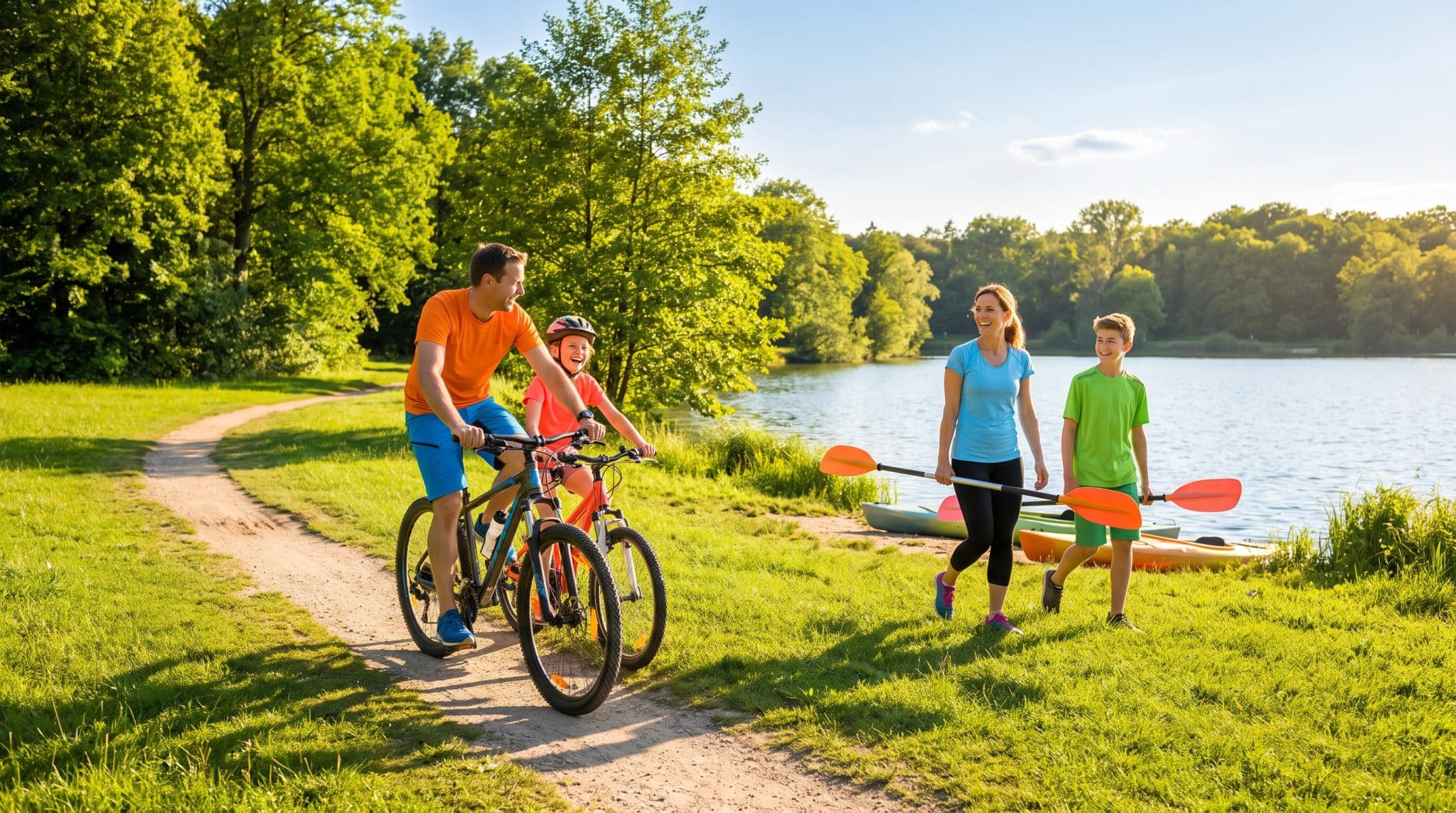
Keeping a paddling club active during the off-season means finding activities that preserve the group’s rhythm, and cycling is one of the most practical options available. When cold water, permit gaps, or seasonal closures shut down access to the river or lake, the club’s social structure, shared schedules, and group
A kayak drops into white water and, for a few seconds, the paddler cannot see exactly what comes after the bend. A roulette ball circles the wheel and nobody knows where it will stop. These experiences belong to different worlds. One involves cold water, physical effort and a very good
Some college degrees point toward one obvious profession. Recreation management does not. That uncertainty can make the major seem vague at first, yet it is also one of its strengths. Recreation happens in city parks, sports complexes, community centers, resorts, camps, universities, nonprofit organizations, and rehabilitation facilities. Each setting needs
For families who enjoy staying active, weekends and holidays can be much more exciting when they involve trying something new. Instead of following the same routine of watching movies or visiting familiar attractions, families can use their time outdoors to discover sports that challenge them physically, encourage teamwork, and create
If you spend your weekends on the water, on the trails or doing anything that pushes your body physically, you already know that recovery matters as much as the activity itself. Muscle soreness, joint stiffness and general fatigue are part of the deal — the question is how quickly and
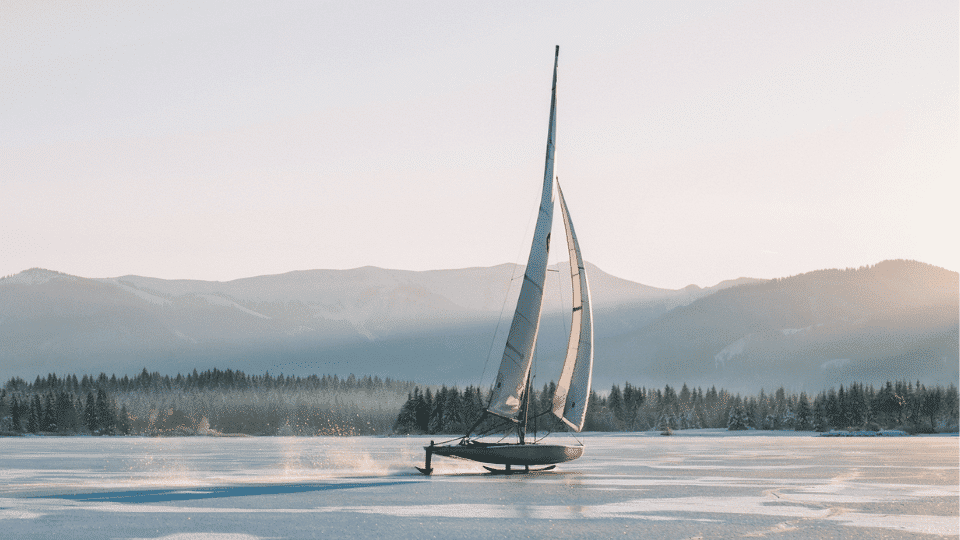
There’s a frozen lake, a sail catching wind, and a boat gliding across the ice with no water in sight. That’s ice sailing, also known as iceboating, a winter sport where wind alone powers a specially built boat over frozen ground. The metal runners replace the usual hull, allowing for
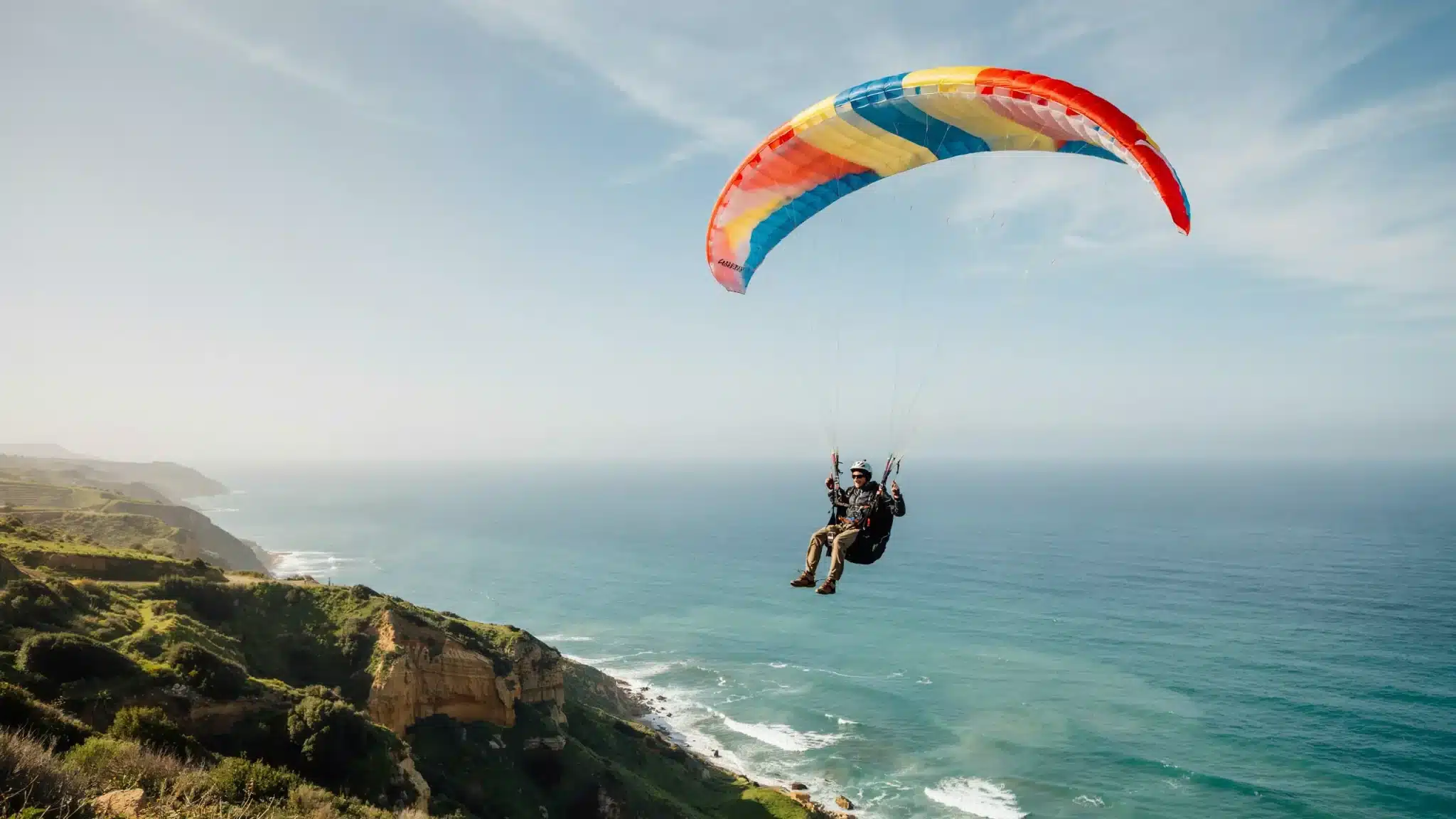
Parasailing and paragliding get confused constantly, and the names don’t help. Both put you under a canopy in the air, and both look identical in photos. But the two sports work nothing alike once you look past the name. Parasailing uses a boat and tow rope to lift you into
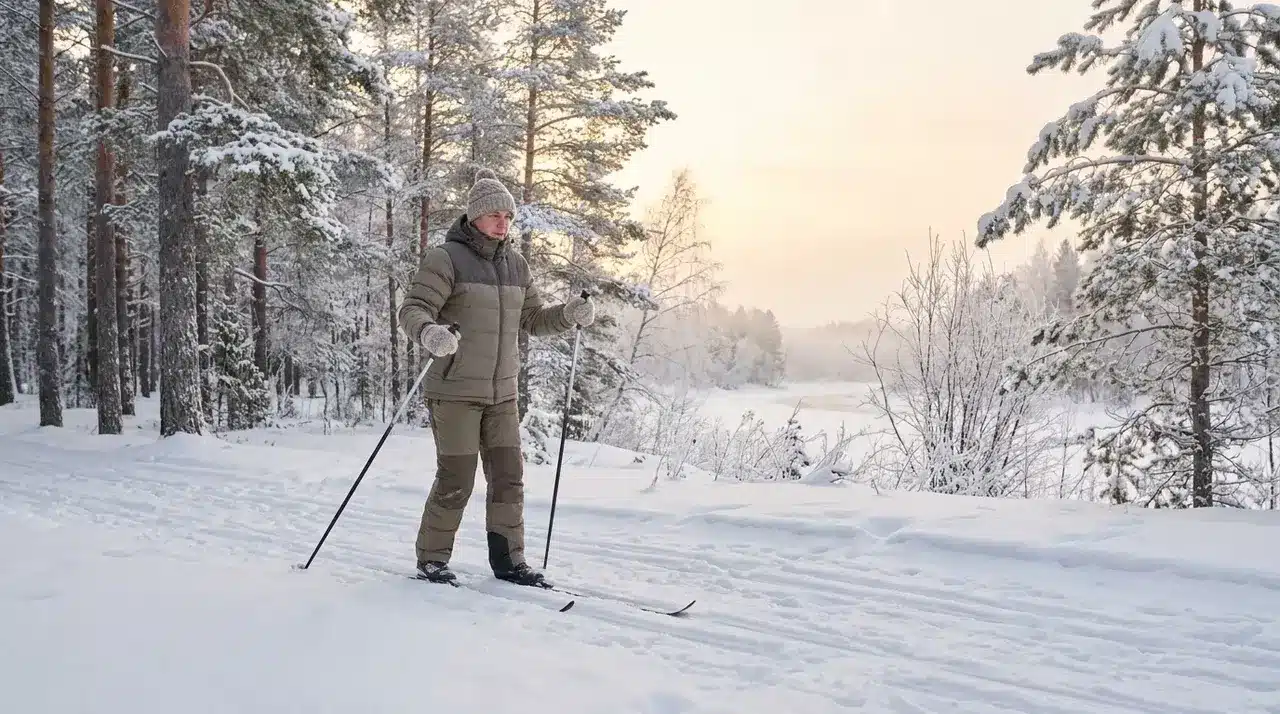
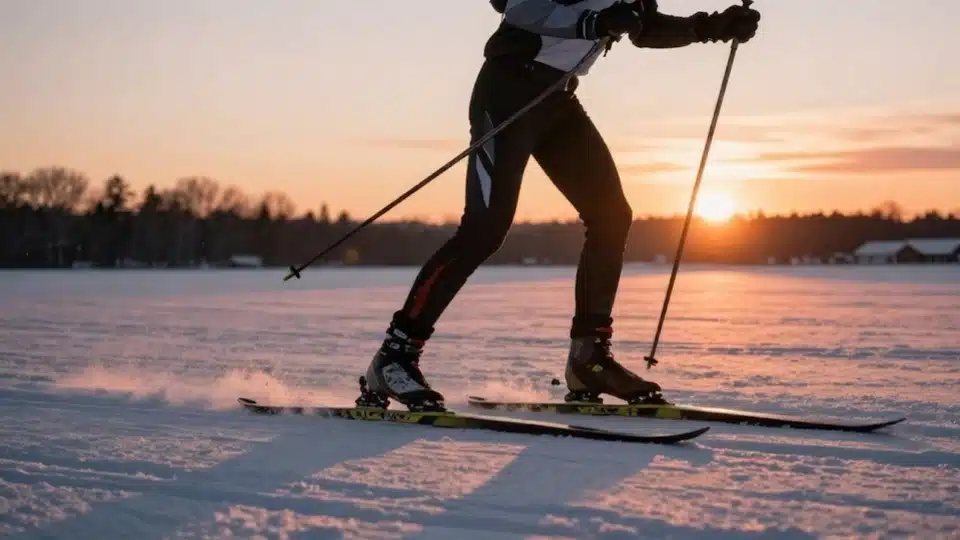
Cross-country skiing is one of the easiest and most beginner-friendly winter sports to try. Unlike downhill skiing, you do not need steep mountains or expensive lift tickets. You move across snow using lightweight skis and poles, powered entirely by your own movement. It works your entire body, gets you outdoors,
Nordic skiing has been around for at least 5,000 years, making it one of the oldest forms of human travel on record. What started as a practical way to cross frozen terrain in Scandinavia became a competitive sport, a fitness discipline, and one of the most effective full-body workouts you
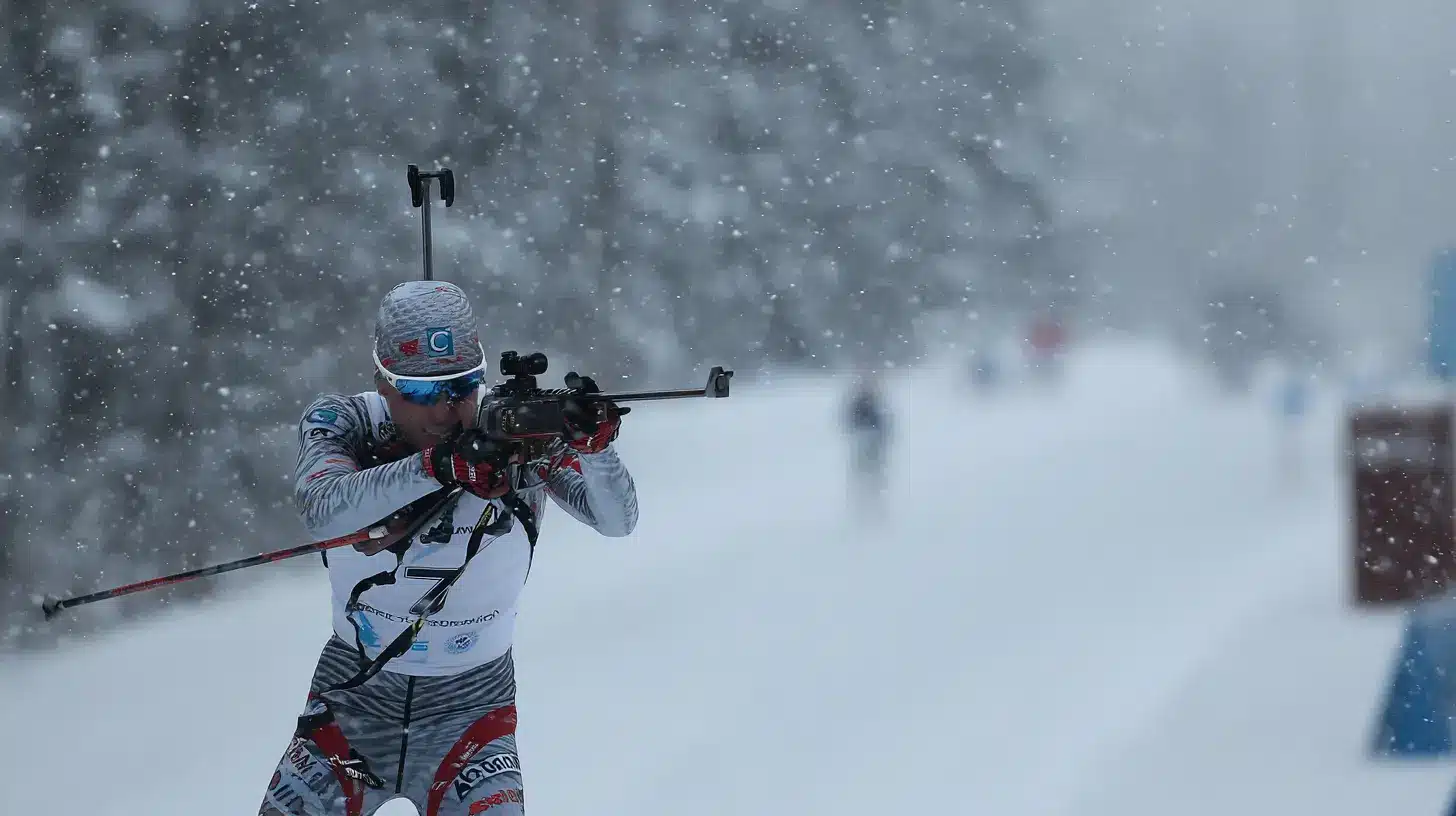
Most winter sports demand either speed or precision. Biathlon demands both, at the same time, in freezing temperatures, with a rifle on your back. Athletes ski several kilometers at full effort, then must stop, steady their breath, and hit targets. Prone targets are just 45 mm across, roughly the size
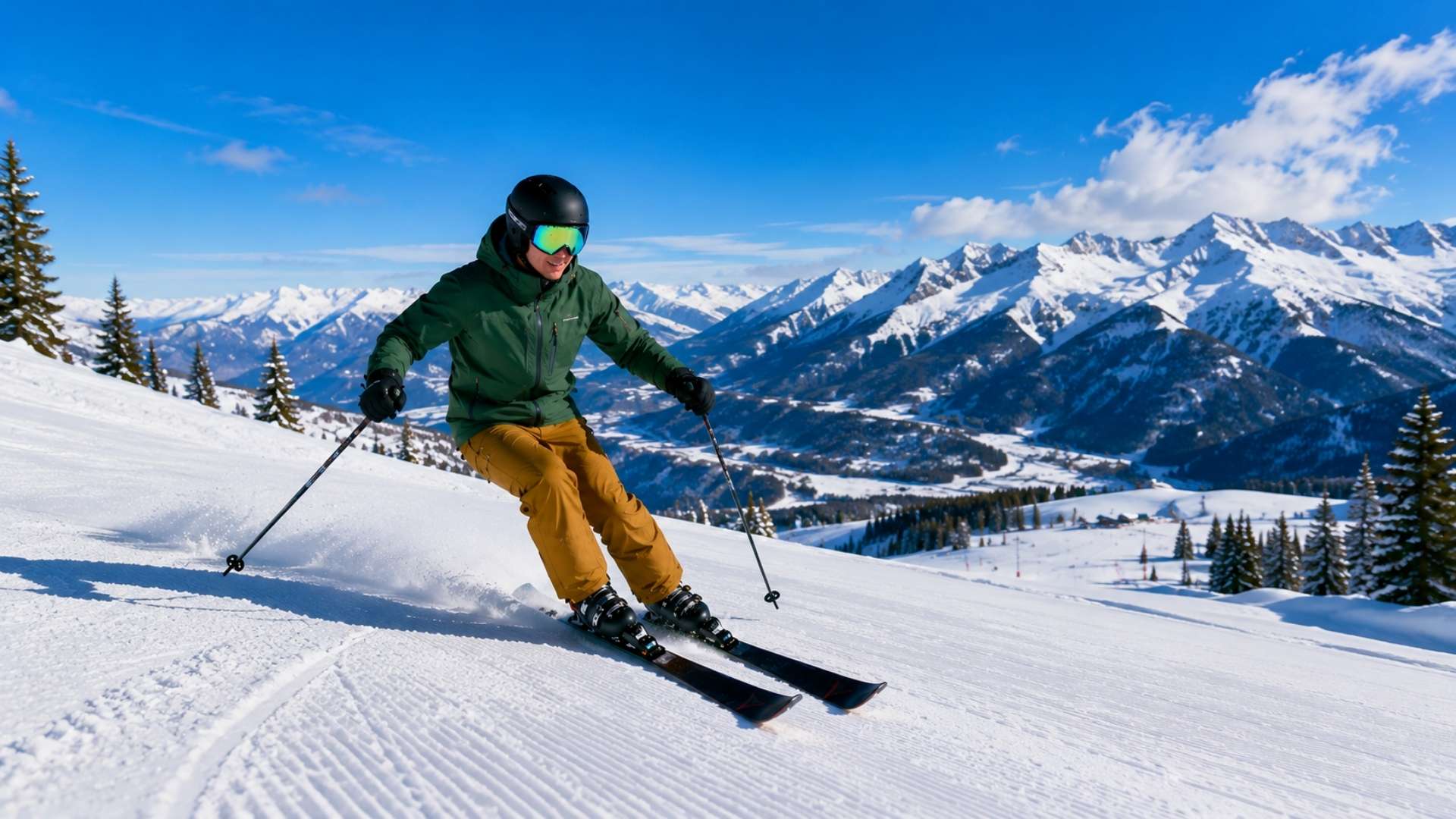
Ever watch someone ski down a slope and wonder how they make it look so easy? There is a good chance they were using parallel skiing. It is a technique where both skis stay side by side through every turn. No V-shape. No wide stance. Just skis pointing the same