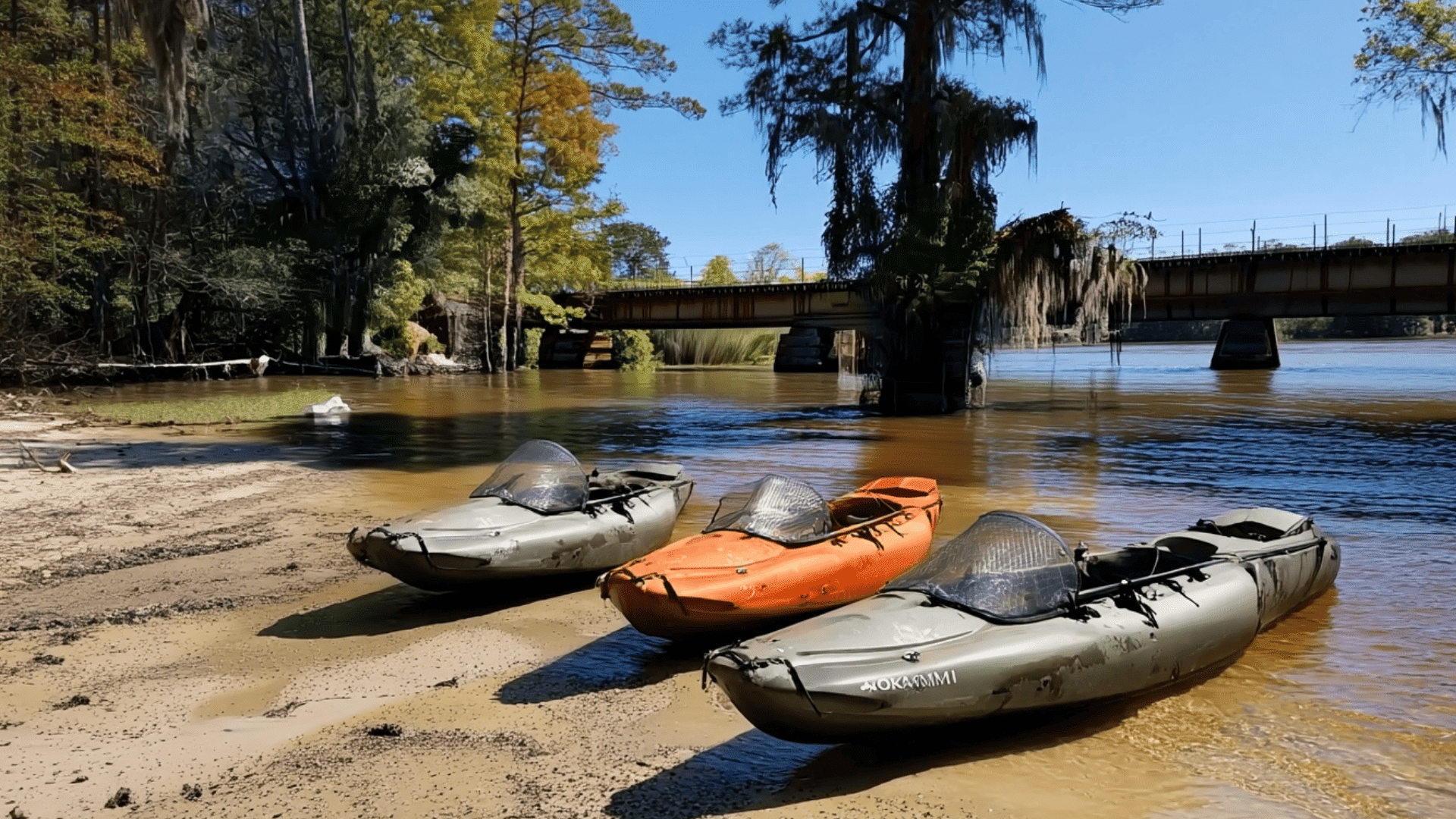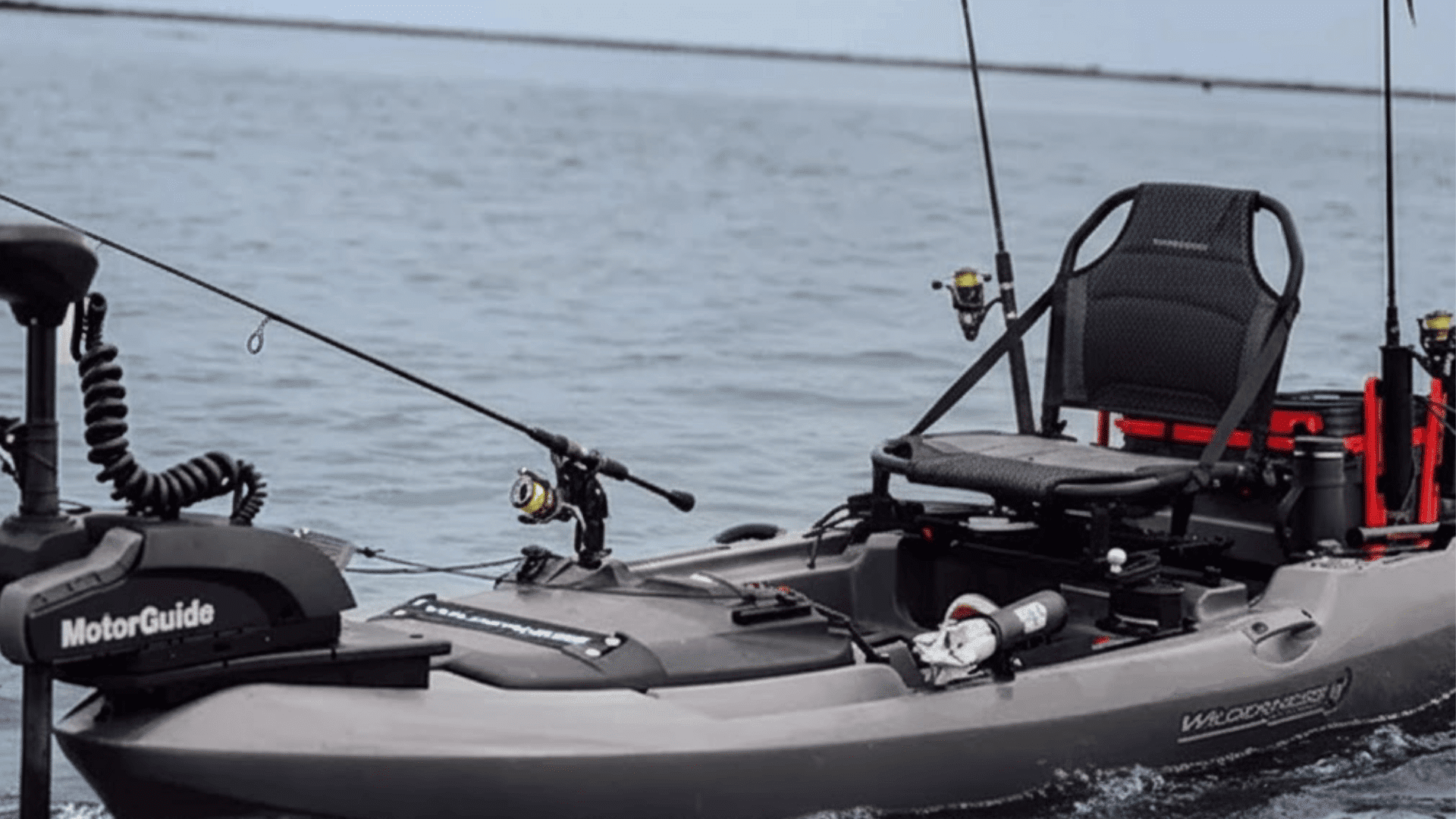

If you spend your weekends on the water, on the trails or doing anything that pushes your body physically, you already know that recovery matters as much as the activity itself. Muscle soreness, joint stiffness and general fatigue are part of the deal — the question is how quickly and effectively you can bounce back. Red light therapy is gaining traction among active people as a practical, evidence-backed recovery tool, and the mat format in particular makes it one of the more accessible options for regular home use.
What Red Light Therapy Actually Does
Red light therapy delivers specific wavelengths of red and near-infrared light to the skin and underlying tissue. These wavelengths are absorbed by the mitochondria, the energy-producing structures inside cells, triggering an increase in ATP production — the fuel that powers cellular repair and regeneration. The downstream effects include reduced inflammation, accelerated muscle repair and improved circulation in treated areas.
For people who train, paddle, hike or push themselves physically on a regular basis, these effects are directly relevant. Delayed onset muscle soreness, the deep ache that sets in 24 to 48 hours after exertion, is reduced when near-infrared light is applied to fatigued tissue. Joint inflammation, which accumulates with repeated load-bearing activity, responds well to consistent near-infrared treatment. Connective tissue, which recovers more slowly than muscle due to limited blood supply, also benefits from the collagen synthesis stimulation associated with regular red light therapy sessions.
Why the Mat Format Works for Active People
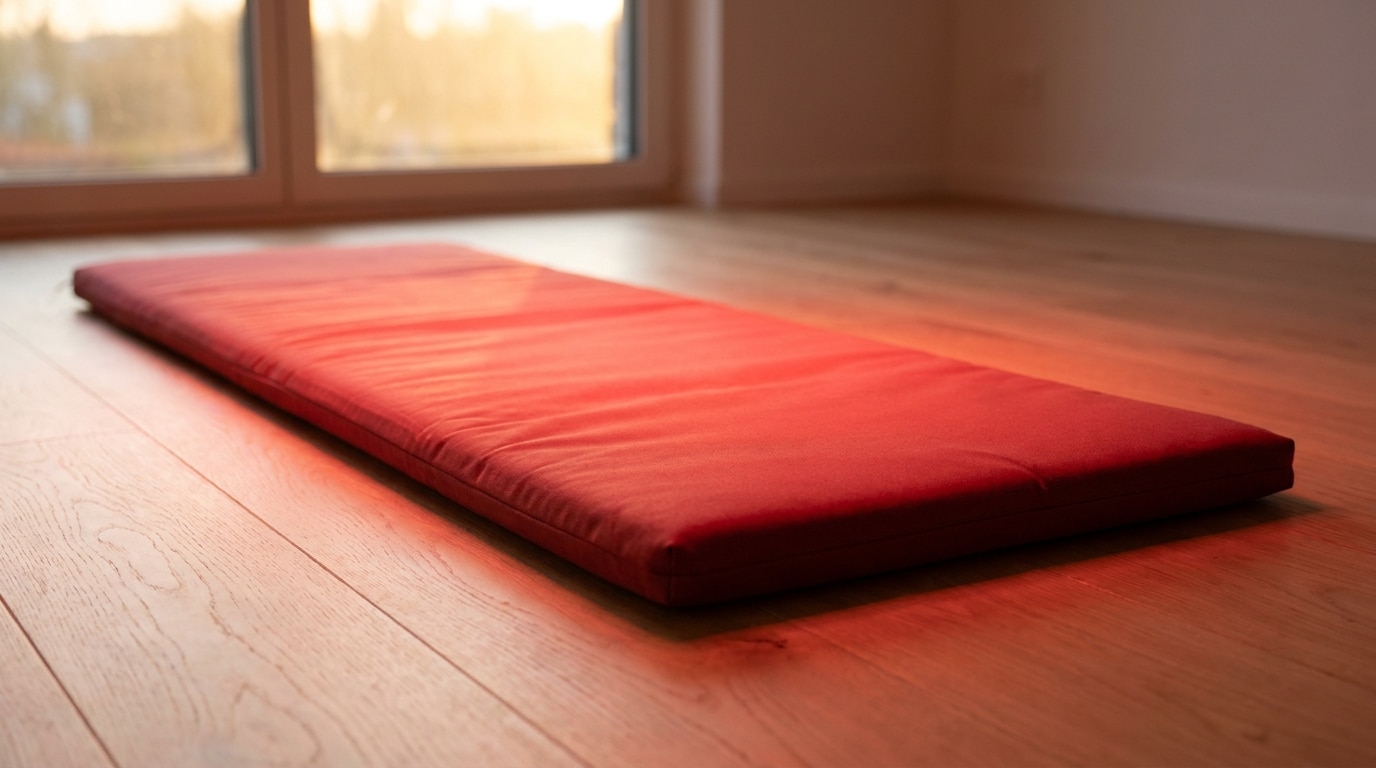
There are different formats of red light therapy device — panels, targeted wands, facial masks and full-body mats. For active and outdoor-focused people, the mat format is particularly practical. Rather than targeting one specific area, a red light therapy mat delivers near-infrared light across the full body in a single session, which matters when you have loaded multiple muscle groups and joint structures during a day on the water or a long trail run. StreamShop Australia carries a range of mats designed for consistent home use, making it easy to build a recovery session into the same evening as activity.
Sessions typically run between 10 and 20 minutes and require no preparation or downtime. You lie on the mat, let it work, and get on with your evening. For people whose schedules are already full, that simplicity is a genuine advantage over treatments that require a clinic visit or recovery time of their own.
Skin Health in Outdoor Conditions
Recovery for active people is not just muscular. Extended time outdoors in wind, UV exposure, salt water and dry air takes a toll on the skin, accelerating the breakdown of collagen and disrupting the skin barrier. Red light therapy supports skin repair by stimulating fibroblast activity and collagen production, counteracting some of the environmental load that outdoor activity places on exposed skin over time. Regular sessions support skin resilience, texture and overall condition in ways that topical products alone cannot replicate.
Building It Into a Routine
The most effective use of red light therapy for recovery follows a consistent pattern. Sessions in the hours after activity, while the body is still in an elevated repair state, are particularly beneficial. Most users find three to five sessions per week sufficient to notice meaningful improvements in recovery speed and baseline physical condition over four to eight weeks of regular use.
For anyone already invested in their physical performance and recovery, red light therapy is one of the more evidence-backed tools available for home use. The mat format makes that consistency realistic without adding complexity or cost to an already full schedule.