Author
Ryan Peters
Ryan Peters spent six summers as an ocean lifeguard for Los Angeles County, swimming rescues in heavy surf and running the rescue boats and jet skis crews use when a swimmer is too far out to reach.
Before becoming a lifeguard, Ryan rowed for four years at Loyola Marymount University in Los Angeles. Early morning practices started at 5 a.m., often before his classes, and he spent most of his time in the stroke seat, setting the pace for the rest of the crew. He graduated with a B.S. in Health and Human Sciences.
Surfing has been part of Ryan's life since he was growing up in Southern California. He still gets out on the water most mornings and tries to spend a few weeks each winter surfing the North Shore of Oahu.
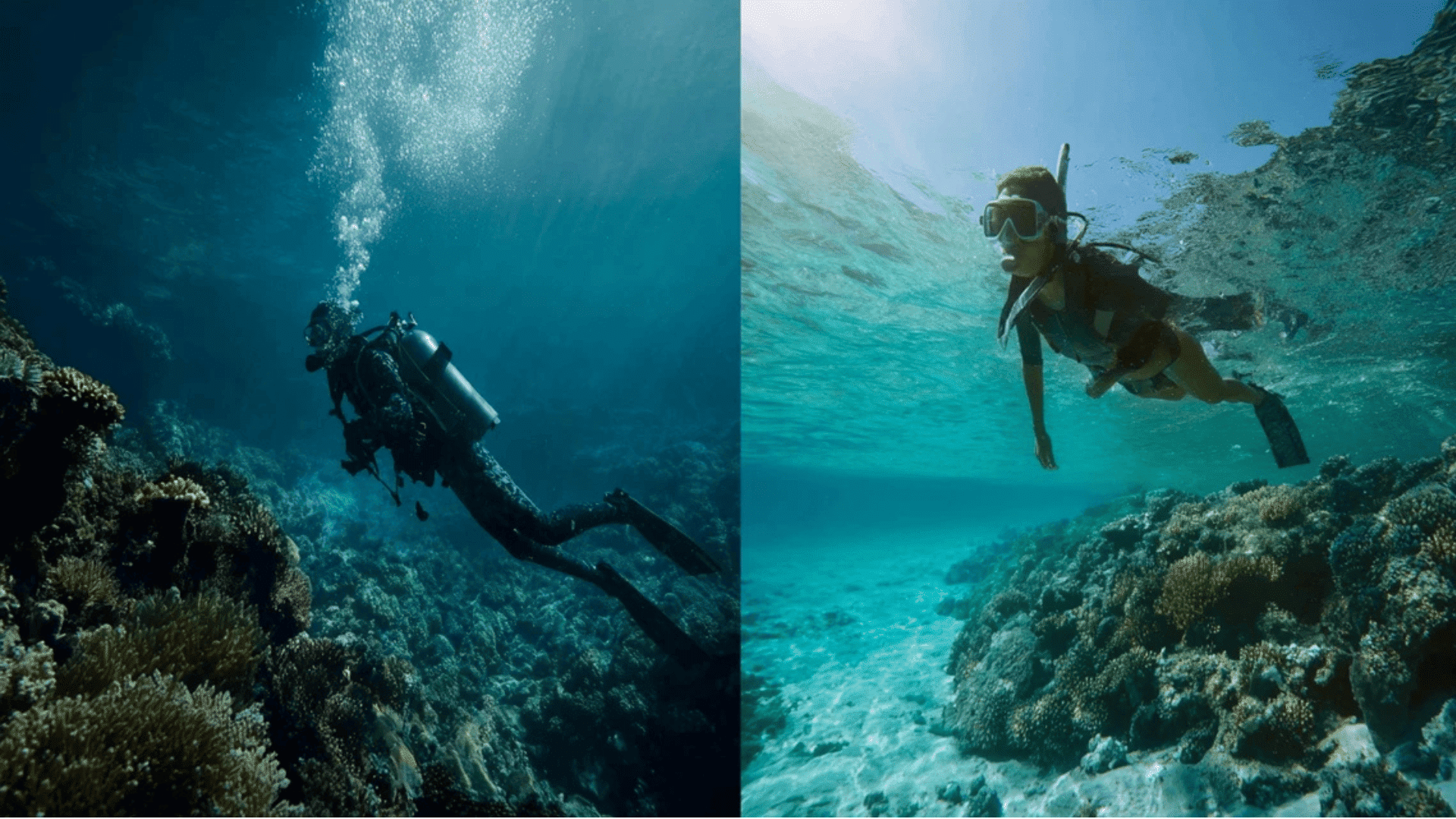
Scuba diving came later. After becoming a PADI Divemaster, he spent three winters working on boats in the Florida Keys, taking new divers out on their first reef trips.
He has logged more than 300 hours underwater and has plenty of experience helping first-time divers feel comfortable in the water.
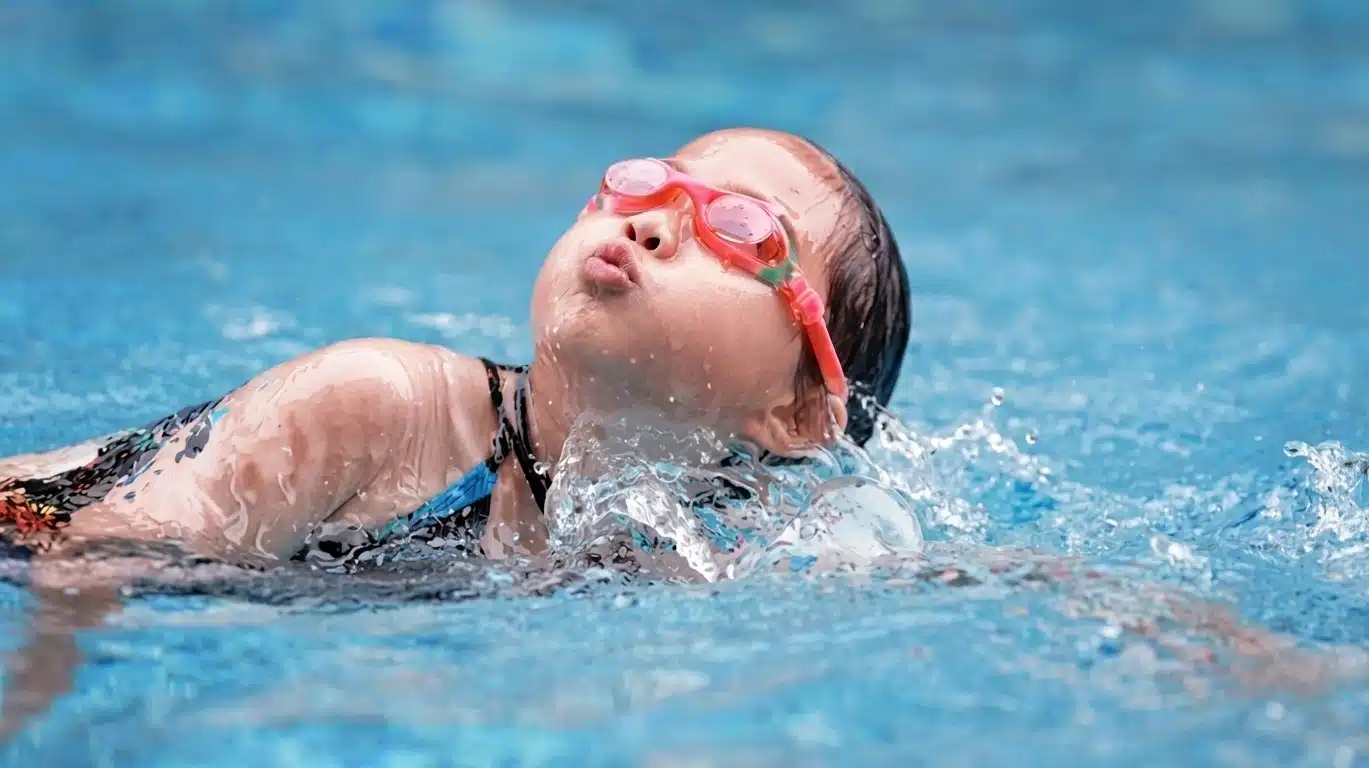
Ear pain after swimming is one of the most common problems swimmers face, and most people want quick relief the moment it starts. Learning how to relieve ear pain after swimming can prevent minor discomfort from becoming a bigger problem. The pain often starts with a plugged or itchy feeling,
“Is swimmer’s ear contagious?” is one of the most common concerns swimmers have after a day at the pool, and the direct answer is no. Swimmer’s ear does not spread from person to person the way a cold or the flu does. It develops on its own inside a person’s
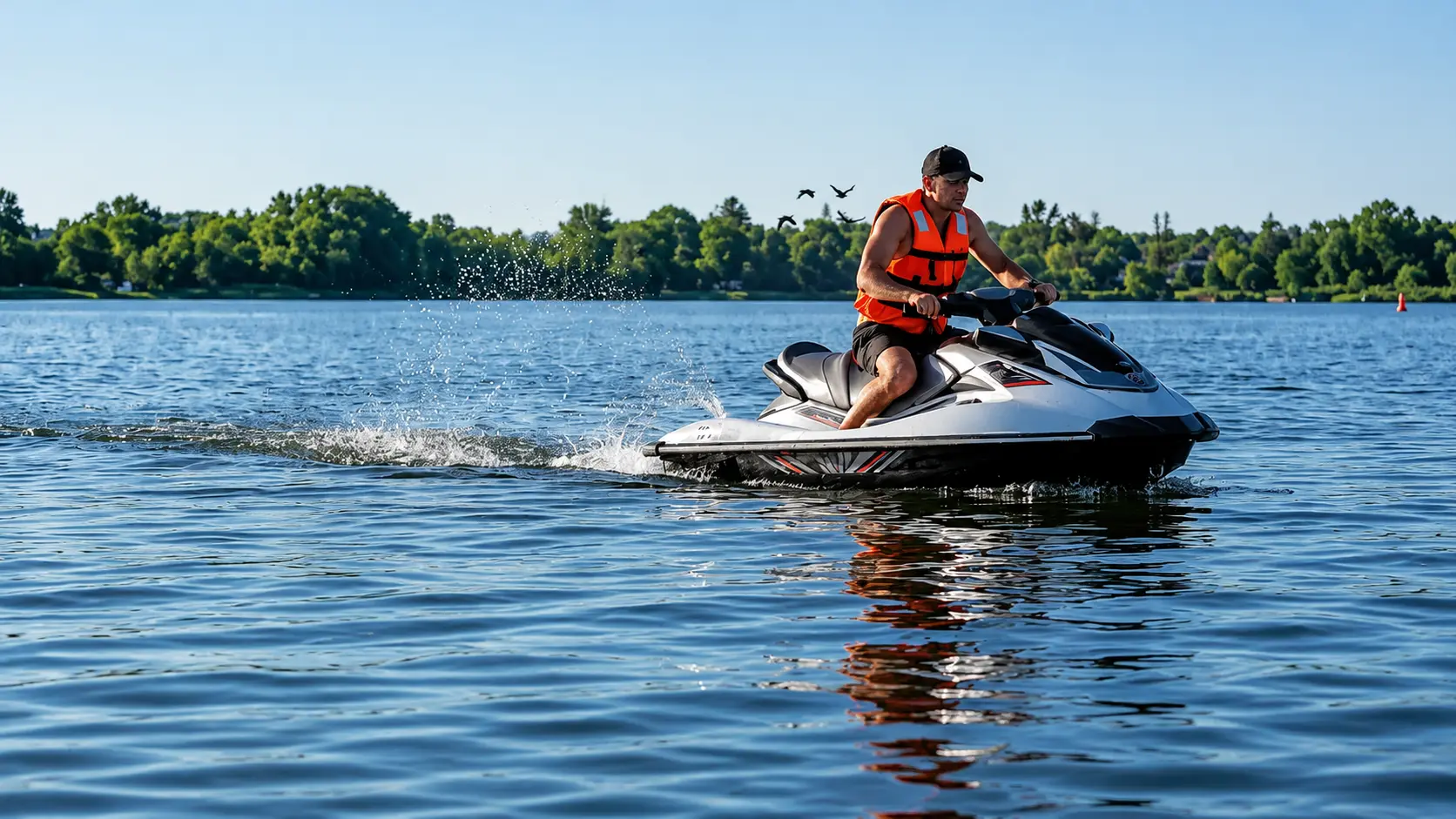
Planning to ride a jet ski in New York this season but worried about the “license”? There’s no “jet ski license” to apply for, but skipping the right paperwork can still get you fined on the water. New York doesn’t hand out a traditional boating license for personal watercraft. Instead,
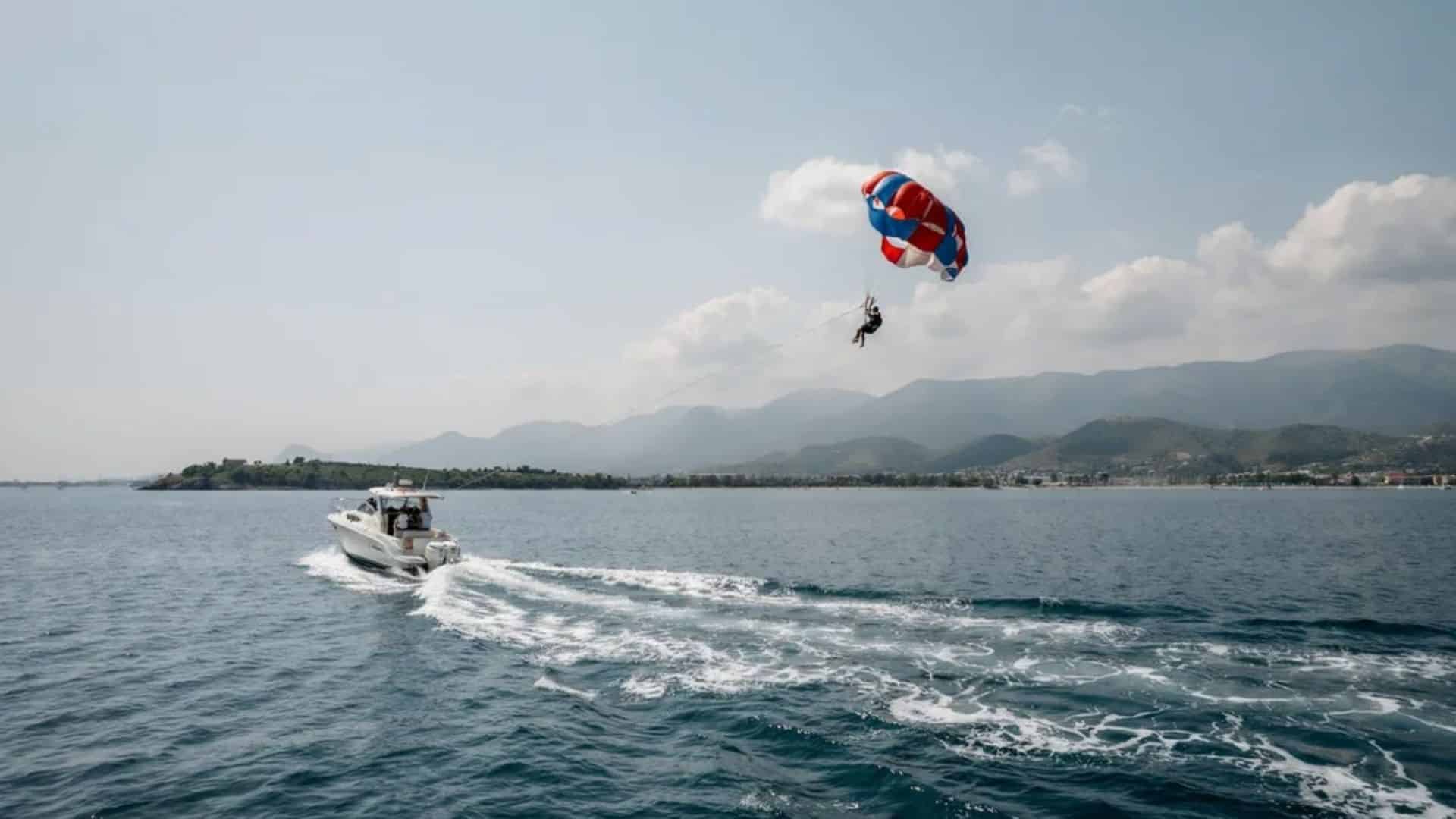
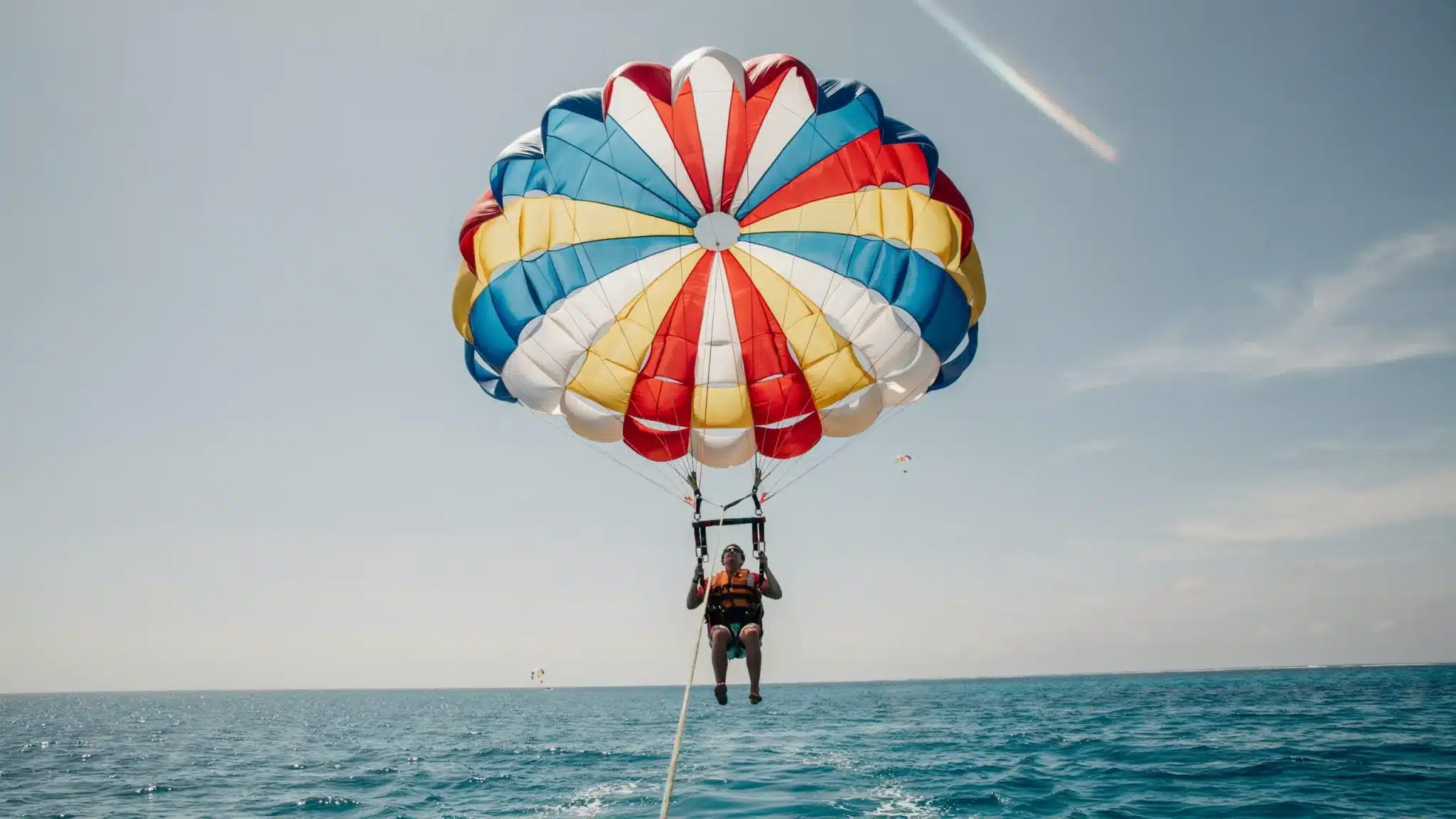
Most parasailing rides carry you between 300 and 500 feet above the water, with 500 feet being the legal ceiling under FAA rules. Where you land in that range depends on the operator, the length of towline let out that day, and the wind. You still get some say in
Caving is the sport of exploring natural cave systems on foot, crawling, or climbing through underground passages. Both caves offer the same draw: darkness, silence, and a world most people never see. A comparison of cave diving vs dry caving risks reveals that these two activities share a surface-level look
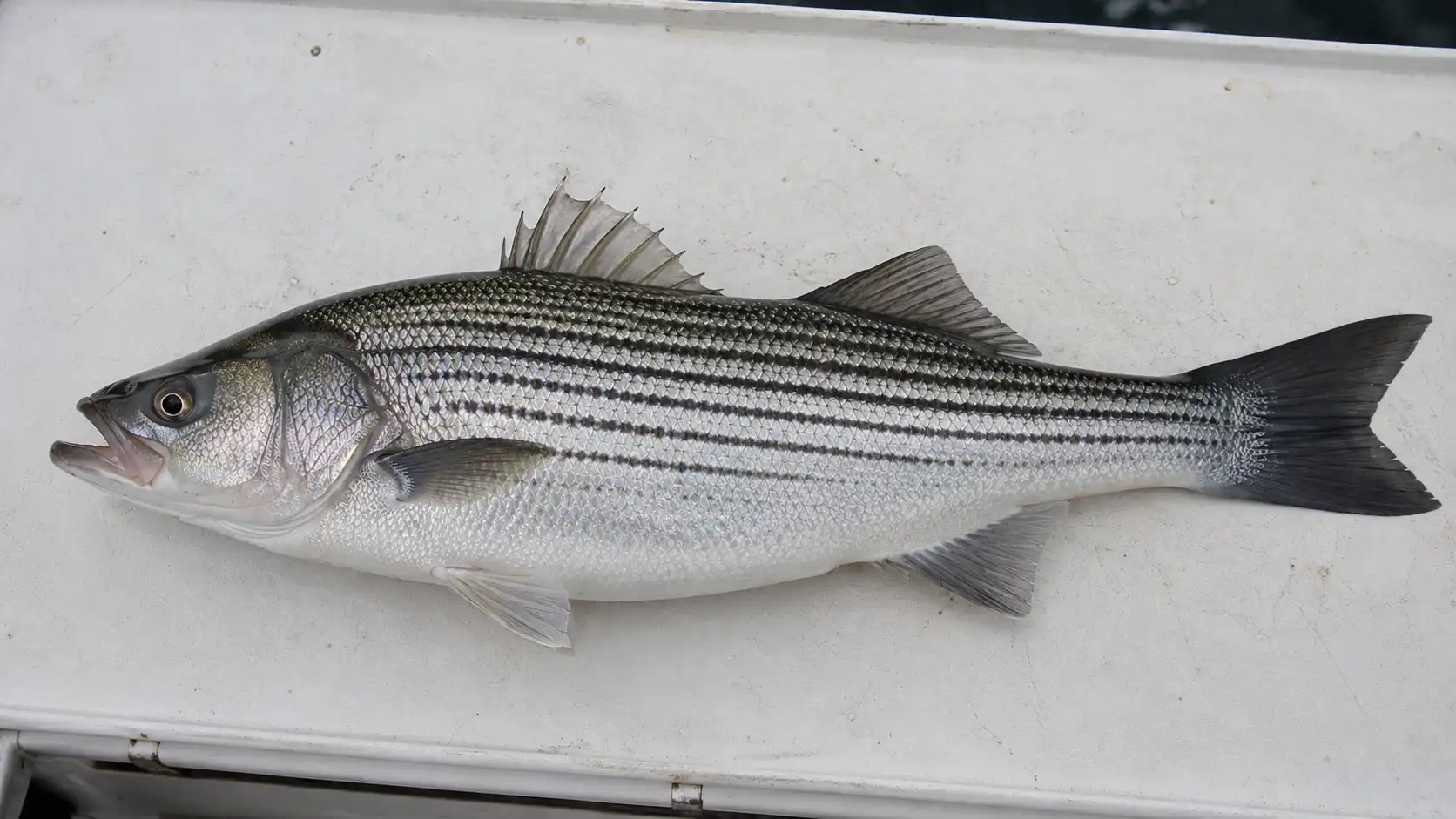
Striper fish, or striped bass (Morone saxatilis), also commonly called rockfish, linesider, or Atlantic striped bass, are one of the most sought-after sport fish in freshwater reservoirs. Native to the Atlantic coast from Georgia to Maine, they are anadromous by nature, spawning in freshwater rivers before returning to salt water.
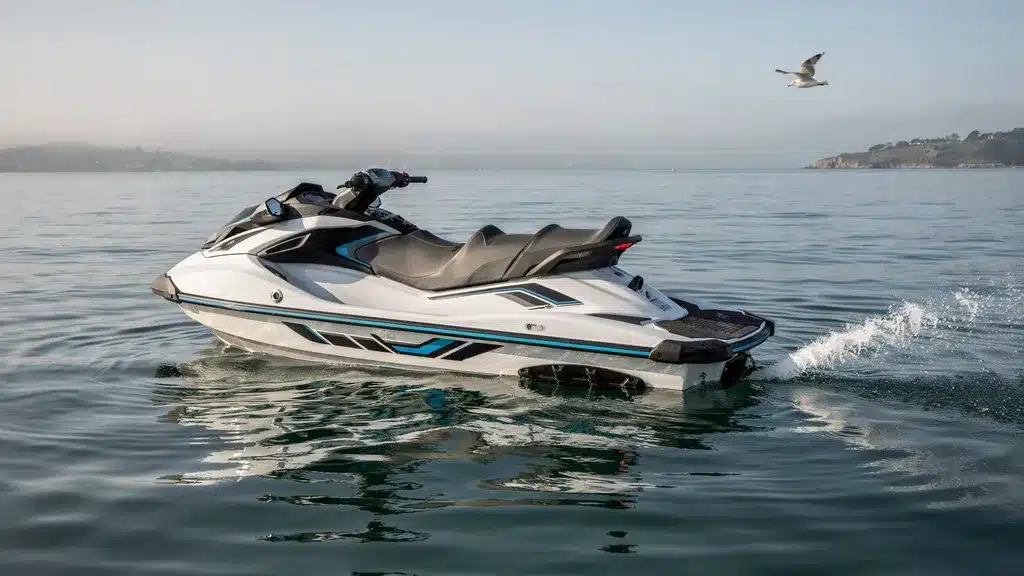
Understanding how a jet ski works starts with one simple idea: the machine draws in water and pushes it out the back at high speed. That water movement is what drives the craft forward. A jet ski, or personal watercraft (PWC), runs on three core systems: the engine, the jet
Most adventure activities have rules for a reason, and parasailing is no exception. Before you book a flight over the water, there are a few things worth knowing, and the parasailing weight limit is one of the most important. It affects your safety, your experience, and whether you can fly
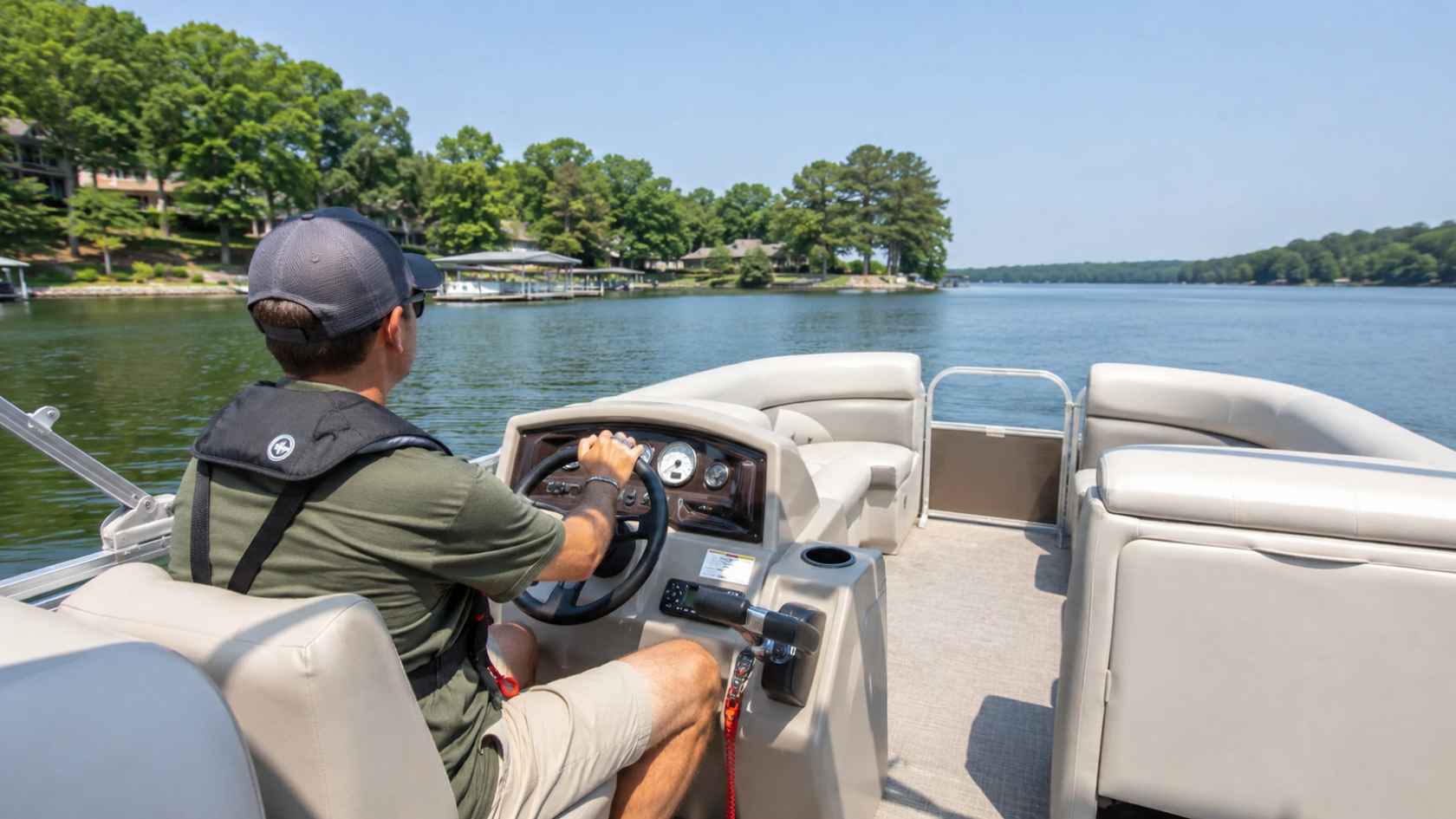
There is something relaxing about spending a day on the water, especially on a pontoon boat. With plenty of space, a smooth ride, and simple controls, these boats are a popular choice for families, anglers, and first-time boat owners. Even so, learning how to drive a pontoon boat can feel
Some films just stick with you. The best surfing movies do exactly that. They pull you into a world where the ocean feels alive, and the waves never stop calling. You feel the salt in the air. You hear the crash of water before a single word is spoken. Some
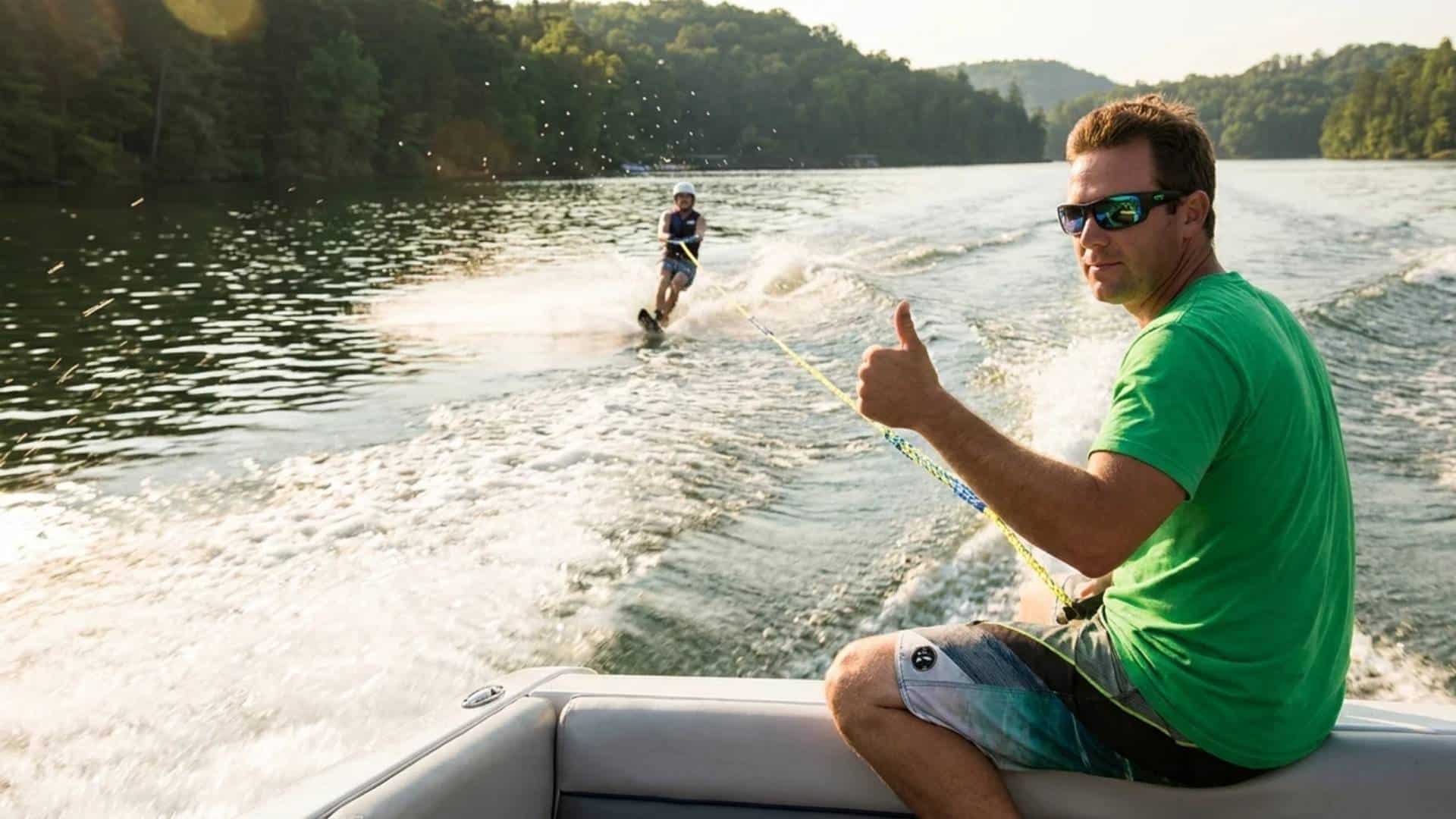
Water skiing safety rules exist for one reason: what goes wrong on the water tends to go wrong fast. Not because of freak accidents, but because someone skipped a step they assumed did not matter. A missed signal, a slow response, a skier in the water with no one watching,
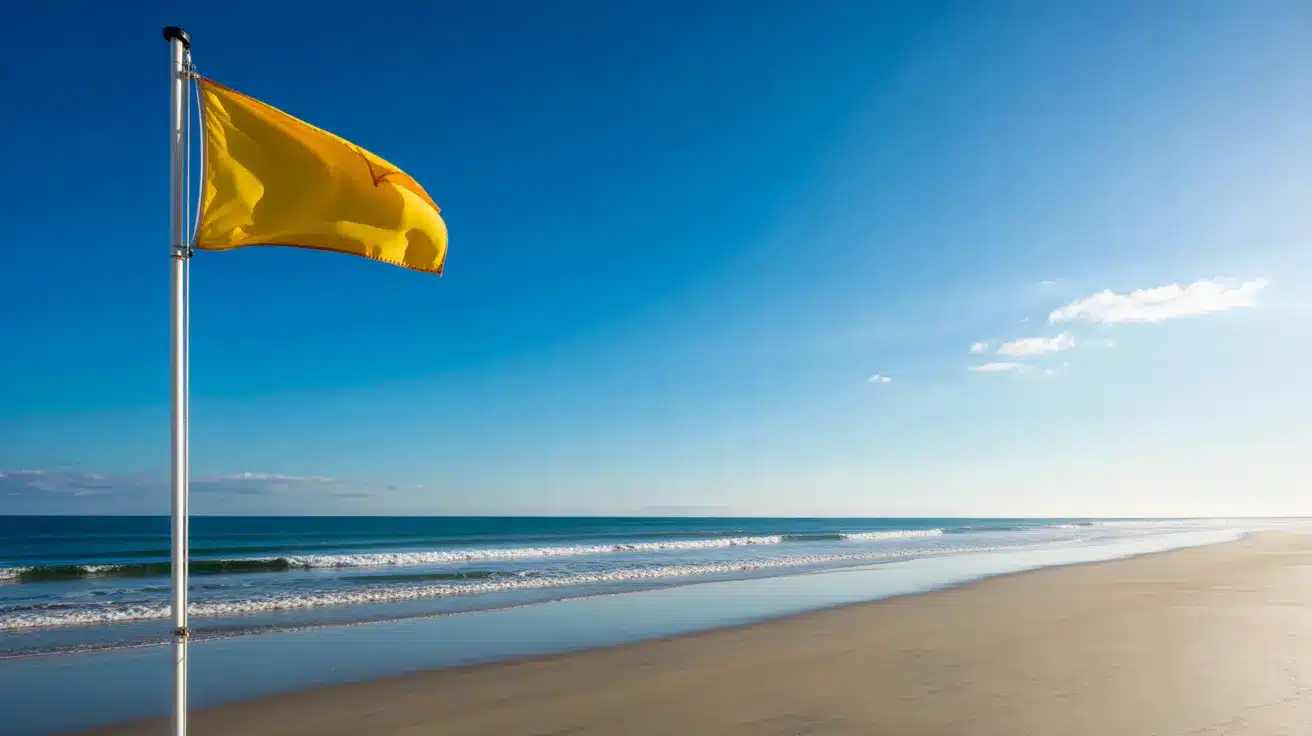
When you arrive at the beach, one of the first things to check is the beach flags. These vibrant markers are more than just a colorful feature; they’re vital signals for water conditions and safety hazards. If you’re swimming, surfing, or simply relaxing, understanding what each flag means helps you