

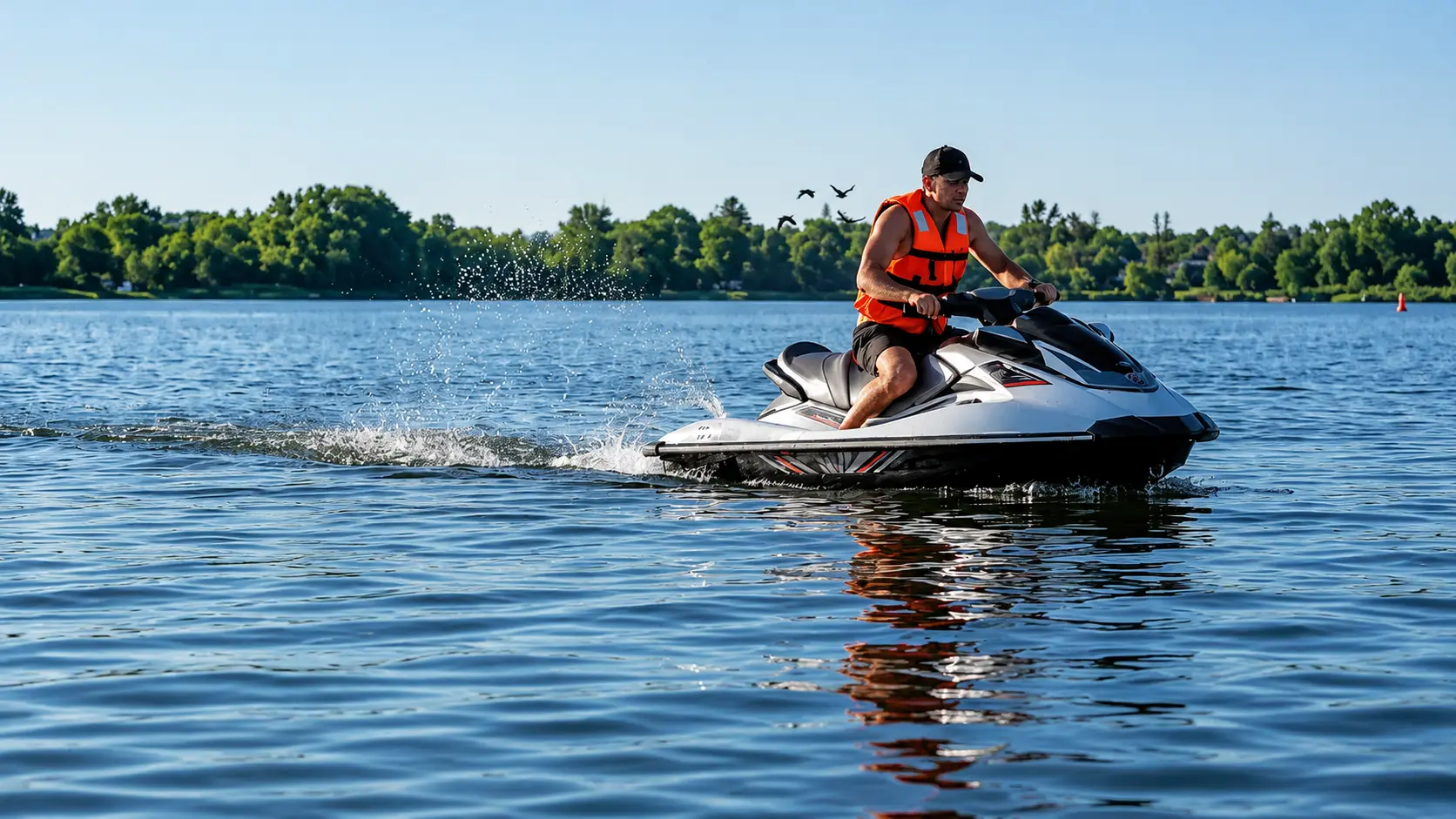
Planning to ride a jet ski in New York this season but worried about the “license”? There’s no “jet ski license” to apply for, but skipping the right paperwork can still get you fined on the water.
New York doesn’t hand out a traditional boating license for personal watercraft.
Instead, Brianna’s Law requires every operator to carry a New York State Boating Safety Certificate, a rule that’s applied across the board since January 1, 2025, with a few exceptions for rentals and out-of-state visitors.
Below, you’ll find the age requirements, certification steps, exemptions, and penalties you need to know before you launch.
Boating Safety Certificate vs. a Boating License
Quick Clarification: People search “jet ski license” because that’s the familiar term from driving a car. New York’s actual legal document is a Boating Safety Certificate. It’s not renewed, doesn’t expire, and functions the same way a license would: proof that you passed an approved safety course and are legally allowed to operate a motorized vessel.
It serves as proof that you completed the required boating safety education and are authorized to operate under New York boating rules.
Who Needs a Boating Safety Certificate to Operate a PWC in New York?
The requirement comes down to two things: how old you are and when you were born.
Both factors work together to decide whether you’re covered.
Age-Based Rules
PWC rules are stricter than the rules for other motorized boats in New York. Here’s how the age brackets break down:
| Age | Can Operate a PWC? | Requirement |
|---|---|---|
| Under 14 | No | Not permitted under any circumstance, even with adult supervision |
| 14 to 17 | Yes | Must hold a valid Boating Safety Certificate |
| 18 and older | Yes | Must hold a valid Boating Safety Certificate |
That stricter treatment traces back topersonal watercraft classification,which puts a jet ski in its own category separate from a standard motorboat. Fourteen is a hard floor for jet skis specifically.
Birth-Year Rule
Before 2025, New York phased in the certificate requirement by birth year, starting with younger operators and expanding each year. That rollout is finished. As of January 1, 2025, birth year no longer matters. Every operator needs the certificate, full stop.
Who Is Exempt From New York’s Boating Safety Certificate Requirement
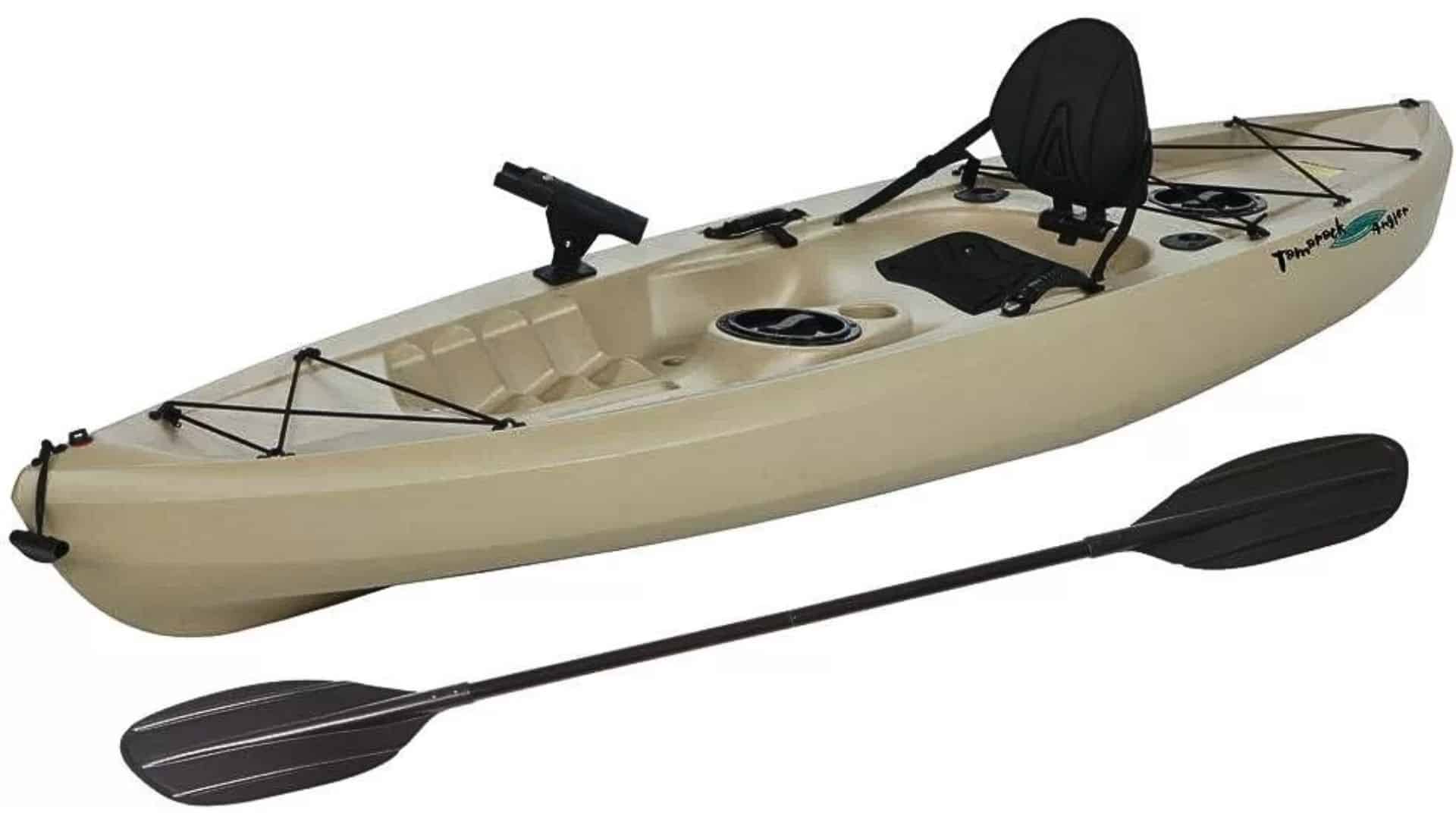
- Non-motorized vessels: Kayaks, canoes, and sailboats without a motor don’t require the certificate, though the state encourages the course anyway.
- Out-of-state visitors: A valid boating certificate or license from another state is accepted if it meets NASBLA standards. Boats registered elsewhere can operate in New York for up to 90 consecutive days.
- Rental operators aged 18 and older: New York allows certain adult renters operating a rental PWC from a licensed livery to operate without completing the full certificate requirement, provided the livery provides required safety instruction.
How to Get Your New York Boating Safety Certificate
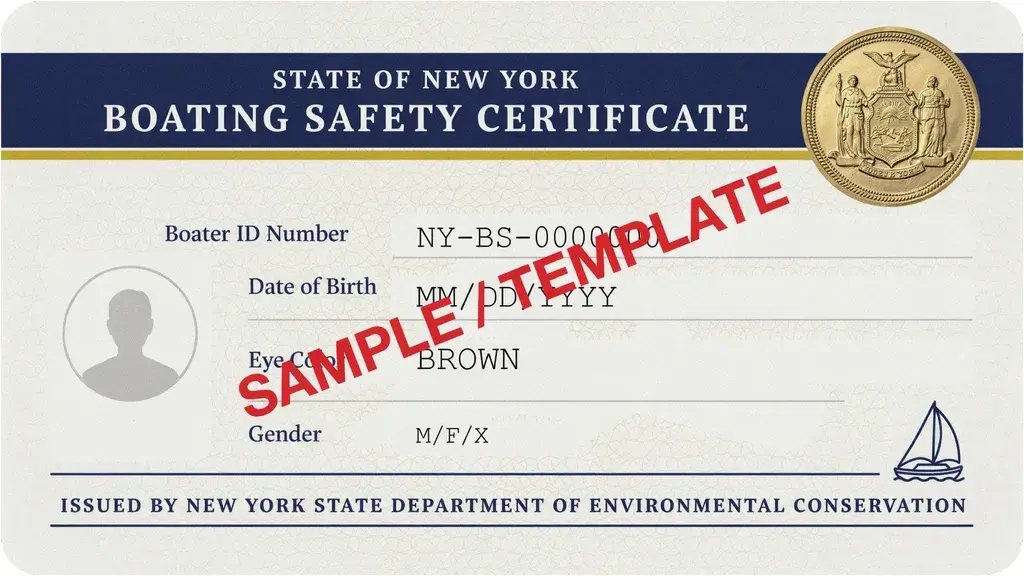
Getting certified involves three things: picking an approved course, choosing a format that fits your schedule, and knowing what it costs and how long it takes.
Approved Course Options
Your course has to be approved by the National Association of State Boating Law Administrators (NASBLA) and recognized by the New York State Office of Parks, Recreation and Historic Preservation.
Options include state-approved online providers, in-person classes, and courses run through the U.S. Coast Guard Auxiliary or U.S. Power Squadrons.
Online vs. In-Person
| Format | Time Commitment | Best For |
|---|---|---|
| Online, self-paced | Spread over several sessions | Flexible schedules, studying at your own speed |
| In-person, one day | Typically 6 to 8 hours, single day | Same-day certification, hands-on questions |
Cost and How Long It Takes
Course fees vary by provider, typically running $40 to $60 for approved online courses. A few options, including the BoatUS Foundation course, are free.
Once you pass the exam, you get a temporary certificate valid for 90 days, with your permanent card arriving by mail within that same window, so plan ahead of boating season rather than the week you plan to launch.
Can You Rent a Jet Ski in New York Without a Certificate?
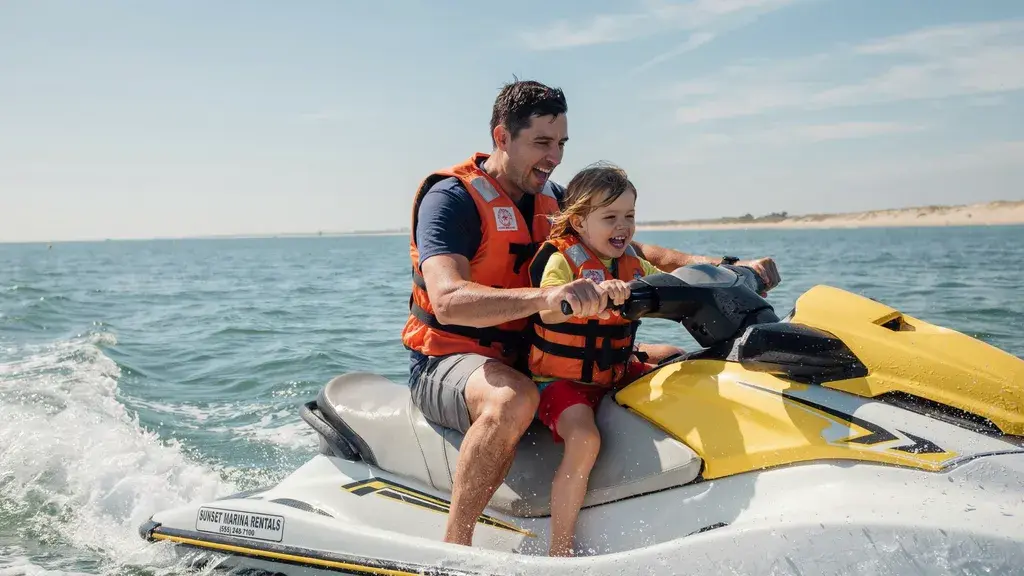
In some cases, yes. New York allows an exception specifically for rentals, separate from general operating rules.
| Rental Quick Check Are you 18 or older? → Yes: You can rent and operate a PWC from a licensed livery without a certificate, as long as staff give you basic safety instructions before you leave the dock. → No (under 18): You must already hold a valid Boating Safety Certificate to rent. |
What Rental Companies Typically Require
Even when the state doesn’t require a certificate for adult renters, individual rental companies often add their own conditions, such as a photo ID, a signed waiver, or a short on-water skills check.
Confirm the specific policy with the rental company before you book.
Penalties for Operating a Jet Ski Without Certification in New York
Operating without your certificate on board is a real citation, not a warning.
Reported fines for failing to carry a valid Boating Safety Certificate commonly run into the hundreds of dollars, and enforcement comes from NY State Police Marine Detail, county sheriffs, and the Coast Guard.
Officers can also require you to return to shore immediately until you can produce it.
Other New York PWC Rules Worth Knowing
Beyond the certificate itself, three rules affect nearly every PWC ride in New York: the age floor, life jacket use, and where you’re allowed to operate.
1. Minimum Age to Operate
Fourteen years old, with a valid certificate, no exceptions. This is stricter than the rule for standard motorboats.
2. Life Jacket Requirements
Every operator and passenger on a PWC must wear a Coast Guard-approved life jacket from the moment the engine starts until it shuts off. There’s no exception for calm water or short trips.
3. Where PWCs Are Restricted or Banned in NY
Certain sections of the Hudson River, parts of Lake George during specific seasons, within 500 feet of designated swimming areas, and posted no-wake zones near marinas and residential shorelines.
How to Stay Safe on a Jet Ski
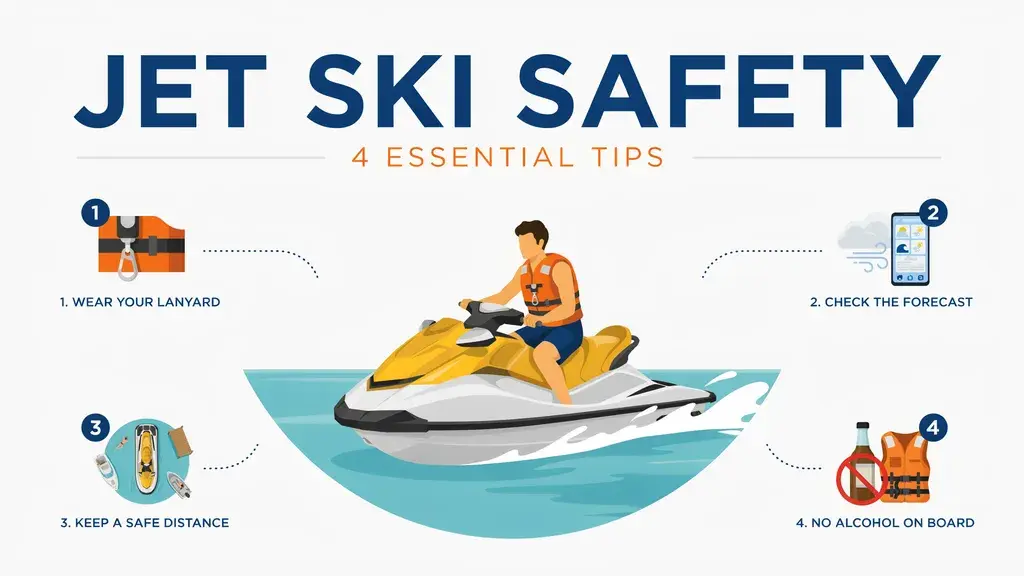
Beyond what’s legally required, a few habits can significantly reduce your risk.
Attach your kill switch lanyard to your life jacket every single time, since it shuts the engine off the moment you’re thrown clear.
Check the marine forecast before you launch, not just the sky.
Keep a minimum of 100 feet from swimmers, docks, and other vessels.
Skip alcohol entirely, since boating under the influence carries the same penalties as drunk driving in New York.
Conclusion
Enforcement on New York waters isn’t limited to state police.
County sheriffs and the Coast Guard both check for a valid Boating Safety Certificate, so operators who skip the course are taking a real risk, not a small technicality.
The safest approach is to complete an approved class well before the certificate’s 90-day temporary window becomes relevant, confirm the age and life jacket rules for your specific trip, and check reciprocity if you’re visiting from another state.
A little planning before launch day is what keeps a jet ski outing on New York waters legal and citation-free.
Frequently Asked Questions
Do You Need a Boater Card to Ride a Jet Ski in New York?
Yes. Under Brianna’s Law, every PWC operator in New York needs a valid Boating Safety Certificate on board, regardless of age.
What Happens if You Operate a Jet Ski in NY Without a Boating Safety Certificate?
You can be cited and fined, and officers can require you to return to shore until you can show a valid certificate.
Can a 400 lb Person Ride a Jet Ski?
It depends on the model’s weight capacity, listed on its capacity plate. Exceeding that limit affects handling, so always check before riding.
Does a Jet Ski Count as a Boat?
Yes, a jet ski is legally a Class A inboard motorboat, the same category as small motorboats under 16 feet.
What’s the Minimum Age to Drive a Jet Ski in New York?
Fourteen years old, with a valid Boating Safety Certificate. Unlike other boats, there’s no age exception with adult supervision.







One Response