Butterfly has a way of dividing swimmers. Some call it the best feeling in the pool once the timing clicks.
Others would rather do almost anything than grind through another 25 yards. That contrast is what makes butterfly swimming interesting.
It can feel heavy, awkward, and exhausting one day, then suddenly smooth the next.
The difference usually comes down to rhythm, breathing, and how well the kick and pull work together.
No wonder swimmers have such strong opinions about it.
What Butterfly Actually Feels Like in the Water
Most descriptions of butterfly swimming focus on what it looks like. Almost nobody describes how it feels, and that gap is exactly where most of the frustration starts.
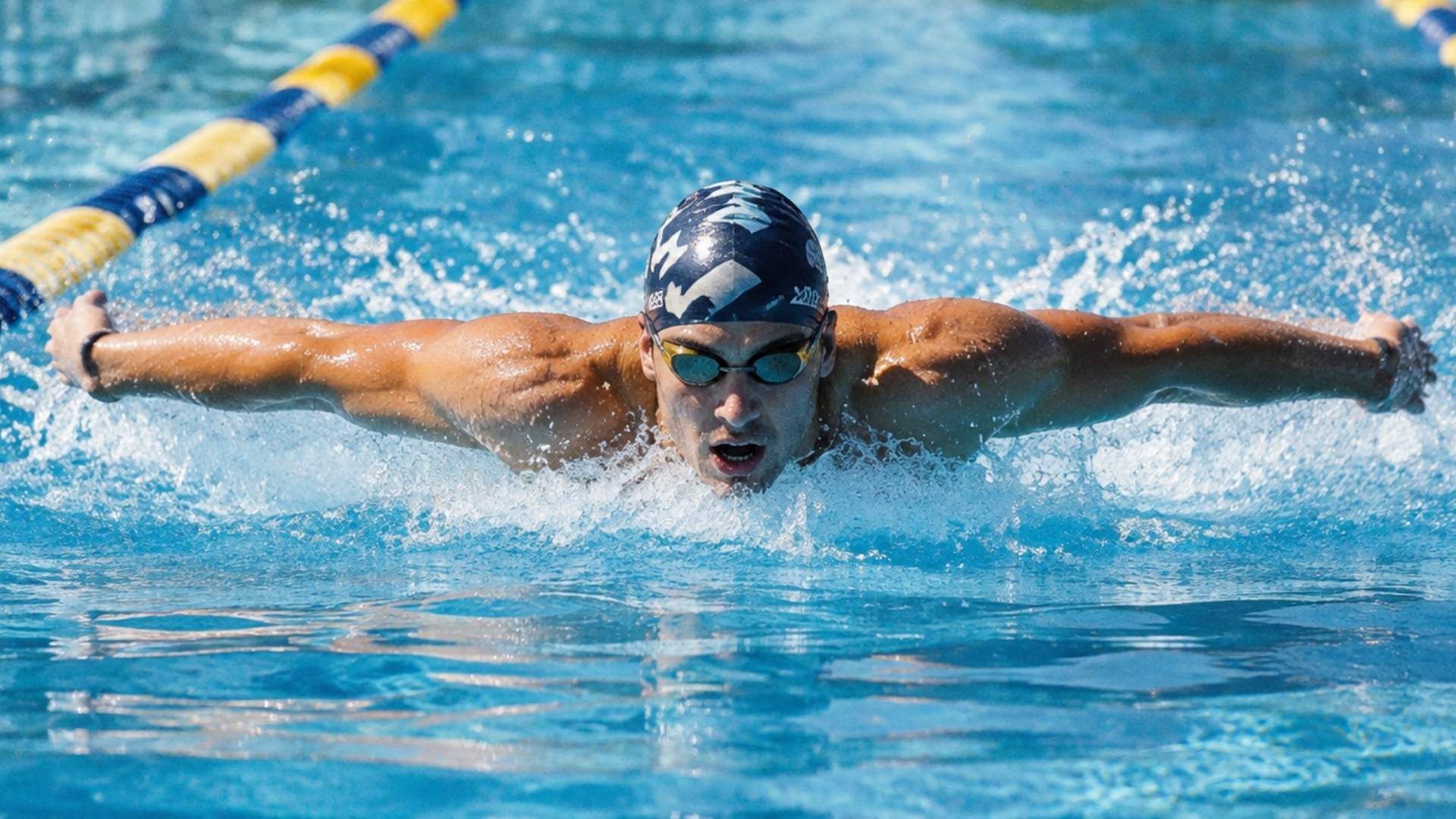
From the pool deck, a swimmer doing butterfly stroke looks smooth. From inside it, the first few attempts feel closer to controlled panic.
Your arms feel heavy before you are even halfway across the pool. Your chest feels tight because you have to breathe at one exact moment instead of whenever you need to.
Your hips either sink or overcorrect, and calm-looking water suddenly feels like it is pushing back from every direction at once. One swimmer I coached compared her early attempts to running up a hill in wet clothes.
Another said it felt less like swimming and more like trying not to drown with style points attached. Both were describing a stroke that punishes hesitation immediately, with no in-between state where you can just coast and figure it out.
Is Butterfly Really the Hardest Stroke to Swim?
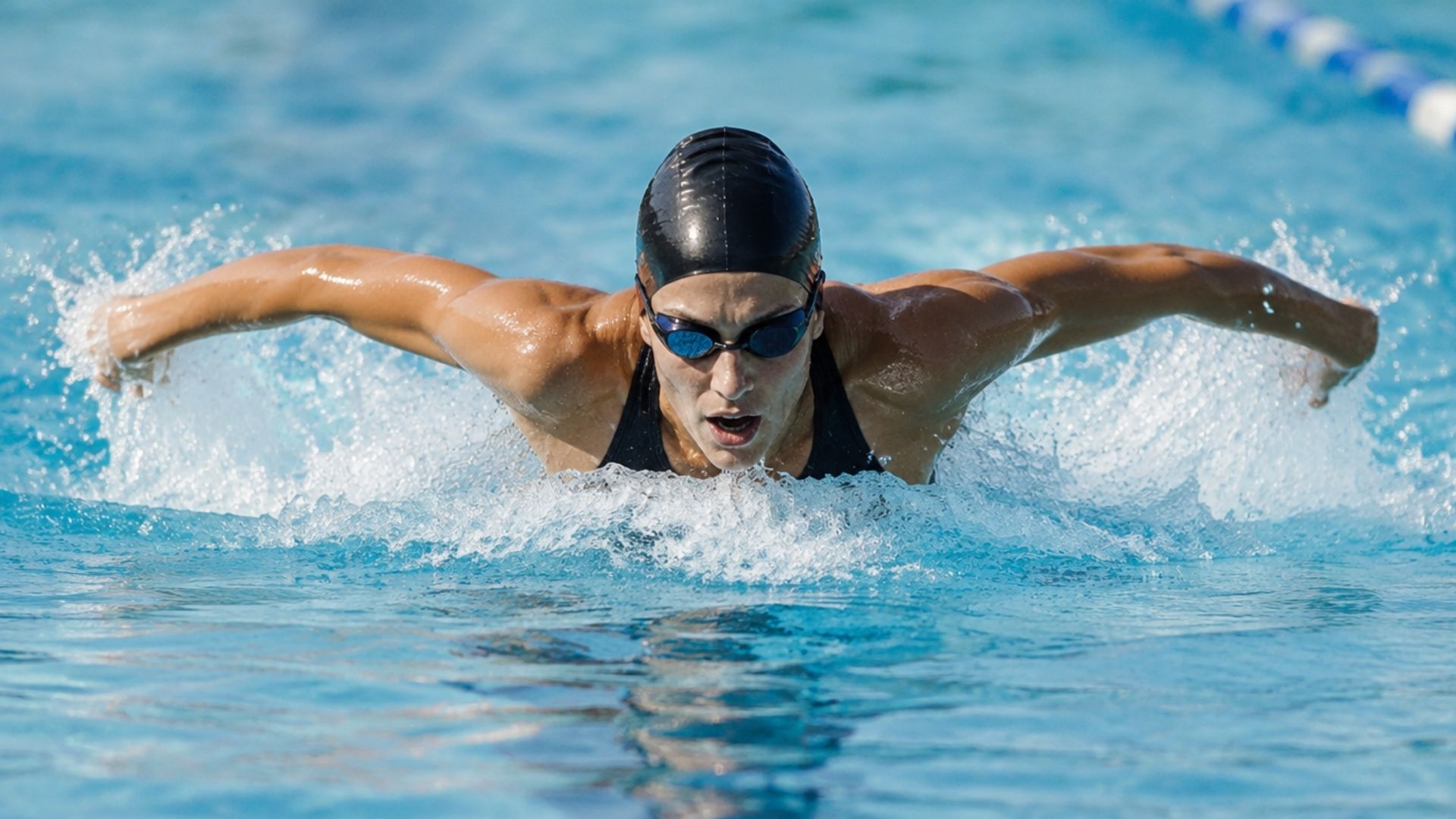
Ask this question in any swimming forum, and you get a fast, confident answer, then an equally confident argument against it.
Most swimmers call butterfly the hardest stroke to learn, full stop, but the debate is not as settled as it looks.
Some coaches argue breaststroke is harder to swim well over time, since its timing window is narrower and small errors compound fast. Others say butterfly only feels hardest because swimmers train it far less than freestyle.
What almost everyone agrees on is that butterfly is the most physically demanding stroke short-term.
Estimates vary widely depending on the source and swimmer’s pace, but most calorie calculators put vigorous butterfly well above 700 calories an hour for a 155-pound swimmer, consistently higher than backstroke or breaststroke.
Why Butterfly Feels So Much Harder Than It Looks
Butterfly asks the body to do several demanding things at once, with almost no built-in recovery between them. That combination is what wears swimmers down so quickly, and it explains why the panic described earlier shows up so fast.
- Both arms recover together: Freestyle and backstroke let one arm rest while the other works. Butterfly lifts both arms out of the water at the same time, so there is no alternating break for the shoulders.
- There is no gliding phase: Even a moment of coasting kills momentum, so swimmers must keep generating power through the entire stroke cycle.
- The kick and pull have to land at exact moments: Two kicks happen per arm cycle, and if either one is mistimed, the whole stroke feels like it is fighting itself.
- It uses more muscle groups at once than any other stroke: Core, shoulders, lats, and legs all fire together instead of taking turns.
- Fatigue shows up immediately: A tired swimmer’s hips sink, increasing drag and making the next stroke even harder than the last.
This is why a single length of butterfly can leave a strong swimmer more winded than several lengths of freestyle. Even fit swimmers tend to approach it with caution, and it is rarely fitness alone that decides how the stroke feels on a given day.
Trying Harder Can Make Butterfly Feel Worse
One of the most common patterns I have seen in the pool is a swimmer trying to power through butterfly with sheer effort.
That approach usually burns them out within a few strokes because butterfly doesn’t reward force the way some swimmers expect it to.
The stroke depends on the kick and the arm pull arriving at precise moments, not on how hard either one is executed. When that timing falls apart, the hips drop, drag increases, and every following stroke costs more energy than the last.
Swimmers often describe this as suddenly swimming through mud, even though their strength never changed.
In most cases, a swimmer who cannot get past 15 or 20 meters of butterfly is not out of shape. Their timing falls apart under fatigue faster than their fitness does.
Some Swimmers Get Hooked on Butterfly, and Others Avoid It
I have asked enough swimmers about this to notice a pattern. The reactions rarely land in the middle. Here is how that split usually looks based on the conversations I have had around the pool deck and in the wider swimming community.
|
Swimmers Who Love Butterfly |
Swimmers Who Avoid Butterfly |
|---|---|
|
Enjoy the full-body intensity and short, demanding effort |
Prefer longer, steadier swims like freestyle or backstroke |
|
Find that poor technique gets punished immediately, so improvement is obvious |
Find the lack of a resting phase frustrating rather than motivating |
|
Describe a satisfying rhythm once timing clicks |
Never got past the stage where timing feels chaotic |
|
Treat it as a favorite drill mixed into shorter sets |
Only swim it when a coach requires it |
What stood out to me was how often the swimmers on the left used to sit firmly on the right. One training partner told me butterfly was his least favorite stroke as a beginner.
It only became his favorite once the timing stopped feeling like a fight, and now it is the stroke he asks to swim on easy days.
A recreational swimmer I asked had the opposite take. He is happy swimming distance freestyle for an hour but only wants butterfly for a handful of lengths before switching back.
That contrast says a lot about the stroke. It is rarely neutral, and the same person can hold both reactions depending on the day, the distance, and how tired their shoulders already are.
The Mistakes That Make Butterfly Feel Awful
Most of the frustration swimmers feel with butterfly swimming traces back to a small set of repeated habits, not a lack of fitness. These are the patterns I see most often when a swimmer says they hate the stroke.
- Lifting the head too high to breathe: This drops the hips and forces the next kick to fight against extra drag instead of moving the body forward.
- Trying to glide between strokes: Butterfly has no coasting phase, and any pause kills the momentum the next stroke depends on.
- Kicking from the knees instead of the core: A knee-driven kick looks like flutter kicking and produces almost no propulsion compared to a kick that starts at the hips.
- Rushing the arm recovery: Swinging the arms forward too fast burns energy without adding speed, since propulsion comes from the pull, not the recovery.
- Losing the second kick: Many beginners kick once per cycle instead of twice, which breaks the timing the entire stroke depends on.
I kept hearing the same complaint from swimmers who said butterfly felt miserable no matter how much they trained. In nearly every case, it traced back to one or two habits on this list. Fix one, and the whole stroke tends to feel lighter within a single practice.
What Changes When the Stroke Finally Clicks
Ask a swimmer who used to hate butterfly what changed, and the answer is rarely about getting stronger. It is almost always about the moment the stroke stopped feeling like separate pieces fighting each other.
Swimmers usually describe a shift from fighting the water to moving with it. The kick, the pull, and the breath stop landing as three separate efforts and start landing as one motion.
Several swimmers have told me it feels like the water briefly holds you up instead of dragging you down, which sounds dramatic until you have felt it happen partway through a length.
That moment usually doesn’t arrive through raw effort. It shows up after a swimmer slows down enough to feel the rhythm, which is exactly why so many swimmers give up on butterfly right before they would have gotten there.
Final Thoughts on Butterfly Swimming
If there is one thing to take away, it is that butterfly swimming gets easier when effort stops replacing technique.
The stroke depends on timing, controlled breathing, a clean dolphin kick, and staying relaxed enough to keep the movement connected.
Now you know why swimmers experience it so differently, from frustration and fatigue to the satisfaction of finally finding a rhythm that works.
You don’t need to love butterfly to get better at it, and you don’t need perfect form overnight. Keep the changes small, pay attention to what feels different, and share your own butterfly experience in the comments.
Frequently Asked Questions
Why Does Butterfly Feel Like Drowning for Beginners?
Butterfly requires breathing within a fixed timing pattern while both arms move together. Lifting the head too high can drop the hips and increase drag, so slowing the stroke and focusing on rhythm can help.
Is Butterfly Actually the Hardest Swimming Stroke?
Butterfly is often considered the hardest stroke to learn because it requires full-body coordination without a built-in resting phase. Its timing also makes poor technique especially noticeable.
Do Casual or Recreational Swimmers Actually Enjoy Swimming Butterfly?
It varies. Some swimmers enjoy short bursts of butterfly as a change from freestyle, while others avoid it. Enjoyment often depends on whether the swimmer becomes comfortable with the stroke’s timing.
How Many Calories Does Butterfly Burn Compared to Other Strokes?
Butterfly is generally considered the highest calorie-burning of the four competitive strokes. Calorie estimates vary by body weight and effort, and most swimmers cannot sustain a hard butterfly pace for an entire hour.
Can Swimming Butterfly Regularly Improve Other Strokes?
It can. Butterfly develops core strength, body awareness, and control that may support freestyle and backstroke technique, which is why it is included in individual medley training.