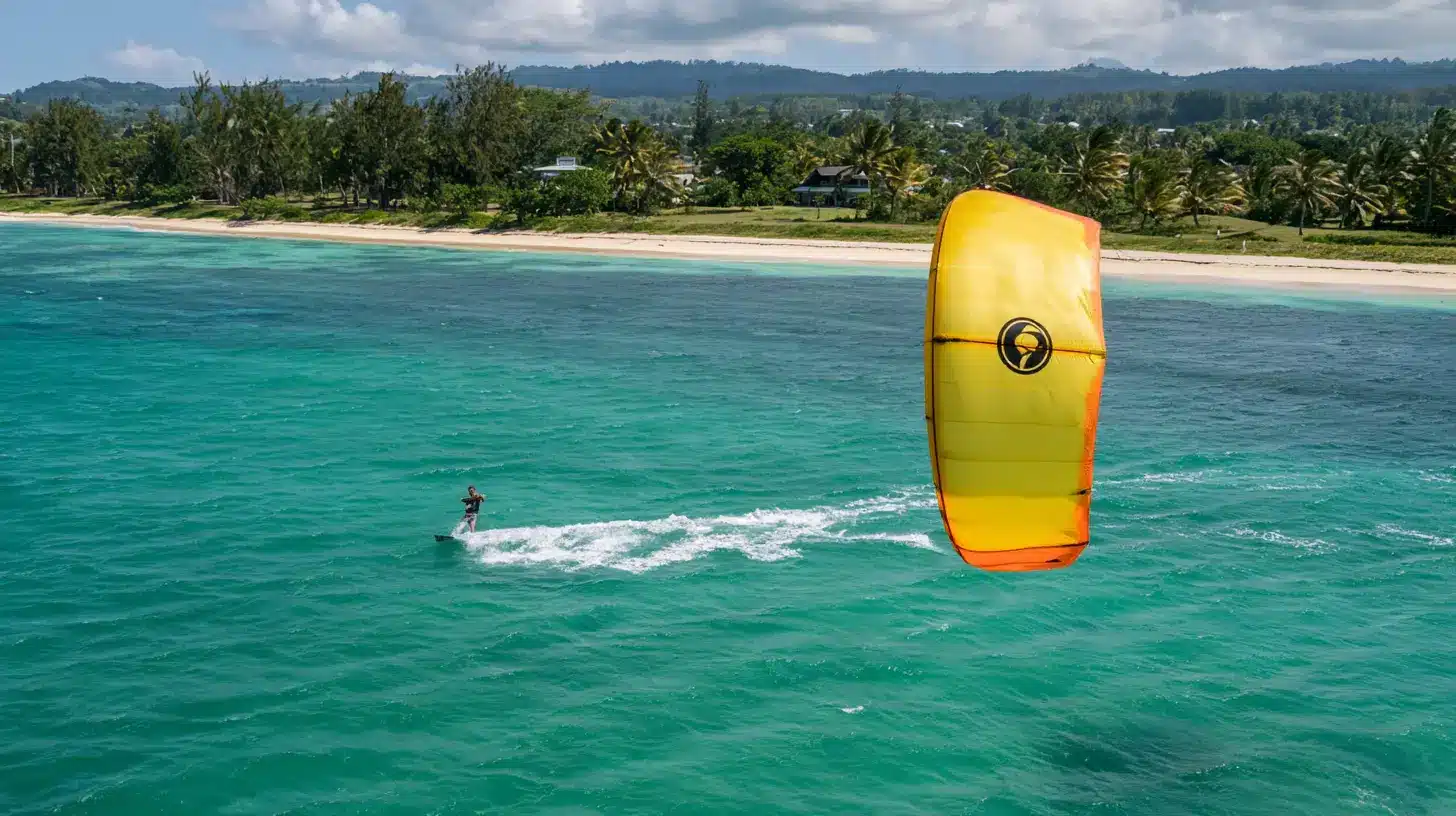
Kite surfing, also known as kiteboarding, is a water sport where riders use a large kite and a board to move across the water.
The kite catches wind and creates a pulling force that lets the rider glide, turn, and perform jumps.
The rider controls the kite with a bar while using the board to guide movement on the water. Unlike traditional surfing, which depends on waves, kite surfing mainly depends on wind conditions.
It combines balance, body control, and kite handling, making it an exciting outdoor activity for beginners and experienced riders. With proper lessons and safety gear, anyone can learn the basics.
What Is Kite Surfing?
Kite surfing is a board sport powered by wind. A rider holds a control bar connected to a large kite flying above the water, while standing on a board that glides across the surface.
- The kite catches wind and creates a pulling force.
- The control bar and lines let the rider steer the kite.
- The board lets the rider glide, turn, and jump on the water.
Kite surfing is often compared to regular surfing, but the two sports work differently: surfing depends on ocean waves for movement, whereas kite surfing depends on wind power, so riders can go out even on flat water.
A Brief History of Kite Surfing
Kite surfing has roots that go back further than most riders expect.
In October 1977, Gijsbertus Adrianus Panhuise of the Netherlands filed the first patent covering a water sport in which a rider on a surfboard-type craft is pulled by a kite while standing up and connected through a harness.
A bigger turning point came in November 1984, when French brothers Bruno and Dominique Legaignoux patented the first inflatable kite design.
This gave kites the ability to float and relaunch on the water, a feature that most modern kites still rely on today.
The sport grew steadily through the 1980s and 1990s as designs improved, then expanded rapidly in the 2000s once dedicated training organizations began standardizing safety and instruction.
That growth is part of why kite surfing today looks nothing like it did in its earliest, riskier years.
How Does Kite Surfing Work?
Kite surfing works on a simple idea: wind creates force, and the rider controls that force to move across the water.
The kite moves through an area above the water called the wind window, where its position controls the amount of pull it creates.
Pulling the control bar closer increases power, while pushing it away reduces it. Riders use the board’s edge against the water to control speed and direction.
By combining kite control with board movement, beginners can learn to glide smoothly and stay balanced on the water.
With practice and proper training, these basic skills help riders progress safely and enjoy kite surfing with more confidence.
Equipment Required for Kite SurfingKite surfing needs a small set of specific gear. Each piece plays a different role in keeping the rider moving and safe.
Beginner tip: Rent gear or take lessons with equipment provided before buying your own. This helps you learn what size and type suits your riding style. |
How to Learn Kite Surfing
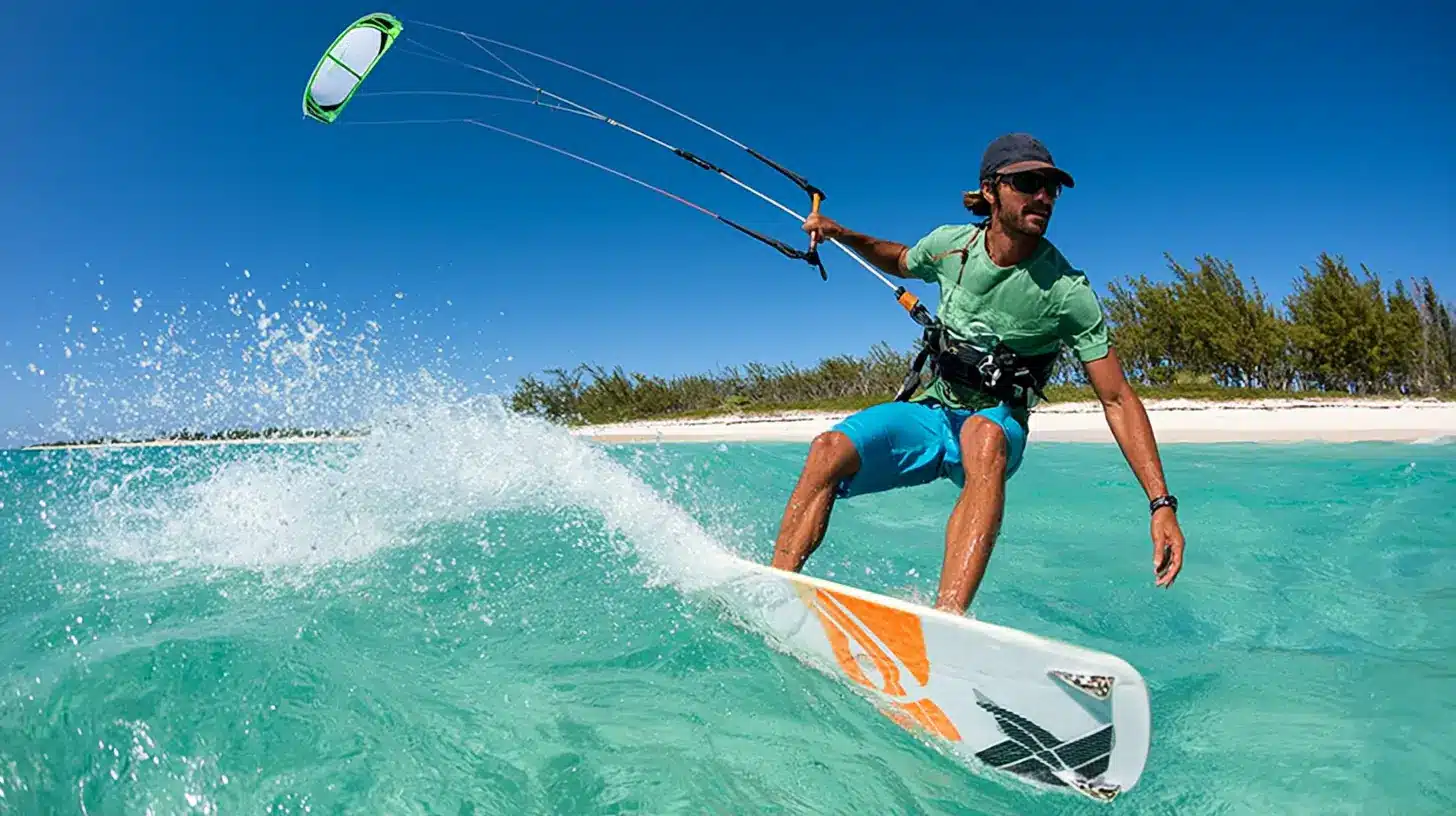
Kite surfing has a learning curve, and most beginners find kite control the hardest part at first. With proper lessons, most people build basic skills step by step.
Learning through a certified school also matters more in this sport than in most other water sports.
The International Kiteboarding Organization (IKO) is the leading global body for kite surfing education, and taking lessons through an IKO-affiliated school means the instructor follows a standardized safety and skill progression rather than an informal approach.
Step 1: Learn Wind Basics
Riders first learn how to read wind direction, judge wind strength, and spot changing conditions before touching the water. This groundwork helps beginners understand why wind matters for safety and control.
Step 2: Practice With a Trainer Kite
A smaller trainer kite is used on land to practice steering, timing, and basic hand movements before moving to a full-size kite. This builds muscle memory in a low-risk setting first.
Step 3: Learn Water Skills
Riders practice body dragging, which means being pulled through the water by the kite without a board, followed by early board starts. This stage builds comfort with water movement and kite handling together.
Step 4: Ride Independently
Once kite control and board balance come together, riders can glide, turn, and adjust speed on their own. This stage marks the shift from guided practice to confident, independent riding.
Learning kite surfing takes patience and regular practice. By mastering each step, beginners can build control, improve confidence, and enjoy safer rides on the water.
Riders based in South Florida looking to start lessons locally can book sessions through Fort Lauderdale Kitesurfing, which teaches kiteboarding, kite foiling, and wing foiling lessons in the Pompano and Fort Lauderdale area.
How Long Does It Take to Learn Kite Surfing?
Learning speed depends on wind conditions, how often you practice, and the quality of your lessons.
Many beginners pick up basic riding after several lesson sessions, typically in the range of 8 to 12 hours of instruction, though building full confidence takes regular practice over time.
There is no fixed timeline, since every rider progresses differently.
Understanding the Kite Safety System
One piece of equipment deserves its own explanation because it’s the reason kite surfing is far safer today than it was in its early years: the quick-release safety system built into the control bar.
This system lets a rider instantly depower the kite in an emergency by releasing a “chicken loop” connection point, which flags the kite out and stops it from pulling. Before this system existed, a rider had no reliable way to cut power from an overpowered kite, which is part of why early kite surfing carried a higher risk of injury. Every beginner lesson should cover how to find, test, and activate this release before ever getting near the water.
Types of Kite Surfing Styles
Kite surfing has several riding styles, and most beginners start with one before trying others.
1. Freeride Kiteboarding
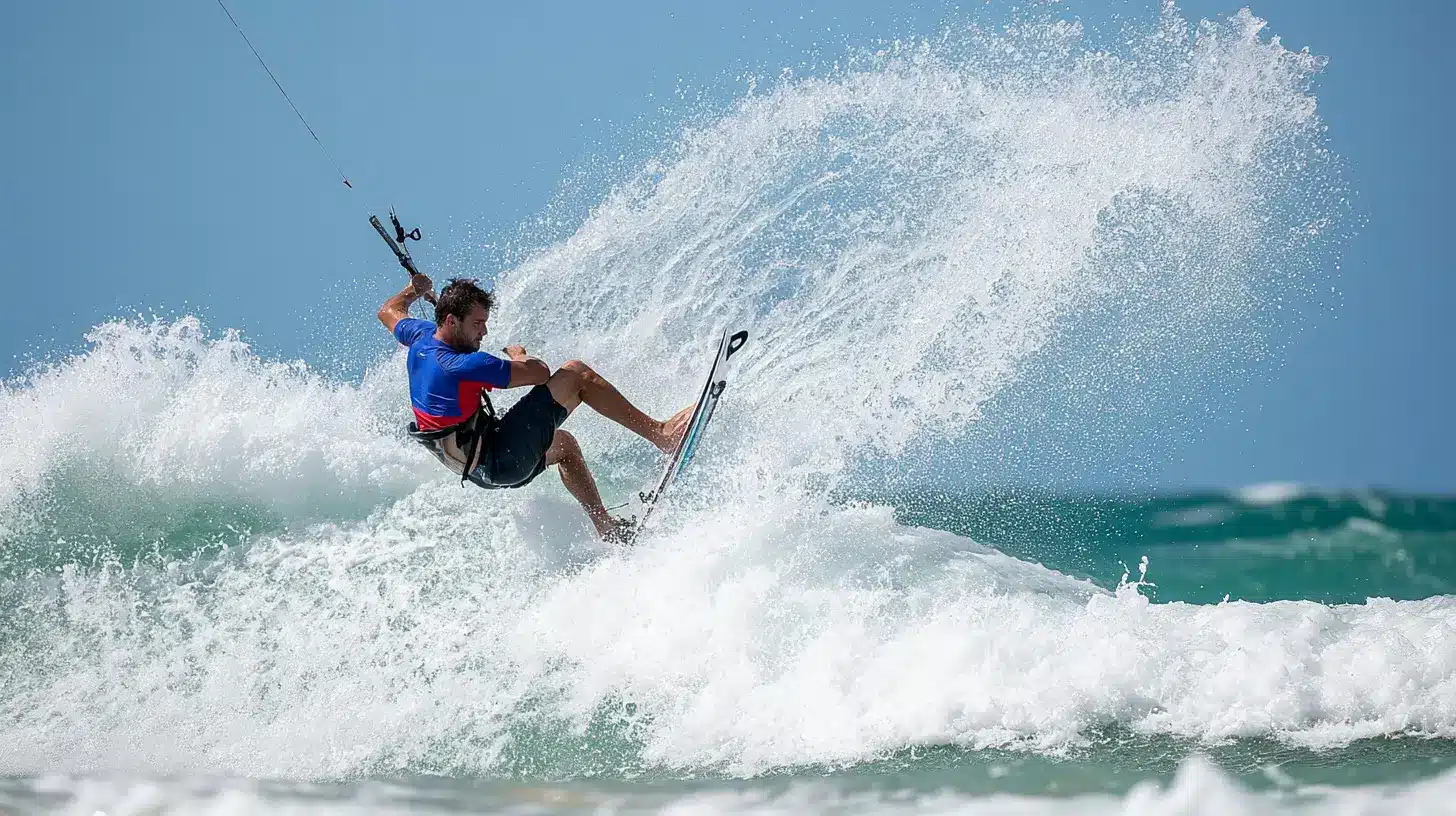
Freeride is the most common style for beginners because it keeps things simple. Riders focus on cruising across the water, making smooth turns, and getting comfortable with kite control at a relaxed pace.
There is no pressure to perform tricks, so riders can build core skills before trying anything advanced.
Best for: New riders who want a relaxed, low-pressure way to build confidence on the water.
2. Freestyle Kiteboarding
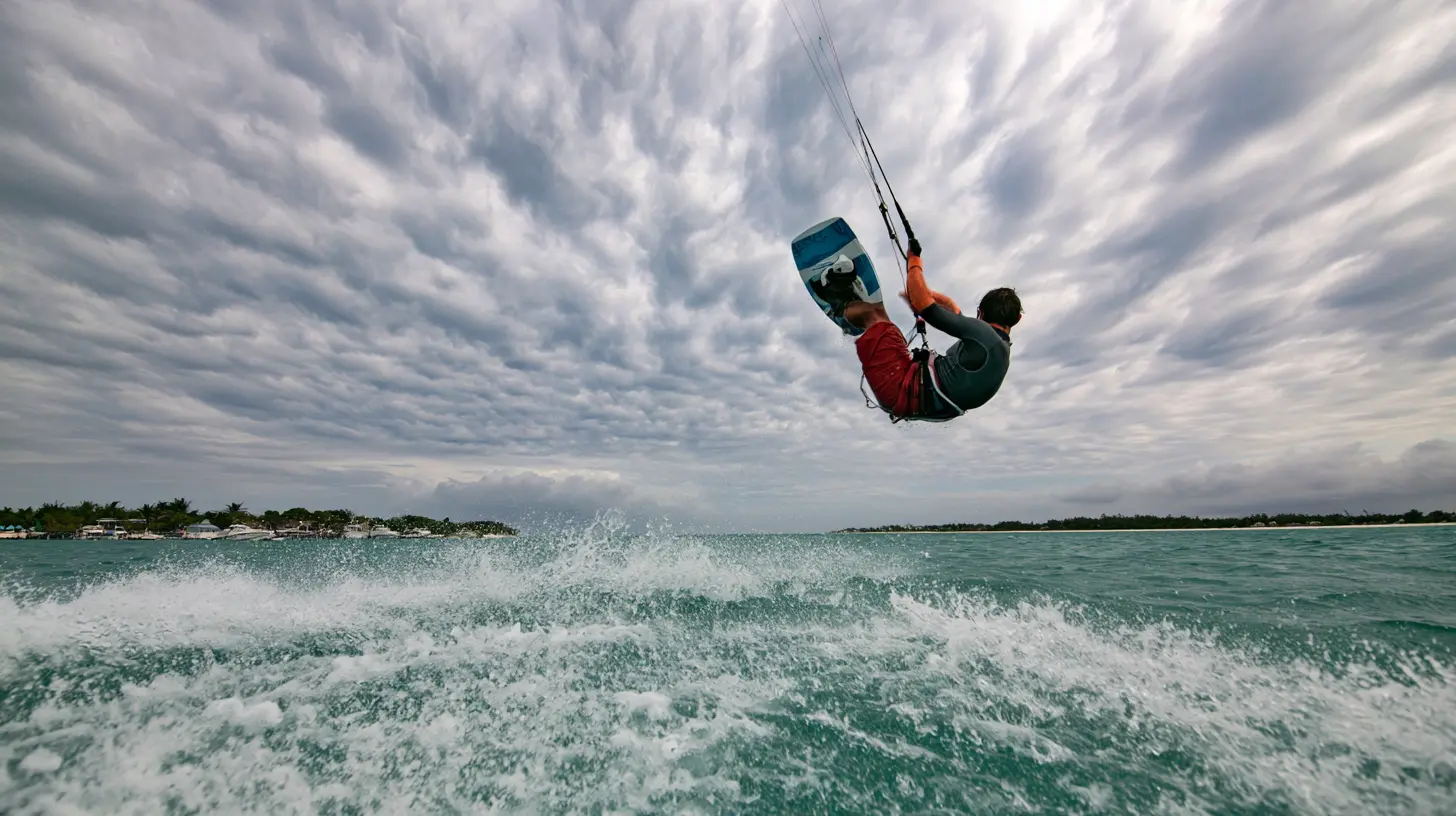
Freestyle kiteboarding focuses on jumps, spins, and board grabs performed while riding. It takes solid kite control, timing, and balance, since riders need to manage height and landings while keeping the kite steady overhead.
Most riders move into freestyle only after they feel confident with basic riding skills.
Best for: Riders with solid basic control who want to add tricks and air time.
3. Wave Riding
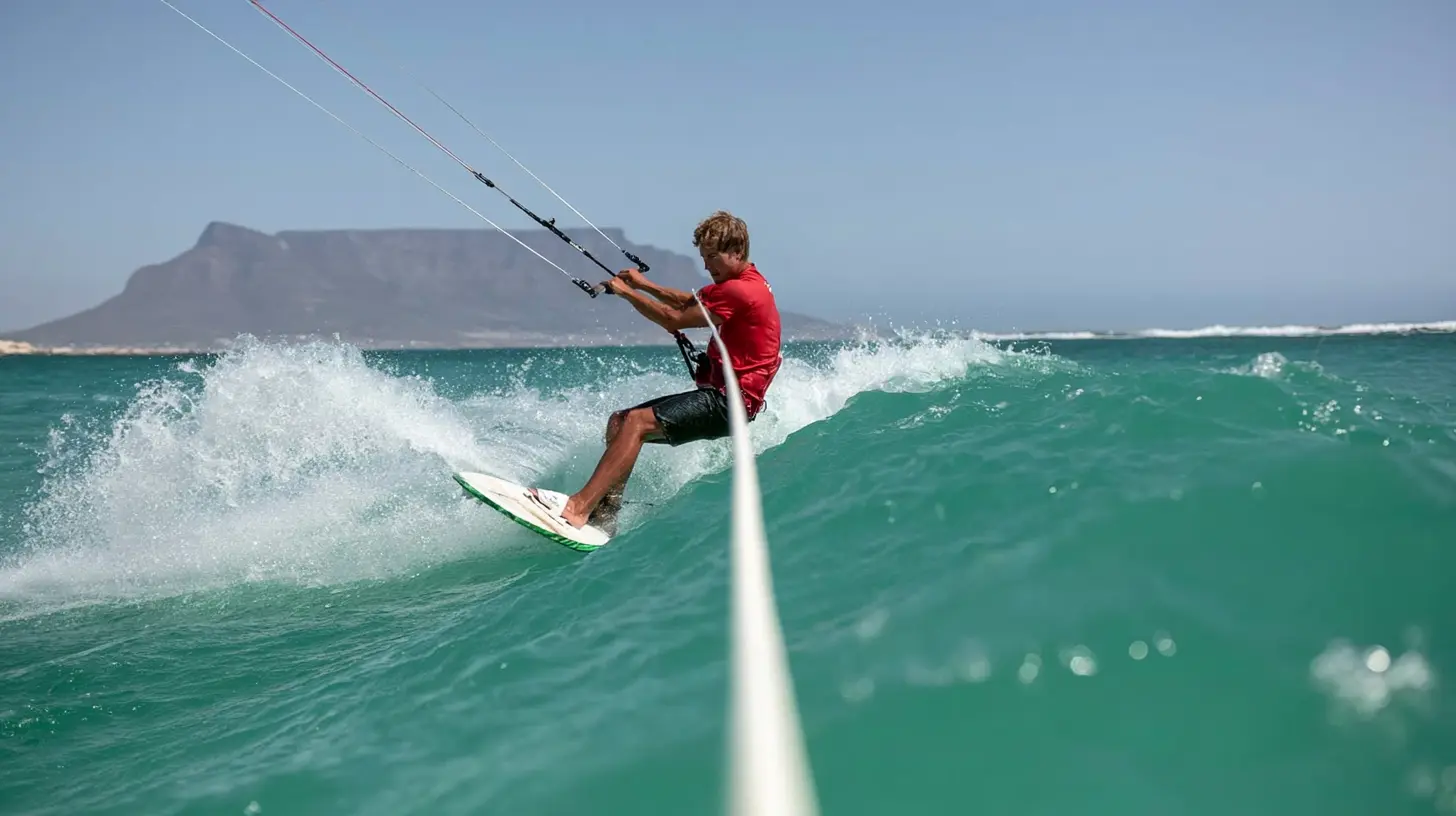
Wave riding blends kite control with ocean wave movement, much like traditional surfing. Riders use the kite for power and positioning while reading incoming waves to time their turns and drops.
Many riders who already have a background in windsurfing versus kitesurfing find this style the easiest transition, since both sports depend on reading wind and swell together.
This style demands strong board skills and good timing, since wind and waves must work together.
Best for: Experienced riders who already surf or want a wave-based challenge.
4. Foil Kiteboarding
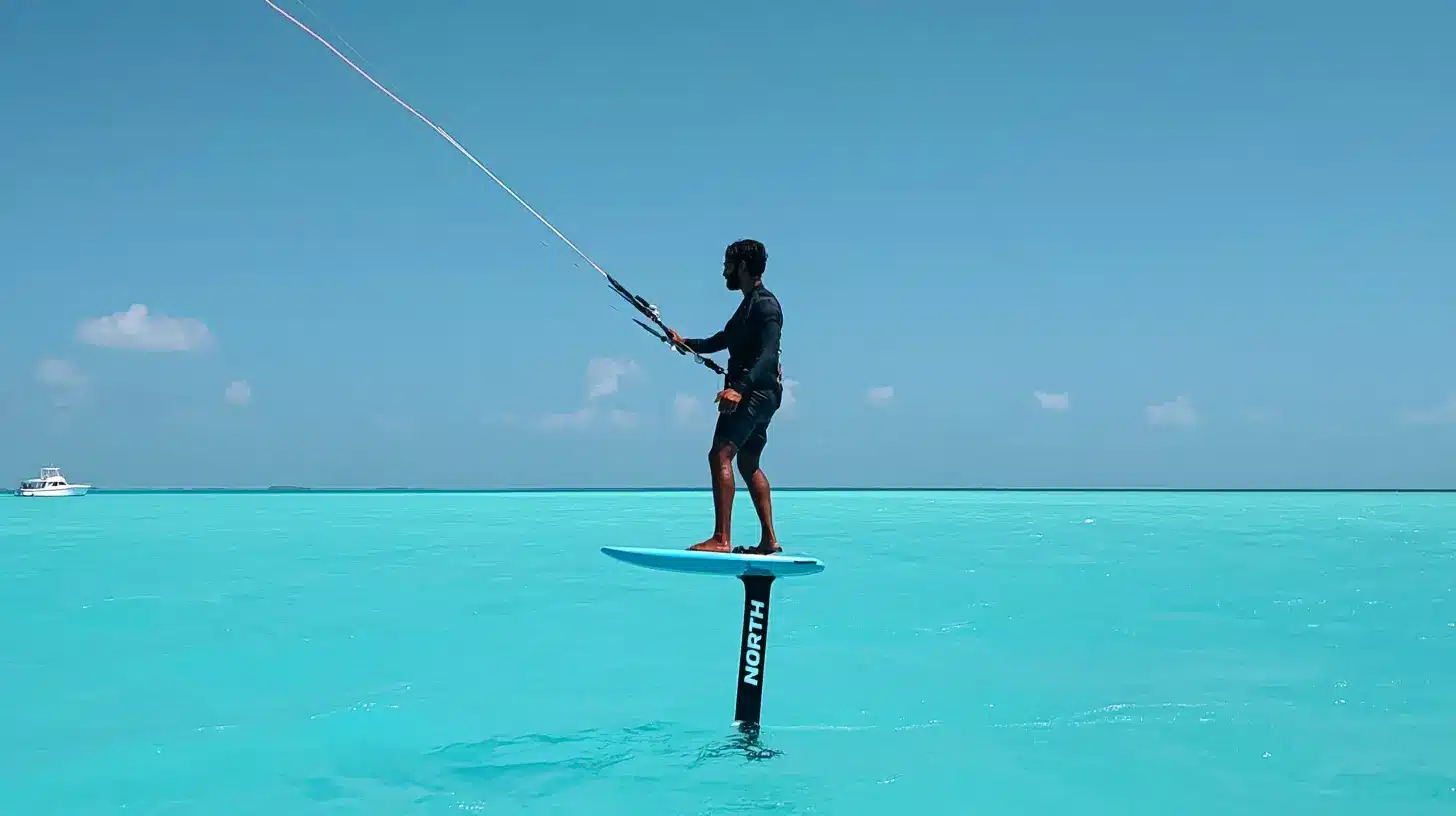
Foil kiteboarding uses a board fitted with a hydrofoil, a fin-like structure that lifts the board above the water’s surface once enough speed builds.
This creates a smoother ride with less drag, letting riders glide efficiently even in lighter wind. Balance takes practice, since the board sits higher and reacts differently than a standard board.
Best for: Riders who want a smooth, efficient ride and can practice in lighter wind.
5. Racing
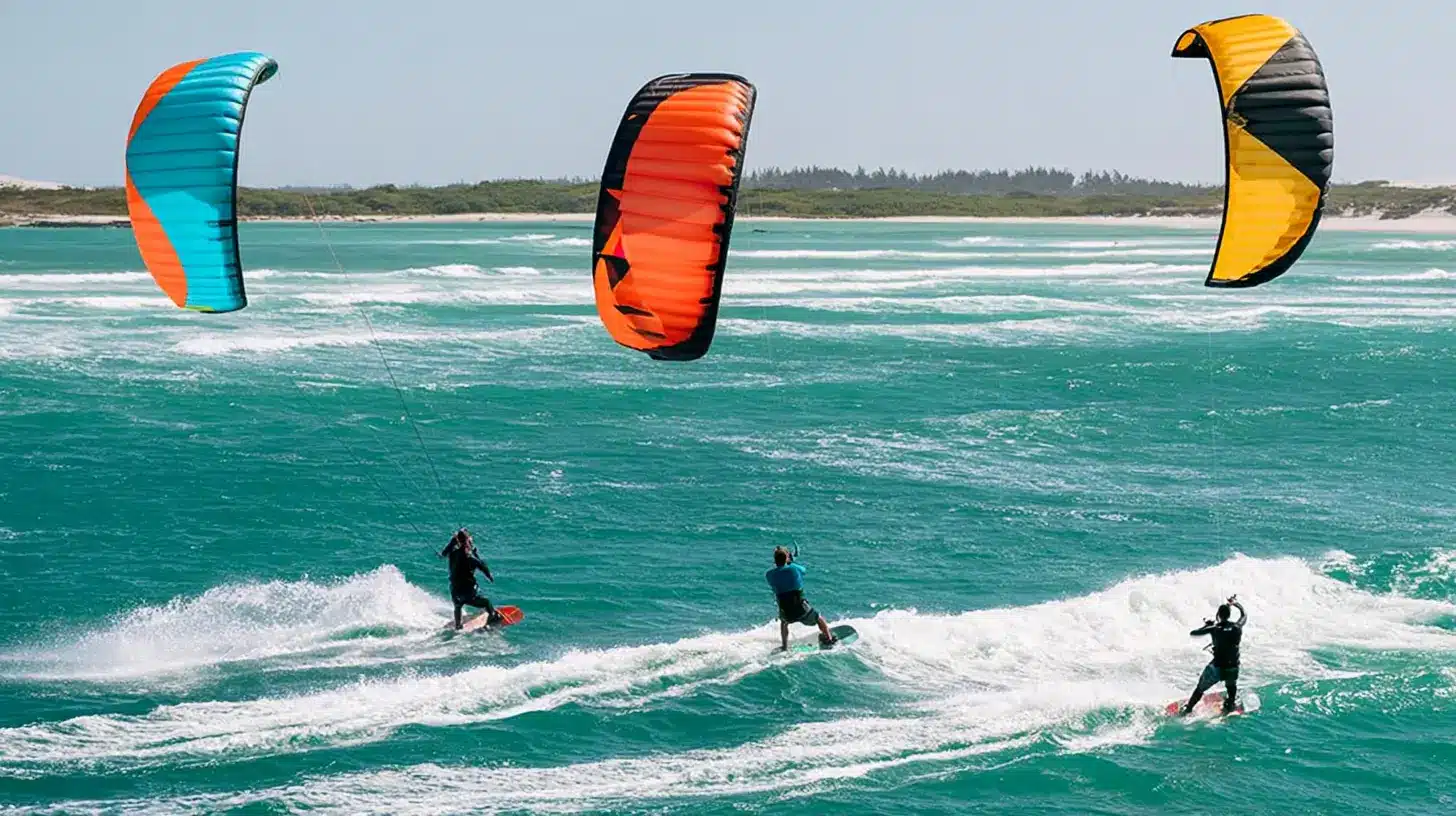
Kite racing focuses on speed, strategy, and precise course navigation, often with several riders competing side by side.
Racers rely on strong wind reading, quick turns, and efficient kite handling to gain an edge over the course. This style suits riders who enjoy structured competition rather than casual riding.
Best for: Competitive riders who enjoy structured courses and head-to-head speed.
Whether you want casual rides, exciting tricks, or competitive challenges, there is a kiteboarding style for you. Start with the basics and choose a style that matches your goals.
What Are the Benefits of Kite Surfing?
Kite surfing provides more than an exciting water experience. It supports physical fitness, builds important skills, and lets riders enjoy time outdoors while building confidence.
- Works the Full Body: Kite surfing engages the arms, core, and legs as riders control the kite and board, creating a complete physical workout.
- Improves Balance and Coordination: Riders develop better balance and coordination by learning to control the kite, adjust body movements, and maintain stability on water.
- Builds Confidence: Learning new skills, improving control, and progressing through different techniques helps riders gain confidence over time.
- Supports Mental Wellbeing: Staying fully focused on wind, kite, and board leaves little room for outside distractions, which many riders describe as a mentally clearing, almost meditative experience.
- Encourages Outdoor Activity: Kite surfing keeps riders active outdoors, allowing them to enjoy fresh air, water environments, and scenic coastal or lake locations.
From better strength and balance to improved focus and confidence, kite surfing offers benefits that make the sport rewarding for beginners and experienced riders alike.
Kite Surfing vs Other Water Sports
Kite surfing differs from other board sports in how it gets power, the equipment used, and the riding experience.
| Sport | Power Source | Equipment | Main Difference |
|---|---|---|---|
| Kite Surfing | Wind-powered kite | Kite, bar, lines, harness, and board | Combines kite control with board riding on flat water or waves. |
| Surfing | Ocean waves | Surfboard | Focuses on catching waves without using a kite. |
| Windsurfing | Wind-powered sail | Board and attached sail | Uses a fixed sail instead of a separate kite. |
| Wakeboarding | Boat or cable system | Wakeboard and tow rope | Uses external pulling power instead of natural wind. |
Each sport offers a unique water experience, but kite surfing stands apart by combining wind power, board control, and freedom from boats or wave dependence.
Riders coming from a windsurfing background compared to kite surfing often notice the kite responds faster and packs down smaller than a sail and mast setup, which is one reason many paddlers and board sport fans eventually try both.
What are the Best Conditions for Kite Surfing?
Good conditions make kite surfing safer and easier to learn. Beginners should choose steady, moderate winds and avoid strong gusts.
Flat water is better for practicing control, while waves suit experienced riders. Safe locations should have open space, clear launch areas, few obstacles, and marked kite surfing zones.
Beginners should always review current National Weather Service marine weather updates before heading out, since wind and water conditions can shift quickly.
Kite Surfing Safety Tips for Beginners
Safety comes first in kite surfing, since wind power can be strong and unpredictable.
- Take lessons from a certified instructor before riding alone.
- Check weather and wind conditions before every session.
- Wear a helmet, impact vest, and safety leash.
- Learn how to release kite power quickly in an emergency.
- Avoid crowded riding areas, especially while learning.
- Never ride alone when you are still learning.
Following general open water safety steps from the American Red Cross alongside kite-specific training builds a strong safety habit early on.
Conclusion
Kite surfing brings together wind, water, and board control in one sport that takes time and steady practice to learn well.
It is not something most people master in a single session, and that is normal. Beginners who start with certified lessons, pick suitable wind and water conditions, and stick to basic safety habits tend to build skills faster and stay safer while learning.
Once the basics feel steady, riders naturally settle into their own preferred style. Some prefer calm, relaxed cruising, others move toward jumps and board tricks, and some work toward riding ocean waves.
There is no single correct path forward. Progress depends on wind access, practice frequency, and how much time a rider puts into building core control skills early on.
Frequently Asked Questions
Is Kite Surfing Dangerous?
It carries some risk, but proper lessons, safety gear, and wind checks significantly reduce the danger.
Can Beginners Learn Kite Surfing?
Yes. With certified lessons and suitable wind and water conditions, most beginners can learn steadily.
Do You Need to Be Physically Strong to Kite Surf?
Basic fitness helps, but proper technique and kite control matter more than raw physical strength.
What Age Can You Start Kite Surfing?
Most schools recommend children weigh at least 30 kg (about 65 lbs) before starting, since lighter riders may struggle to hold their ground against a kite’s pull. There is no upper age limit, and people continue kite surfing well into their senior years.
Is Kite Surfing Harder than Surfing?
Both take practice, but kite surfing adds an extra layer of skill: controlling the kite itself.