Florida is not a one-style snorkeling state. You can chase coral reefs in the Keys one week, then float over a spring full of manatees the next.
I have snorkeled up and down this coast, from boat trips out to Looe Key to lazy afternoons wading in at Phil Foster Park, and the range still surprises me.
The best snorkeling in Florida depends on what you want to see, how far you are willing to travel, and what you prefer a boat ride or an easy walk into the water.
These locations also offer some of the best wildlife areas, plus a few family-friendly picks to spend your leisure hours.
Where to Find the Best Snorkeling Around Florida
Not every stretch of Florida coastline offers the same kind of snorkeling spots. Each region has its own water, access, and marine life.
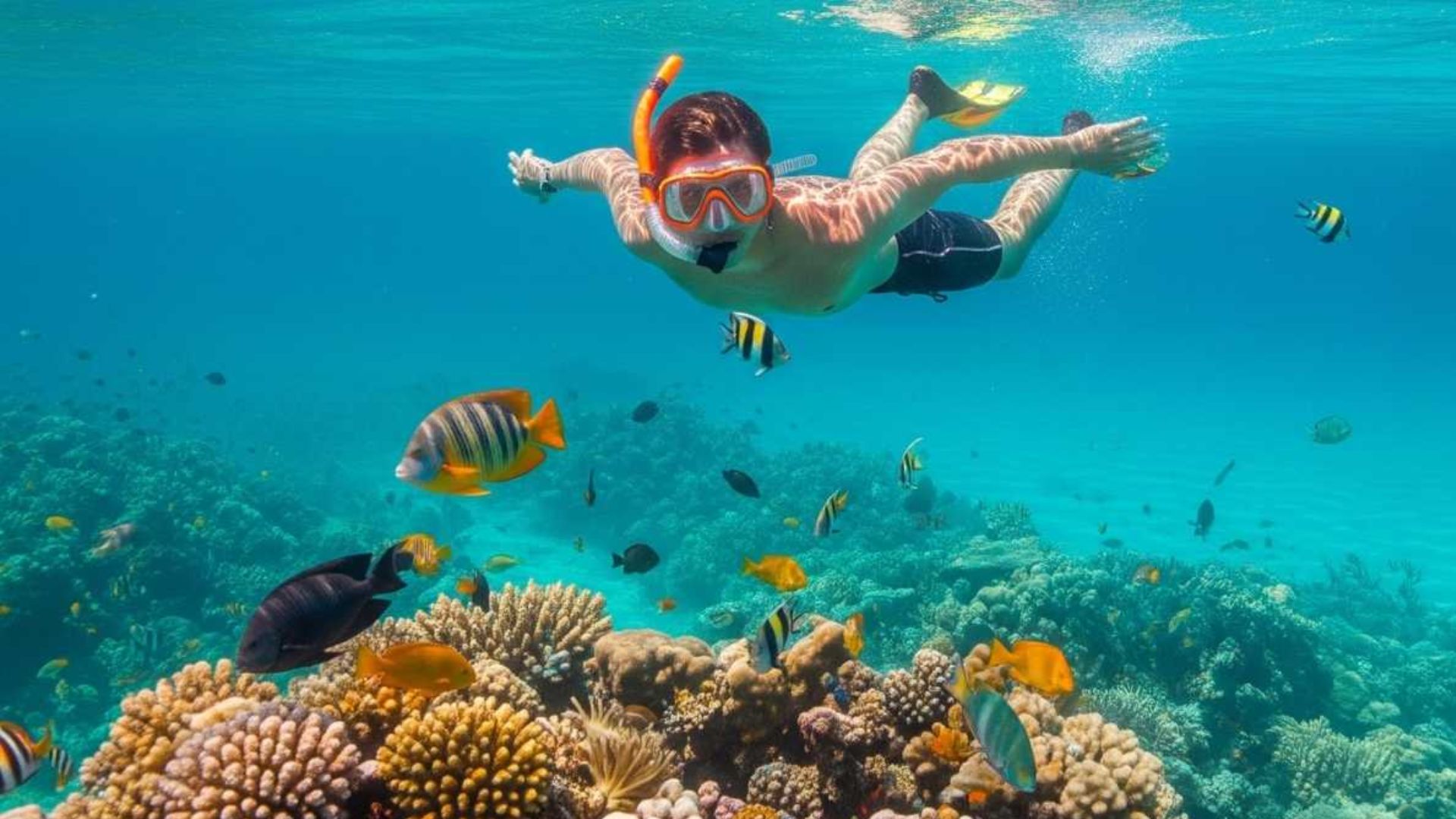
The Florida Keys are the most famous for snorkeling, with coral reefs, colorful fish, sea turtles, and boat trips to deeper spots. Popular places include John Pennekamp, Sombrero Reef, Looe Key, and Bahia Honda.
South Florida is a good choice if you want easier access without always taking a boat. You can find shore snorkeling, underwater trails, and protected areas at places like Phil Foster Park, Peanut Island, Coral Cove, Key Biscayne, and Biscayne National Park.
The Nature Coast and Central Florida offer clear freshwater springs instead of ocean reefs. Crystal River, Ginnie Springs, and Silver Glen Springs are known for calm water and wildlife.
The Panhandle has Gulf beaches, jetties, and artificial reefs. Destin and Pensacola are popular spots for snorkeling in this area.
Florida Keys: Reef Snorkeling And Clear Blue Water
The Florida Keys are the most famous snorkeling region in Florida. This island chain is known for offshore reefs, tropical fish, sea turtles, and boat trips that take visitors closer to underwater habitats.
Some spots are perfect for first-time snorkelers, while others are better for travelers looking for deeper reef experiences.
1. John Pennekamp Coral Reef State Park, Key Largo
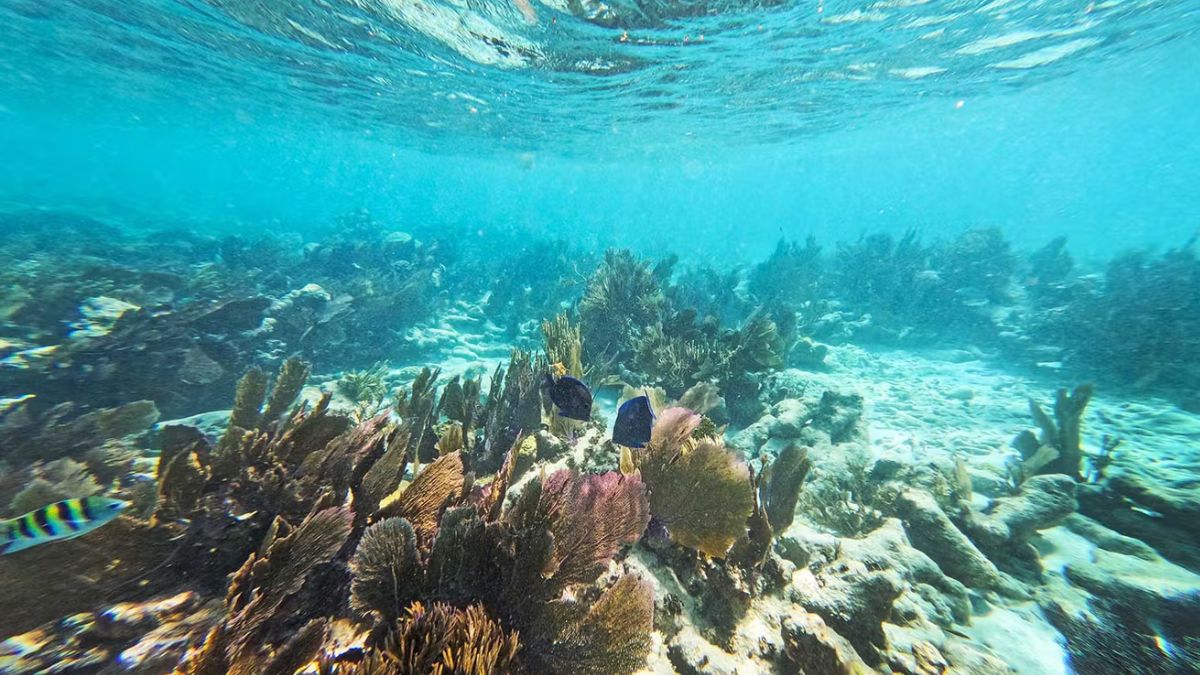
Best for: First Florida reef experience
John Pennekamp is one of the best places to start if you want to try reef snorkeling in Florida. Located in Key Largo, it was the first underwater park in the United States and protects a large area of marine life.
Check the Florida State Parks listing for hours, fees, and access rules, and the park’s concessionaire site for boat tour bookings and current conditions.
You can take a boat trip to nearby reefs like Molasses Reef or enjoy calmer areas closer to shore. The park also has beaches, a lagoon, and beginner-friendly spots for people who want an easier first experience.
It is a great introduction to the underwater world of the Florida Keys.
2. Sombrero Reef, Marathon
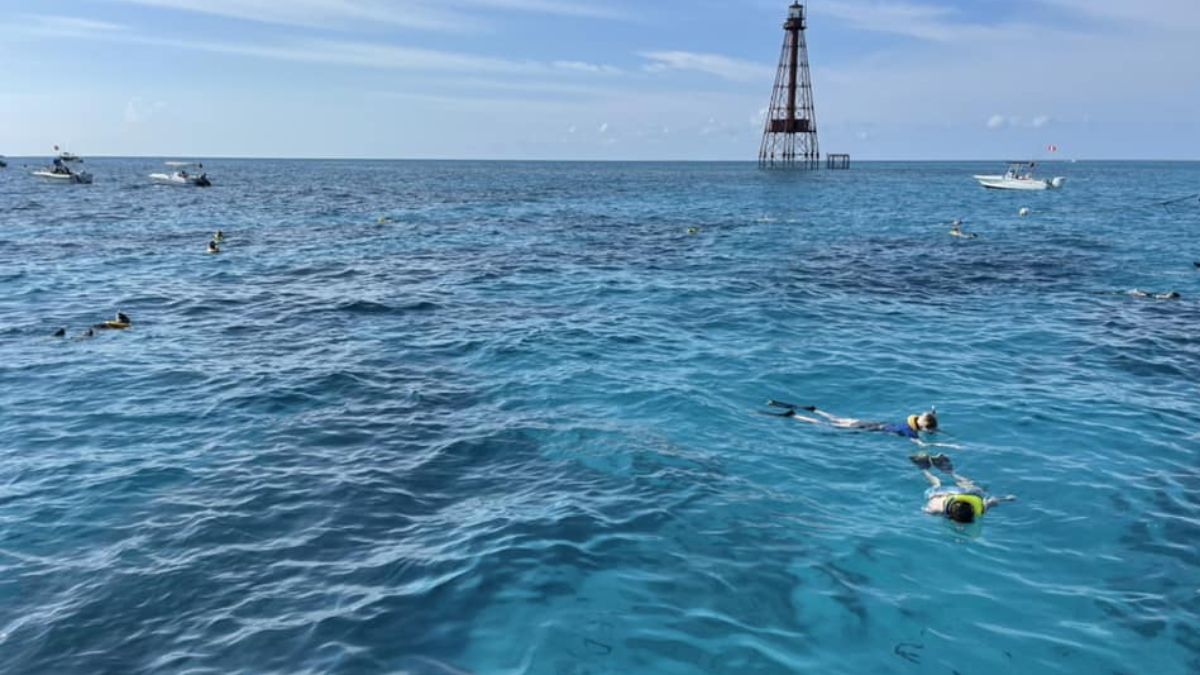
Best for: Classic Florida Keys reef snorkeling
Sombrero Reef offers the kind of offshore snorkeling experience many visitors expect from the Florida Keys. Located a few miles from Marathon, the reef is reached by boat, taking you away from the busy shoreline and closer to open-water habitats.
The shallow reef areas make it easier to spot marine life without diving deep. You may see:
- Colorful reef fish moving around coral areas
- Sea fans and other reef structures
- Rays passing through the clear water
If you are staying in Marathon, this is one of the easiest ways to enjoy a true reef trip.
3. Looe Key Reef, Lower Keys
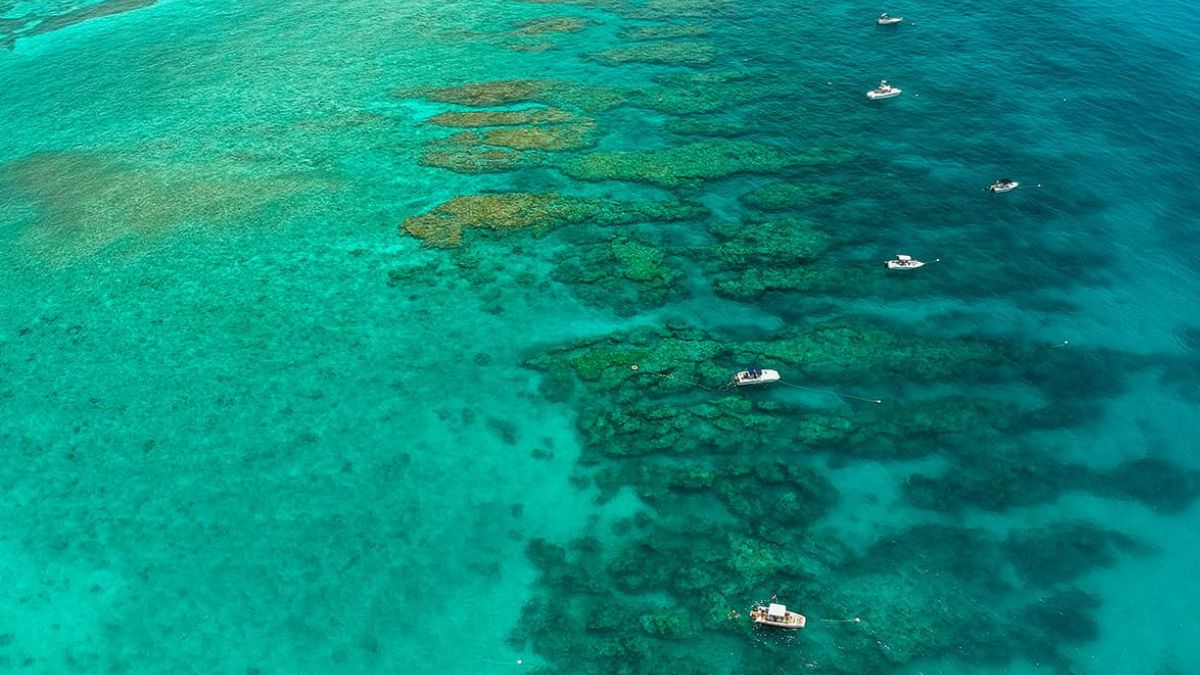
Best for: Reef lovers
Looe Key is a protected reef area near the Lower Keys and is known for its variety of marine life. Boat tours usually take visitors directly to the reef, where snorkelers can explore different underwater areas.
The shallow sections are especially popular because they allow a closer look at:
- Tropical fish swimming around reef structures
- Coral formations
- Different types of sea life
Conditions can change throughout the year because of weather, water temperatures, and natural events. Even with these changes, Looe Key remains a favorite for travelers wanting a real reef snorkeling experience.
4. Bahia Honda State Park, Florida Keys
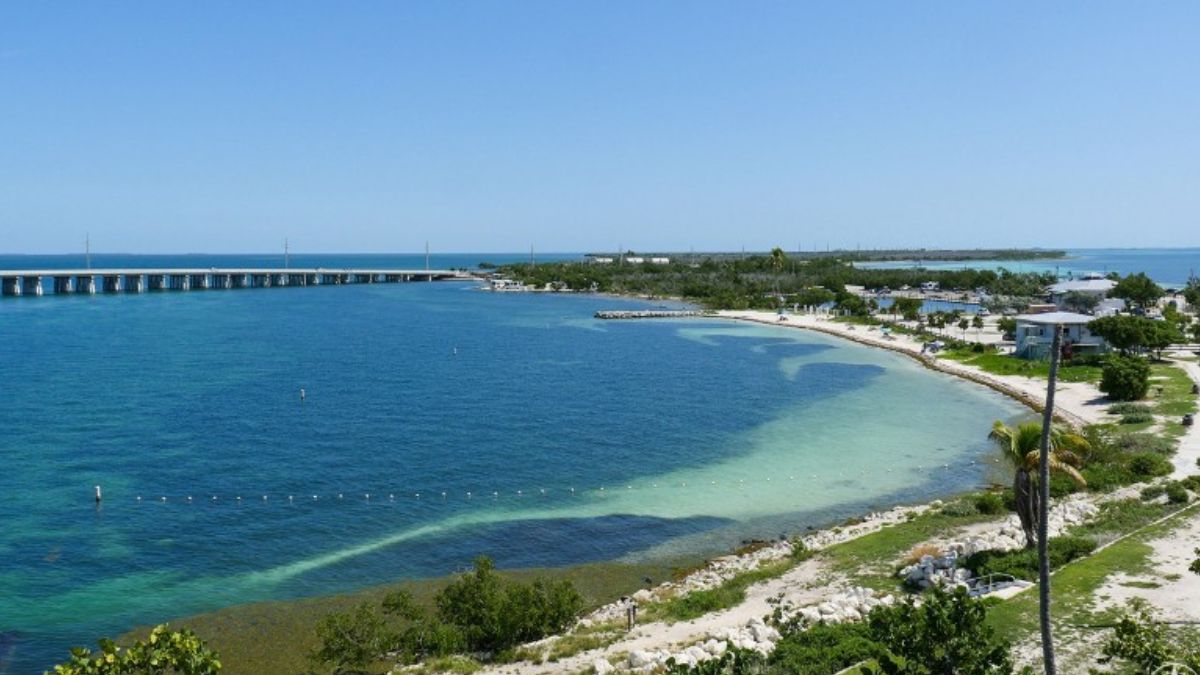
Best for: Beginners who want beach access
Bahia Honda is a good option for anyone who wants to snorkel without booking a boat tour. Unlike many famous reef spots in the Keys, this park lets visitors enter the water directly from the beach.
The calm setting makes it easier for beginners to take their time and enjoy the water. You can combine snorkeling with a beach day, swimming, or relaxing under the shade.
A few things that make this spot convenient:
- Easy beach access
- Calm swimming areas
- Nearby facilities
- Good option for families
It is best for a relaxed snorkeling day rather than a full offshore reef adventure.
5. Dry Tortugas National Park
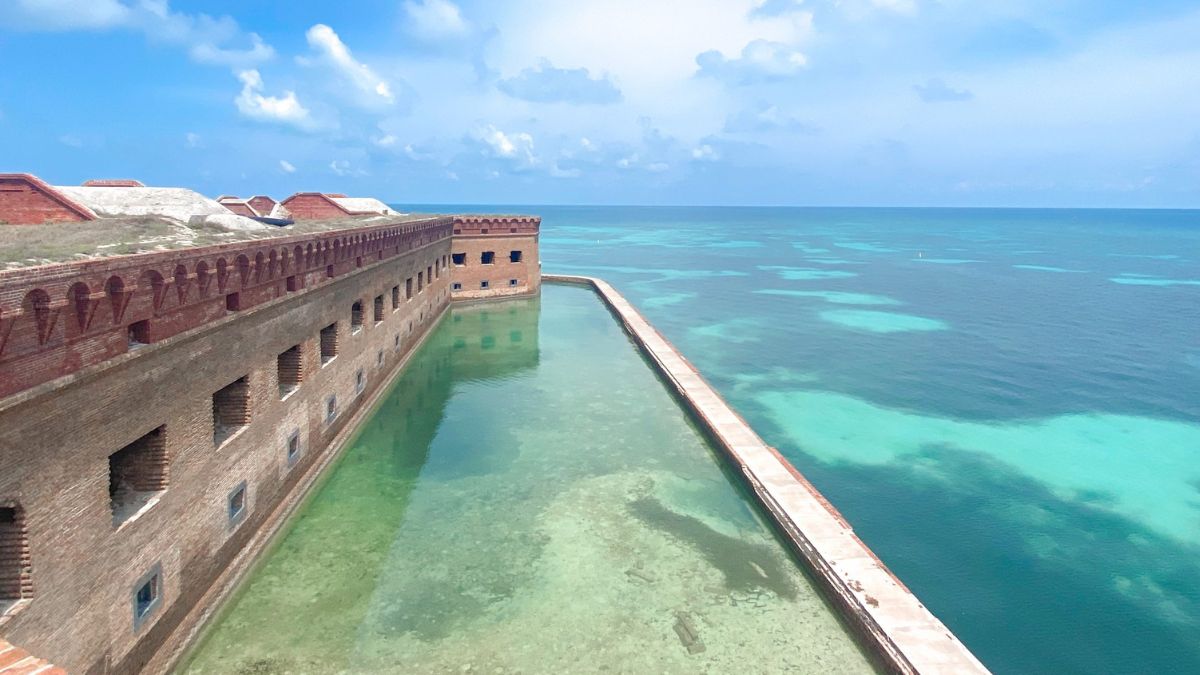
Best for: A remote snorkeling trip
Dry Tortugas offers one of the most unique snorkeling experiences in Florida because of its location. The park sits about 70 miles west of Key West and can only be reached by ferry, seaplane, or private boat.
If you plan to operate your own vessel, check Florida boat rules before heading out.
The journey takes extra planning, but the remote setting adds to the appeal. Around Fort Jefferson, visitors can enjoy clear water, shallow swimming areas, and underwater views near the historic site.
Before visiting, remember:
- Bring enough water and snacks
- Pack strong sun protection
- Check weather conditions before traveling
It is a great choice for travelers who want a quieter and more unusual Florida adventure.
6. Fort Zachary Taylor Historic State Park, Key West
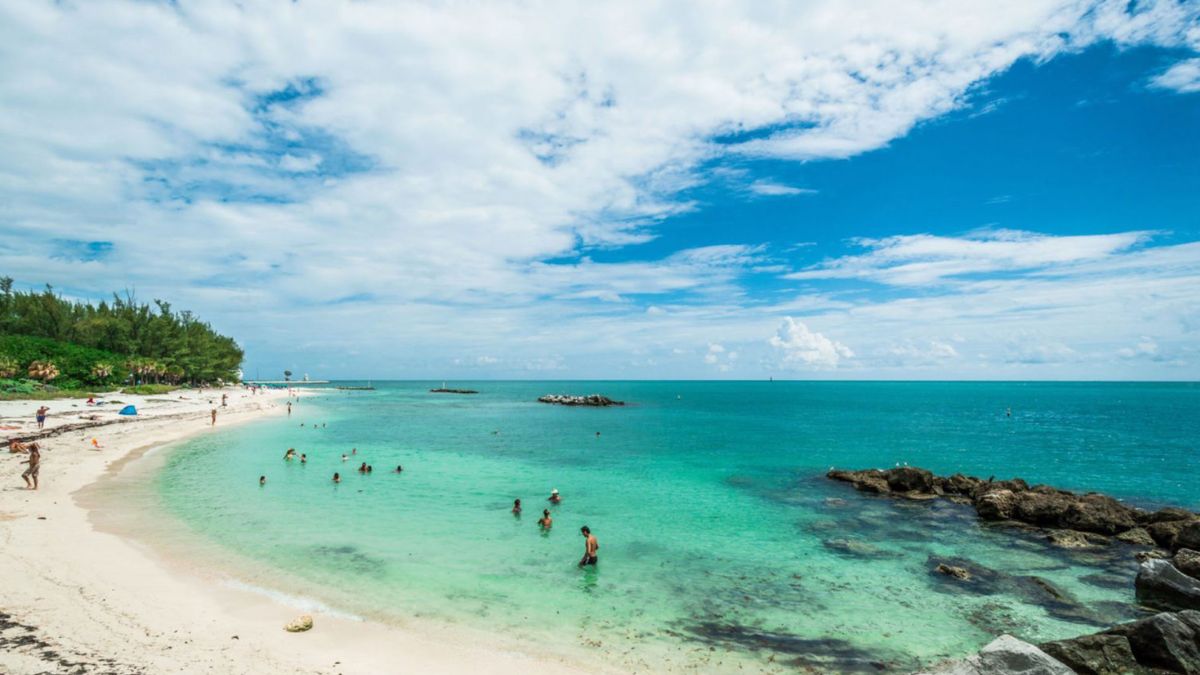
Best for: Key West snorkeling
Fort Zachary Taylor is one of the better shore snorkeling options in Key West. While many reef experiences in the Keys require a boat trip, this location lets visitors enter the water directly from the beach.
The rocky areas around the shoreline create hiding places for fish and other marine life. The park also works well for visitors who want to combine snorkeling with other activities.
You can spend time:
- Exploring the historic fort
- Relaxing on the beach
- Walking nearby nature trails
The rocky entry may feel uneven, so water shoes can make it easier to get into the water.
South Florida: Easy Shore Access And Local Favorites
South Florida offers some of the easiest snorkeling options in the state. From Miami to Palm Beach County, visitors can find shore-entry spots, underwater trails, and protected marine areas without always taking a long boat trip.
7. Biscayne National Park
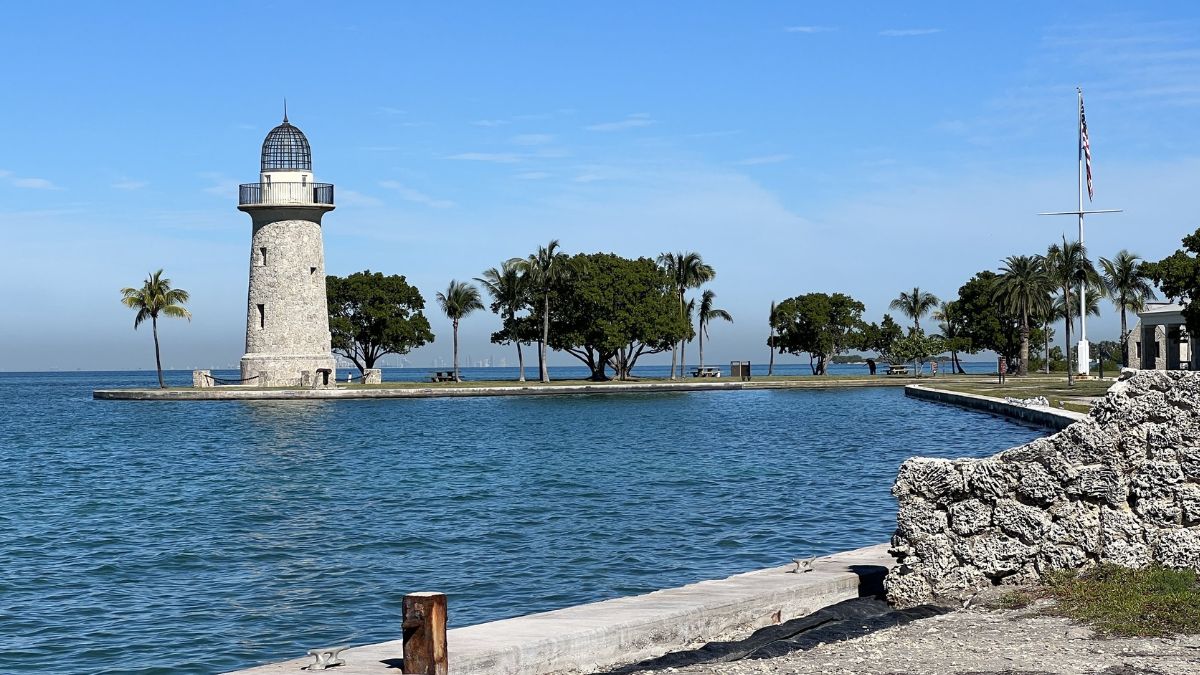
Best for: Reefs near Miami
Biscayne National Park is a great option for travelers who want a reef experience while staying close to Miami. The park protects a large underwater area with coral reefs, mangrove forests, and marine habitats.
Most of the best snorkeling spots are reached by boat because the main reef areas are offshore. Guided trips can take visitors to:
- Coral reef locations
- Historic shipwreck sites
- Protected areas filled with marine life
It is a practical choice for anyone who wants to explore Florida’s underwater world without driving all the way to the Keys.
8. Phil Foster Park And Blue Heron Bridge
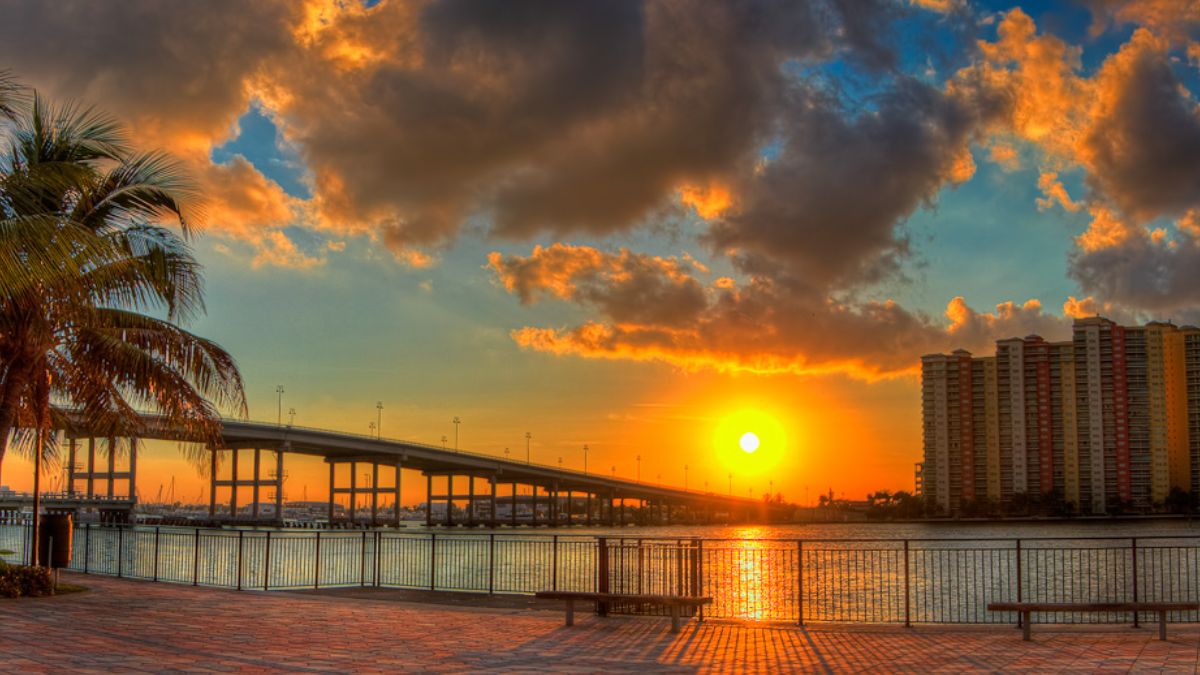
Best for: Shore snorkeling without a boat
Phil Foster Park is one of Florida’s most popular shore snorkeling locations. The biggest advantage is simple: you can walk into the water instead of booking a boat trip.
The underwater trail near Blue Heron Bridge is known for small marine creatures that are easy to miss at larger reef sites. Depending on conditions, snorkelers may spot:
- Seahorses hiding near structures
- Octopus moving along the bottom
- Rays and tropical fish
Tide timing is important here because water clarity changes throughout the day.
It is a great choice for beginners and experienced snorkelers who enjoy finding smaller sea life.
9. Coral Cove Park, Jupiter
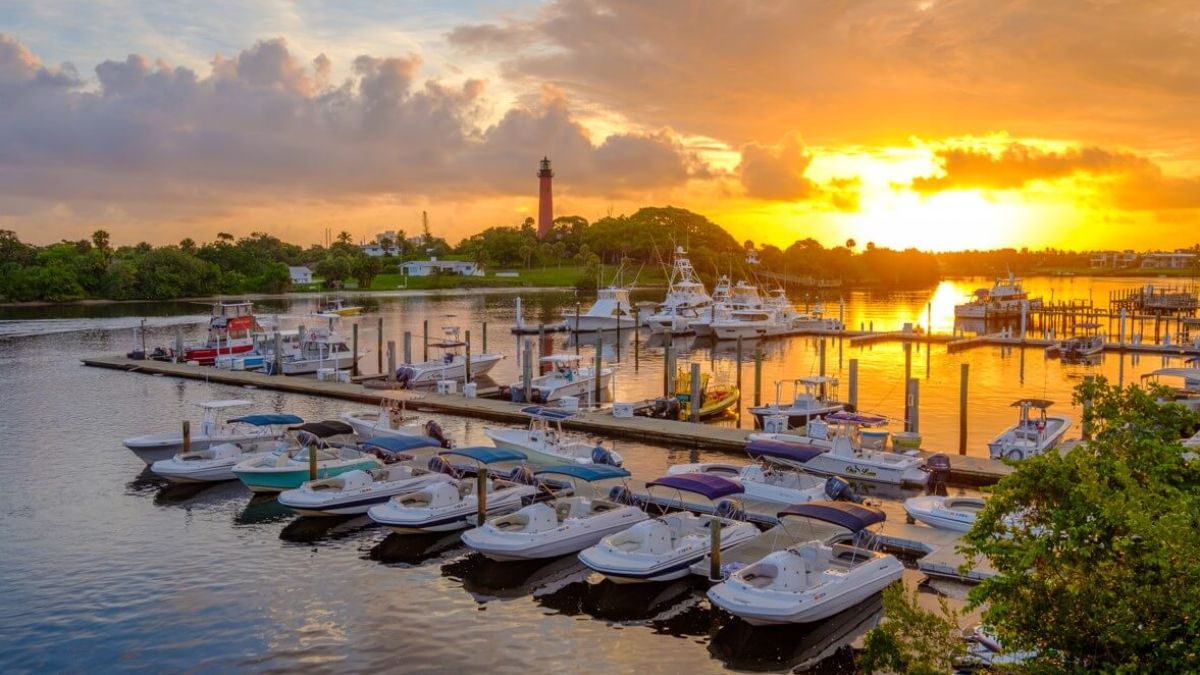
Best for: Easy Atlantic Coast Snorkeling
Coral Cove Park offers a simple way to experience snorkeling along Florida’s Atlantic coast. The rocky areas near the beach create underwater spaces where fish and other marine animals gather.
Unlike offshore reef trips, this spot does not require a boat or a full-day plan. It works well for visitors who want a quick snorkeling stop during a beach day.
Before getting in the water, check:
- Wave conditions
- Wind direction
- Water visibility
When the ocean is calm, Coral Cove can be a fun and easy place to explore near shore.
10. Peanut Island, West Palm Beach
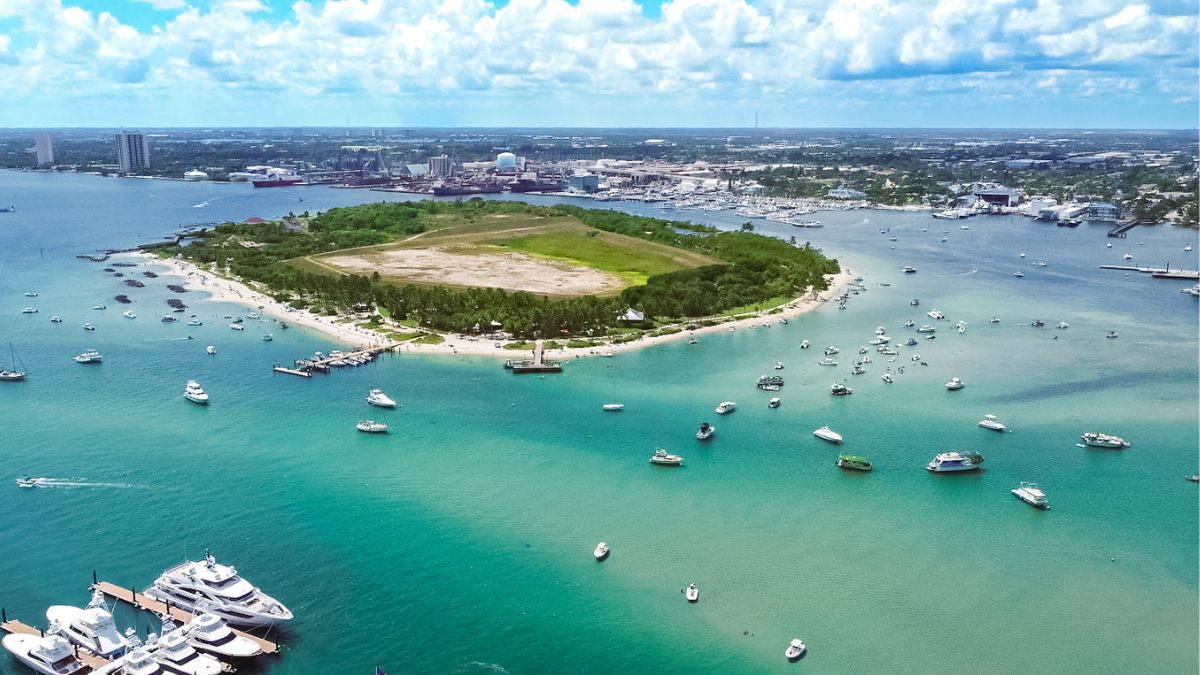
Best for: A snorkeling day trip near the inlet
Peanut Island is a small island near West Palm Beach that offers a relaxed snorkeling experience. Its clear water, rocky areas, and protected sections attract a wide range of marine life.
Since there is no road access, visitors usually reach the island by ferry, kayak, paddleboard, or private boat.
The island is popular because you can enjoy more than just snorkeling:
- Swim in calmer water areas
- Explore walking paths
- Spend a full day outdoors
It is a good fit for families and travelers who want a casual water adventure close to the city.
11. Key Biscayne, Miami
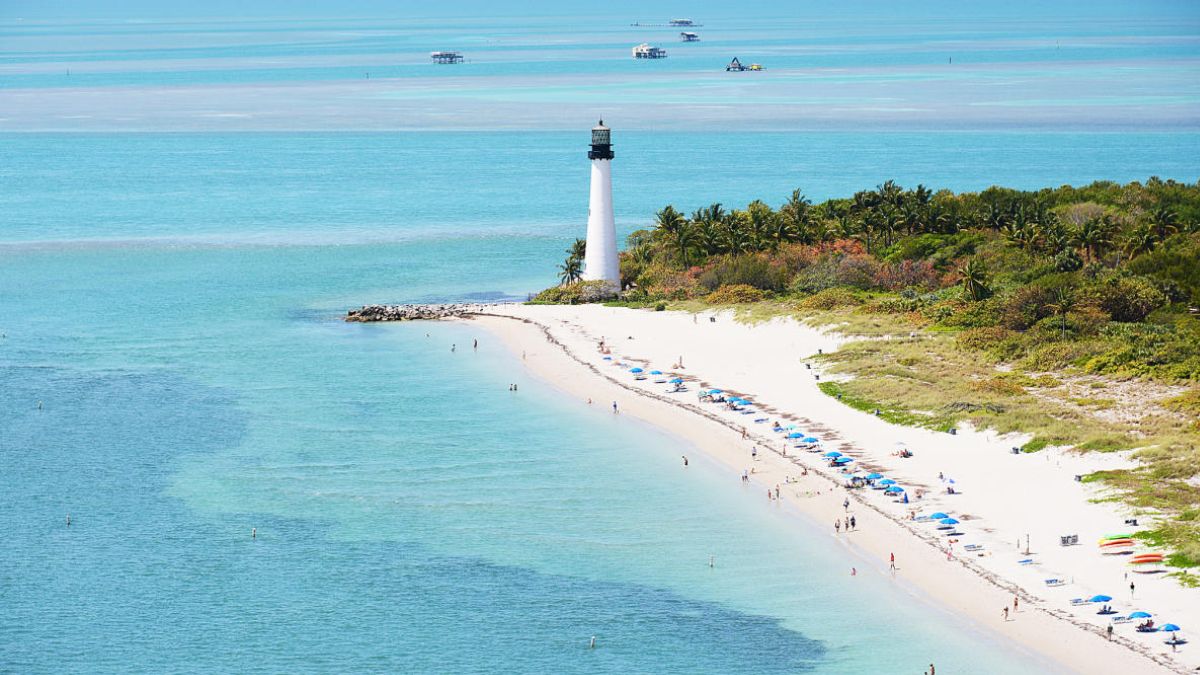
Best for: Snorkeling right in Miami
Key Biscayne is a convenient option for visitors who want to snorkel without leaving the Miami area. Bill Baggs Cape Florida State Park offers beach access, swimming areas, and a chance to explore the Atlantic waters.
The experience here is more about easy ocean access than a major reef trip. Visitors can enjoy:
- Long sandy beaches
- Calm swimming areas on good weather days
- Walking trails around the park
- Views of the Cape Florida Lighthouse
It is a simple way to add snorkeling to a Miami vacation without making a longer trip south.
Nature Coast / Central Florida: Freshwater Springs And Wildlife
Florida’s freshwater springs offer a completely different snorkeling experience from the ocean. Instead of coral reefs and saltwater fish, these areas offer clear spring water, peaceful surroundings, and unique wildlife encounters.
12. Crystal River
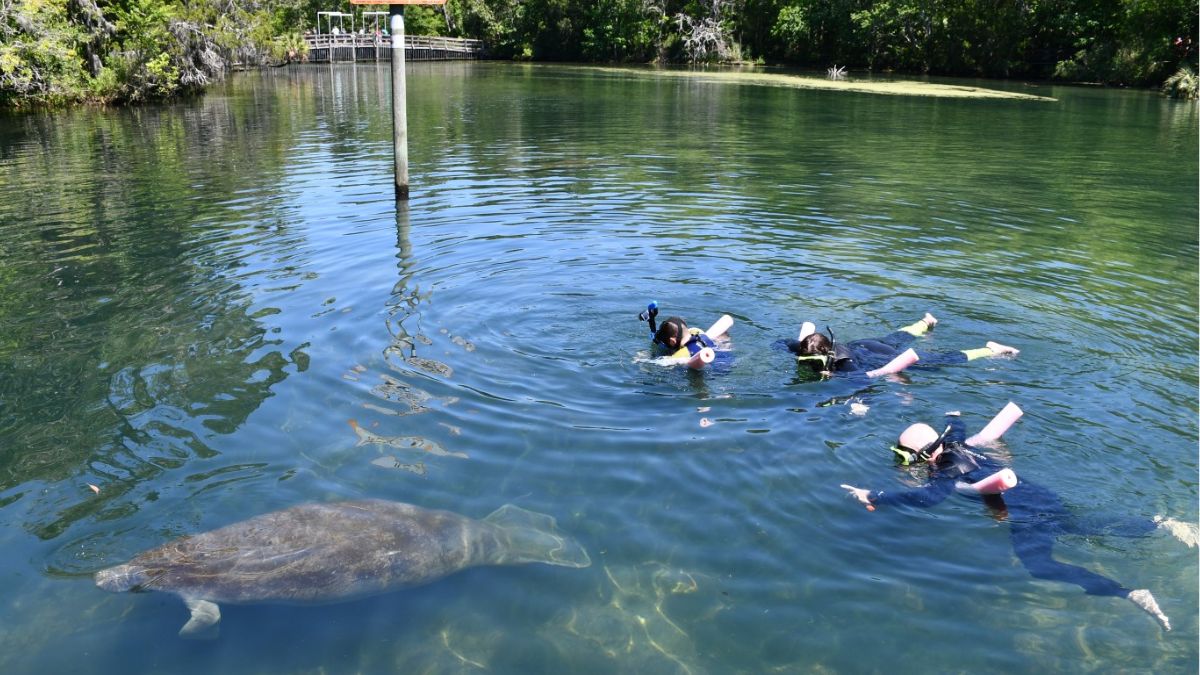
Best for: Wildlife Encounters
Crystal River is one of Florida’s best-known freshwater snorkeling destinations. The main attraction here isn’t coral reefs, but the chance to swim in clear spring water where manatees gather during cooler months.
The experience is slower and more nature-focused. Visitors can enjoy:
- Clear freshwater springs
- Guided snorkeling tours
- Opportunities to see manatees in their natural habitat
Because manatees are protected animals, visitors must follow local rules and avoid touching or disturbing them.
It is a great choice for travelers who want a calm water experience surrounded by Florida wildlife.
13. Ginnie Springs
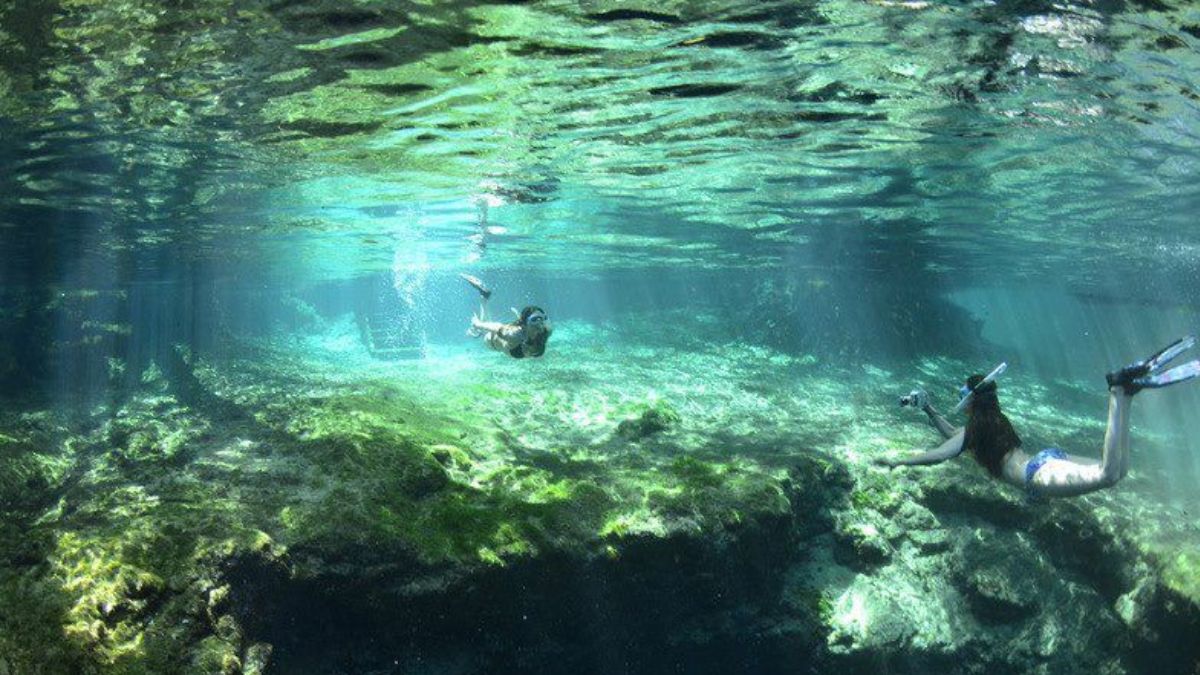
Best for: Freshwater Clarity Without The Crowds
Ginnie Springs offers a completely different side of Florida snorkeling. Located in North Florida, this spring system is known for its clear blue water and natural surroundings.
You will not find coral reefs here, but the underwater views are still impressive. Visitors come for:
- Crystal-clear freshwater
- Small fish and aquatic plants
- Calm swimming areas
- A peaceful spring environment
The cool, clear water makes it a refreshing stop for anyone exploring inland Florida beyond the beaches.
It is a good option for travelers who want a quieter alternative to crowded coastal spots.
Panhandle: Gulf Beaches And Artificial Reefs
Florida’s Panhandle has a different snorkeling style compared with the Keys and South Florida. Instead of coral reefs, this region offers Gulf waters, rocky jetties, and artificial reefs where marine life gathers.
14. Destin Jetties And Gulf Coast Reefs
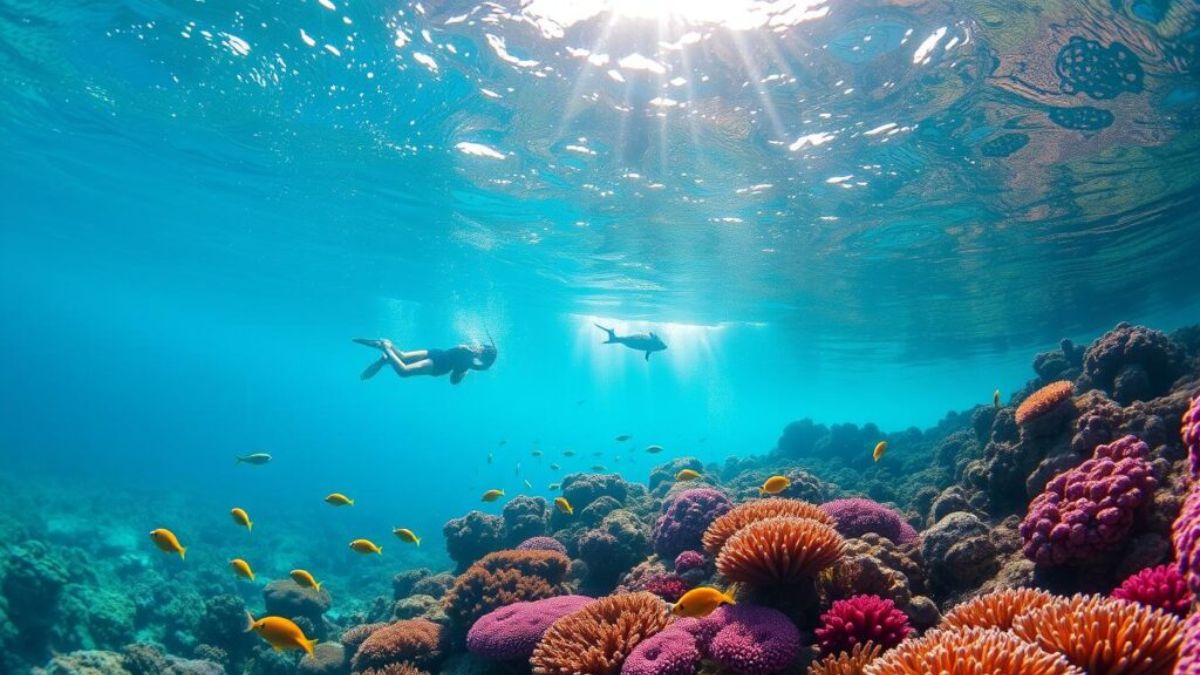
Best for: Panhandle Travelers
Destin is one of the better-known snorkeling areas in Florida’s Panhandle. While the region doesn’t have the same coral reefs as the Keys, its jetties and artificial reefs create underwater habitats for fish and other sea life.
The rocky structures attract:
- Small reef fish
- Crabs and other coastal creatures
- Rays and passing marine animals
Conditions around jetties can change quickly because of currents and waves, so check local water conditions before entering.
It is a good choice for travelers already visiting the Gulf Coast who want to explore Florida’s underwater world without heading south.
Best Florida Snorkeling Spots for Beginners
New snorkelers usually do best somewhere with calm water, an easy entry point, and no need to time a boat schedule.
- Bahia Honda State Park: shallow entry and a full beach setup
- Phil Foster Park: shore access with a marked trail
- Coral Cove Park: lifeguarded and easy to reach
- Bathtub Reef Park: a sheltered lagoon that protects swimmers from waves
- Crystal River: calm water and a guide leading the way
- Alexander Springs: shallow, warm, and easy to enter
None of these require advanced swimming skills, just comfort in open water and a mask that actually fits. If manatees are the draw, Crystal River is worth booking well ahead, since guided slots fill up fast during the winter season.
Shore Snorkeling vs Boat Snorkeling in Florida
Shore snorkeling wins on flexibility and cost. No schedule to follow, no crew to tip, walk in whenever conditions look right. Fort Zachary Taylor and Key Biscayne join the beginner picks above as solid walk-in spots.
Boat snorkeling wins on the reef itself. Dry Tortugas and Biscayne National Park take more planning and more money, but the payoff is coral and fish density that shore access cannot match.
Best Time to Go Snorkeling in Florida
Florida stays warm enough for snorkeling most of the year, but conditions shift by season and region. Wind is the biggest factor, since it stirs up sediment and cuts visibility fast on open beaches.
Tides matter too, especially at spots like Phil Foster, where timing your visit around high tide changes everything.
Summer brings warm water alongside afternoon storms and hurricane season, running roughly June through November. Winter brings calmer seas to the Keys, though occasional cold fronts drop water temperatures enough that a wetsuit helps.
For reef-specific trips, also check NOAA’s Coral Reef Watch bleaching alert level for the Keys before you go; conditions can shift fast during peak summer heat.
No single season is perfect for the whole state, so check local conditions near your travel dates rather than planning around a general rule.
Snorkeling Safety Tips Before You Go
A few basics go a long way toward a safer trip:
- Check water conditions and forecasts before entering
- Snorkel with a buddy, never alone
- Do not touch or stand on coral
- Keep a respectful distance from turtles, manatees, and other wildlife
- Wear reef-safe sunscreen or a rash guard for sun protection
- Make sure your mask and fins actually fit before you swim out. If you are new to the activity, learning snorkeling basics can help you feel more comfortable in the water.
A little preparation can make your snorkeling day smoother and more enjoyable. Take time to check the area rules, understand the conditions, and choose a spot that matches your swimming comfort. The best underwater experiences come from staying safe while giving marine life plenty of space.
Final Thoughts
Florida does not hand you just one snorkeling experience.
The Keys bring reef trips worth the boat ride even with coral conditions in flux, South Florida keeps things simple with shore access, the freshwater springs show a completely different and currently more reliable side of the state, and the Panhandle and Gulf Coast round things out with artificial reefs, natural rock, and a couple of shore-accessible wrecks for the more adventurous.
The best snorkeling in Florida really comes down to your location, your comfort level in open water, and what you actually want to see once you put your face in the water.
Pick a spot based on access, current conditions, and your own experience level rather than chasing famous names alone. Some of the best moments come from the quieter spots nobody talks about.
Frequently Asked Questions
Where is the Clearest Snorkeling Water in Florida?
Dry Tortugas usually wins, since it sits far enough offshore to avoid the sediment that clouds busier beaches. Reefs in the middle and lower Keys come close behind, and Ginnie Springs or Crystal River are hard to beat if you do not mind trading coral for freshwater.
What is the Best Snorkeling Spot in Florida for Beginners?
Bahia Honda, Phil Foster Park, and Crystal River all work well for beginners; each is calm and structured enough that you don’t need advanced skills to enjoy it.
Can You Snorkel from the Beach in Florida?
Yes, and the list runs longer than many visitors expect. Phil Foster Park, Coral Cove Park, Bahia Honda, Fort Zachary Taylor, and Key Biscayne all let you walk straight in without booking a boat.
Is Snorkeling Better in the Florida Keys or Miami?
The Keys focus on coral reefs and generally clearer water, especially the further south and offshore you go. Miami and Biscayne National Park offer more convenient access for anyone staying in the city.