
For families who enjoy staying active, weekends and holidays can be much more exciting when they involve trying something new. Instead of following the same routine of watching movies or visiting familiar attractions, families can use their time outdoors to discover sports that challenge them physically, encourage teamwork, and create memorable experiences together.
Trying new sports as a family does not mean everyone needs to be highly athletic. Many outdoor activities can be adapted for different ages and skill levels, making them suitable for parents, children, teenagers, and even grandparents. From racquet sports and cycling to water activities and adventure-based experiences, there are plenty of ways to make family time more active.
Here are some of the best outdoor activities for families who love trying new sports.
1. Pickleball for a Fun Introduction to Racquet Sports
Pickleball has become a popular choice for families because it is relatively easy for beginners to learn while still offering plenty of opportunities to improve. The court is smaller than a tennis court, and the slower pace can make the game approachable for children and adults alike.
Families can start with simple rallies before progressing to serving, scoring, and doubles matches. Playing doubles is particularly enjoyable because it encourages communication and teamwork.
For families that want structured instruction rather than simply learning through trial and error, joining a pickleball school can provide an organized introduction to the rules, techniques, and basic strategies of the sport.
The biggest advantage is that family members can continue playing together even after their first lesson, making it an activity that can become part of a regular weekend routine.
2. Archery for Focus and Coordination
Archery offers a completely different experience from fast-paced team sports. It combines concentration, coordination, balance, and patience, making it an excellent activity for families looking for something unusual.
Participants learn how to handle equipment safely, establish a stable stance, aim at a target, and release the arrow with control. Children can often participate using appropriately sized equipment under qualified supervision.
The activity also gives families a chance to encourage one another without making everything about competition. Parents and children can compare progress, celebrate successful shots, and gradually improve their accuracy.
Organized archery programs can be particularly useful for beginners because instructors can introduce proper technique and safety practices before participants begin practicing independently.
3. Family Cycling Adventures
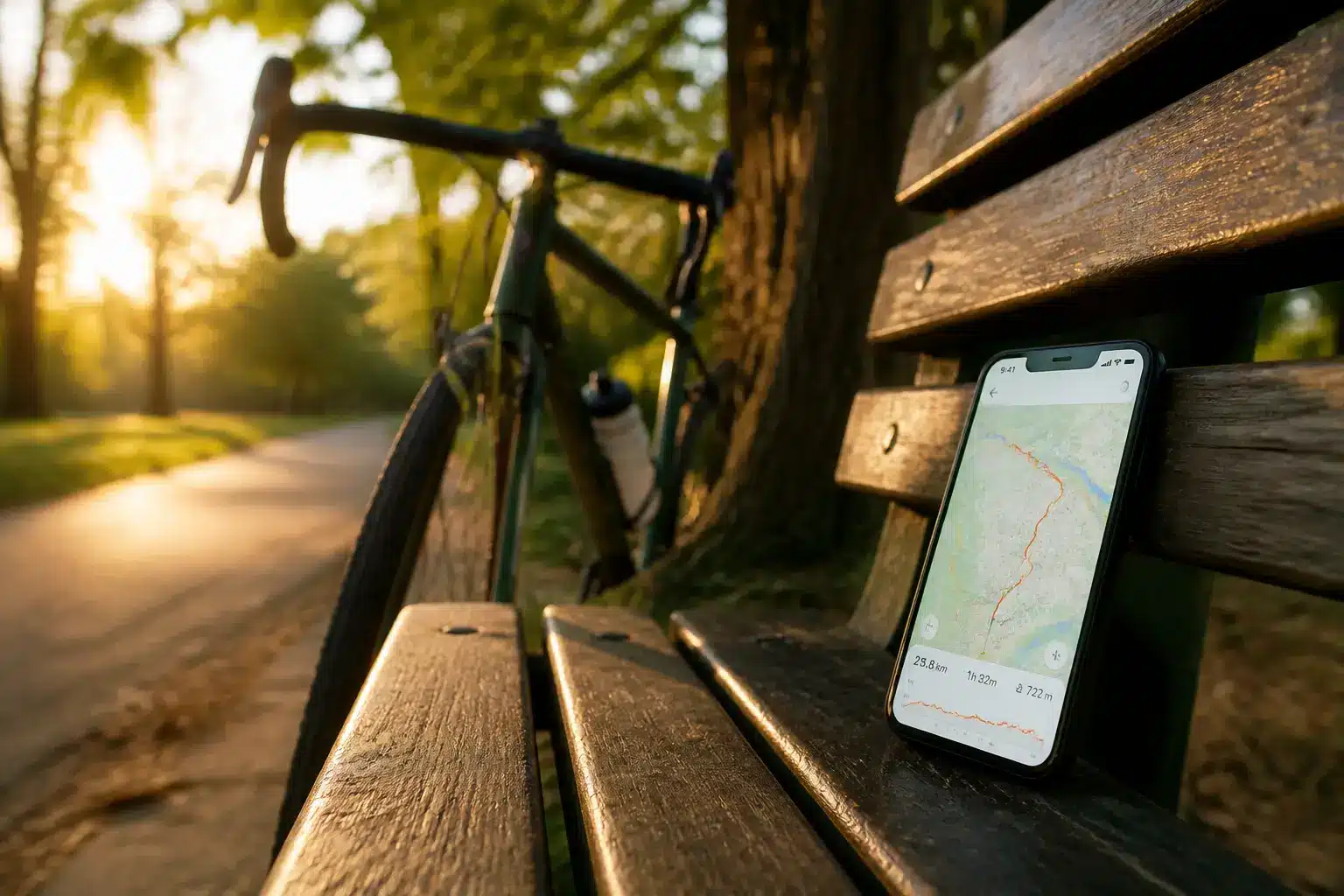
Cycling is one of the easiest ways to turn outdoor exercise into an adventure. Families can choose routes according to their experience level, from paved neighborhood trails to dedicated cycling paths and more challenging terrain.
A short family ride can be a simple weekend activity, while longer routes can become full-day adventures involving stops for lunch, sightseeing, or exploring local attractions.
For families with younger children, safety should remain the priority. Helmets should fit correctly, bikes should be checked before each ride, and routes should match the abilities of everyone participating.
Cycling also gives families the freedom to gradually increase the difficulty. Once everyone becomes comfortable with shorter rides, they can experiment with longer distances, hills, or beginner-friendly mountain biking trails.
4. Kayaking and Canoeing
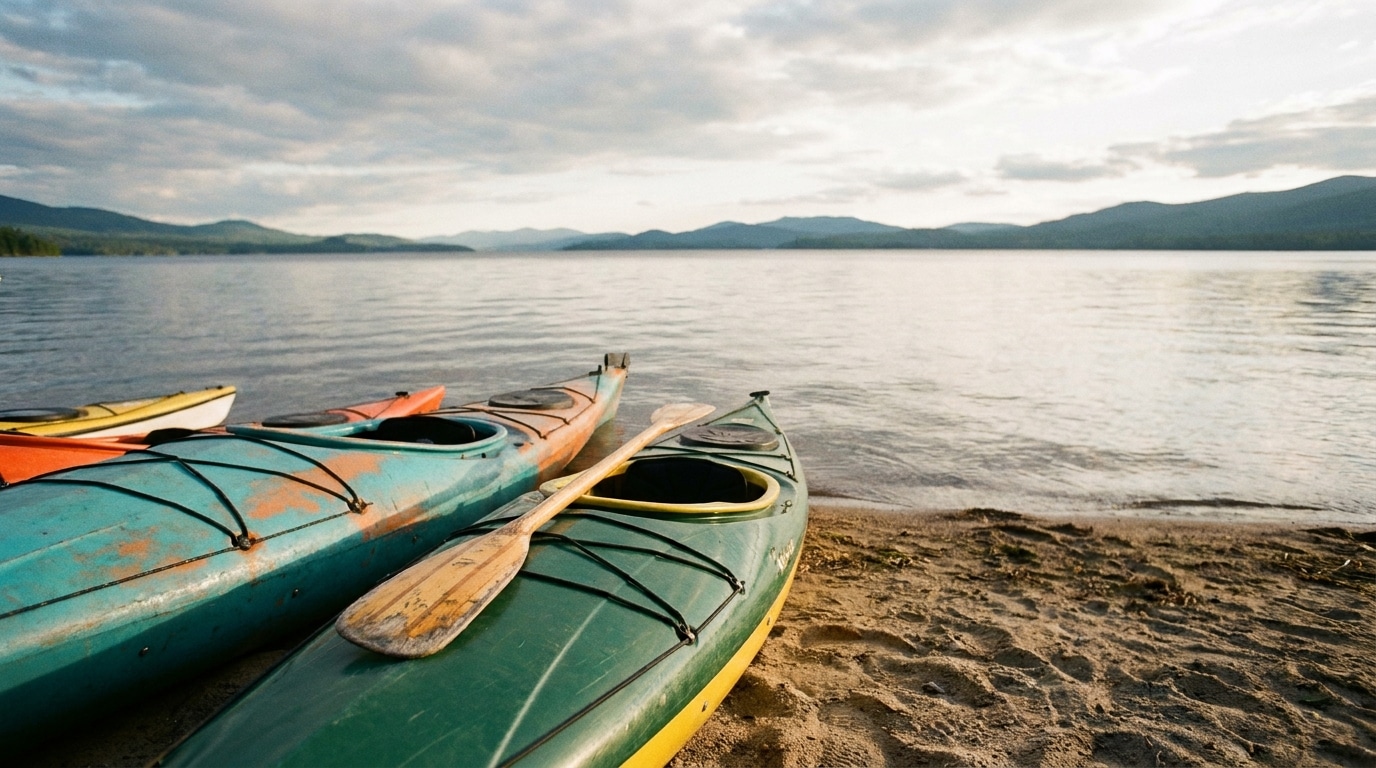
Families who live near suitable lakes, calm rivers, or coastal areas can try kayaking or canoeing. These activities introduce children and adults to water-based recreation while also providing a different type of physical challenge.
Kayaking requires coordination between the upper body and core, while canoeing encourages teamwork when two or more people share a boat.
Beginners should start in calm water with appropriate supervision and safety equipment. Life jackets should be worn correctly, and families should understand local water conditions before setting out.
A guided beginner session can be a great starting point because instructors can explain paddling techniques, basic water safety, and how to handle the equipment.
5. Rock Climbing and Bouldering
Rock climbing can be an exciting option for families who enjoy challenges. While traditional outdoor climbing requires specialized equipment and training, beginner-friendly climbing areas and supervised facilities can offer a safer introduction.
Bouldering is another option that involves climbing shorter walls or rock formations without ropes, generally with appropriate protective mats underneath.
The activity encourages problem-solving as much as physical strength. Climbers need to decide where to place their hands and feet and how to move efficiently toward the next point.
For children, climbing can help develop confidence and body awareness. Parents can participate alongside them and provide encouragement when a route becomes challenging.
6. Tennis for Families Who Enjoy Friendly Competition
Tennis remains a versatile family sport because it can be played at different levels. Beginners can focus on learning basic strokes and rallying, while more experienced players can work on strategy and competitive matches.
Parents can play against children, siblings can compete against each other, or the whole family can play doubles.
One useful way to make tennis more enjoyable for younger players is to adapt the court size, equipment, and scoring system to their age and experience. This prevents beginners from feeling overwhelmed and keeps the focus on learning.
Families can also turn tennis into a regular activity by scheduling a weekly court session and tracking their progress over time.
7. Disc Golf for a Relaxed Outdoor Experience
Disc golf combines walking, throwing, and strategy. Players move through a course while attempting to reach designated targets using flying discs.
One reason it works well for families is that participants can enjoy the outdoors without needing advanced athletic ability. The walking itself provides exercise, while throwing accuracy and course strategy create an additional challenge.
It can also be a relatively relaxed activity compared with competitive sports. Families can take their time, enjoy the surroundings, and encourage younger players as they learn.
8. Stand-Up Paddleboarding
Stand-up paddleboarding, often called SUP, is another activity that can introduce families to a new type of outdoor recreation.
Balancing on the board, paddling, and changing direction require coordination and body control. Beginners can start in calm, shallow water before progressing to longer outings.
Because balance can take some time to master, falls are part of the learning process. Families should choose appropriate locations, use suitable safety equipment, and follow local guidelines.
Once everyone becomes comfortable, paddleboarding can become both an exercise activity and a way to explore scenic waterways.
9. Family Orienteering and Navigation Challenges
Families who prefer adventure over traditional sports may enjoy orienteering. The activity involves navigating an outdoor area using a map and, depending on the format, a compass to locate designated checkpoints.
It combines walking or running with decision-making and navigation. Children can take responsibility for identifying landmarks, while parents can help them understand directions and map symbols.
Orienteering can also be turned into a friendly family challenge. Instead of focusing entirely on speed, families can create goals around finding every checkpoint or completing a route without assistance.
This makes it an excellent activity for developing practical outdoor skills while spending time together.
10. Hiking With a Sporting Twist
Hiking may not traditionally be considered a sport, but it can become much more engaging when families add physical challenges or outdoor games.
For example, families can choose a trail with elevation changes, create nature-based scavenger hunts, practice photography challenges, or set walking goals.
More experienced families can gradually progress toward longer hikes, trail running, or beginner-friendly backpacking trips.
The key is to choose trails appropriate for the youngest or least experienced participant. A successful family hike should leave everyone feeling accomplished rather than exhausted.
How to Choose the Right Outdoor Sport for Your Family
The best activity is not necessarily the most difficult one. Families should consider several factors before choosing a new sport.
Age and ability: Choose activities that everyone can participate in safely. Younger children may need modified equipment or shorter sessions.
Interest level: Let family members suggest activities. When children have a say in what they try, they are often more enthusiastic about participating.
Location: Consider what is available nearby. Parks, recreation centers, lakes, trails, and sports facilities can all provide different opportunities.
Equipment: Some activities require specialized equipment, while others require very little. Beginners may prefer renting equipment before making a purchase.
Instruction: For activities involving specialized techniques or safety considerations, professional instruction can provide a better introduction.
Weather: Outdoor plans should account for heat, rain, wind, and other environmental conditions. Always check conditions before starting an activity.
Making New Sports a Regular Family Habit
Trying a sport once can be fun, but turning outdoor activities into a regular family habit can provide even greater benefits. Families can create a monthly “new sport day” where everyone votes on an activity they have never tried.
Another approach is to rotate activities throughout the year. Cycling and hiking may work well during one season, while kayaking, tennis, or other sports can be introduced during another.
It is also important not to make every outing competitive. For some families, the main goal may be improving fitness. For others, it may be spending quality time together or helping children develop confidence.
The most successful family activities are those that everyone looks forward to repeating.
Conclusion
Trying new sports together gives families more than an opportunity to exercise. It creates shared experiences, encourages communication, builds confidence, and introduces children to activities they may continue enjoying throughout their lives.
From pickleball and archery to cycling, kayaking, climbing, tennis, disc golf, and hiking, there is no shortage of outdoor options. Families can start with beginner-friendly activities and gradually move toward more challenging adventures as their skills and confidence grow.
Ultimately, the goal is not to find the “perfect” sport. It is to find activities that encourage everyone to get outside, stay active, learn something new, and enjoy time together.