Alcohol is the leading cause of fatal boating accidents, contributing to 20% of deaths in 2024, according to Coast Guard data.
Operator inattention and inexperience follow close behind as the other major factors behind serious accidents on the water.
Once something goes wrong, falling overboard is what actually kills most victims. Rescuing someone from open water is difficult, especially without a life jacket, and drowning accounts for roughly three out of four boating deaths.
Understanding what the main cause of most fatal boating accidents is can help prevent them. For a better understanding of U.S. Coast Guard data on fatal boating accidents, let’s look at why some incidents become deadly and cover the safety steps that reduce risks on the water.
What the Coast Guard Data Actually Shows
The U.S. Coast Guard released its 2024 Recreational Boating Statistics Report in mid-2025, its most recent full-year data. Here’s what it found.
| Metric | Number |
|---|---|
| Total accidents | 3,887 |
| Deaths | 556 |
| Injuries | 2,170 |
| Property damage | ~$88 million |
Fatalities fell by 1.4 percent from the previous year. This is the number of deaths over 50 years, but the number of accidents and injuries both went up a little bit.
Where the risk concentrates:
- Alcohol was the top known factor in fatal accidents, tied to 92 deaths (20% of the total)
- Drowning caused about three out of four deaths
- 87% of drowning victims weren’t wearing a life jacket
- 70% of fatalities happened on boats with an untrained operator
The pattern holds year after year. Training and life jackets are the two biggest levers boaters actually control.
Why Falling Overboard is Deadly
Falling overboard can quickly turn a boat trip into a life-threatening emergency. Cold water, waves, currents, and delayed rescue can make survival difficult, especially without a life jacket.
Finding a person in the water, turning the boat around, and pulling them back onboard takes valuable time. A life jacket helps keep the person afloat and their head above water while rescuers respond.
Many overboard deaths happen when people are not wearing life jackets. Panic, fatigue, cold temperatures, or injuries can make it hard to stay afloat without support. Wearing a life jacket is one of the simplest ways to reduce the risk of a fatal boating accident.
Top Contributing Factors Behind Fatal Accidents
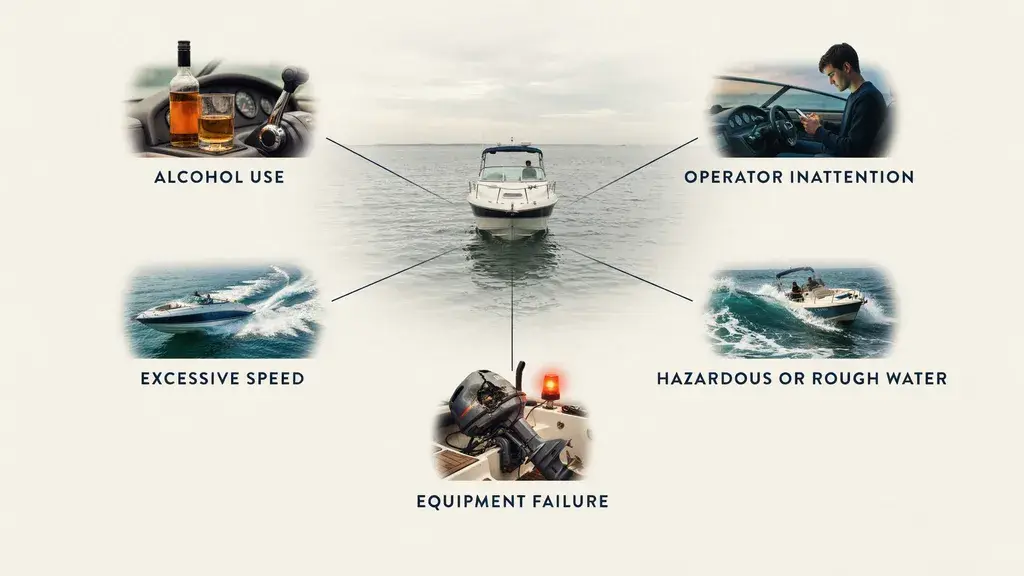
Falling overboard explains how accidents turn deadly. But something has to cause the accident first. These factors show up again and again in Coast Guard data on fatal boating accidents.
Alcohol Use
Alcohol is the reason for fatal boating accidents. It slows your reaction time and affects your balance, making it hard to think clearly on a moving boat. It is against the law to operate a boat when you have been drinking, just like it is against the law to drive a car when you have been drinking.
Operator Inattention
It is dangerous to drive a boat when you are not paying attention. If you are looking at your phone, talking to someone, or not looking ahead, you might not see another boat, a person swimming, or something in the water until it is too late.
Excessive Speed
Speed cuts down reaction time and stopping distance. A boat moving fast has less room to avoid a collision, a swimmer, or a sudden wave. Higher speed also means a harder, more dangerous impact when something goes wrong.
Hazardous or Rough Water
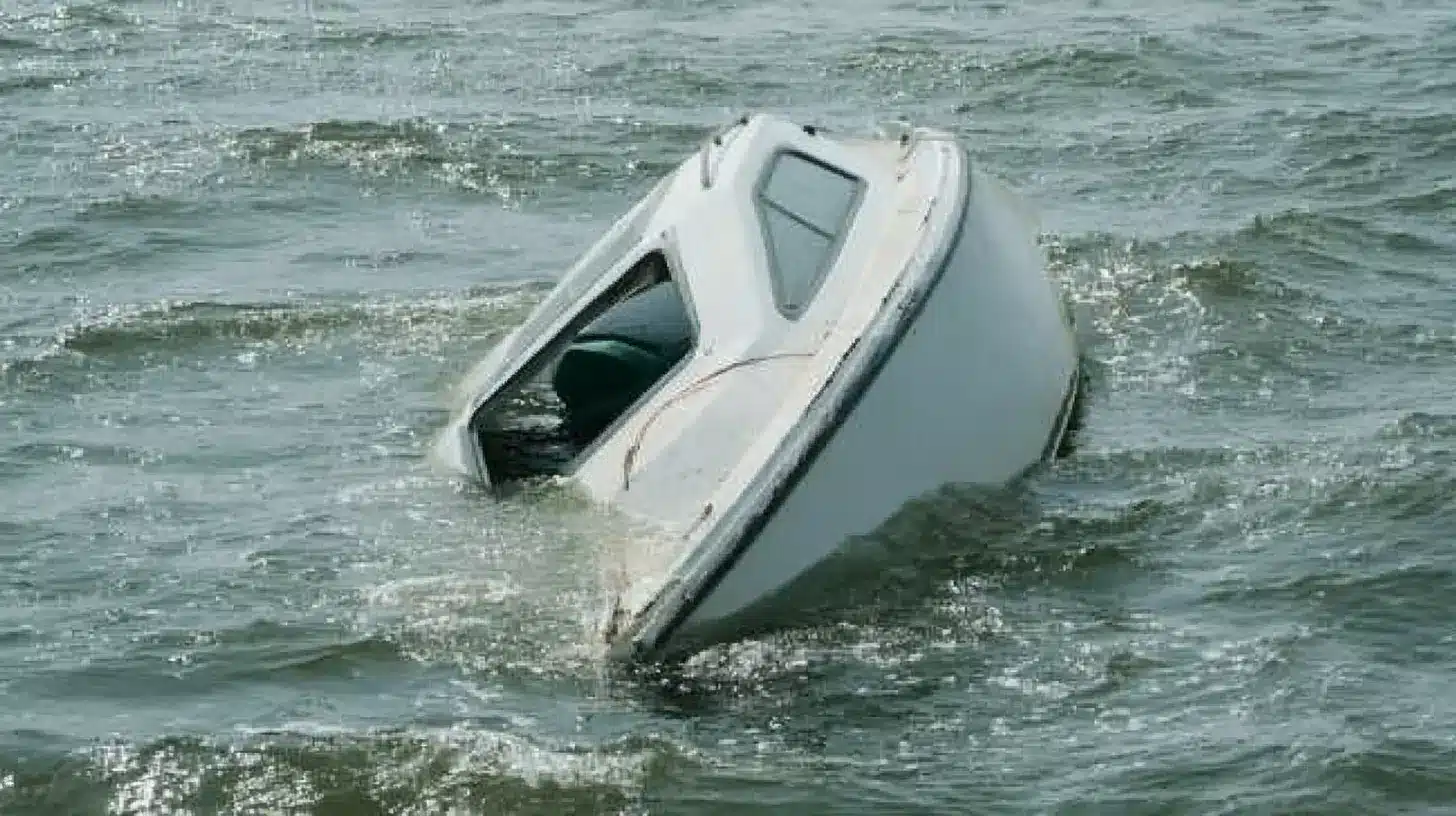
Strong currents, sudden wakes, and shifting tides can catch even careful boaters off guard. Smaller boats struggle most in rough water, where one wrong wave can cause a capsize or send someone overboard.
Equipment Failure
A failed engine, steering system, or navigation light can turn a normal trip into an emergency fast. Most equipment failures trace back to skipped maintenance. Regular checks on the engine, steering, and lights catch small problems before they become emergencies.
Most of these causes share one thing in common: they’re preventable. Staying sober, staying alert, and knowing your boat closes the gap between a safe trip and a serious accident.
| Why Some Boating Accidents Turn Deadly, and Others Don’t
An accident alone doesn’t always end in death. What happens right after often decides whether it does. These three factors raise the odds of a fatal outcome the most.
None of these cause an accident. But once one happens, they decide who makes it back to shore and who doesn’t. |
How to Lower Your Risk on the Water
Most fatal accidents share the same preventable causes. A few simple habits close most of that gap. Here’s what actually lowers your risk before you leave the dock.
- Wear a Life Jacket, Every Time: Calm water can turn dangerous fast. Keep it on the whole trip, not just when things look rough.
- Skip Alcohol Until You’re Docked: Alcohol slows reaction time and judgment. Save it for after the boat is back on land.
- Take a Boater Safety Course: Most fatal accidents involve untrained operators. A short course from the National Association of State Boating Law Administrators covers the basics that actually prevent them.
- Check Weather and Water Conditions: Conditions shift fast on open water. Check the forecast before you leave shore, not after.
- Keep a Spotter On Board: Towing a rider or watching swimmers needs full attention. A spotter catches what the operator might miss.
None of these steps take much effort. Together, they cover most of what turns a routine boat trip into a serious accident.
Final Thoughts
Falling into the water from a boat is what causes the deaths when people are drinking alcohol while boating.
Most fatal boating accidents are mainly about two things going wrong at once: a preventable mistake like drinking or inattention, and no life jacket when the boat goes sideways.
Before you leave the dock, check that every life jacket fits and is in good shape, look at the marine forecast, and make sure everyone on board knows what to do if someone goes overboard. None of that takes long, and it’s the difference between a close call and a tragedy.
Frequently Asked Questions
What is the Leading Cause of Boating Accidents Overall?
Operator inattention, inexperience, and alcohol use rank as the top contributing factors behind most reported boating accidents each year.
What is the Deadliest Type of Boating Accident?
Falling overboard, capsizing, and being swept from a vessel together account for more than half of all fatal boating incidents, according to Coast Guard data. Most victims in these cases weren’t wearing a life jacket.
Does Wearing a Life Jacket Actually Reduce Deaths?
Yes. Most drowning victims weren’t wearing one. A life jacket keeps you afloat without effort, buying rescuers critical time.
What Percentage of Boating Deaths Involve Alcohol?
Alcohol was tied to about 20% of fatal boating accidents in 2024, the leading known contributing factor overall.