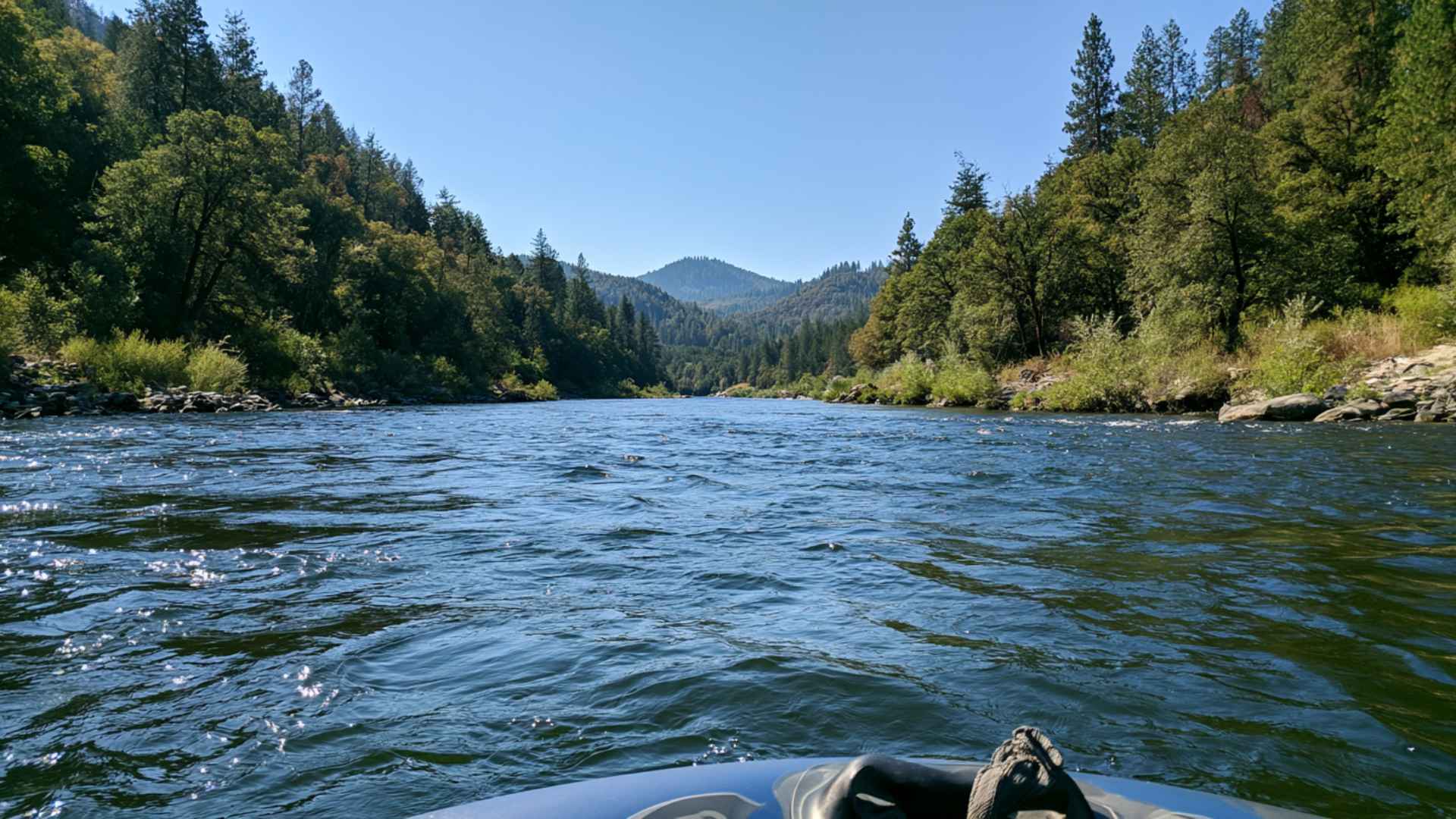
A good river floating trip starts with the right stretch of water. Some rivers are slow and easy, made for a quiet afternoon in a tube.
Others pass through canyons, forests, springs, or small towns where the float becomes part of a longer summer trip.
There are plenty of rivers where you can spend a few hours on the water without planning a full outdoor vacation.
Choosing the right river also means considering flow safety, scenery, access points, how much time you want to spend drifting downstream, comfort, and pace
What Is River Floating?
River floating means letting a river’s natural current carry you downstream, usually on an inner tube, inflatable raft, or kayak.
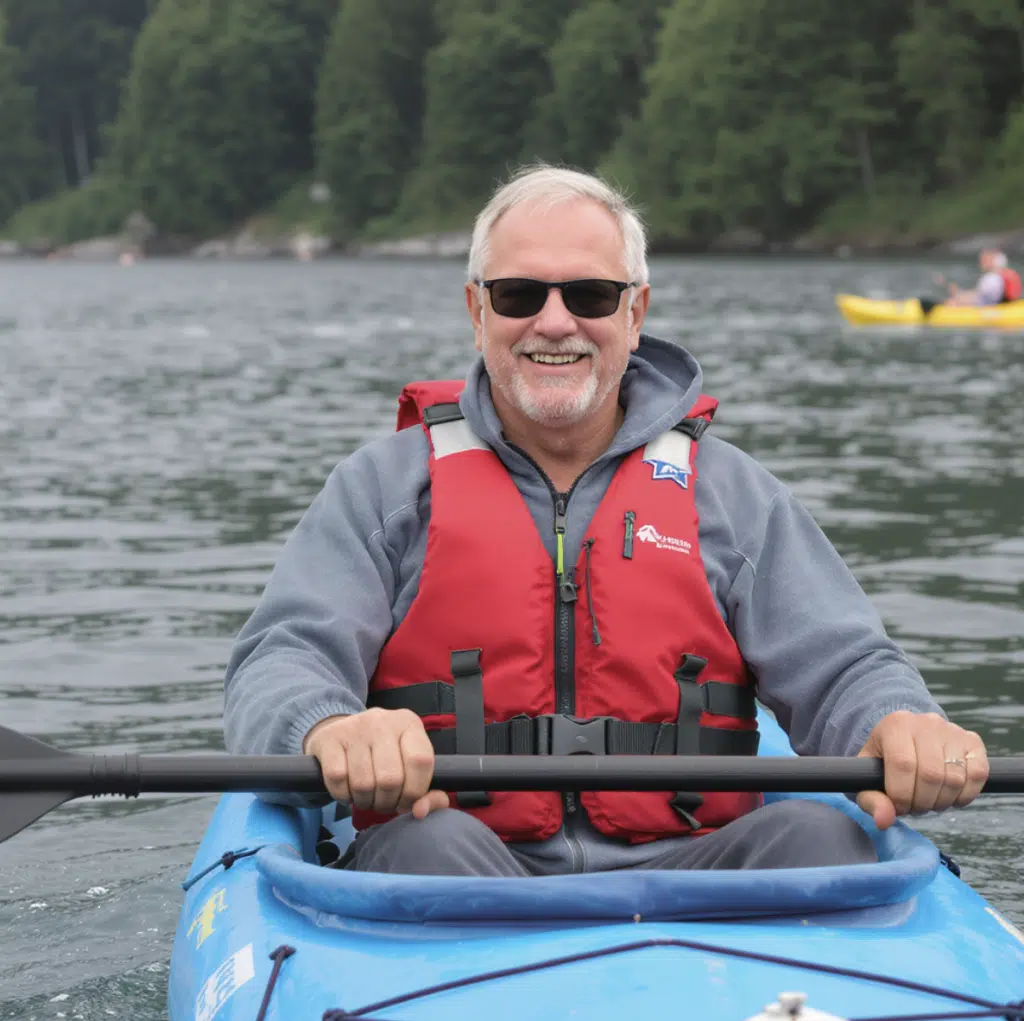
If you prefer something with a little more control, kayak-friendly rivers offer entirely different routes where paddling lets you set your own pace.
You put it in at an upstream access point; the water does the work, and you take it out at a designated endpoint, where a shuttle drives you back to your car. Most float trips run between 2 and 6 hours.
Outfitters at popular rivers handle tube rentals, life jackets, and shuttle logistics, so you do not need your own gear or a complicated car shuttle plan.
A good floating river has a gentle, consistent current, clear access points, water depth of at least 2 to 3 feet through most of the route, and a local outfitter nearby. The rivers in this guide meet all of those conditions.
What Makes a Good River for Floating?
Not every river is a good fit for floating. Before you head out, look for these features:
- Gentle current that lets you drift comfortably without constant paddling.
- Water depth around 3 to 5 feet, giving you enough room to float while still being able to stand when needed.
- Easy-to-find access points with parking, restrooms, and clear entry and exit locations.
- Local outfitters that offer tube rentals, life jackets, and shuttle services back to your starting point.
When a river checks all four boxes, the trip is usually much easier and more enjoyable. If one is missing, you may end up carrying equipment long distances or dealing with transportation problems after your float.
Best River Floating Spots
From spring-fed waterways to scenic mountain routes, these river-floating destinations offer something for every traveler, with options ranging from relaxed family outings to longer adventures.
1. Guadalupe River: New Braunfels, Texas
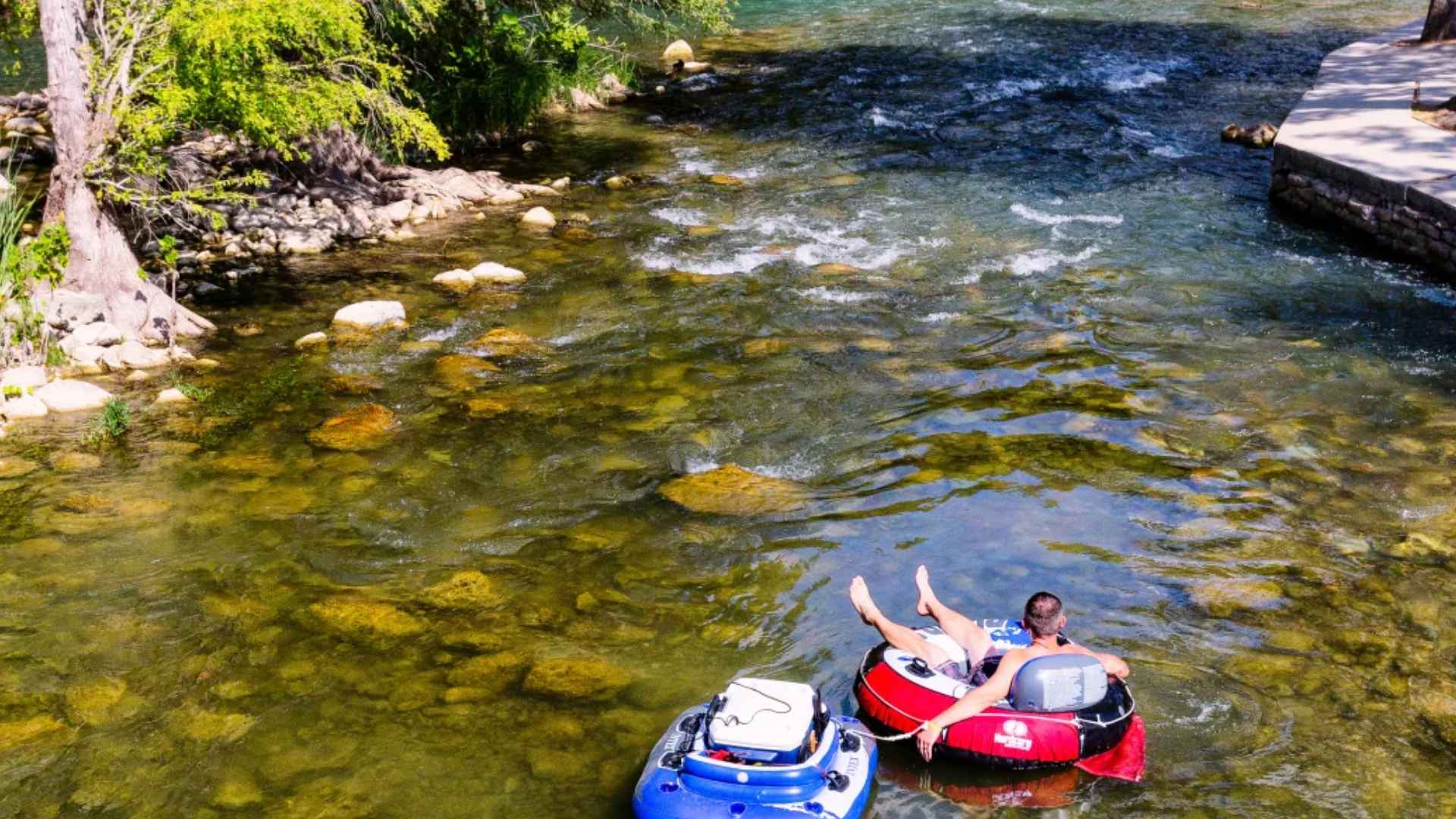
Image credit: Photo by Houstonia magazine
The Guadalupe is the most popular tubing river in Texas. The float runs past a few fun rapids and tube chutes, with stretches of calm water in between.
Many trips end near the historic town of Gruene; cap your day at Gruene Dance Hall for a cold drink and live music.
- Float length: 2–5 miles
- Time: 2-5 hours
- Season: March–October
- Best for: Groups, first-timers, summer weekends
Pro tip: Book your tube rental well in advance on holiday weekends. Memorial Day and the 4th of July fill up weeks out.
2. Salt River: Phoenix, Arizona
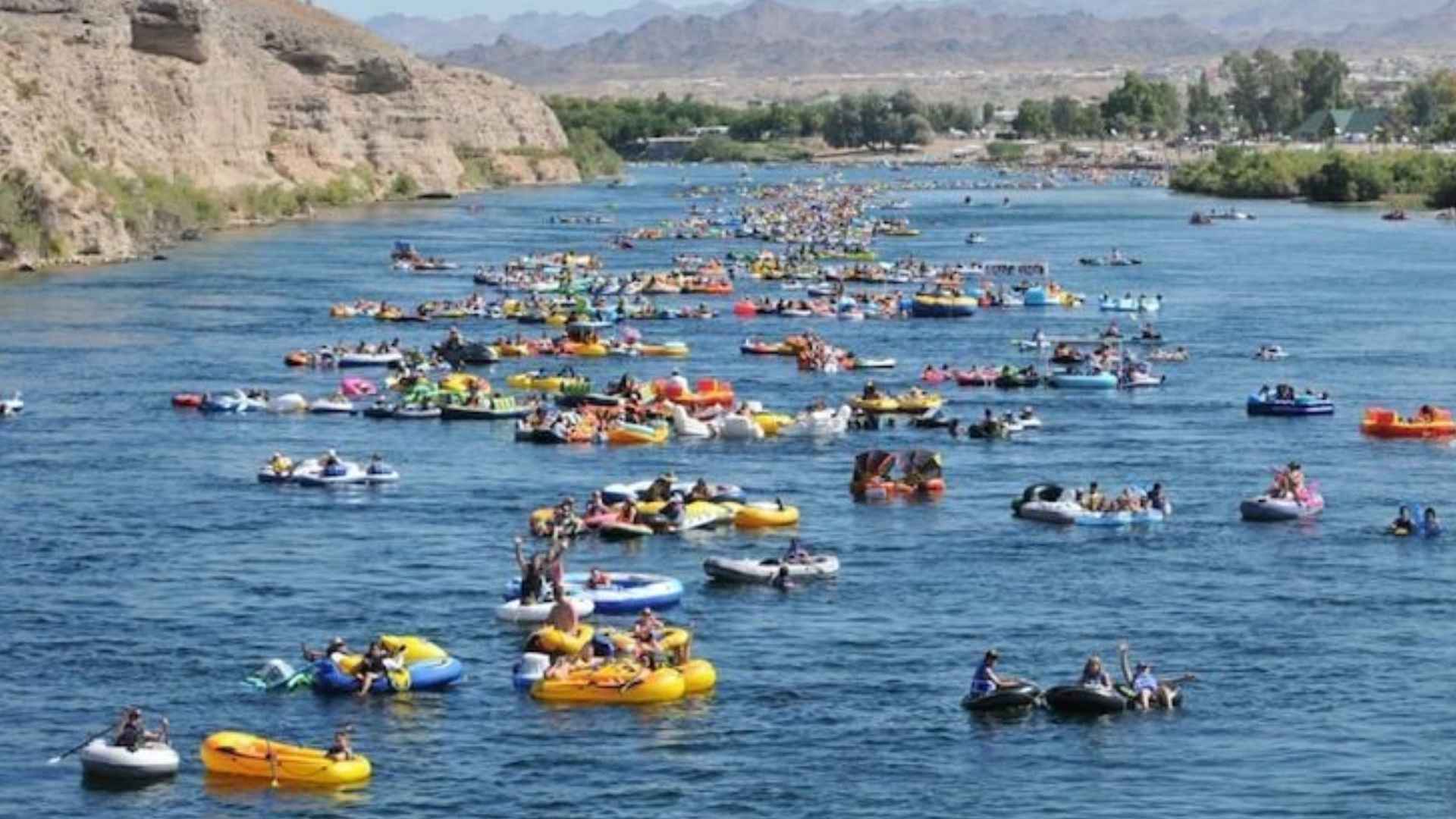
Image credits: photo by Jaceyoutwest
About 40 miles northeast of downtown Phoenix, near Mesa, the Lower Salt River runs through the Sonoran Desert landscape, with saguaro cacti, red canyon walls, and wild horses along the banks.
The current is slow and easy, making it a solid starter float for anyone new to river tubing.
- Float length: 4–6 miles
- Time: 3–5 hours
- Season: Late April–September
- Best for: Desert scenery, beginners, day trips from Phoenix
Pro Tip: Go on a weekday. Weekends draw large crowds, and parking fills up by 9 a.m.
3. Ichetucknee River: Fort White, Florida
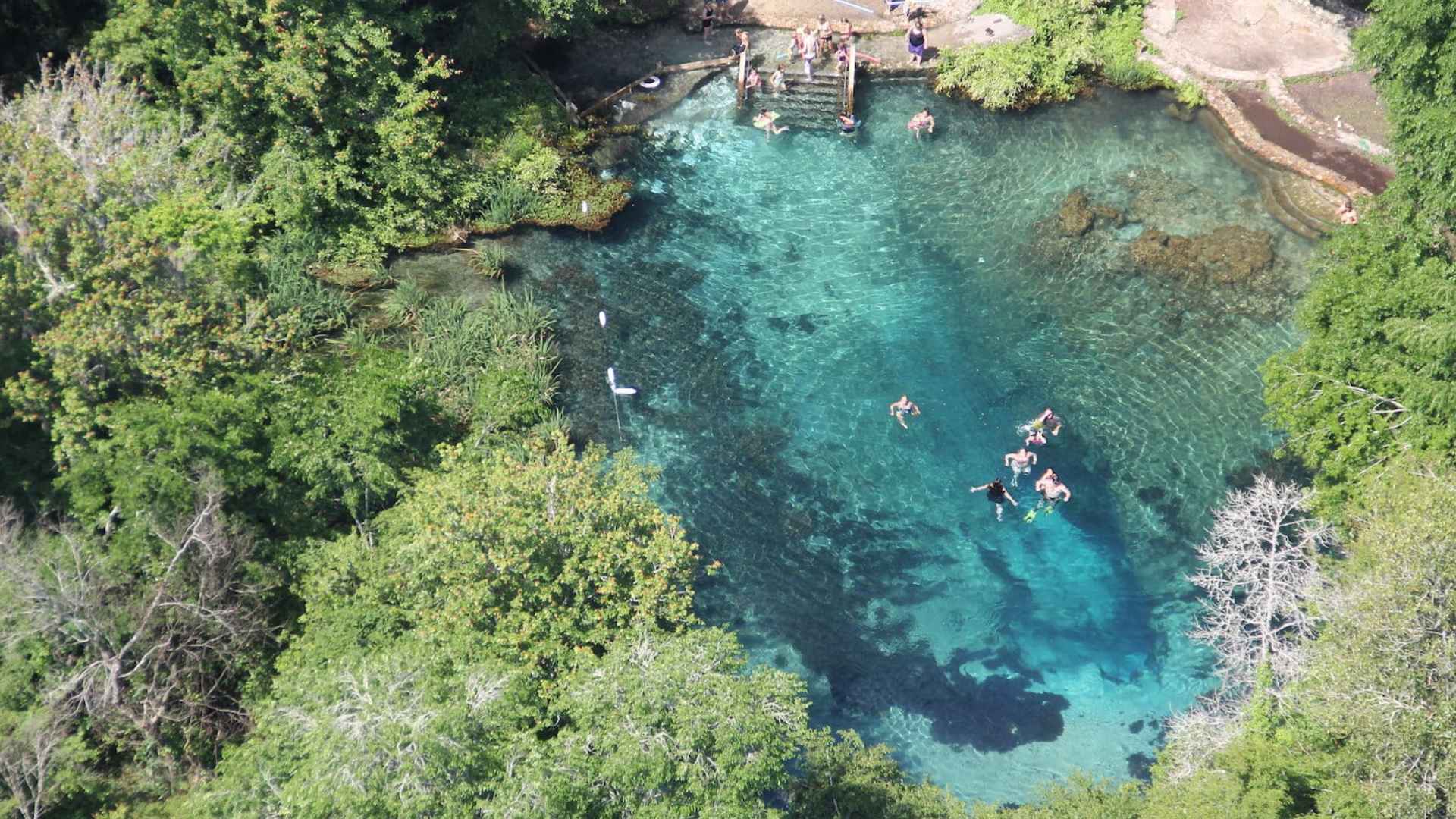
Photo by: Florida Fish and Wildlife
This spring-fed river in north Florida holds a steady 72°F year-round. The water is clear enough to see fish swimming beneath your tube.
Overhead, cypress trees and Spanish moss hang low over the current, and the whole thing feels more like a nature preserve than a river float, because it is one.
- Float length: About 1 mile (Dampier’s Landing to South Takeout)
- Time: 45 minutes–1 hour
- Season: Year-round (peak June–August)
- Best for: Families, nature lovers, crystal-clear water
Pro tip: The park fills fast on summer weekends. Even with a tube reservation, entry is not guaranteed once capacity is reached. Arrive early, ideally right when the park opens. Also note that the Midpoint Launch is currently closed; the only launch available is Dampier’s Landing.
4. Saco River: North Conway, New Hampshire
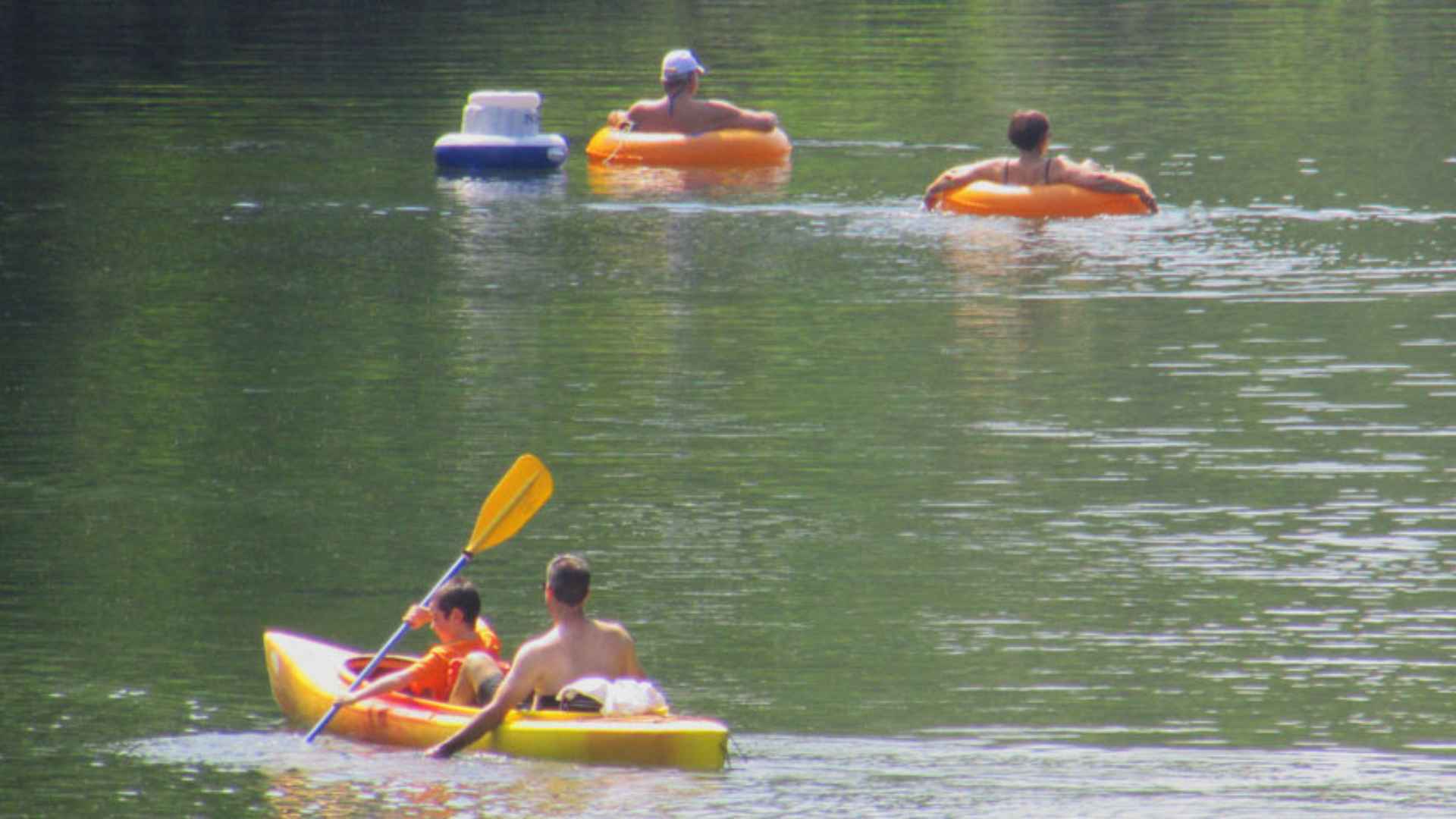
Image by: North Canway
Sandy bottom, crystal-clear water, White Mountain views at every bend. The Saco averages about 3 feet deep, which makes it comfortable for kids and beginners.
There are sandy beaches along the way to stop, swim, and relax.
- Float length: 4–8 miles
- Time: 3–5 hours
- Season: June–September
- Best for: Families, New England summers, mountain views
Pro Tip: Saturdays are packed. Book a Sunday or weekday float for a quieter experience.
5. Russian River: Sonoma County, California
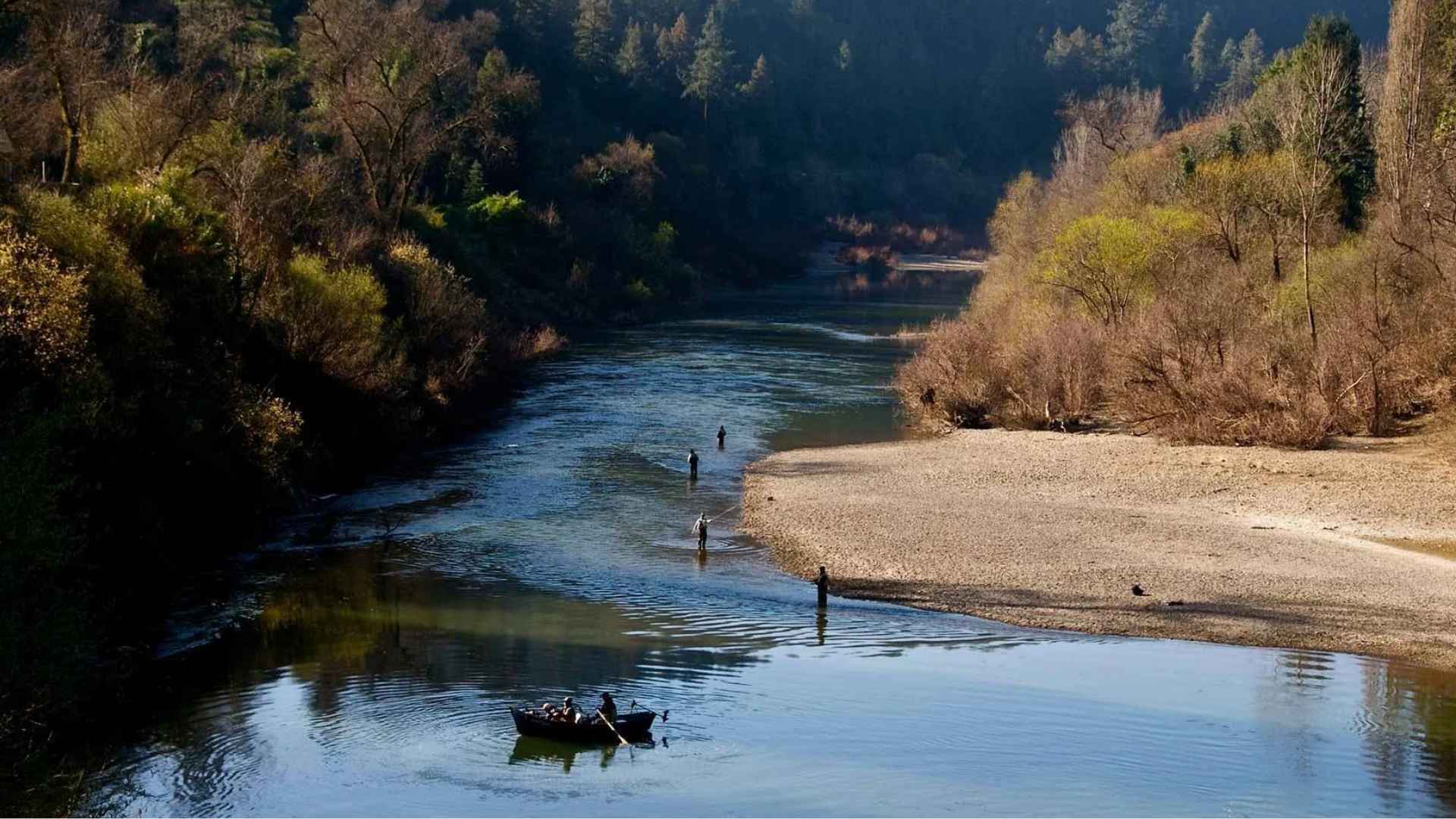
Image by: Russian River Confluence
The two-mile float from Steelhead Beach to Sunset Beach in Sonoma County takes about four hours at the river’s pace. No rapids.
Pebble beaches along the way invite long stops, and the surrounding hills are covered in vineyards. Tube rentals are available at Steelhead Beach; parking costs $10 during peak season (free for Sonoma County Regional Parks members).
- Float length: 2 miles
- Time: ~4.5 hours
- Season: June–September
- Best for: Wine country weekend trips, adults
Pro Tip: The county runs a $5 weekend shuttle between the two beaches, skip the car shuffle
6. Delaware River: Pennsylvania/New Jersey Border
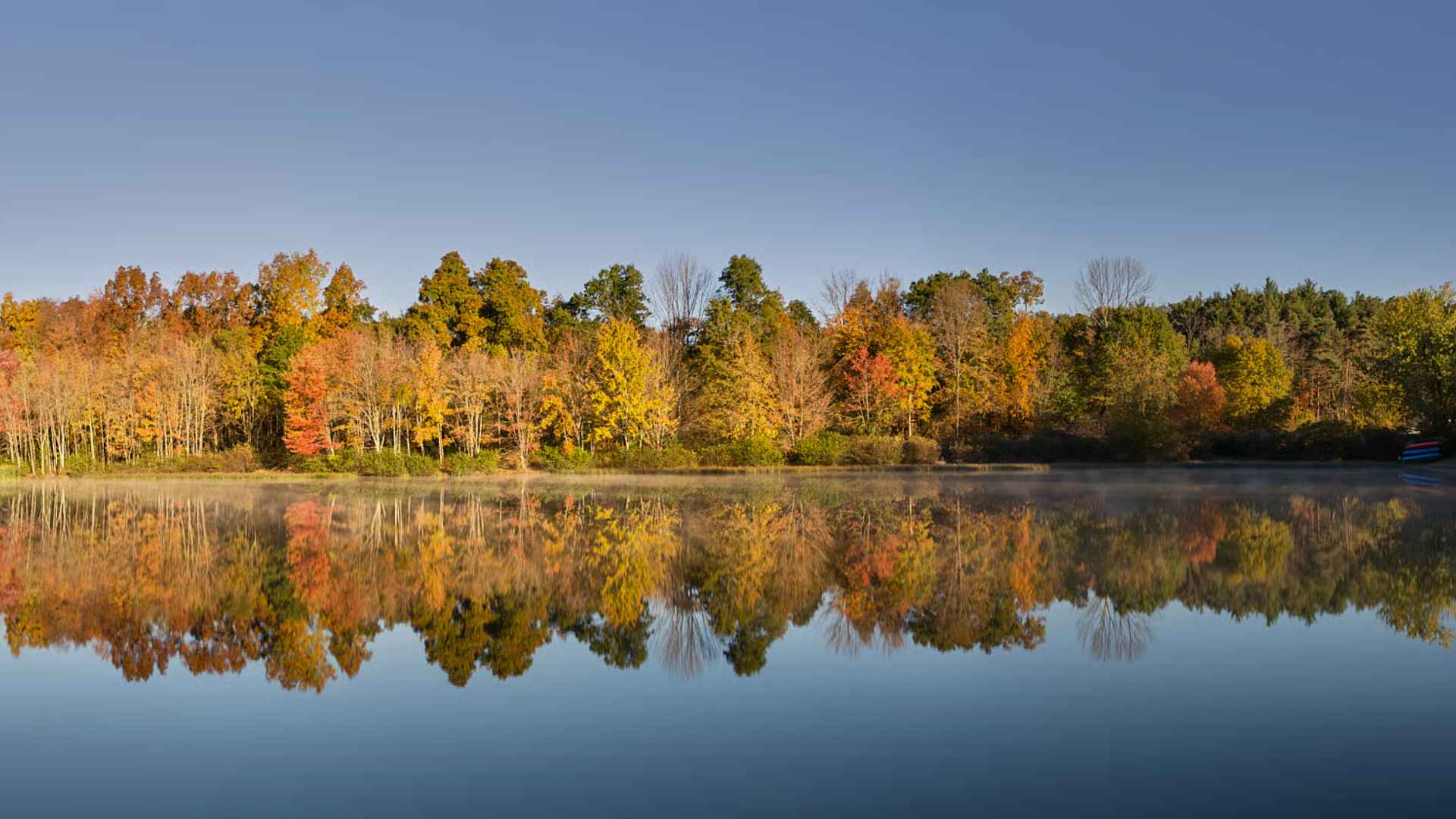
Image credit: Zohaib Khan
One of the biggest floatable rivers on the East Coast. The main tubing stretch is about 6 miles long and takes 3–4 hours, depending on conditions.
The riverbanks are a mix of dense forest and farmland, with good outfitter support on both the Pennsylvania and New Jersey sides.
- Float length: 6 miles
- Time: 3–4 hours
- Season: May–September
- Best for: East Coast trips, mixed groups
Pro tip: Check water levels and weather before launching, wear a life vest, and book outfitters early on weekends for a smooth experience.
7. Apple River: Somerset, Wisconsin
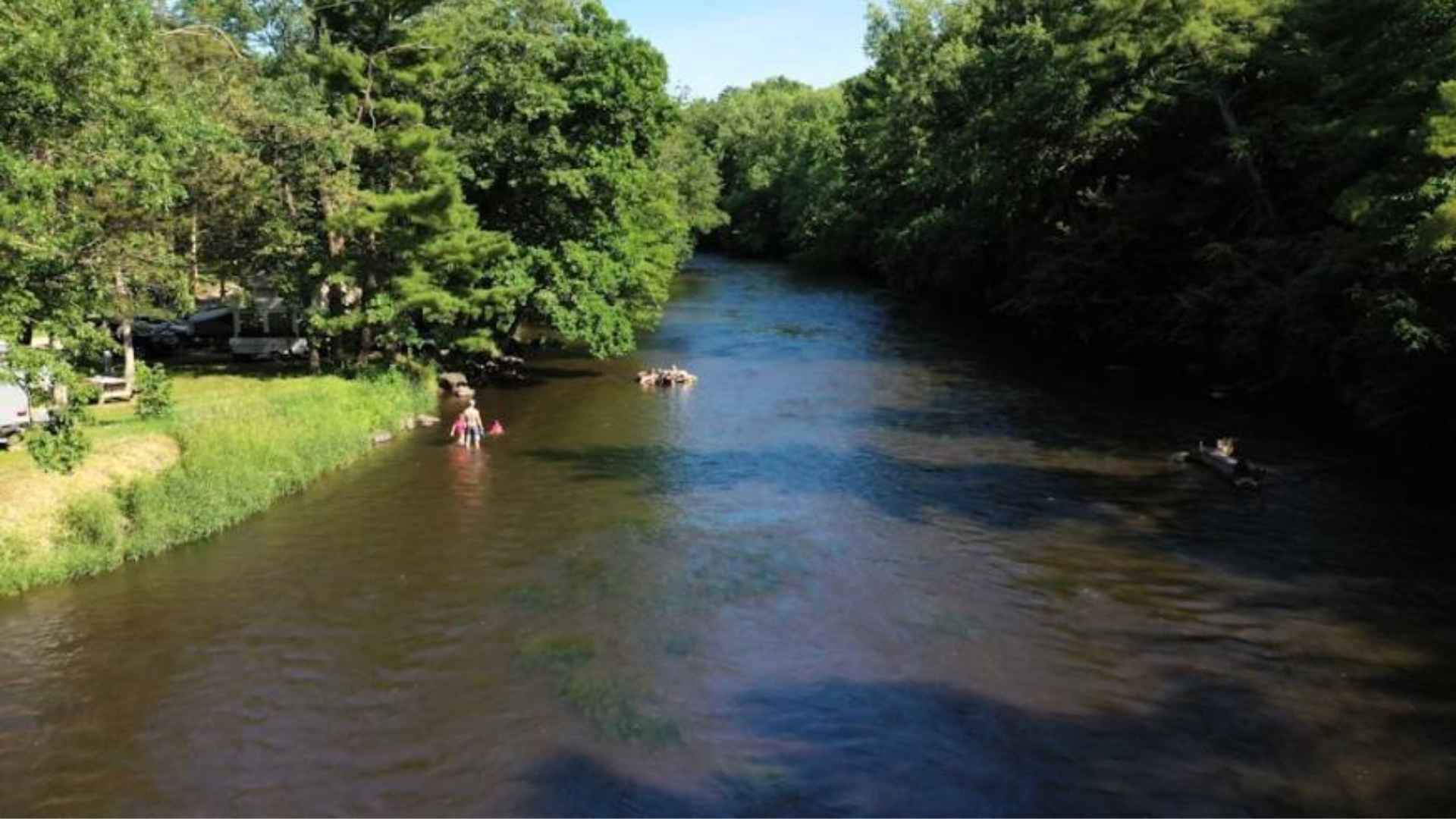
Image credit: Image by Apple River Family Campground
The Apple River was one of the earliest organized tubing rivers in the country; tubing here dates to around 1938, making it among the earliest commercial tubing operations in the country.
The first half is calm and easy; the second half picks up with a few light rapids for anyone who wants a little action. Two to three hours from start to finish.
- Float length: About 3 miles
- Time: 45 minutes–1 hour
- Season: May–September
- Best for: Casual summer floats, Midwest road trips
Pro tip: Bring a waterproof bag for valuables, and choose the slower-current side early so you can enjoy the rapids safely later in the trip.
8. San Marcos River: San Marcos, Texas
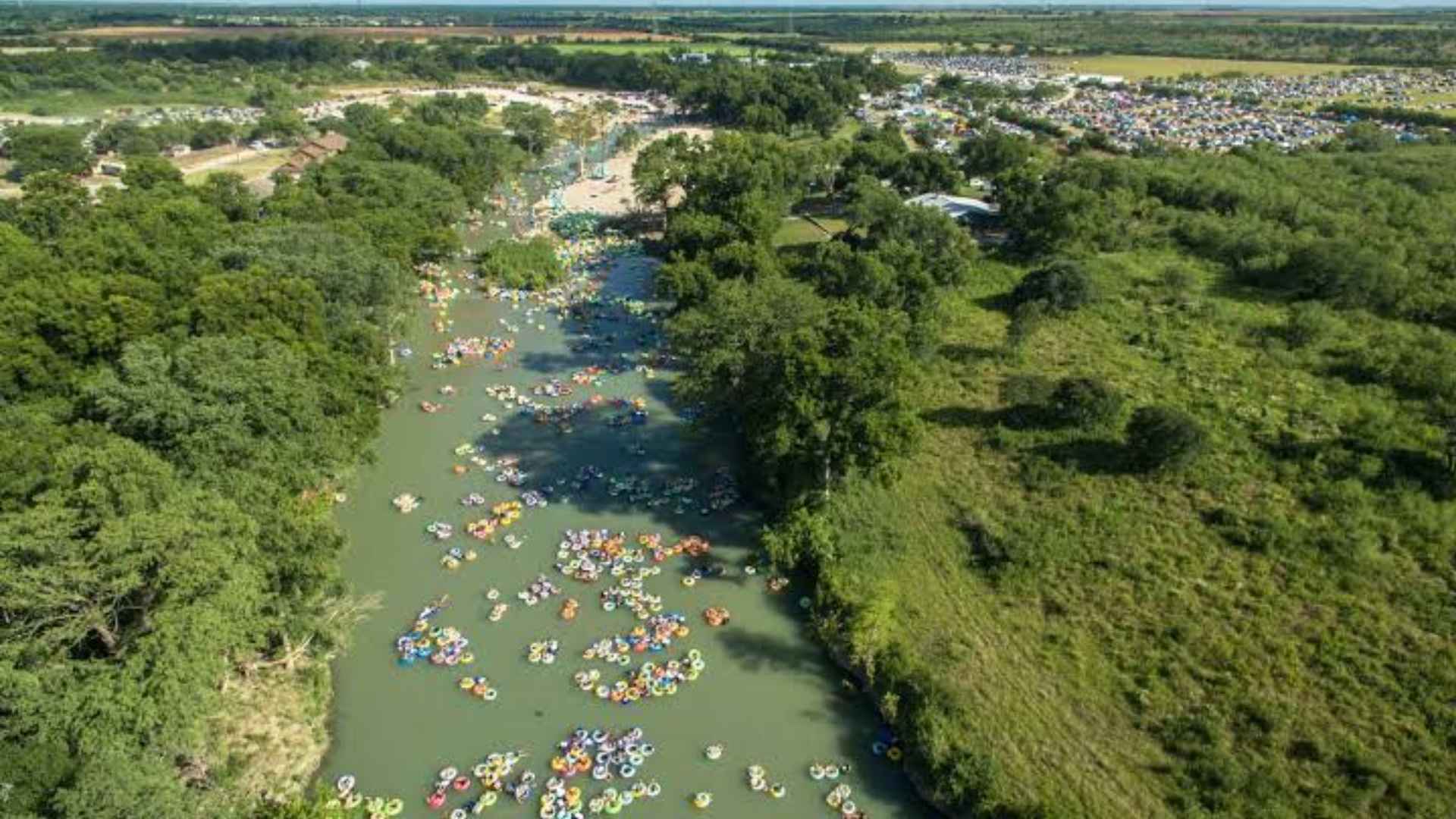
Image credit: Image by LNT organization
Spring-fed and steady at 72°F regardless of the season. The San Marcos is one of the few rivers in the country where you can float comfortably in late spring or early fall.
The water is green and clear, the banks are lined with cypress trees, and access through the city is easy.
- Float length: 1–4 miles
- Time: 1–3 hours
- Season: Year-round
- Best for: Year-round floating, college crowds, families
Pro Tip: City Park tube chutes are free. Get there early on summer weekends, parking disappears fast.
9. Boise River: Boise, Idaho
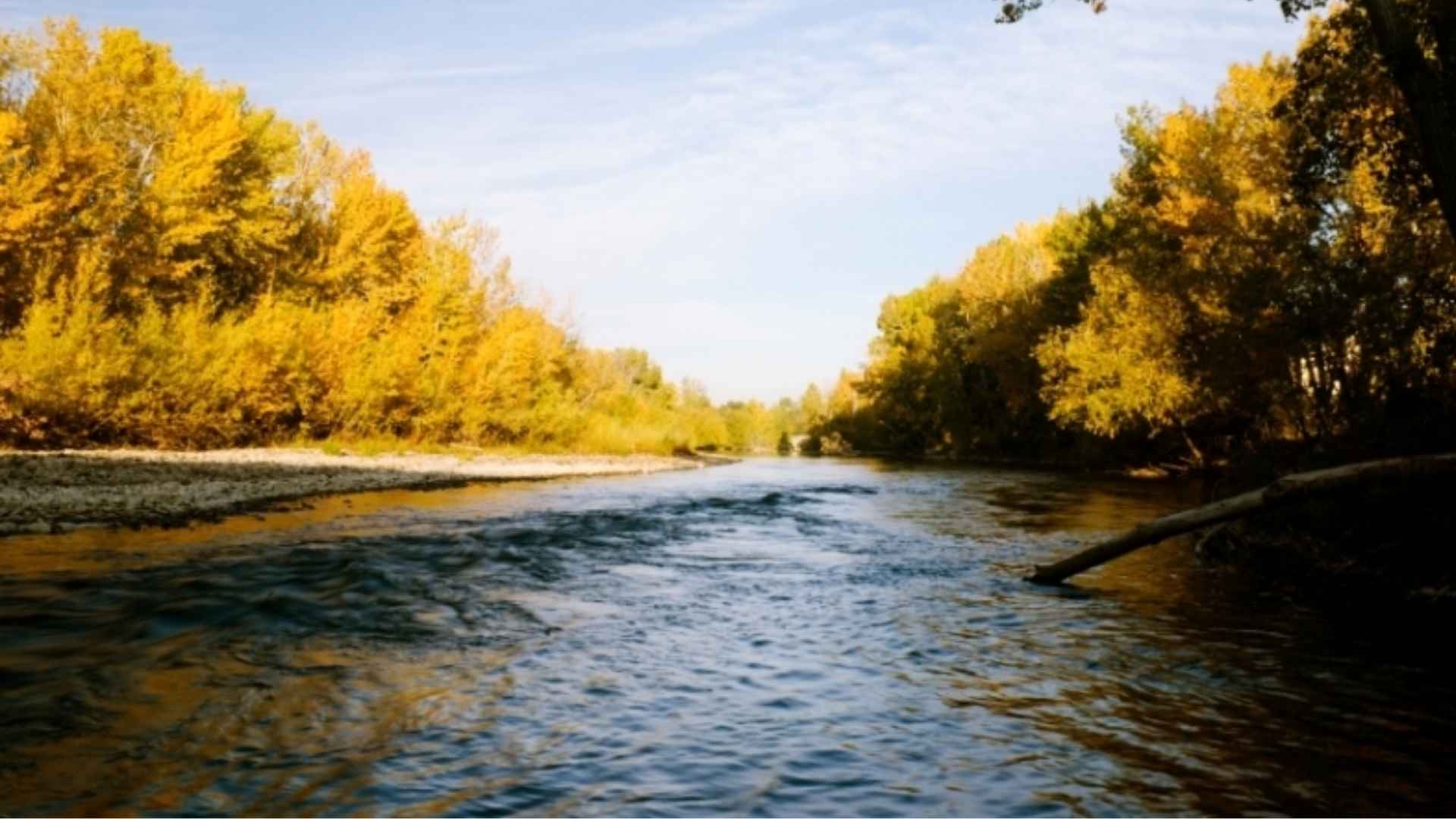
Image by: Sun Valley, Idaho
The six-mile float from Barber Park runs right through Boise, which means you get city skyline views and foothills scenery in the same trip.
The first half has three Class II rapids, nothing scary, but expect to get splashed. Mink, deer, and bald eagles are common sightings along the banks.
- Float length: 6 miles
- Time: 3–4 hours
- Season: June–August
- Best for: Wildlife spotting, city proximity
Pro tip: Bring polarized sunglasses for glare on sunny sections, and stay alert near rapids since crowds can increase drift and collisions.
10. Current River: Ozark National Scenic Riverways, Missouri
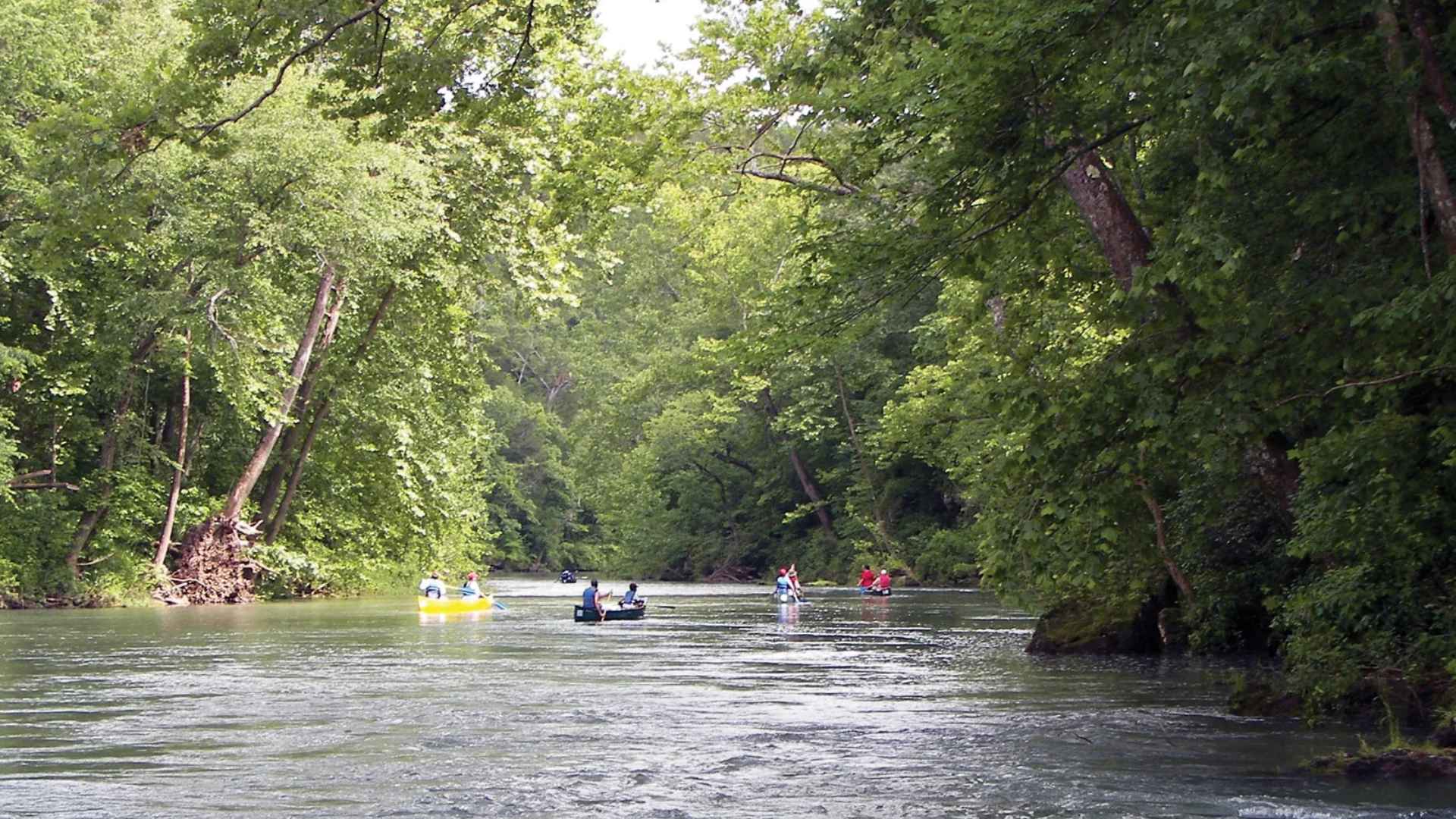
Image by: Britannica
The 10-mile stretch from Akers Ferry to Pulltite Spring is one of the most well-loved single-day floats in the Midwest.
There’s a working car ferry at the put-in point, a stunning cave spring about halfway through, gravel bars for camping, and enough mild rapids to keep things interesting.
- Float length: 10 miles
- Time: 6–8 hours
- Season: April–October
- Best for: Multi-day trips, adventure floaters
Pro Tip: Avoid this stretch on Saturdays between Memorial Day and Labor Day if crowds aren’t your thing.
11. James River: Richmond/Scottsville, Virginia
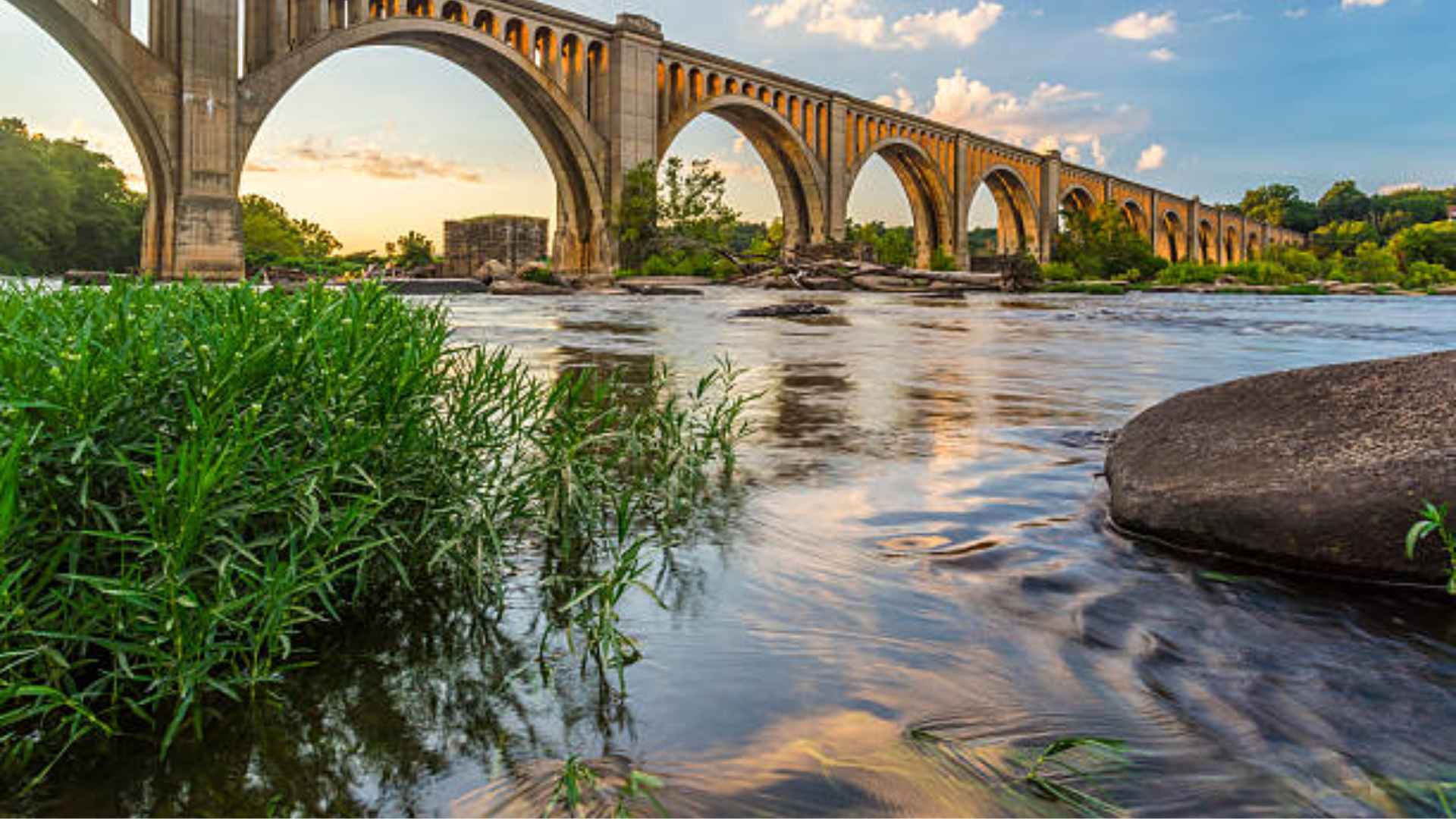
Image by: iStockphoto Xavier Ascanio
Virginia’s longest river runs from the Blue Ridge Mountains all the way through Richmond. The upper sections near Scottsville offer mountain views and calm flatwater.
The Richmond stretch offers an unusual mix of the downtown skyline and untouched riverbanks. No organized tour needed; access points are public and easy to find.
- Float length: 4–10 miles (varies by section)
- Season: May–September
- Best for: City floaters, Blue Ridge Mountain scenery
Pro tip: Check river gauges before launching since water levels can change flatwater sections into slow-moving current after rain.
12. Potomac River: Harpers Ferry, West Virginia
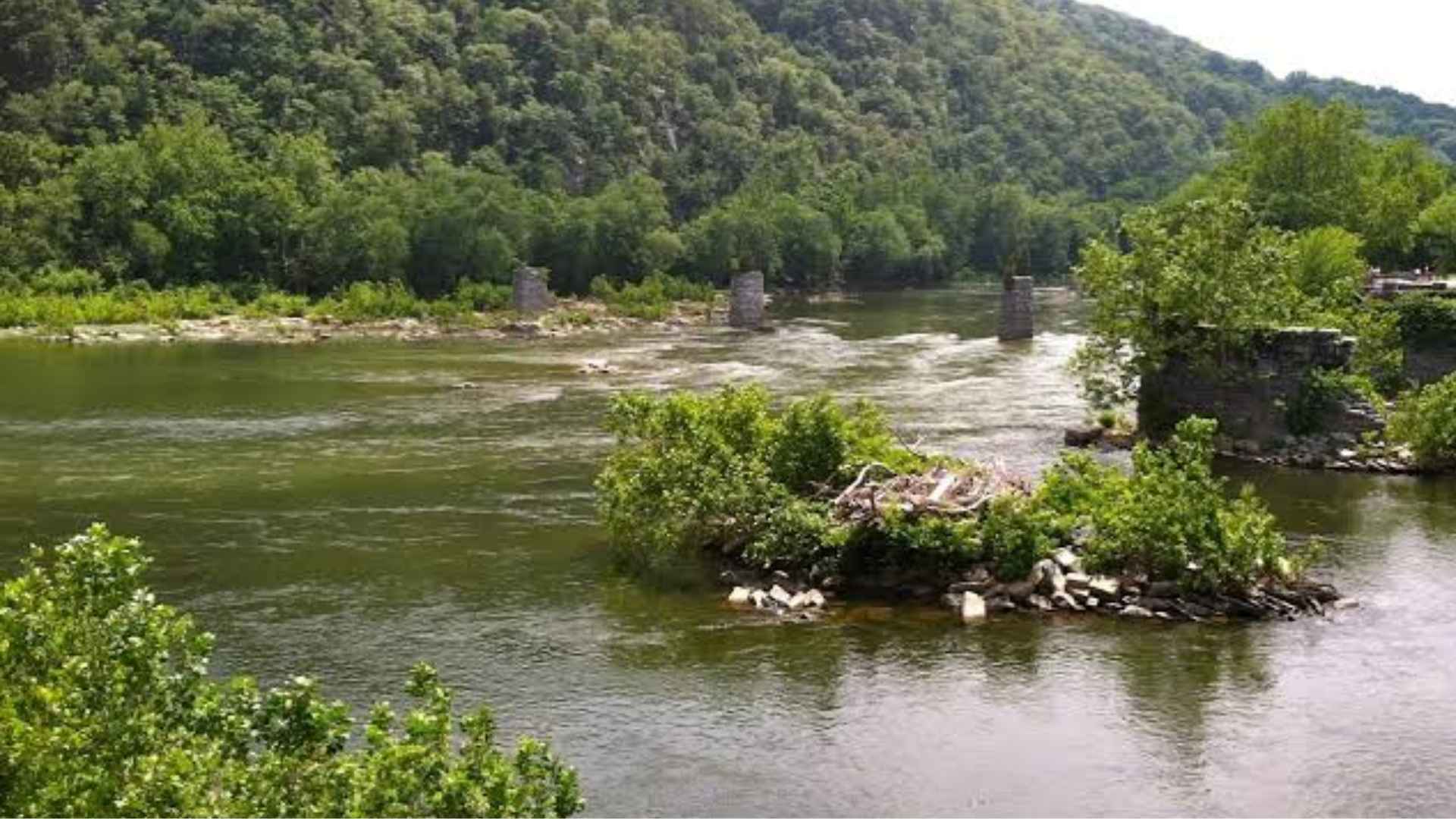
Image by: Whites carvar
This one is for floaters who want more than a lazy drift. The Potomac at Harpers Ferry runs Class II and III rapids through some of the most scenic national parkland on the East Coast.
Outfitters in town handle gear and safety briefings; don’t skip those.
- Float length: 5–8 miles
- Time: 3–5 hours
- Season: April–October
- Best for: Thrill seekers, history buffs
Pro tip: Wear a properly fitted helmet and listen closely to outfitter safety briefings; rapids change quickly with seasonal flow.
Each river offers a different experience, so pick one that matches your plans, skill level, and travel style, then enjoy a day on the water.
What to Bring on a Float Trip
Pack light. Everything on a float trip can get wet; plan accordingly.
A little planning keeps your float simple. Bring items that stay secure, handle water well, and help you stay safe.
Must-haves:
- Life jacket (wear it, don’t just bring it)
- Water shoes or secure sandals — no flip-flops
- Dry bag for phone, keys, wallet, and ID
- Waterproof sunscreen (SPF 50+) — reapply every 2 hours; the water reflects UV
- Plenty of drinking water
- Light snacks — sandwiches, fruit, anything non-perishable
Leave at home:
- Glass bottles (banned on most rivers)
- Anything you can’t afford to lose
- Novelty pool floats — they fall apart in moving water
Pack only what you need, protect your valuables, and leave fragile or loose items at home before heading to the river.
Safety on the River
A safe float starts before you enter the water. Check the river, wear the right gear, and know what to do if conditions change.
- Always wear a life jacket for safety. Even calm rivers have hidden currents and sudden changes in depth.
- Check water levels before you go. High water after rain means a faster, less predictable current. The USGS WaterWatch app shows live river conditions for free.
- Never stand up in fast-moving water. If you fall off your tube, float on your back with feet pointed downstream and wait for the current to carry you to calmer water.
- Stay with your group. Set a meeting point downstream before you launch — it’s easy to drift apart on a wide river.
- Check the rules. Many rivers have glass bans, cooler size limits, or alcohol restrictions. A quick check before you go saves trouble at the put-in.
Good safety habits keep the day relaxed. Stay aware, follow local rules, and keep your group together from launch to takeout. Knowing the right vest for water before you show up at the put-in is worth the five minutes it takes to read up on it.
How to Plan Your Float Trip
First-time floaters often get into trouble by arriving at a busy river on a July Saturday with no plan. Book an outfitter if it is your first trip. They provide tubes, shuttle rides, and current river updates.
A DIY float can save money, but you need your own gear, clear launch and exit points, and a ride back.
Check water levels before leaving. Low flow can make tubes scrape rocks, while high flow can make the river unsafe.
Timing also matters. Memorial Day through Labor Day is peak season, especially on weekends. For fewer crowds, go midweek or try spring-fed rivers in May or September.
Do You Need a Permit?
Most popular river floating destinations in the US require no permit at all; you show up, rent a tube, and float. Fewer wilderness rivers require permits, and some of those are subject to a lottery system with a limited number of daily launches.
The Salt River in Arizona requires a Tonto National Forest day-use pass for parking at river access sites; get it at Recreation.gov. The Rogue River Wild Section in Oregon requires a lottery system; permits cost $10 per person per trip, paid upon confirmation, valid May 15 through October 15.
Applications open on December 1 and close on January 31 for the following summer season through the BLM permit office.
The Middle Fork Salmon River in Idaho and the San Juan River in Utah both use lottery systems through application windows from December 1 through January 31 each year.
The Bottom Line
River floating doesn’t need to be complicated. Pick a river that fits your group- easy and spring-fed for families, a little faster for those who want more action- book your tube rental in advance if you’re going on a summer weekend, and bring more sunscreen than you think you need.
The rivers in this blog cover every region of the country and every style of float.
Whether it’s your first time on the water or your fiftieth, river floating is still one of the best ways to spend a summer day, no signal, no schedule, just the current and wherever it takes you.
Frequently Asked Questions
What Is River Floating?
Drifting downstream on a tube or raft carried by the river’s natural current, no paddling needed.
Is River Floating Safe for Beginners?
Yes, on a calm designated river with a life jacket, outfitter support, and checked water levels.
Do I Need a Permit to Float a River?
Most tubing rivers need no permit. Wilderness rivers like the Rogue (OR) and Middle Fork Salmon (ID) do.
When Is the Best Time of Year for River Floating?
June through August is peak season. May and September tend to have lighter crowds on most rivers.