A good kayaking weekend needs more than pretty water. You need a workable launch, a route that fits your skills, and somewhere appealing to land when your arms announce that paddling time is over.
These seven destinations offer reasons to explore both sides of the shoreline.
1. Lake Union, Washington
Seattle’s Lake Union puts floating homes, working waterfronts, and city views within paddling distance. It suits travelers who want a kayak outing without organizing an entire wilderness expedition.
Start with an established rental operator or public access point. Ask about current traffic patterns before choosing your route; this is shared water, not a quiet mountain pond.
Watch for motorboats and seaplanes, and stay clear of their paths. If busy water makes you nervous, book a guided outing rather than treating your first visit as a navigation test.
2. Silver Springs, Florida
Silver Springs State Park offers clear spring water, shaded banks, and a chance to see fish beneath your kayak. Near Ocala, it makes a practical centerpiece for a nature-focused weekend.
Confirm which launch and rental options fit your plans. A downstream paddle needs a return arrangement, while an out-and-back means saving energy for paddling against the current.
Give wildlife room, including alligators, and never feed animals along the banks. Clear water makes looking easy; it doesn’t make approaching wildlife a good idea. Secure your phone before leaning over for a photograph.
3. Lake George, New York
Lake George pairs Adirondack scenery with shoreline communities, making it appealing when your group includes both enthusiastic paddlers and committed lunch enthusiasts.
Choose a short shoreline route from an authorized launch rather than aiming immediately for distant islands. Open stretches can become choppy, and powerboat wakes add another challenge.
Check local launch access and boat inspection requirements before traveling. Clean, drain, and dry your kayak and equipment between waterways to help prevent the spread of aquatic invasive species. Afterwards, leave time for a lakeside walk instead of squeezing in one more crossing.
4. Morro Bay, California
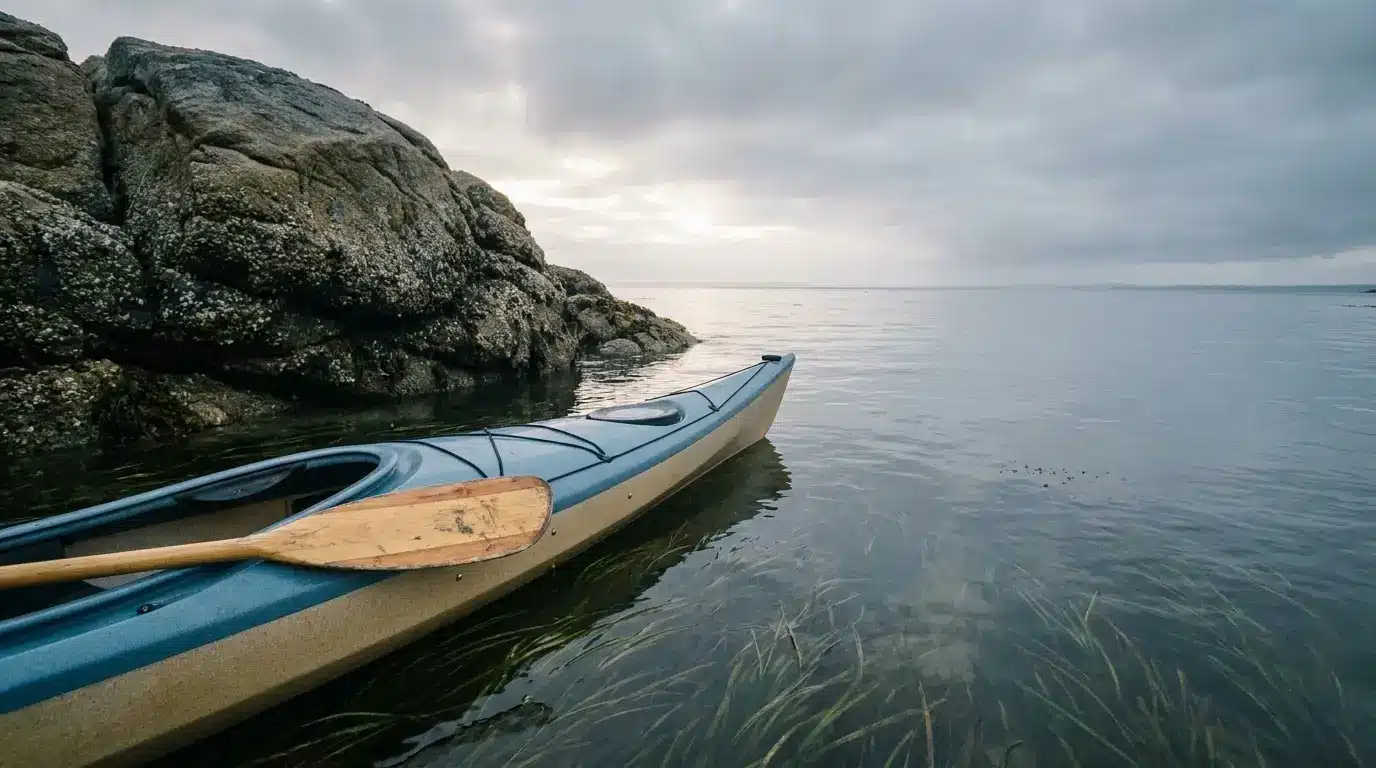
Morro Bay offers an estuary setting with views of Morro Rock and opportunities to watch birds and sea otters from a respectful distance.
Plan around the tide, wind, and your return route. Protected-looking water can still have current, especially closer to the harbor entrance. Beginners should ask a local outfitter about suitable areas that day.
Stay well back from resting and feeding wildlife. If an animal changes its behavior because of your approach, increase your distance. Bring binoculars; they make a better wildlife tool than a closer paddle stroke.
5. Lake Tahoe, California and Nevada
Lake Tahoe’s clear water and mountain backdrop deserve the attention they get. They also tempt visitors to paddle farther than conditions justify.
Choose a legal launch near the shoreline you actually want to explore. Start early when the forecast supports it, and turn around before wind or fatigue makes the return difficult.
Cold-water immersion is a serious hazard here, even when the air feels warm. Wear a properly fitted life jacket and dress for the water temperature. An inflatable kayak saves trunk space, but it doesn’t erase exposure risk.
6. Eagle Lake, Maine
Eagle Lake in Acadia National Park offers a freshwater alternative to the exposed coastal waters around Mount Desert Island. It works well for travelers staying near Bar Harbor.
Check park guidance for boating access, parking, and current restrictions before unloading. Keep your first route modest, with a clear turnaround point and enough daylight for an unhurried return.
Freshwater doesn’t guarantee flat water. Wind can build across the lake, so choose your outing by the forecast rather than by whichever afternoon happens to be free.
7. Lake Jocassee, South Carolina
Lake Jocassee combines wooded shores, clear water, and waterfall scenery. Devils Fork State Park is a useful starting point for planning access.
Distances can be deceptive. A waterfall that looks close on a map may require more paddling than your group wants, particularly with an afternoon headwind.
For a first visit, choose a short route near your launch or arrange a guided trip. Save a screenshot of your intended route and identify your turnaround point before launching. Cell service shouldn’t be your only way home.
If you’re exploring the area later, pack separately for the water and the town. Keep your Dooney & Bourke handbag for waterfront dinners, and carry your on-water essentials in a secured dry bag instead.