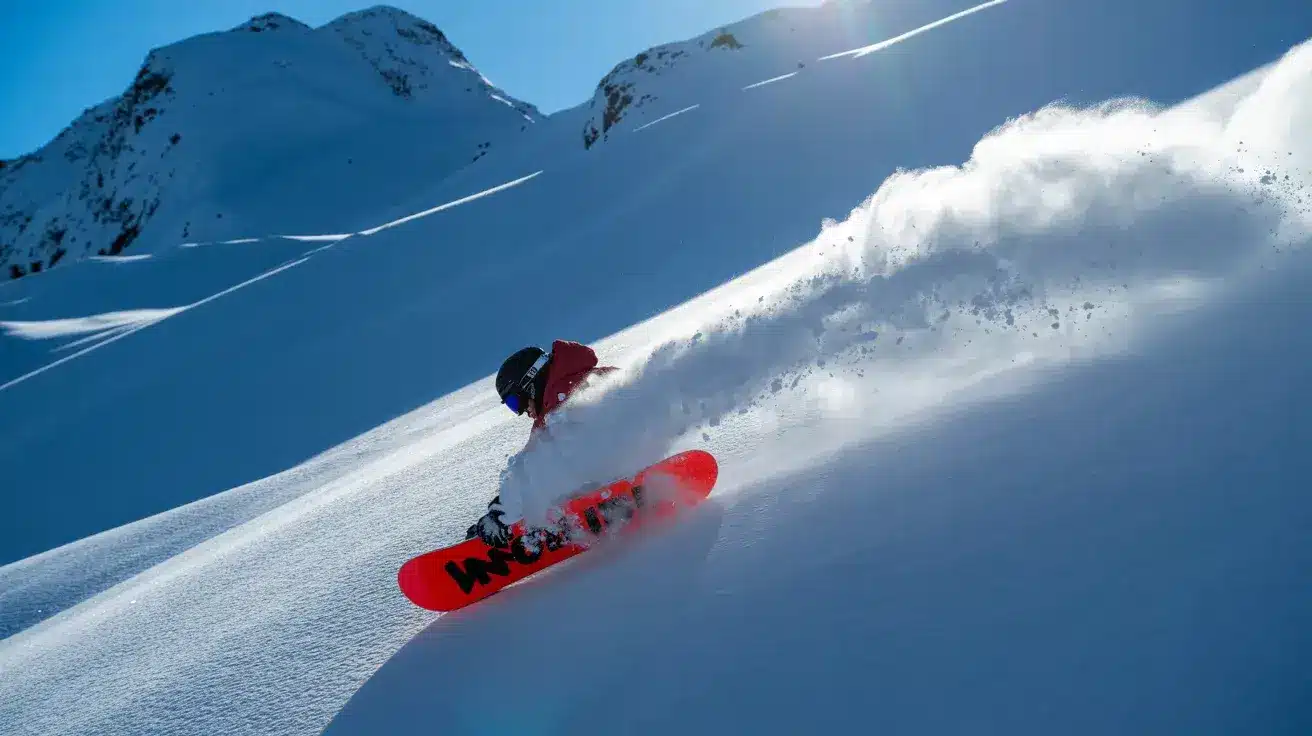
Before ski resorts had dedicated slopes for it, snowboarding was something kids did on makeshift boards in their backyards.
What is snowboarding? At its core, it is a winter sport in which a rider straps both feet to a single board and descends a snow-covered slope, using body movement and balance to control speed and direction.
No poles, no separate skis, just one board and the mountain beneath you.
According to the National Museum of American History, what started as a rebellious backyard experiment in the 1960s gradually grew into one of the most-watched and widely practiced winter sports worldwide. How that happened is a story worth knowing.
What Snowboarding is: Understanding the Basics
Snowboarding is the act of riding down a snow-covered slope while standing sideways on a single flat board.
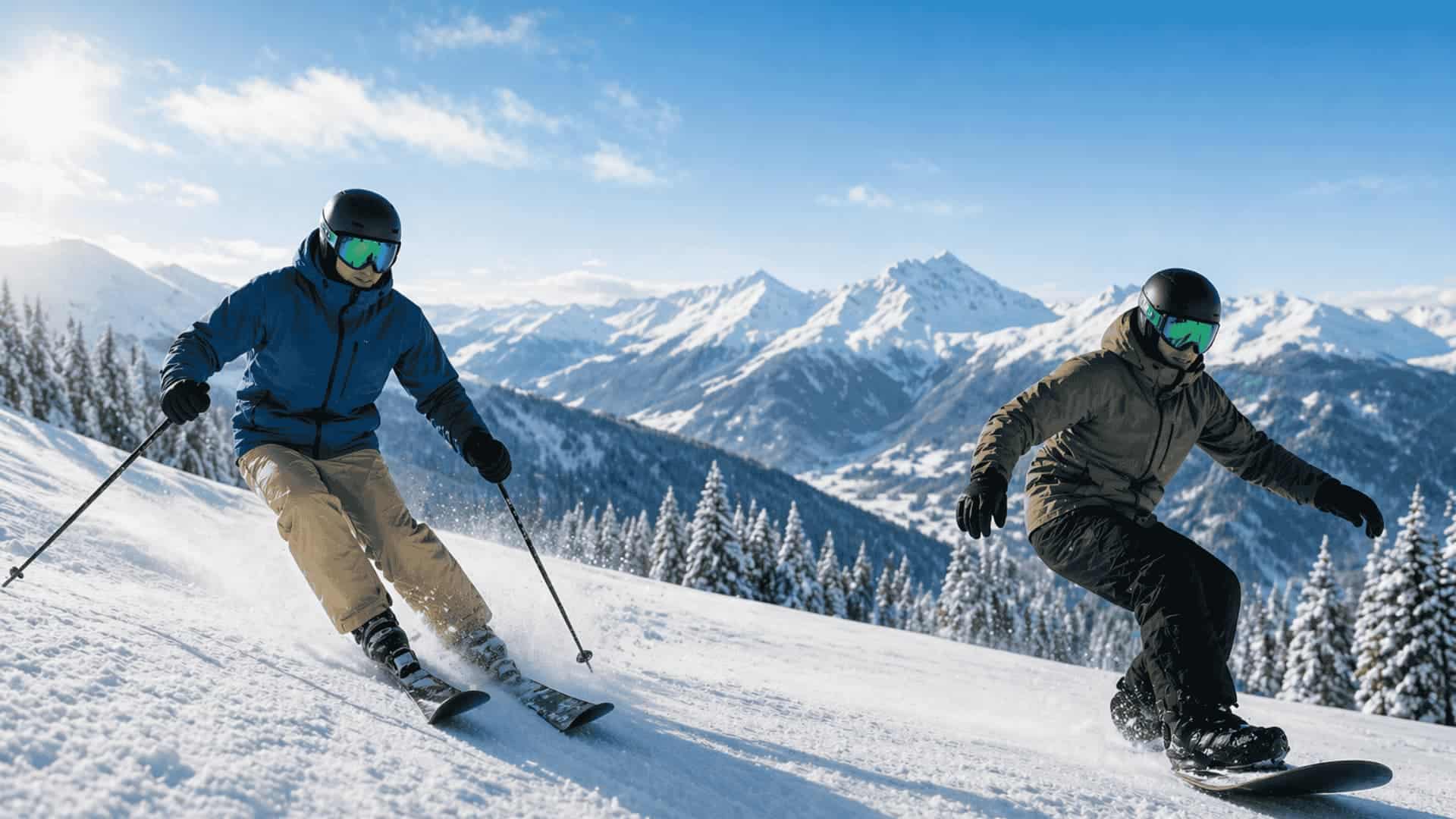
Unlike skiing, where both feet point forward and move independently on two separate skis, snowboarding locks both feet onto one board at an angle, typically between 15 and 30 degrees.
There are no poles involved. Balance, body weight, and edge control do all the work. Three things make snowboarding possible:
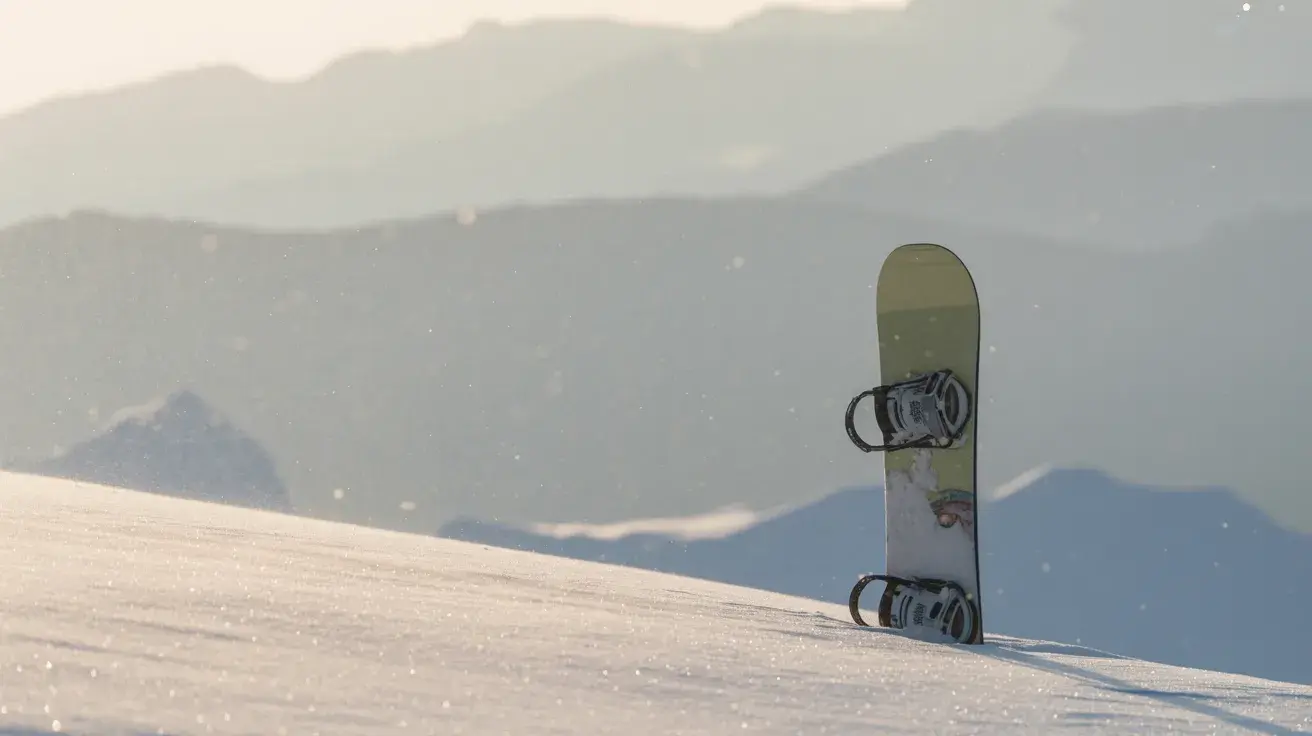
- The Board– The snowboard itself is a flat, curved board made from layers of wood, fiberglass, and metal edges. The shape and size vary depending on the riding style, with wider boards for stability and shorter ones for easier turning.
- The Bindings: Bindings are the hardware mounted on the board that holds the boots in place. They keep the rider’s feet secured at the correct angle and transfer body movement directly into the board.
- The Boots- Snowboard boots are heavier and stiffer than regular winter boots. They slot into the bindings and provide ankle support, warmth, and control while riding.
These three components work together as one system. Change one, and the entire riding experience shifts, which is why snowboarding for beginners often starts with getting the right setup before anything else.
Origins and Early History of Snowboarding
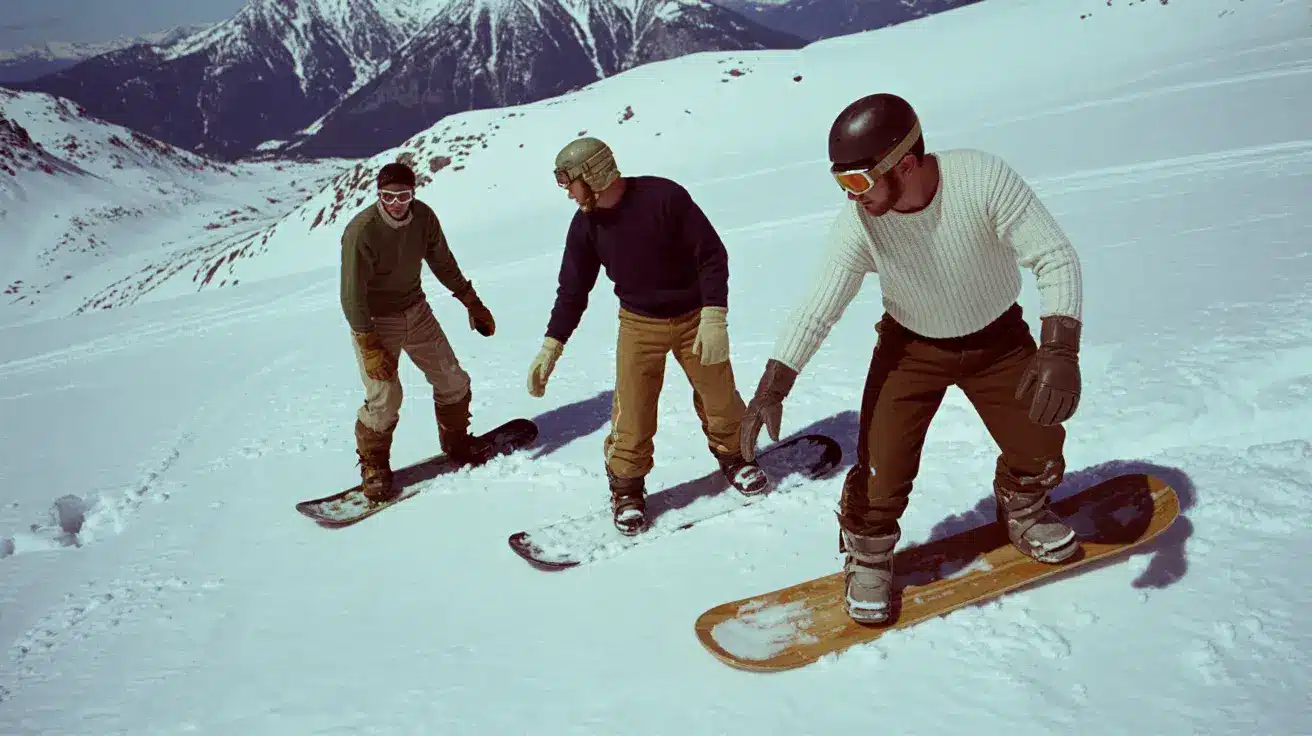
Long before snowboarding had competitions, Olympic medals, or dedicated slopes, it was just a simple idea that refused to stay small.
The Backyard Invention That Started It All
The story of snowboarding begins in a Michigan backyard in 1965. Sherman Poppen, an engineer and father, bolted two skis together for his daughter to ride down a snowy hill.
He called it the Snurfer, a mix of “snow” and “surfer.” No bindings, no real steering, just a rope at the front to grip. It was a toy, nothing more.
By the end of the 1970s, about one million Snurfers had been sold, helping spread the idea of riding sideways on snow.
What started as a snowy afternoon experiment had quietly planted the seed for an entirely new sport.
The 1970s: When Riders Got Serious
For most of the late 1960s, the Snurfer remained a novelty. The 1970s changed that. A new generation of riders started pushing the concept further, asking what this thing could actually become with the right design and proper equipment.
Jake Burton Carpenter
Jake Burton Carpenter took the Snurfer’s rough concept and rebuilt it from the ground up. He added proper foot bindings, giving riders real control over the board for the first time.
In 1977, he founded Burton Snowboards, a brand that still leads the industry today. Burton’s contribution was not just technical.
He believed snowboarding deserved to be taken seriously as a sport, and he spent years fighting for its place on ski slopes that had banned it outright.
Tom Sims
Tom Sims came to snowboarding from a completely different direction, skateboarding. He applied skate design thinking to board construction, building boards that felt responsive and familiar to anyone who had ridden a skateboard.
Sims Snowboards followed shortly after, bringing a street-influenced identity to the sport that shaped snowboarding’s culture as much as its equipment.
Together, Burton and Sims moved snowboarding out of backyards and onto mountains, laying the groundwork for everything that came after.
Snowboarding in the Olympics and Mainstream
Snowboarding was dismissed, banned, and ignored by the sporting world for years. Then 1998 arrived and changed everything.
The 1998 Nagano Winter Olympics: A Turning Point
Snowboarding made its Olympic debut at the 1998 Winter Games in Nagano, Japan, with halfpipe and giant slalom as the opening disciplines.
For millions of viewers, it was their first real look at the sport, and riders flying above halfpipe walls with a style no other winter discipline had shown before left a lasting impression.
Participation numbers at ski resorts climbed sharply in the years that followed, and snowboarding schools began appearing across North America and Europe.
X Games and the Road to Mainstream
The Winter X Games, launched by ESPN in 1997, gave snowboarding its competitive identity. Big air, slopestyle, and halfpipe events were broadcast with an energy that resonated far beyond winter sport audiences.
Athletes like Shaun White and Kelly Clark became household names, and world championship events followed.
By the early 2000s, snowboarding had grown from a fringe activity into a multi-billion-dollar global sport.
What the 1998 Olympics started, the X Games accelerated, and together, they took snowboarding from the fringes to the front pages for good.
Types of Snowboarding: Freestyle, Freeride, and Alpine
When it comes to learning to snowboard, there is no one-size-fits-all approach.
As the sport grew, riders naturally pushed it in different directions, and three distinct styles emerged, each attracting a different type of rider.
Freestyle
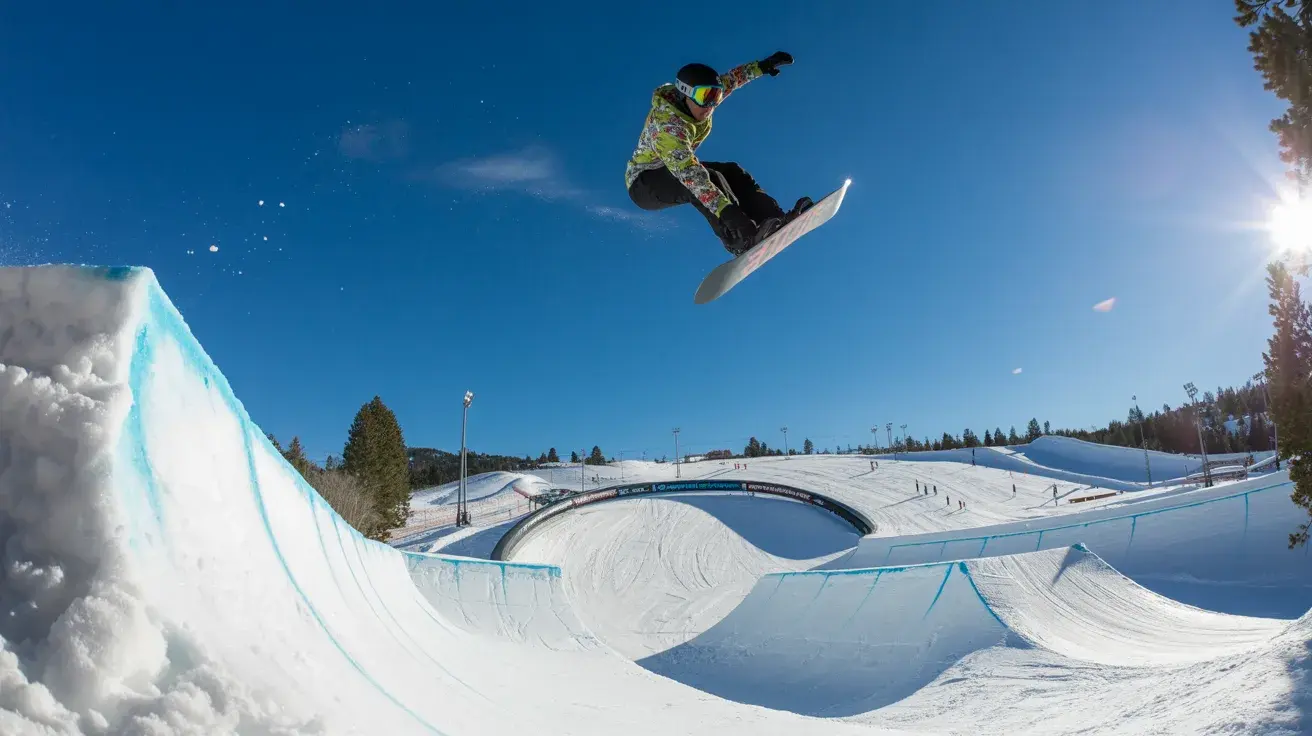
The most widely recognized style, freestyle, is built around tricks, jumps, and creativity. Riders use terrain parks, halfpipes, and natural features on the mountain to perform aerial maneuvers and ground tricks.
It is the style most associated with the X Games and Olympic halfpipe events, and the one that drew skateboarders and BMX riders into snowboarding in large numbers.
Freeride
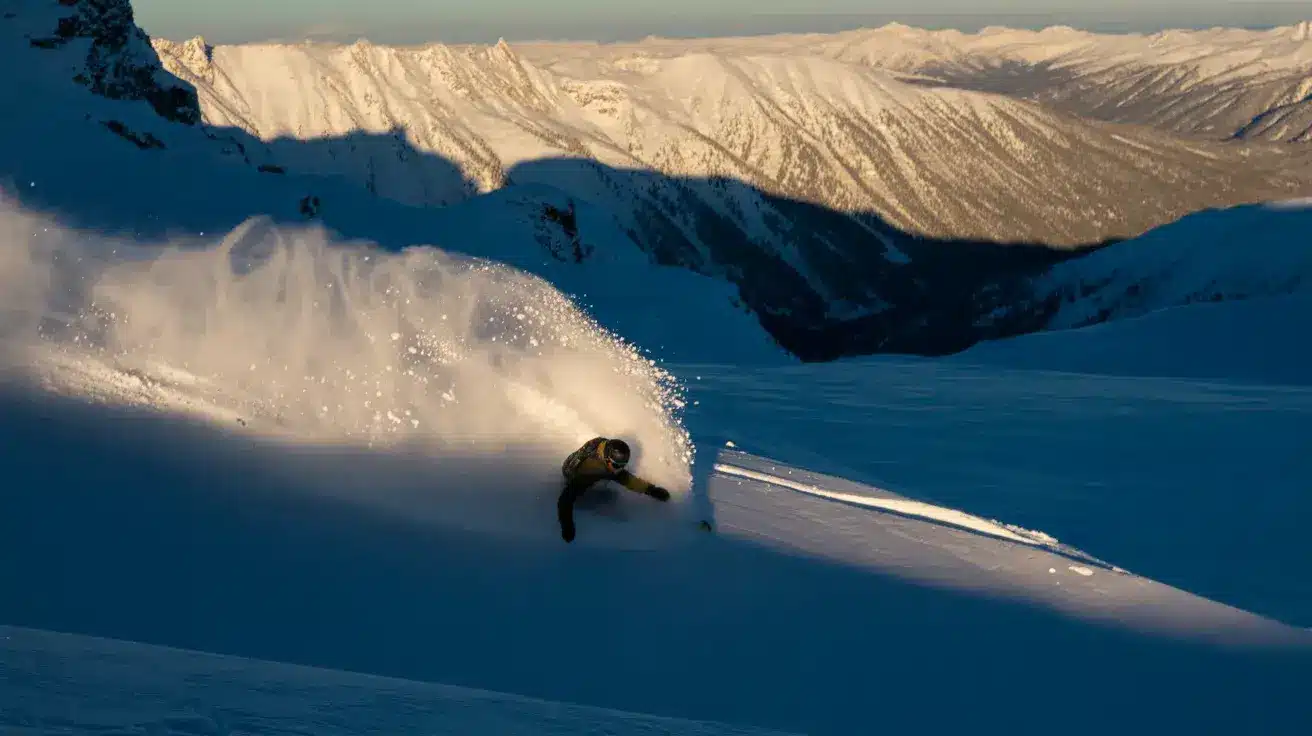
Freeride is about the mountain in its natural state, off-piste runs, deep powder, steep terrain, and no set course.
It rewards instinct and adaptability over technical tricks. For riders who want the feeling of an untouched slope with no boundaries, freeride is the answer.
Alpine
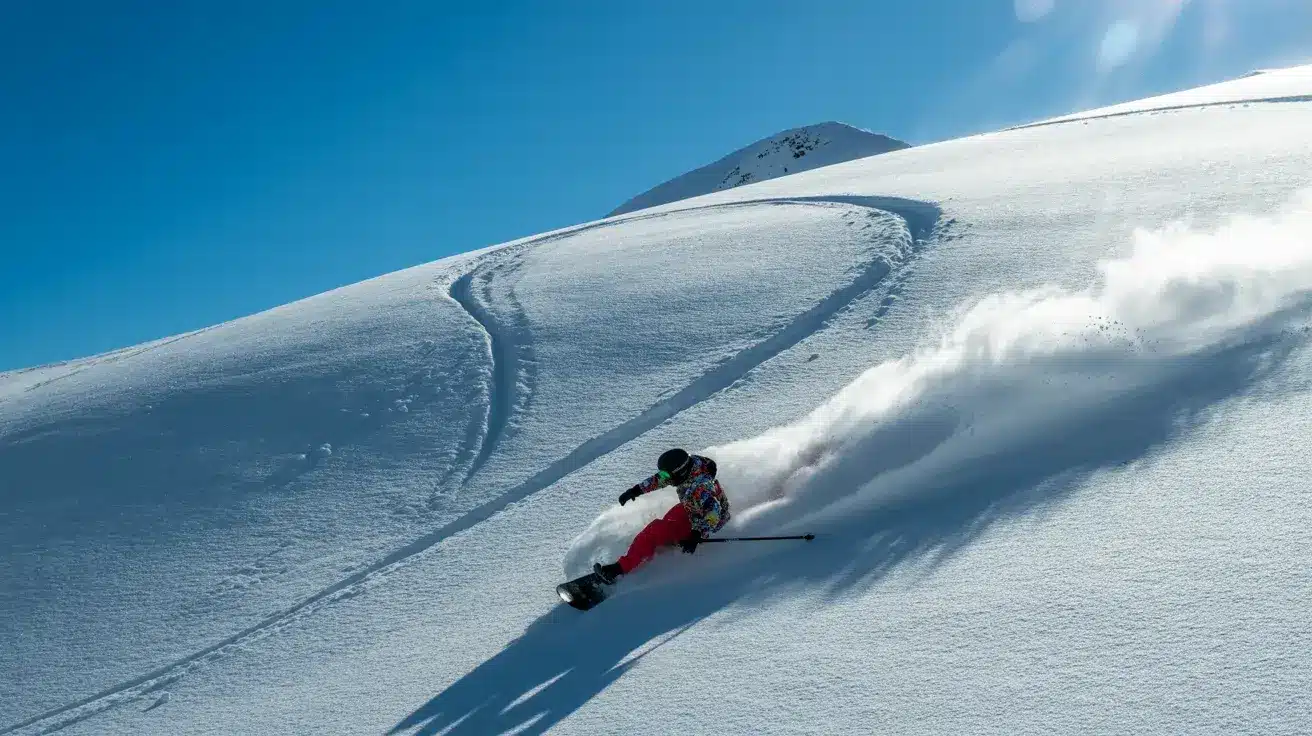
Alpine snowboarding is the closest the sport gets to traditional skiing. Riders use snowboards that suit them the best, ranging from narrow, stiff boards and hard boots to carve precise turns at high speeds down groomed slopes.
It is the most technical and least flashy of the three styles, but it demands a level of edge control that few other disciplines match.
Together, these three styles meant snowboarding could speak to the thrill-seeker, the explorer, and the technical rider all at once, which played a significant role in widening the sport’s appeal well beyond its original audience.
Quick Facts About Snowboarding
|
Snowboarding: More Than Just a Mountain Sport
What started as a backyard experiment with two bolted-together skis has grown into a sport that shapes culture, fashion, music, and how an entire generation thinks about winter.
Snowboarding did not just find its place alongside traditional winter sports; it carved out its own space entirely, on its own terms.
One mountain, one board, and the freedom to take it wherever the slope leads. That combination has kept snowboarding growing for multiple decades, and there is little sign it will slow down.
Frequently Asked Questions
Is Snowboarding Hard to Learn for Beginners?
The first two to three days are the steepest part of the learning curve, with most beginners finding their balance by the end of the first week.
How Long Does it Take to Learn Snowboarding?
Most riders get comfortable on gentle slopes within three to five days of consistent practice. Reaching a confident intermediate level typically takes one full season of regular riding.
Snowboarding vs Skiing: Which One is Easier to Pick Up?
Skiing is generally easier to pick up in the first day or two since both feet move independently, making balance more natural. Snowboarding has a steeper initial learning curve but tends to progress faster once the basics click.
At What Age is it Good to Start Snowboarding?
Most snowboarding schools accept children from around 5 to 6 years old, and younger riders often pick it up more quickly than adults. There is no upper age limit; beginners of all ages take up the sport.