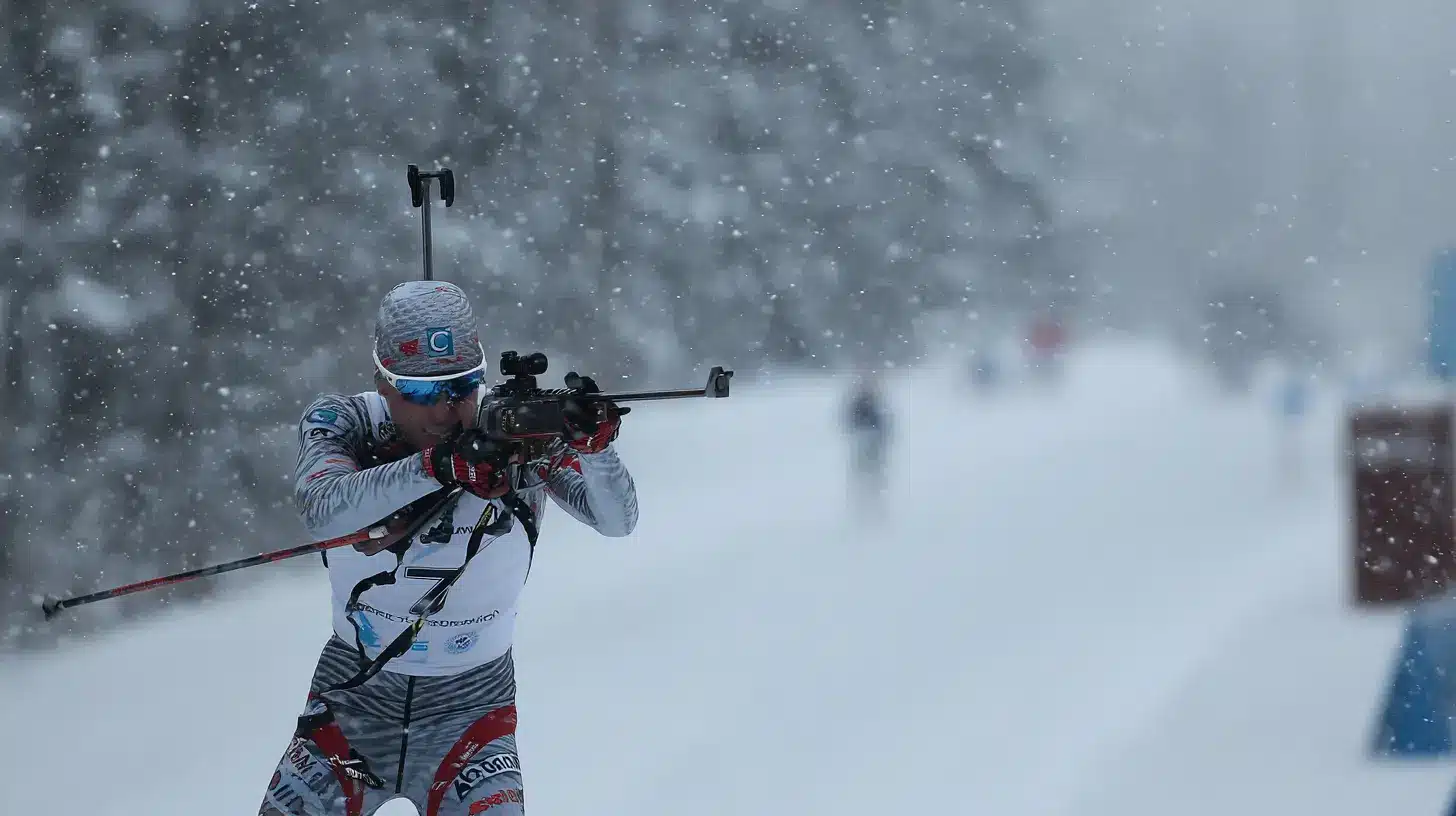

Skiing might look like a modern winter sport, but its history dates back thousands of years.
Long before ski resorts, chairlifts, and Olympic competitions, people in cold, snowy regions were already gliding across the snow on simple wooden skis. For them, skiing wasn’t about fun or leisure; it was a way to survive harsh winters.
Early humans used skis to travel long distances, hunt animals, and move through deep snow that would otherwise be impossible to cross.
Over time, what began as a survival tool slowly evolved into a cultural tradition and eventually into a global sport.
Today, millions of people ski for recreation and competition. But the question still comes up often: when was skiing invented? The earliest known evidence suggests skiing began between 8000 and 6000 BCE, although the exact origin remains debated.
When Was Skiing Invented?
Skiing does not have a single, exact date of invention, but most historians agree it began in prehistoric times, likely between 8000 and 6000 BCE.
Some of the earliest ski-like objects are believed to date back thousands of years, with discoveries linked to northern regions such as Russia and Northern China.
These early skis were often long wooden pieces, and some were covered with horsehair to improve grip on snow.
They looked very different from the lightweight skis used today, but they served the same basic purpose: helping people move across deep snow more easily.
At the same time, ancient rock carvings and preserved skis found in Scandinavia indicate that skiing was already widely used in Norway, Sweden, and Finland thousands of years ago.
Because similar evidence appears across multiple northern regions, experts believe skiing wasn’t “invented” by a single person. Instead, it developed naturally among different communities adapting to snowy environments.
Where Was Skiing Invented?
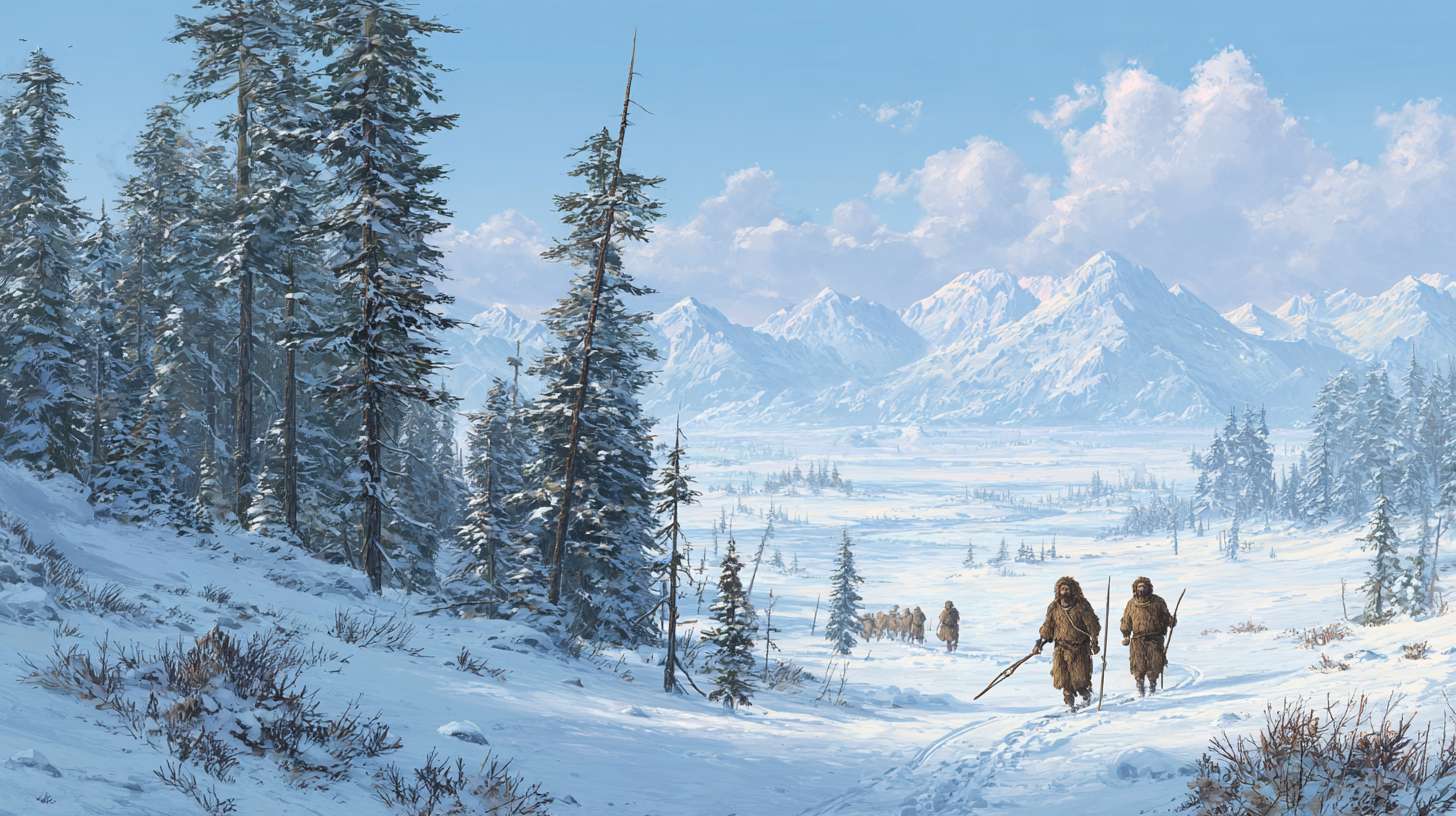
Most experts agree that skiing originated in the snowy regions of northern Eurasia, although the exact location remains debated. The strongest claims come from two main areas:
Northern Eurasia (Russia and surrounding regions)
Archaeological discoveries in Karelia show some of the earliest known skis. These findings suggest that people in this region were already using skis for travel and hunting thousands of years ago.
Scandinavia (Norway, Sweden, Finland)
Scandinavia has a deep and well-preserved skiing history. Ancient rock carvings depict people skiing, and old skis discovered in Norway show how important skiing was to daily life.
Some researchers also point to parts of northern Asia, including areas near China and Mongolia, as possible early centers of skiing, although this remains debated.
The most accurate way to describe skiing’s origin is: Skiing likely developed across multiple snowy regions of northern Eurasia during prehistoric times.
Why Was Skiing Invented?
Skiing wasn’t created for sport; it was created for survival. In cold regions with long winters, deep snow made walking extremely difficult. Early humans needed a way to move efficiently, and skis provided the perfect solution.
People used skis to:
- Travel between villages
- Hunt animals during winter
- Carry supplies across snow-covered land
- Reach remote areas
Skiing allowed communities to stay connected and survive in environments that would otherwise be isolating and dangerous. In this way, skiing was one of the earliest forms of winter transportation.
Brief Timeline of Early Skiing History
Skiing didn’t appear all at once. It developed slowly over thousands of years, with evidence showing up across different regions and time periods.
1. Early Evidence in Russia (Around 6300 BCE)
Some of the oldest known ski remains were discovered near Lake Sindor in Russia, at the Vis archaeological sites. These findings included wooden skis and sled runners, showing that people were already finding ways to move across deep snow.
2. Rock Art and Early Use (Around 3000 BCE)
Rock paintings found in parts of Russia and Scandinavia show figures moving on skis. These images suggest that skiing was already a common method of travel in snowy regions.
3. Scandinavian Carvings (Around 2500 BCE)
A well-known rock carving of a skier was found in Rødøy, Norway. It’s often seen as one of the clearest early visual records of skiing in Scandinavia.
4. Skiing in Norse Culture (Around 1300 BCE)
Skiing also appeared in Norse mythology through figures such as Ullr and Skade, who were associated with winter and mountains. This shows that skiing was not just practical, but also part of cultural life.
5. A Famous Rescue on Skis (1206 AD)
During a civil war in Norway, two skiers carried a young prince, Haakon Haakonson, across the mountains to safety. This event later became the story behind the Birkebeiner ski race, which continues to take place today.
6. Written Records and Military Use (1600s–1700s)
By this time, skiing began to appear more often in written accounts. It was widely used in military situations, especially in northern Europe, where soldiers relied on skis to move quickly across snow-covered land.
7. The Shift Toward Recreation (Late 1700s)
In the Telemark region of Norway, skiing started to change. People developed new turning techniques and lighter skis, making movement easier and more controlled. This marked the early shift from a survival tool to something closer to recreation.
8. Before Skiing Became a Sport
Even though skiing had existed for thousands of years, it remained mostly practical through ancient and medieval times. People used it because they needed it, not because they saw it as a hobby.
It was only much later, especially in the 1800s, that skiing began to shift toward recreation, organized races, and modern sport. Before that, skiing was part of everyday life, survival, culture, and winter travel.
When Did Skiing Become a Sport?
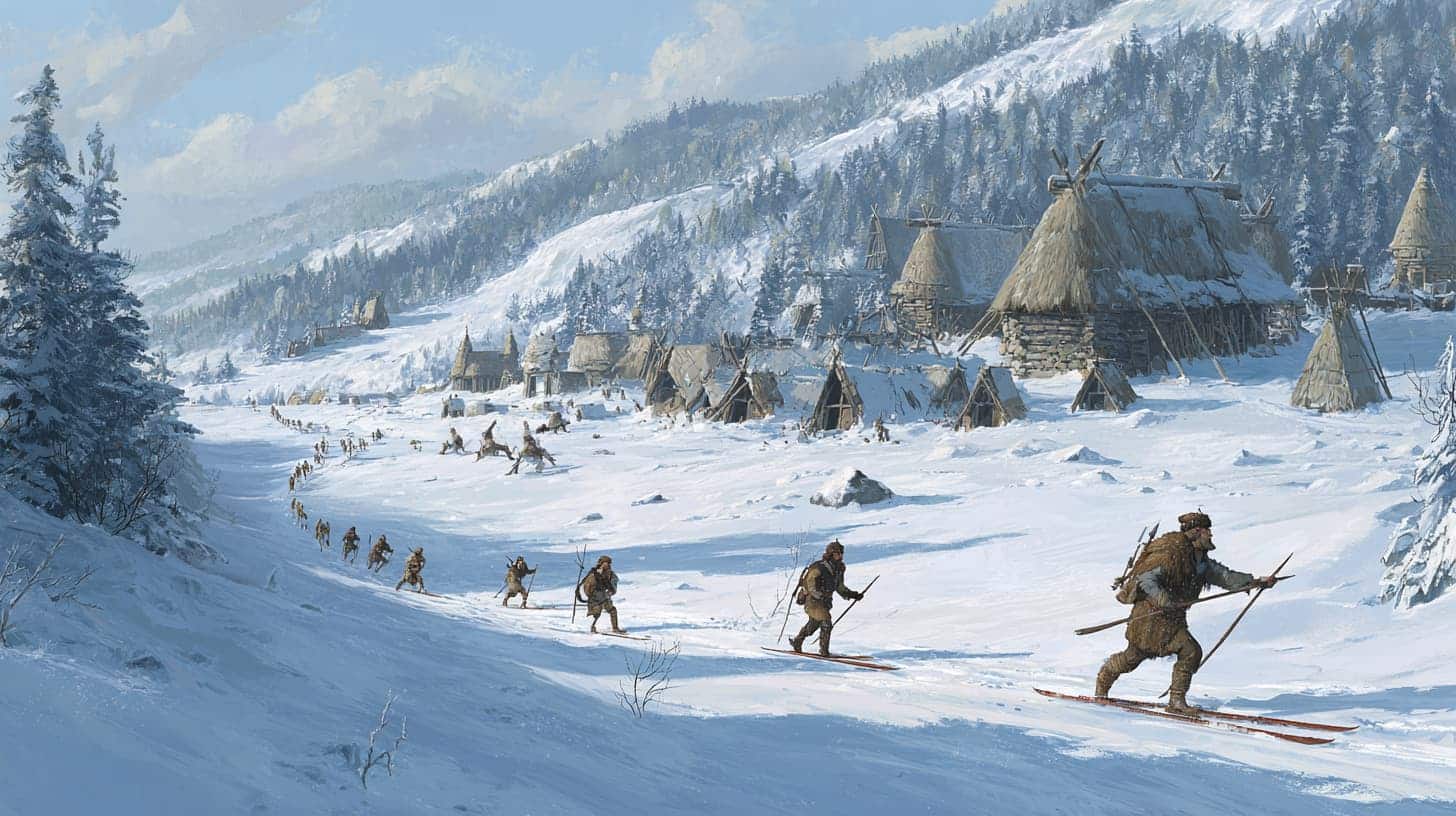
Skiing became a sport much later, especially in Norway during the 1800s. The first organized ski competitions took place in Norway, where people began skiing not just for survival, but for fun and competition.
By the mid-19th century:
- Public ski races were being held
- Ski jumping started gaining popularity
- Skiing became part of local festivals and events
Different styles of skiing also began to develop, including:
- Cross-country skiing
- Ski jumping
- Downhill skiing (later known as alpine skiing)
These eventually evolved into the different ways people ski today.
This period marked the beginning of skiing as a recreational and competitive activity.
How Skiing Evolved Around the World
As travel and communication improved, skiing spread far beyond Scandinavia. Over time, changing technology, organized clubs, and international events helped turn skiing from a regional tradition into a popular worldwide sport.
Late 1800s–Early 1900s: Expansion
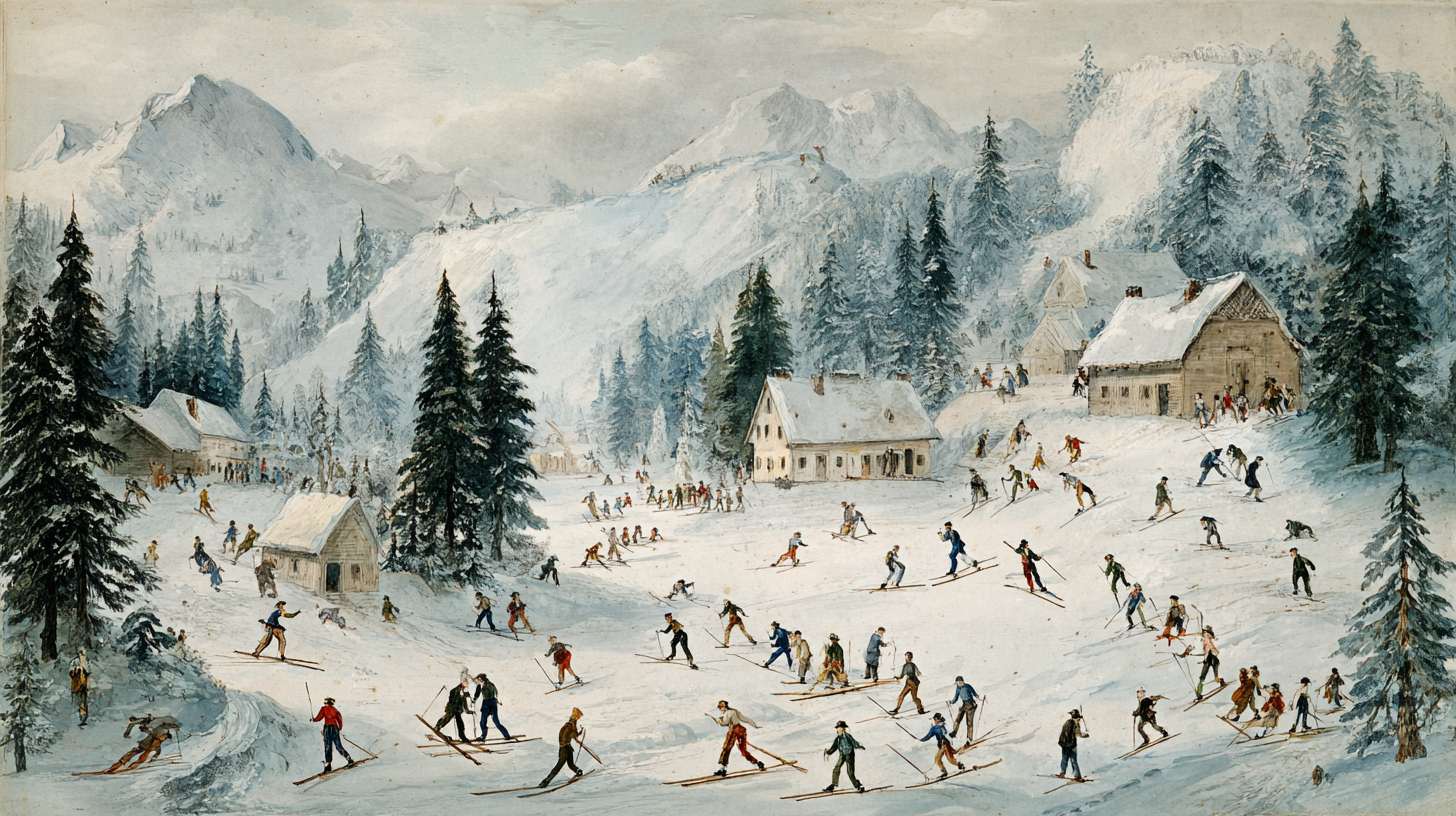
Skiing spread into the Alps, North America, and other snowy regions, many of which are now among the best skiing destinations in the world.
Clubs formed, communities embraced winter sports, and growing interest encouraged more people to learn skiing recreationally and competitively.
Early 1900s: Technique and Growth
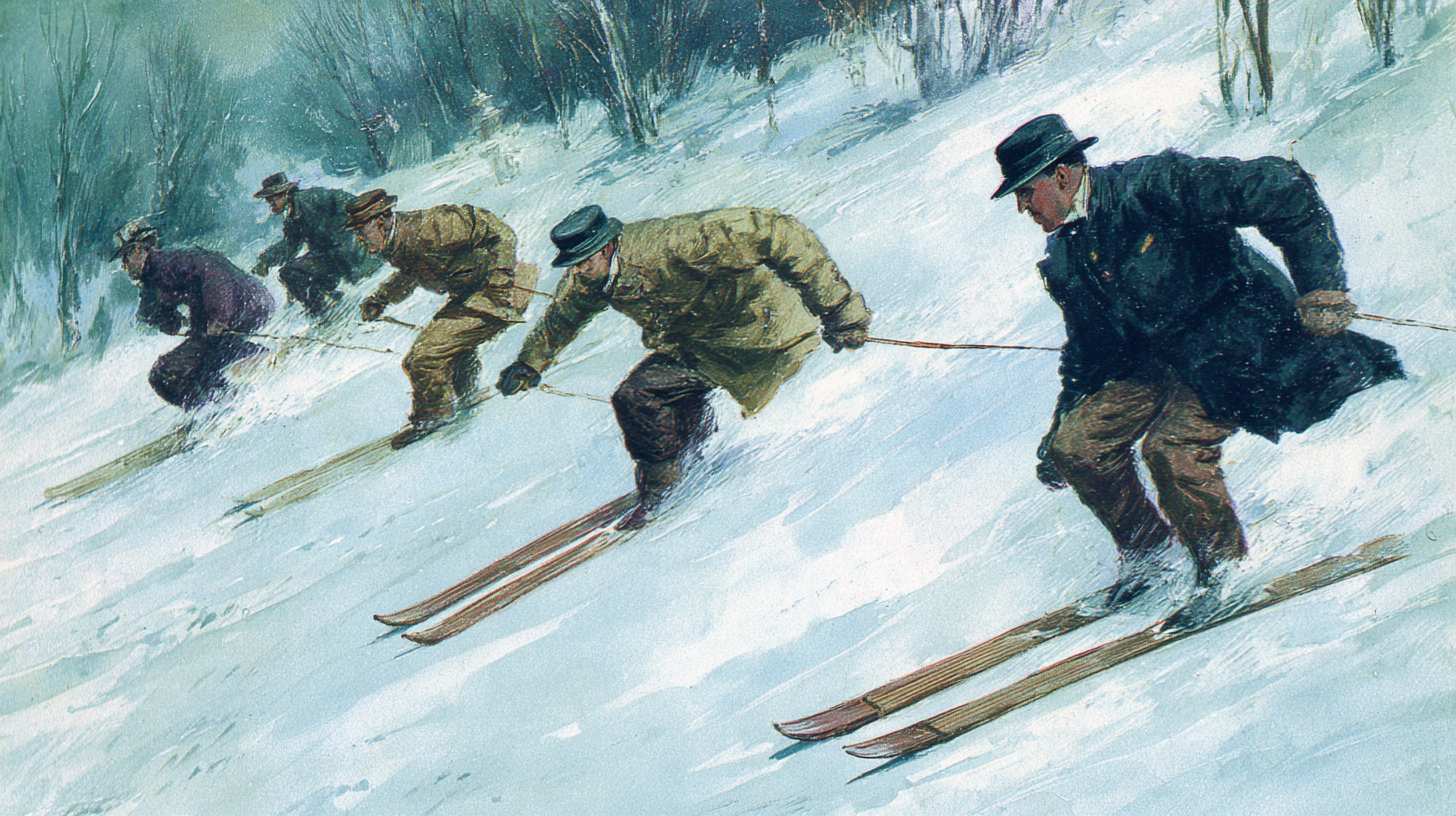
During the early 1900s, skiers developed better techniques, including improved turning and downhill control.
These changes made skiing more practical, enjoyable, and appealing to beginners and experienced athletes.
1924: Olympic Recognition
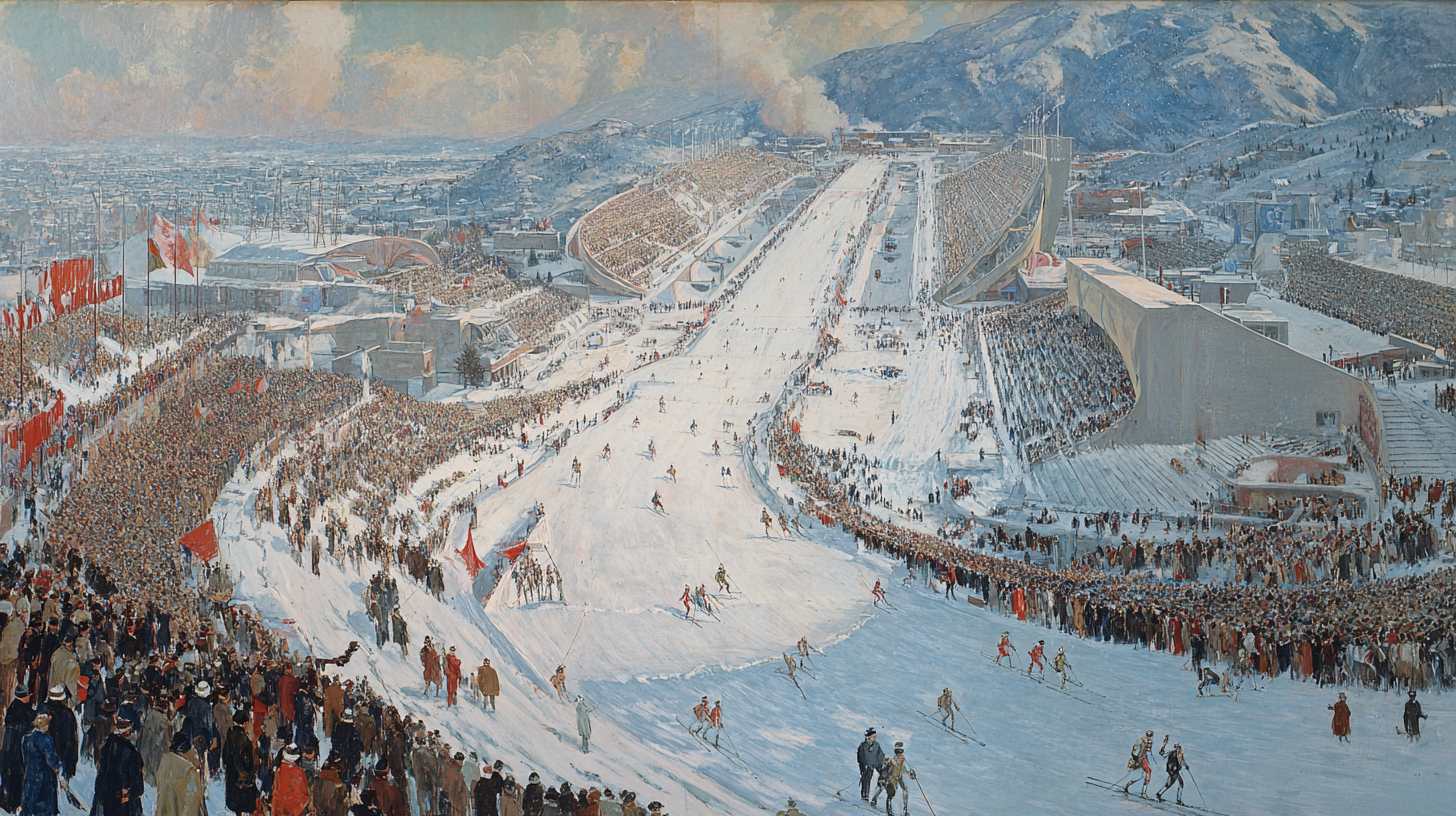
1924: Skiing enters the Winter Olympics with Nordic events like cross-country skiing and ski jumping, while alpine skiing is introduced later in 1936.
In the same year, the International Ski Federation (FIS) was established, helping organize competitions and standardize skiing rules worldwide.
These developments helped establish skiing as a respected global competitive sport.
Mid-1900s: Technology Improves
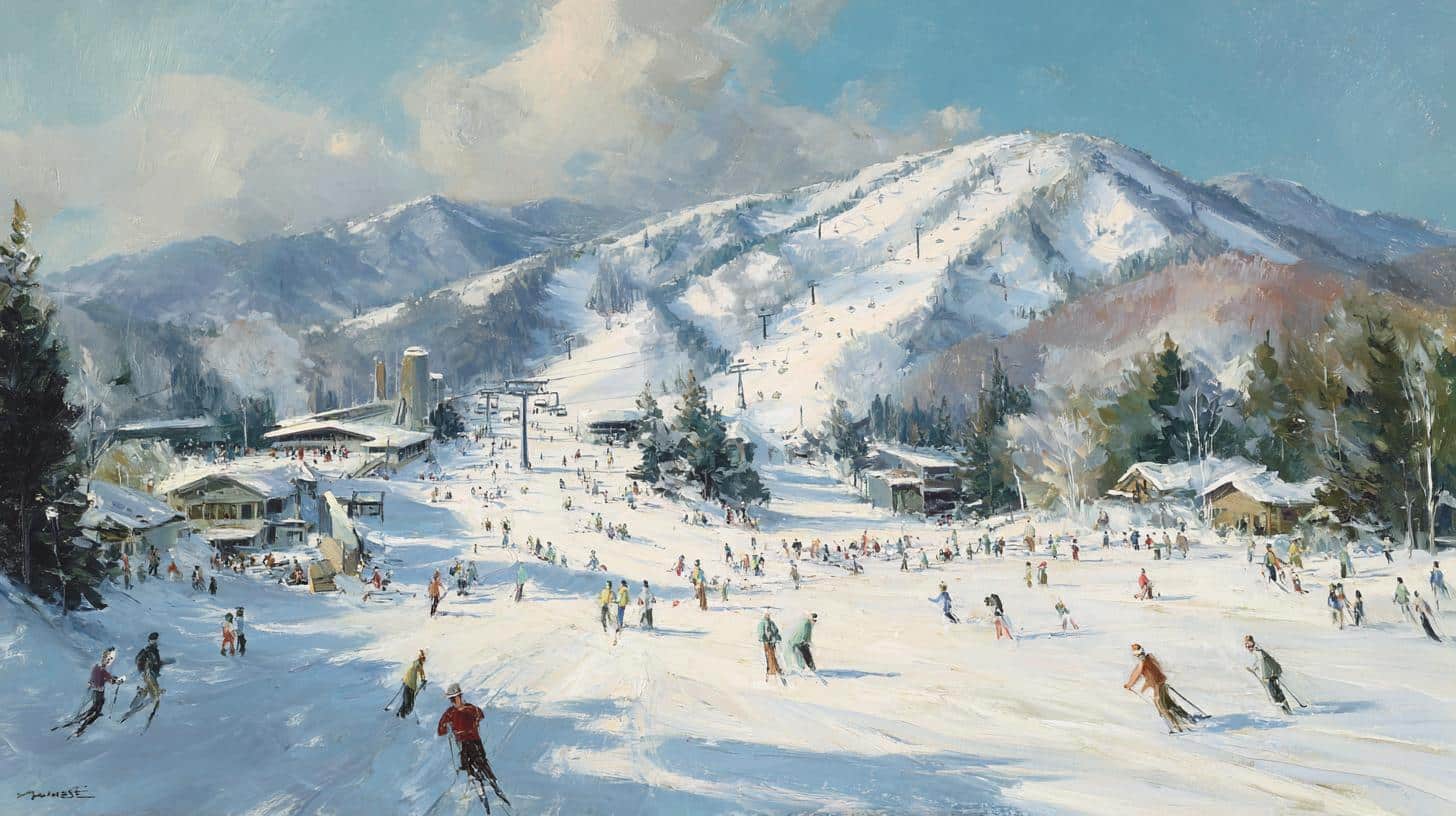
Advances in ski design, bindings, boots, and safety equipment made skiing easier and safer.
Ski lifts and mountain resorts also expanded, allowing more people to access slopes.
Modern Era: Global Popularity
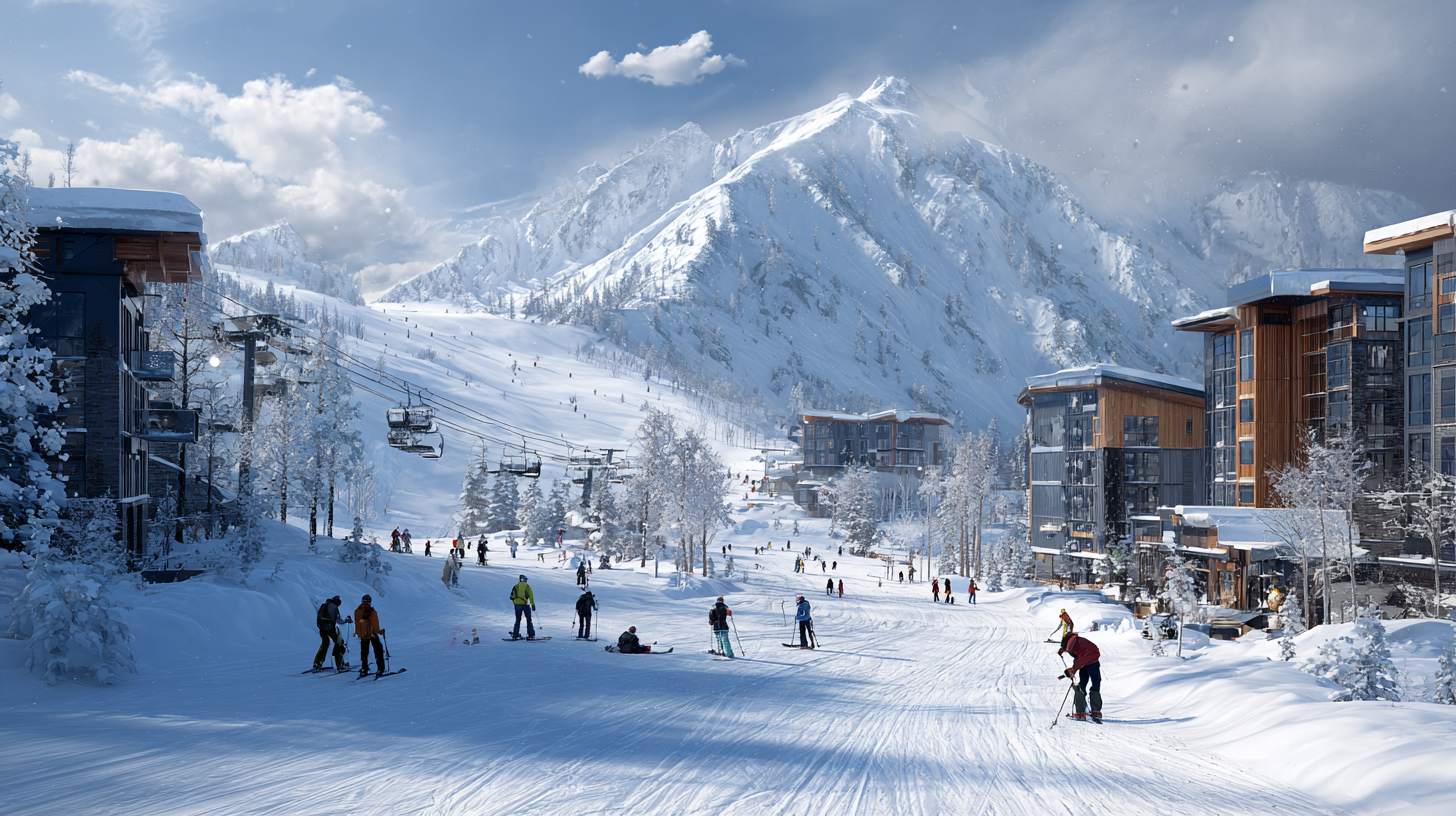
For beginners, a common question is how it compares to snowboarding and which one feels easier to learn at first.
From alpine resorts to cross-country trails, it has become a major winter activity everywhere.
Skiing’s path from ancient necessity to international sport shows how culture, innovation, and human skill shaped its growth.
What began in snowy survival landscapes now connects millions through recreation, tradition, and competition.
Who Invented Skiing?
No single person invented skiing. Unlike modern inventions, which can be traced to a single individual or exact date, skiing developed gradually over thousands of years as people adapted to snowy environments.
Early communities in northern Eurasia likely created skis out of necessity, using them to travel, hunt, and survive harsh winters.
Because similar early ski evidence has been found in multiple regions, historians believe skiing evolved across different cultures rather than being invented by a single person.
In that sense, skiing was not a sudden invention but a practical survival tool developed by early humans as they learned to live with snow.
How Has Skiing Equipment Evolved?
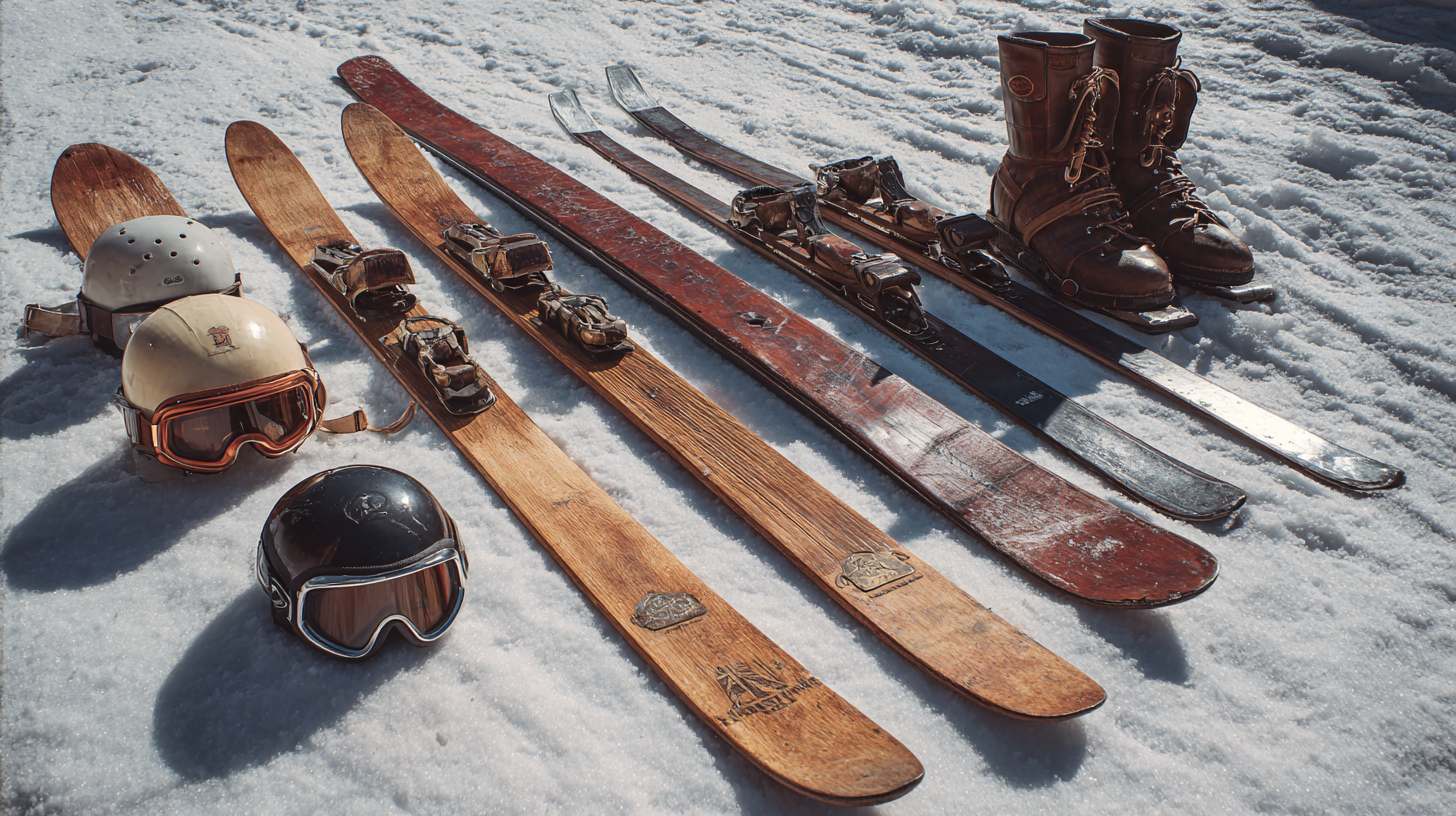
Skiing equipment has changed dramatically over time, with each stage making the sport safer, easier, and more accessible for people around the world.
- Ancient skis: Heavy wooden planks used mainly for survival, travel, and hunting in snowy environments.
- Early modern skis: Still made from wood, but lighter and more refined as skiing spread across different regions.
- 20th-century innovations: Metal edges improved control, better bindings increased safety, and specialized boots provided stronger support.
- Modern skis: Built using advanced materials like fiberglass and carbon fiber, making them lightweight, durable, and highly responsive.
- Modern safety gear: Helmets, goggles, and protective clothing have made skiing safer and more comfortable for all skill levels.
These changes in equipment played a major role in turning skiing from a basic survival method into a widely enjoyed modern sport.
How Did Skiing Become a Modern Sport?
Skiing became a modern sport through a combination of technological advances, travel, and cultural influences.
As ski resorts developed and equipment improved, more people were able to try skiing for fun.
In the 19th century, Norwegian skier Sondre Norheim helped shape modern skiing by introducing improved bindings and turning techniques that allowed better control on slopes.
The media also played a big role:
- Ski films and magazines popularized the sport
- Professional competitions created global athletes
- Tourism helped skiing grow into a major industry
Today, skiing is both a recreational activity and a professional sport, with events held worldwide and millions of fans.
Bringing the Story of Skiing Together
Skiing may seem like a simple activity, just gliding down a snowy slope, but its history is incredibly rich and ancient.
So, when was skiing invented? The answer is that skiing began thousands of years ago, likely between 8000 and 6000 BCE, as a survival tool in snowy regions of northern Eurasia.
Over time, it evolved from a practical necessity into a cultural tradition, then into a sport, and finally into a global phenomenon.
Today, skiing connects people to nature, leisure, and history. Every time someone steps onto skis, they are continuing a tradition that began thousands of years ago.
Frequently Asked Questions
How Did Skiing Influence Winter Travel in Different Regions?
Skiing made winter travel faster and more practical in snowy landscapes, helping communities move supplies, communicate, and stay connected during long periods of harsh weather.
Why is Norway So Closely Linked to Skiing History?
Norway played a major role in preserving skiing traditions and later helped turn skiing into an organized sport through competitions, techniques, and cultural influence.
How Did Ski Resorts Change the Popularity of Skiing?
Ski resorts made skiing more accessible by providing lifts, maintained slopes, and facilities, enabling more people to enjoy skiing as a leisure activity rather than solely as a survival skill.