
Snow is falling, the mountain is calling, and you have no idea where to start. That feeling is more common than most people think.
Skiing is not just one sport. There are many types of skiing, and each one feels completely different from the next. Some take you down steep, groomed slopes at speed. Others move you quietly through snow-covered forests. A few send you flying through the air.
Knowing the difference matters. The right type can make your first day on the snow feel natural and fun. The wrong one can leave you cold, tired, and confused.
If you are brand-new to skiing or considering trying something different this winter, learning about the options is a smart first step.
Why Picking the Right Ski Makes All the Difference
Choosing the right type of skiing can shape your entire experience on the snow, just as choosing the right sport for beginners matters in other outdoor activities.
If you pick a style that matches your fitness level and goals, you are more likely to enjoy it and stick with it. The wrong choice can lead to frustration or even injury, especially for beginners.
Each type of skiing requires different gear, training, and terrain. Knowing what to expect helps you prepare properly.
Your age, physical condition, and access to slopes all play a role in what works best for you.
Taking time to understand the different types of skiing before you start helps you build confidence and get more out of every run.
Quick-Reference: All Types of Skiing at a Glance
If you want a fast answer before diving into the full breakdowns, here is a summary of every major skiing discipline covered in this guide.
| Type of Skiing | Terrain | Skill Level | Best For |
|---|---|---|---|
| Alpine (Downhill) | Groomed resort slopes | Beginner to Advanced | Speed, turns, resort skiing |
| Cross-Country (Nordic) | Flat to rolling terrain, trails | Beginner to Intermediate | Endurance, winter fitness |
| Freestyle | Terrain parks, mogul runs, halfpipes | Intermediate to Advanced | Tricks, jumps, aerial moves |
| Backcountry (Off-Piste) | Unmarked natural mountain terrain | Advanced | Untouched snow, solitude |
| Telemark | Resort or backcountry slopes | Intermediate to Advanced | Traditional technique, challenge |
| Ski Jumping | Structured jump ramps (hills) | Advanced to Elite | Distance, competitive sport |
| Nordic Combined | Jump ramp + cross-country trail | Advanced to Elite | Multi-discipline competition |
| Biathlon | Cross-country trails + shooting range | Advanced to Elite | Endurance + precision sport |
| Alpine Racing | Timed gate courses | Advanced to Elite | Competitive speed/technique |
| Para Alpine / Adaptive | Resort slopes (modified access) | All levels | Skiing with disabilities |
Different Types of Skiing
Skiing comes in many forms, and each one offers a different experience on the snow. Each type suits different skill levels and interests. Here is a clear look at what each type involves.
1. Alpine Skiing (Downhill Skiing)
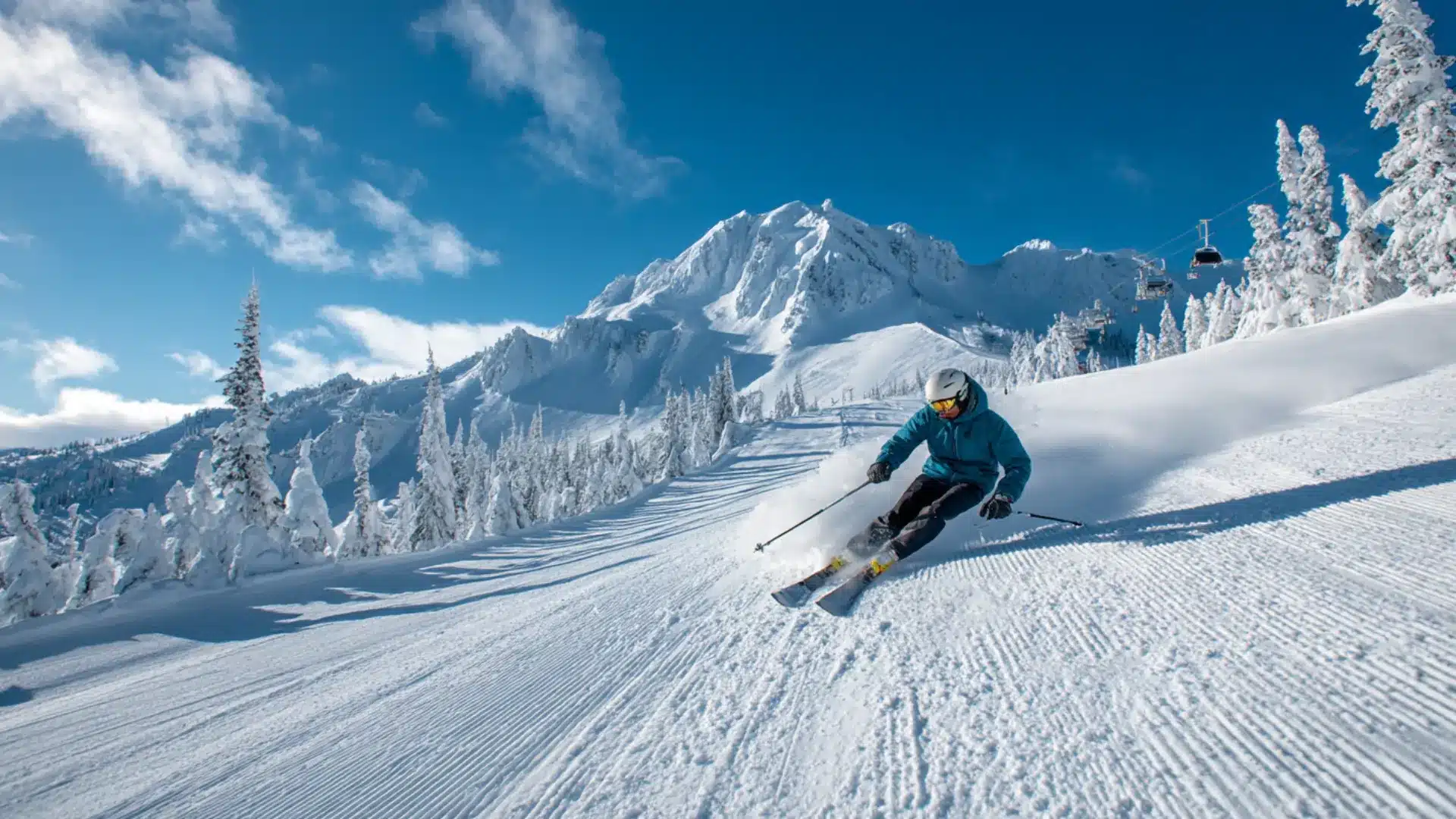
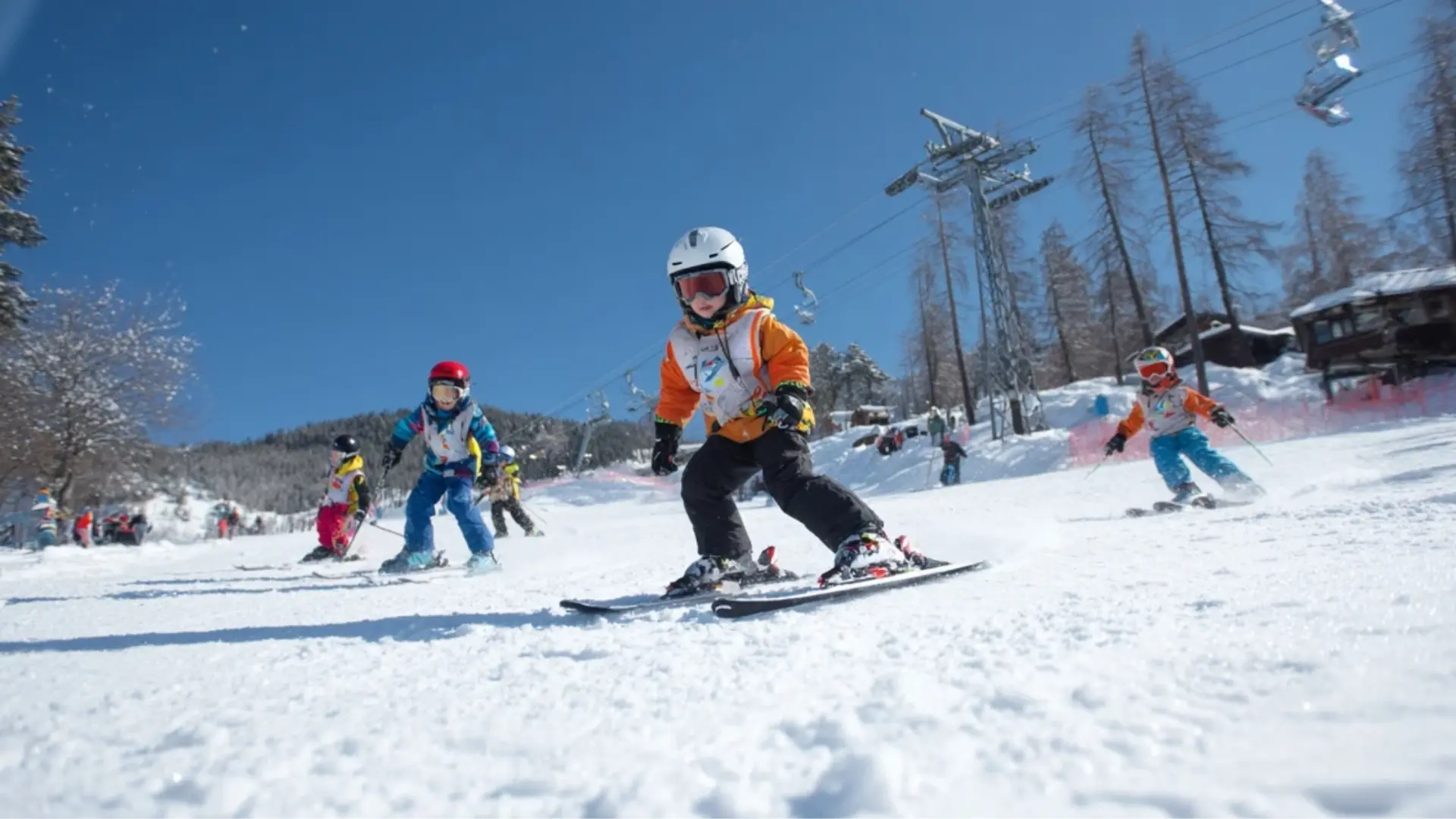
Alpine skiing is what most people think of when they hear the word skiing. You ride a lift to the top of a slope and ski down.
Runs can be gentle or steep, so skiers of all skill levels can take part. Speed and turns are a big part of the experience.
- Best for: Skiers who enjoy speed on groomed mountain slopes
- Skill Level: Beginner to advanced
2. Cross-Country Skiing (Nordic Skiing)
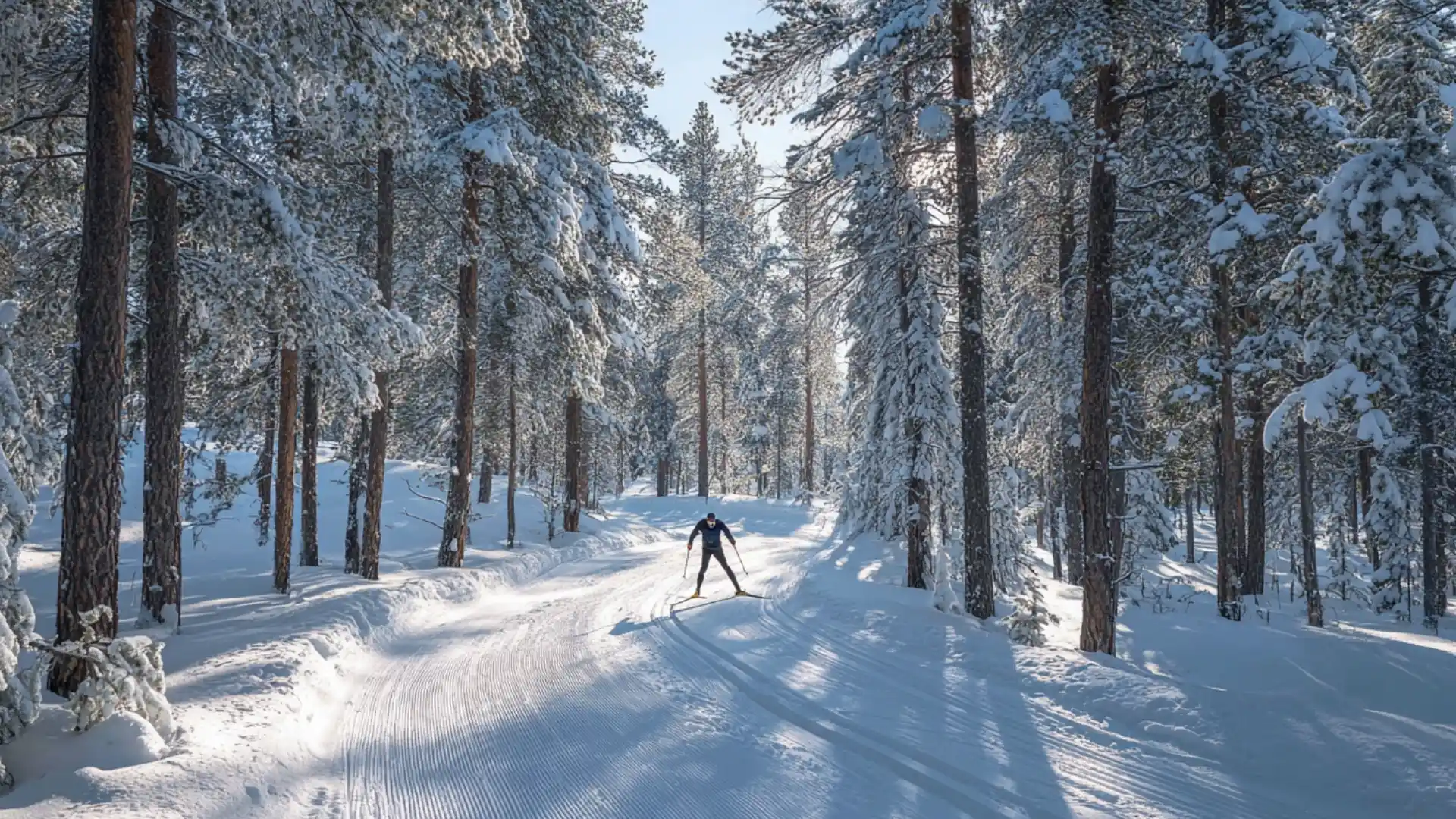
Cross-country skiing takes you across flat or gently rolling terrain. Unlike alpine skiing, there are no lifts. You move forward by gliding and pushing with your poles.
It’s a great way to stay active in winter. The gear is lighter, and trails often pass through forests or open fields.
- Best for: People who enjoy long-distance skiing at a steady pace
- Skill Level: Beginner to intermediate
3. Freestyle Skiing
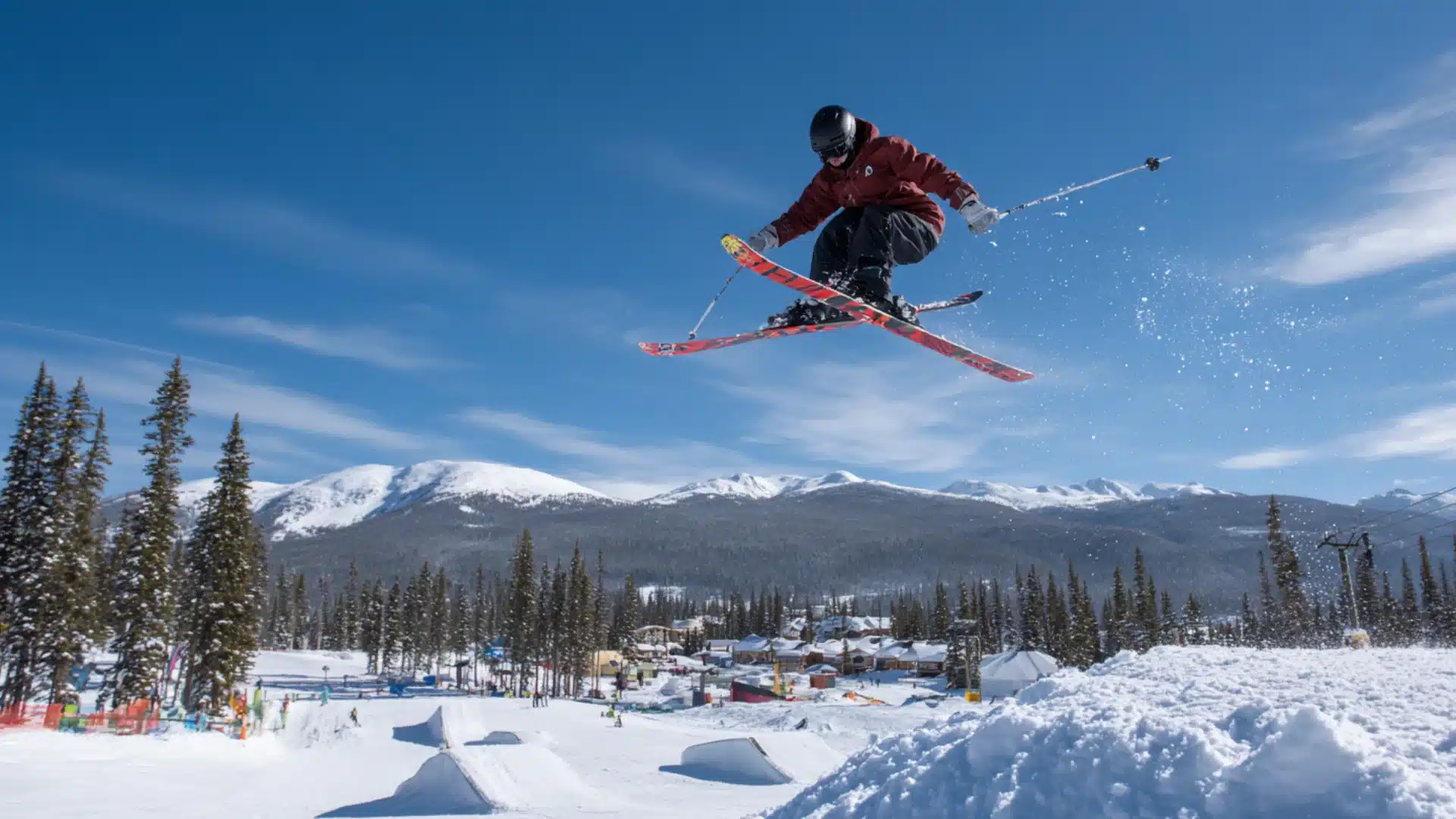
Freestyle skiing is all about tricks, jumps, and creative movement on snow. Skiers use terrain parks, halfpipes, and mogul runs to perform aerial moves and spins.
It takes a lot of practice and body control. This type is popular with younger skiers who want to push their skills in a fun way.
- Best for: Skiers who enjoy jumps, tricks, and terrain park features
- Skill Level: Intermediate to advanced
4. Backcountry Skiing (Off-Piste Skiing)
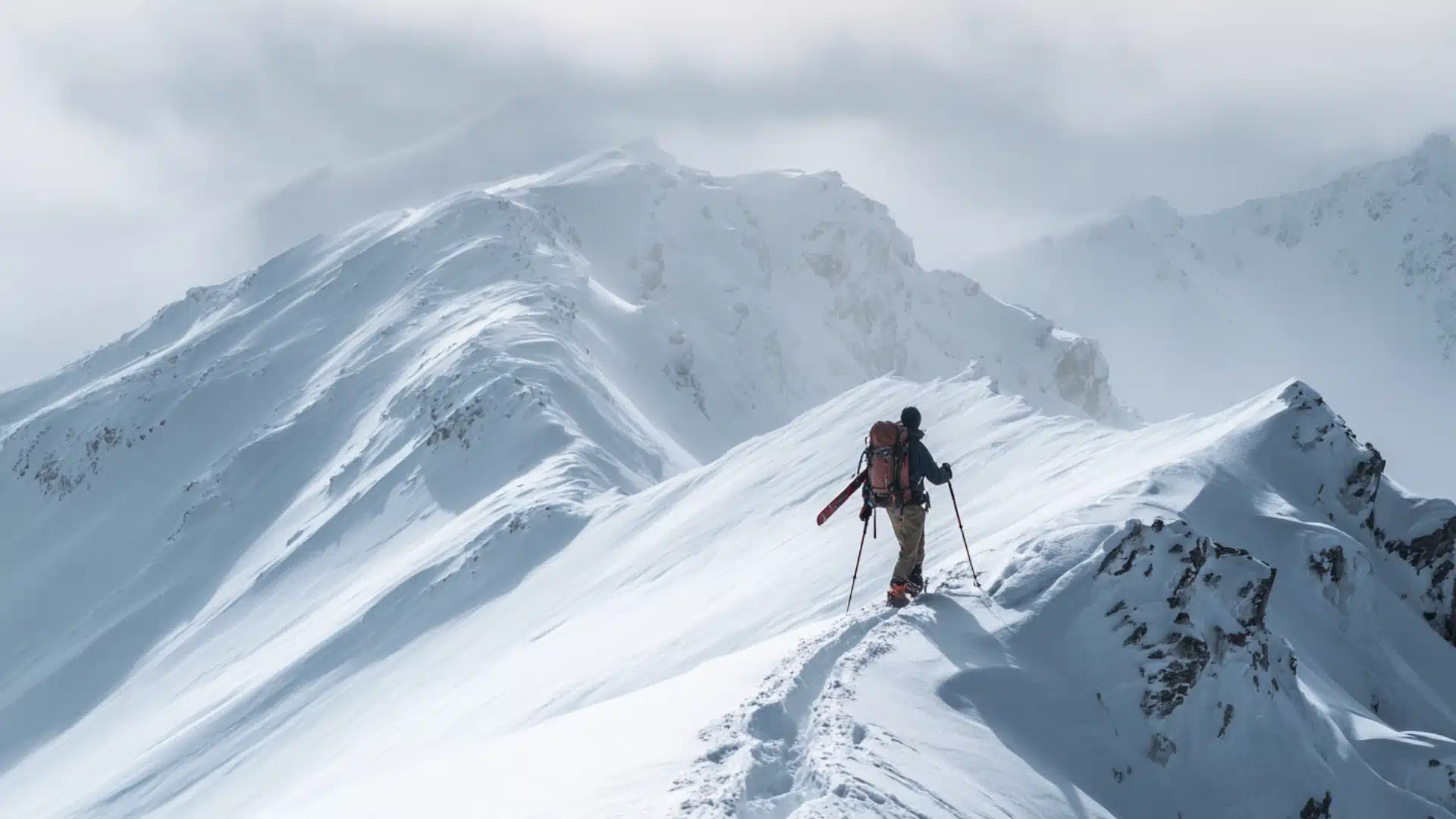
Backcountry skiing takes you beyond marked trails and groomed runs. You ski on natural, untouched snow in open mountain terrain.
There are no lifts, so you hike or use special climbing gear to reach the top. It requires solid skiing skills and knowledge of avalanche safety. This type suits experienced skiers.
- Best for: Experienced skiers who prefer natural, ungroomed mountain terrain
- Skill Level: Advanced
5. Telemark Skiing
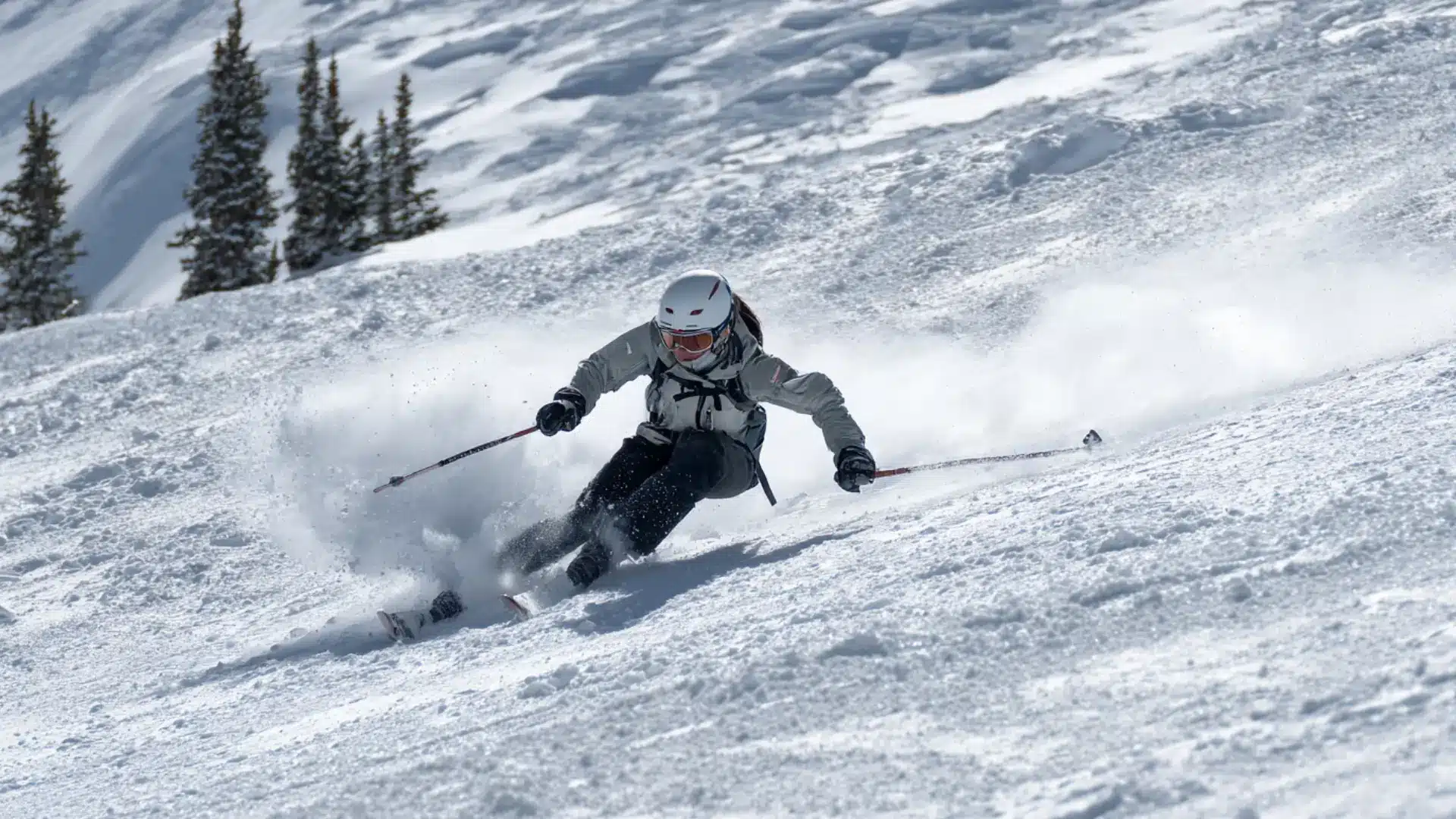
Telemark skiing uses a special binding that allows your heel to lift off the ski. This creates a unique lunging motion as you turn down the slope.
It comes from a traditional Norwegian skiing style. Telemark is more physically demanding than alpine skiing and requires good balance and strong legs.
- Best for: Skiers looking for a physically demanding and traditional ski style
- Skill Level: Intermediate to advanced
6. Ski Jumping
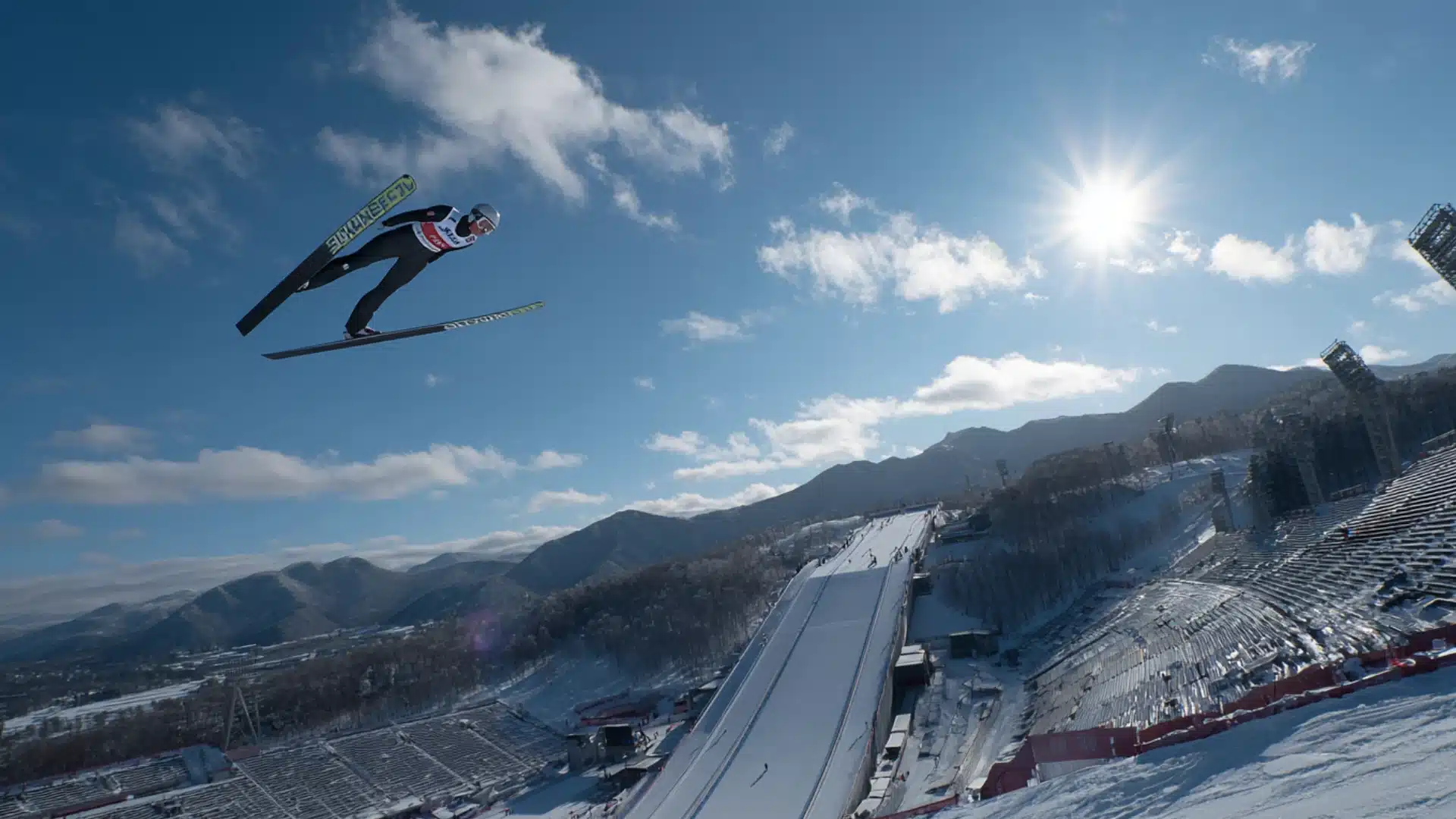
Ski jumping is a competitive sport where athletes ski down a steep ramp and launch into the air. The goal is to land as far down the hill as possible.
Jumpers are scored on both distance and landing form. It’s one of the oldest winter sports and a regular event at the Winter Olympics.
- Best for: Athletes focused on competitive, high-distance aerial ski performance
- Skill Level: Advanced to elite
7. Nordic Combined
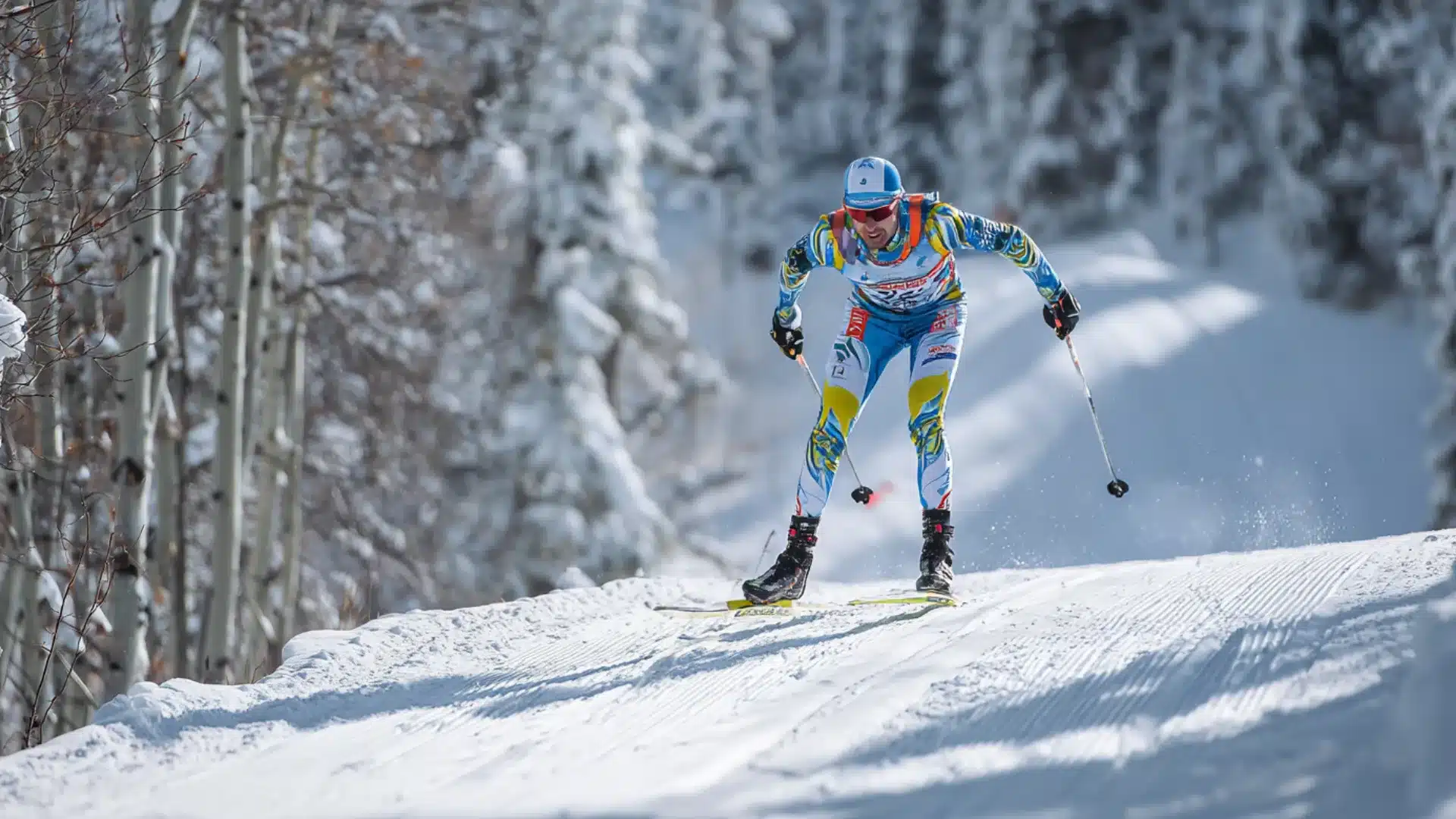
Nordic combined brings together two disciplines: ski jumping and cross-country skiing. Athletes compete in both events, and their scores are combined to decide the winner.
It’s a demanding sport that requires strength, speed, and endurance. Nordic combined has been part of the Winter Olympics since 1924 and tests a broad range of skiing skills.
- Best for: Athletes who want to compete in two Nordic skiing disciplines
- Skill Level: Advanced to elite
8. Alpine Racing
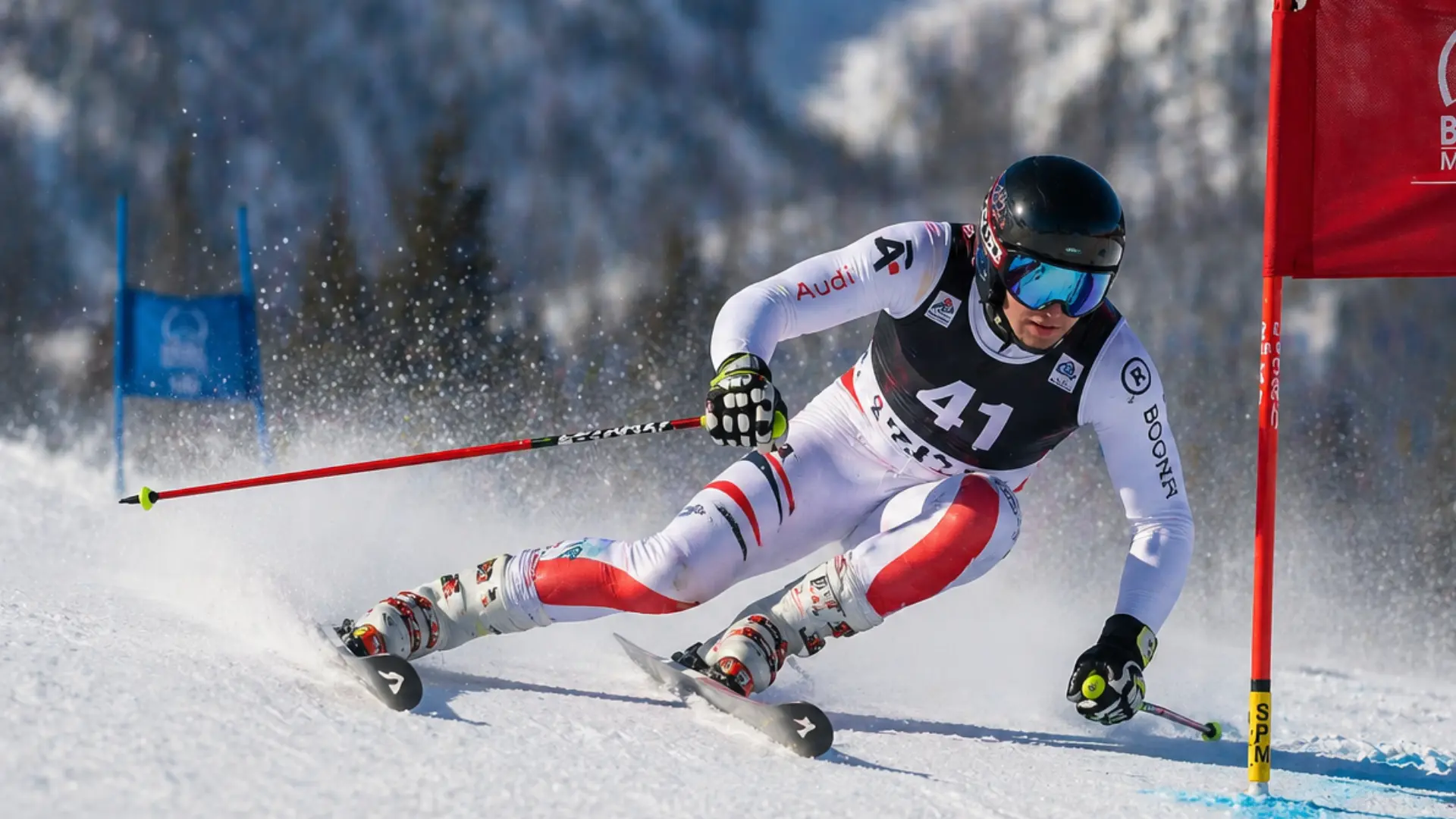
Alpine racing is the competitive branch of downhill skiing. Racers navigate a set course of gates, poles planted in the snow, as fast as possible. There are five main alpine racing disciplines, each with a different course setup and skill emphasis:
- Slalom: Tight, rapid turns around closely spaced gates. Tests precision and quickness. (Not to be confused with slalom skiing on water, which is a completely different sport.)
- Giant Slalom (GS): Wider turns and higher speed than slalom. The most commonly raced discipline at junior and recreational levels.
- Super-G (Super Giant Slalom): Fewer gates, higher speeds, more demanding terrain. A blend of GS technique and downhill speed.
- Downhill: The fastest discipline. Speeds can exceed 80 mph on courses that take nearly two minutes to complete. Falls are high-consequence.
- Alpine Combined: One downhill run plus one slalom run, with times added together. Tests versatility across disciplines.
Many ski resorts offer recreational racing leagues and NASTAR programs where everyday skiers can race timed courses on weekends. It is a surprisingly approachable way to introduce a competitive element to resort skiing.
- Best for: Skiers who want to compete on timed gate courses at any level
- Skill Level: Intermediate to Elite
9. Biathlon
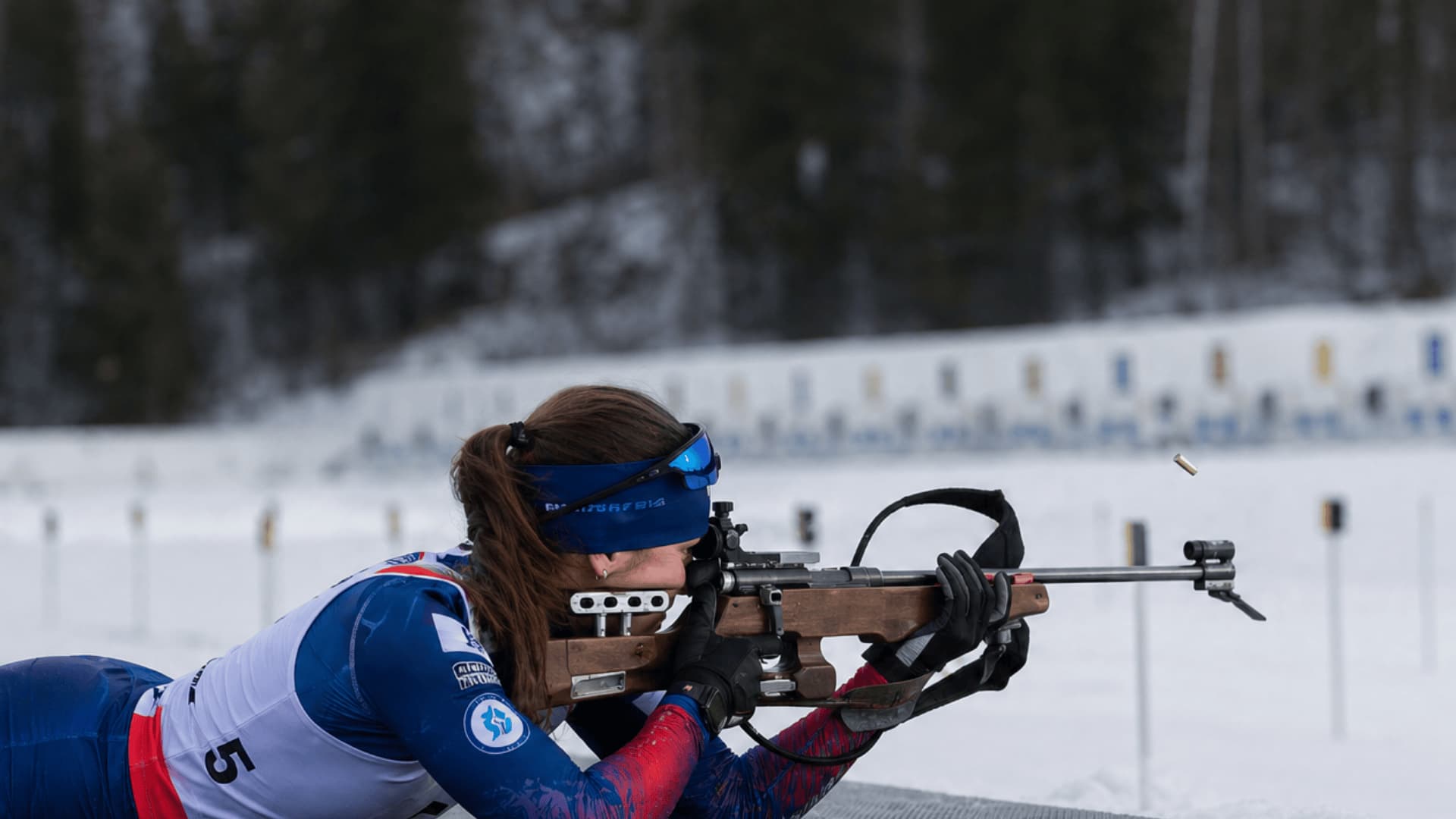
Biathlon combines cross-country skiing with rifle marksmanship. Athletes ski hard, then stop to shoot targets from 50 meters while standing or lying prone.
Misses lead to penalties or extra loops. Its challenge lies in controlling breathing, focus, and accuracy while the heart races from intense effort.
- Best for: Athletes interested in combining endurance skiing with precision shooting
- Skill Level: Advanced to Elite
10. Para Alpine / Adaptive Skiing
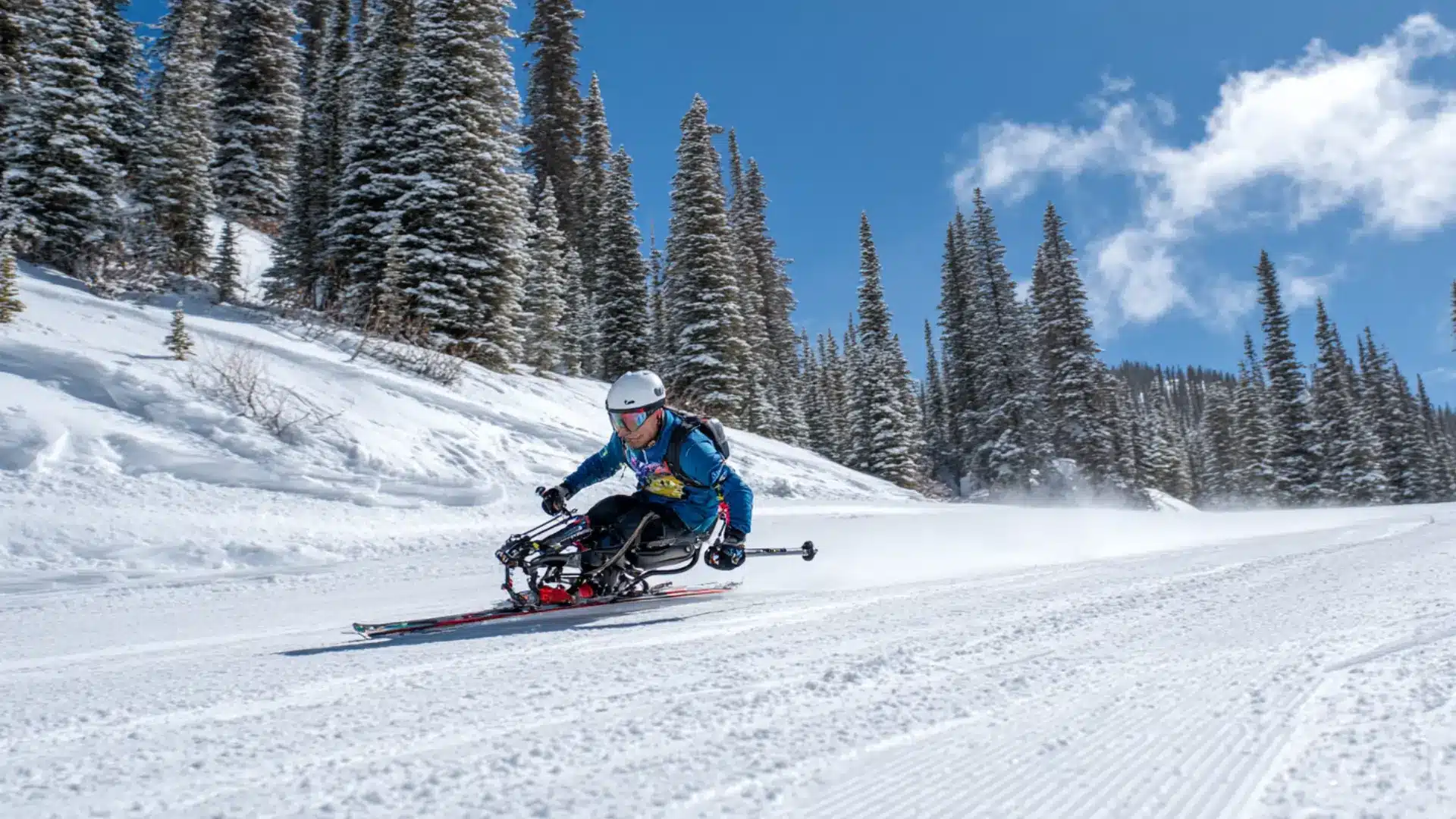
Adaptive skiing is designed for people with physical or visual disabilities. It uses modified equipment and techniques to make skiing accessible to more people.
Athletes may use sit-skis, outriggers, or guides depending on their needs. Adaptive skiing is recognized at the Paralympic Games and has a strong competitive community around the world.
- Best for: Skiers with disabilities who want to take part in the sport
- Skill Level: All levels
With all the types of skiing now covered, the next step is figuring out which one suits you. The following section helps you match your goals to the right style.
Physical Demand Comparison Across Skiing Types
Different skiing disciplines tax your body in very different ways. This table gives a realistic sense of what each type demands physically, which is useful if you are managing fitness goals, returning from injury, or just getting started.
| Type of Skiing | Cardio Demand | Leg Strength | Balance & Core | Overall Intensity |
|---|---|---|---|---|
| Alpine (easy runs) | Low | Moderate | Moderate | Low to Moderate |
| Alpine (expert terrain) | Moderate | High | High | High |
| Cross-Country (classic) | High | Moderate | Moderate | High |
| Cross-Country (skate) | Very High | High | High | Very High |
| Freestyle (terrain park) | Moderate | High | Very High | High |
| Backcountry | Very High | Very High | High | Very High |
| Telemark | Moderate | Very High | Very High | High |
| Biathlon | Very High | High | High | Very High |
| Adaptive Skiing | Varies | Varies | Varies | Varies by equipment |
How to Choose the Right Type of Skiing
Not sure which type of skiing fits you best? A few simple questions about your fitness, goals, and experience can point you in the right direction.
- Skill Level: Beginners do well with alpine skiing, while experienced skiers can try backcountry or telemark styles.
- Fitness Goals: Cross-country skiing is ideal for a full-body cardio workout on flat terrain.
- Love for Tracks: If jumps and terrain parks interest you, freestyle skiing is the most suitable choice to start with.
- Access to Mountains: Even without nearby slopes, you can still enjoy cross-country skiing on local trails and open fields.
- Physical Needs: Adaptive skiing offers modified equipment and techniques for skiers with disabilities at all ability levels.
- Competitive Interest: If you want to compete, look into ski jumping, Nordic combined, or alpine racing programs near you.
Once you find your fit within the broader category, it is worth knowing how freestyle skiing and freeskiing differ. They sound similar but are not the same thing.
Freestyle Skiing vs. Freeskiing
These two terms are often confused, even among experienced skiers. They share some common ground, but they developed separately and carry different meanings in competition.
| Feature | Freestyle Skiing | Freeskiing |
|---|---|---|
| Basic meaning | A formal ski discipline category that traditionally includes moguls, aerials, and ski cross, with judged or race-based events. | A newer branch focused mainly on slopestyle, halfpipe, and big air, with a stronger park-and-trick identity. |
| Common events | Moguls, dual moguls, aerials, ski cross. | Slopestyle, halfpipe, big air. |
| Style | More structured and traditional in format, with emphasis on technique, control, precision, and event-specific rules. | More modern and creative, with emphasis on amplitude, style, rail skills, and progressive tricks in terrain parks and pipes. |
| Competition feel | Often feels closer to the classic Olympic freestyle style of competition. | Often feels more influenced by park culture and newer trick-based skiing. |
| Terrain | Mogul courses, jump ramps, and ski cross tracks. | Terrain parks, rails, halfpipes, and big-air jumps, |
| Judging or scoring | Judged for execution and difficulty in moguls and aerials, or timed in ski cross. | Judged mainly on trick difficulty, execution, amplitude, and style. |
| Best simple takeaway | Think classic competitive freestyle skiing. | Think modern park-focused trick skiing. |
With that distinction cleared up, you now have a complete picture of the skiing world. The conclusion ties everything together and helps you decide where to go from here.
Final Thoughts
Skiing is not a one-size-fits-all sport. From groomed alpine slopes to open backcountry terrain, there are so many types of skiing worth knowing about. Each one suits a different person, pace, and purpose.
The key is to start with what fits your current skill level and build from there. Beginners do well on gentle alpine runs. Those who want a physical challenge can try cross-country or telemark.
Competitive athletes can work toward ski jumping or Nordic combined. And adaptive skiing proves that the sport is open to nearly everyone.
The snow does not wait forever. Pick a type that speaks to you and take that first step.
Once you know which type suits you, check out our list of the best places to go skiing around the world
Which type of skiing are you most curious to try? Drop a comment below and share your thoughts with fellow skiers.
Frequently Asked Questions
What is Backcountry Skiing, and is it Dangerous?
Backcountry skiing means skiing on unmarked, natural terrain away from resorts. It can be dangerous due to avalanche risk, so proper training and safety gear are essential.
What are the Olympic Skiing Disciplines?
Alpine skiing, freestyle skiing, ski jumping, Nordic combined, cross-country skiing, and biathlon are the main Olympic skiing disciplines. Freeski and ski halfpipe are also included in the Winter Games.
What Type of Skiing is Best for Beginners?
Alpine skiing is best for beginners. Resorts offer lessons, gentle slopes, and easy access, making it the simplest way to learn skiing safely.