


Scuba diving opens the door to coral reefs, wrecks, and deep blue silence, but every descent also places the body under intense pressure.
Beneath the excitement lies a hidden medical risk: the bends, a term many new divers encounter when learning about ascent safety.
The bends occur when a diver ascends too quickly or skips decompression stops, allowing dissolved nitrogen to form bubbles in the blood and tissues.
Effects range from joint pain and fatigue to serious neurological and breathing problems, and symptoms can appear after the dive is already over.
Because warning signs may appear after the dive is over, awareness is critical.
Knowing how the bends occur is one of the most important steps in diving safely, especially when understanding the causes, symptoms, and treatment of decompression sickness.
What are the Bends in Scuba Diving
The bends, or decompression sickness, happen when gas bubbles form inside the body after a dive. Underwater pressure causes nitrogen from breathing gas to dissolve into the blood and tissues, and this nitrogen must be released slowly during ascent.
If a diver surfaces too quickly, the sudden drop in pressure causes nitrogen to form bubbles instead of being safely exhaled.
These bubbles can disrupt circulation, damage tissues, and trigger inflammation, leading to a range of symptoms. The name comes from the severe joint pain that can make divers bend over in discomfort.
Think of it like opening a shaken carbonated bottle, releasing the pressure too quickly, and having the gas escape violently.
In a dive, “too fast” means surfacing faster than the body can safely off-gas nitrogen. The standard safe ascent rate is no faster than 9 meters (30 feet) per minute, a figure recommended by Divers Alert Network (DAN).
Why Divers Get Decompression Sickness
Decompression sickness results from a combination of physical and physiological factors.
The body absorbs nitrogen under pressure and releases it during ascent, but this process must happen slowly. Several factors increase the likelihood of bubble formation and injury.
Common Risk Factors
- Rapid ascent without controlled stops
- Deep dives or long bottom times
- Multiple dives in a short period
- Skipping safety or decompression stops
- Flying too soon after diving
- Dehydration or fatigue
- Cold water or heavy physical exertion
- Alcohol consumption before or after a dive
| A condition called patent foramen ovale (PFO), a small hole between the heart’s chambers that some people are born with and never know about.
PFO can allow nitrogen bubbles to bypass the lungs and enter arterial circulation, raising DCS risk even on seemingly safe dives. DAN estimates PFO is present in roughly 25–30% of the general population. |
Even when divers follow standard guidelines, individual physiology can still influence risk.
Factors such as hydration, circulation, fatigue, body composition, and certain heart conditions may affect how nitrogen is absorbed and released in the body.
That is why conservative dive planning is strongly recommended. Using a dive computer, staying hydrated, and avoiding unnecessary risks can significantly reduce the chances of developing decompression sickness.
Symptoms of the Bends in Divers
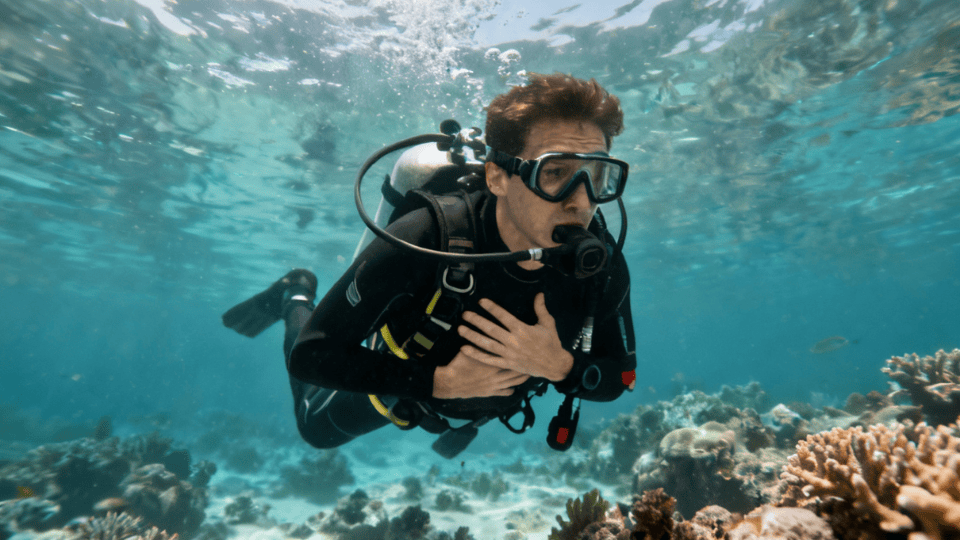
Symptoms of decompression sickness can vary widely, making it important to stay alert after every dive. Some symptoms appear mild at first but may worsen if left untreated.
Early Symptoms
- Unusual fatigue or weakness
- Mild headache
- Joint or muscle pain
- Skin itching or rash
Serious Symptoms
- Numbness or tingling sensations
- Difficulty walking or balancing
- Dizziness or vertigo
- Confusion or memory issues
- Chest pain or breathing problems
Symptoms often appear gradually after surfacing, with many starting within the first hour and most within six hours, though delays are possible.
Any unusual physical or neurological change after diving should be treated as a warning sign, as early treatment improves recovery and lowers the risk of lasting complications.
Decompression sickness is classified as Type I or Type II. Type I is milder and usually affects the joints, muscles, or skin, while Type II is more serious and can affect the nervous system, lungs, or circulation.
When Symptoms of the Bends Usually Start
Warning signs do not always appear immediately after a dive.
In many cases, they begin within the first hour after surfacing, and most develop within about six hours.
However, some cases can appear later, especially after repetitive dives or flights soon after diving.
Any unusual pain, fatigue, dizziness, numbness, or breathing trouble after a dive should be treated seriously.
How the Bends Affect the Body
This condition can impact multiple systems depending on where gas bubbles form. The table below explains how different parts of the body may be affected.
| Body System | Effects Of The Bends | Common Signs |
|---|---|---|
| Joints And Muscles | Bubble formation in tissues | Pain and stiffness |
| Nervous System | Disruption of brain and spinal cord function | Weakness, paralysis, confusion |
| Lungs | Blocked blood flow in pulmonary vessels | Cough, chest pain, breath issues |
| Inner Ear | Disturbance in balance and possible hearing impairment | Vertigo, dizziness |
The nervous system is especially sensitive because nitrogen dissolves easily in fatty tissues.
This makes neurological decompression sickness one of the most serious forms, requiring urgent medical attention to prevent lasting damage.
The Bends Compared to Other Diving Injuries
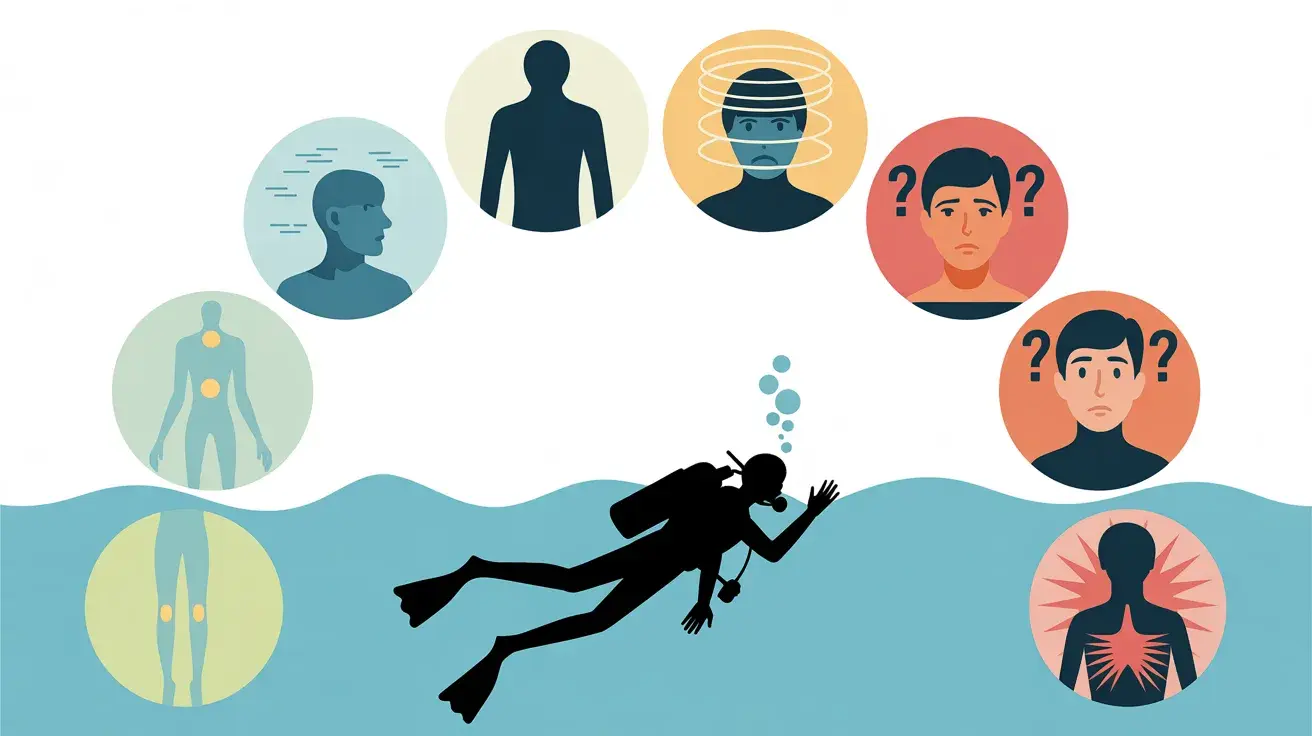
Decompression sickness is often confused with other pressure-related injuries, but each condition has distinct causes and mechanisms. Understanding the differences helps recognize and respond appropriately.
Key Differences
- Decompression Sickness: Caused by nitrogen bubbles forming after ascent
- Arterial Gas Embolism: Occurs when gas enters the bloodstream due to lung overexpansion
- Barotrauma: Results from pressure damage to the ears, sinuses, or lungs
Although these conditions are grouped under decompression illness, their onset and severity can differ significantly.
For example, arterial gas embolism usually presents suddenly and can cause immediate neurological symptoms, while decompression sickness more often develops gradually after surfacing.
Proper training helps divers distinguish between these conditions and take the correct action.
What to Do if You Suspect the Bends
Clear underwater communication, including scuba hand signals, also plays an important role in responding to emergencies.
Immediate and appropriate action can significantly improve outcomes and prevent complications.
Emergency Response Steps:
- Stop diving immediately
- Provide 100 percent oxygen if available
- Keep the diver lying flat and calm
- Ensure hydration if the diver is conscious
- Seek emergency medical assistance
- Contact a dive medical support service
- Call DAN’s 24-hour emergency line: 1-919-684-9111 (international) or 1-800-446-2671 (US). They can advise on the nearest hyperbaric chamber and guide you through the next steps in real time.
Never attempt to self-diagnose or continue diving after symptoms appear.
Do not attempt in-water recompression, the practice of sending a symptomatic diver back down to relieve symptoms.
Outside of highly specific remote-location protocols used by professionals, it introduces additional risks and delays proper treatment.
How Doctors Treat Decompression Sickness
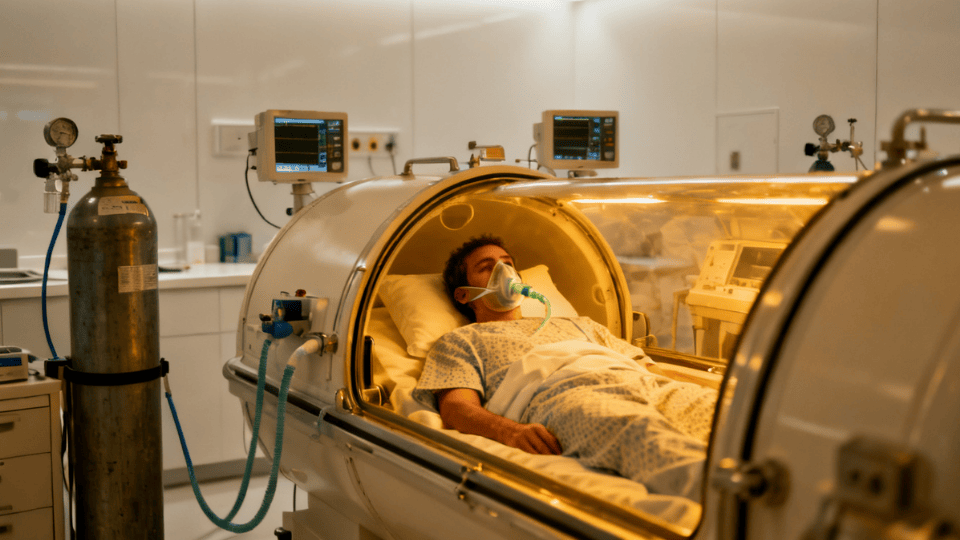
Treatment focuses on reducing bubble size and restoring normal oxygen supply to tissues. Doctors rely on symptoms and dive history rather than waiting for tests.
| Step | Purpose |
|---|---|
| Oxygen Therapy | Improves oxygen delivery and reduces bubbles |
| Recompression Therapy | Shrinks gas bubbles in a hyperbaric chamber |
| Monitoring | Tracks neurological and physical recovery |
Hyperbaric oxygen therapy is the primary treatment. In this process, the diver is placed in a pressurized chamber and supplied with pure oxygen.
This helps dissolve nitrogen bubbles and improves circulation. Most divers recover fully if treated early, but delayed care can lead to long-term complications.
How to Prevent the Bends
Prevention is the most effective strategy against decompression sickness. By following safe diving practices, divers can significantly reduce their risk.
- Ascend slowly and within recommended limits
- Perform safety stops on every dive
- Follow the dive computer or table guidelines
- Stay hydrated and well-rested
- Avoid overexertion during and after dives
- Maintain proper surface intervals
- Wait at least 12 to 24 hours before flying after diving, depending on the dive profile
Modern dive equipment provides valuable guidance, but it should never replace sound judgment.
Conservative diving habits and proper training remain the best defense.
Thoughtful planning, respect for depth and time limits, and patience between dives help ensure both safety and enjoyment underwater.
According to diving safety organizations such as DAN and PADI, proper ascent and early treatment are critical for preventing serious complications.
Final Takeaway for Divers
The bends remain one of the most serious risks in scuba diving, but they are largely preventable with the right knowledge and discipline.
This condition is not limited to joint pain and can affect vital systems like the brain, lungs, and nervous system. Divers must respect ascent rates, follow safety procedures, and stay alert to any unusual symptoms after a dive.
The key is not just avoiding mistakes but understanding how the body responds to pressure changes. With proper awareness, conservative dive habits, and responsible decision-making, the underwater world can be experienced more safely and confidently.
This information is for educational purposes only and should not replace professional medical advice. Any suspected symptoms after diving require immediate medical evaluation.
| Medical Disclaimer: This article is for educational purposes only and does not replace professional medical advice.
Any suspected decompression sickness symptoms after diving require immediate medical evaluation. Call DAN’s emergency line or your local emergency services. |
Frequently Asked Questions
Can You Get the Bends in Shallow Water?
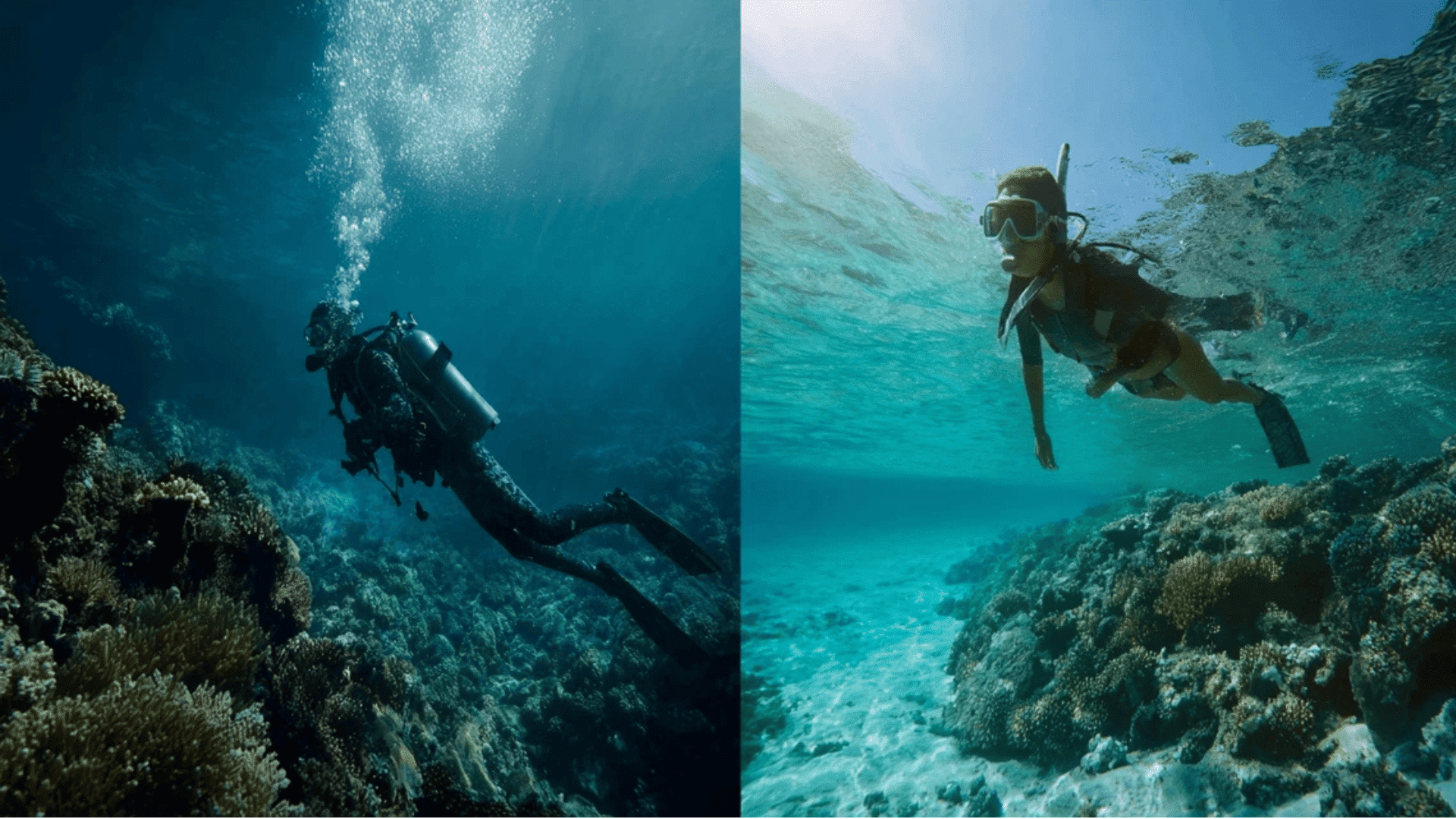
Yes, shallow dives can still cause decompression sickness, especially after long bottom times, repetitive dives, or rapid ascents. Depth increases risk, but no dive is completely free from danger.
Does Physical Fitness Reduce the Risk of the Bends?
Good fitness supports safer diving and recovery, but it does not prevent decompression sickness. Safe ascent rates, hydration, dive planning, and following dive limits remain far more important factors.
Can You Dive Again After Recovering from the Bends?
Many divers can return after recovery, but only with medical clearance. The decision depends on symptom severity, treatment response, and whether any lasting neurological, lung, or balance problems remain.
Are Some People More Prone to Decompression Sickness?
Yes, susceptibility varies between divers. Hydration, fatigue, body composition, circulation, dive history, and certain medical conditions can influence how the body absorbs and releases dissolved nitrogen.





One Response