A few years back, a guy on a kayaking trip asked me to take him cave diving since I “already dive anyway.”
I told him no, and that image of squeezing through a gap with zero light and one way out has stuck with me longer than almost anything else I’ve seen in water sports.
Regular scuba diving always gives you a straight line to the surface; cave diving doesn’t.
I will tell you what makes this sport so dangerous, the real accidents behind the warnings, and what actually separates a trained cave diver from a fatal mistake.
What Cave Diving Really Means
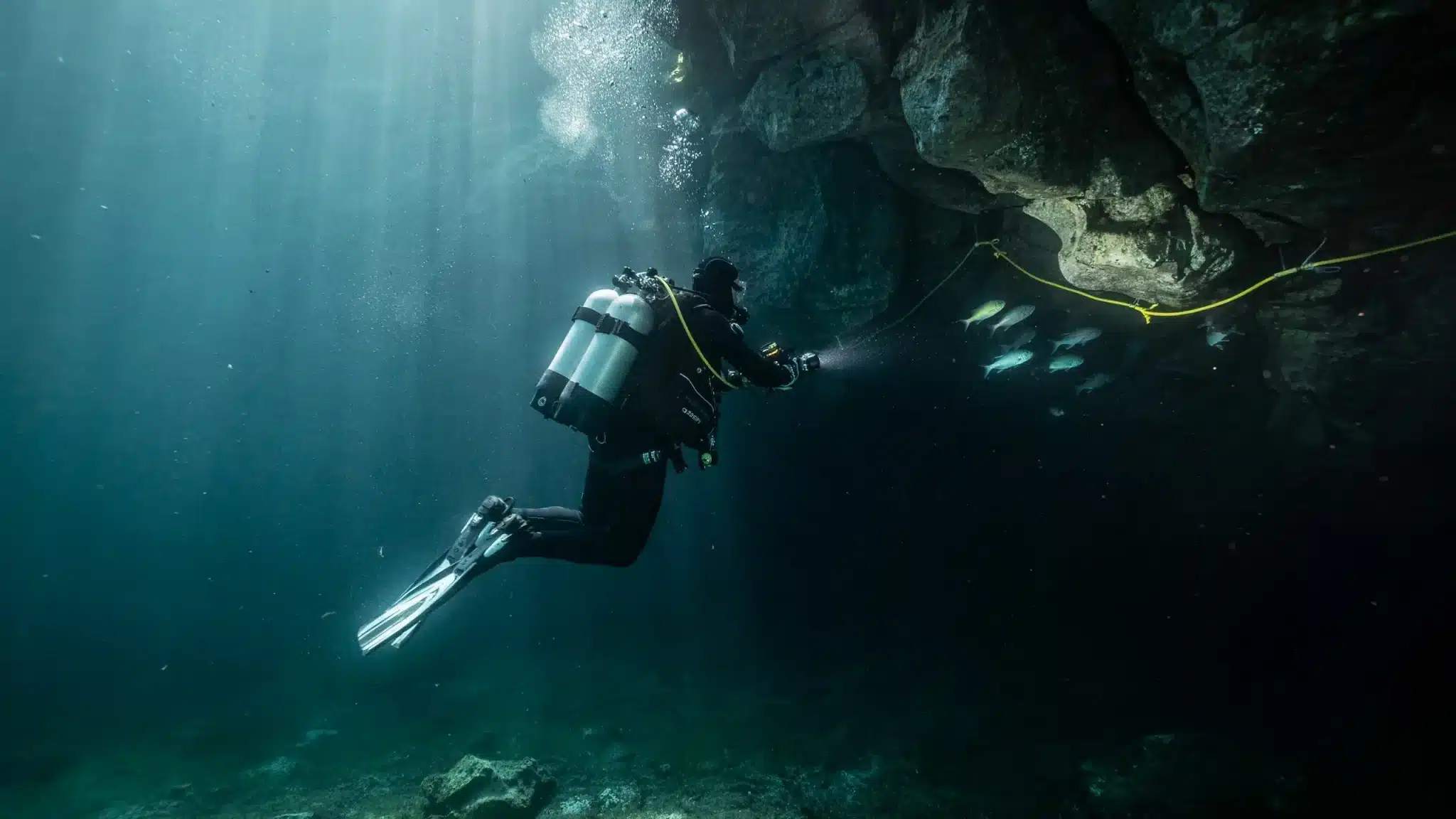
Cave diving means diving inside flooded cave systems, past natural light and past any straight path back to the surface.
It’s not the same as exploring a reef or wreck. Once you’re inside, solid rock replaces open sky, and the only way out is back through the same route you entered.
It uses separate training, certification, and gear built for overhead environments, such as guideline reels and backup lights, since the skill gap between open-water and cave diving is what causes most accidents.
Cave Diving vs Cavern Diving Explained
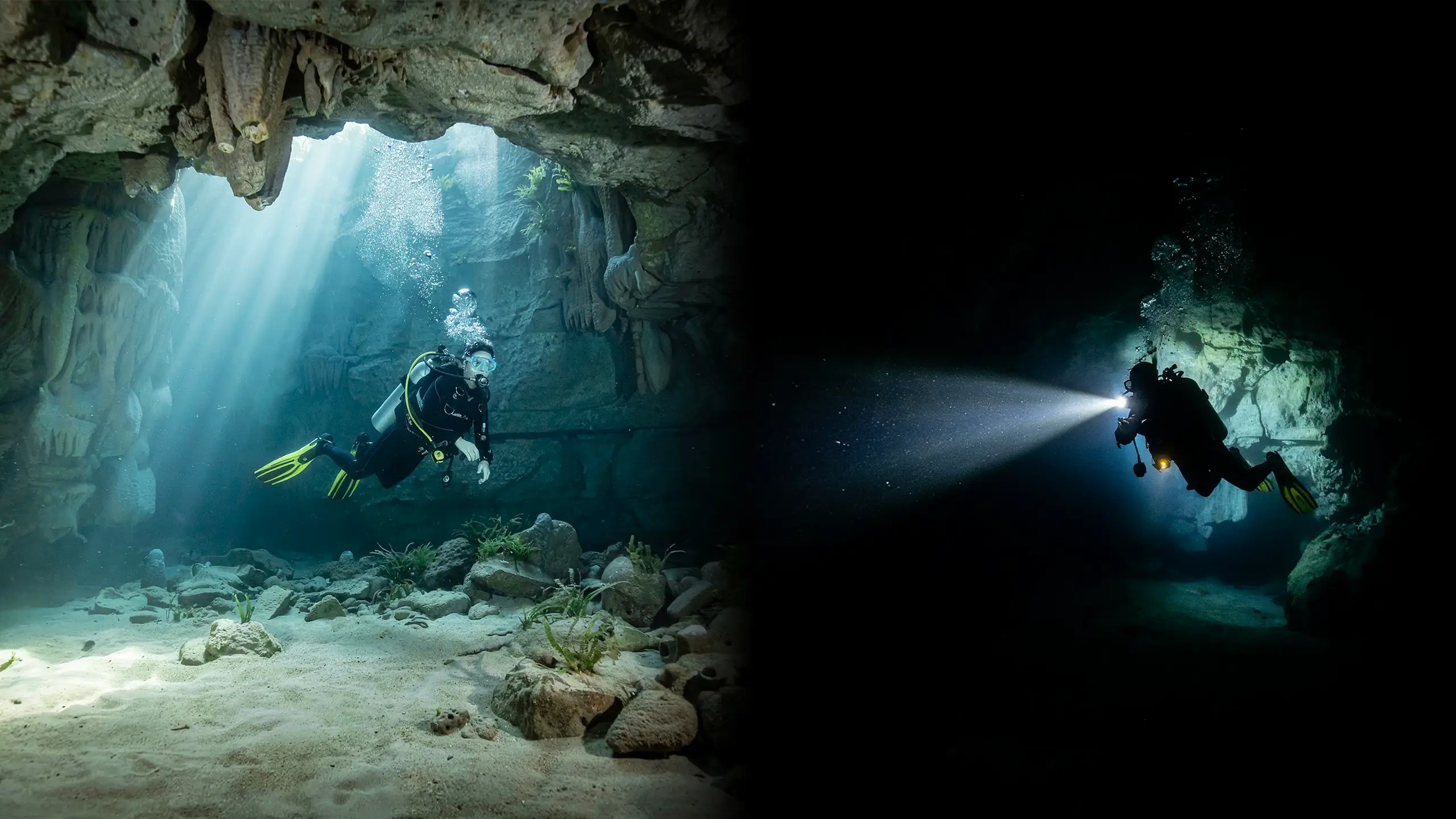
People mix these two up all the time, and that mix-up is part of why accidents happen. They are not the same sport, and the line between them matters more than most beginners realize.
| Factors | Cavern Diving | Cave Diving |
|---|---|---|
| Light | Always within sight of natural light | Total darkness past the entrance |
| Surface access | Direct path to the surface at all times | No vertical access once inside |
| Exit | Visible from most points in the dive | Must be planned before entry |
| Certification | Open Water with cavern specialty | Full Cave certification required |
| Depth limit | 100 feet maximum, 60 meters from the entrance | No fixed limit, determined by training |
| Who it suits | Recreational divers on guided tours | Trained technical divers only |
| Risk level | Manageable with a guide | High compounds fast without proper training |
Why the Distinction Matters for Risk Level:
Most fatal accidents trace back to someone treating cave diving like cavern diving, or treating cavern diving like a casual swim.
The risk jumps sharply the moment you lose your visual connection to the entrance, and a diver who isn’t trained for that jump is in real trouble.
According to NSS-CDS accident data, the majority of cave diving fatalities involve divers who were only open water or cavern certified, not full cave divers.
Why Cave Diving Is Considered So Dangerous?
Most people picture cave diving as just a darker version of scuba diving, but the danger comes from a handful of specific conditions stacking up at once.
- No direct vertical access to the surface: In open water, if something goes wrong, you swim up. In a cave, the ceiling is solid rock, which means every problem has to be solved while you’re still inside.
- Total darkness and zero visibility: Past the entrance, there’s no ambient light at all. Your dive light is your only window to the world, and if it fails or gets knocked loose, you’re working entirely by feel and memory.
- Heavy reliance on training and gear, not instinct: Open water instincts work against you here. Bolting toward an opening or breathing too fast are natural reactions that turn dangerous fast. Survival depends on drilled habits.
- How small errors compound fast: A loose fin strap or a missed gauge check is minor in open water. Inside a cave, that same slip can trigger a silt-out, a lost guideline, or air burning faster than planned.
Main Risks in Cave Diving
Cave diving accidents rarely come down to one single cause. They usually trace back to a handful of recurring risks that show up in almost every accident report.
Air Supply and Gas Management Risks
You carry only what’s on your back, and there’s no surfacing for more once you’re inside. Every cave dive is planned around having enough air to get back out, not just to get in.
Run your numbers short, and the return swim becomes a race you’re unlikely to win. Gas management is the whole plan.
Getting Lost Inside Cave Systems
Cave systems branch, double back, and, in low visibility, start to look identical in every direction. Divers rely on a continuous guideline from the entry point to find their way back out.
Losing track of that line, even briefly, is listed as a factor in more fatal cave diving accidents than almost anything else.
Silt-Outs and Zero-Visibility Events
One careless fin kick is enough. Fine sediment that’s been sitting on the cave floor for years can turn clear water into something close to muddy soup in a matter of seconds.
Once that happens, visibility can stay at zero long enough to become a serious problem, not just an inconvenience you wait out.
Tight Passageways and Entanglement Hazards
Some cave systems narrow down to gaps that leave almost no clearance around a diver’s tank.
Squeezing through with full gear takes practice, and loose hoses or a poorly clipped reel can snag on rock mid-squeeze. Fighting either situation under stress burns air and time fast.
Panic, Claustrophobia, and Disorientation
Even experienced divers have felt the walls closing in once they’re deep inside a system with no exit in sight. That’s not a minor discomfort.
Claustrophobia at depth can spike breathing rate fast enough to burn through a tank and push heart rate into dangerous territory.
Essential Cave Diving Equipment
None of this gear is optional. Every piece covers a specific failure point because inside a cave, there is no surface to fix a problem.
| Gear | What It Does | Redundancy Required |
|---|---|---|
| Air systems | Your only breathing source from entry to exit | Two independent sources with separate regulators |
| Dive lights | No ambient light exists past the entrance | Primary light plus two fully charged backups |
| Guideline reel | The only reliable path back out when visibility drops | Reel with line markers and arrow clips |
| Buoyancy and exposure | Prevents silt-outs and protects against cold cave water | BCD plus wetsuit or drysuit, nothing loose |
| Dive computer | Tracks depth, time, and ascent rate in real time | One per diver, some carry two |
| Cutting tool | Handles entanglement fast before the air runs short | Knife or shears, reachable with either hand |
Configured correctly, this gear covers most emergencies a cave diver will face. Poorly rigged, even the best kit becomes a liability underground.
Training and Certification Requirements
Cave diving certification builds in stages, each one added because of lessons learned from past accidents.
The path runs through open-water certification, cavern training, an intro-to-cave course, and finally full cave certification, with agencies like PADI, NAUI, and TDI covering gas planning, line work, and emergency drills along the way.
Skipping levels is the leading cause of fatalities, since confident open-water divers often assume their general scuba skills carry over.
Safety Rules Every Cave Diver Must Follow
These rules aren’t guidelines open to interpretation. Trained cave divers treat them as strict limits, since bending even one has ended dives badly.
- Rule of thirds and gas reserve discipline: One third of your air goes in, one third comes back out, and the final third stays in reserve for emergencies. Trained divers never touch that reserve.
- Always staying on the guidelines: The line is the one constant connection to the exit. Divers keep physical or close visual contact with it at all times, especially once visibility drops.
- Turnaround pressure rule: Every dive has a preset tank pressure that triggers the turn-back, no matter how far the diver has gone or how good the conditions look.
- Slow movement to avoid silt disturbance: Fast fin kicks easily trigger a silt-out. Cave divers move slowly and use controlled frog kicks that keep sediment on the floor where it belongs.
What Cave Diving Feels Like Underwater
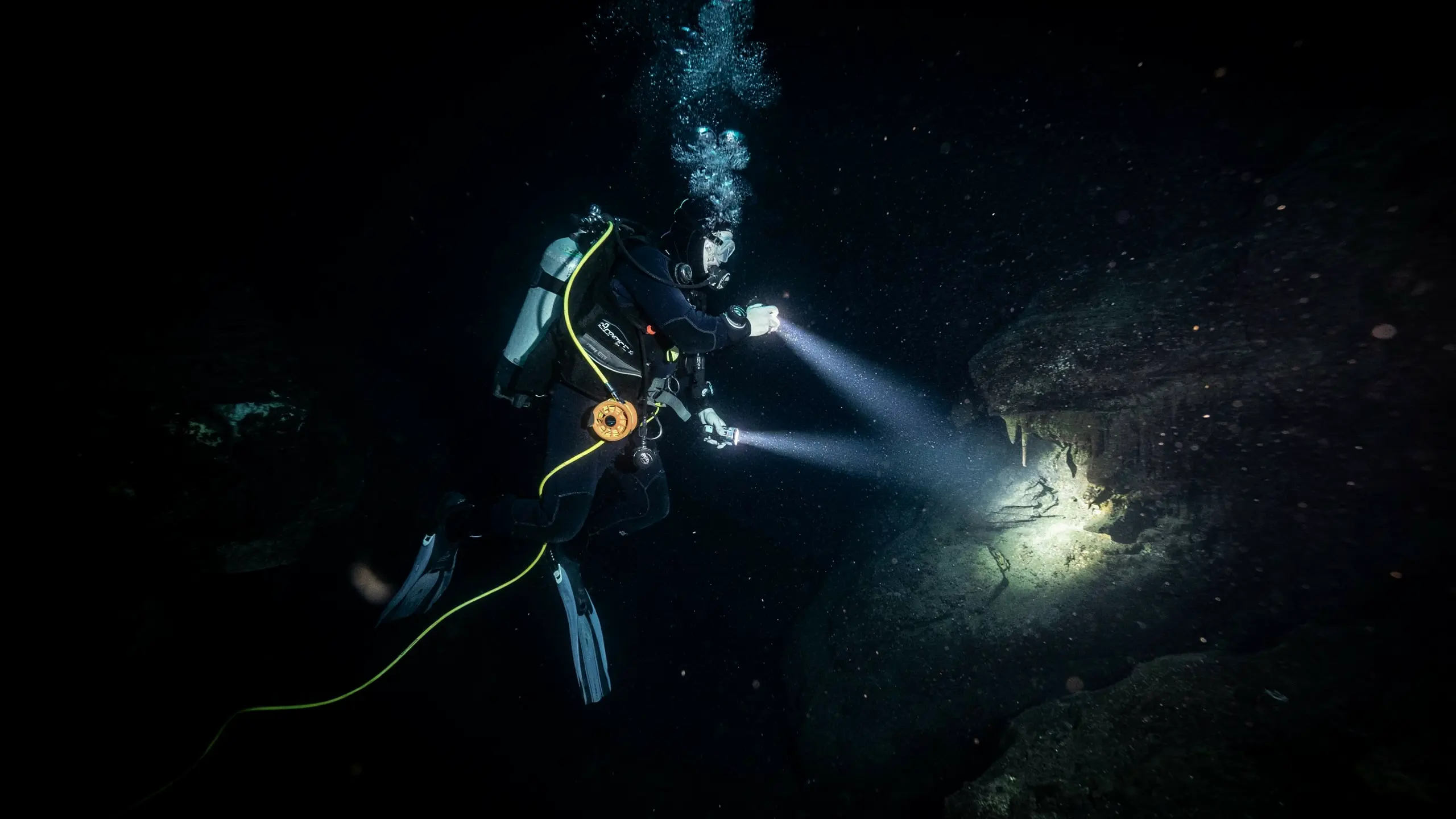
The first thing that hits you is the silence. No waves, no current pulling at you, just the sound of your own breathing through the regulator.
Once you pass the light zone, your dive light becomes your whole world, picking out rock formations that look almost untouched by time.
There’s a strange mix of calm and focus, since every move has to be deliberate. It’s quiet, controlled, and unlike anything else in water sports, but it leaves zero room for distraction.
How Dangerous Is Cave Diving?Data from cave diving accident analyses show most deaths involve recreational divers who swam past warning signs without cave-specific training or gas planning, not certified divers following protocol. Among divers who complete full cave certification, the fatality rate stays low compared to the total dives logged each year. It climbs sharply for untrained divers entering zones they were never prepared for. |
Common Mistakes That Lead to Cave Diving Accidents
These mistakes recur in accident reports, usually as combinations rather than single causes.
- Overestimating air supply: Assuming there’s plenty of air left without checking gauges on a set schedule is one of the most common mistakes.
- Losing or ignoring the guideline: Wandering off the line to look at a formation, even briefly, can mean losing the one reliable path back.
- Skipping proper training progression: Jumping from open water straight into cave zones without cavern or intro-to-cave training removes skills that prevent emergencies.
- Diving without a buddy or proper protocol: Solo cave diving removes a safety layer. A buddy can spot problems early and help when one diver’s light or focus fails.
Pro Tip: Entering a cave system without proper certification is the single most repeated factor in fatal cave diving accidents.
Best Places for Cave Diving Around the World
These spots share clear water, established guidelines, and active dive communities, which is exactly why they’ve become the standard for training.
Mexico’s Cenotes in The Yucatán Peninsula

The cenotes around Tulum and Playa del Carmen are among the most well-known cave-diving spots, with clear water and striking limestone formations.
- Typical depth: 16 to 98 feet for recreational cavern dives
- Visibility: Often 100+ feet, sometimes near unlimited
- Certification needed: Open Water minimum for cavern zones, Full Cave for deeper systems
- Season: Year-round, best visibility April through October
Pro tip: Bring a 3- 5 mm wetsuit even if the water feels warm; long dives add up.
Pro tip: Bring a 3- 5 mm wetsuit even if the water feels warm; long dives add up.
Florida’s Spring-Fed Cave Systems
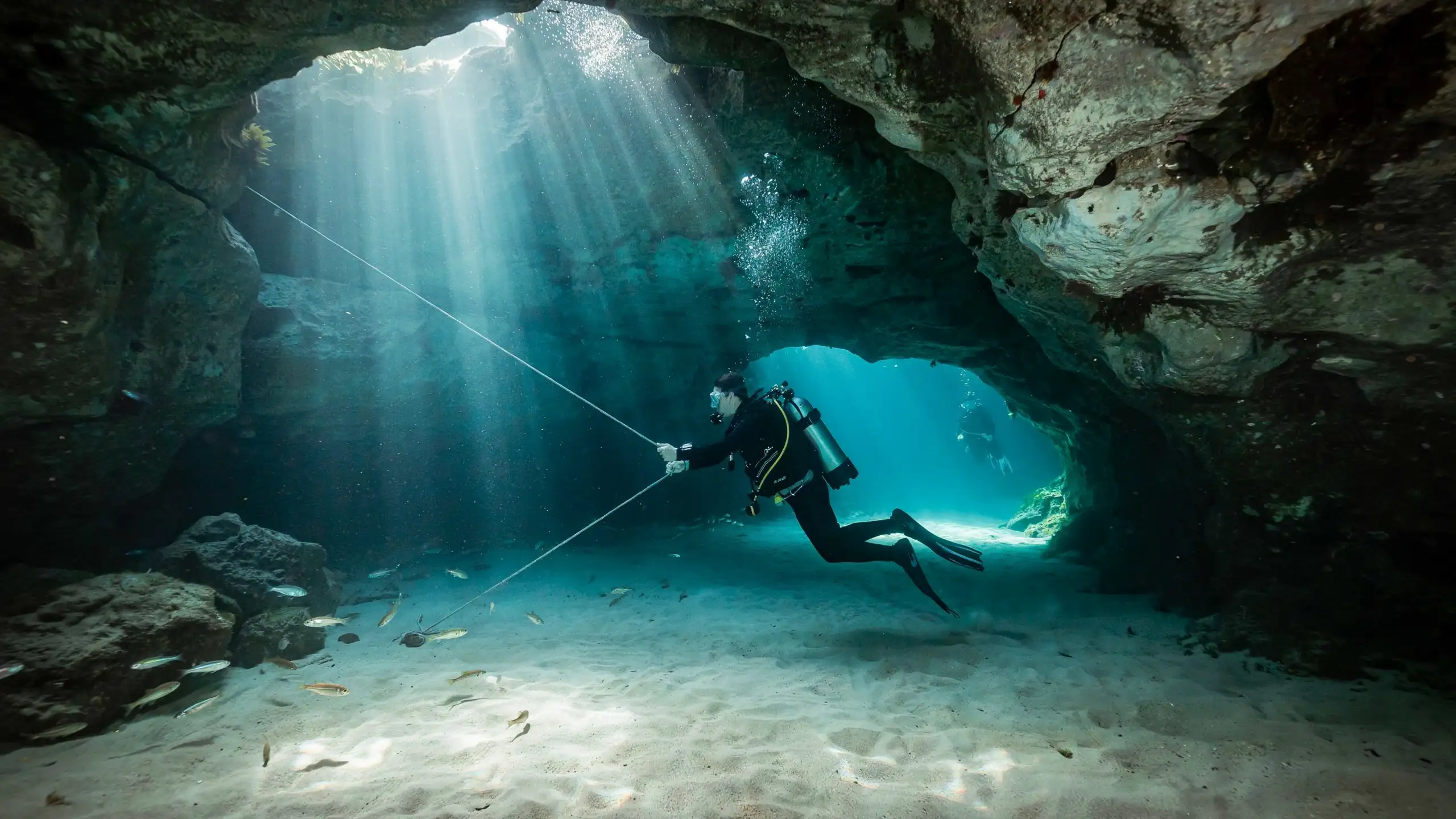
Florida systems, including Ginnie Springs and Peacock Springs, are where much of modern cave-diving training and safety protocols actually took shape.
- Typical depth: 16 to 60 feet in cavern zones
- Visibility: Commonly 100+ feet
- Certification needed: Open Water for the cavern-only Ballroom; Full Cave required beyond the grated entrance
- Water temperature: A constant 72°F year-round
Pro tip: Visit on a weekday. Crowds on summer weekends stir up silt and reduce visibility fast.
The Bahamas’ Blue Holes
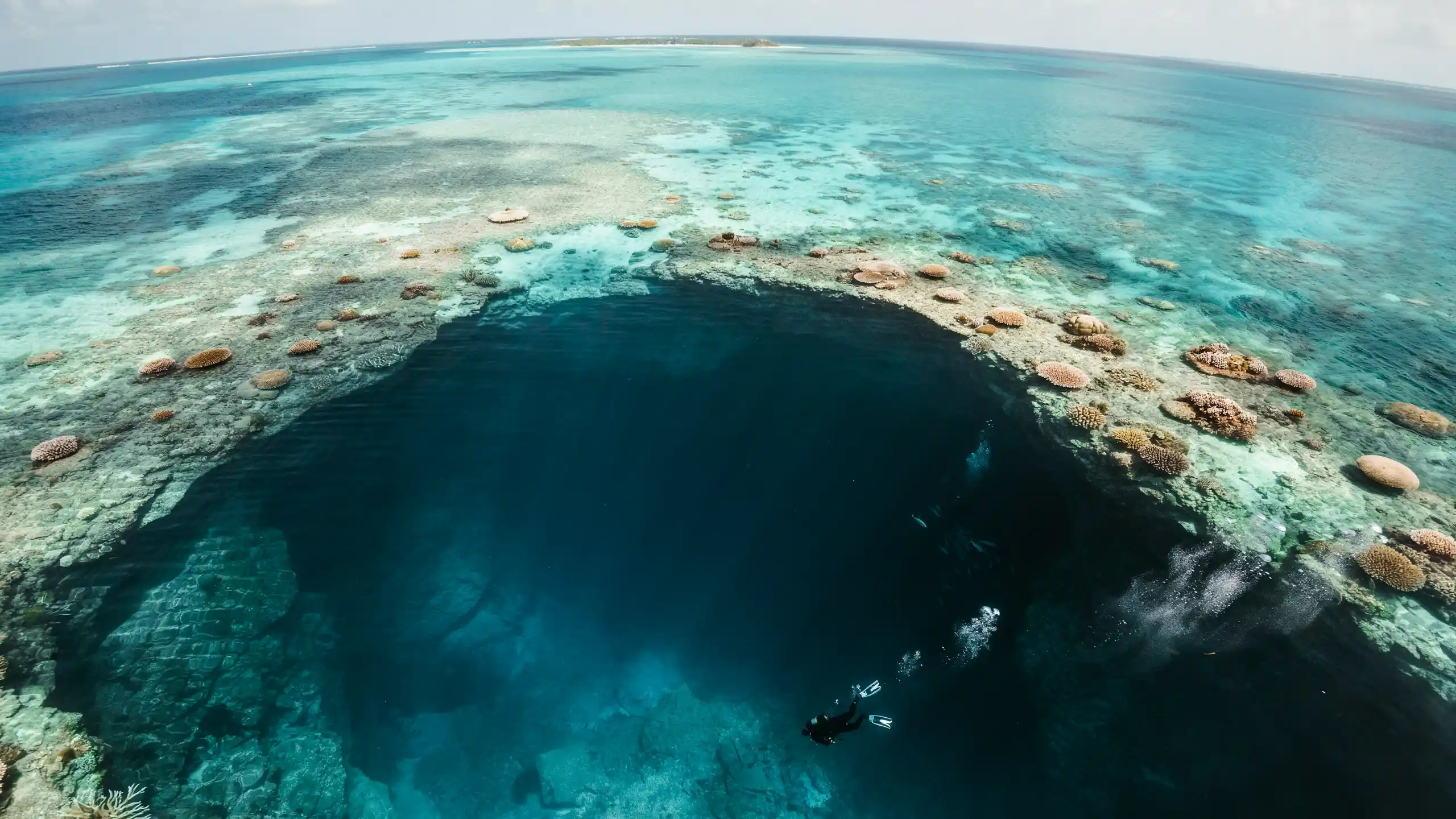
The Bahamas’ blue holes drop into deep, dark systems that attract experienced divers looking for serious depth and complex passageways.
- Typical depth: Open Water divers limited to about 60 feet; Advanced Open Water up to 100 feet; the hole itself plunges past 600 feet
- Visibility: 15 to 30 meters (about 50 to 100 feet)
- Certification needed: Open Water for the rim, Advanced Open Water, or technical training for deeper sections
- Water temperature: 75 to 82°F year-round
Pro tip: Stick to your certified depth limit. The drop-off here is sudden, and disorientation at the edge is a known risk.
Bottom Line
Cave diving sits somewhere between extreme sport and disciplined science, especially when compared through the contrast between underwater exploration and cave diving and dry caving approaches to confined environments.
The danger is real, but it’s manageable for divers who respect the training, follow the rules, and never let confidence outpace preparation.
After multiple years working across rivers, oceans, and coastlines, I can say cave diving demands more discipline than almost anything else in this space.
That respect for the environment, not bravado, is what keeps divers coming back up. If you’re thinking about taking this on, start with a certified cavern course before going anywhere near the dark.
Frequently Asked Questions
Is Cave Diving Safe for Beginners?
No. Beginners need cave-specific certification in addition to open-water training, so they should stick to cavern diving first.
How Dangerous Is Cave Diving Compared to Scuba Diving?
Cave diving is riskier because there’s no direct path to the surface and air management must be far more precise.
What Happens if A Cave Diver Loses the Guideline?
It’s treated as a life-threatening emergency. Divers are trained to stay calm, stop, and follow set search procedures to relocate the line.
Is Cave Diving More Dangerous than Ice Diving?
Yes, generally. Cave diving usually involves greater penetration distances and longer paths back to an exit than wreck or ice diving, which raises the stakes if something fails.