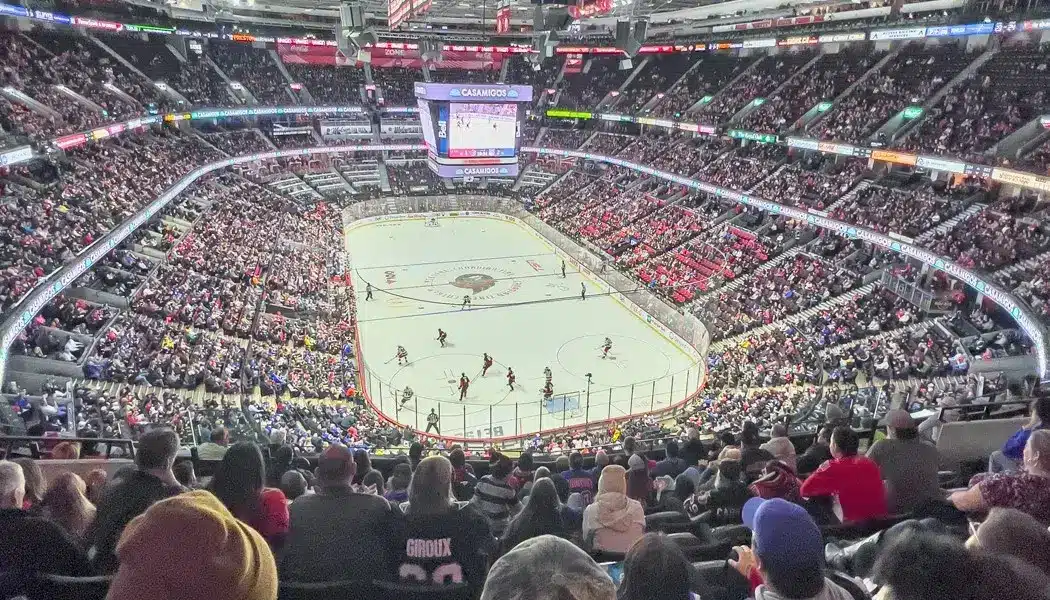
Canada offers an unusual opportunity for winter travellers: experiencing professional hockey and exploring snow-covered landscapes within the same journey. From Vancouver’s coastal mountains to Montréal’s historic neighbourhoods, several major hockey destinations also provide access to outdoor activities. Combining these experiences creates a holiday that goes beyond watching a game from the stands.
Planning such a trip involves more than securing tickets. NHL schedules, weather conditions, transportation, and seasonal attractions all influence how much visitors can realistically experience. For fans interested in the competitive side of the sport, resources covering canada hockey betting provide additional context through matchup odds and team comparisons. These figures reflect market expectations rather than guaranteed outcomes, while the journey itself offers opportunities to explore Canada’s sporting culture.
A successful itinerary balances scheduled events with flexible outdoor excursions. Hockey games provide fixed dates around which travellers can arrange skiing, skating, snowshoeing, or sightseeing. The key is choosing destinations where winter recreation complements the hockey experience without creating unnecessary travel complications.
Which Canadian Cities Combine Hockey With Outdoor Adventure?
Canada’s NHL cities offer different winter experiences depending on geography, climate, and access to recreational areas. Some provide mountain excursions, while others are better suited to urban skating, forest trails, and cultural attractions.
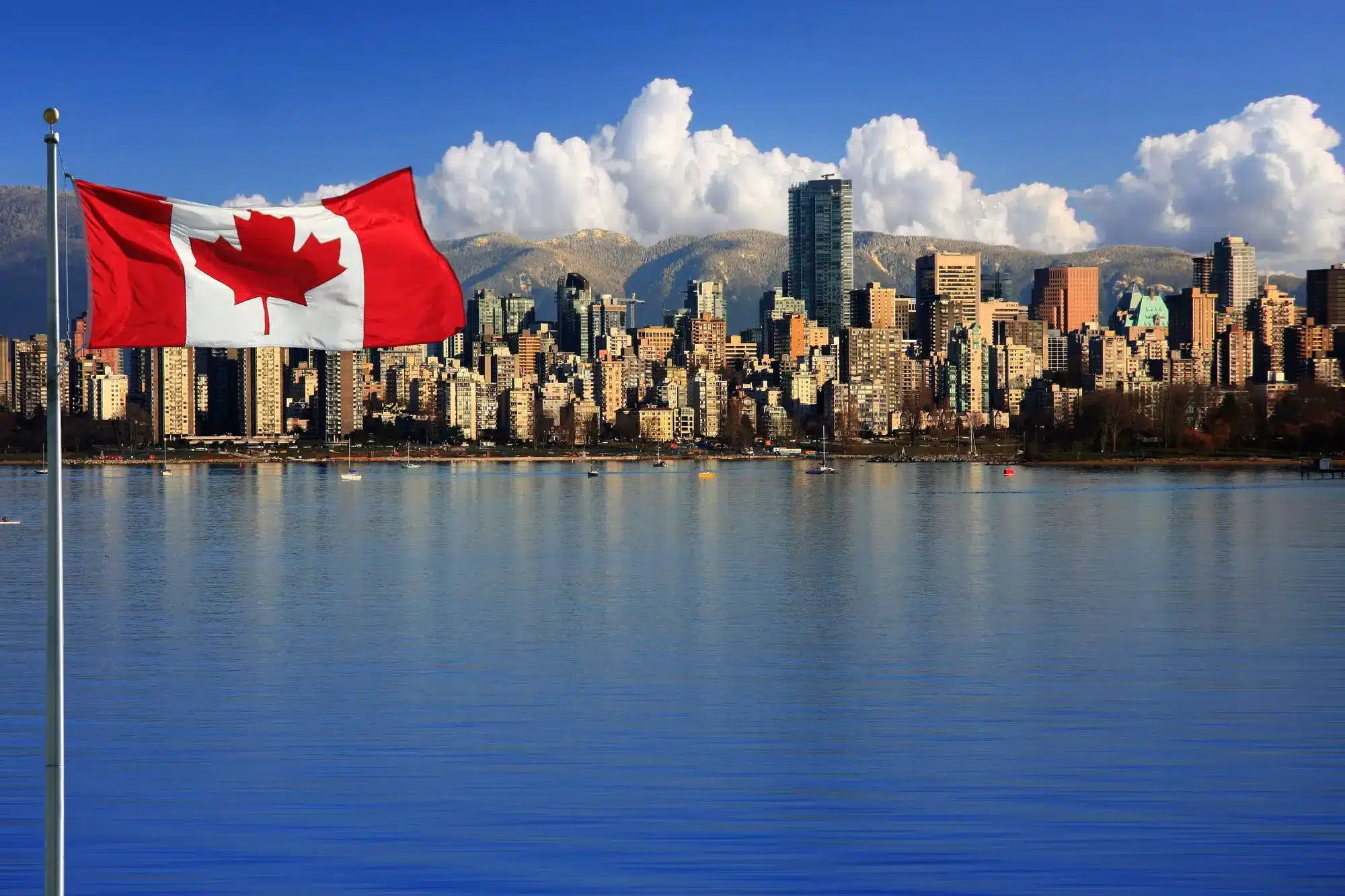
Vancouver is particularly interesting because its relatively mild coastal climate contrasts with snowy mountain conditions nearby. Visitors attending a Canucks game can explore winter recreation areas around the North Shore, where skiing and snowshoeing opportunities depend on seasonal conditions.
Calgary offers another approach. A Flames game can anchor a longer Alberta itinerary that includes the Rocky Mountains, with Banff providing opportunities for winter walking, skiing, and scenic exploration. Travellers should allow additional time for transportation and changing mountain weather.
Farther east, Toronto, Ottawa, and Montréal offer urban experiences alongside accessible winter activities. Their museums, restaurants, neighbourhoods, and outdoor skating options make them attractive for visitors who prefer a combination of sporting events and cultural exploration.
|
Destination |
NHL team |
Winter adventure options |
Planning consideration |
|
Vancouver, British Columbia |
Vancouver Canucks |
Mountain skiing, snowshoeing, coastal walks |
Mountain snow conditions differ from downtown weather |
|
Calgary, Alberta |
Calgary Flames |
Rocky Mountain excursions, winter hiking, skiing |
Allow additional travel time for Banff |
|
Toronto, Ontario |
Toronto Maple Leafs |
Urban skating, winter walks, nearby conservation areas |
Popular hockey dates may require early ticket planning |
|
Ottawa, Ontario |
Ottawa Senators |
Rideau Canal skating when conditions permit, cross-country skiing |
Outdoor ice availability varies with weather |
|
Montréal, Québec |
Montréal Canadiens |
Mount Royal exploration, outdoor skating, nearby ski destinations |
Consider travel distances between city and mountain activities |
These destinations should not be treated as interchangeable. A traveller prioritizing mountain sports may find western Canada more suitable, while someone interested in history, food, and accessible urban recreation may prefer Ontario or Québec.
How Should Travellers Build an Itinerary Around NHL Games?
The most practical starting point is the official NHL schedule. Unlike many outdoor activities, professional hockey games occur at fixed times and venues, making them useful anchors for a multi-day trip.
A four-day itinerary could include one hockey game, two outdoor experiences, and a flexible day for sightseeing or weather-related adjustments. For example, visitors staying in Calgary might attend a Flames game before arranging a separate mountain excursion.
Several planning principles help make the experience manageable:
- Confirm the game schedule: Check official fixtures and ticket availability before booking non-refundable accommodation.
- Separate major activities: Avoid scheduling strenuous mountain excursions immediately before an evening game when travel delays are possible.
- Monitor weather forecasts: Snow, freezing rain, and extreme temperatures can affect transportation and outdoor access.
- Reserve equipment when necessary: Ski rentals, guided excursions, and specialized winter gear may require advance arrangements.
- Maintain a flexible day: Keep an alternative indoor activity available if outdoor conditions change.
Transport choices also influence the itinerary. Travellers visiting multiple Canadian regions should recognize that the country’s geographical scale makes some combinations impractical without domestic flights.
For shorter holidays, exploring one province or metropolitan region often provides a more relaxed experience than attempting to visit several distant NHL cities.
Understanding Hockey Matchups as Part of the Travel Experience
Attending a hockey game becomes more engaging when visitors understand the teams, their recent performances, and the context surrounding a matchup. Even travellers unfamiliar with the NHL can benefit from reviewing basic statistics before arriving at the arena.
Useful information includes recent results, injury reports, standings, and whether a team is playing consecutive games. These details can help explain expectations surrounding a particular fixture without requiring advanced knowledge of hockey tactics.
Betting odds represent another form of pre-game information. They express an implied assessment of possible outcomes, although sportsbook margins mean the figures should not be interpreted as objective probabilities.
For example, decimal odds of 2.00 correspond to a simple implied probability of 50% before accounting for the bookmaker’s margin. The calculation is straightforward, but it does not establish that either team has an actual 50% chance of winning.
Hockey analysis can enrich the viewing experience without financial participation. Following team news and understanding the competitive context are sufficient for visitors whose main interests are sport and travel.
What Makes Winter Adventure Planning Different in Canada?
Canada’s winter landscape offers considerable variety, but seasonal conditions introduce practical challenges. Coastal British Columbia, the Alberta Rockies, and eastern Canadian cities can experience very different weather during the same week.
Temperature alone does not determine whether an activity is suitable. Wind, precipitation, daylight, trail maintenance, and avalanche conditions can all affect outdoor recreation.
For beginners, established urban trails and supervised recreational facilities provide a more manageable introduction than remote backcountry terrain. More demanding winter activities may require specialist equipment, local guidance, and previous experience.
Parks Canada identifies snowshoeing, cross-country skiing, winter walking, and fat biking among the activities available at participating national parks. However, access and operating conditions vary by destination and season.
Outdoor skating requires particular care. Ottawa’s Rideau Canal Skateway, for example, depends on sufficiently cold conditions and official opening decisions. Travellers should never assume natural ice is safe without confirmation from the responsible authority.
Combining professional hockey with outdoor recreation also creates an interesting contrast. Inside an NHL arena, visitors encounter a highly organized competitive environment. Outside, the Canadian winter offers a more personal experience shaped by weather, physical activity, and landscape.
Making the Most of a Canadian Hockey Journey
A Canadian winter hockey adventure works most effectively when the sporting event provides structure without dominating the entire itinerary. Travellers can choose destinations according to their preferred outdoor activities, then coordinate those experiences with suitable NHL fixtures.
Vancouver and Calgary offer access to mountainous environments, while Toronto, Ottawa, and Montréal provide opportunities to combine hockey with urban winter recreation. Each requires different preparation, particularly regarding transportation and weather.
Careful planning, realistic activity choices, and attention to local conditions help turn a single hockey game into a broader travel experience. Ultimately, the value of the journey lies in discovering how Canada’s sporting traditions connect with its diverse winter landscapes.