


I still remember paddling out at a new spot, thinking it would feel just like the others I’d surfed before. Same ocean, same board, how different could it be?
Within minutes, I knew I was wrong. The wave moved faster, the takeoff felt steeper, and suddenly I was second-guessing things I didn’t even think about before. That’s when it clicked: not all waves are built the same, and not every surf spot suits every surfer.
That’s really what people mean when they talk about the best surfing in the world. It’s not about chasing the biggest or most famous breaks.
It’s about finding waves that fit your level, your pace, and the kind of session you actually enjoy.
What Makes a Surf Spot “The Best”?
It’s easy to assume bigger waves mean better surfing, especially when most people picture the biggest waves ever surfed. In reality, that’s only a small part of it. A good surf spot usually comes down to a few things:
- Wave type: Beach breaks are softer and more forgiving. Reef and point breaks tend to be more defined but can be less forgiving.
- Consistency: A spot that works most days is often more valuable than one that’s perfect once in a while.
- Crowds: Even a great wave can feel stressful if it’s packed.
- Ease of Access: Some of the best experiences come from places that are simple and not overbuilt.
If you’ve spent any time in the water, you know this already. The “best” wave is usually the one that lets you settle in, catch a few good rides, and leave feeling like you want to come back.
Best Surf Spots in the World for Beginners
If you’re new, it helps to take things slow, especially if you’re just getting started with surfing.
1. Waikiki, Hawaii
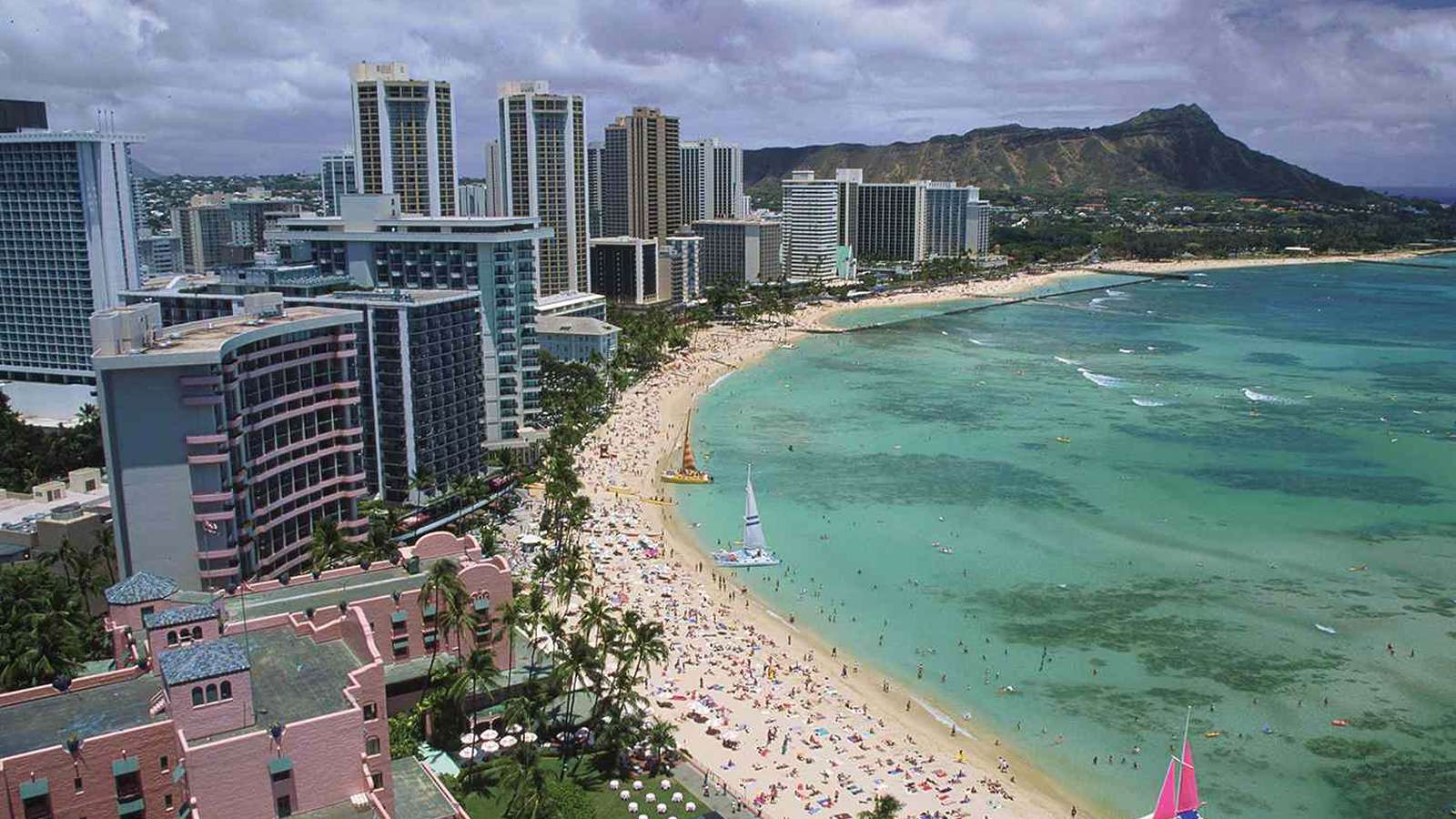
This is one of those places where learning feels natural. The waves are long, slow, and predictable, which means you’re not scrambling to stand up.
You get a proper ride, time to adjust your stance, and a chance to understand how the wave carries you forward. It’s also one of the few places where you can catch multiple waves in a session without feeling overwhelmed.
Best time to visit: Year-round, with smaller swells in summer
2. Taghazout, Morocco
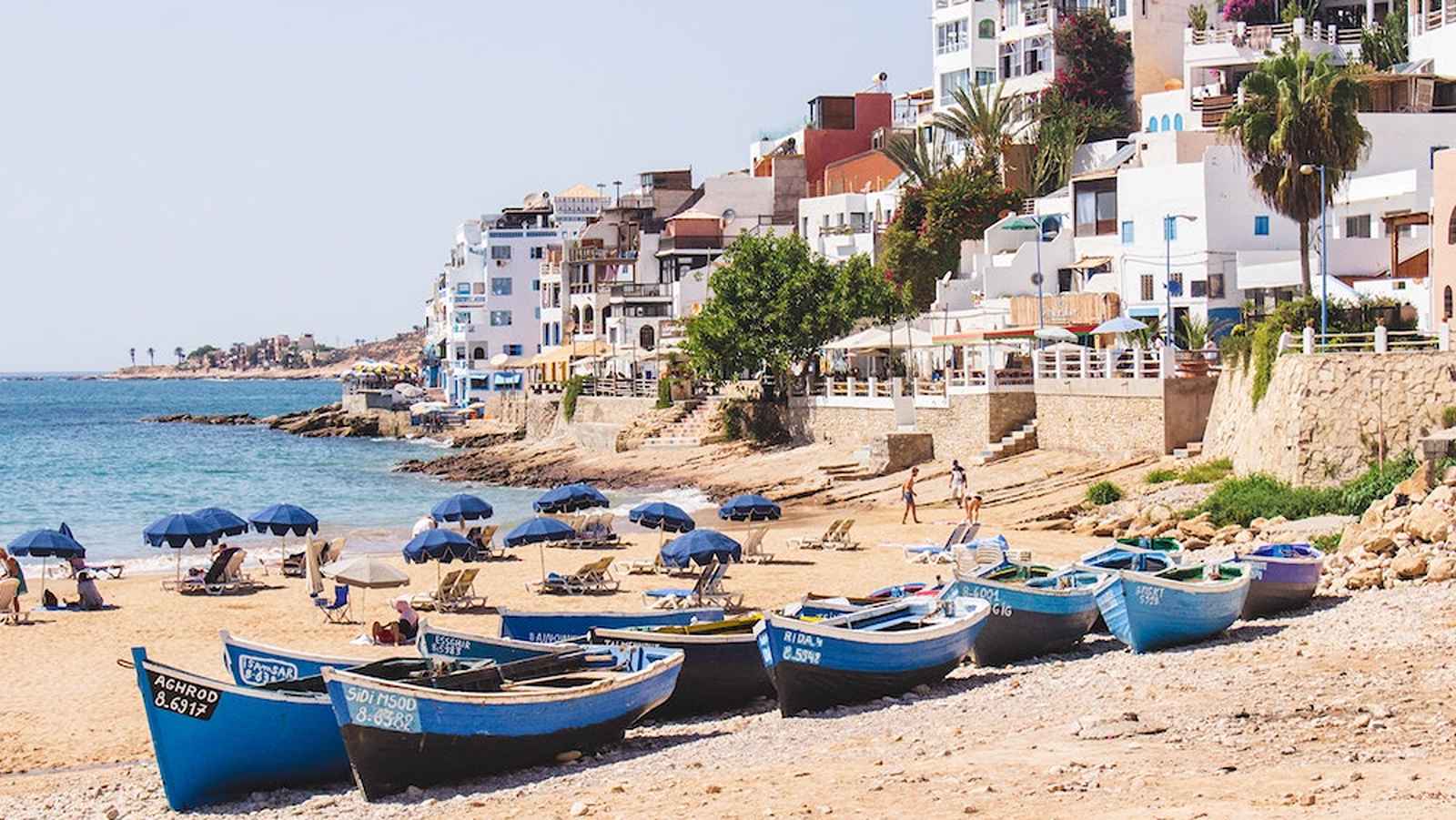
Taghazout has a relaxed pace that suits beginners well. The beach breaks here are softer compared to more powerful reef waves nearby, so you can focus on balance and timing instead of worrying about steep drops.
It’s also a place where you can ease into surfing gradually, with different spots along the coast offering slightly varied conditions.
Best time to visit: Autumn to spring
3. Byron Bay, Australia
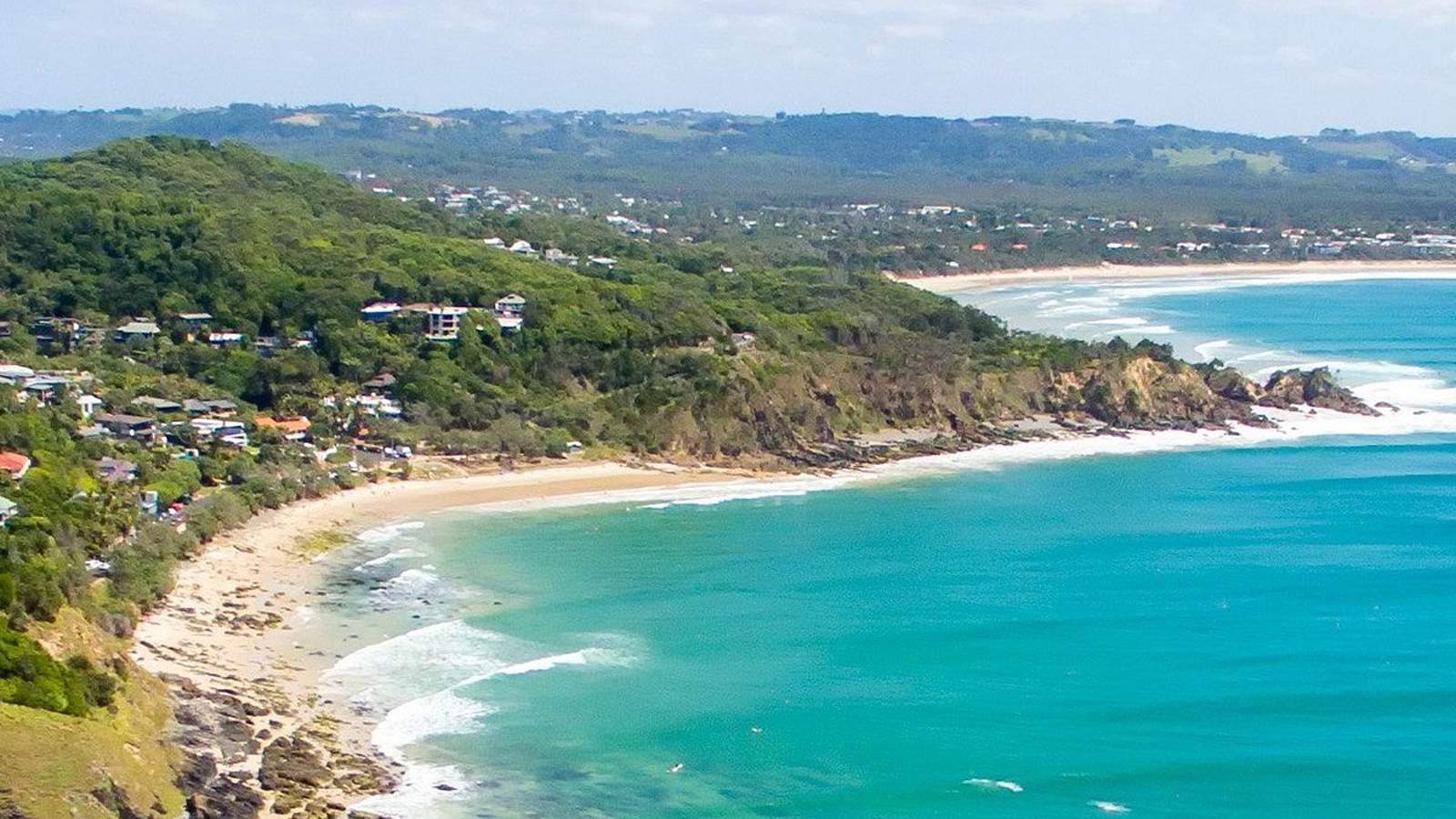
Byron Bay offers a mix of space and forgiving waves, which makes a big difference when you’re learning. You’re not fighting for every wave, and the softer conditions give you room to make mistakes without pressure.
It’s a good place to spend longer sessions in the water, slowly building confidence while getting used to reading waves.
Best time to visit: March to May, September to November
4. Weligama, Sri Lanka
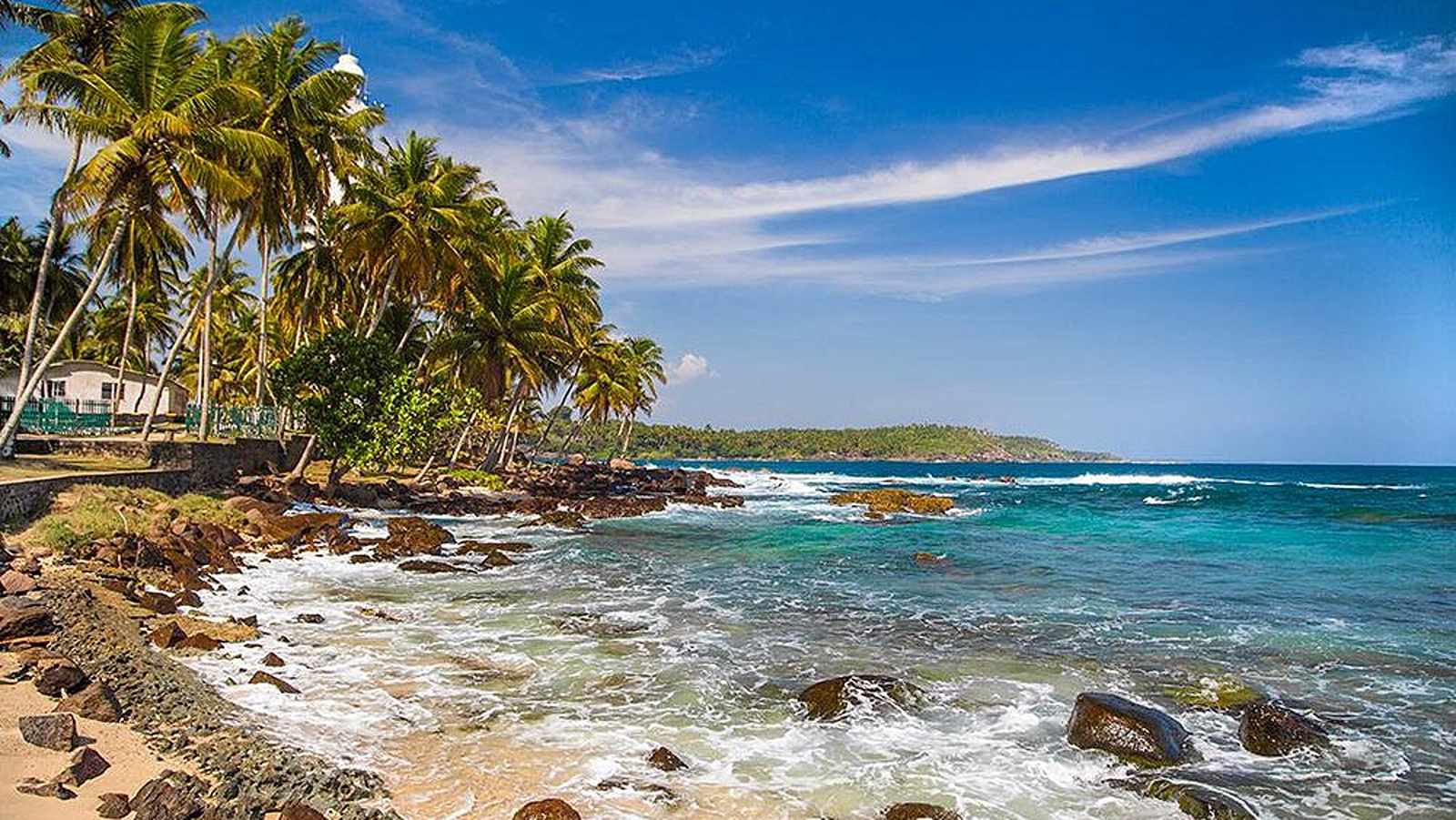
Weligama is known for its wide, sandy bay and steady, gentle waves. There are no sudden drops or tricky sections, which makes it easier to focus on basics like paddling, popping up, and staying balanced.
The consistency here helps a lot; you’ll get repeated chances to practice instead of waiting long periods between waves, which makes it a good place if you’re trying to learn to surf in a steady, low-pressure setting.
Best time to visit: November to April
5. Santa Teresa, Costa Rica
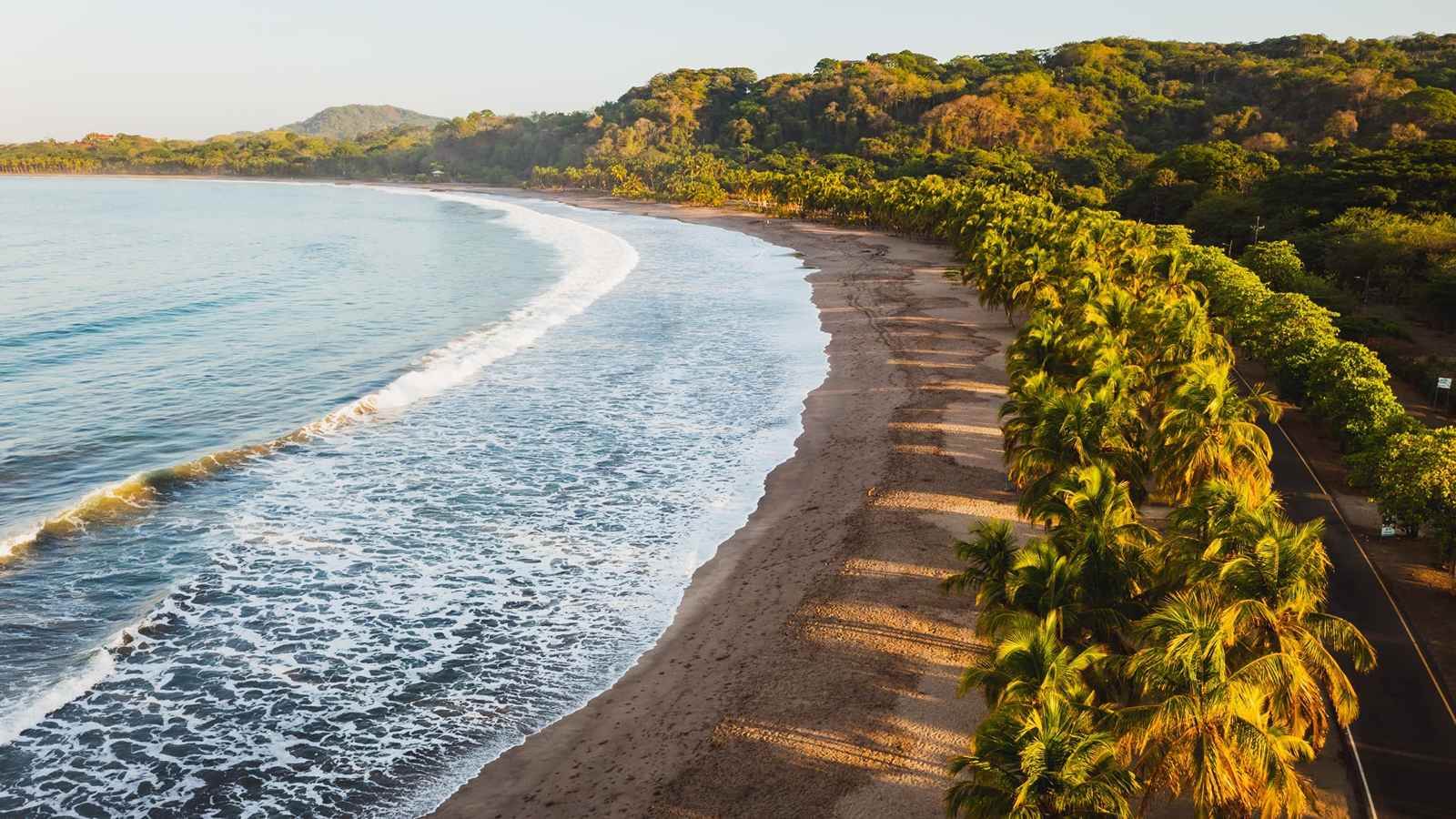
Santa Teresa is a small, laid-back surf town known for its mellow waves and welcoming atmosphere. The consistent beach breaks are ideal for beginners who want to focus on getting the basics right.
With warm water and a relaxed vibe, it’s the perfect place to spend hours on the water without feeling stressed.
Best time to visit: Year-round
6. Kuta Beach, Bali
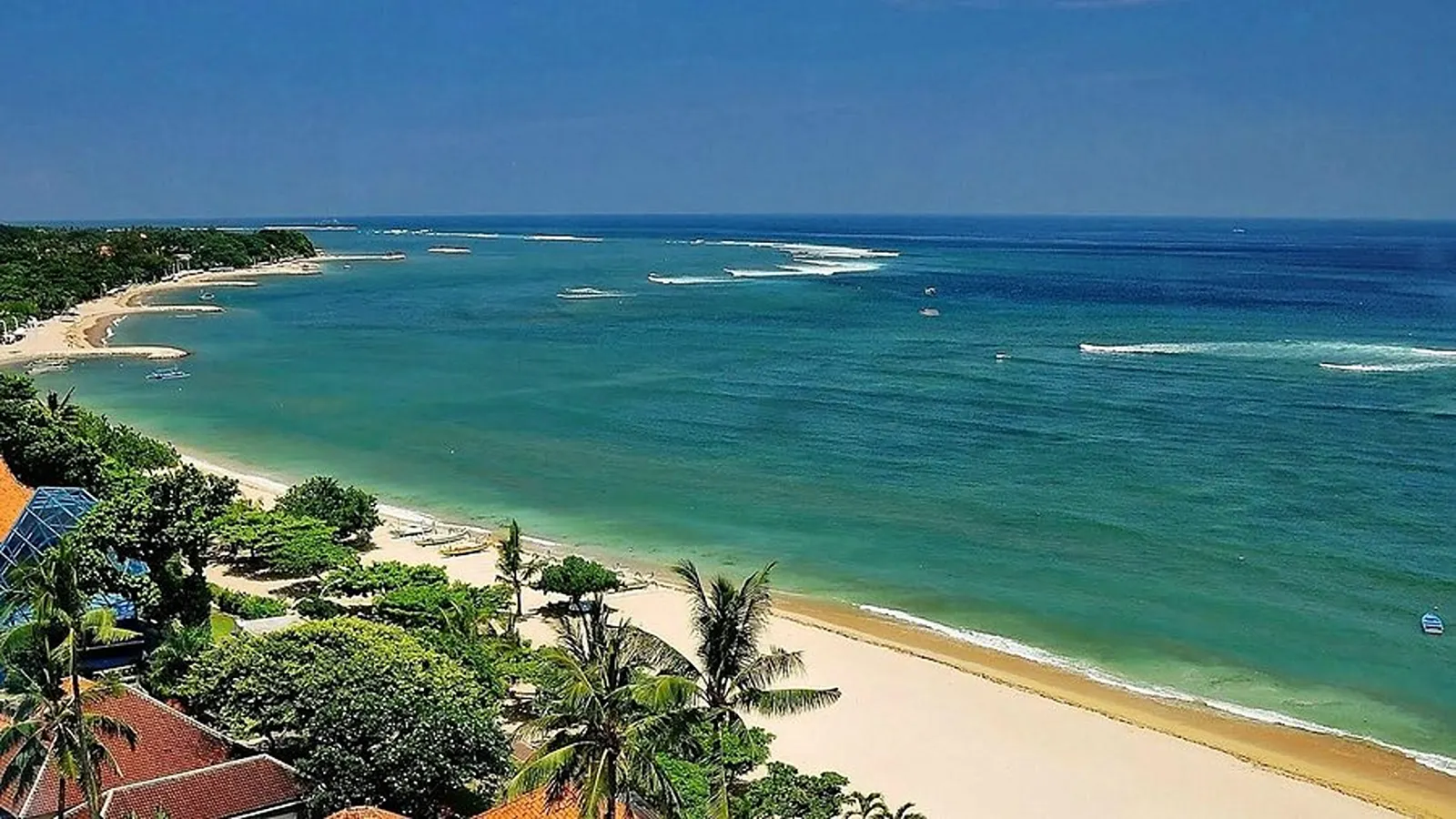
Kuta Beach in Bali is famous for its long sandy shoreline and gentle beach breaks, making it a top choice for beginner surfers.
The waves here are consistent, not too powerful, and perfect for those learning to surf. Kuta’s warm water, excellent surf schools, and lively atmosphere make it an inviting destination for newbies.
Best time to visit: April to October
7. Canggu, Bali
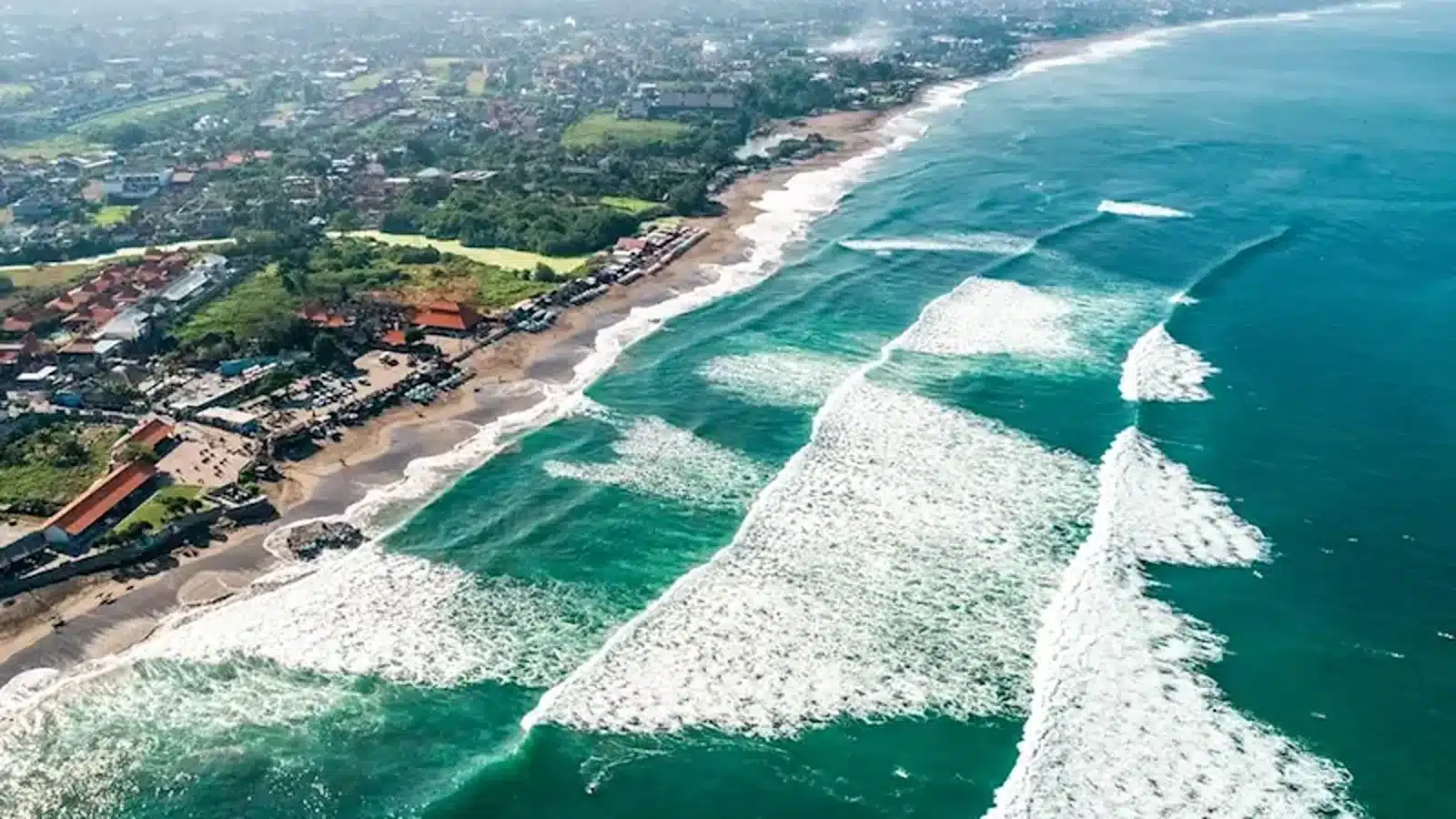
Canggu is another beginner-friendly surf spot in Bali, known for its relaxed vibe and consistent waves.
While Canggu’s waves are a little more powerful than Kuta’s, they are still manageable for newcomers who want to challenge themselves a bit. There are also numerous surf schools and rental shops to make your learning process easier.
Best time to visit: April to October
8. Hossegor, France
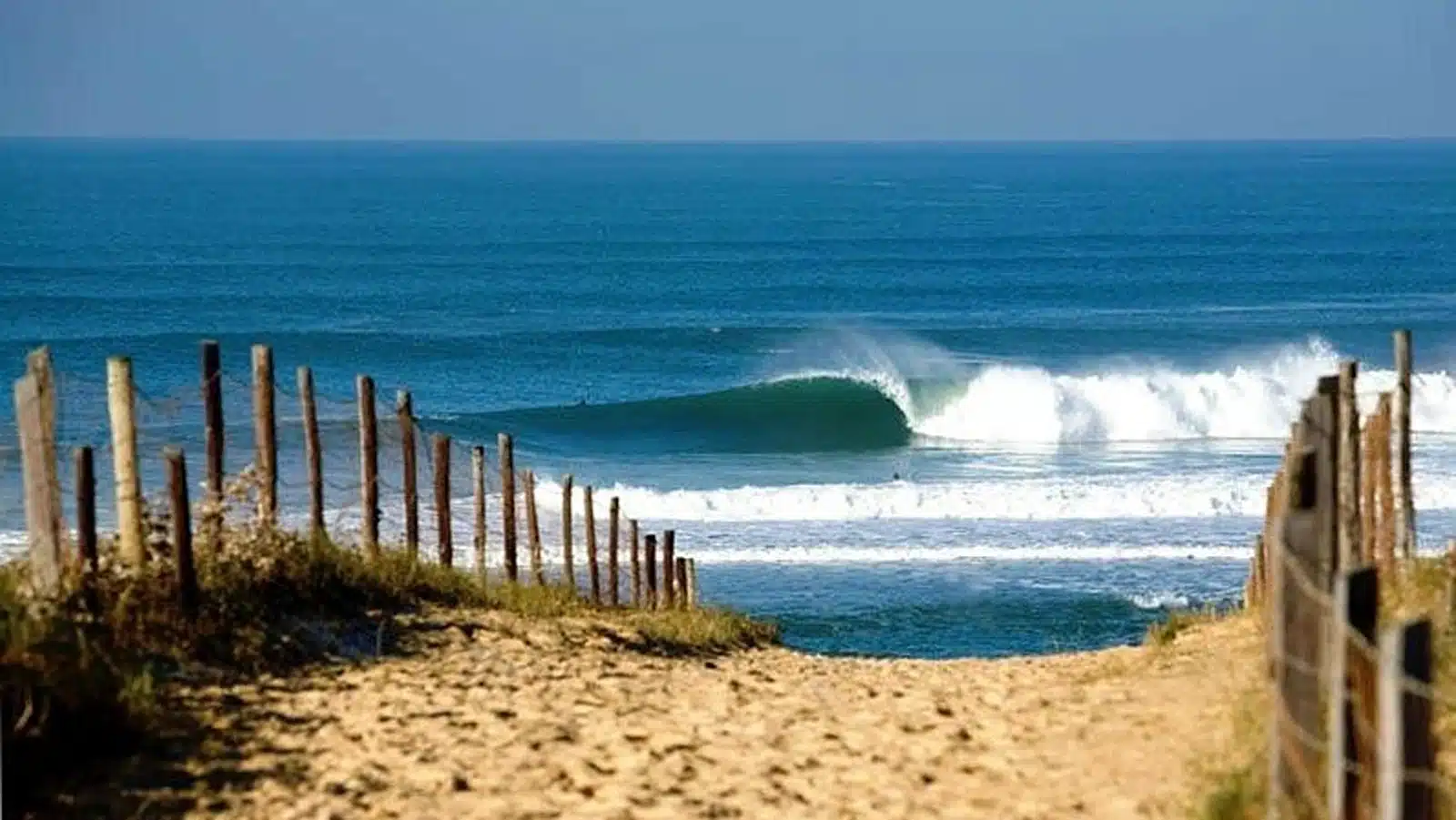
Hossegor, often called the “surfing capital of Europe,” is a top destination for beginner surfers. Its wide, sandy beaches and consistent beach breaks offer ideal conditions for those new to the sport.
While famous for powerful reef breaks in the winter, the summer months provide smaller, more manageable waves that are perfect for learning.
Hossegor also boasts a vibrant surf culture, with numerous surf schools, rental shops, and cafes along the coast, making it a welcoming environment for newcomers.
Best time to visit: May to September
These beginner-friendly surf spots offer ideal conditions, allowing you to build confidence and improve your skills in a relaxed environment.
Unique Surf Spots for Intermediate Surfers
Once you’re comfortable catching waves and turning, things open up. This is where surfing starts to feel more personal.
9. Uluwatu, Bali
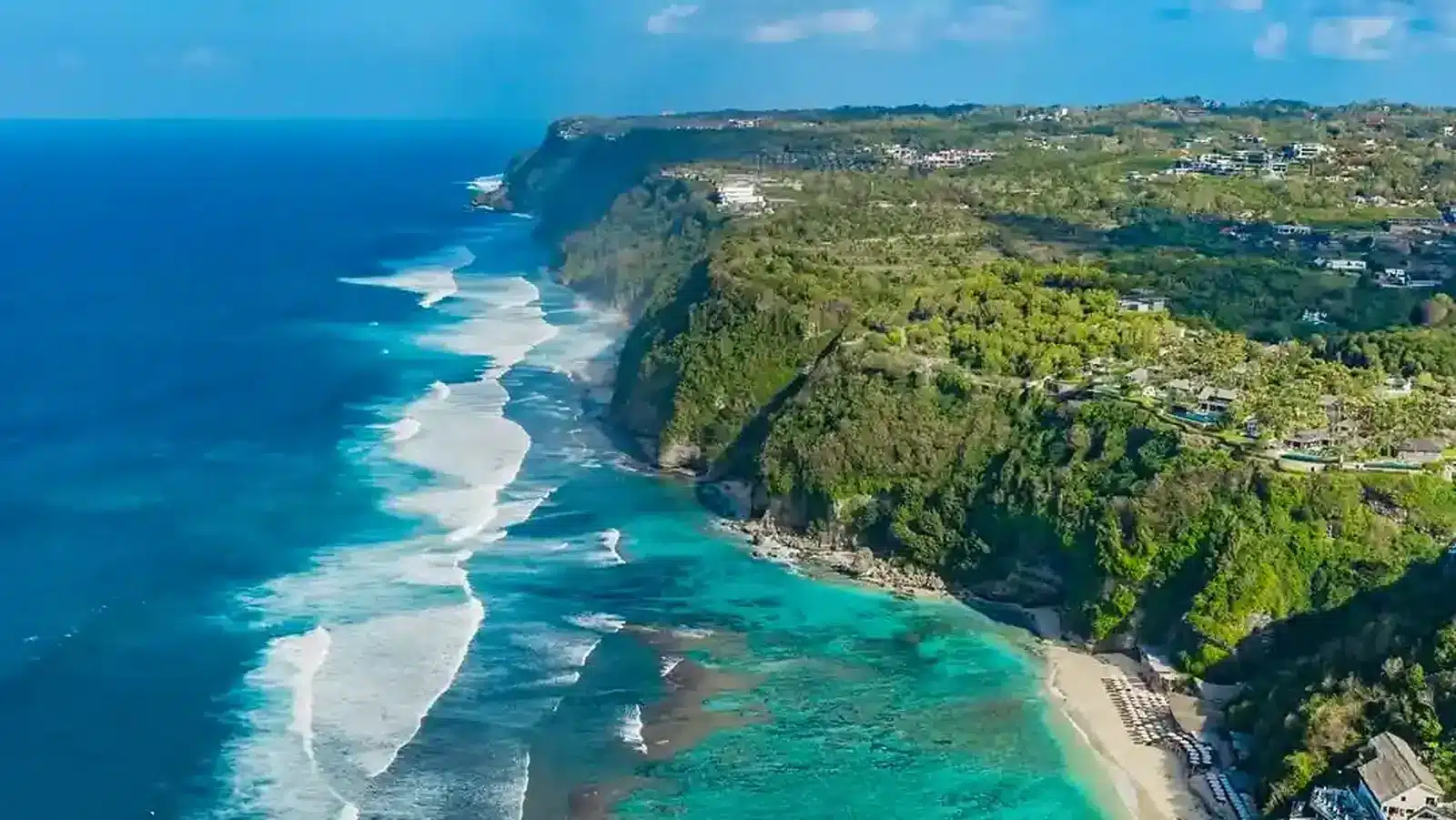
Uluwatu isn’t just a single wave; it’s a series of sections that break along the reef. Depending on where you sit, you can find something slightly more manageable or more challenging.
The wave has more speed and shape than beginner spots, so positioning becomes more important.
It’s also a place where you’ll need to pay attention to entry and exit points, as getting in and out of the water can be part of the learning curve.
Best time to visit: April to October
10. Jeffreys Bay, South Africa
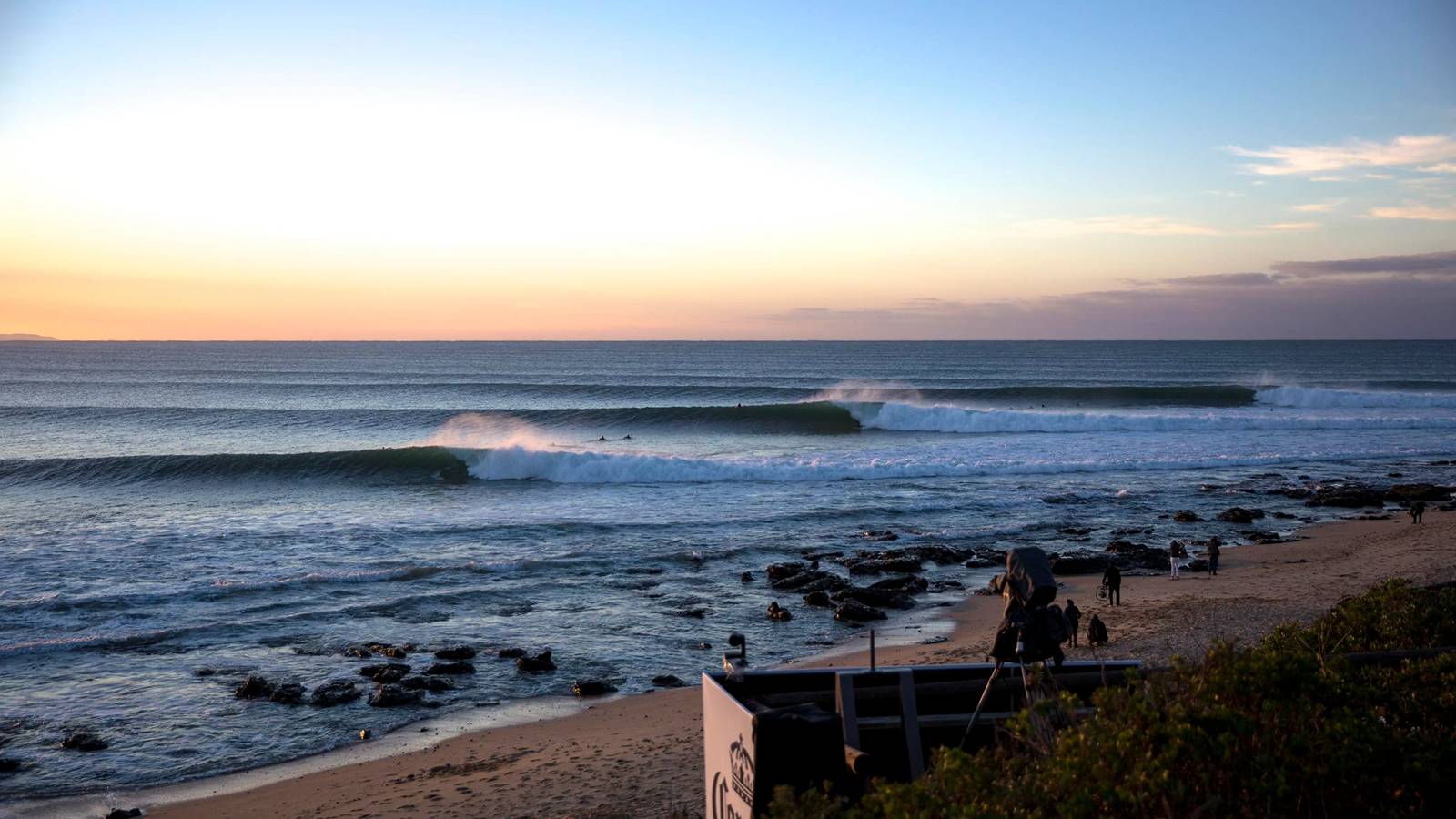
Jeffreys Bay is known for its long, clean rides, and that’s what makes it stand out. When the conditions line up, the wave peels in a way that lets you stay on it much longer than usual.
For an intermediate surfer, this means working on control, timing, and linking turns rather than just standing up and riding straight.
It’s less about quick takeoffs and more about staying relaxed and reading the wave as it continues to open up.
Best time to visit: April to September
11. Ericeira, Portugal
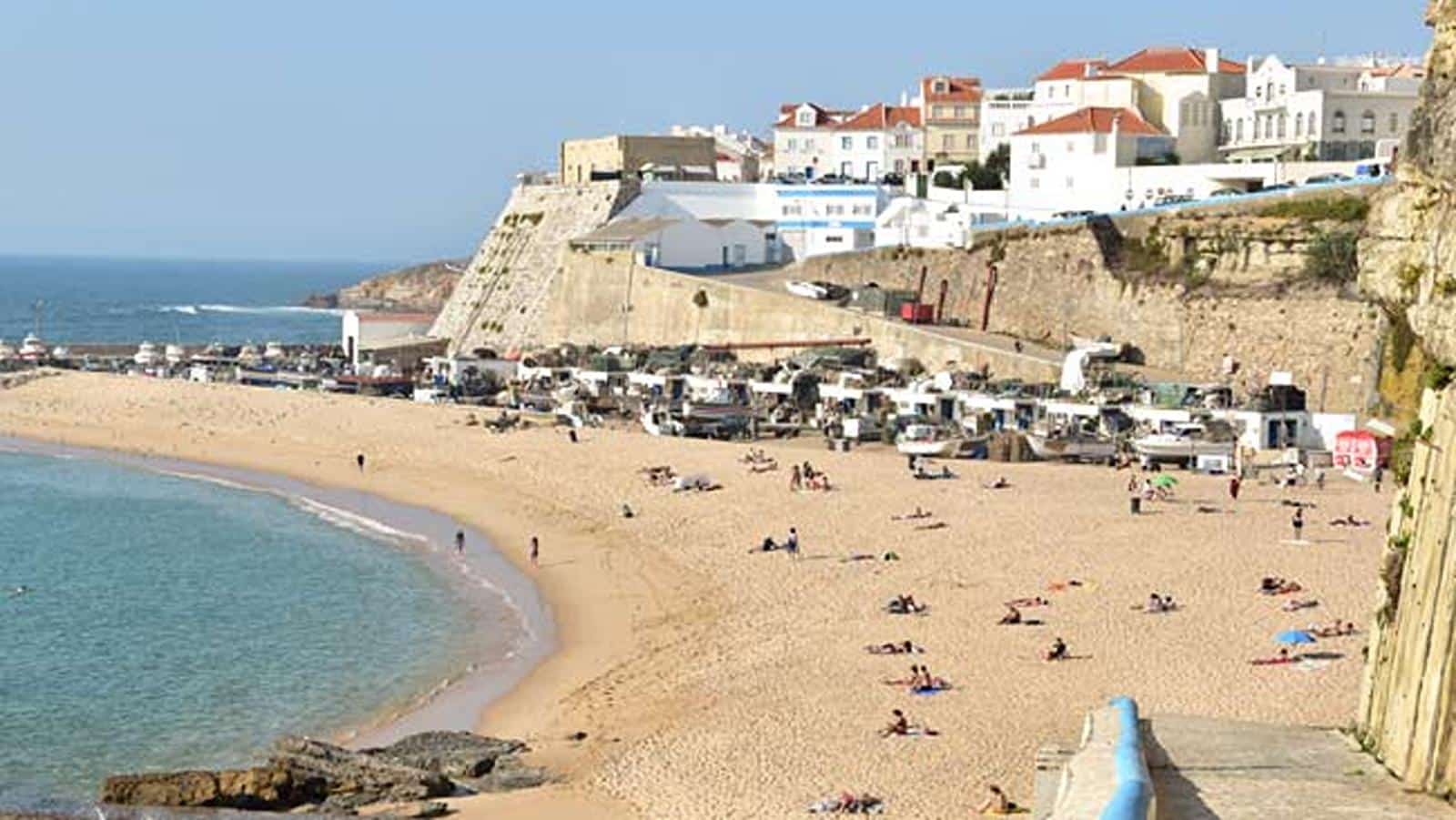
Ericeira offers variety in a way that few places do. Within a short stretch of coastline, you’ll find multiple breaks that work under different conditions.
If one spot feels too strong or crowded, you can usually find another nearby that suits your level better.
This flexibility makes it a good place to improve, as you can adjust your sessions based on how you’re feeling and what the ocean is doing that day.
Best time to visit: September to November
12. Siargao, Philippines (beyond Cloud 9)
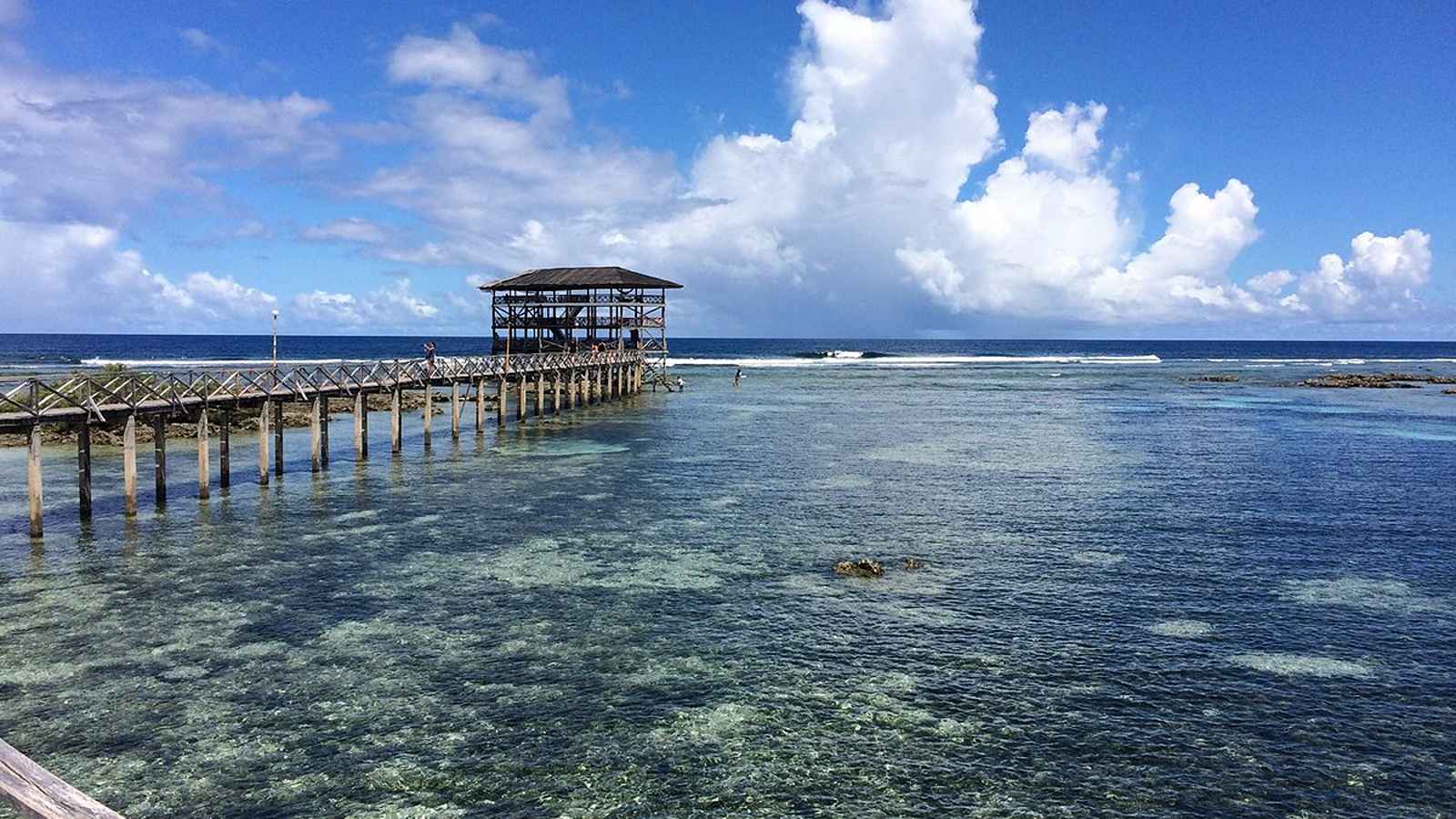
While Cloud 9 is the most talked-about wave, the surrounding area has several other breaks that are better suited for intermediate surfers.
These spots are often less crowded and a bit more forgiving, but still offer enough shape and power to keep things interesting.
It’s a good place to build confidence in slightly more challenging conditions without jumping straight into more demanding waves.
Best time to visit: November to March
13. Fuerteventura, Canary Islands
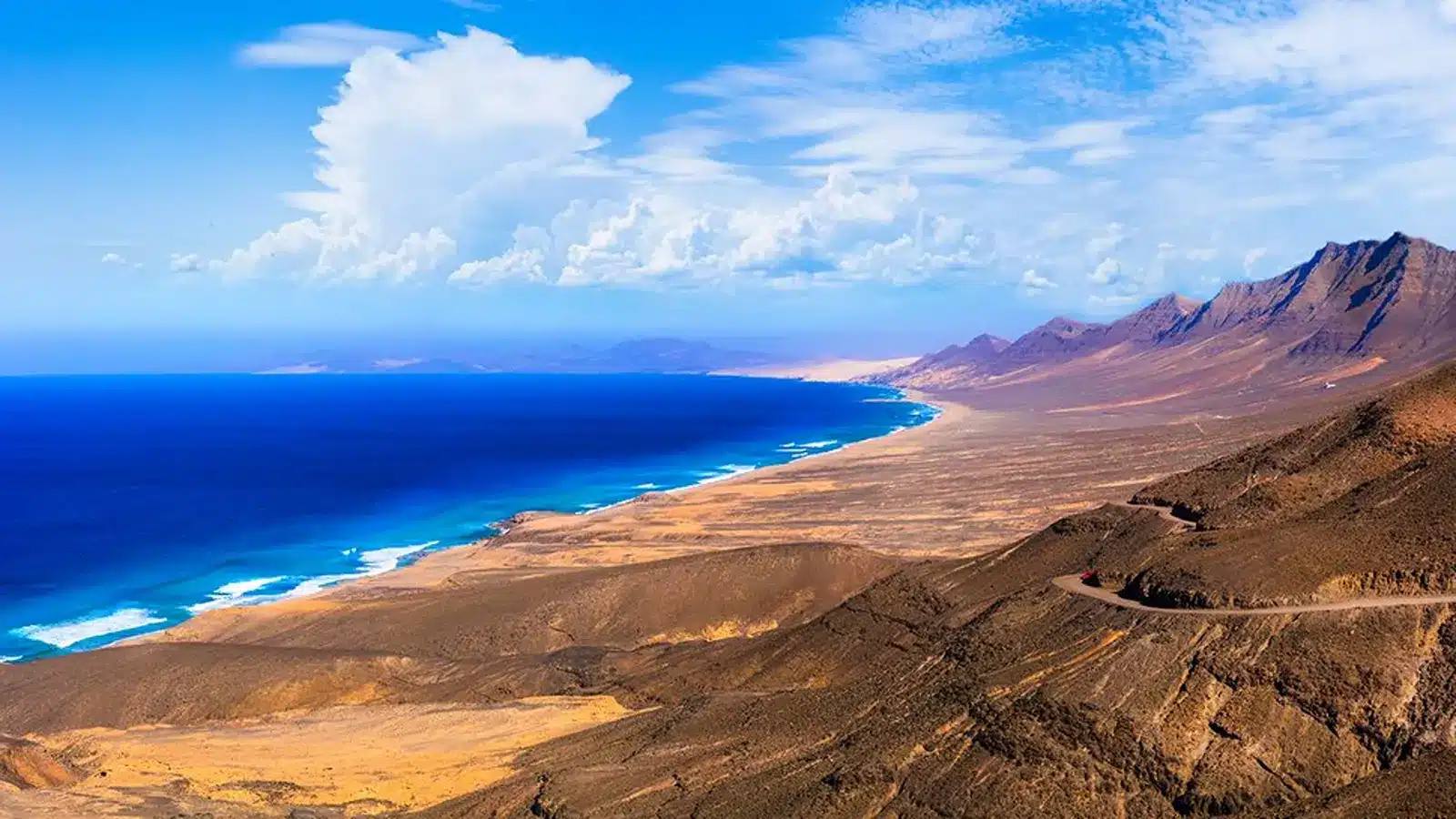
Fuerteventura, one of the Canary Islands, is a surfer’s dream with its variety of surf breaks, from gentle beach breaks to more challenging reef waves.
The island’s consistent swell and year-round sunshine make it an ideal location for surfers looking to improve their skills.
Fuerteventura is less crowded than some surf destinations, allowing for a more relaxed surfing experience. Its unique desert landscapes and stunning beaches also provide a beautiful backdrop for those seeking both adventure and tranquility while surfing.
Best time to visit: March to November
14. Bells Beach, Australia
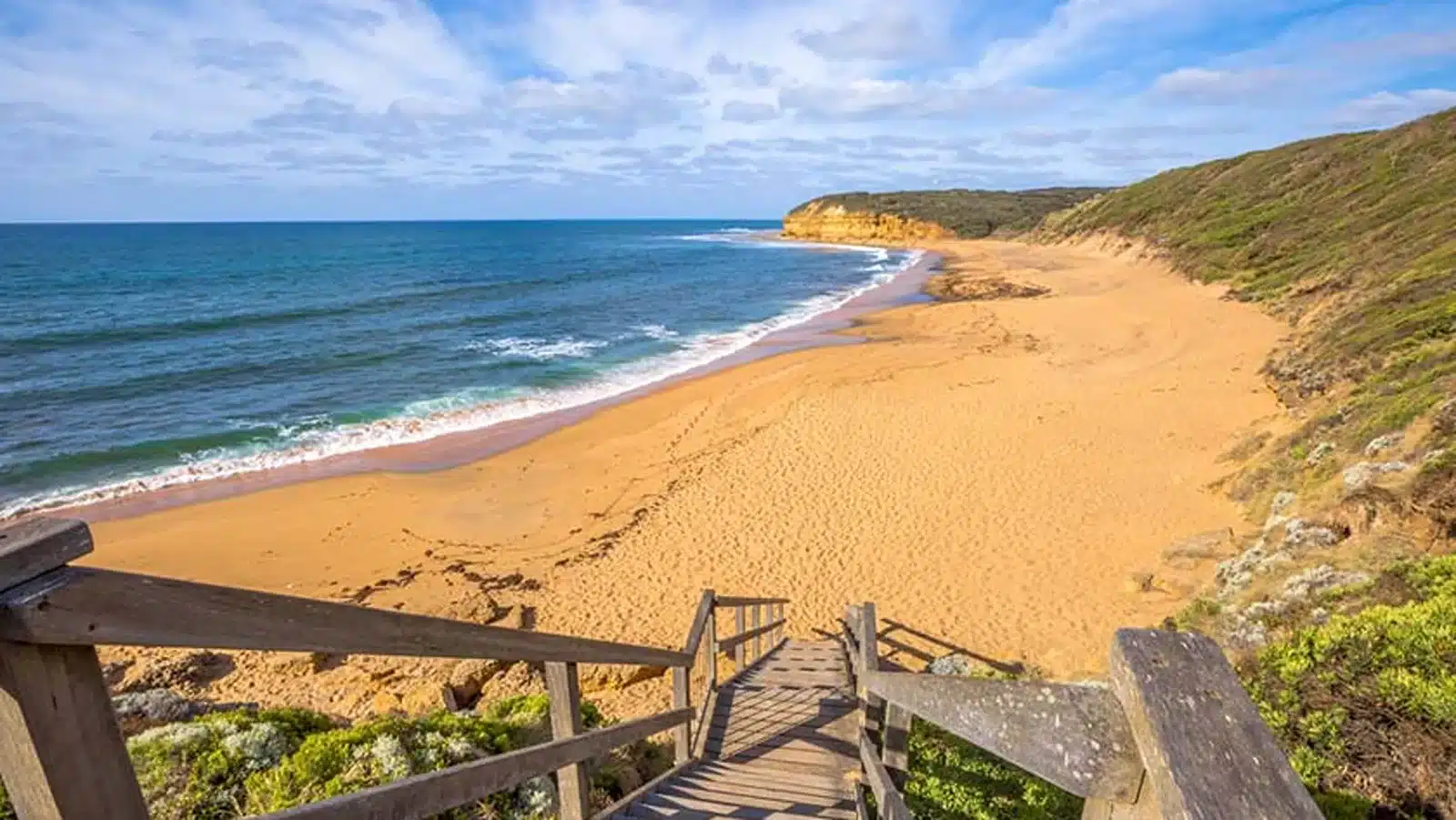
Bells Beach is a legendary surf destination in Australia, known for its powerful left-hand point breaks. The beach hosts the annual Rip Curl Pro, drawing top surfers from around the world to challenge its waves.
Bells Beach is a place where surfers can push their limits, with waves that allow for big turns and perfect barrels.
With its rich surf history and world-class conditions, Bells Beach is not only a dream spot for surfers but also a cultural hub for surfing enthusiasts.
Best time to visit: March to May, September to November
15. Punta de Mita, Mexico
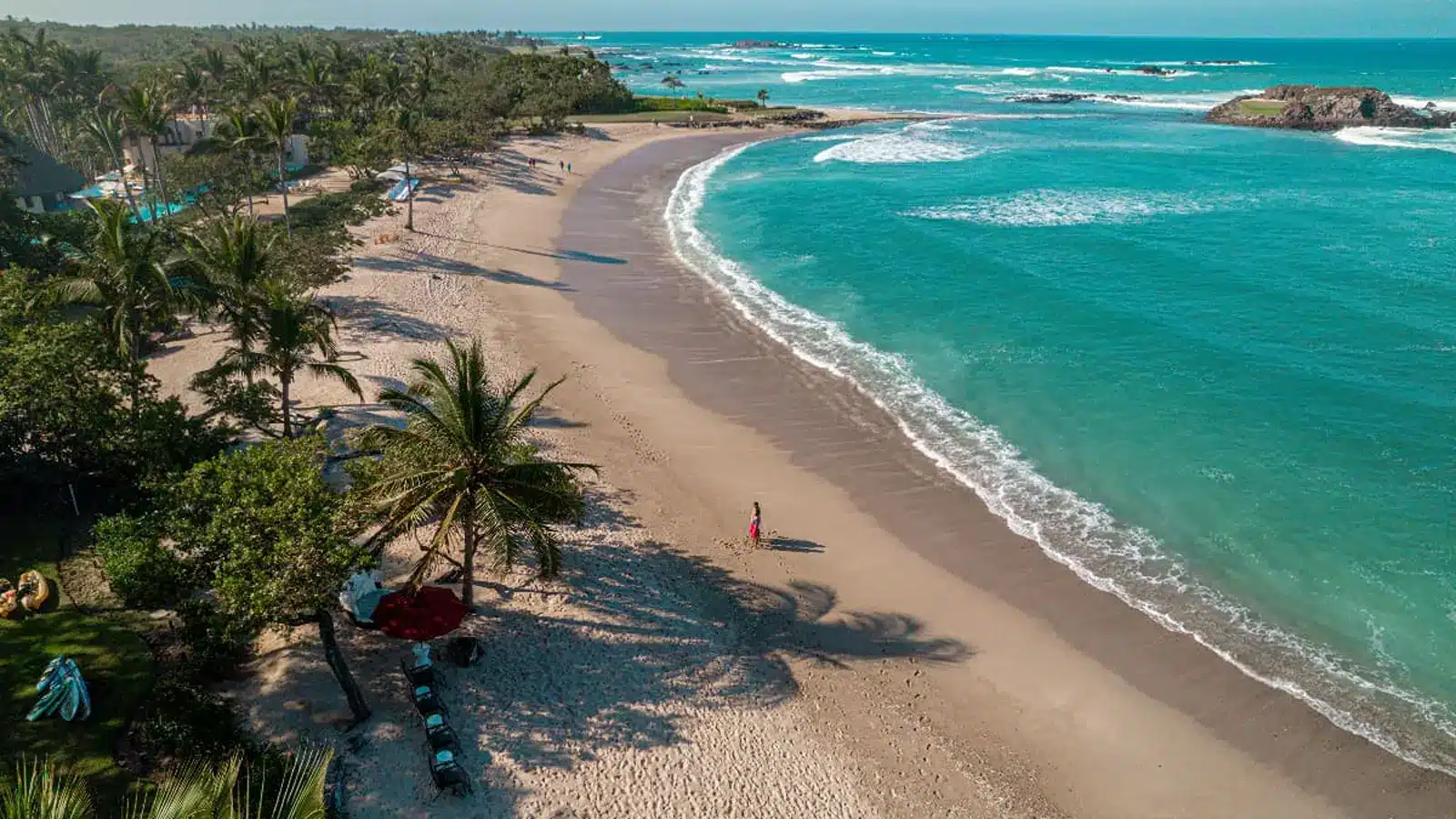
Punta de Mita, located on Mexico’s Pacific coast, is known for its stunning surf breaks, offering everything from mellow beach breaks to more powerful reef breaks.
The area is much quieter than other surf hotspots in Mexico, making it a hidden gem for surfers looking for uncrowded waves and a more peaceful vibe.
Punta de Mita’s consistent swell and beautiful surroundings make it perfect for surfers looking to focus on their skills while enjoying the serenity of Mexico’s coastline.
Best time to visit: November to April
These unique surf spots offer diverse waves and unforgettable experiences, providing surfers with the perfect mix of challenge and adventure.
Hidden Surf Gems Around the World
Some of the best surf sessions happen away from crowded spots, where you have more space, fewer distractions, and waves to yourself.
16. Lombok, Indonesia
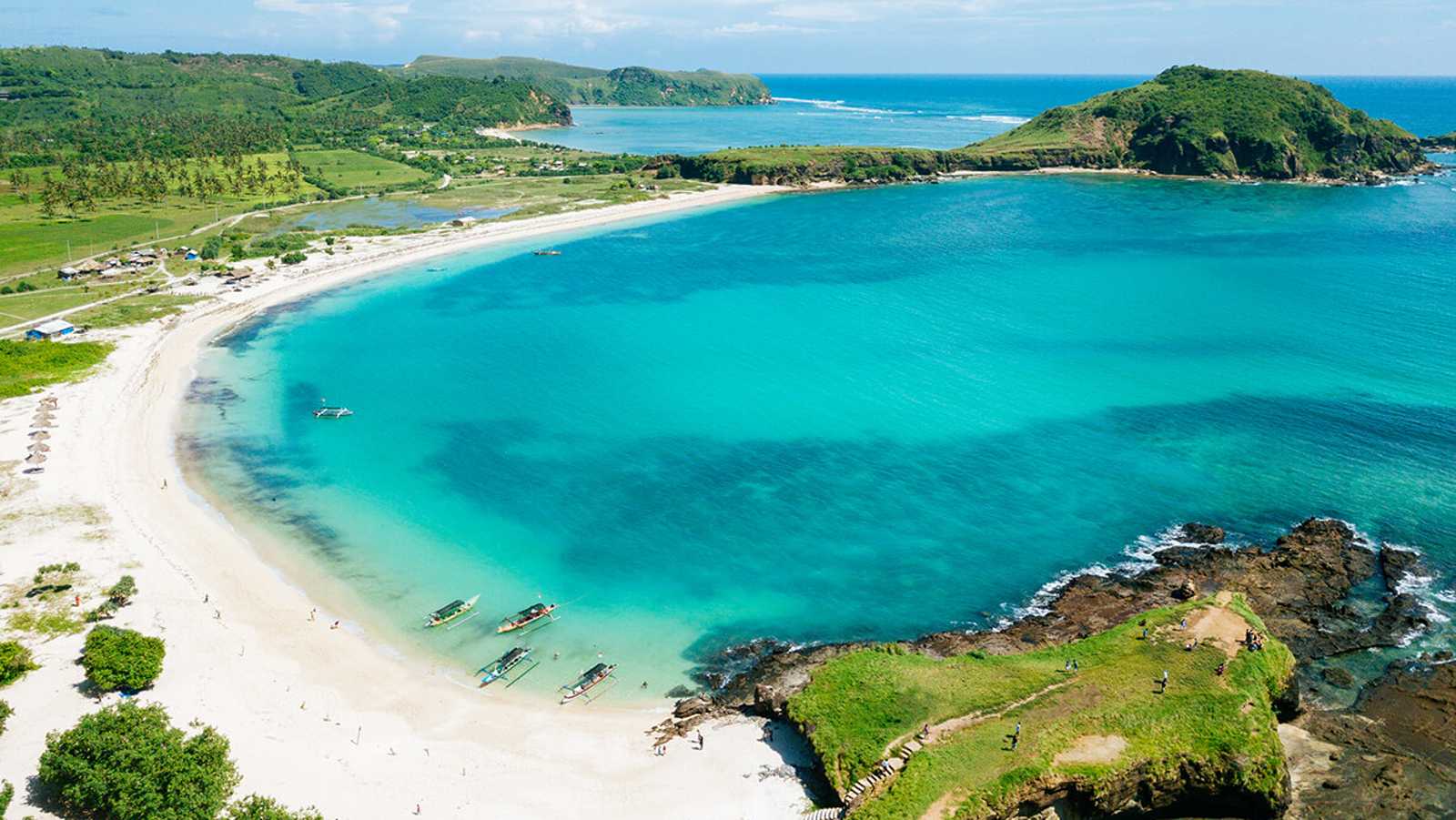
Lombok often gets overlooked because of Bali, but that’s exactly what makes it appealing. You’ll find a mix of breaks here, some softer and more forgiving, others with a bit more push, without the same level of crowd.
It’s a place where you can take your time, try different spots, and build confidence without feeling rushed. Access to certain breaks can take a bit of effort, but that usually means fewer people in the lineup.
Best time to visit: April to October
17. Nosara, Costa Rica
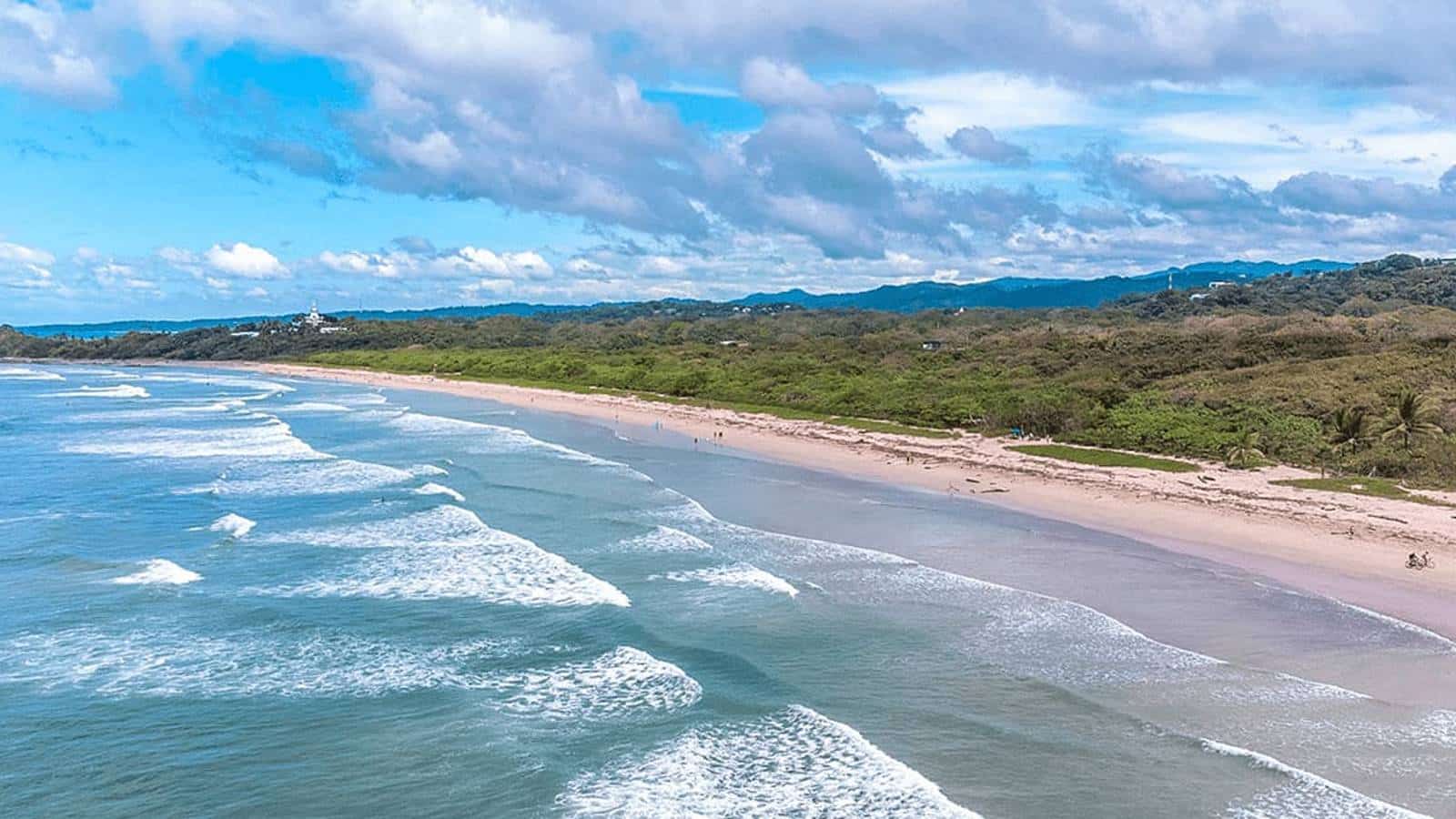
Nosara is known for its steady beach break and easygoing pace. The waves here are consistent, and the sandy bottom makes it a comfortable place for beginner surfing.
It’s not about chasing big conditions; it’s about getting into the water day after day and improving through repetition. The overall atmosphere is calm, which makes sessions feel less pressured and more enjoyable.
Best time to visit: Year-round
18. Nias, Indonesia
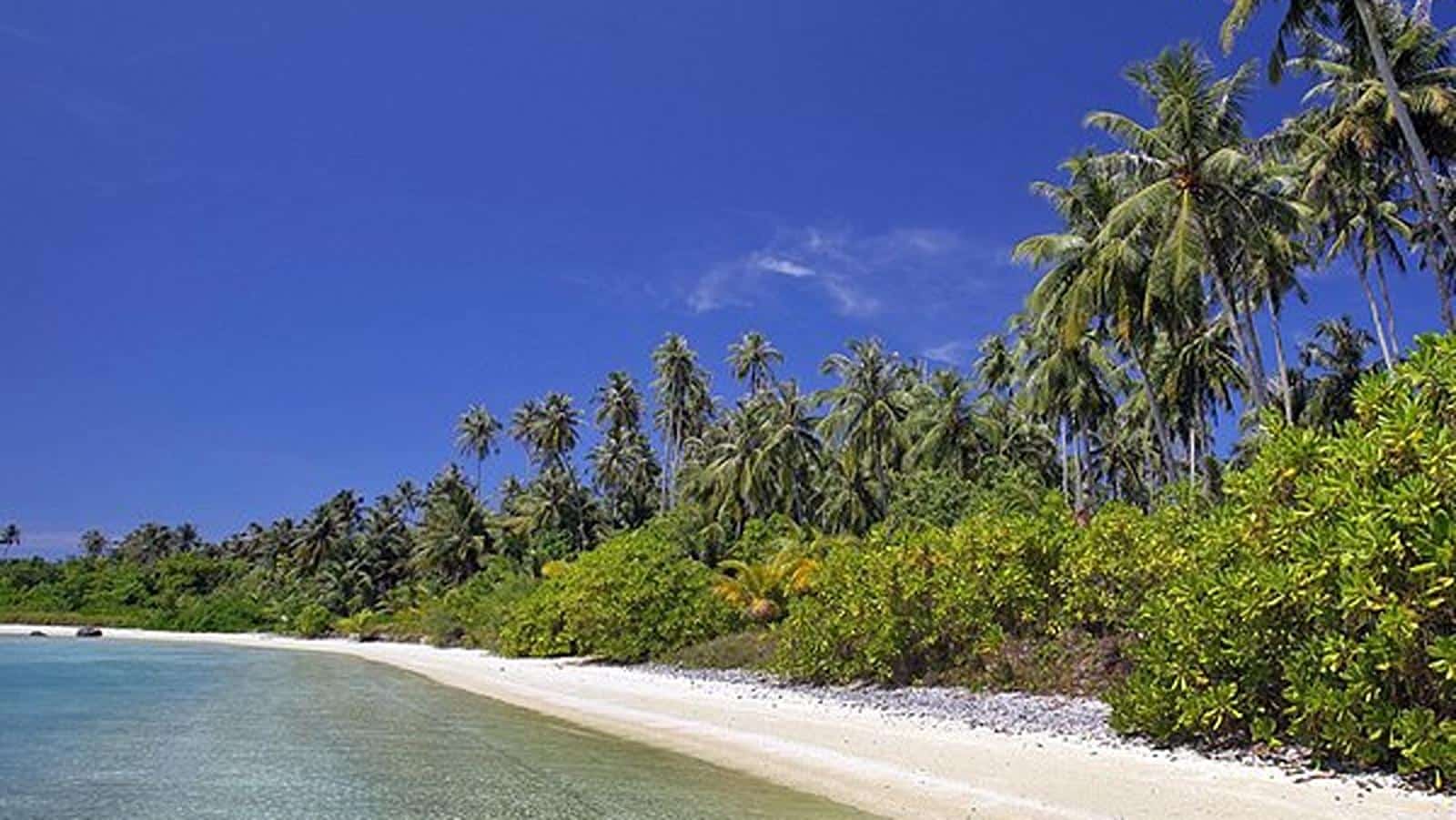
Nias has a reputation for clean, powerful waves, but it still sees fewer surfers compared to more popular destinations.
The main break offers long, well-shaped rides that reward good positioning and timing. While it can handle stronger swell, there are days when intermediate surfers can enjoy it without feeling outmatched.
It’s one of those places where the quality of the wave stands out, even without heavy crowds.
Best time to visit: April to October
19. Salina Cruz, Mexico
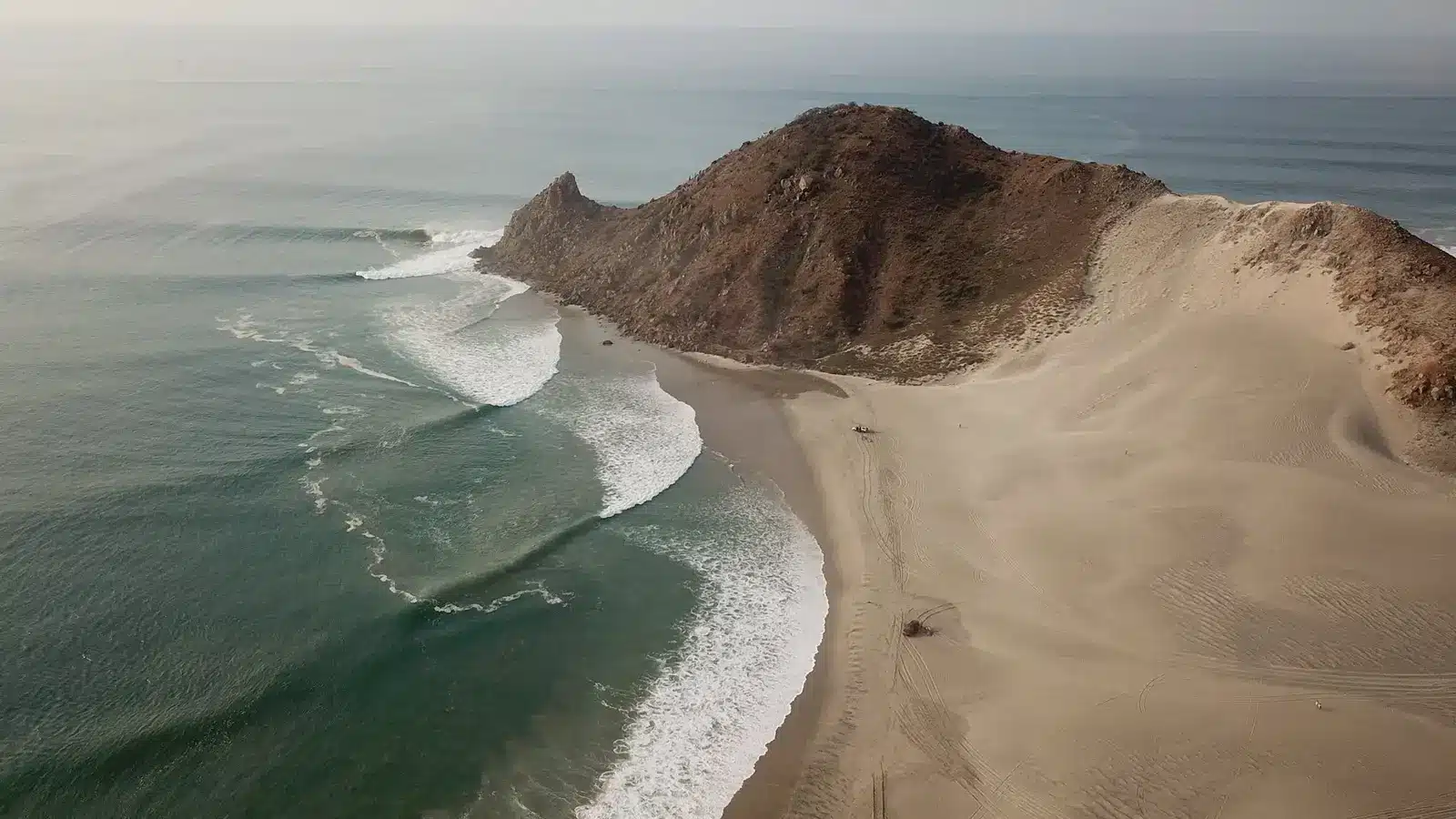
Salina Cruz is more remote, and that’s part of its appeal. The coastline here offers point breaks that can deliver long, smooth rides when conditions line up.
It’s less about busy surf towns and more about focused sessions in quieter surroundings.
Access often requires a bit of planning, but once you’re there, the lack of crowds and the quality of the waves make it worthwhile.
Best time to visit: Year-round
20. Kandui, Mentawai Islands, Indonesia
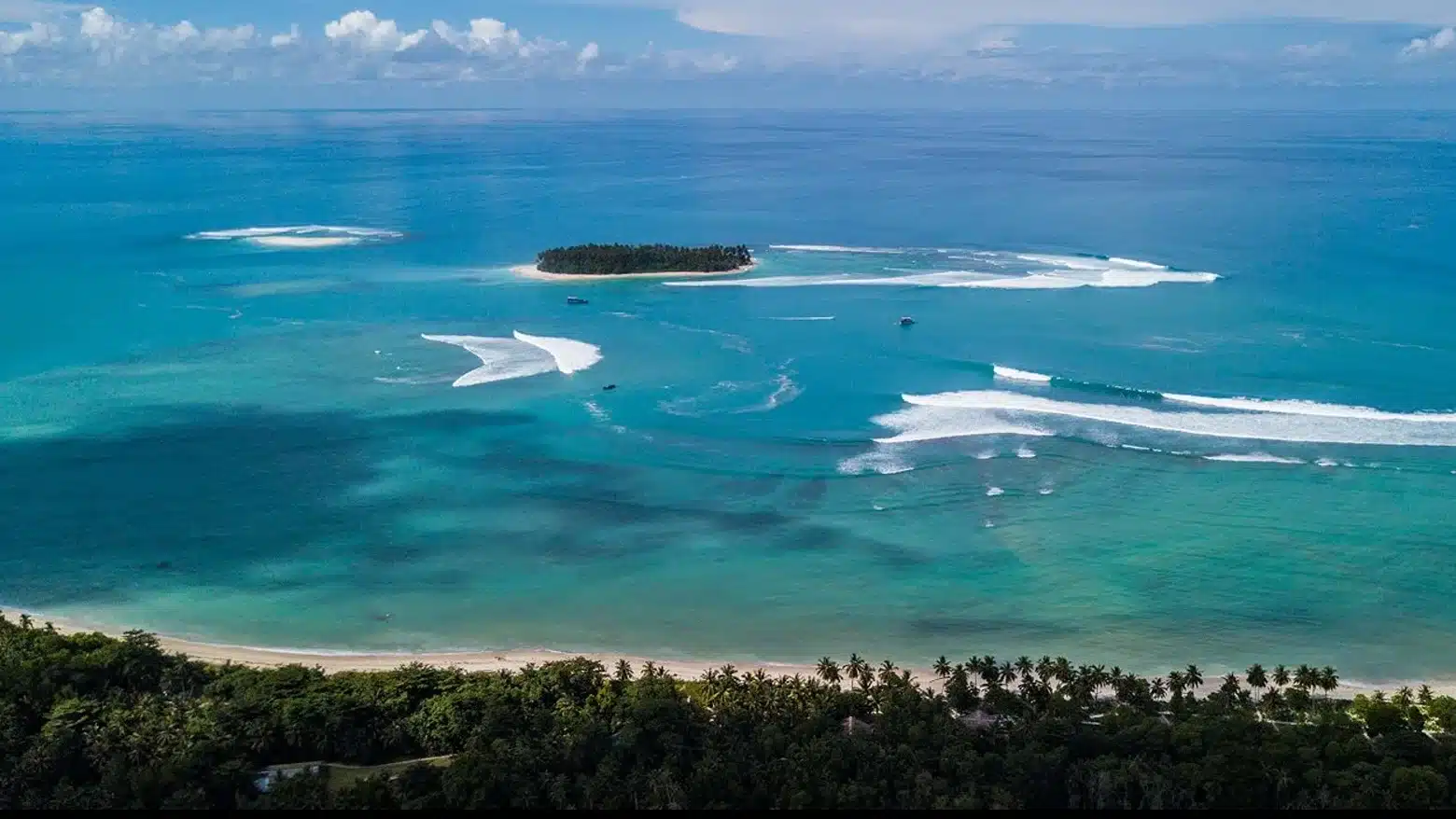
Kandui is a world-class surf destination in the Mentawai Islands, famous for its long, hollow barrels.
While the Mentawai Islands are known for their surf, Kandui’s unique reef break and pristine setting make it one of the best-kept secrets for serious surfers looking for powerful waves.
Best time to visit: April to October
21. Shonan, Japan

Shonan, located near Tokyo, is a hidden surf spot offering a mix of mellow beach breaks and fun reef breaks.
It’s relatively undiscovered by international surfers, making it a great choice for those looking to experience Japan’s unique surf culture and calm, beautiful beaches.
Best time to visit: April to October
22. Pohnpei, Micronesia
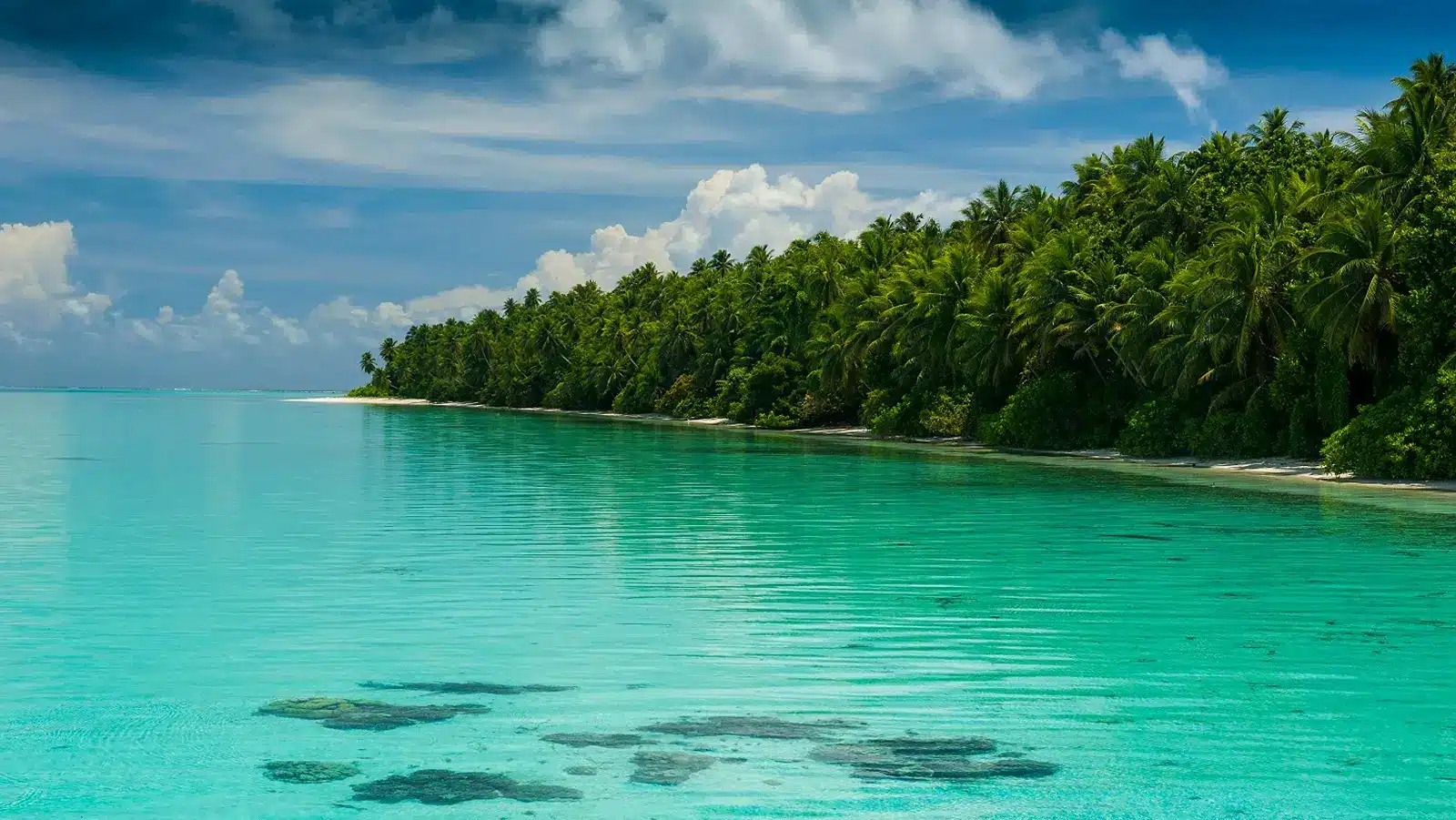
Pohnpei, a remote island in Micronesia, offers some of the most pristine waves in the world.
Known for its deep reef breaks and clear waters, it’s perfect for surfers looking for a secluded surf experience in one of the most untouched parts of the Pacific.
Best time to visit: Year-round
23. Koh Lanta, Thailand
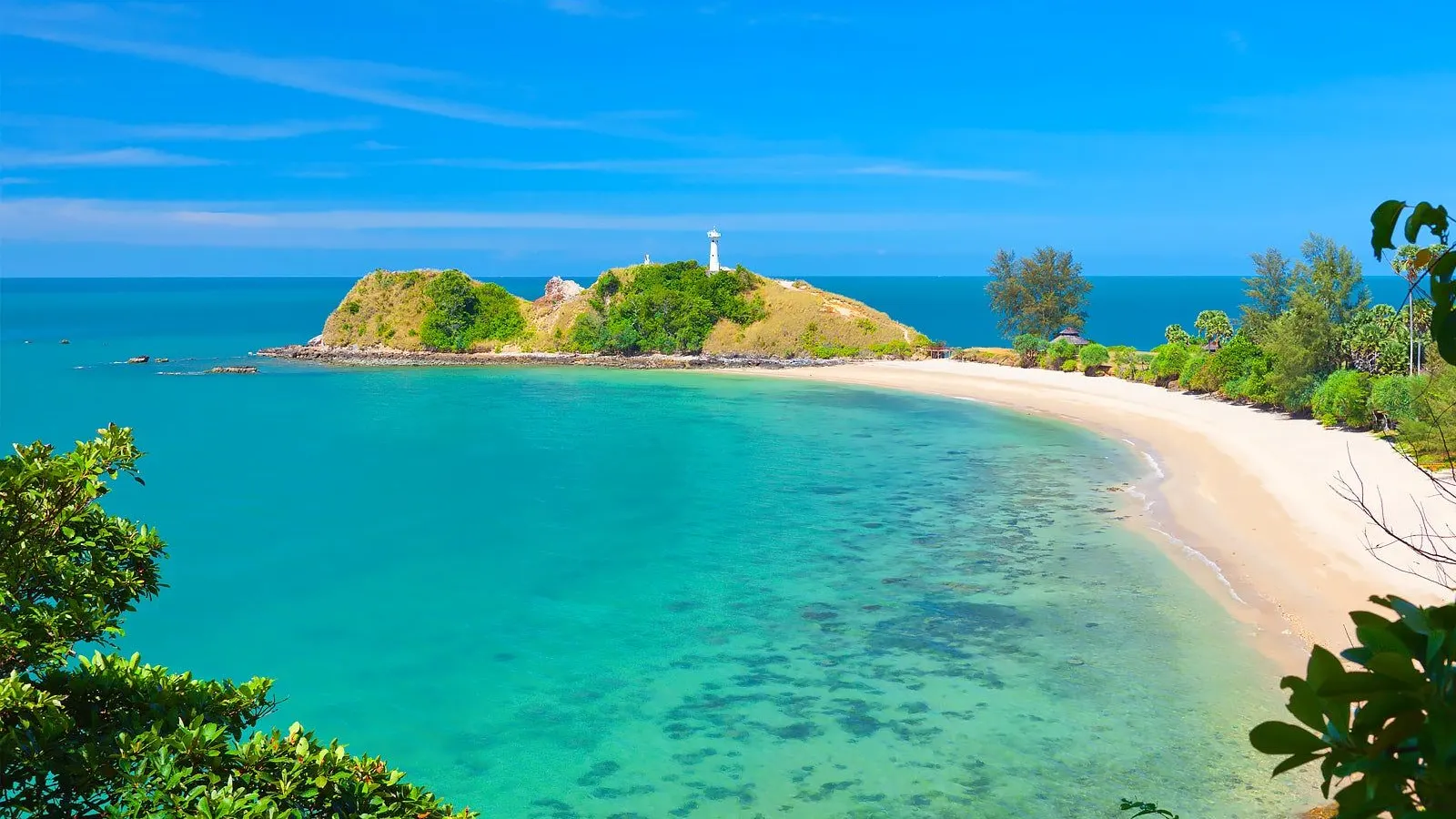
Koh Lanta, located on Thailand’s Andaman coast, offers a tranquil surf environment with smooth, consistent waves.
Although it’s known for its relaxed atmosphere and stunning beaches, it’s not yet a top surf destination, making it a peaceful getaway for those who want the surf in solitude.
Best time to visit: November to April
These hidden gems offer peaceful, uncrowded surf, allowing you to enjoy pristine waves and surf paradise.
Expert-Level Surf Spots
These expert-level surf spots offer extreme challenges and massive waves, perfect for seasoned surfers seeking the ultimate thrill.
24. Teahupo’o, Tahiti
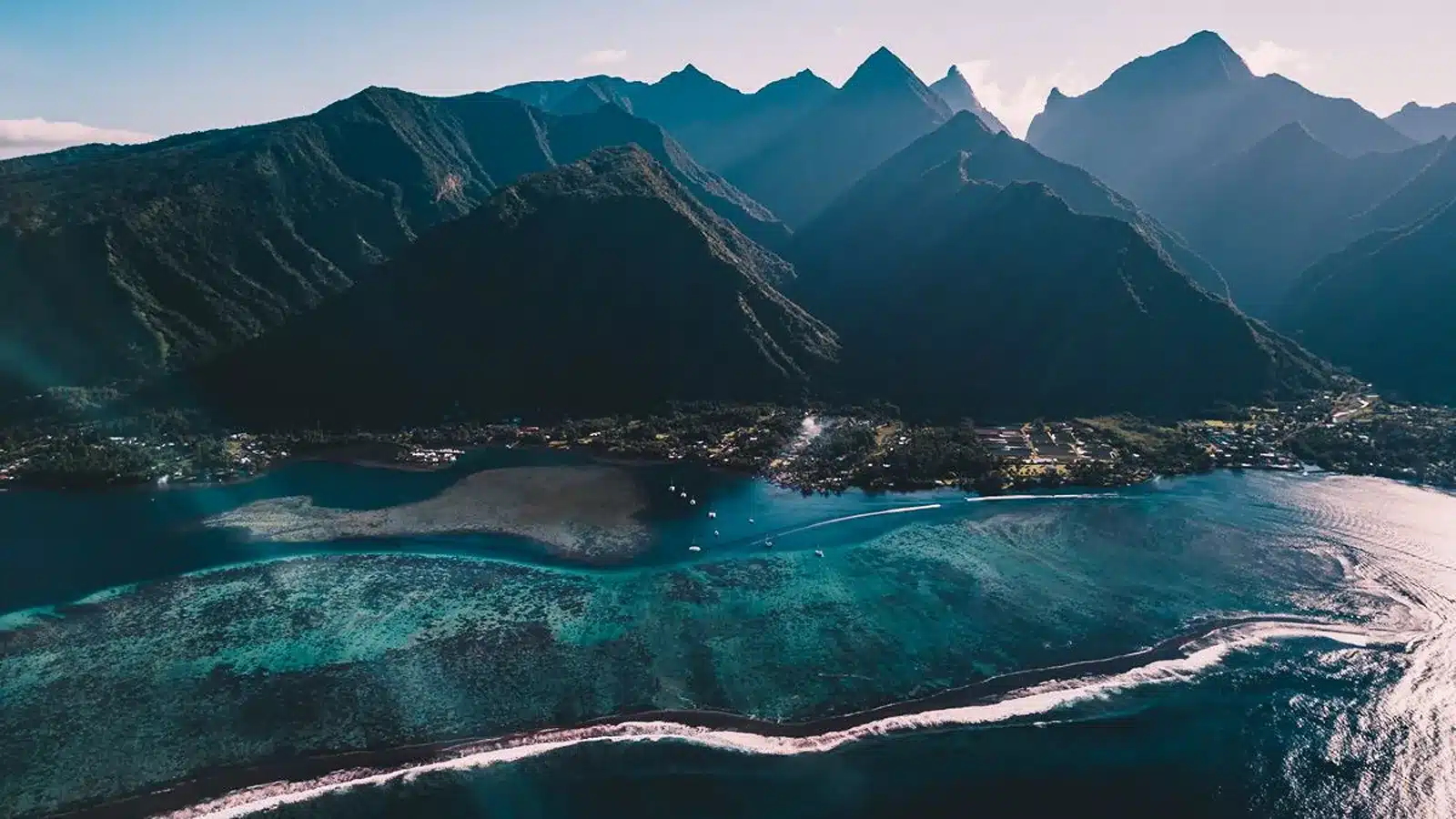
Teahupo’o is famous for its heavy, thick barrels that break over a shallow reef, making it one of the most iconic big-wave spots in the world.
Known for producing some of the heaviest waves on the planet, Teahupo’o offers extreme challenges and is best suited for expert surfers who are ready to take on intense, fast-moving waves.
The wave breaks with such power that it often results in the wave throwing over itself, creating a thick, hollow tube that is both intimidating and mesmerizing to ride.
Best time to visit: April to October
25. Pipeline, Hawaii
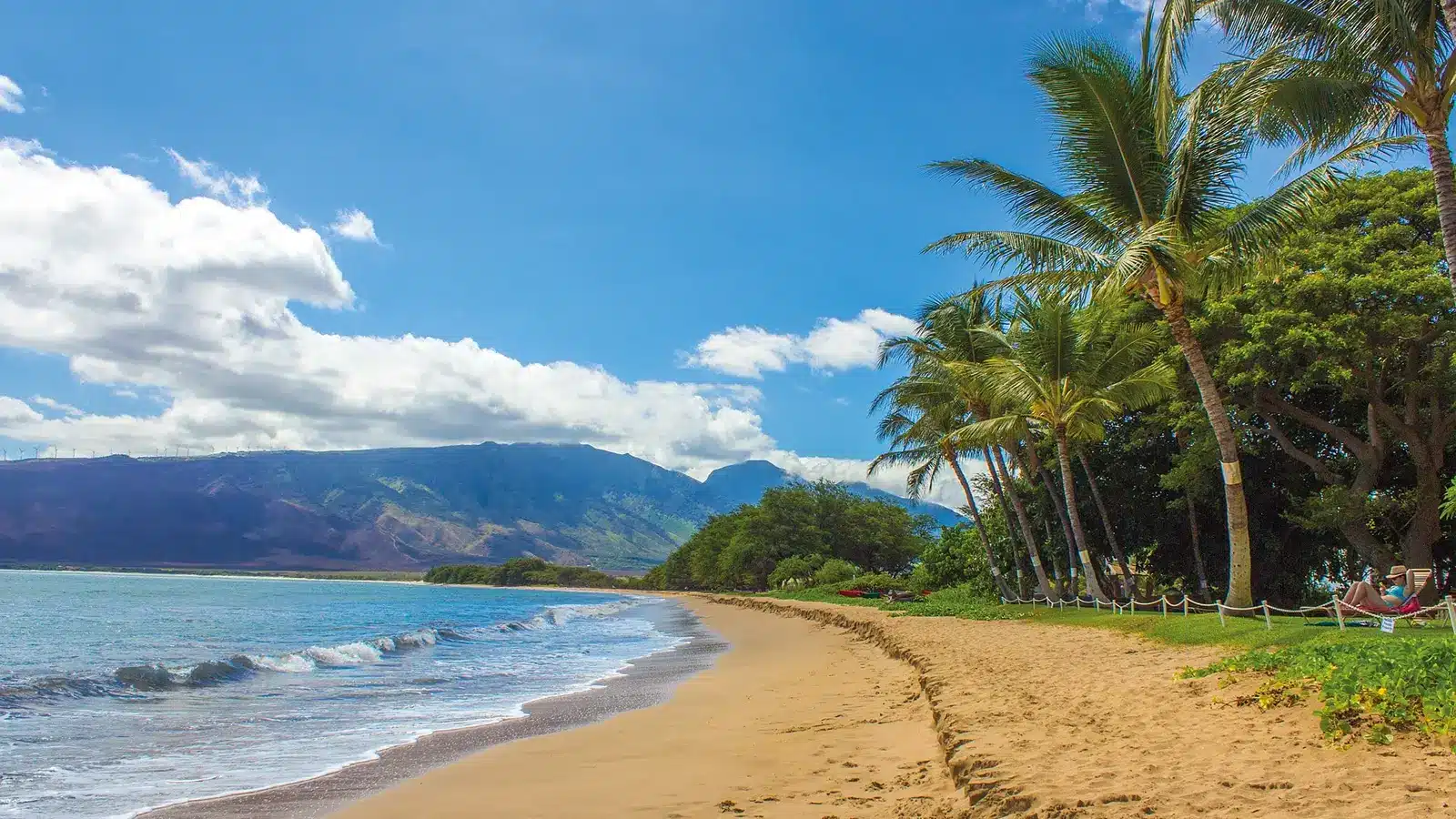
Pipeline is widely regarded as one of the best reef breaks in the world. It is known for its powerful, hollow waves that can create perfect barrels, making it a dream for expert surfers seeking the thrill of a world-class wave.
Pipeline is unforgiving, with fast take-offs and often steep drops, requiring surfers to have a deep understanding of wave mechanics and impeccable wave-reading skills.
Best time to visit: October to April
26. Jaws, Maui, Hawaii
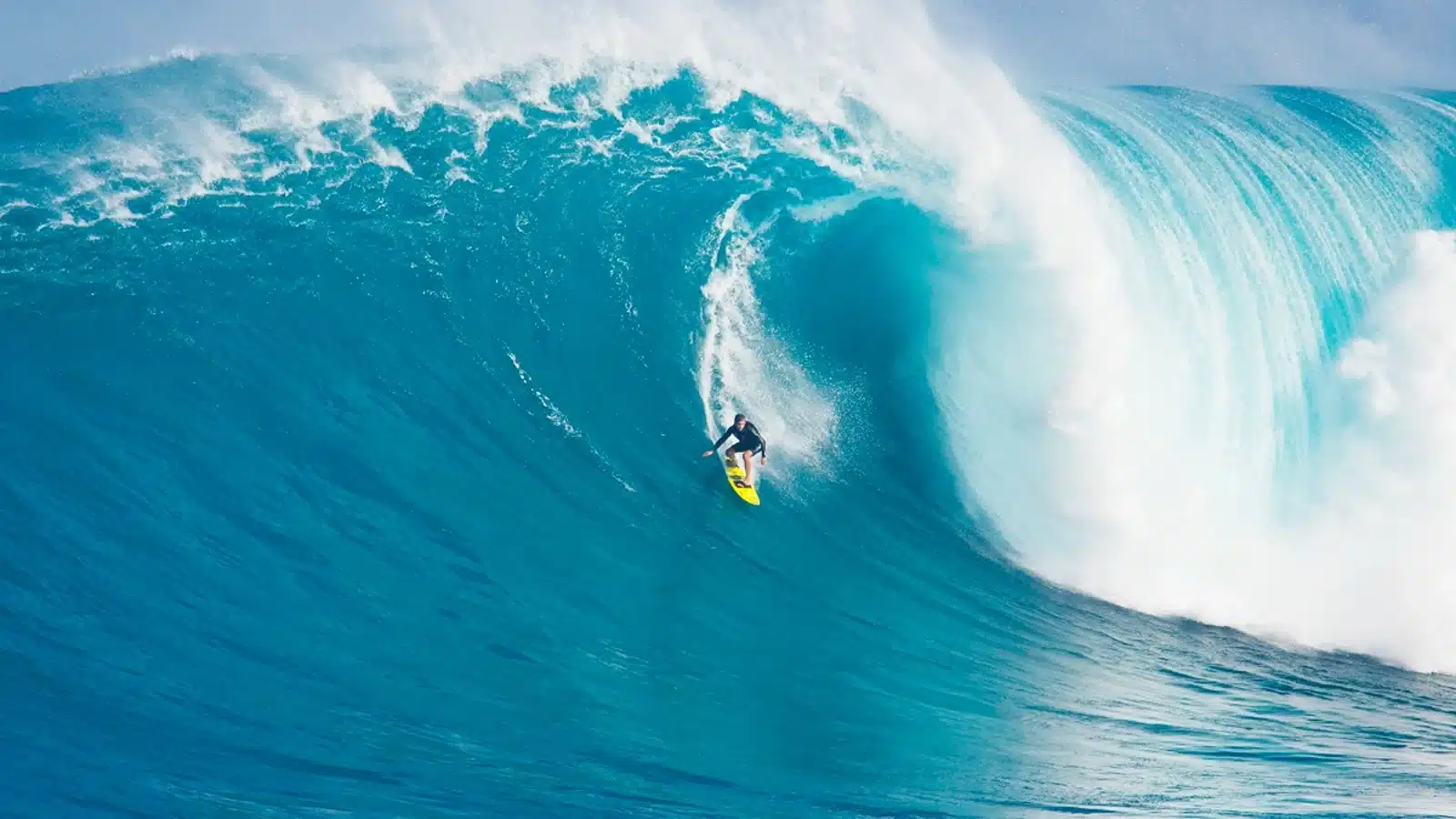
Jaws (also known as Peahi) is infamous for its colossal waves, some of the biggest in the world. These waves can reach up to 60 feet or more, making Jaws a destination for only the most fearless and skilled surfers.
It’s not just the size of the waves but the sheer power behind them that makes Jaws so intimidating.
Surfers need to be ready for everything: from extreme wipeouts to fast-moving water, to navigating heavy, breaking waves that can knock even the most seasoned surfers off their path.
Best time to visit: October to March
27. Mullaghmore Head, Ireland
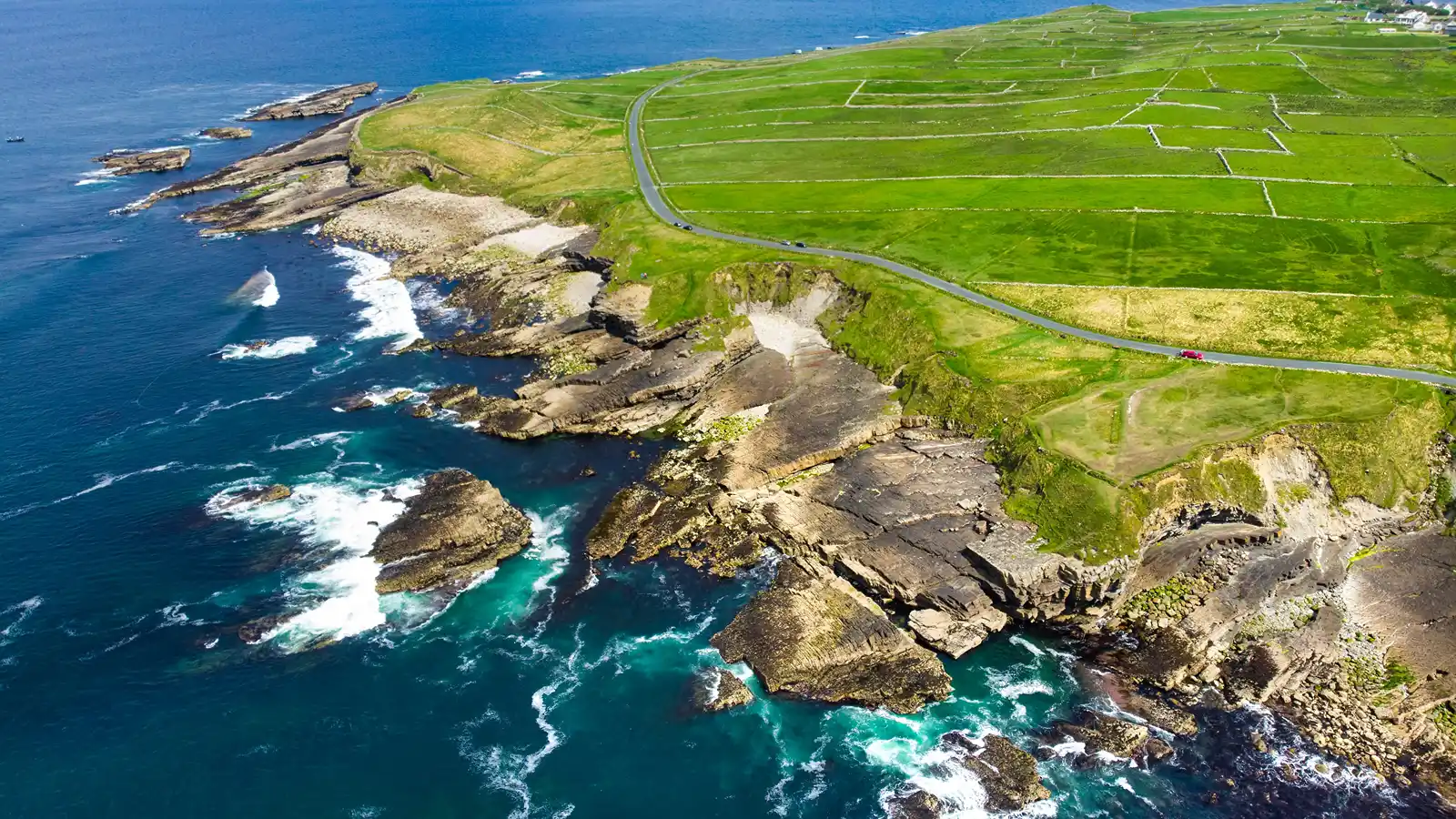
Mullaghmore Head is one of Europe’s most renowned big-wave surf spots, offering powerful, hollow barrels and steep drops.
With waves that can reach up to 60 feet, the spot is known for its challenging conditions, requiring expert-level skill and fearlessness. The cold Atlantic waters, coupled with unpredictable swells, make Mullaghmore Head both thrilling and intimidating.
Surfers here must have exceptional timing and control to navigate the massive waves, making it a perfect destination for advanced surfers seeking a serious challenge.
Best time to visit: October to March
Conquering these legendary waves requires skill and bravery, but the reward is unmatched, the ultimate test for expert surfers.
How to Choose the Right Surf Spot for You
It’s easy to get drawn in by photos or well-known names, but that doesn’t always match your experience. A few things to keep in mind:
- Be Honest About Your Level: A wave that’s slightly easier than your limit will usually give you a better session.
- Think About Comfort in The Water: Strong currents, reefs, or crowded lineups can change everything.
- Look at Logistics: Easy access often means more time surfing and less time figuring things out.
If I had to choose, I’d always go for a place where I can catch more waves, even if they’re smaller.
Best Time of Year to Surf These Locations
Timing matters more than most people expect, but it doesn’t have to feel overwhelming when planning your surf trip carefully ahead of time.
- Hawaii: Winter for bigger waves, summer for beginners
- Morocco & Portugal: Late autumn to early spring
- Indonesia: Dry season (May to September)
- Sri Lanka (south coast): November to April
- Costa Rica: Year-round, with variations in size
A quick check of local forecasts before you go often helps you avoid poor conditions and make the most of your time, especially when using reliable surf reports like Surfline.
Common Mistakes to Avoid When Surfing New Spots
Even experienced surfers run into these mistakes, especially when they’re surfing somewhere unfamiliar.
A wave can look manageable from the beach and feel completely different once you’re in the lineup. That’s why a bit of patience at the start usually pays off.
- Going Beyond Your Level Too Quickly: It can turn a good session into a stressful one.
- Ignoring Local Etiquette: Every place has its rhythm. Watching for a bit before paddling out helps.
- Not Checking Conditions Properly: Wind, tide, and swell direction all change how a wave behaves.
A little patience goes a long way, especially in a new place. Settling in first, rather than rushing, often leads to a smoother session and a better overall experience in the water.
Final Thoughts
The idea of the best surfing in the world can seem huge at first, but it often comes down to something much more personal.
It is not always about chasing the biggest waves or ticking off famous names on a map. More often, it is about finding a spot that suits your level, feels comfortable in the water, and gives you the kind of session you genuinely enjoy.
A good surf trip stays with you because of how it felt, not just where it happened. When you find a wave that gives you confidence, rhythm, and the urge to paddle back out, that is usually enough.
Frequently Asked Questions
What is the Best Surfing Destination in The World?
There isn’t a single answer. It depends on your skill level and the kind of waves you enjoy. Hawaii, Indonesia, and Portugal are top choices for different skill levels.
Where Can Beginners Surf Safely?
Places like Waikiki, Weligama, and Byron Bay are ideal for beginners with gentle, predictable waves.
Which Country Has the Best Waves?
Countries like Indonesia, Australia, and Hawaii are popular for their variety and quality of waves.
What are Some Unique Surf Spots?
Uluwatu, Ericeira, and Lombok are often considered hidden gems offering a range of conditions for all levels.



One Response