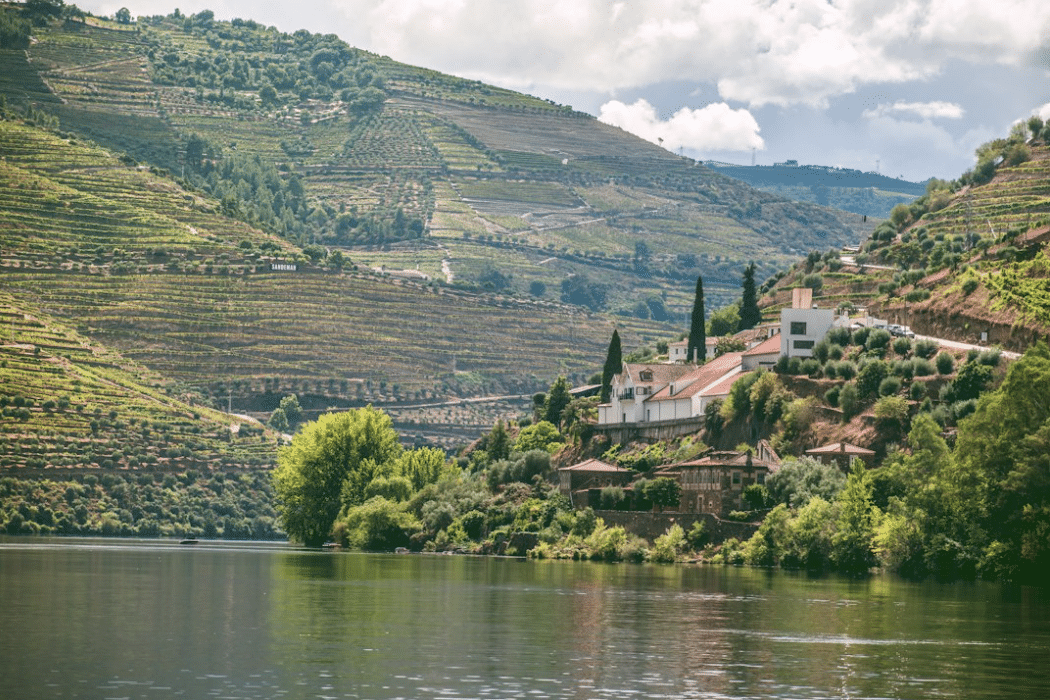
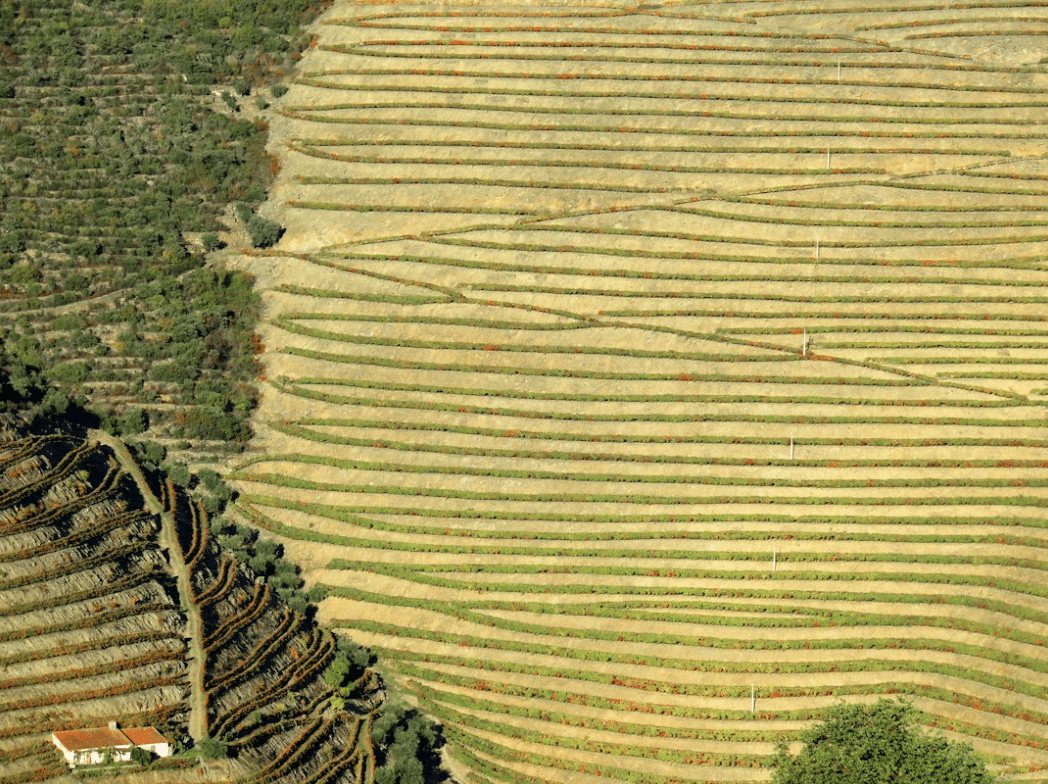
Most paddlers plan a trip around one boat and one body of water. Northern Portugal rewards a wider plan. The Douro River carves a deep valley of terraced vineyards. You see it best from two angles: low on the water and high on the ridge roads.
That second angle takes legs, not paddles. Top Bike Tours Portugal, for example, runs an 8-day route built around cycling douro valley back roads for about 270 km. Pair a few river days with that week and you get the whole valley. You also give your shoulders a rest while your legs do the work.
Why Mix Paddling and Cycling On One Trip?
Kayakers already have the engine for cycling. Core strength, steady breathing and long-day stamina carry over well. What changes is the muscle doing the pulling.
A mixed trip also spreads your risk. A windy day on the water becomes a riding day. A rainy morning on the bike becomes a short paddle in a sheltered reach. You lose fewer days to weather.
Where Can You Paddle In the Douro Region?
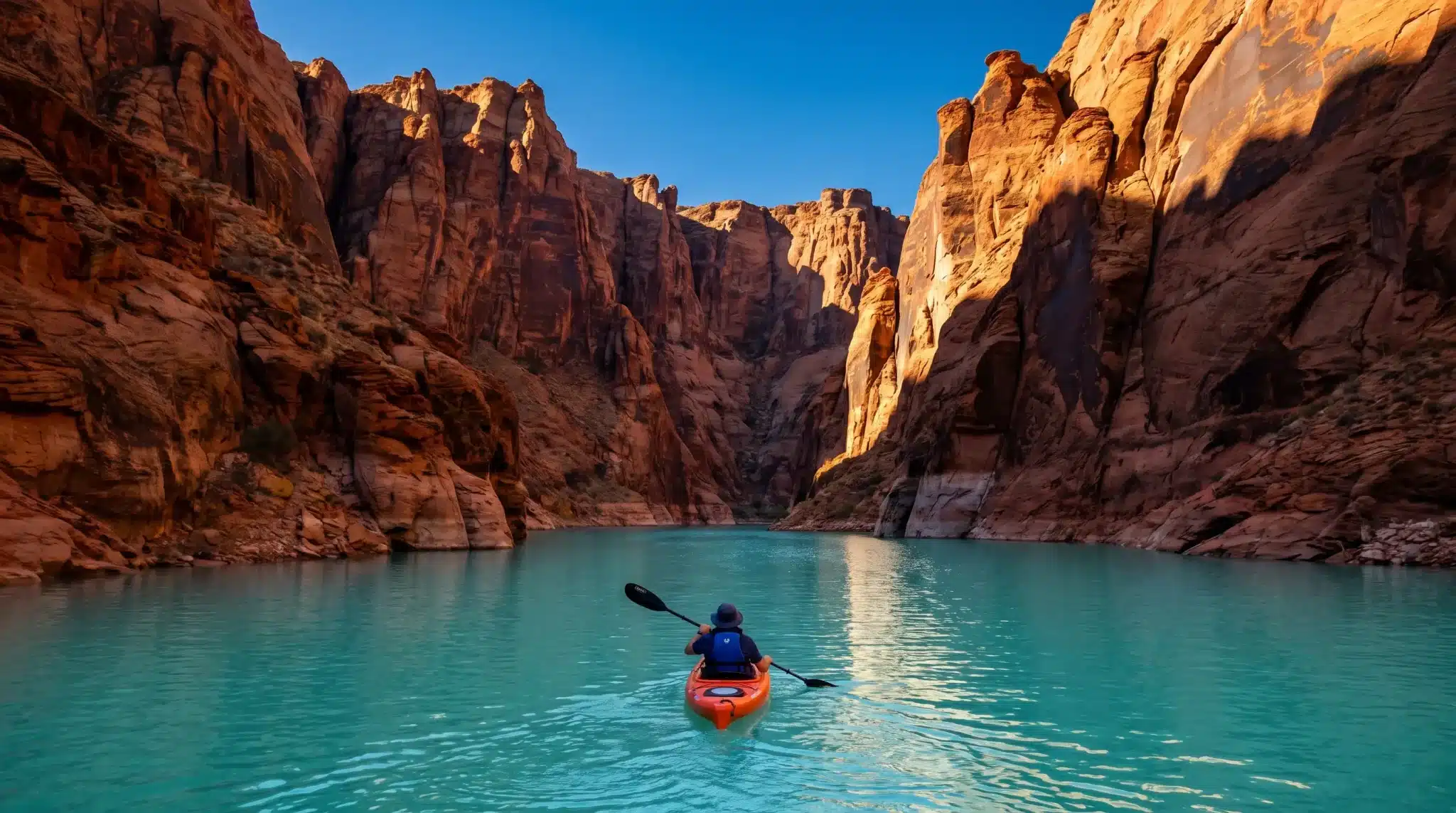
The main river is not a wild stream here. A chain of dams turns much of the Portuguese Douro into long, calm reservoirs. That suits touring kayaks and canoes better than whitewater boats.
Look at three kinds of water before you book anything:
- The main river near Pinhão and Régua. Wide, slow and lined with vineyards. Local outfitters rent sit-on-tops and lead short guided trips.
- Small side rivers. The Pinhão and Tua rivers feed the Douro and offer quieter, narrower paddling when levels allow.
- The Paiva, closer to Porto. A lively river known for rafting and canoeing, best done with a local guide.
Watch for river cruise boats on the main channel. They throw a wake and do not stop. Stay near the bank and cross at right angles.
Ask each outfitter how it grades the trip. Then compare that grade with the international scale of river difficulty you already use at home.
What Is the Cycling Week Like?
The tour starts with a van transfer from Porto to Pinhão. From there, the published day-by-day plan runs as follows:
- Day 2: a Pinhão loop of about 50 km, with a climb to Casal de Loivos.
- Day 3: Pinhão to Vila Nova de Foz Côa, about 74 km.
- Day 4: on to Figueira de Castelo Rodrigo, about 42 km.
- Day 5: on to Marialva along the Côa River, about 60 km.
- Day 6: to Penedono, with options from 28 km upward.
- Day 7: back down to Régua beside the Douro, about 52 km.
The operator rates the route as challenging. Its own description reads “mostly steep” and “up and down,” on fully paved roads with very low traffic. Total climbing runs to about 7,500 meters over the week.
That is real work for a paddler with flat-water legs. Spend a few weeks on hills at home first. Our guide to off-season cycling rides offers a simple way to build that base through the colder months.
Riders can book the tour guided or self-guided. The self-guided option includes GPS routes and luggage shuttling between hotels. The guided version adds a guide and van support.
How Should You Order the Two Halves?
Order matters more than most people expect. Paddle first, then ride, if you can.
River days are gentler on the legs. They let you shake off jet lag without a hard climb on day one. Then the bike week builds toward the steep middle stages with fresh legs.
A sample 12-day plan might look like this:
- Fly into Porto and rest for one night.
- Spend one day on the Paiva with a local outfitter.
- Spend two days paddling near Pinhão or Régua.
- Join the 8-day cycling tour from Porto.
Ending in Régua also works well. The final day returns you to Porto by train, close to your flight home.
What Should a Paddler Pack for a Mixed Trip?
The hard part is luggage. You cannot carry a full kayak kit plus cycling gear without paying for extra bags.
Rent the boat, paddle and life jacket locally. Then pack only what crosses over or fits in a carry-on:
- A packable dry bag for phone, wallet and passport on both water and bike days.
- Quick-dry shirts and shorts that work on a kayak seat or a saddle.
- Padded cycling shorts and light gloves, which also spare your hands on a paddle shaft.
- A wide-brim hat and a light rain shell.
- Water sandals plus one pair of stiff-soled shoes for the pedals.
- Sunscreen and electrolyte tablets for long, hot afternoons.
If you own an inflatable kayak, you might be tempted to bring it. Check airline fees first. Read up on fly and paddle trips before you weigh bag charges against local rental prices.
Which Months Suit a Paddle and Pedal Week?
Late spring and early fall usually give the best balance. Midsummer in the upper valley can turn very hot, which makes long climbs a slog.
September and October bring the grape harvest. The valley is busy and lively at that time, and hotels fill early. Book rooms on both halves of the trip well ahead if you plan a harvest visit.
Water levels on the side rivers drop in late summer. If narrow creeks matter to you, aim for spring.
One more step before you fly: US travelers can enroll in the Smart Traveler Enrollment Program. It lets the nearest US embassy reach you if a storm, strike or emergency hits while you are on the road.
Frequently Asked Questions
Do I Need to Bring My Own Kayak to Portugal?
No. Outfitters near Pinhão, Régua and the Paiva rent boats and gear. Renting avoids airline fees and keeps your bags light for the bike week.
How Fit Should I Be for the Douro Bike Tour?
You should be comfortable riding 40 to 75 km on hilly roads, several days in a row. The operator rates the route as challenging, so hill training at home helps.
Is the Douro River Safe for Recreational Paddling?
The dammed reaches are calm, but cruise boats and wind still matter. Wear a life jacket, stay near the bank and paddle with a local guide on unfamiliar water.
Can Non-Paddlers Join a Paddle and Pedal Trip?
Yes. A partner can skip the river days or take a short guided outing. The cycling week works on its own, so the trip still suits mixed groups.