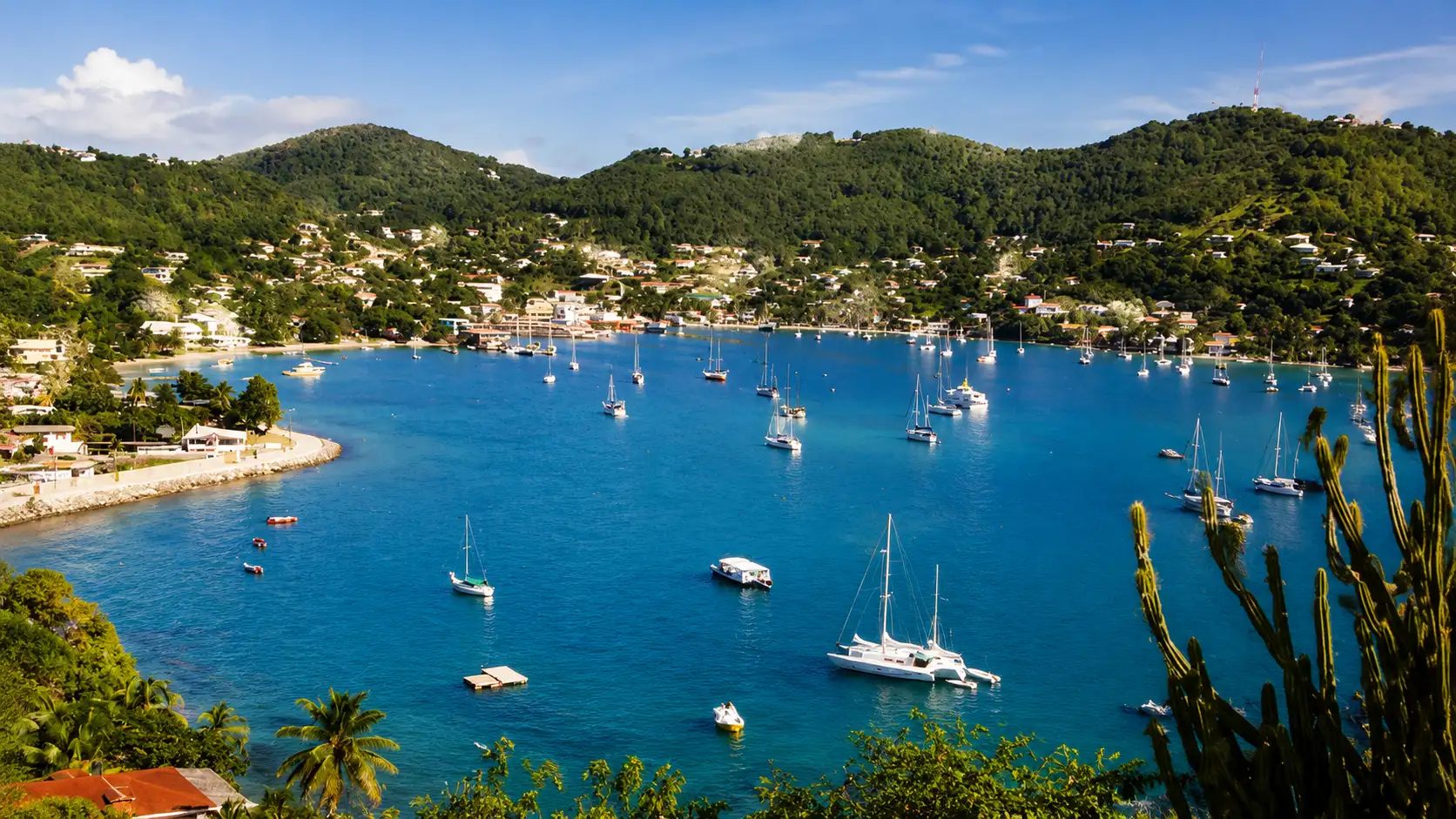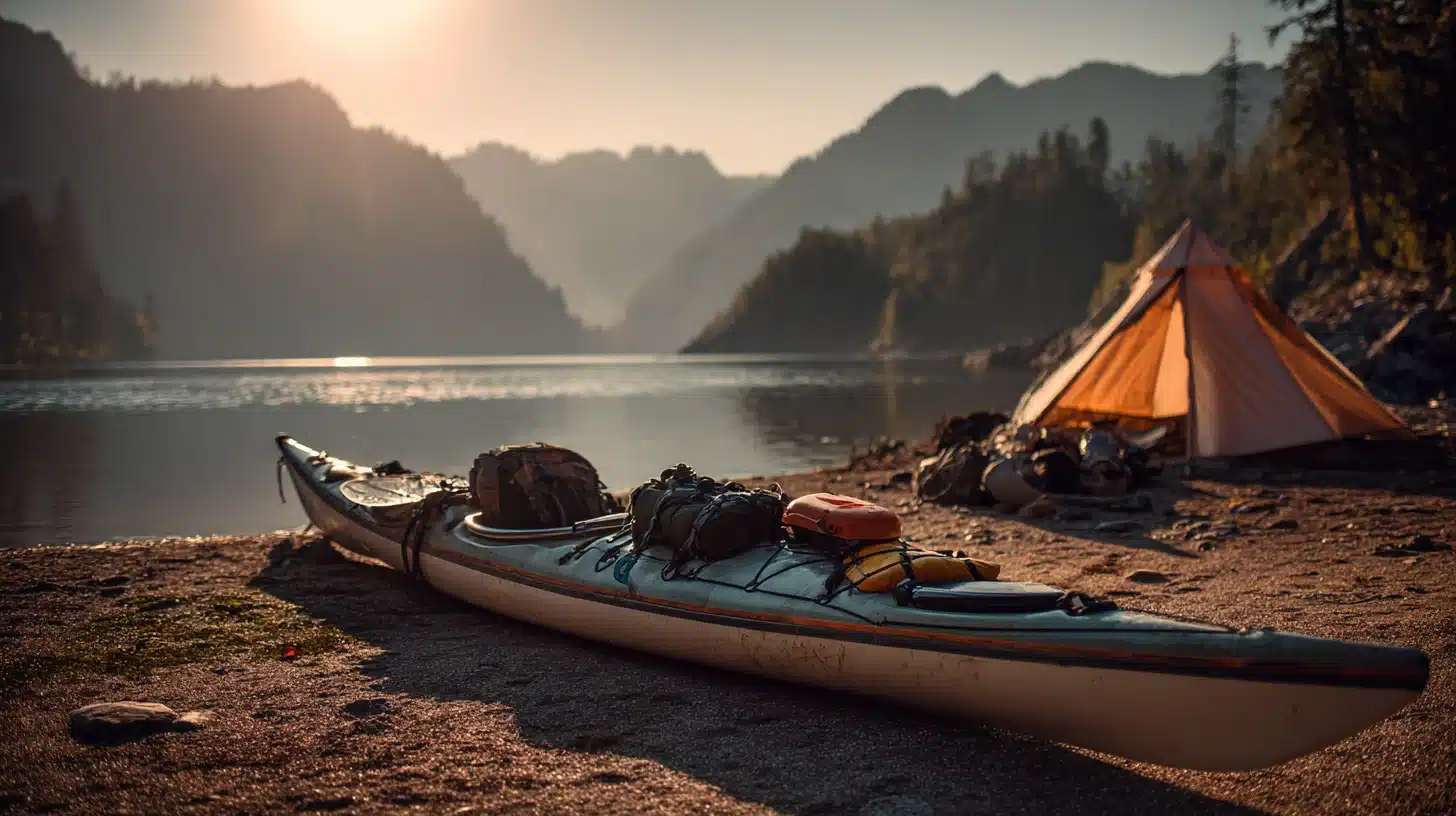
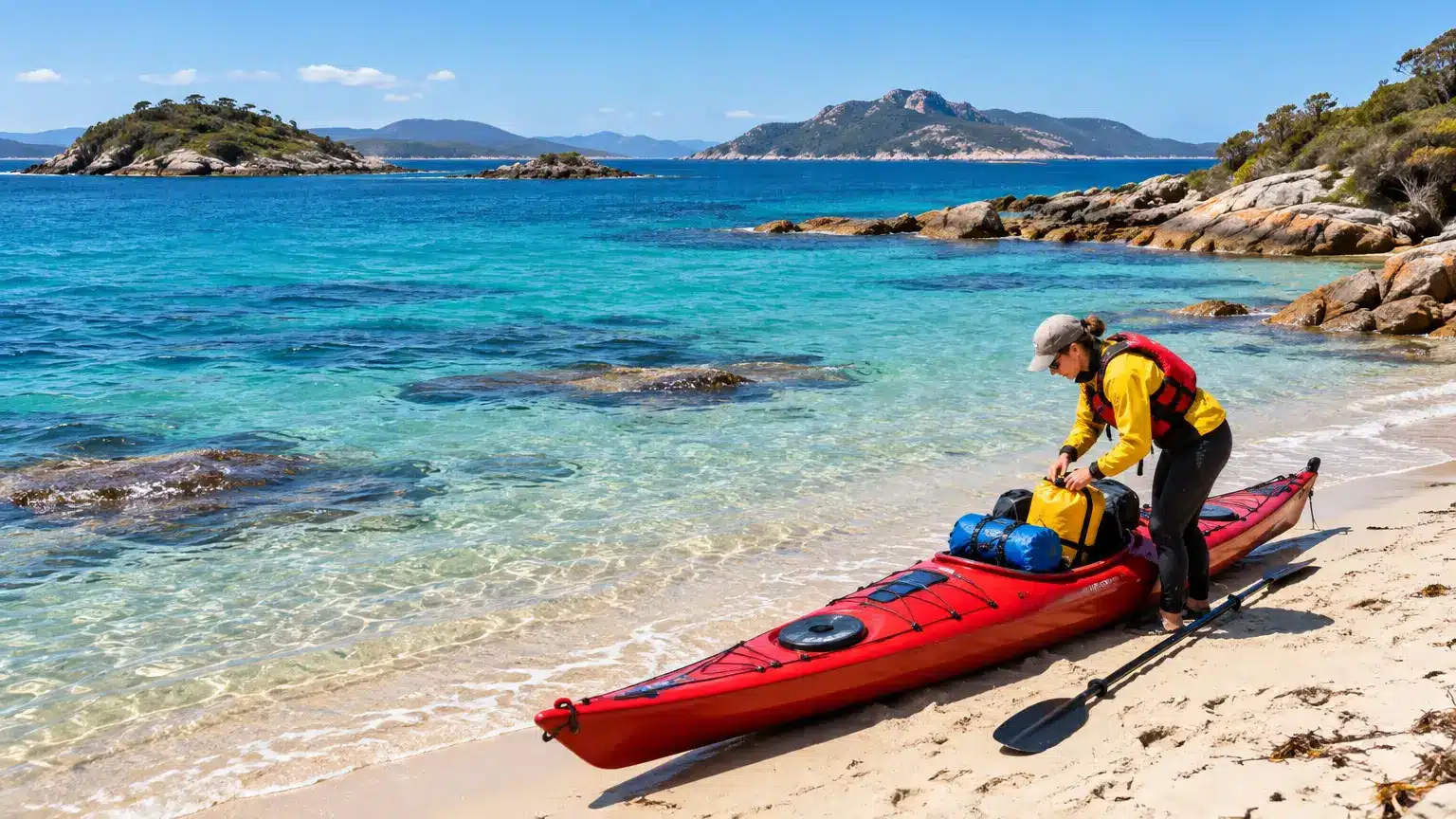
Australia belongs on every serious paddler’s list eventually. Between the Whitsundays’ calm turquoise channels, the dramatic sea cliffs of the Great Ocean Road, and river systems winding through rainforest in Queensland, the country offers a genuinely staggering range of paddling environments in one place. Few destinations let you go from gentle mangrove estuaries to open-ocean swell within the same state, let alone the same trip.
But before you start researching put-in points and tide charts, there’s a logistics step that catches a surprising number of international visitors off guard: entry requirements. Australia’s visa system isn’t especially complicated, but it’s also not something you want to be figuring out the night before your flight.
Do You Need a Visa to Visit Australia?
Unlike some countries where tourists from certain nations can simply show up and get stamped in, Australia requires essentially every visitor to have some form of entry authorization sorted out before arrival, even for a short holiday. There’s no walk-up, pay-at-the-border option the way there is in parts of Southeast Asia or the Caribbean. This surprises a lot of first-time visitors, particularly travelers from countries where visa-free or visa-on-arrival access to other destinations has become the norm.
For eligible passport holders, most commonly from the UK, the US, Canada, several EU countries, and a number of others, this is handled through the eVisitor visa, a free, online authorization for tourism and short business visits. It’s simpler than a traditional visa, but it still needs to be done ahead of time rather than left until the week of the flight.
What the eVisitor Visa Actually Covers
The eVisitor visa permits stays of up to three months per visit for tourism, visiting family, or certain short-term business activities, over a twelve-month validity period that allows multiple entries during that window. For a paddling trip, even an ambitious multi-region itinerary covering the Whitsundays, a stretch of the Great Ocean Road, and a few inland rivers, three months is more than enough runway for most visitors.
The eVisitor visa Australia application process is entirely online, and for eligible passport holders it’s a fairly short form: basic personal and passport details, a handful of standard health and character questions, no fee attached. Processing is usually quick, often within a day or two, though it’s worth applying a few weeks ahead of travel in case your application gets flagged for extra review, which happens occasionally and isn’t something you want to discover the night before a flight.
A few practical details matter here. The eVisitor visa is tied electronically to your passport, so there’s no physical stamp or sticker to worry about losing. It’s also specifically for tourism and short business visits, not extended stays, work, or study, so anyone planning something beyond a standard holiday, a longer expedition season, guiding work, or an extended research trip, should check whether a different visa category actually applies to their situation.
Why Sorting This Out Early Actually Matters for Paddlers
Kayaking trips tend to involve more moving logistical pieces than a standard holiday: gear transport, permits for certain protected waterways, tide and weather windows that shift your itinerary on short notice, and sometimes multi-leg domestic travel between put-in points hundreds of kilometers apart. The last thing you want layered on top of that is scrambling to sort out entry paperwork because it got pushed to the bottom of the packing list.
Getting your eVisitor visa sorted weeks before departure, rather than days, means one less variable in a trip that already has plenty of them. It also means you can focus your actual pre-trip planning time on the parts that matter more to a paddling trip specifically: checking seasonal conditions, confirming gear rental or shipping logistics, and researching which stretches of coastline or river are realistically paddleable during your travel window.
Where to Actually Paddle
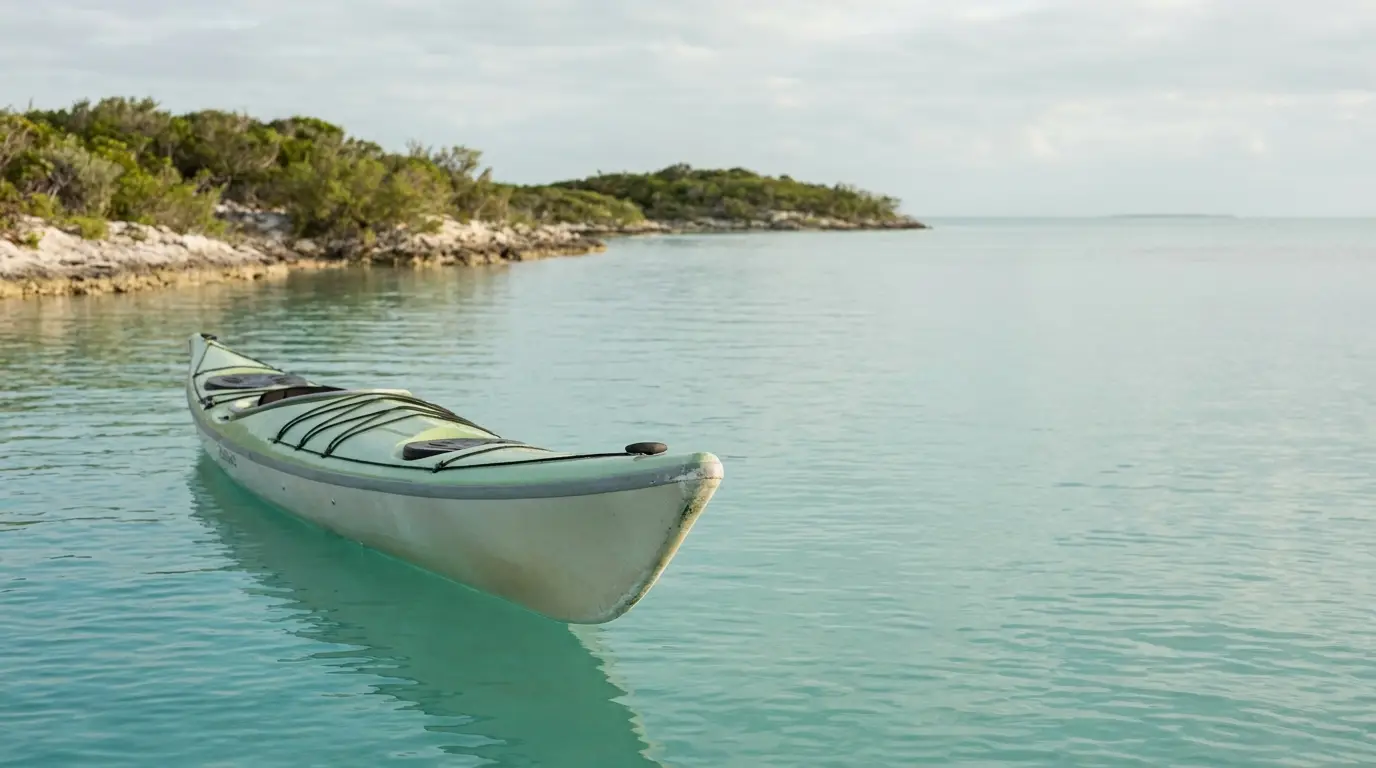
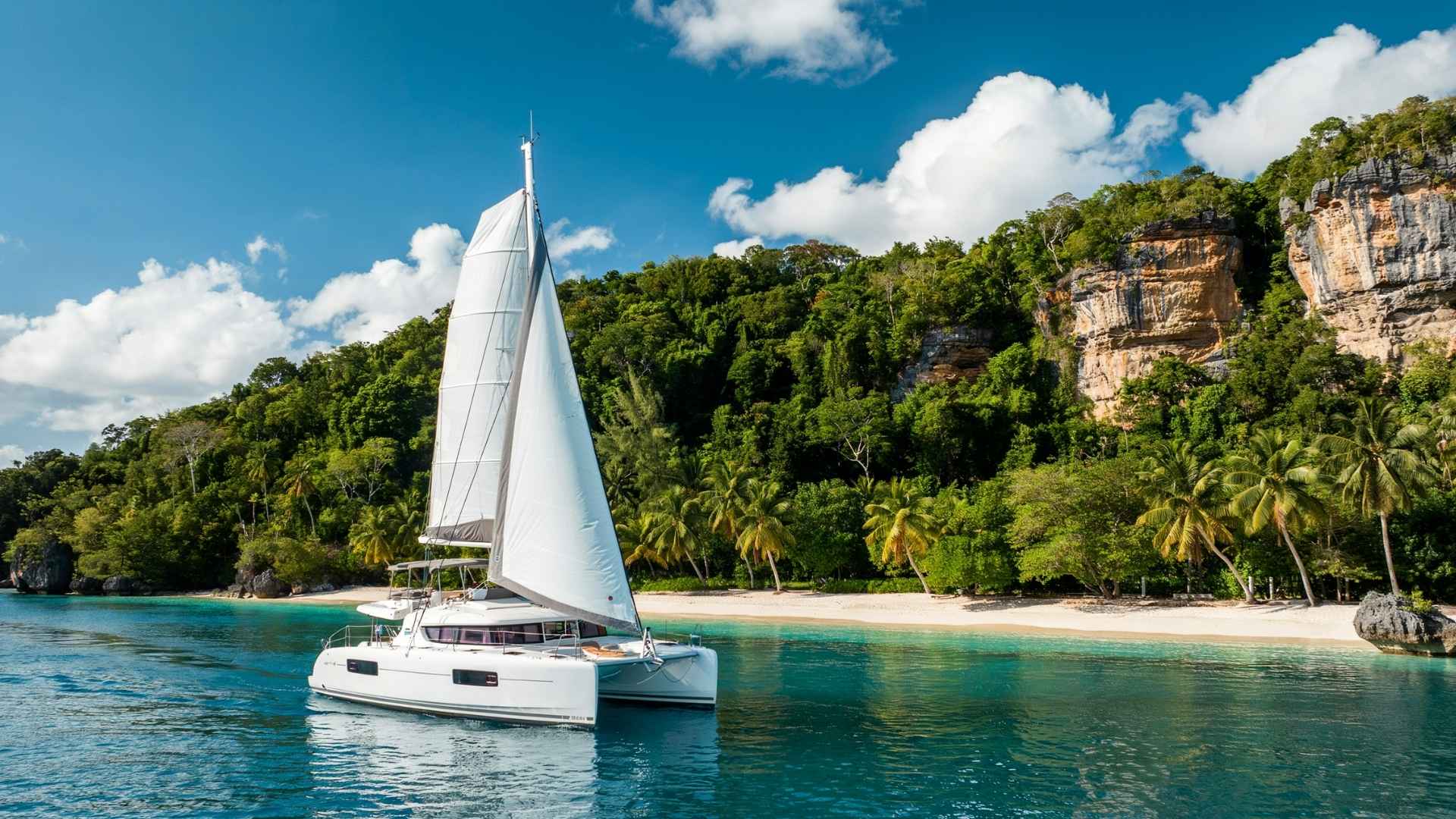
Once the paperwork’s handled, the fun part is figuring out where to point your kayak. The Whitsundays offer some of the most forgiving, scenic paddling in the country, sheltered channels between islands, calm conditions for most of the year, and genuinely spectacular snorkeling stops along the way. For something more dramatic, sections of the Great Ocean Road coastline offer sea caves, arches, and more technical conditions suited to experienced paddlers comfortable with ocean swell.
Inland, Queensland’s river systems wind through rainforest and offer a completely different paddling experience, quieter, more wildlife-focused, and considerably less dependent on tide timing than coastal routes. For paddlers with the time to combine regions, Australia rewards a slower, multi-stop itinerary far more than trying to cram everything into a rushed single-location trip.
One More Thing: Dealing With All That Footage Afterward
Most paddlers come home from a trip like this with far more raw video than anyone’s actually going to sit through, an hour of GoPro footage from the Whitsundays, half of it just paddling along calmly between the good parts. Rather than letting it sit untouched on a memory card, a basic video clip maker can cut that down into a few short, watchable clips without much effort. Not essential by any means, just a reasonably painless way to end up with something worth sending to people back home instead of an hour-long file nobody opens.
Final Prep Checklist Before You Fly
Beyond the visa itself, a few last details round out solid trip prep for an Australia paddling trip specifically. Confirm your gear’s transport plan well ahead of time, whether that’s checking inflatable kayaks as luggage, shipping gear ahead, or arranging rentals locally, since logistics here can vary significantly by region. Research any permits required for specific protected waterways or marine parks, since several of Australia’s best paddling locations sit within conservation areas with their own access rules. And double-check seasonal conditions for your specific route, since Australia’s size means weather and water conditions vary enormously depending on which part of the country you’re headed to and when.
The Bottom Line
Australia offers some of the most genuinely varied paddling on the planet, but getting there smoothly means treating the entry paperwork with the same seriousness as your gear list. Sort out your eVisitor visa well before departure, build your itinerary around the regions that match your skill level and interests, and the only thing left to worry about is which stretch of coastline to paddle first.