
Some college degrees point toward one obvious profession. Recreation management does not. That uncertainty can make the major seem vague at first, yet it is also one of its strengths. Recreation happens in city parks, sports complexes, community centers, resorts, camps, universities, nonprofit organizations, and rehabilitation facilities. Each setting needs people who can turn an empty space or a loose idea into a safe, organized, and worthwhile experience.
So, what can you do with a recreation management degree? The short answer is that a graduate can manage programs, facilities, events, staff, budgets, and community initiatives. The more honest answer is that the degree becomes valuable when a student learns how to connect those responsibilities to a particular population or purpose.
What Does a Recreation Management Degree Cover?
A recreation management program usually combines business education with the study of leisure, community well-being, and human behavior. Students may take courses in program planning, leadership, marketing, budgeting, risk management, tourism, event coordination, and facility operations.
There is often more writing involved than prospective students expect. Future managers prepare program proposals, safety policies, grant applications, promotional materials, and assessment reports. A student who struggles to evaluate a draft can use an essay checker and grader to identify structural or technical weaknesses before submitting an assignment.
The degree also has a practical side. Many programs require internships or field experience because recreation cannot be understood entirely from a textbook. A schedule may look perfect on paper and still fail when equipment is late, the weather changes, or twice as many participants arrive as expected.
Managing those situations requires judgment. It also requires communication. Students who need support while balancing fieldwork and coursework may choose services that write any papers according to their academic requirements. However, every student still needs to understand the concepts behind the work, especially when those concepts later affect real participants, employees, and public resources.
Recreation Management Degree Jobs
The field is broader than parks alone. Graduates can work for municipal governments, private companies, schools, healthcare organizations, resorts, charities, and sports organizations. The National Recreation and Park Association describes the profession as a way to support healthier, more equitable, and environmentally resilient communities.
Common recreation management degree jobs include:
| Position | Typical responsibilities | Possible employers |
| Recreation coordinator | Plans activities, manages registrations, and communicates with participants | Community centers, municipalities, universities |
| Parks and recreation manager | Supervises facilities, staff, budgets, and public programs | City and county governments |
| Athletic program director | Organizes leagues, tournaments, coaches, and facility schedules | Schools, sports complexes, nonprofit organizations |
| Event coordinator | Plans events, hires vendors, manages logistics, and controls budgets | Resorts, convention centers, private agencies |
| Camp director | Oversees employees, programming, safety procedures, and parent communication | Summer camps and youth organizations |
| Outdoor recreation specialist | Leads or manages nature-based programs and outdoor education | Parks, conservation groups, adventure companies |
| Resort activities manager | Creates guest programs and supervises entertainment teams | Hotels, resorts, cruise companies |
| Therapeutic recreation specialist | Uses structured activities to support participants’ health and independence | Hospitals, rehabilitation centers, senior facilities |
This table shows only the recognizable job titles. The field also includes less obvious positions in marketing, membership services, fundraising, volunteer coordination, tourism, and community development.
Careers in Parks and Community Recreation
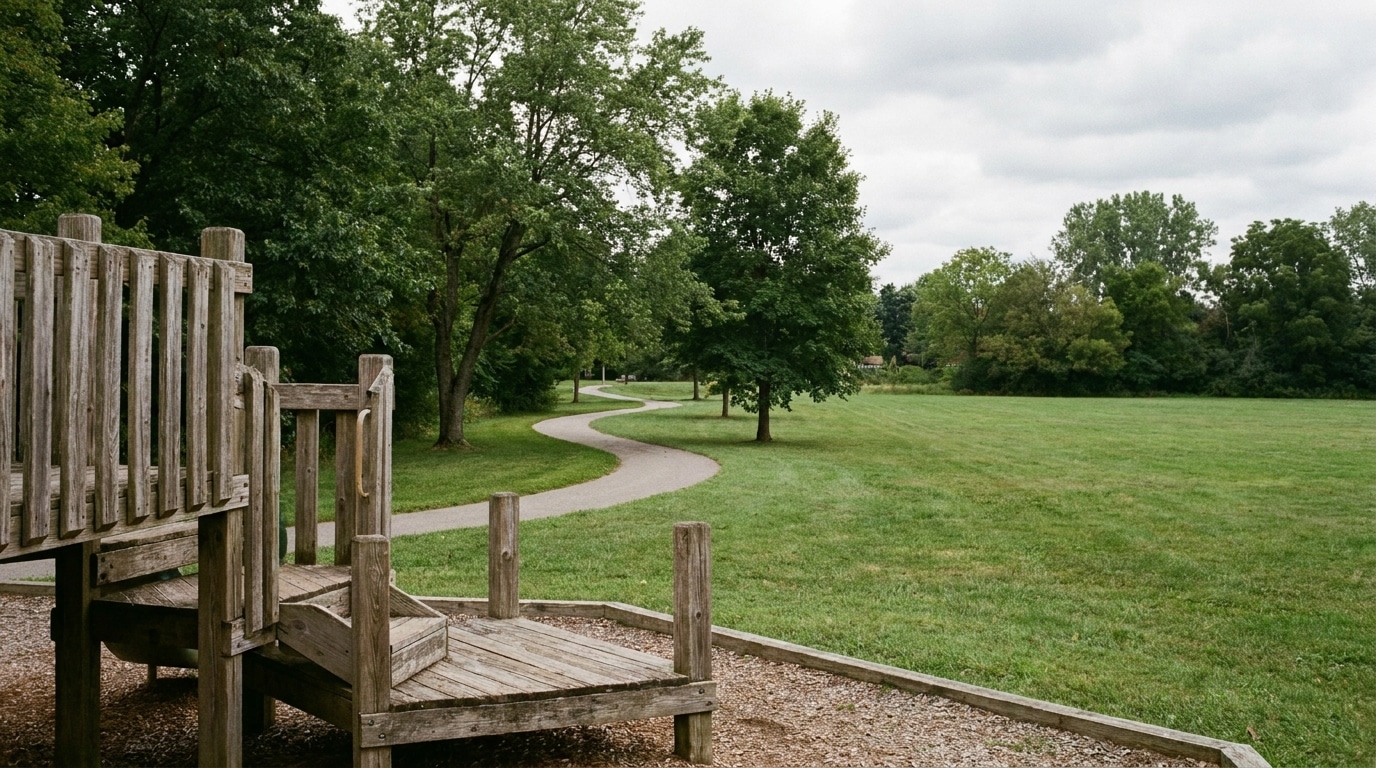
Local government remains an important source of parks and recreation management careers. A recreation professional may begin by coordinating youth sports or community classes and later move into facility supervision, department administration, or public policy.
Municipal work has a peculiar rhythm. A manager might discuss playground maintenance in the morning, review an event permit after lunch, and deal with a cancelled instructor before the day ends. The work is administrative, but it is rarely abstract. Decisions quickly become visible to residents.
Community recreation also raises difficult questions. Which neighborhoods receive new facilities? Are programs accessible to participants with disabilities? Can families afford registration fees? Is an outdoor event prepared for extreme weather? Strong managers do not merely fill calendars. They decide whose needs are being recognized and whose are being overlooked.
Organizations such as the YMCA, Boys & Girls Clubs of America, and local community foundations also employ program directors and recreation coordinators. These positions often combine management with youth development, health promotion, and volunteer leadership.
Sports, Events, Tourism, and Hospitality
Some of the most energetic careers in recreation management exist in sports and hospitality. Graduates may coordinate amateur leagues, operate fitness facilities, manage stadium events, or create activity programs for hotel guests.
An event management position can appear glamorous from the outside. In practice, much of the work involves contracts, staffing charts, emergency plans, transportation, and quiet problem-solving. When an event feels effortless to visitors, someone has usually spent weeks controlling details they will never notice.
Tourism creates another path. Resorts, cruise companies, visitor attractions, and outdoor adventure businesses need professionals who understand both customer experience and daily operations. A recreation management graduate may design activities, monitor participation, train seasonal staff, or analyze which programs deserve further investment.
Professional sports organizations can also provide opportunities, although competition is strong. Internships, volunteer experience, and industry contacts frequently matter as much as the degree title. A graduate who wants to work for an organization such as the YMCA, a university athletic department, or a major sports venue should start building relevant experience before graduation.
Therapeutic Recreation Requires Additional Preparation
Therapeutic recreation deserves separate attention because it is not simply entertainment in a medical environment. Professionals in this area use carefully selected activities to support physical, cognitive, emotional, or social goals.
Depending on the position and location, employers may require professional certification. In the United States, the National Council for Therapeutic Recreation Certification awards the Certified Therapeutic Recreation Specialist credential. Students interested in this route should check course and internship requirements early. A general recreation management curriculum may not automatically satisfy every certification standard.
This career can be meaningful, but it demands precision. Programs must be adapted to individual abilities, documented properly, and coordinated with other professionals.
Skills Employers Actually Notice
A degree introduces the field. Experience proves that a graduate can function within it. Employers commonly look for evidence of:
- Program planning and evaluation
- Staff and volunteer supervision
- Budget management
- Clear public communication
- Event logistics
- Risk assessment and emergency preparation
- Inclusive program design
- Marketing and community outreach
- Conflict resolution
- Data collection and reporting
Part-time jobs, internships, campus organizations, coaching, and volunteer projects can all provide that evidence. The setting matters less than the responsibility taken. Supervising ten volunteers during a community event may teach more about leadership than memorizing a chapter about it.
Certifications can also strengthen a résumé. CPR and first aid training are useful in many roles. Other credentials may be valuable for aquatics, fitness, outdoor leadership, or therapeutic recreation.
Recreation Management Degree Salary and Career Growth
A recreation management degree salary cannot be reduced to one number because graduates enter positions with very different levels of responsibility. Entry-level coordinators may earn considerably less than department directors or managers of large entertainment facilities. Location, employer type, experience, and specialization also influence compensation.
The U.S. Bureau of Labor Statistics reported a median annual wage of $79,520 for entertainment and recreation managers in May 2025. That figure represents a management occupation, not every job available to a new graduate. Students should therefore treat national salary figures as reference points rather than promises. U.S. Bureau of Labor Statistics
Advancement often follows a practical sequence:
- A student completes an internship or seasonal role.
- The graduate becomes a program assistant or coordinator.
- The coordinator begins supervising staff, budgets, or facilities.
- With experience, that person moves into management or department leadership.
Graduate education may help someone pursue senior administration, higher education, research, or specialized community development work. It is not necessary for every career path.
Is Recreation Management a Good Degree?
It can be a strong choice for a person who enjoys organizing people, programs, and shared spaces. It may be less suitable for someone who wants predictable hours or a job with little public interaction. Recreation professionals often work evenings, weekends, holidays, or seasonal schedules because those are the times when participants are available.
The major also rewards initiative. Simply completing classes may not produce a convincing résumé. Students benefit from choosing a direction, gaining field experience, and learning how organizations measure results.
Recreation is sometimes dismissed as an optional extra. That view misses its social role. Parks create common ground in divided cities. Youth programs give children structured places to spend time. Adaptive recreation allows more people to participate in community life. Events create local identity, and outdoor programs can deepen public interest in conservation.
A recreation management degree is therefore not only about arranging activities. At its best, it teaches someone how to build environments where people can connect, recover, compete, explore, or simply feel that they belong. The career title may vary, but the central responsibility remains surprisingly consistent: creating experiences that work for real people.