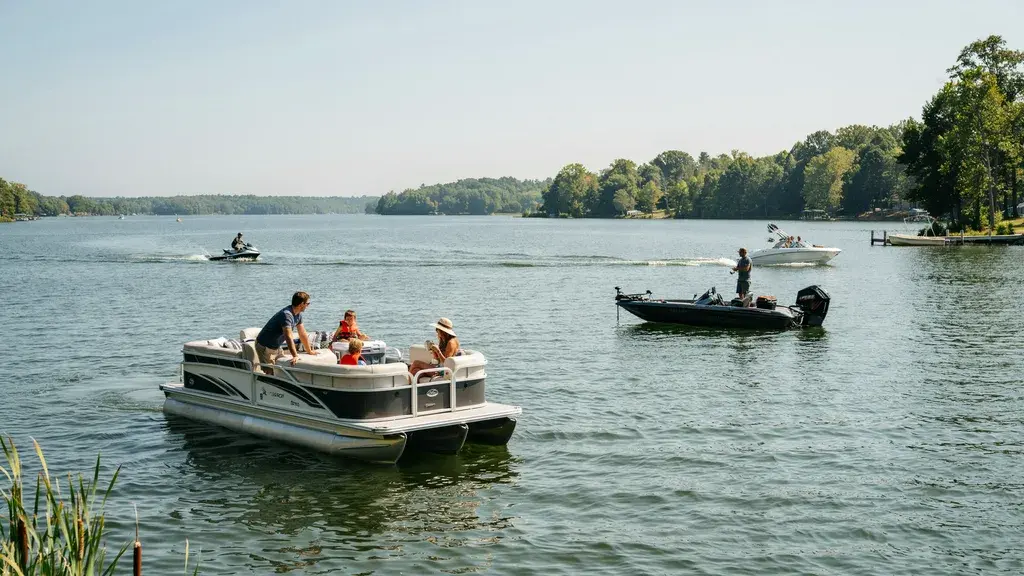
Standing at the edge of a lake, watching boats glide by, it’s easy to lose track of which one would actually suit your weekends.
Some are built for speed, some for space, some for quiet mornings with a fishing rod. Picking the right boat means matching a vessel to how you actually plan to use it, not just grabbing whichever one looks good at the dock.
Here’s a look at the main types of boats for lakes, what each one does well, and the practical factors worth checking before any purchase or rental decision.
Why Lake Boats Differ From Ocean or River Boats
Lakes range from small, sheltered ponds to large bodies of water that can develop strong winds and choppy conditions. That variety affects which boat designs work best.
Boat types are generally classified by hull design, intended activity, size, and propulsion. These factors determine how a boat handles the water and what it is best suited for.
- Hull design: Influences stability, speed, shallow-water access, and how the boat handles waves.
- Intended use: Fishing, cruising, watersports, and overnight trips each favor different boat layouts.
- Propulsion: Outboard, inboard, sterndrive, and electric systems offer different performance and maintenance needs.
- Water conditions: Lake boats often face fewer extremes than ocean vessels, while river boats may need to handle currents, narrow channels, and changing depths.
Even calm lakes can become choppy in strong winds, so local conditions should always factor into your choice.
9 Types of Boats for Lakes
From spacious family boats to specialized fishing and watersports models, lake boats come in several designs.
The right choice depends on how you use the water, how large or shallow the lake is, and how many people usually come along. These nine types cover the most useful options for common lake activities.
1. Pontoon Boats
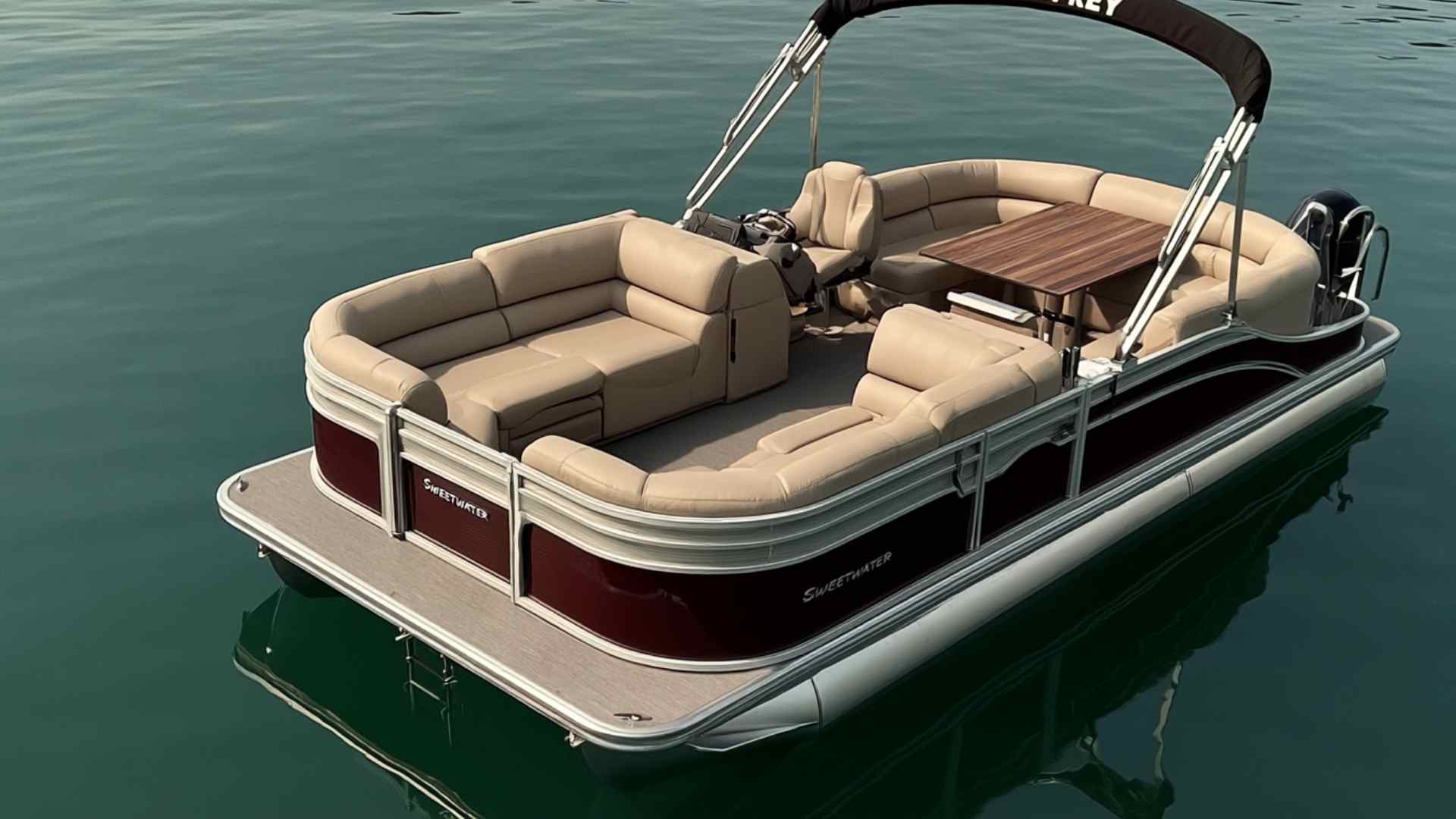
Pontoons use two or three aluminum tubes beneath a wide, open deck, giving them stability and ample passenger space.
That flat-deck design is also what makes them work in water as shallow as 24 inches, which is why they show up on so many small and sheltered lakes.
Standard two-tube models run 15 to 30 feet and generally top out well below what a V-hull boat can do. Tritoon setups with a third tube and higher horsepower close that speed gap and add real capability for towing tubes or a light wakeboard session.
- Suitable use: Family cruising, entertaining, swimming, fishing, and tubing.
2. Deck Boats
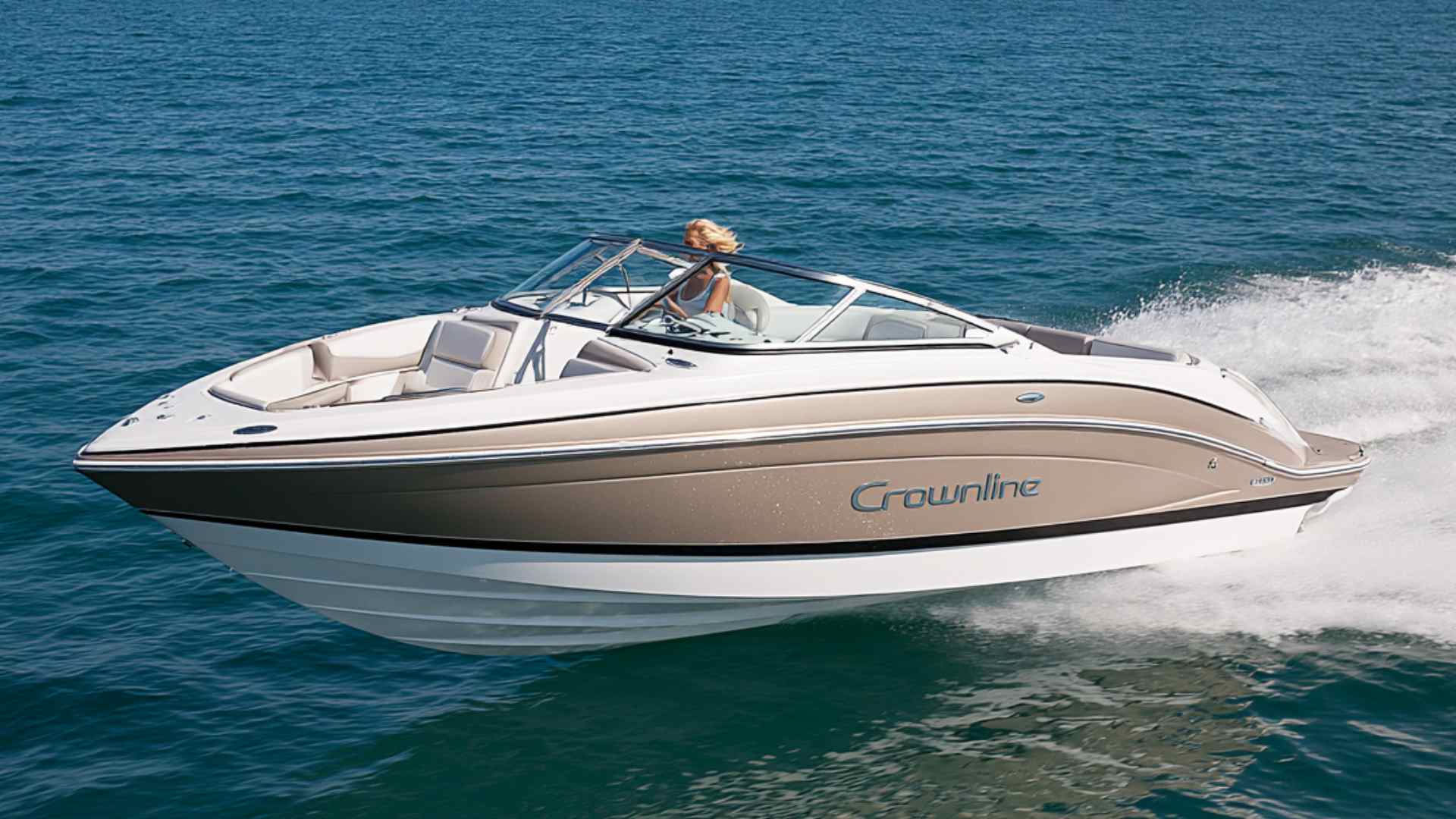
Deck boats combine a broad, open layout with a V-shaped hull, giving you more seating than many runabouts while retaining responsive handling.
They suit buyers who want family space without choosing a pontoon. Most run 12 to 30 feet, carry up to 14 passengers, and are trailerable, so they work well on medium and larger lakes.
- Suitable use: Family outings, cruising, swimming, fishing, and light watersports.
3. Bowrider Boats
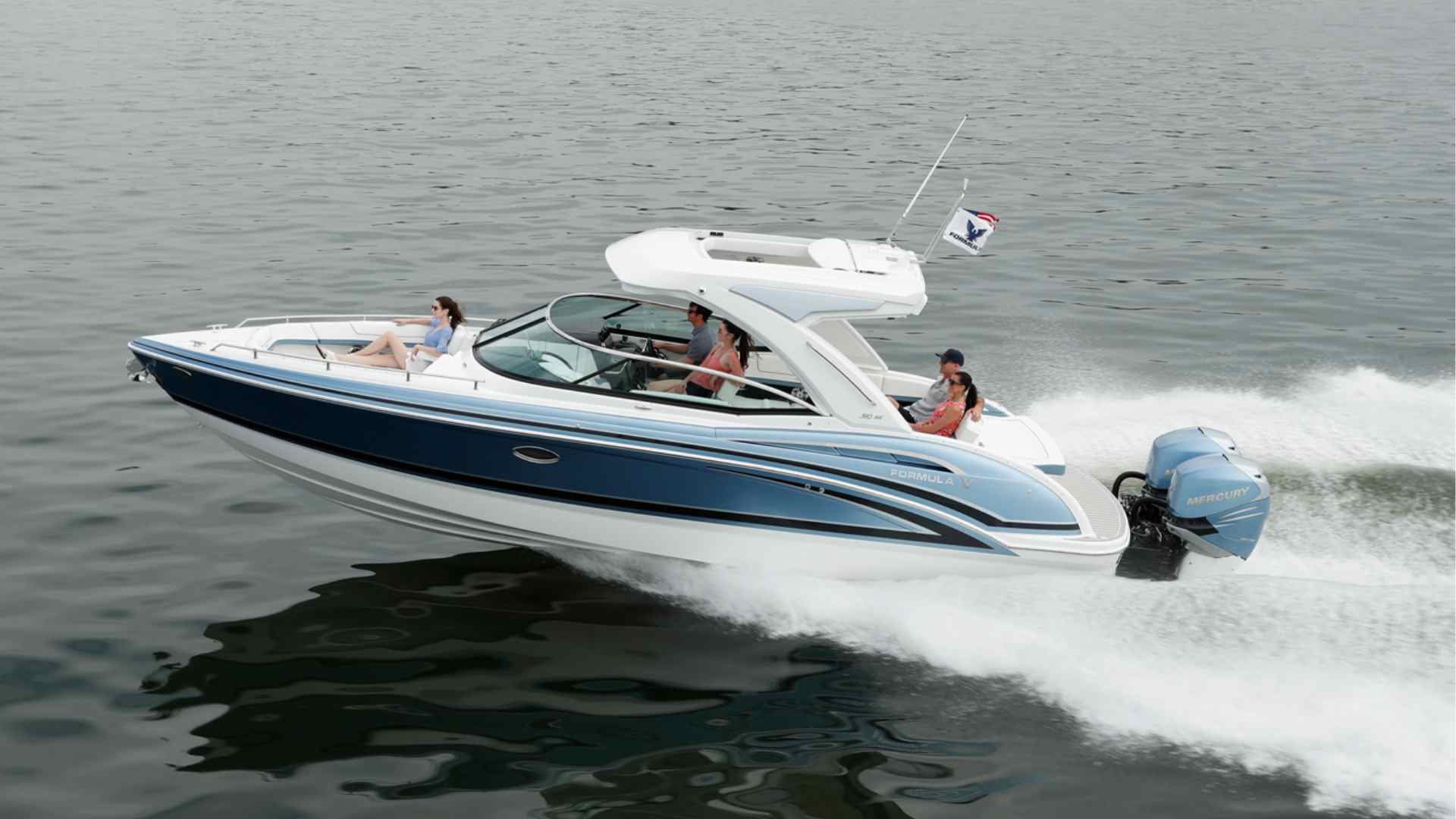
Bowriders have forward-facing seats in an open bow and offer responsive handling for recreation.
Their V-hulls generally provide a sportier ride than pontoons, making them popular for tubing, skiing, and cruising. Most range from 17 to 30 feet, and while they suit smaller groups well, that open bow seating comes at the cost of the flat, walk-around deck space a pontoon or deck boat offers.
- Suitable use: Cruising, tubing, waterskiing, swimming, and small-group lake trips.
4. Fishing Boats
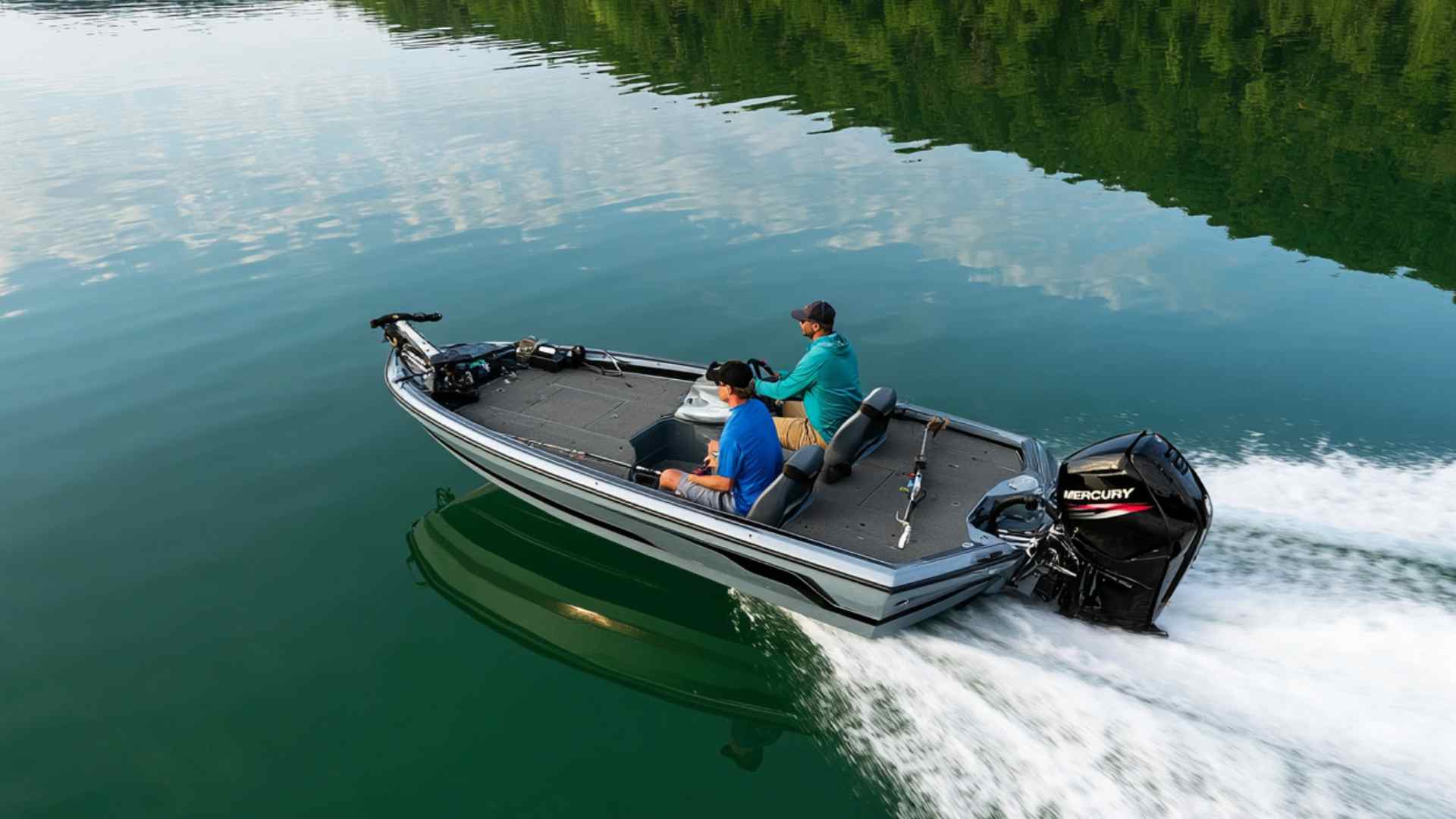
Fishing boats prioritize casting space, storage, livewells, rod holders, and maneuverability rather than large passenger areas.
This category includes bass boats, aluminum fishing boats, and center consoles. Inland models typically run 17 to 20 feet, and the best layout depends on lake size, target species, and whether fishing is the main purpose of the trip.
- Suitable use: Freshwater fishing, casting, trolling, and focused angling trips.
5. Jon Boats
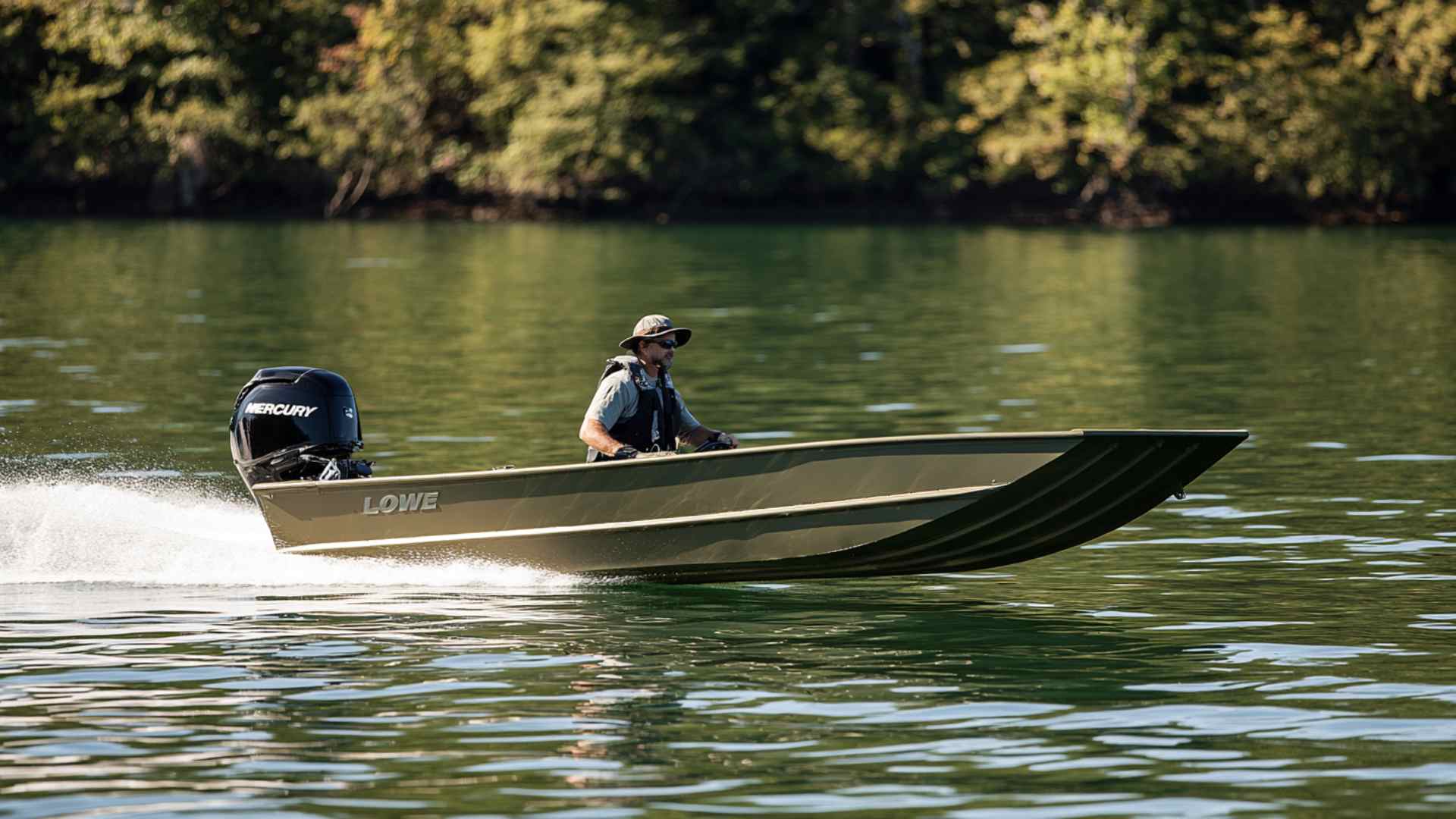
Jon boats are simple, lightweight boats with a flat or nearly flat bottom, making them useful in shallow, sheltered water.
Their straightforward construction makes them easy to trailer and maintain, and they typically run 10 to 18 feet, with open layouts that leave room for fishing gear. They are less comfortable in substantial chop.
- Suitable use: Shallow-water fishing, hunting, quiet coves, and small-lake exploration.
6. Bass Boats
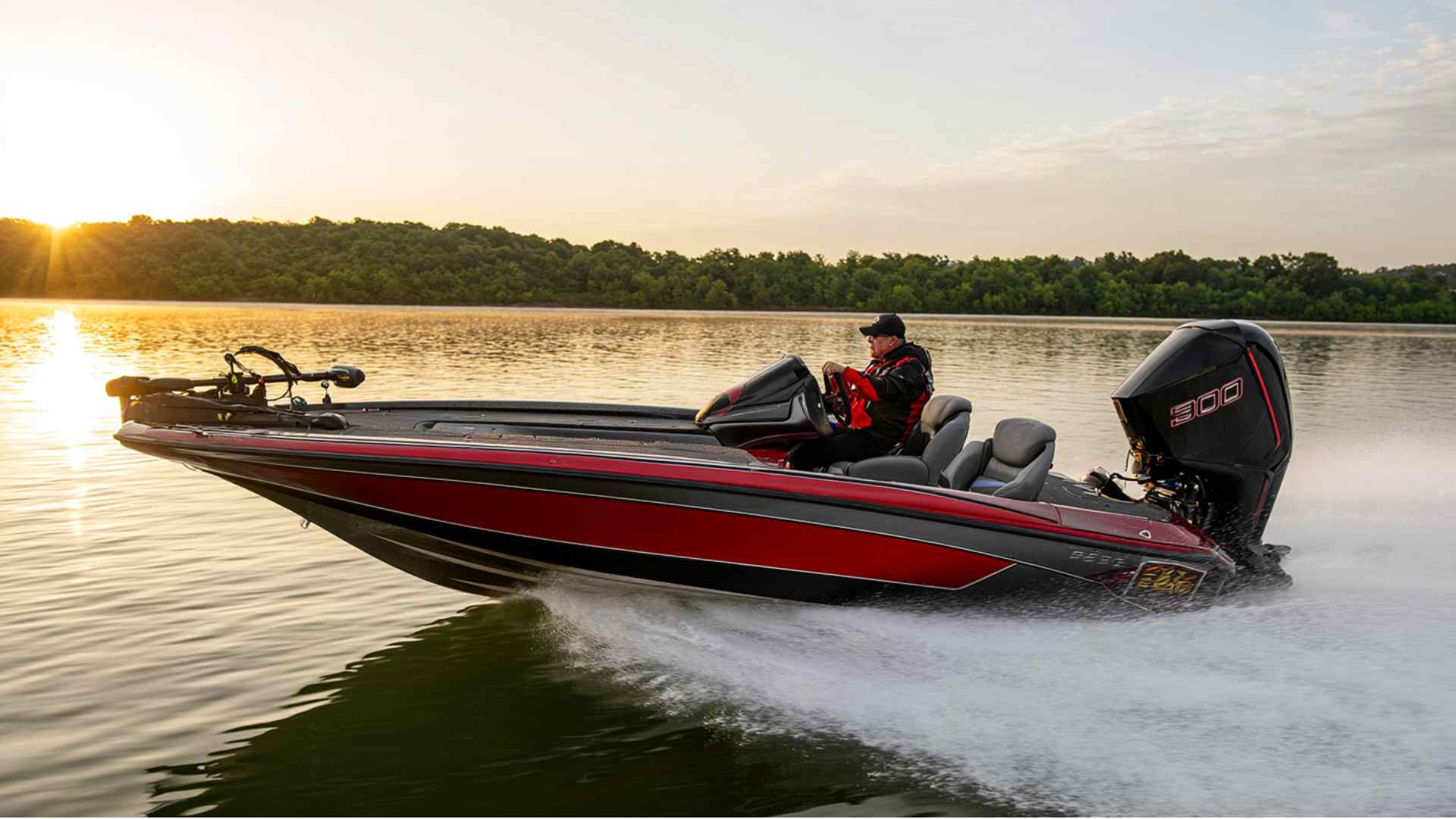
Bass boats are specialized fishing platforms designed for speed, casting access, and movement between fishing spots. They typically feature elevated casting decks, tackle storage, livewells, and trolling motors.
Their low profiles and focused layouts favor anglers covering a lot of water on tournament-sized lakes, making them less practical as family boats.
- Suitable use: Bass fishing, tournament-style angling, and larger fishing lakes.
7. Watersports Boats
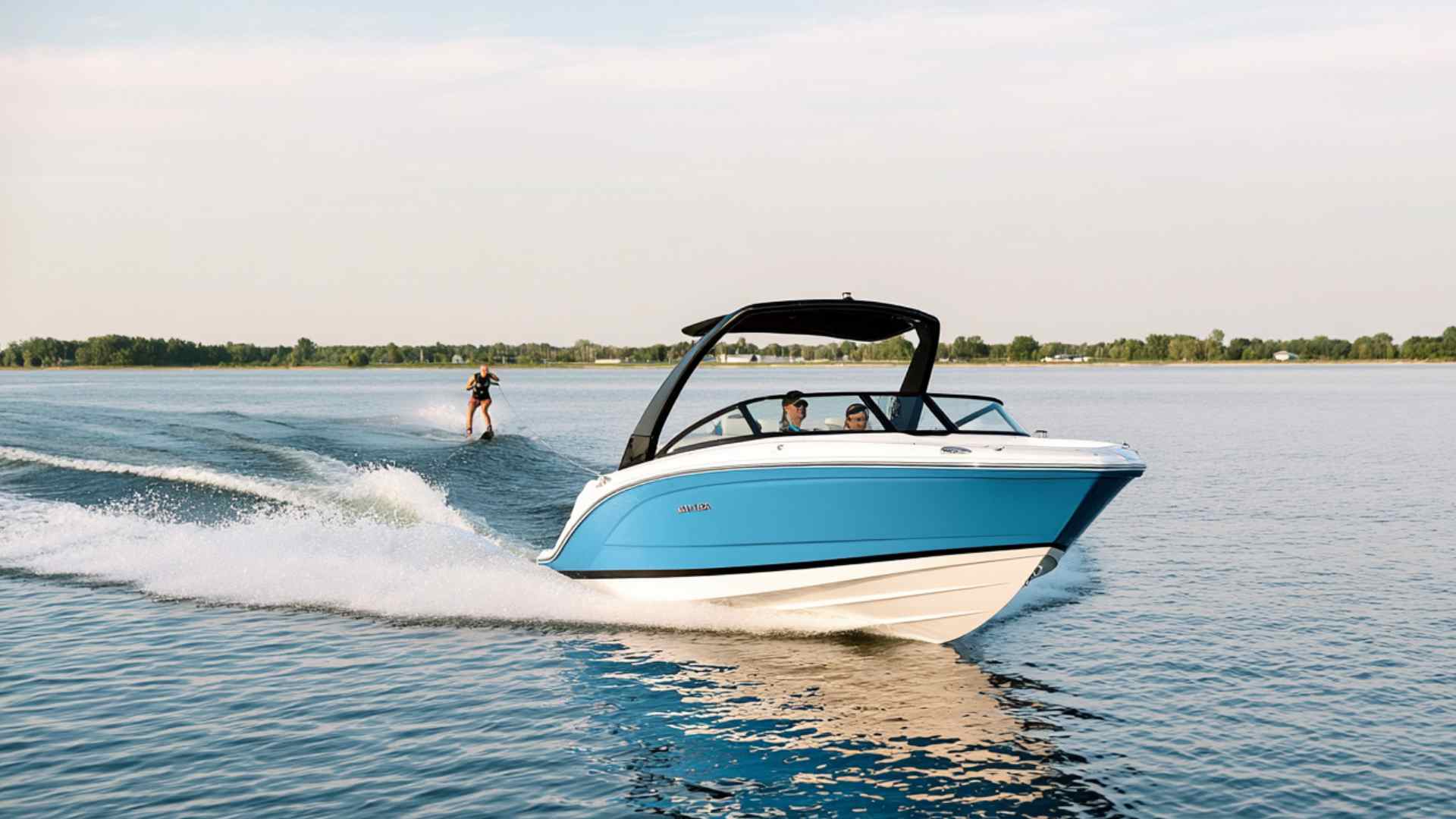
Ski and wake boats are purpose-built for activities behind the boat, using specialized hulls, tow points, and ballast systems that pump extra water into the hull to shape the wake.
Ski boats emphasize a flatter wake, while wake boats add ballast weight to push a bigger, surfable wave for board sports. Most run 19 to 25 feet, and their design is less versatile for fishing.
- Suitable use: Wakeboarding, wakesurfing, waterskiing, and tubing.
8. Cabin Cruisers
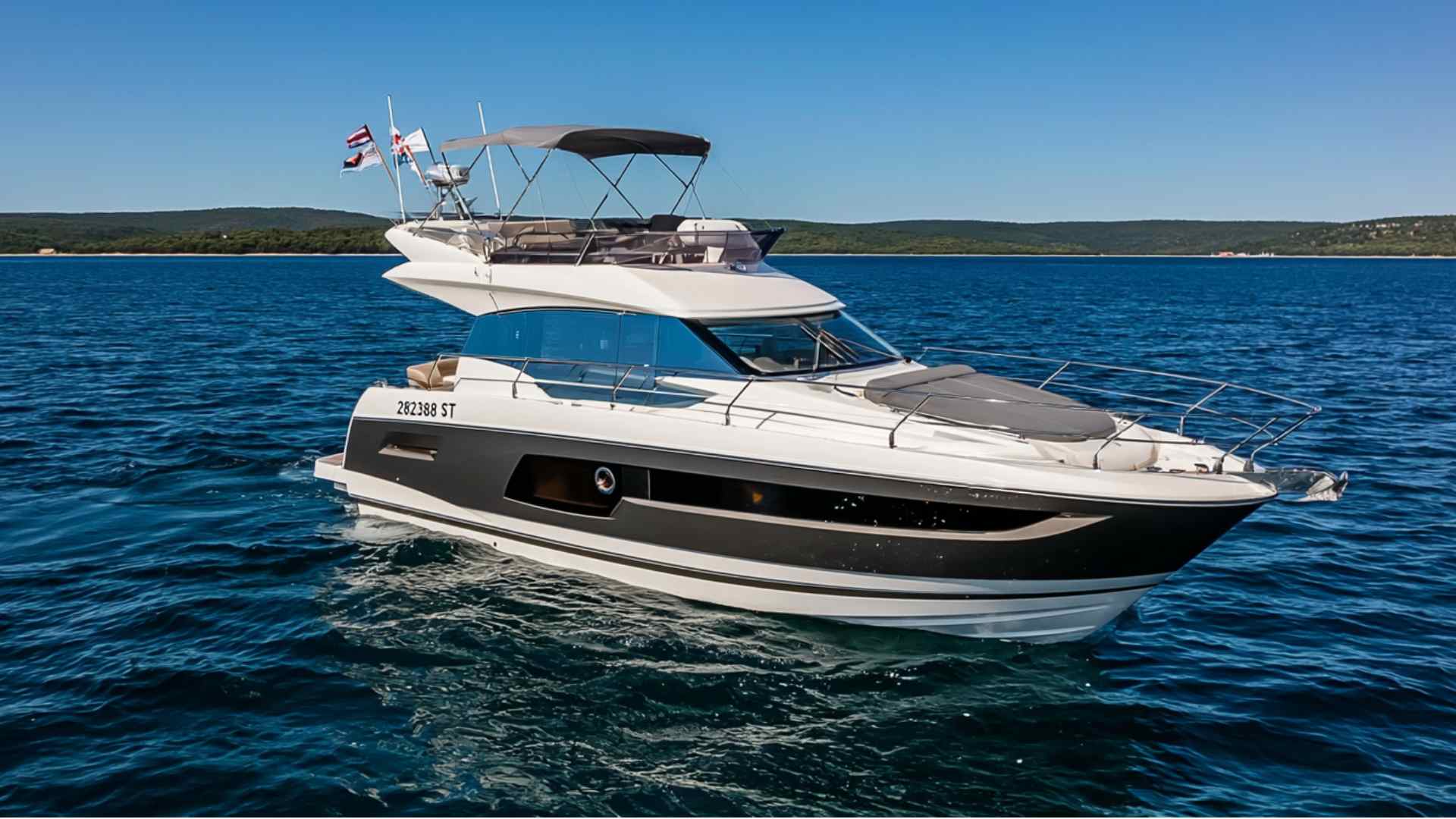
Cabin cruisers add enclosed sleeping and living areas to recreational boats, making them suited to lake trips.
Ranging from 20 to 45 feet, they provide more shelter, storage, and comfort than open boats, but their size and draft can limit access to smaller lakes. They also require storage planning.
- Suitable use: Overnight stays, weekend cruising, entertaining, and longer lake trips.
9. Personal Watercraft (PWCs)
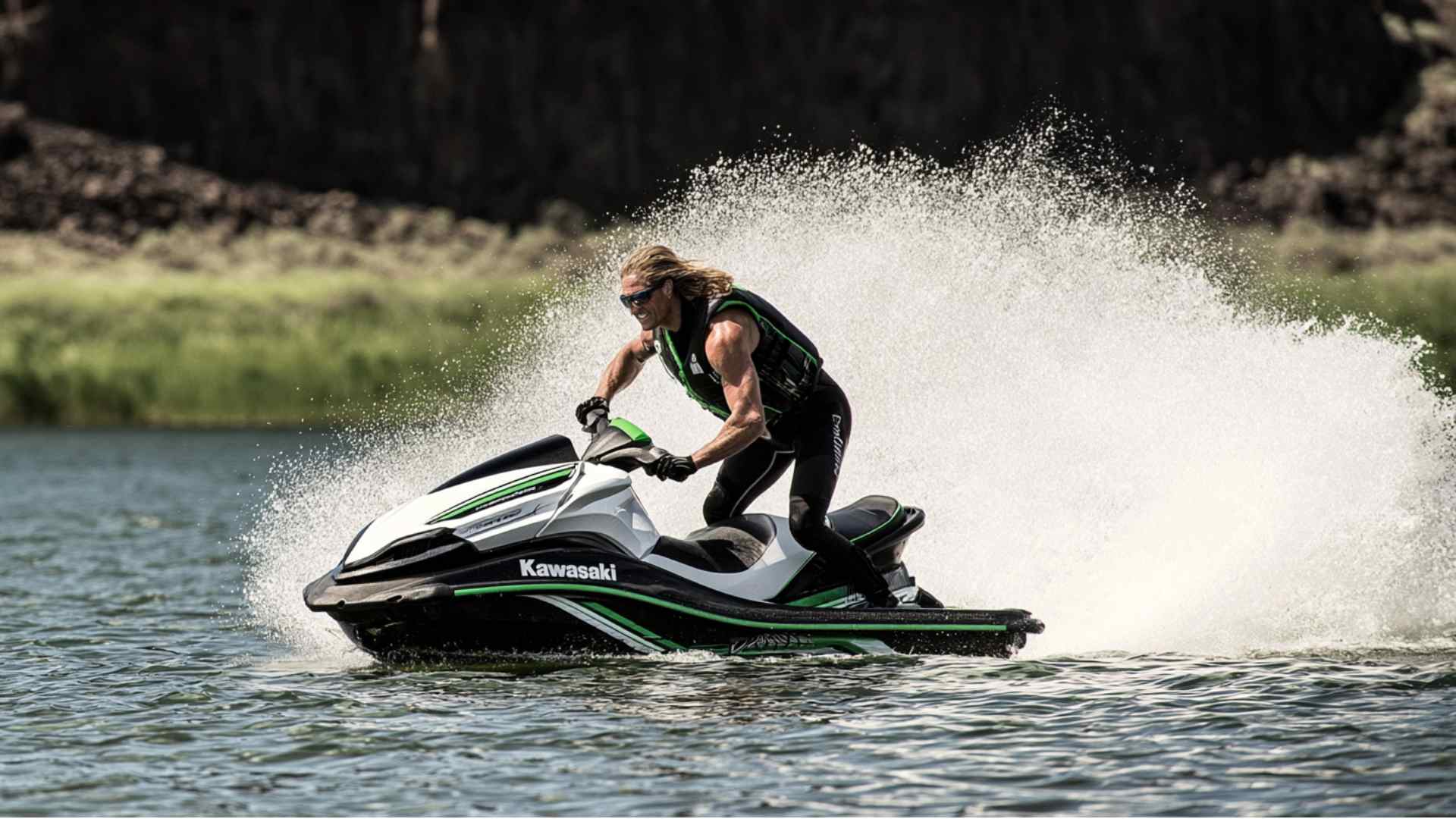
Personal watercraft, including stand-up and sit-down models, offer quick acceleration and compact handling for one or two riders.
Most run under 12 feet, and under U.S. Coast Guard rules they’re classified the same way as any small motorboat, which is worth knowing if you’re comparing a personal watercraft vessel type against a traditional boat for the first time.
They are easy to trailer and store, but provide little space for gear or passengers. Local rules can restrict speed, riding areas, and towing, with many states requiring an onboard observer or rearview mirror any time a PWC is towing a rider.
- Suitable use: Short thrill rides, exploring, solo recreation, and permitted towing.
With nine main types of boats for lakes to choose from, the best option comes down to how you plan to spend your time on the water.
Consider your usual activities, passenger needs, storage, lake conditions, and budget before deciding. A sheltered cove calls for a different boat than a large, open lake that kicks up chop most afternoons, so match the hull to the water you’ll actually be on before you match it to the activity.
Key Factors to Evaluate Before Buying
Choosing a boat type is only half the process; these factors narrow it down further.
- Lake size: Larger lakes handle bigger boats comfortably; smaller lakes favor compact, shallow-draft options.
- Primary activity: Fishing, watersports, and leisure cruising each call for different hull designs.
- Passenger capacity: Family outings need more seating and stability than solo trips.
- Storage and towing: Consider where the boat will sit and what vehicle can tow it.
- Maintenance and fuel type: Inboard, outboard, and electric options carry different upkeep needs.
- Budget beyond purchase price: Insurance, storage, and seasonal maintenance add up fast.
One more thing to check before buying: many lakes cap engine horsepower or enforce no-wake zones near shorelines and docks. A wake boat or bass boat that’s perfectly legal on one lake may be restricted on another, so it’s worth confirming local rules with the marina or lake authority first.
Alongside those factors, it’s worth knowing the essential gear every lake boat should carry.
Must-Have Safety Equipment Checklist
Regardless of boat type, a few safety essentials apply across the board.
☐ Properly fitted life jackets for every passenger
☐ Fire extinguisher rated for marine use
☐ First-aid kit
☐ Whistle or horn for signaling
☐ Navigation lights for low-visibility conditions
☐ Anchor and rope suited to lake depth
☐ Registration and compliance documents on board
Once the safety basics are sorted, a side-by-side comparison makes it easier to see how these boats stack up.
Other Boat Types Worth Knowing
Beyond the nine styles above, these boats round out the picture for different budgets, hull types, and paddling needs.
| Boat Type | Best For | Typical Capacity | Price Range |
|---|---|---|---|
| Runabout Boats | Day cruising, light watersports | 4–6 people | $20,000–$50,000 |
| Center Console Boats | Fishing, open-water recreation | 4–8 people | $30,000–$90,000 |
| Cuddy Cabin Boats | Weekend trips, light shelter | 4–6 people | $25,000–$70,000 |
| Houseboats | Overnight stays, entertaining | 6–12 people | $50,000–$150,000+ |
| Tritoon Boats | Family cruising, towing | 10–14 people | $35,000–$80,000 |
| Power Catamarans | Stability, smooth rides | 6–10 people | $40,000–$100,000 |
| Daysailers | Sailing, quiet cruising | 2–6 people | $10,000–$40,000 |
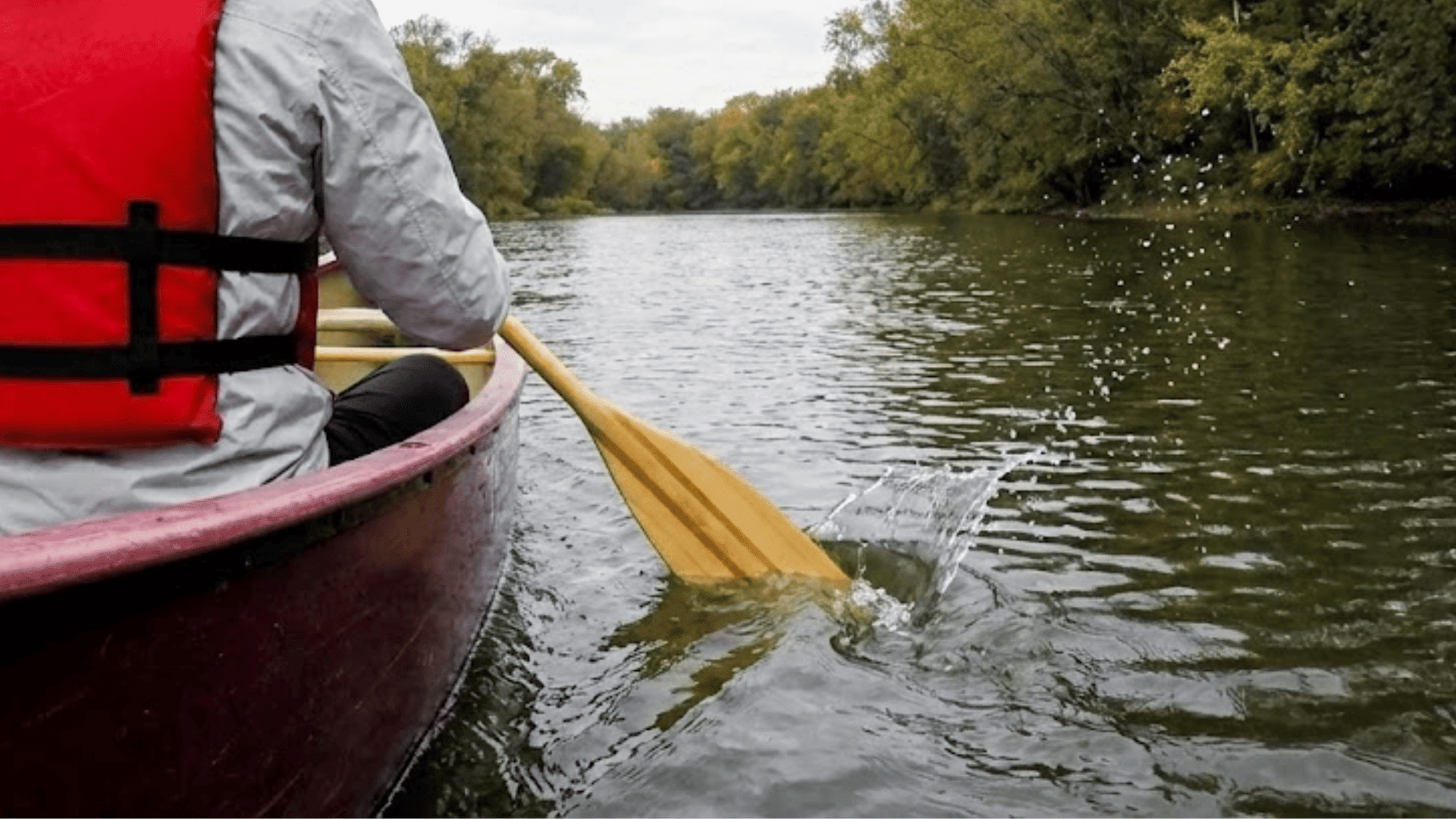
| Canoes | Paddling, quiet coves | 1–3 people | $500–$2,500 |
| Kayaks | Solo paddling, light fishing | 1–2 people | $300–$2,000 |
| Inflatable Boats (RIBs) | Tenders, shallow-water access | 2–6 people | $1,500–$15,000 |
These extras matter most on lakes with mixed uses, from quiet coves suited to paddling to open water suited to towing.
The same rule applies: match hull style and budget to how you’ll actually use the lake. If a pontoon or tritoon looks like the right fit for your group, our roundup of the best pontoon boats breaks down specific models by budget and boating style, and if you’re still weighing manufacturers across categories, this guide to the best boat brands worth buying is a good next stop.
Lake Boating Safety Tips
Choosing the right boat is only part of lake boating. Simple habits help keep trips safer.
- Wear life jackets: Keep a fitted, U.S. Coast Guard-approved life jacket available for passengers.
- Check the weather: Review the forecast before leaving and watch for wind, clouds, and storms.
- Know the lake: Learn marked channels, no-wake areas, shallow zones, swimming areas, and rules before going out.
- Carry essential gear: Keep a throwable flotation device, fire extinguisher, navigation lights, sound-producing device, first-aid supplies, and a way to communicate onboard.
- Avoid impaired boating: Alcohol and boating do not mix. Stay alert and designate an operator.
- Watch your speed: Slow down near docks, swimmers, congested areas, and in poor visibility.
A lake day starts before you leave the dock, so make checks part of every trip.
If you’re running a jet ski alongside a bigger boat, it also helps to know the Honda jet ski models and other PWC options built for that kind of pairing, since a smaller craft on the same lake still needs to follow the same no-wake and safety-equipment rules.
Conclusion
Every lake, and every boater, calls for something a little different. A quiet fisherman and a family of five need entirely different vessels, and that’s what makes having so many types available useful rather than confusing.
Comparing lake size, activity, and passenger needs turns an overwhelming decision into a straightforward one.
A slow afternoon under the sun and an adrenaline-filled wakeboarding session both have a boat built for them, and now there’s a clearer path to finding it.
Once you’ve settled on a category, it’s worth learning the parts of a boat you’ll be relying on, since knowing what’s on board makes both the shopping process and the first few trips out a lot less intimidating.
Frequently Asked Questions
What are the Different Types of Lake Boats?
They range from pontoons and bass boats to cruisers and PWCs, each shaped by hull design and intended activity.
What Boat Is Best for a Lake?
There’s no universal winner; local marina rules and no-wake zones often narrow the choice more than the lake itself.
What are Small Lake Boats Called?
Often called jon boats or skiffs, these flat-bottomed crafts are popular for tight coves and narrow inlets.
What Kind of Boat Is Best for Shallow Lakes?
Flat-bottomed or shallow-draft models handle skinny water best, since deep-V hulls tend to scrape or run aground.