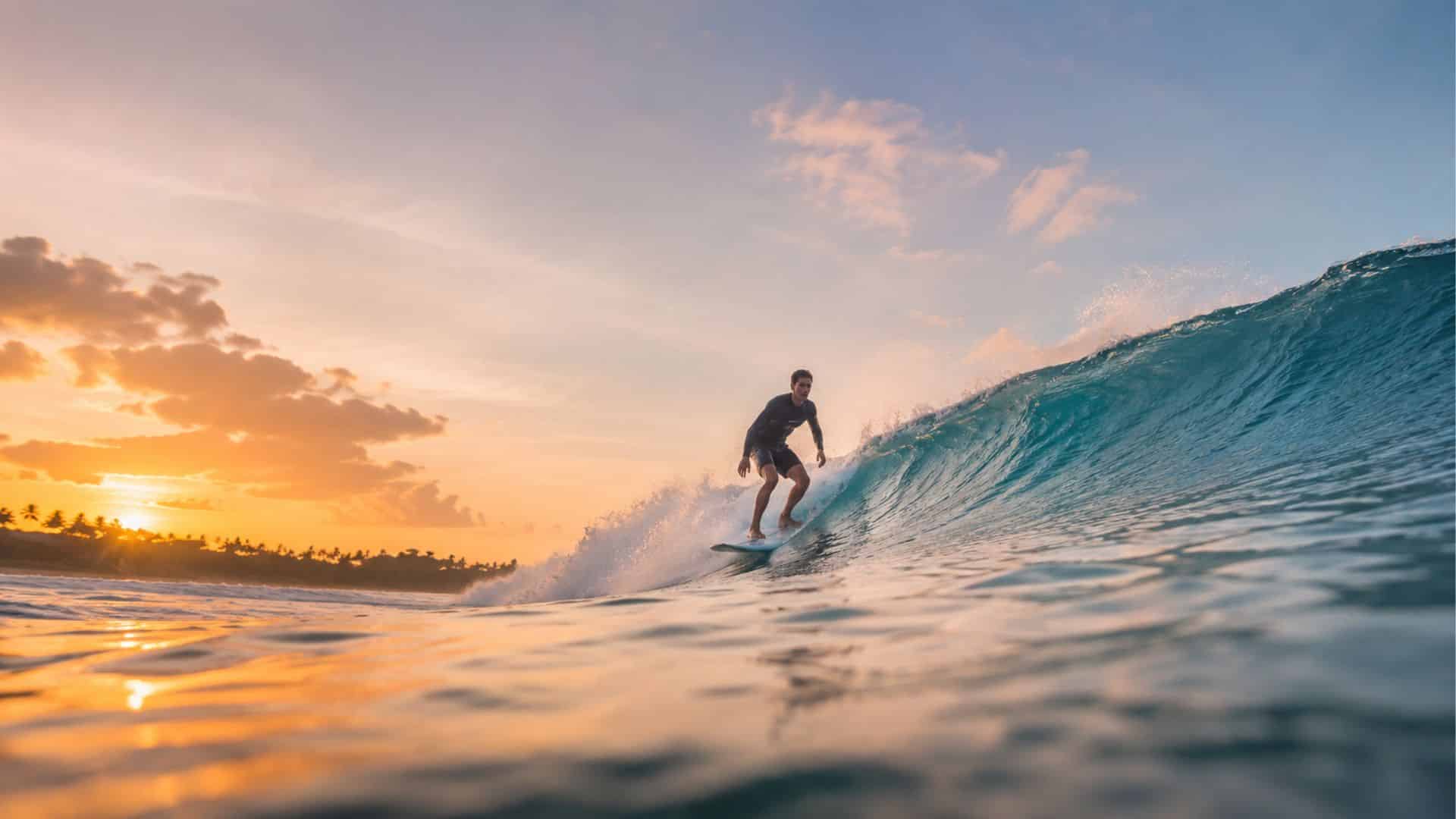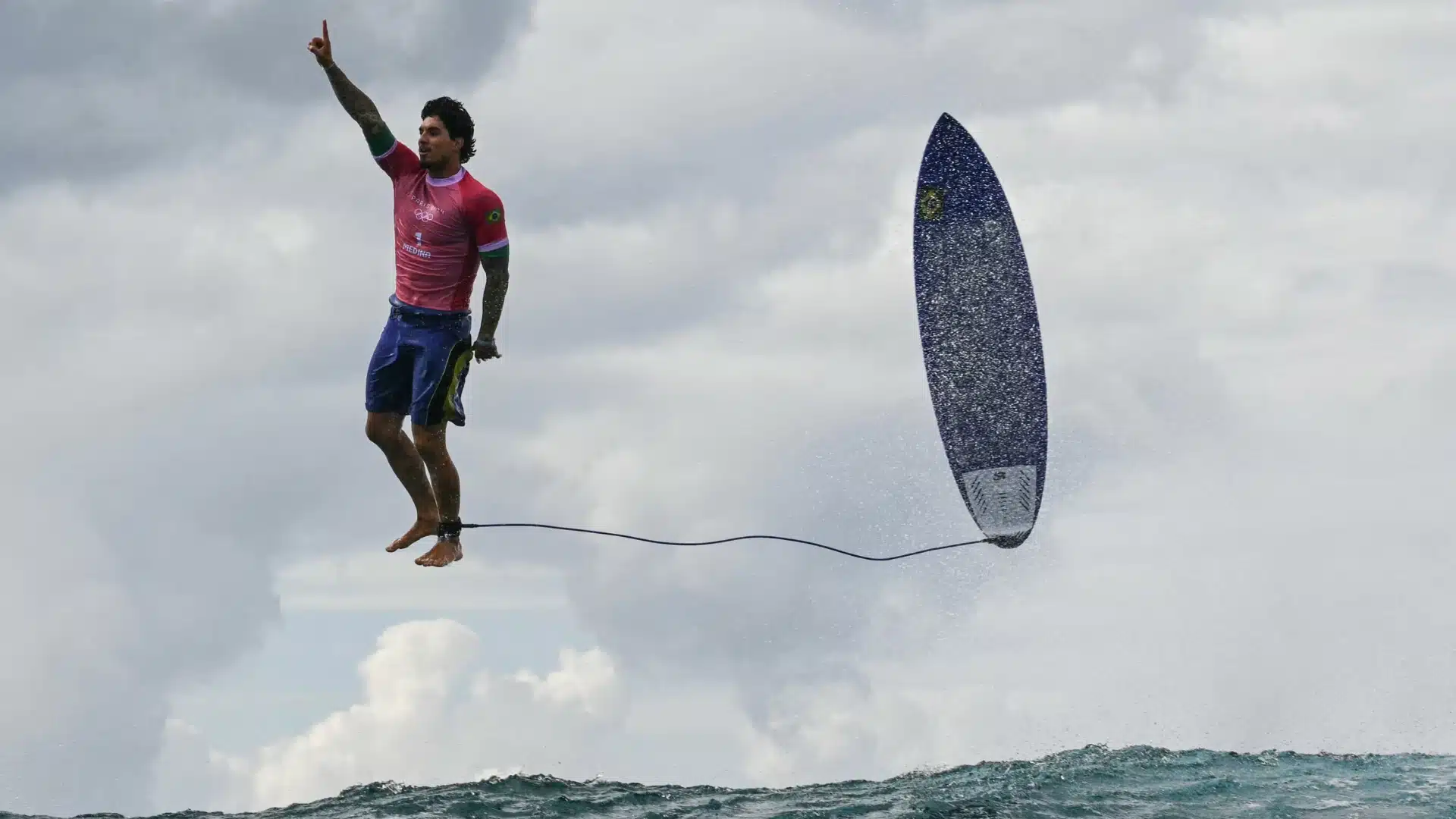

You have probably seen it on a lake before. One person is making a wave directly behind the boat, without a rope in their hands, and surfing as though the wave was made just for them.
The trick appears to be magical until you understand that the wave is actually being created by the boat, and the rider is simply surfing on the wave that has been created.
Wake surfing is totally different than ocean surfing. You have waves forever, but everything depends on the things that are behind you. Your boat, its weight, your surfboard, and your safety equipment matter a lot.
What is Wake Surfing?
While wake surfing, you stand behind the boat rather than riding on it.
A wave is formed by the boat’s ballast and its speed, and when you get going, you let go of the rope and surf this wave, which feels just like surfing in the sea. You don’t use a rope or wakeboarding boots here.
Wake Surfing vs Wakeboarding
Two boats, two entirely different experiences. This is what wake surfing and wakeboarding boil down to when you look at the science behind them.
| Feature | Wake Surfing | Wakeboarding |
|---|---|---|
| Rope usage | Used only during the start | Used throughout the ride |
| Riding style | Surfing a continuous wake | Jumping and tricks |
| Boat speed | Slower speeds | Higher speeds |
| Board type | Surf-style or skim-style | Wakeboard |
Same body of water, same boat, entirely new sport. Choose wake surfing for fluidity and aesthetics, wakeboarding for speed and tricks.
How Does Wake Surfing Work?
Once the boat moves, it creates a large, rollable wake. The rider begins from the tow rope, gets pulled up into the air, and drops into the wave’s pocket.
As soon as the rider finds their feet and balance settles, they can release the rope and begin riding the water push. All the rider does at this point is lean to control speed.
What Speed Do Wake Surfing Boats Travel At?
Wake surfing boats generally travel around 10 to 13 mph, much slower than wakeboard and skiing speeds.
The slower speed lets the boat create a wider, rounder wake rather than a narrower one.
Speeds do vary depending on the rider’s ability, the type of surfboard being used, and the ballast setup of the boat.
What Boat is Best for Wake Surfing?
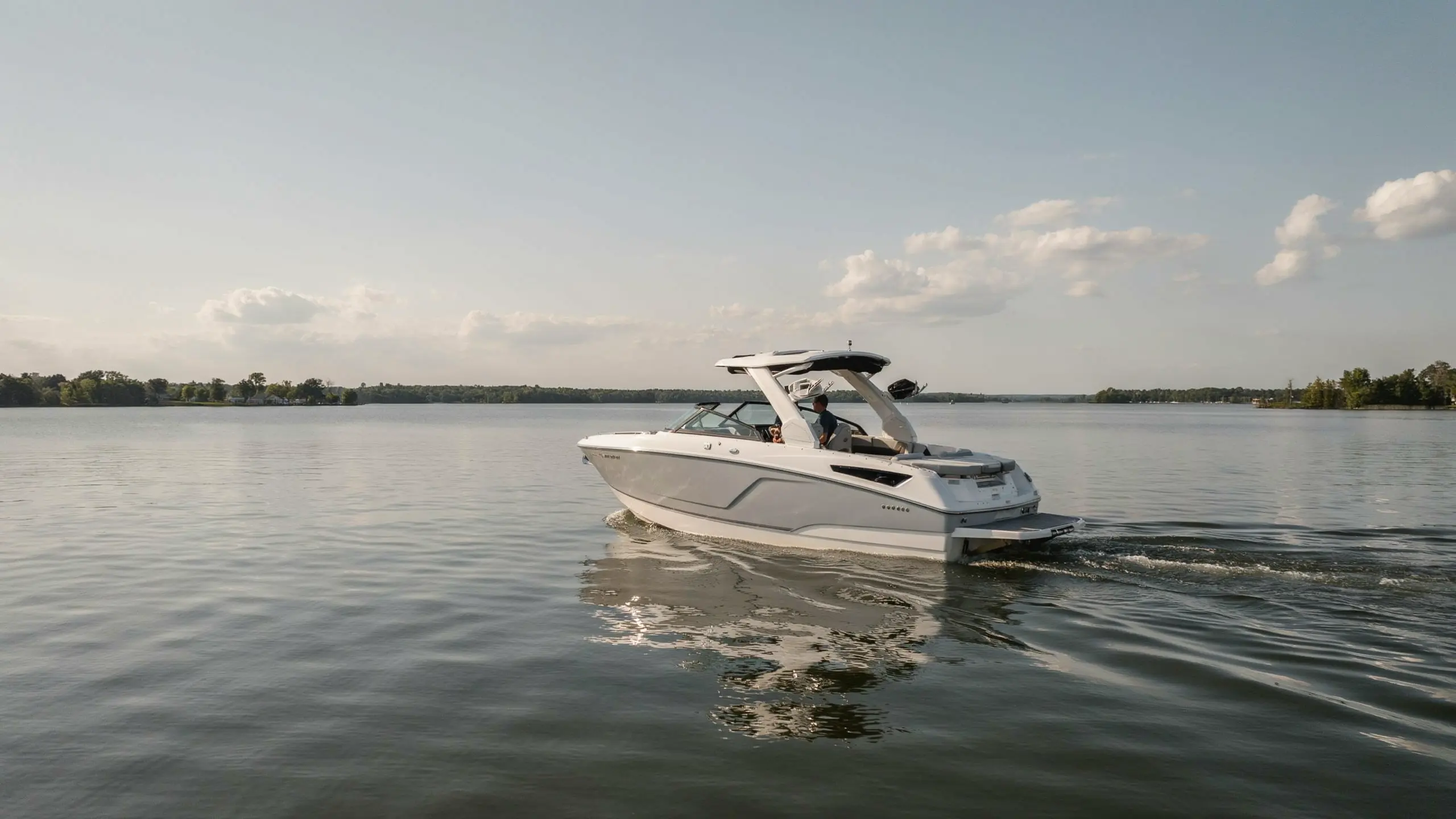
Not all boats can create a clean, surf-ready wake. Everything from the placement of the propeller to the engine positioning and weight distribution plays a role in creating the perfect surf wake.
Inboard V-Drive Boats
This type of boat is considered the best choice for the majority of surfers. The location of the engine at the rear creates a good distribution of the weight, which results in a more substantial wake.
Recommended: Malibu Wakesetter, MasterCraft XT, Tigé Z3
Direct Drive Boats
Direct drive places the engine near the center of the boat with a straight shaft running to the propeller, rather than the angled “V” setup used in V-drive models.
It’s an older layout, so the wake shape can be less consistent than what a modern V-drive or surf-system boat produces, but plenty of riders still get a good wave off one, especially with some added ballast at the stern.
Recommended: Correct Craft Ski Nautique (older models)
Why Are Outboard Boats Not Suitable for Wake Surfing: Outboard boats have the propeller located closer to the waterline, which means you might hit it during the ride. Plus, the shape of the wake itself is less favorable.
Best Wake Surf Boat Brands to Know in 2026
If you’re shopping rather than renting, the brand matters almost as much as the hull type. A handful of manufacturers build boats specifically engineered for a surfable wake, and each one leans into a slightly different strength.
- Tigé – Known for its Convex V hull and TAPS 3T ballast system, Tigé has become one of the most decorated names in the sport, with models like the Z3 frequently benchmarked as a top surf boat.
- Nautique – A long-standing name in the inboard category, Nautique’s Super Air line is a favorite for its clean, hollow wave shape.
- MasterCraft – Their Gen 2 Surf System uses preset modes to dial in wave shape quickly, making it a solid pick for boats shared among multiple riders with different preferences.
- Malibu – Surf Gate and Power Wedge technology make Malibu one of the most beginner-friendly and widely available options, with strong resale value.
- Axis, Supra, and Centurion – These brands typically offer a lower entry price while still including a real surf system, making them worth a look for first-time buyers who don’t want to stretch into six figures right away.
Whichever brand you land on, new wake surf boats generally run from around $100,000 for entry-level inboard models up to $375,000 or more for flagship surf-focused boats, and used boats can be found anywhere from roughly $55,000 to $185,000 depending on age and hours.
Setup of a Wake Surfing Boat Explained
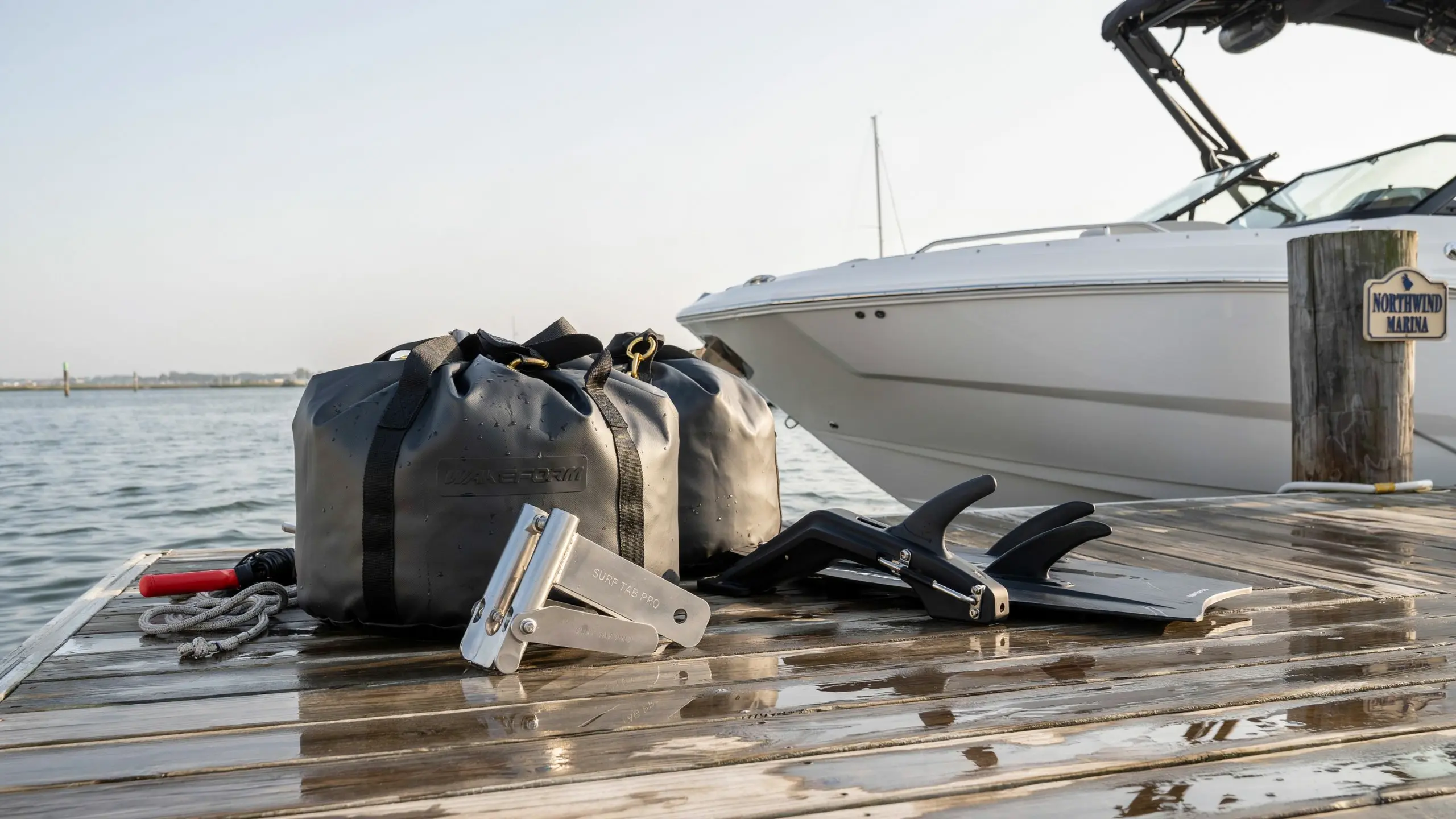
Achieving a surfable wake isn’t just luck; it is about the right setup. Ballasts, wake shapers, and surf tabs help create a perfect wave.
Ballasts
Ballasts make the boat heavy and sink it into the water, creating more wake. While factory-installed ballasts are sufficient for average wake surfing, there are additional bags that provide even more volume of the wave.
Wake Shapers
A wake shaper helps to redirect the flow of water, thus creating a cleaner surface of the wave and allowing surfers to have more time and space to ride. This way, a small and choppy wave is replaced with a long wave with a clean face.
Surf Tabs/Plates
Surf tabs move the wake to one side of the boat by controlling water flow from the hull.
Earlier, it was required to make manual adjustments after each pass. However, now the automated systems can make adjustments automatically.
Equipment Needed for Wake Surfing
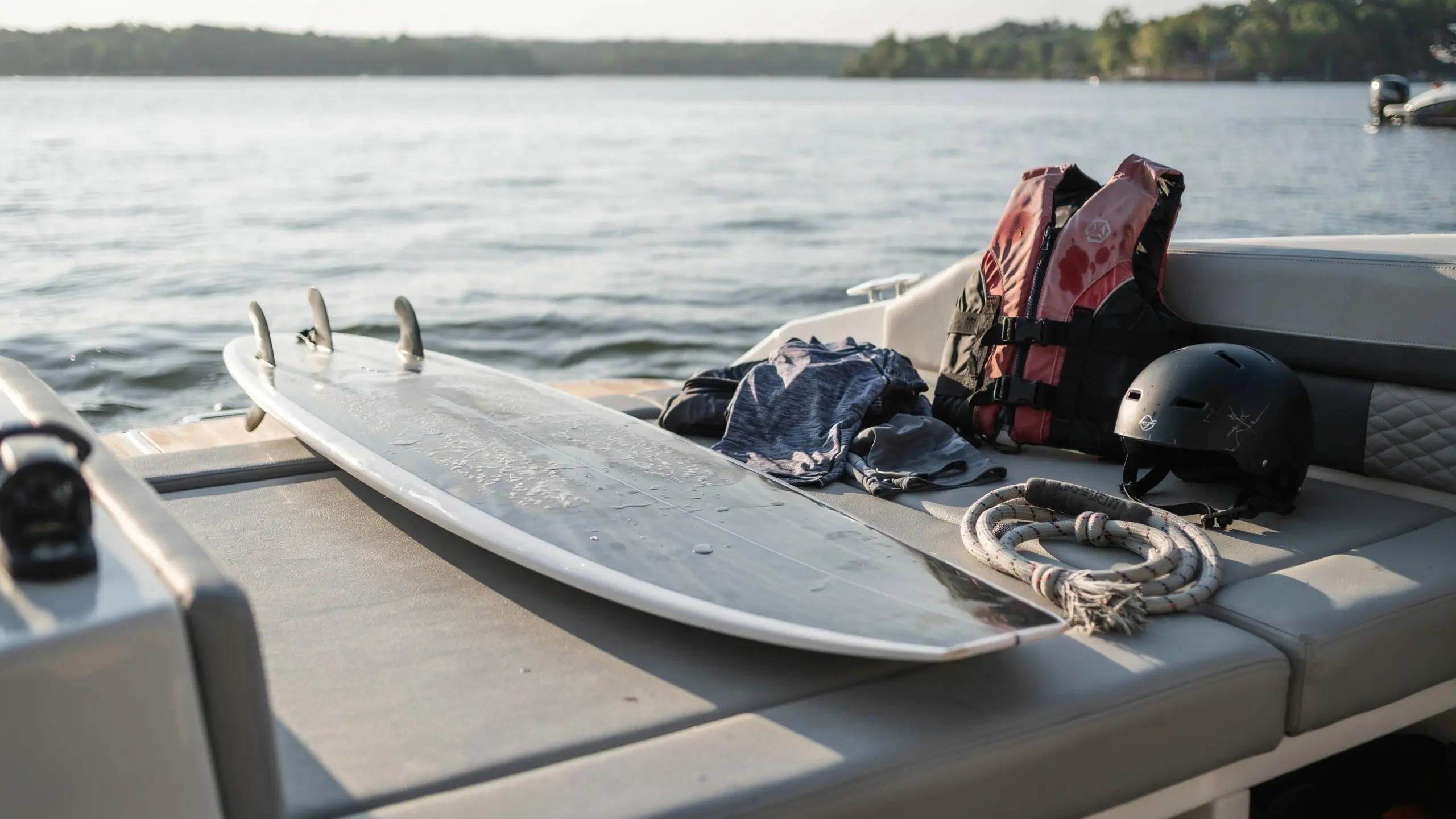
Having the correct equipment will save you time and muscle pain. If you want to try wake surfing, a good choice would be a Ronix Koal Surface board.
1. Wake Surfing Board
Surf style boards tend to be bigger and more stable, making them ideal for carving and gliding smoothly through the water.
On the other hand, skim style boards are smaller and lighter. The choice depends on whether you will be doing any tricks or spins, which require agility rather than stability.
Choose the correct Wake Surf Board size according to these factors:
- Rider’s weight: Heavier riders need extra volume to float and plane. Otherwise, the tail won’t rise, which means no pop and less control.
- Skill level: Newbies require larger surfboards to feel steady on it. If you are advanced, you can go smaller for better reaction time.
- Riding style: For line surfing, you’ll need longer, bigger boards. If you want to do tricks, choose shorter boards.
2. Wake Surfing Rope
This is where you will ditch your regular wakeboard rope in favor of a shorter version, about 20 to 25 feet, so you stay closer to the wake.
The handles are available in various designs and styles, but for beginners, you should ensure that you have one with a reliable grip.
3. Safety Equipment
Please do not ignore this step. Get yourself a U.S Coast Guard-approved life vest.
Type III vests are the most common choice for wake surfing because they balance flotation with freedom of movement.
It is always good practice to wear a helmet if you are a beginner. Do not wear swimwear that can be slippery; wear something appropriate for movement.
How to Start Wake Surfing as a Beginner
Wake surfing may look easy and stylish in videos, but it requires technical skills to master. Here is how a beginner can get the basics quickly.
1. Know How to Begin: Keep your knees bent and grip the rope near your body. Allow the boat to pull you into an upright position rather than doing it yourself.
2. Identify the Wake Pocket: Move to where the wave power is greatest once you stand up. Keep the body balanced to stay in the wake pocket.
3. Release the Rope: Release the rope once you gain control in the wake. Keep your eyes focused ahead and not on the feet.
4. Manage the Speed: Move towards the front of the wave for higher speed and back for slower speed.
Once you master these basics, everything else comes naturally.
Mistakes Beginners Make in Wake Surfing
Wake surfing seems like a piece of cake when you see it online, but when you’re the one falling off of the wake, that illusion quickly disappears. Here are six mistakes to avoid.
- Popping Up Too Early: Being too eager will only bring a hard crash on your face. You should give the board time to catch up to the wave.
- Inappropriate Boat Setup: An inadequate setup can make the wave feel flat or mushy. Ensure your setup is right before attempting a pop-up.
- Rope Holding: Staying on the rope after the pop-up throws off your balance. Let go of it once you’re riding the wave.
- Too Far Behind Position: It’s more comfortable and safer to sit further back, but you end up airborne. Keep yourself balanced and knees slightly bent.
- Board Size Selection: An excessively small board makes balance difficult, while a huge one makes carving harder. Choose based on your weight and skill level.
Note: Skipping the life jacket or going on the water without a spotter is not an acceptable risk. Boat movement and unexpected slips into the water occur more quickly than expected, so prepare yourself before jumping in.
How Much Does Wake Surfing Cost?
The cost of wake surfing varies widely depending on how far you intend to go, equipment, boat type, and lessons.
| Category | Item | Estimated Cost |
|---|---|---|
| Boat | New | $100,000 – $375,000+ |
| Boat | Used | $55,000 – $185,000+ |
| Equipment | Board | $250 – $1,100 |
| Equipment | Rope/Handle | $50 – $100 |
| Equipment | Life Jacket | $30 – $90 |
| Equipment | Accessories (fins, bag, wetsuit) | $50 – $150 |
| Lessons/Rentals | Lesson (per hour) | $120 – $400 |
| Lessons/Rentals | Half-Day Rental (boat + instruction) | $400 – $700 |
These numbers are rough estimates from recent 2026 listings and rental sites, and boat prices can shift quickly, so confirm current pricing with a dealer before budgeting.
The following are estimated prices; I recommend cross-referencing them with local shops and instructors prior to making a purchase decision.
Is Wake Surfing Safe?
While wake surfing appears easy from the shore, physics is involved, and real danger lies just beneath that sleek, perfect wake.
- Safety issues of note – Accidents tend to occur rapidly, with falls, being tangled up in the tow rope, crashes, and wiping out all topping the list.
- Why Boat type matters – Inboard boats equipped with ballast tanks generate deep and pushable wakes, while the wrong boat designs can make surfing difficult.
- Distance from the propeller – Surfers should stay several feet away from the boat because the propeller and exhaust areas are highly dangerous.
- Role of a spotter – Another pair of eyes can alert the driver to problems and prevent accidents by signaling about dangers invisible to the driver.
- Local boating laws – Zones designated for wake surfing, speed limits, and no-wake zones differ by the state. Check local boating laws before you head out.
From an environmental point of view, there are also some factors to keep in mind:
- Impact on shorelines – Wakesurfing in the same vicinity of a coastline will cause soil erosion and harm vegetation in that area.
- Large wakes in shallow waters – This is bound to stir up sediments and harm any structures close to the location, such as dockyards.
- Safe riding techniques – This involves keeping away from shorelines and shallow waters and following all wake instructions.
Wake surfing can be safe and genuinely fun when riders respect the boat, the water, and the people around them.
Wake Surfing Tips to Get You Riding Smoothly
Wake surfing appears to be effortless until you’re on the board and struggling to get up on your feet. This advice should help you out.
- Gradually change the ballast tanks’ volume – Small increases make more difference than one big addition. It needs testing.
- Figure out your natural stance – Your feet need to be shoulder-width apart. Fighting your own balance is exhausting.
- Learn how to stay in the pocket – You need to stay close to the area on the wave where you can ride easily. Otherwise, you sink in the water.
- Move smoothly and gently – Sudden moves destroy all your momentum and efforts.
- Please record yourself to identify areas for improvement – Watching videos helps you understand how to move with the wave.
Nail these basics, and the board stops fighting you. Give it a few sessions and the pocket starts feeling like home.
Conclusion
Patience goes a long way in wake surfing, unlike physical fitness. Once your boat is sorted out, you know the propeller, and you have a spotter, things will work out well after a few training sessions.
It is forgiving compared with wakeboarding and ocean surfing, which is the reason many families and beginners opt for it.
The price for wakesurfing could easily soar when buying a boat, but you should rent it or take lessons first if you are unsure if it is the thing for you.
Frequently Asked Questions
Which is Easier, Wakeboarding or Wakesurfing?
Wakesurfing is easier than wakeboarding because you don’t have to use a board attached to your feet, and falls occur at a slower pace.
Is a Special Boat Required for Wakesurfing?
It’s not necessary, but an inboard V-drive boat with ballasts makes the wake bigger and cleaner, which makes the experience much better.
Which One is Harder, Wake Surfing or Snowboarding?
Wake surfing is much easier than snowboarding, and that’s because of the forgiving nature of water, along with the boat’s help.