
Water can be unpredictable, and the difference between a close call and a tragedy often comes down to one thing: the right life vest.
With the USCG now transitioning to a performance-based level system for all new products, while existing Type I through V classifications remain valid for legal carriage, knowing which vest fits your activity and water conditions matters more than you might think.
If you boat on calm inland lakes, fish coastal waters, or paddle open oceans, life vest types, legal requirements, buoyancy ratings, and activity-based selection are all covered here.
What are Life Vest Types and Why Do They Matter?
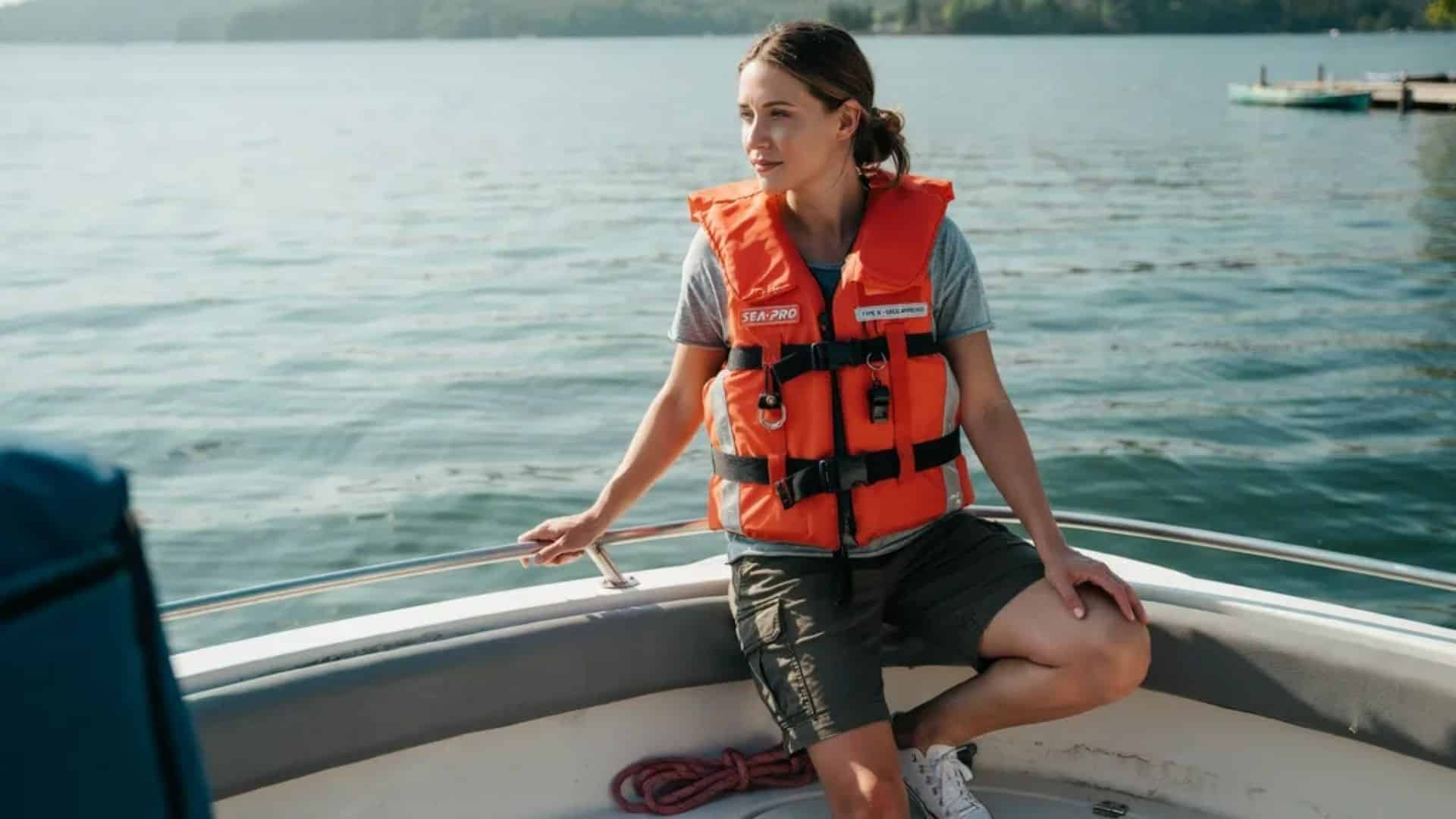
A personal flotation device, or PFD, is a wearable or throwable device built to keep you afloat if you fall into the water.
Most people call them life vests or life jackets, but PFD is the official term used by the U.S. Coast Guard across all federal rules and requirements.
Recreational vessels must carry at least one USCG-approved wearable life jacket properly sized and readily accessible for each person on board.
The classification system exists because water conditions vary widely, and different activities carry different risks.
According to the most recent USCG statistics, 87 percent of drowning victims in recreational boating accidents were not wearing a life jacket.
The right PFD, worn correctly, is the most reliable safety tool you have on the water.
Understanding PFD Classification in the United States
In the 1970s, the U.S. Coast Guard introduced a classification system for describing life jackets, creating the term “personal flotation devices” and subdividing them into Types I through V.
Each type balances buoyancy, turning ability, comfort, and intended water conditions differently
The USCG transitioned to a level-based classification system for all new PFDs starting in 2025. Existing Type I through V labeled PFDs remain valid for legal use, but new products now carry Level 50, 70, 100, or 150 designations based on buoyancy performance and turning ability.
New PFDs entering the US market are now labeled with level ratings, including level 50, 70, 100, and 150. These reflect buoyancy performance and self-turning ability rather than the older Type designations, and they appear on all newly approved products sold in the United States.
Existing Type-labeled PFDs remain fully legal and do not need to be replaced as long as they are in a serviceable condition.
What the New PFD Level System Means for Buyers
If you are shopping for a new life vest in 2025 or later, you will notice numbers on the label instead of type designations. The USCG now requires all newly approved PFDs to carry a level rating based on buoyancy performance and self-turning ability.
| Level | Buoyancy | Best Use | Turning Ability |
|---|---|---|---|
| Level 50 | 11 lbs minimum | Calm inland water, supervised activities | None; the wearer must be conscious |
| Level 70 | 15.5 lbs minimum | Nearshore and inland water, moderate conditions | Limited turning ability |
| Level 100 | 22 lbs minimum | Offshore and open water, rough conditions | Turns most wearers face up |
| Level 150 | 33 lbs minimum | Rough offshore water, survival situations | Reliably turns unconscious wearers face up |
If your vest carries a Type label, it is still legal and valid. For anything new, match the level to your water conditions before buying.
Choosing a Life Vest for Children
Choosing the right life vest for a child comes down to weight-based sizing, not age. A vest that fits too loosely will ride up over the face in the water, which entirely removes its protective value.
Under federal law, children under 13 must wear a USCG-approved life jacket on any moving vessel unless below deck. Several states apply stricter rules, so check your state’s boating regulations before heading out.
Look for a crotch strap to prevent riding up, bright colors and reflective tape for rescue visibility, a back grab handle for quick retrieval, and soft collar support to keep the face above water. Check the fit every season and replace any vest that fails the lift test.
USCG-Approved Life Vest Types Explained
The USCG recognizes five core PFD types, each built for different water conditions, activities, and rescue scenarios. Knowing what each one does helps you choose the right vest and stay legally covered on the water.
1. Type I Offshore Life Jackets
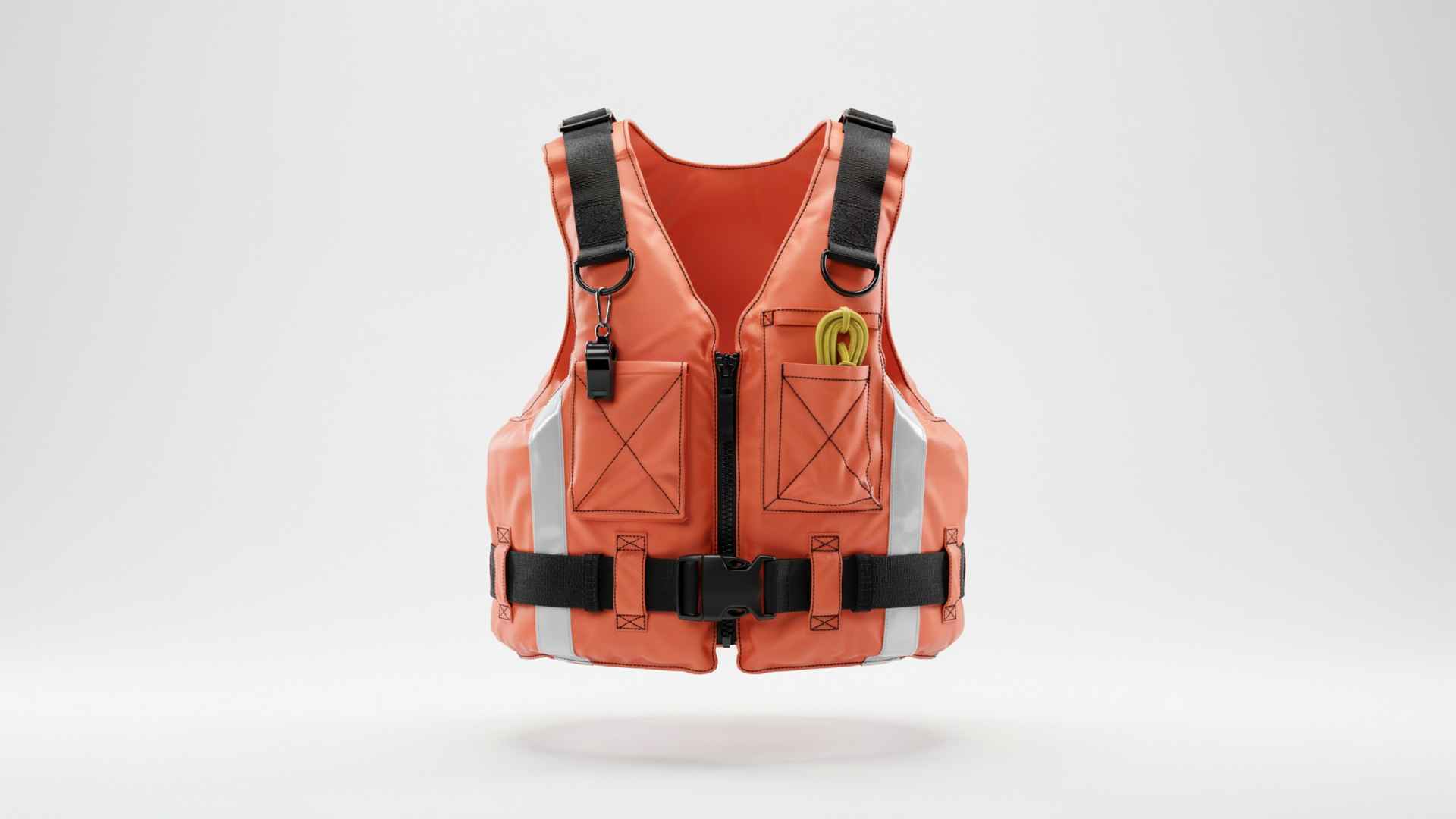
Type I offshore life jackets are designed for open ocean, rough water, and extended survival situations where rescue may be delayed. Adult sizes provide at least 22 pounds of buoyancy, and child sizes provide at least 11 pounds.
The vest is designed to turn an unconscious wearer’s face up in the water, making it the most reliable option when rescue may be delayed.
Type I PFDs are large, bulky, and fairly uncomfortable for recreational use, but for anyone heading far offshore, that tradeoff is worth it.
Recommendation:
- Kent Type I Foam Life Jacket, Adult: 32 lbs buoyancy, SOLAS-grade reflective tape, turns unconscious wearers face up.
- Mustang Survival Type I 4-One SOLAS Life Jacket: Four regulatory approvals in one design, built for offshore and commercial use.
2. Type II Nearshore Buoyant Vests
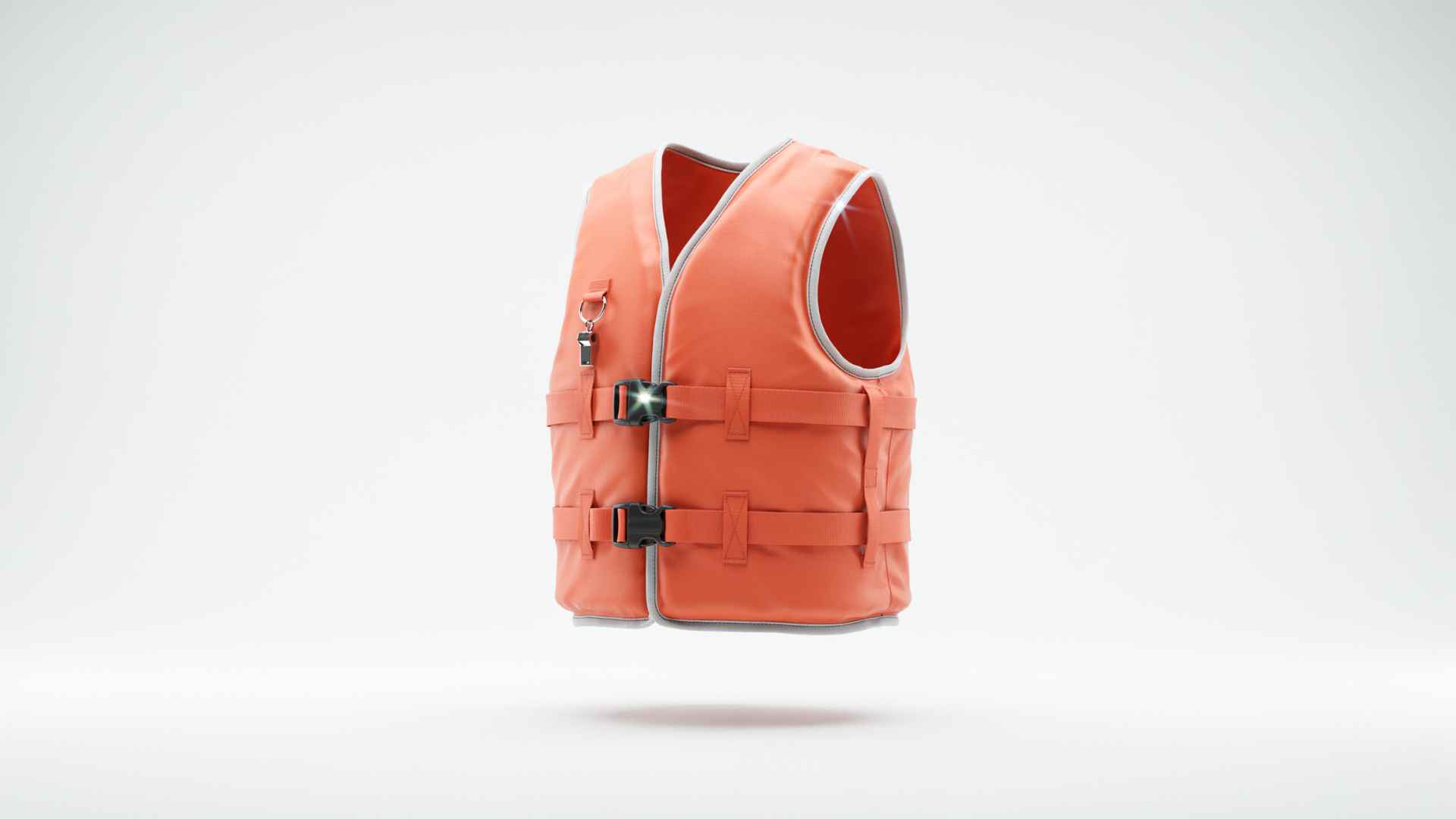
A Type II PFD is intended for calm inland waters or situations where there is a good chance of quick rescue.
It provides at least 15.5 pounds of buoyancy for adults, at least 11 pounds for medium-sized children, and at least 7 pounds for infant and small-child sizes.
It will turn some unconscious wearers’ faces up, though the turning action is less reliable than that of a Type I. These are the familiar boxy orange vests that meet USCG minimum buoyancy requirements for nearshore use.
Recommendation:
- West Marine Type II Near-Shore Buoyant Life Jacket, Adult: 15.8 lbs buoyancy, meets USCG minimum requirements, and is reliable for calm, inland waters.
- West Marine Type II Buoyant Life Jacket Four-Pack: Cost-effective option for keeping guests covered onboard.
3. Type III Flotation Aids
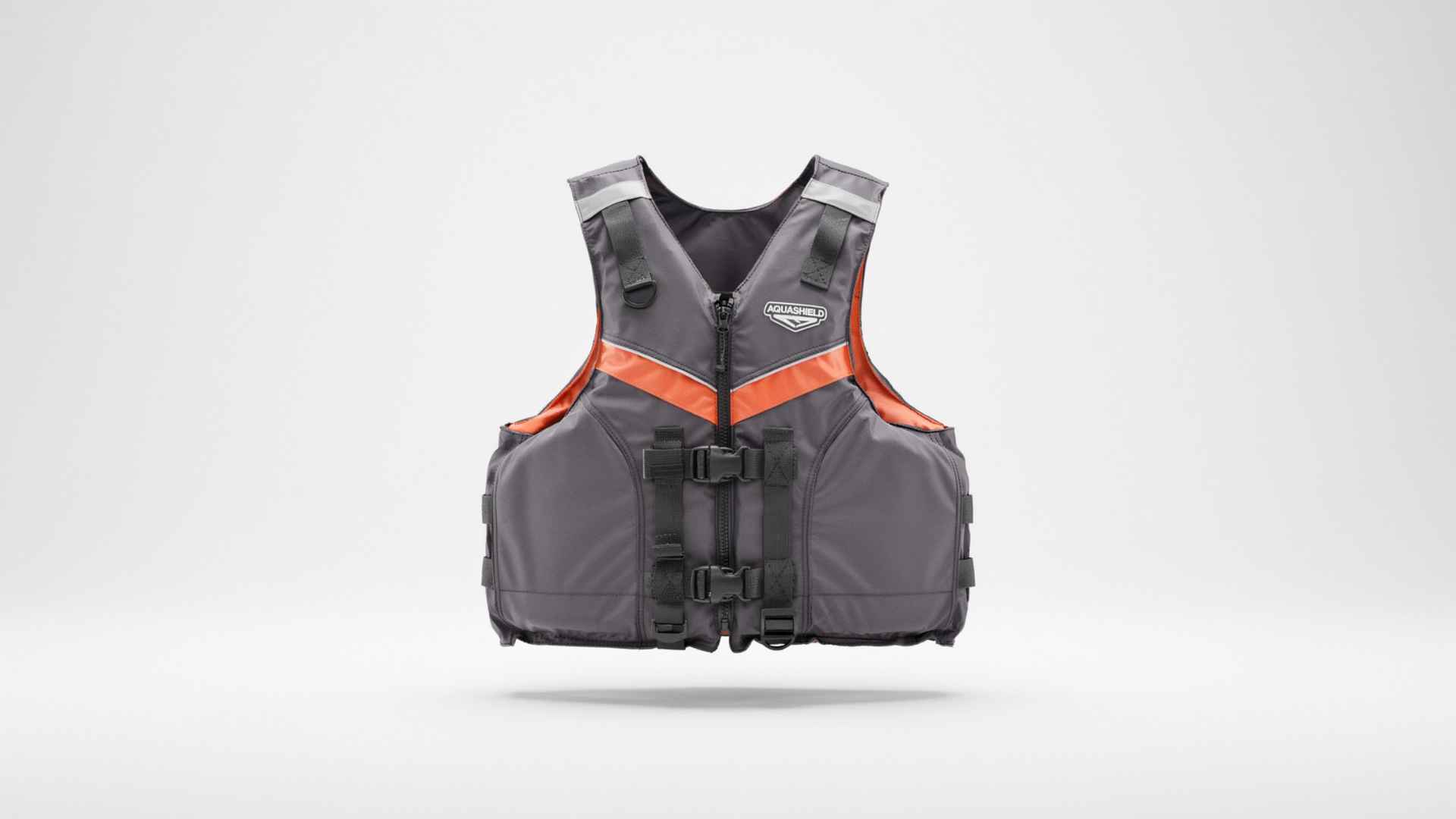
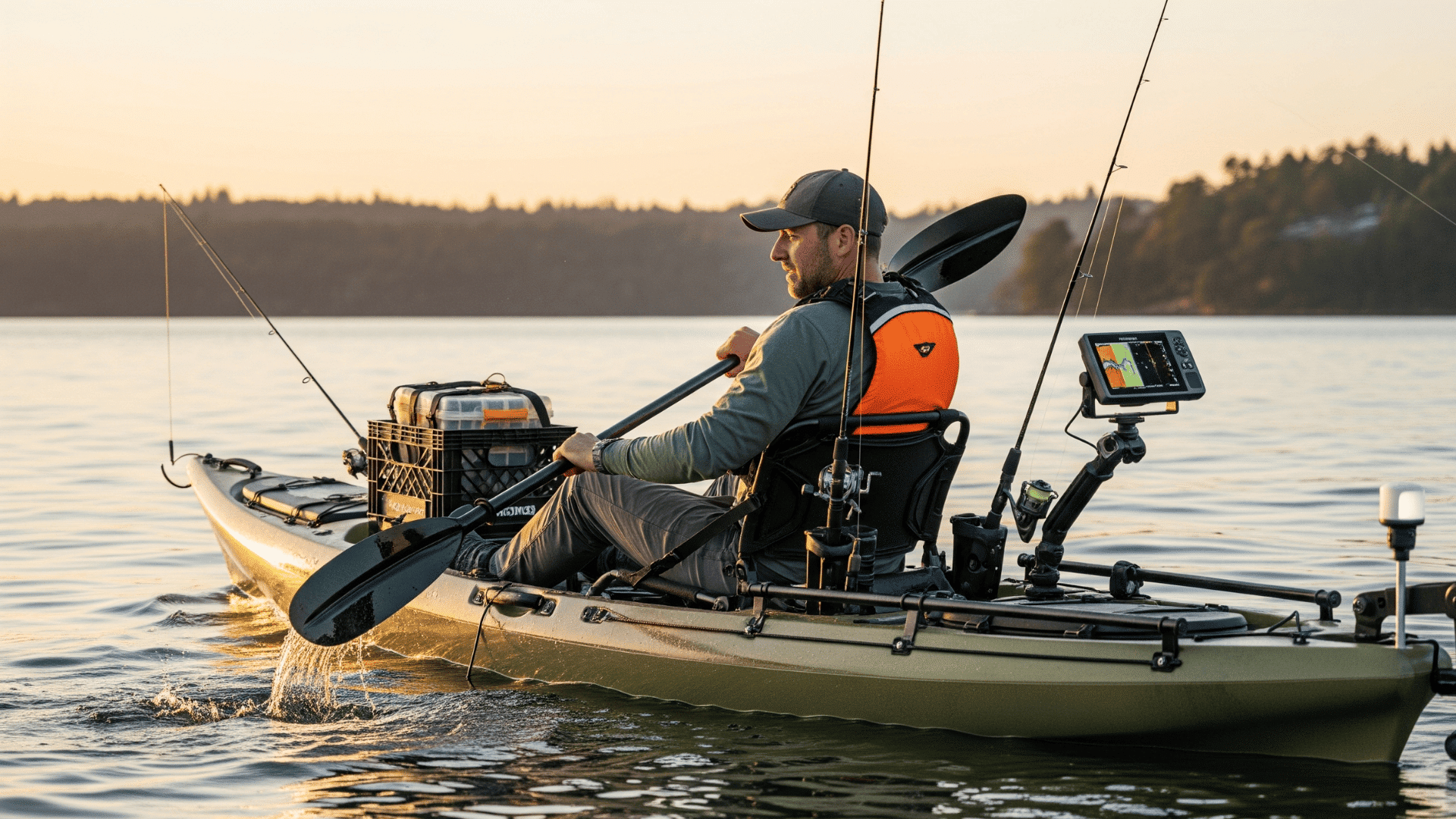
Type III flotation aids are the most popular choice for recreational boating, kayaking, and fishing due to their comfort and mobility.
It provides at least 15.5 pounds of buoyancy and is comfortable enough for all-day wear, with styles ranging from fishing vests to paddling PFDs, as explained in recreational boating life jacket safety rules.
It will not turn an unconscious wearer’s face up, but for calm water activities where help is nearby, it remains the most common choice for most boaters.
Recommendation:
- NRS Chinook PFD: 16.5 lbs flotation, high-back design for kayak seats, seven front pockets built for anglers.
- Onyx MoveVent Dynamic Paddle Vest: Sculpted flexible foam, roomy armholes, ventilation panels, built for paddlers.
4. Type IV Throwable Devices
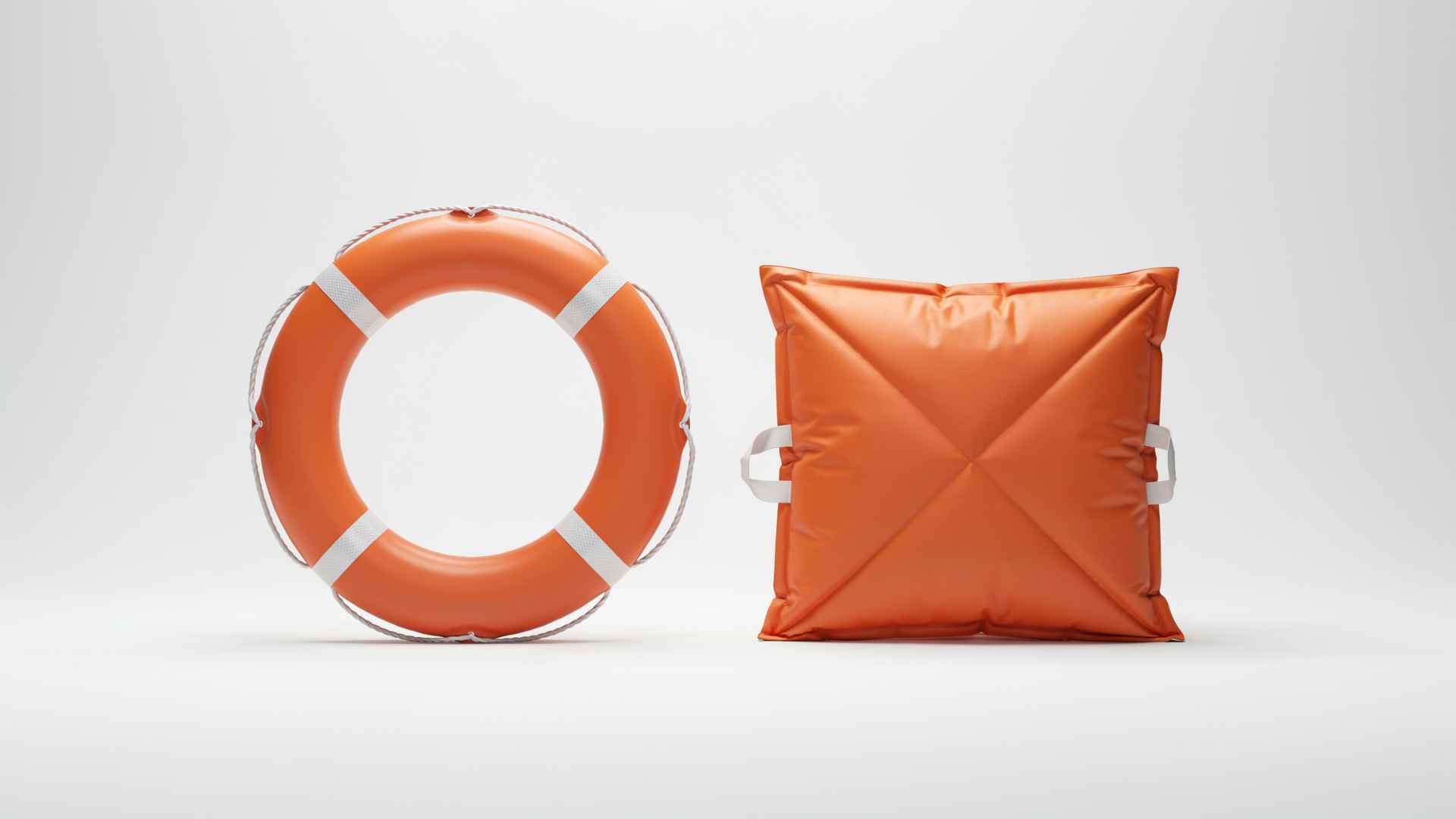
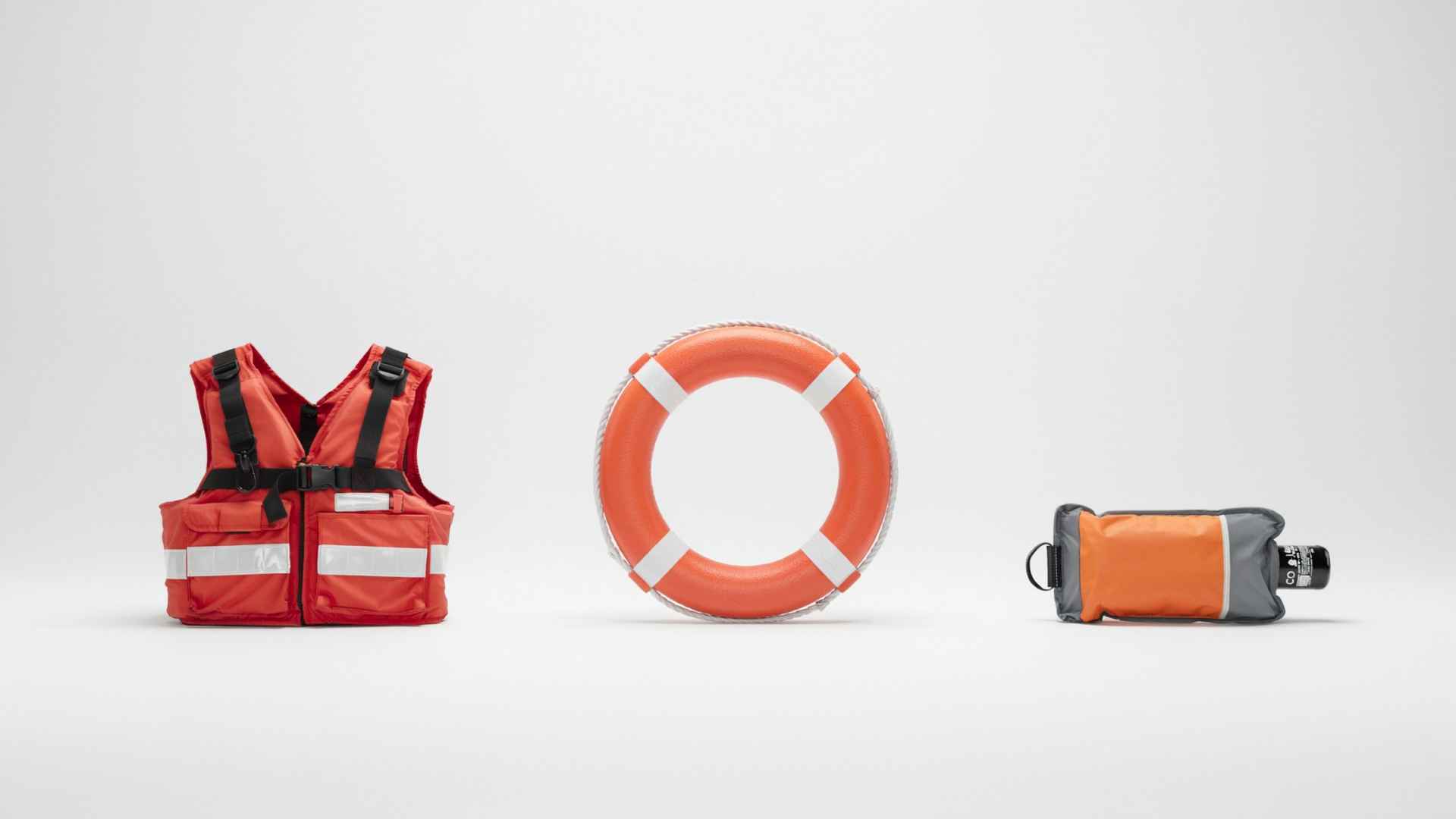
A Type IV PFD is a throwable device designed to be thrown to a person in the water, grasped, and held until rescue arrives.
It is not designed to be worn. Common examples include ring buoys, horseshoe buoys, and buoyant cushions.
On recreational vessels 16 feet or longer, at least one Type IV throwable device must be onboard and immediately accessible. A Type IV device supplements your wearable PFDs, not replaces them.
Recommendation:
- Jim-Buoy Type IV Ring Buoys: USCG-approved, vinyl-coated nylon over urethane foam, available in multiple sizes.
- West Marine Throwable Foam Cushion: Type IV-approved, dual-use as a seating cushion and a throwable device.
5. Type V Special Use Devices
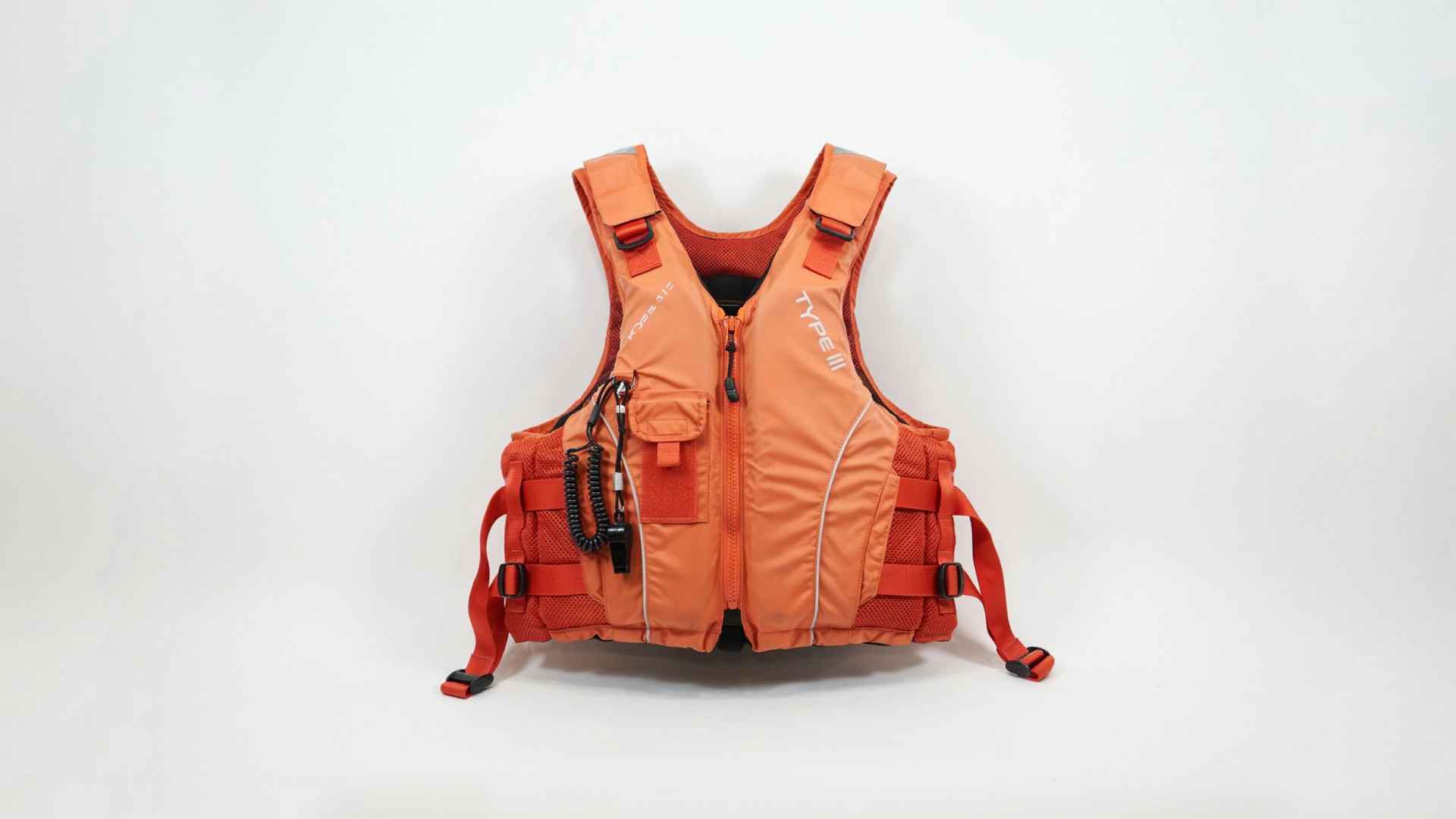
Type V devices are intended for specific activities such as windsurfing, kayaking, or waterskiing and can only be used for the conditions listed on the label.
They include deck suits, work vests, and board-sailing vests, with some models designed to inflate automatically when they enter the water.
A Type V PFD only counts toward USCG carriage requirements when worn in accordance with the conditions listed on its approved label. It only counts toward carriage requirements when worn in accordance with its approved label conditions.
Recommendation:
- Mustang Survival Elite Life Vest with Automatic Inflation: 26-lb buoyancy; auto-inflates at 4 inches of water; Type III recreational and Type V commercial approved.
- Mustang Survival MIT 70 Manual Inflatable: PFD REI. Level 70 approved, manual inflation, and slim profile for active paddlers.
Life Vest Types Based on Design and Buoyancy Technology
Beyond USCG type classifications, life vests also differ in how they generate buoyancy.
The three main design categories are inherently buoyant, inflatable, and hybrid, each with its own buoyancy method and maintenance needs.
1. Inherently Buoyant Life Jackets
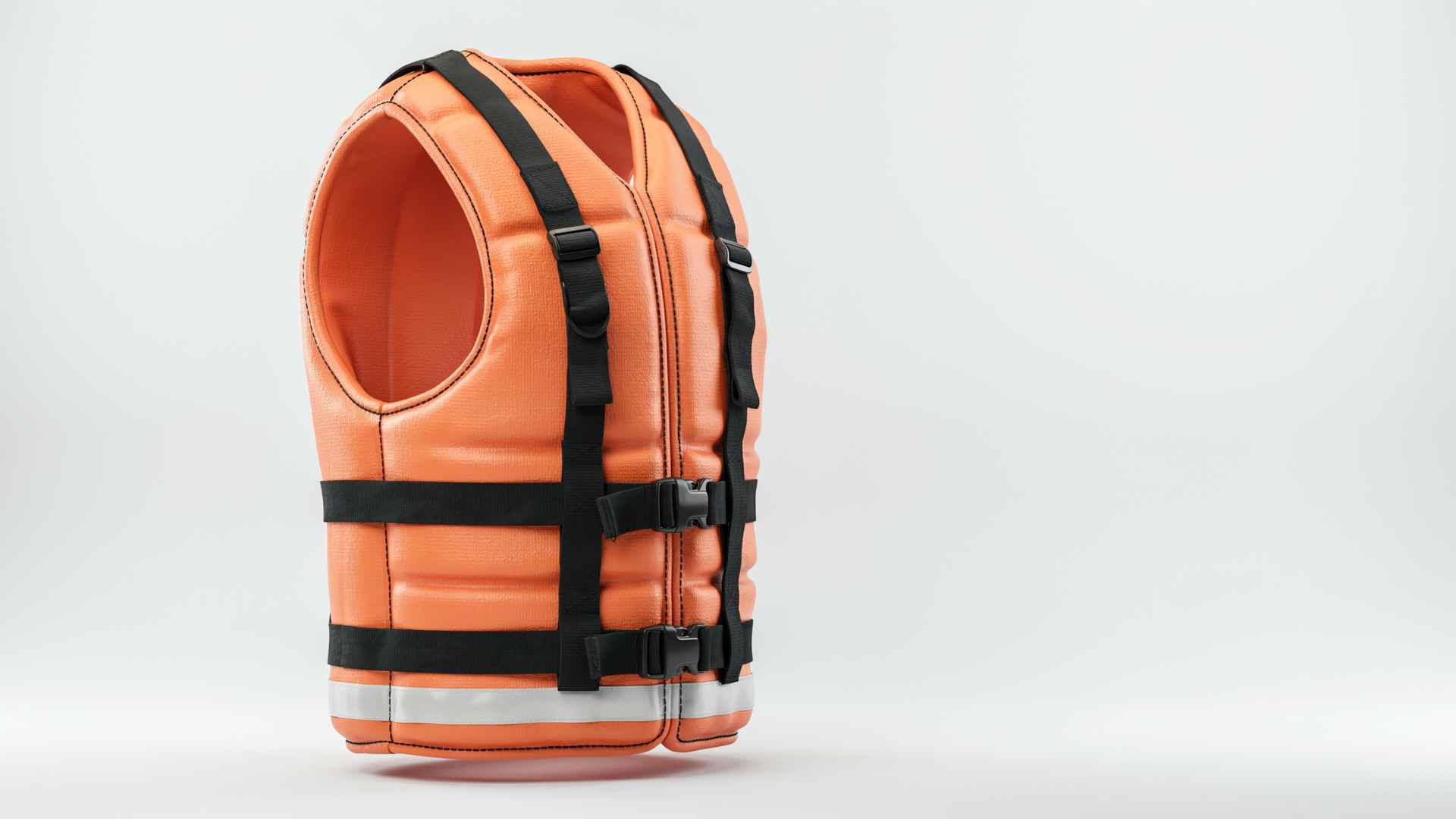
Inherently buoyant life jackets use closed-cell foam panels built directly into the vest to provide permanent flotation.
No activation is needed because the buoyancy is always present the moment you enter the water. Foam PFDs use closed-cell foam panels sewn into the vest to provide permanent, inherent buoyancy.
They require minimal maintenance, withstand rough handling, and are the most reliable option for children, non-swimmers, and anyone in rough or unpredictable conditions.
Recommendation:
- NRS Vapor PFD: Best for Recreation activities. Reflective accents and AirMesh paneling.
2. Inflatable Life Vests
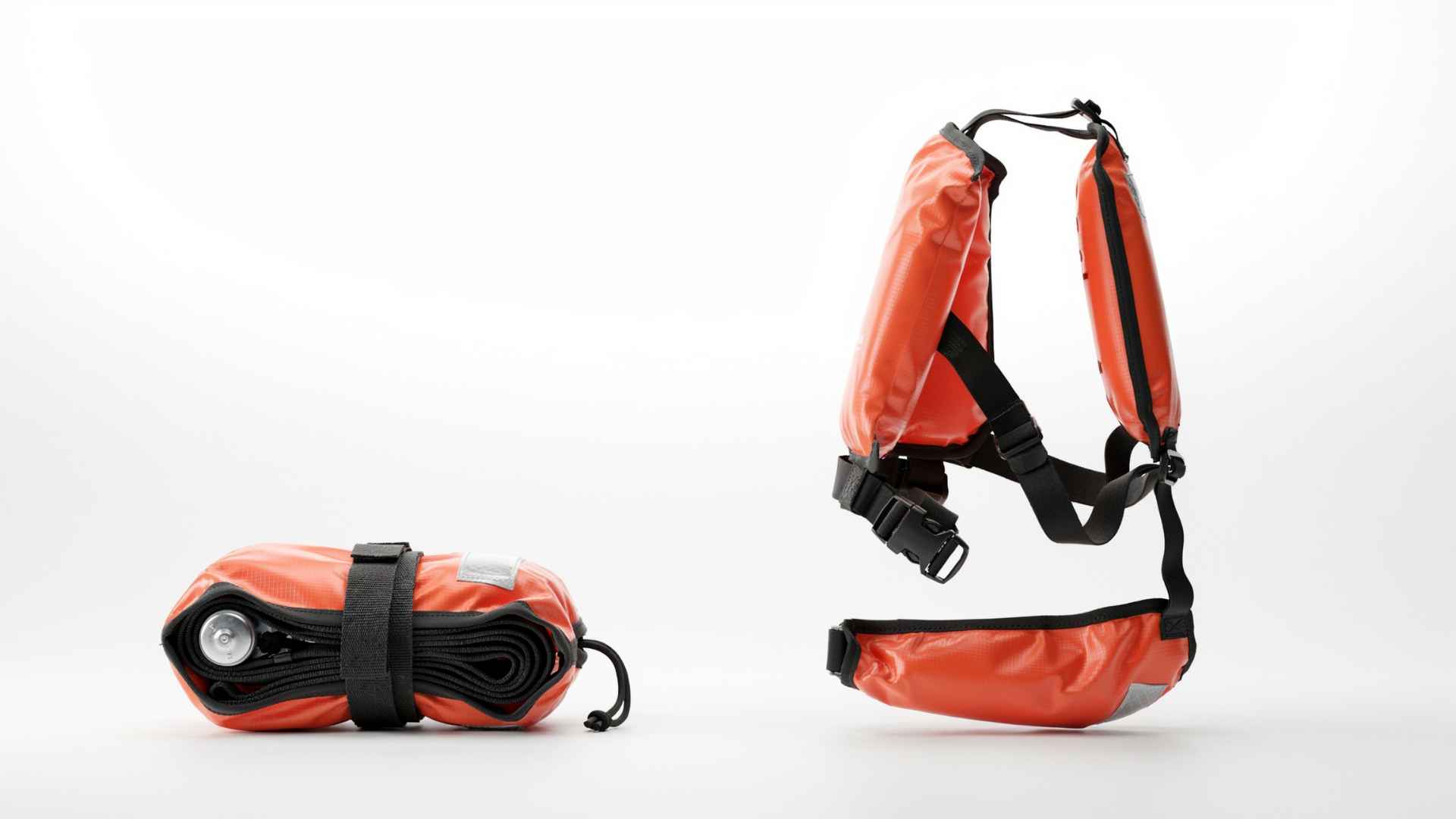
Inflatable life jackets use a CO₂ cartridge to inflate a bladder and can provide 15.5 to 22 pounds of buoyancy when activated. Most standard inflatables contain no built-in foam and rely entirely on inflation to keep you afloat.
They are far less bulky than foam vests, which makes them comfortable enough to wear all day without restriction. However, inflatable PFDs are not approved for wearers under 16 years of age and must not be used for waterskiing, tubing, or operating a personal watercraft.
The catch is maintenance. The CO₂ cartridge must be inspected before every outing to confirm it is properly installed and fully charged, and the bladder must be checked for leaks or damage.
Recommendation:
- Mustang Survival HIT Automatic Inflatable Life Jacket with Harness: Hydrostatic inflation will not inflate from rain or spray; it has an integrated harness for offshore sailing.
3. Hybrid Life Vests
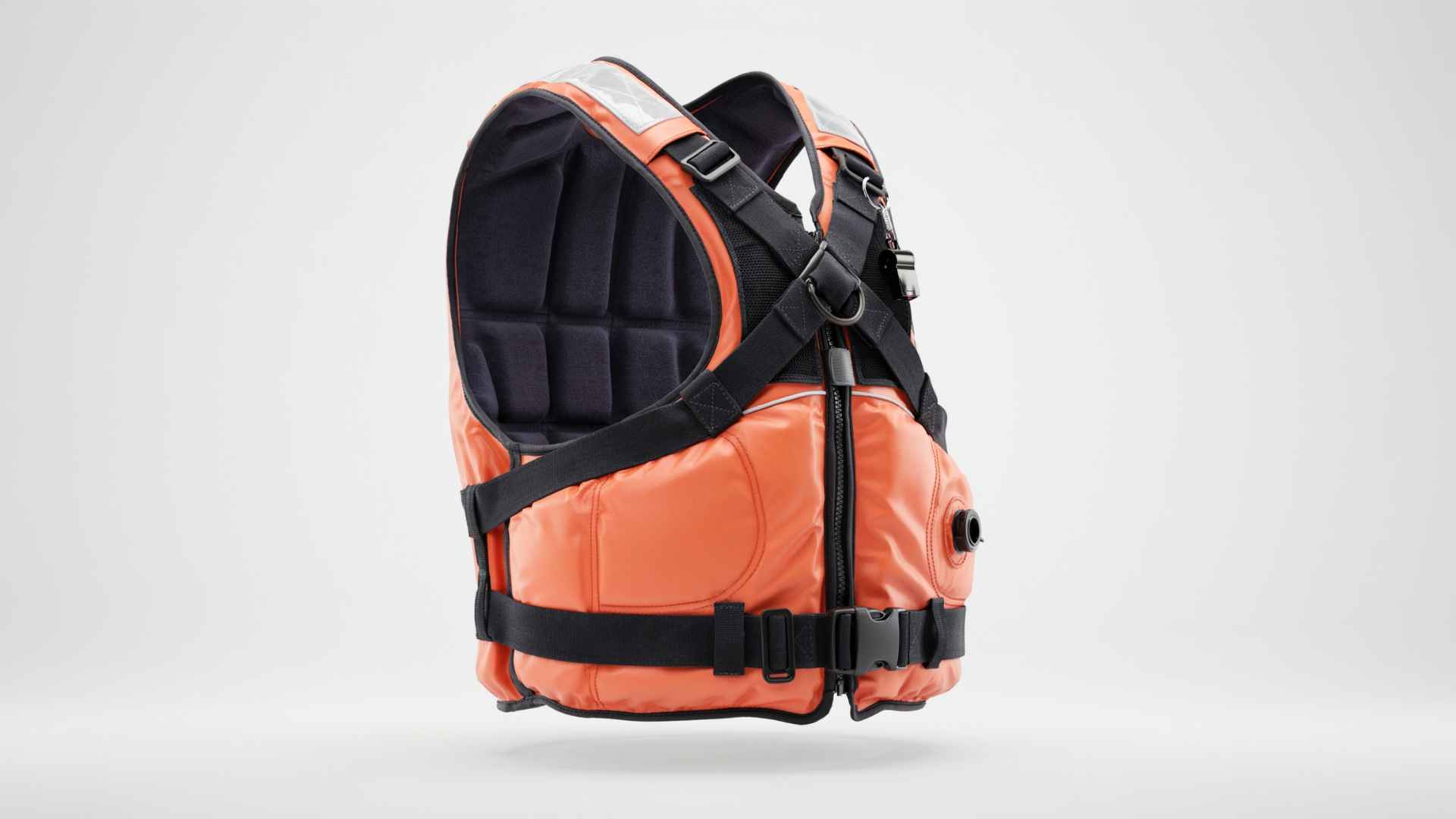
Hybrid life vests combine a small amount of built-in foam with an inflatable chamber, giving you baseline flotation even before activation.
They have 7.5 pounds of built-in foam buoyancy and can be inflated to 22 pounds, offering a middle ground between the reliability of foam and the comfort of an inflatable.
They work well for boaters who want all-day comfort without giving up the security of inherent buoyancy.
Recommendation:
- Mustang Survival Khimera Hybrid Inflatable PFD: West Marine, 7.5 lbs of foam plus 13 lbs of inflatable buoyancy, no repacking required, reflective shoulder patches.
Right Life Vest Type for Every Water Activity
The best life vest is the one that fits your activity, water conditions, and body correctly. Use this table to match the right PFD to your situation.
| Factor | Recommendation |
|---|---|
| Boating | Type I or II for open water, Type III for calm use |
| Fishing | Type III foam or manual inflatable |
| Kayaking | High-back Type III or Level 50 |
| Jet Skiing | Inherently buoyant foam Type III only. Inflatable PFDs are not approved for personal watercraft use. |
| Calm Water | Type II or III |
| Rough Water | Type I only |
| Cold Conditions | Type I or auto-inflatable |
| Children Under 13 | Required under federal law to wear a USCG-approved PFD on moving vessels. State age thresholds vary. Always verify local rules before heading out. |
| Sizing | Match weight to label and adjust straps snugly |
A PFD that fits well and suits your activity is one you will actually wear, and wearing it is the only way it can save your life.
US Coast Guard Rules and Wearing Requirements
USCG rules around life vests cover more than simply having one on board. Clear communication on water is critical, especially when multiple vessels are moving nearby.
- Every person on a recreational boat must have a USCG-approved life jacket on board.
- Vessels over 16 feet must also carry a Type IV throwable device.
- Type V PFDs must be worn while underway to count toward USCG carriage requirements.
- All PFDs must be USCG-approved, properly sized, in serviceable condition, and immediately accessible.
- State laws vary and may require all passengers to wear a PFD regardless of age or vessel size.
Wearing your life vest every time you are on the water is the single most effective step you can take to survive an unexpected fall overboard.
Life jacket types comparison chart (USCG Type I–V overview)
Use this table to compare all five USCG life vest types at a glance and find the right match for your water activity.
| Type | Name | Buoyancy | Best Use | Turning Ability | Wearable |
|---|---|---|---|---|---|
| Type I | Offshore Life Jacket | 22 lbs minimum | Open ocean, rough water, remote areas | Turns the unconscious wearer face-up | Yes |
| Type II | Nearshore Buoyant Vest | 15.5 lbs minimum | Calm inland water, quick rescue expected | Turns some wearers’ faces up. | Yes |
| Type III | Flotation Aid | 15.5 lbs minimum | Recreational boating, kayaking, fishing, and watersports | Does not turn the wearer’s face up | Yes |
| Type IV | Throwable Device | Varies by device | Emergency rescue on boats over 16 feet | Not applicable | No, throwable only |
| Type V | Special Use Device | Varies by label | Windsurfing, kayaking, deck work, specific activities | Varies by model | Must be worn to count legally |
When you are unsure, go one level up. A more capable vest never hurts, but an underrated one in the wrong conditions can cost you your life.
How to Care for and Store Your Life Vest?
A life vest that looks fine on the outside can still fail in the water if it has not been maintained properly. A few basic habits after every outing keep your PFD in working condition and extend its life significantly.
- Rinse After Every Use: Rinse with fresh water after each outing. Salt and chemicals break down foam and fabric faster than general wear does.
- Keep It Out of Direct Sunlight: UV exposure degrades foam and fades fabric over time. Store in a cool, dry place with good air circulation.
- Inspect Before Every Outing: Check buckles, zippers, and straps for wear. For inflatable PFDs, confirm the CO2 cartridge is fully charged and within its service date.
- Never Store Weight on a Foam PFD: Over time, compressing foam panels permanently reduces buoyancy. Store foam vests hanging or lying flat, never folded or stacked under gear.
- Replace When in Doubt: Any vest showing tears, mildew, broken hardware, or foam that no longer springs back should be replaced before your next outing.
A life vest only works if it is in good condition when you need it. Five minutes of care after each outing is all it takes to keep yours reliable season after season.
Common Mistakes When Selecting Life Vest Types
Picking the wrong life vest is more common than most boaters realize.
- Price over performance. Never choose a vest based on cost alone. Match the type to your water conditions first.
- Poor fit. A loose vest rides up and blocks your airway. Always size by body weight and fasten every strap.
- Wrong type for the activity. Using a nearshore Type II vest for offshore sailing or a standard foam vest on a whitewater run puts you at real risk. Match the vest type to your actual water conditions and activity, not just what is available or nearby.
- Skipping maintenance. Sunlight, saltwater exposure, and rough handling can break down PFDs faster than most people expect. Inspect before every outing and replace any vest showing wear, discoloration, or structural damage.
Catching these early takes minutes and can mean the difference between a vest that works and one that fails when you need it
Final Thoughts
Life vest types exist for a reason, and choosing the right one depends on where you boat, what you do on the water, and who is on board.
Each USCG classification is designed for specific water conditions, rescue time, and activity risk levels.
The best PFD is one that fits correctly, suits your activity, and is actually worn every time you head out on the water.
Frequently Asked Questions
What is the Safest Type of Life Vest?
Type I offers the highest buoyancy and is the only type designed to reliably turn an unconscious wearer face up in the water. It is the recommended choice for offshore, rough water, and any situation where rescue may take time.
Can I Use One Vest for All Water Activities?
No. Different activities require different PFD types based on water conditions, movement needs, and expected rescue time. A vest built for calm lake fishing is not appropriate for open ocean use.
How Long Do Life Vests Last?
Replace any vest showing tears, mildew, broken buckles, or foam that no longer holds its shape.