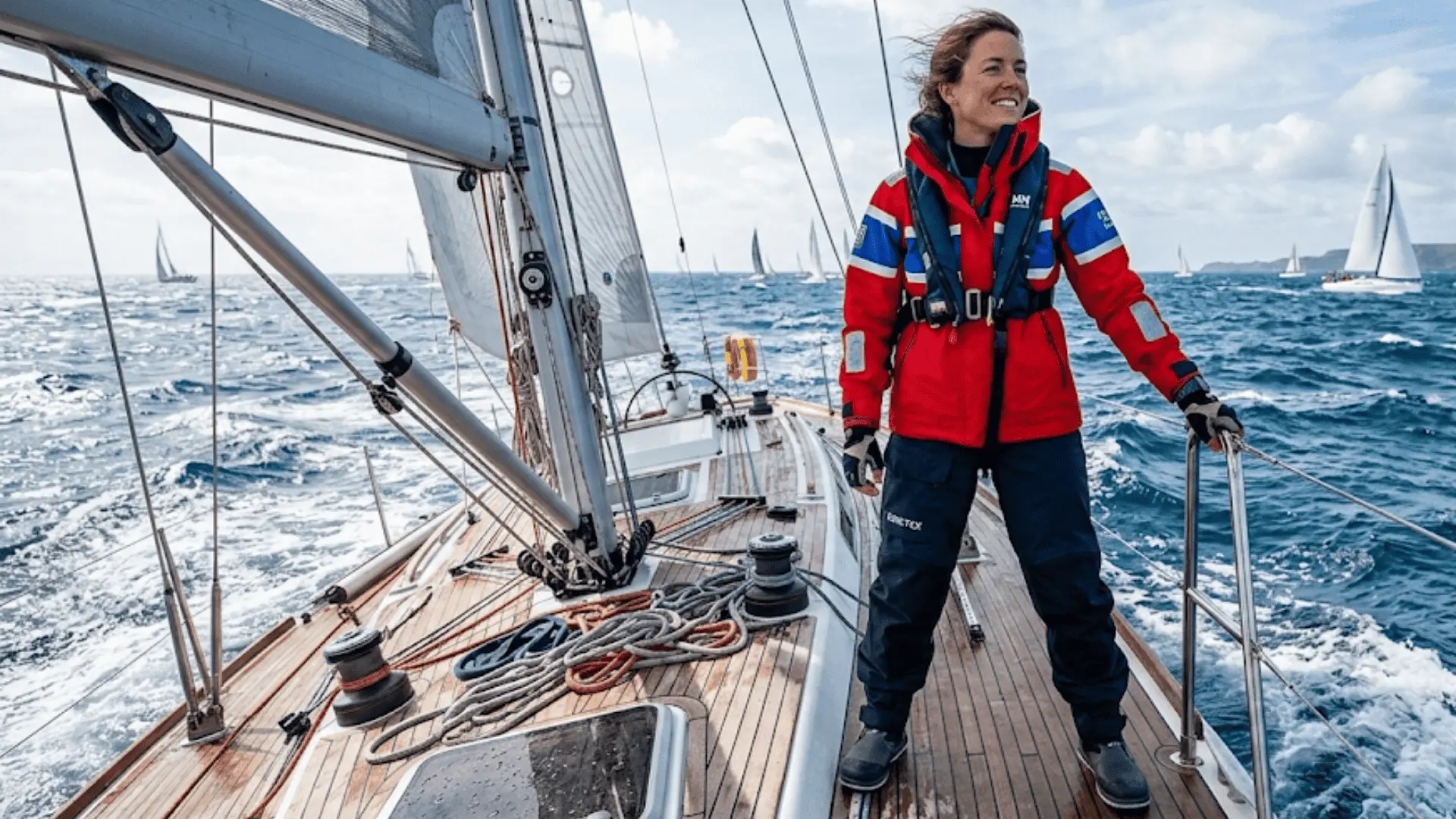
The first time I went sailing in just a cotton hoodie and jeans, I learned a hard lesson before we even left the harbor.
Twenty minutes in, the spray had soaked through everything, the wind cut straight through the wet fabric, and I spent the rest of the day shivering. That one trip taught me more about sailing clothes than any product page ever could.
The right layers keep you dry, warm, and free to move on deck. The wrong ones make a great day miserable.
This guide covers every piece of sailing clothing you need, from base layers to boots, with product picks, a condition-by-condition breakdown, and brand comparisons to help you pack smart for any trip on the water.
Why the Right Sailing Clothes Matters
You might think any old sportswear will do out on the water. It won’t. Sailing puts your body through a lot. The sun beats down on you, the wind cuts right through you, and one wrong wave can leave you completely soaked.
Your sailing clothes need to handle all of that at once. The right outfit keeps you warm when the temperature drops and cool when it rises.
It protects your skin from UV rays and keeps moisture away from your body. That’s a lot to ask from a few pieces of clothing, but the right sailing clothes deliver exactly that.
Wearing proper sailing clothes improves comfort, especially when you already know how to sail a boat and spend long hours on the water.
The Layering System
If there’s one thing every sailor learns fast, it’s this: layering is everything. The weather on the water changes quickly, and your sailing clothes need to keep up.
| Layer | Purpose | Example |
|---|---|---|
| Base Layer | Wicks sweat and keeps you dry | Moisture-wicking thermal top |
| Mid Layer | Traps body heat and keeps you warm | Fleece jacket or wool jumper |
| Outer Layer | Blocks wind, rain, and spray | Waterproof sailing jacket |
Get your layering right, and you’ll stay comfortable no matter what the sea throws at you. Skip a layer, and you’ll feel it. It’s a simple system, but it makes all the difference out there.
Sailing Clothes and Accessories: Everything You Need on Deck
Before you step on deck, you need to know what to pack. The right sailing clothes and accessories keep you safe, dry, and comfortable in changing conditions. Here is a breakdown of every piece worth having in your sailing bag.
1. Offshore Jackets
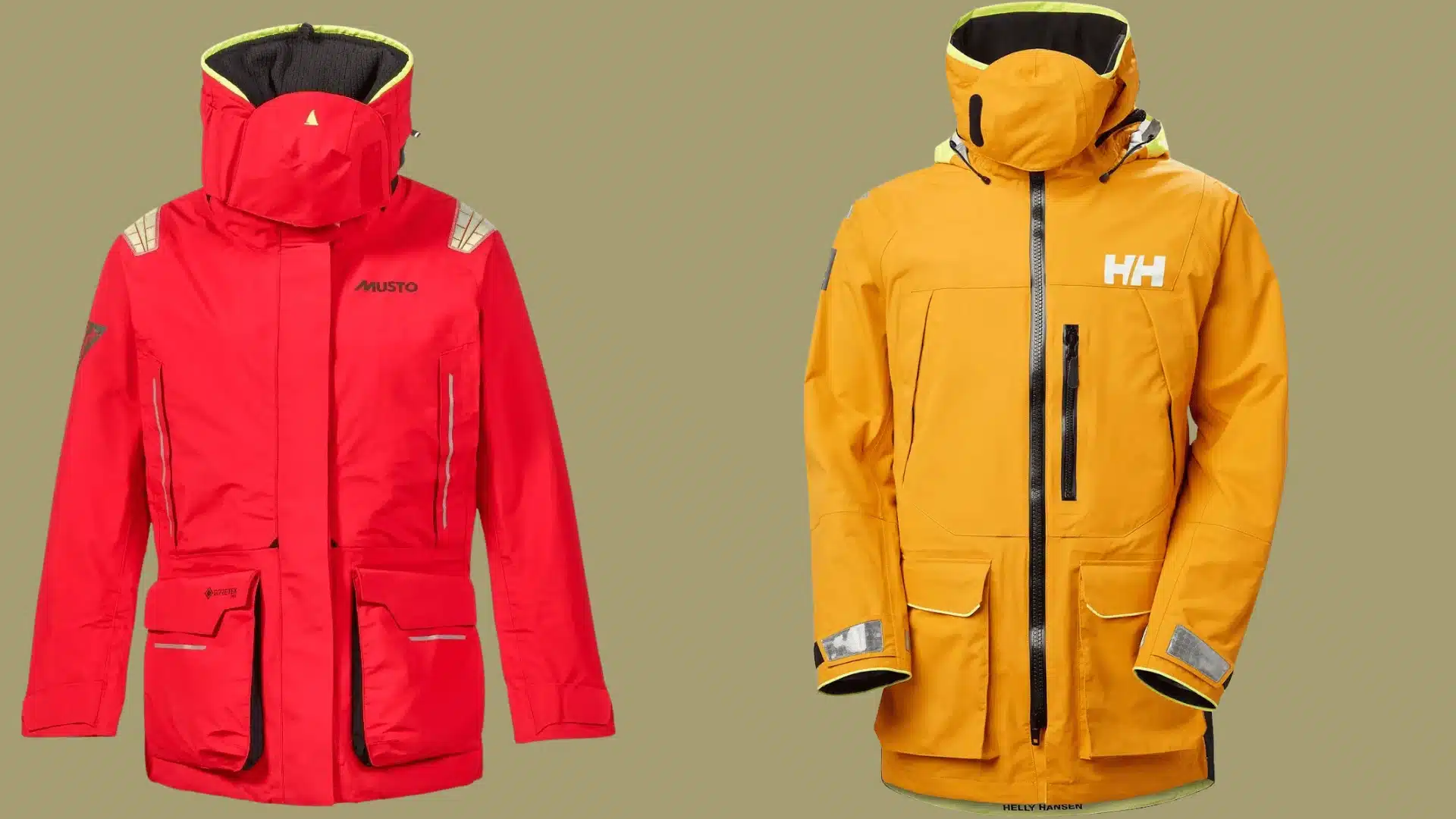
When you’re sailing in serious conditions, an offshore jacket is the most important piece of gear you can own. It’s built to handle heavy rain, strong winds, and rough seas.
You’ll find reinforced seams, storm cuffs, and high collars on these. They’re tough, reliable, and designed for when the weather gets truly nasty. Don’t head into open water without one.
- Recommended Products for Women: Musto MPX Gore-Tex Pro, Helly Hansen Skagen Offshore
- Recommended Products for Men: Musto MPX Gore-Tex Pro, Helly Hansen Ægir Ocean
2. Inshore Jackets
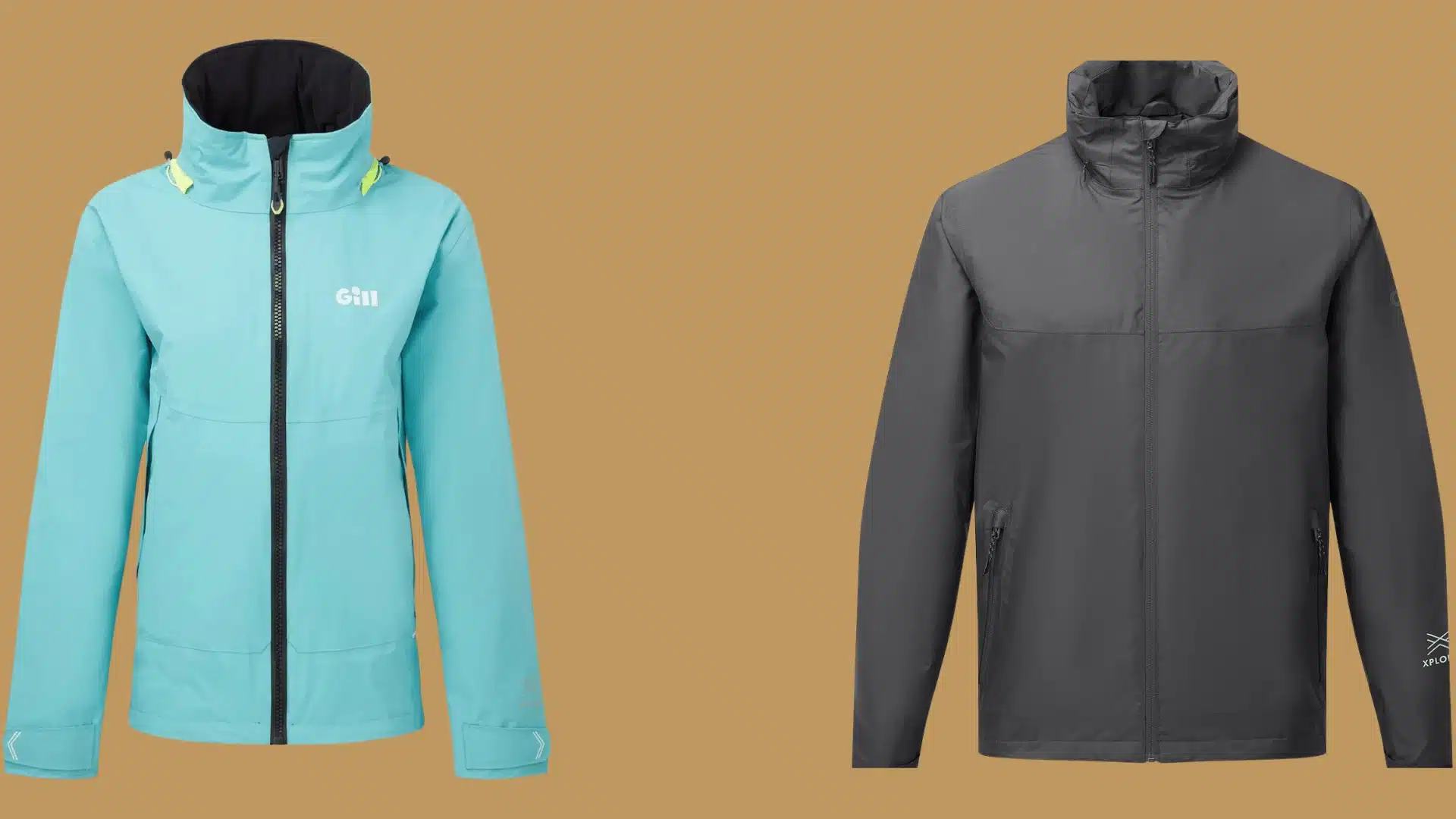
Inshore jackets are perfect for calmer, coastal sailing. They’re lighter and more flexible than offshore jackets, so you can move freely on deck.
They still offer solid wind and water resistance, though. If you’re day sailing or racing close to shore, this is your go-to layer.
- Recommended Products for Women: Gill OS3 Coastal, Helly Hansen Newport Regatta
- Recommended Products for Men: Gill Pilot Jacket, Helly Hansen Crew Hooded 2.0
3. Sailing Trousers
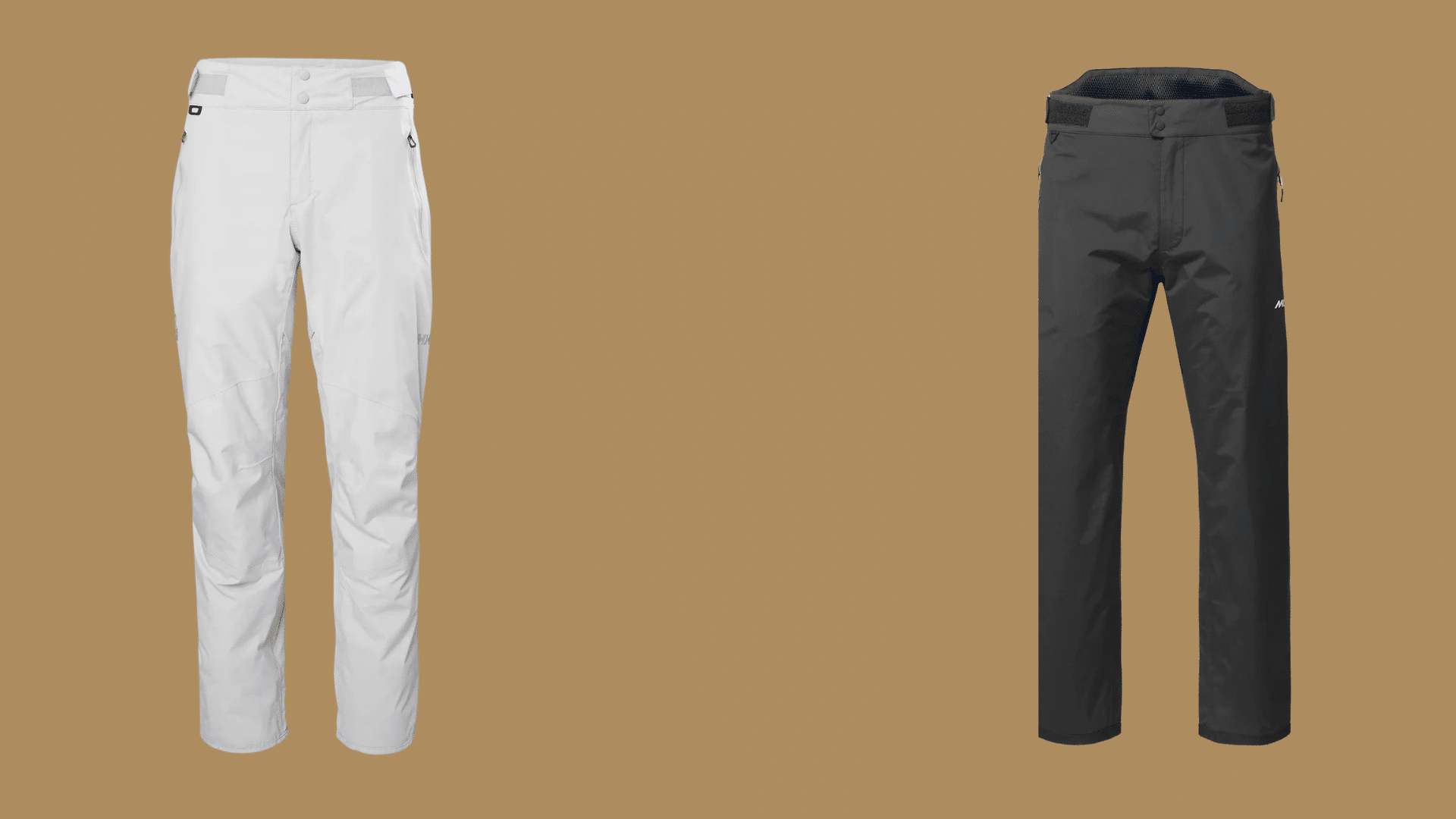
Sailing trousers are designed to keep you dry from the waist down. They’re waterproof, tough, and built to handle constant movement.
And unlike regular trousers, they won’t restrict you when you’re grinding a winch or ducking under the boom. A good pair is worth every penny.
- Recommended Products for Women: Gill OS3 Women’s, Helly Hansen Pier 3.0
- Recommended Products for Men: Gill OS3 Coastal, Musto BR1 Trousers
4. Sailing Bibs
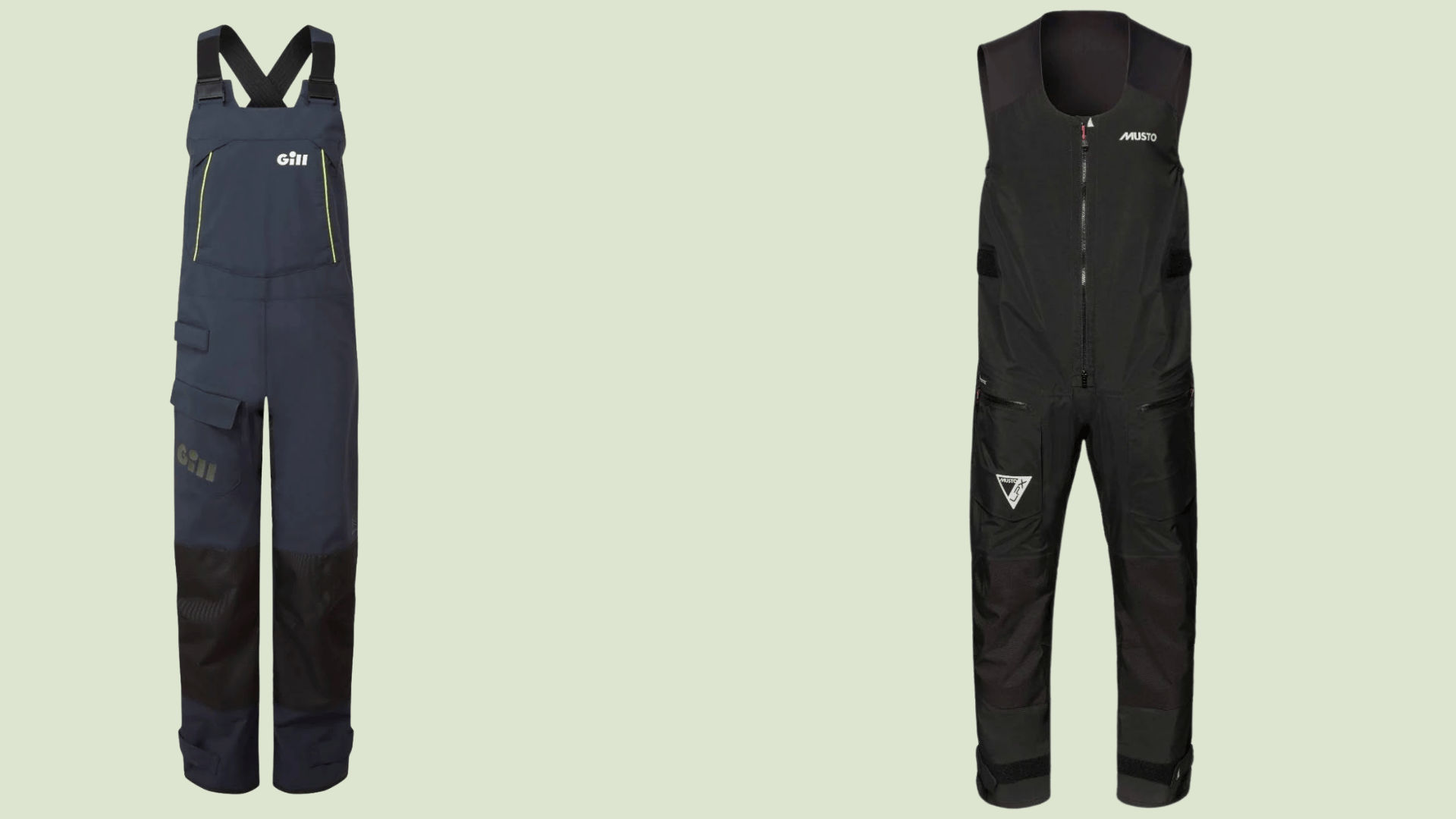
Sailing bibs give you extra coverage and protection over your upper body. They sit higher than trousers and keep water from sneaking in at the waist.
They’re great for colder days and rougher conditions. Pair them with a good jacket, and you’ve got solid all-round protection from spray and wind.
- Recommended Products for Women: Gill OS2 Women’s, Zhik Women’s OFS700 Bib
- Recommended Products for Men: Gill OS2 Offshore, Musto LPX Gore-Tex Salopette
5. Base Layers & Thermals
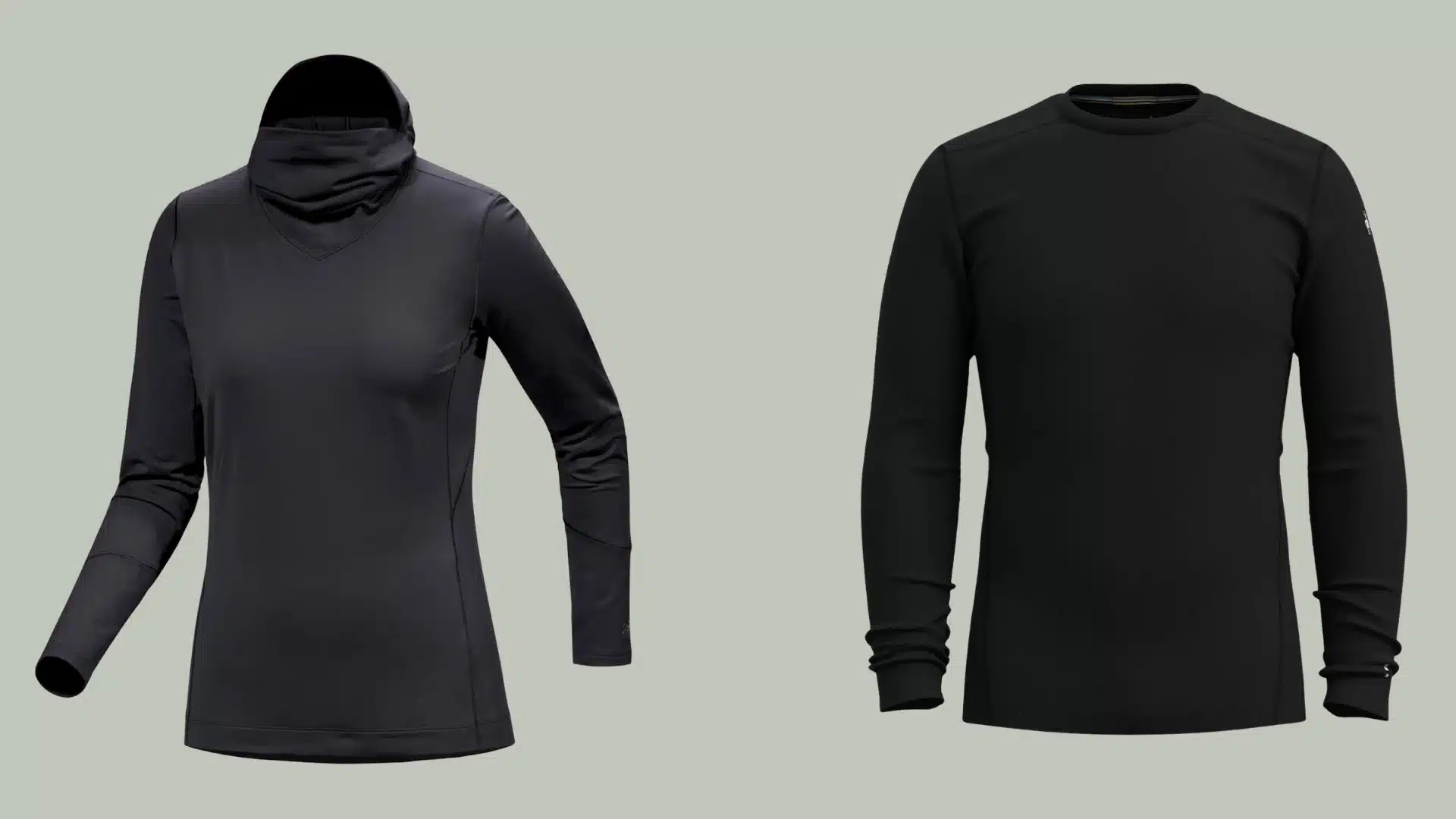
Your base layer is the foundation of everything. It sits right against your skin, and wicks sweat away, keeping you dry and warm.
Choose moisture-wicking materials like merino wool or synthetic fabrics. If your base layer fails, no amount of outer layers will save you from feeling cold and clammy.
- Recommended Products for Women: Smartwool Intraknit Thermal, Arc’teryx Rho Hoody
- Recommended Products for Men: Smartwool Classic Thermal, Helly Hansen LIFA Merino
6. Mid Layers & Fleeces
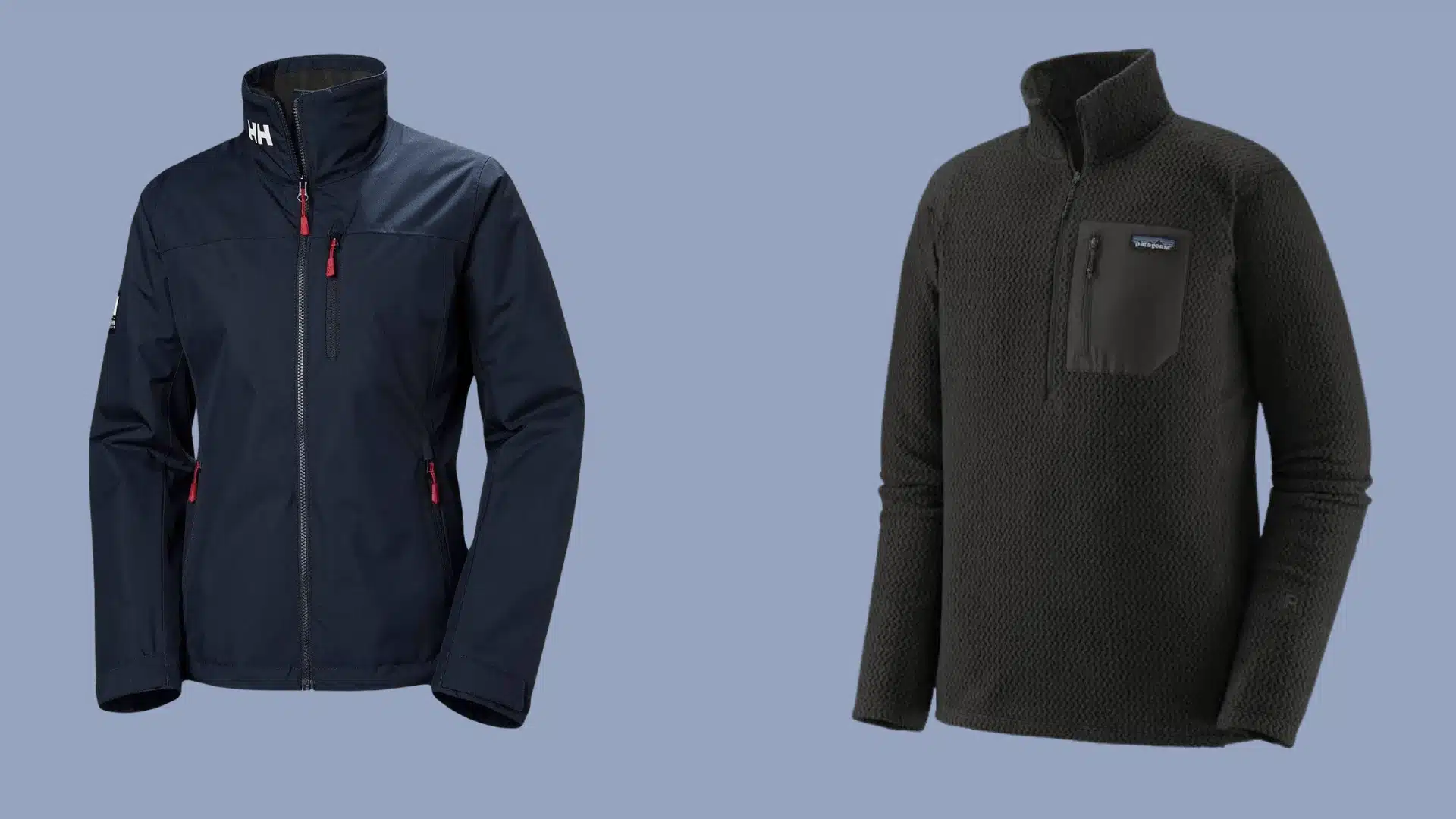
Your mid-layer sits between your base and outer layers. Its job is simple: to trap heat and keep you warm. A good fleece works brilliantly here.
It’s lightweight, quick-drying, and surprisingly warm. On cooler days, this layer makes a huge difference, so don’t underestimate it when packing your sailing bag.
- Recommended Products for Women:Helly Hansen Crew Midlayer, Patagonia Better Sweater
- Recommended Products for Men: Helly Hansen Crew Midlayer, Patagonia R1 Fleece
7. Deck Shoes
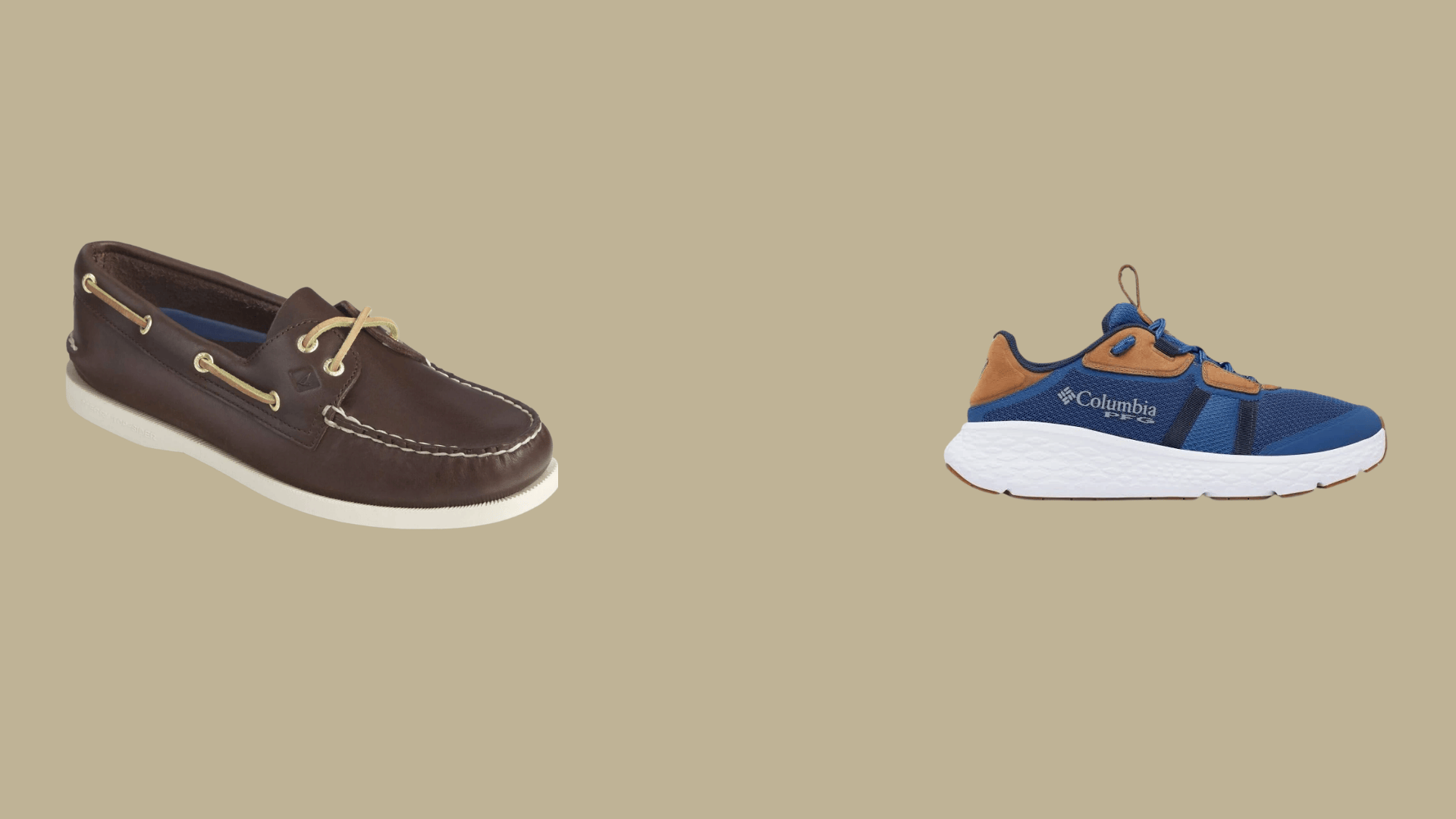
Deck shoes are a sailing essential. They’re designed with non-slip soles that grip wet surfaces without marking the deck.
You get support, comfort, and safety all in one. Wear regular trainers, and you’re asking for a slip. A solid pair of deck shoes keeps you sure-footed no matter how wet things get.
- Recommended Products for Women: Sperry Authentic Original, XtraTuf Sharkbyte 2.0
- Recommended Products for Men: Sperry Gold Cup A/O,Columbia Castback TC
8. Dinghy Boots
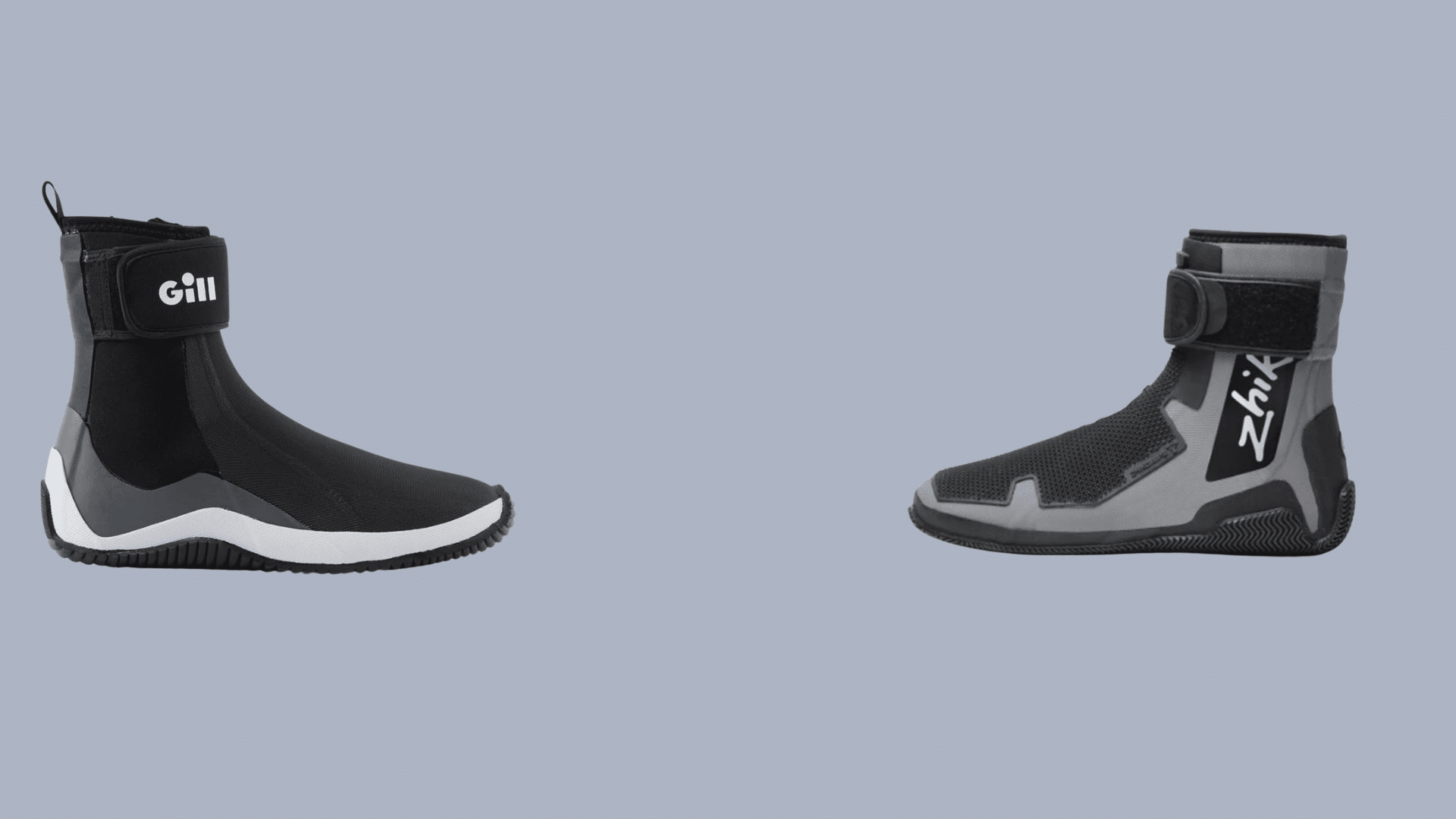
Dinghy sailing means getting wet. That is just part of it. Dinghy boots are short, flexible, and designed to handle that.
They keep your feet warm and protected without weighing you down. They drain quickly and dry fast, too. If you’re regularly sailing small boats, a good pair of dinghy boots is a must.
- Recommended Products for Women: Zhik Women’s Low Cut, Gill Aero Boots
- Recommended Products for Men: Zhik Grip II, Gill Edge Boots
9. Sailing Boots
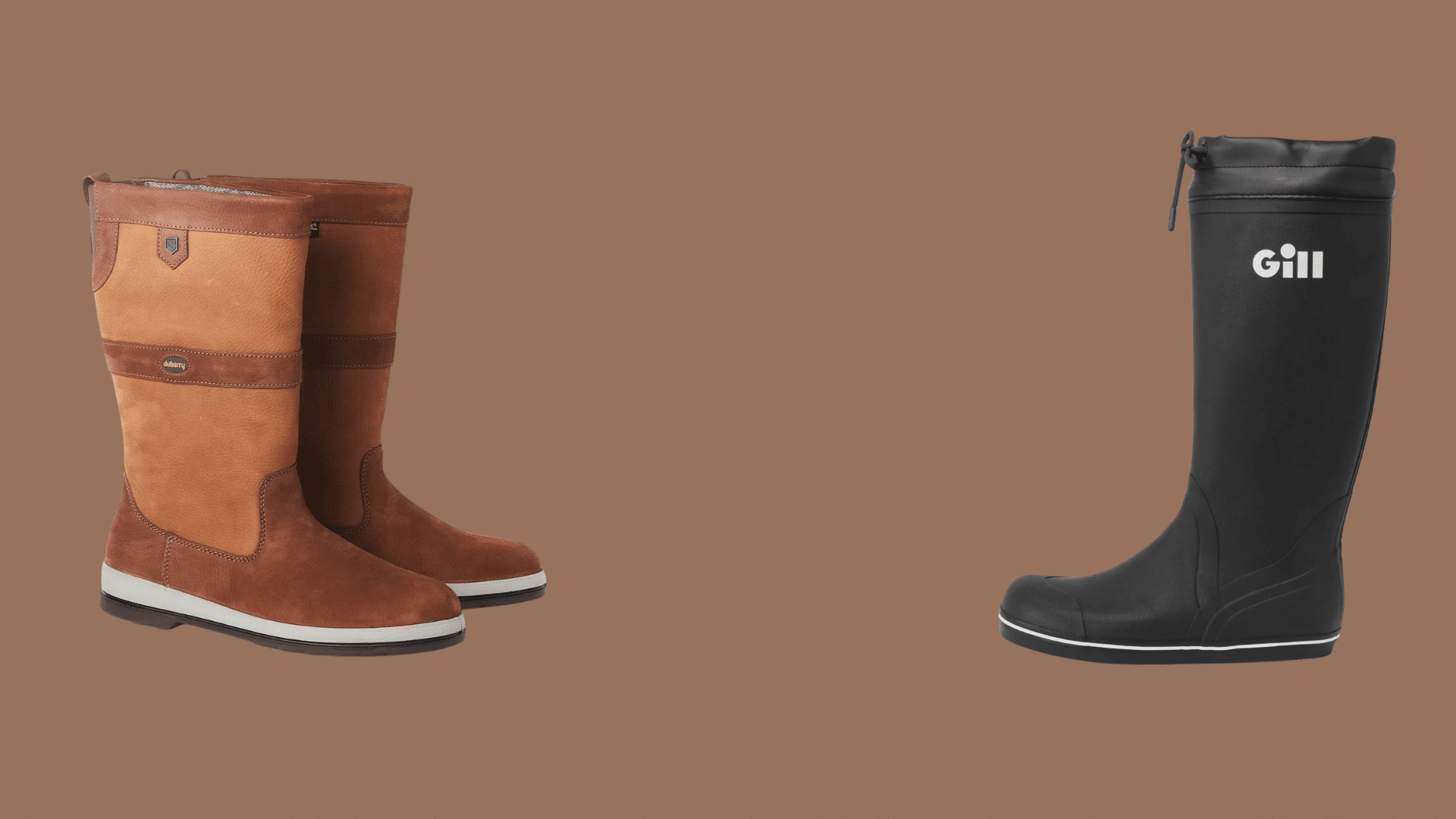
For offshore or cold-weather sailing, full sailing boots are the way to go. They’re taller, warmer, and more waterproof than dinghy boots.
Your feet stay dry even when the deck is awash. And because they’re built for long days on the water, they’re comfortable, too sturdy but not stiff.
- Recommended Products for Women: Dubarry Ultima, XtraTuf Legacy 15″
- Recommended Products for Men: Musto Gore-Tex Race, Gill Tall Yachting Boot
10. Full-Finger Gloves
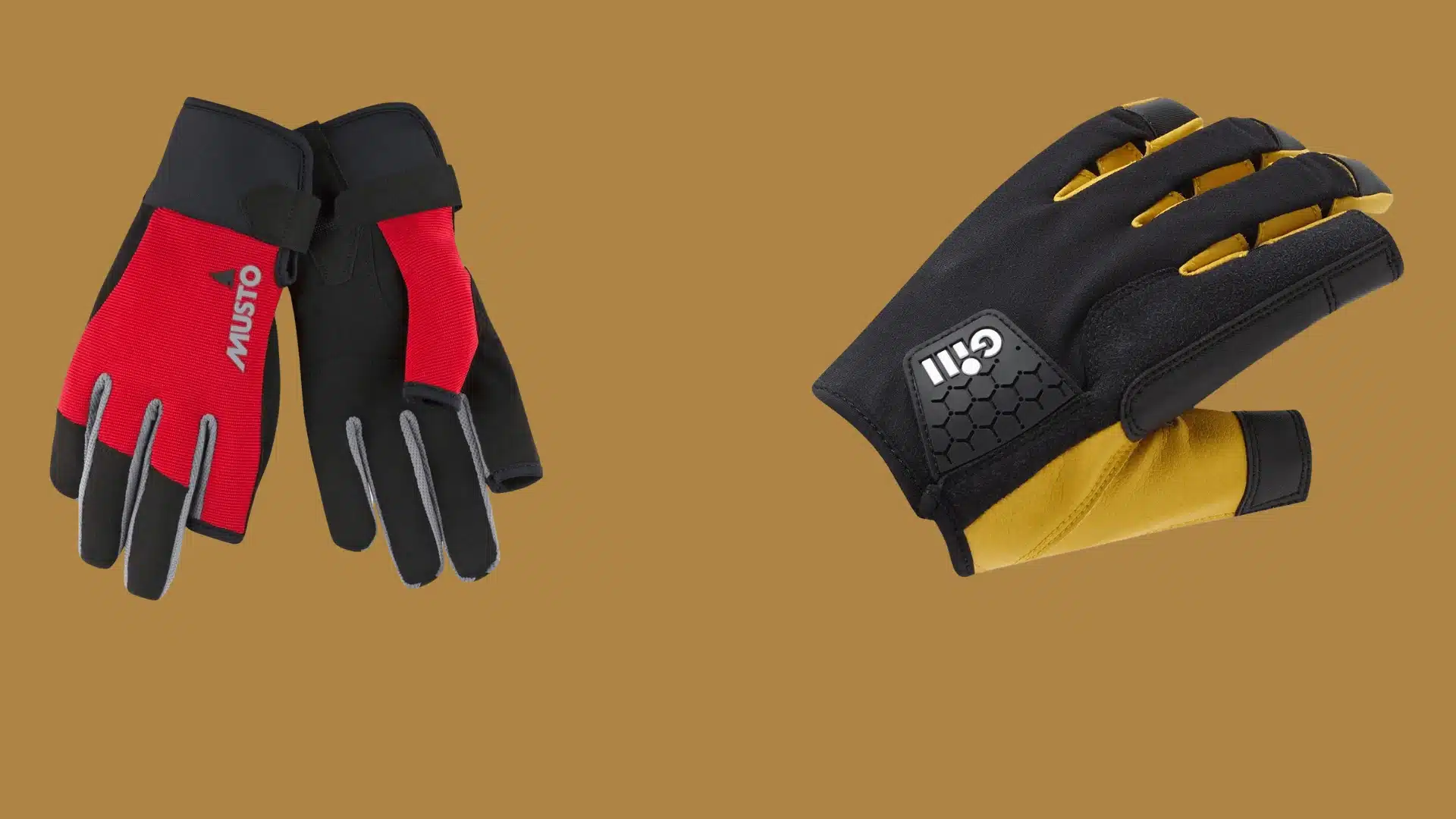
When the temperature really drops, full-finger gloves are your best friend. They cover your entire hand and keep the cold and wet out completely.
You don’t lose as much dexterity as you’d think, and the warmth they provide is well worth it. Perfect for offshore passages or cold early-morning sails.
- Recommended Products: Gill Pro Gloves,Musto Essential, Helly Hansen Regatta Gloves
11. Fingerless Gloves
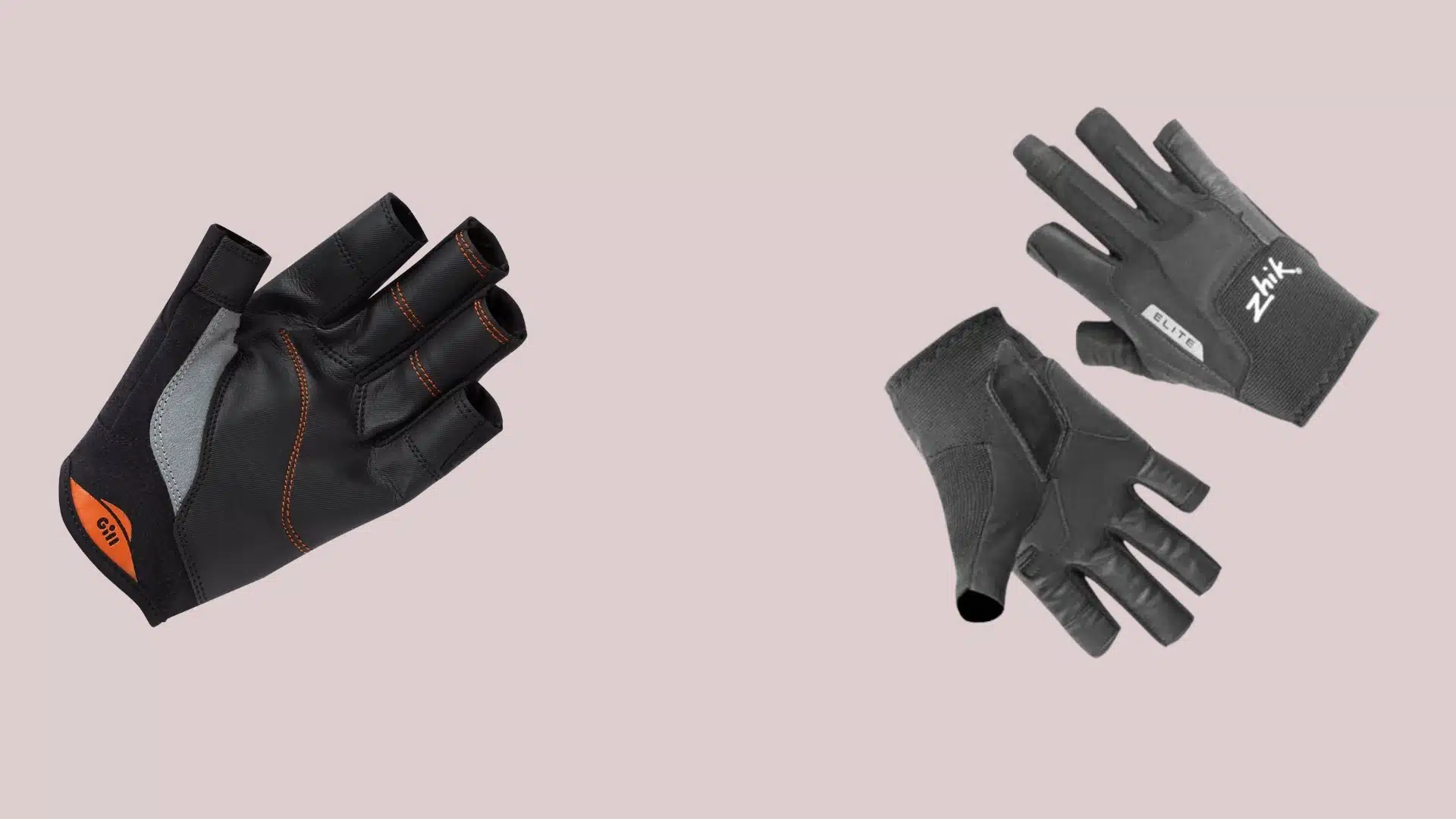
Fingerless gloves are popular with racers and warm-weather sailors. They protect your palms from rope burn and blisters but leave your fingers completely free. You get maximum feel and control on the lines.
If you’re sailing in mild conditions and need full dexterity, fingerless gloves are a smart and practical choice.
- Recommended Products:Zhik G1 Short Finger,Harken Sport, Gill Deckhand Gloves
12. Sun Hats
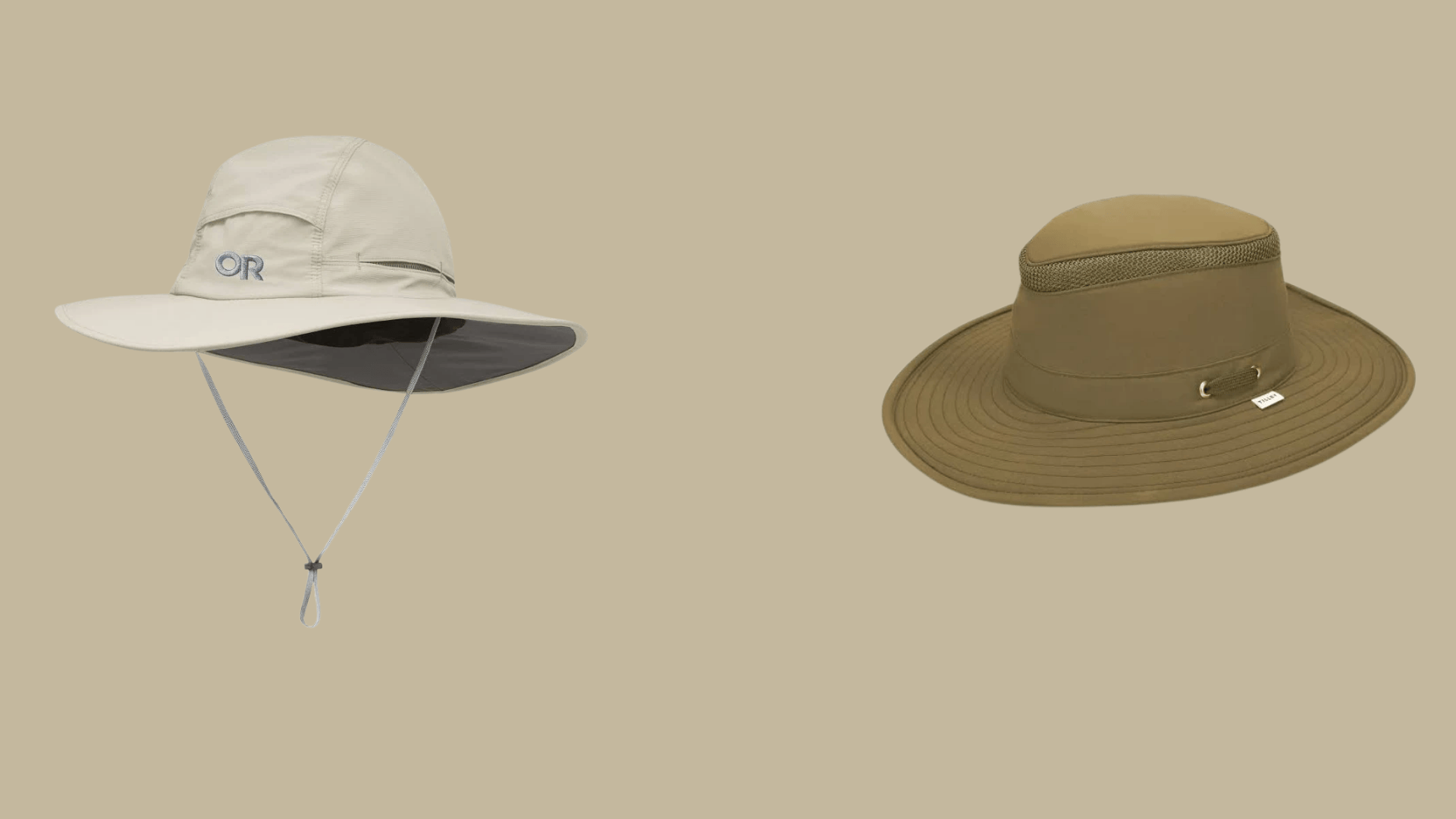
The sun on the water is stronger than you think. Reflections off the surface can burn you fast.
A good sun hat protects your face, neck, and ears from harmful UV rays. Look for wide-brimmed options with UV protection built in. It’s a simple piece of sailing clothing that’s easy to overlook but really important.
- Recommended Products: Outdoor Research Sunbriolet Sun Hat, Tilley LTM6 Airflo Hat
13. Swimsuits
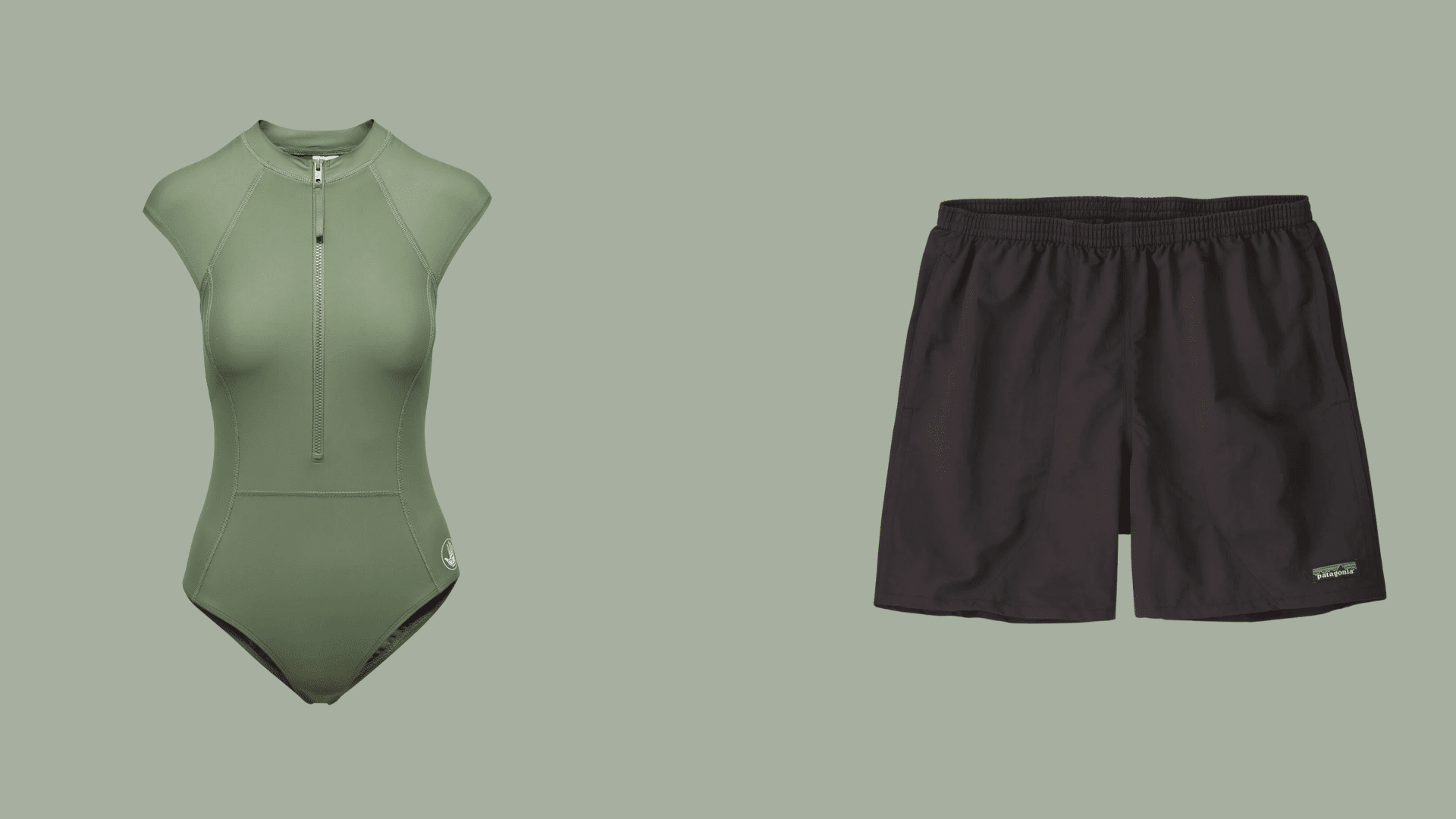
A good swimsuit is more useful on a sailing trip than you might expect. Whether you’re taking a swim at anchor or scrambling back aboard after a capsize, comfort matters.
Choose quick-drying, chlorine-resistant fabrics that hold their shape. Make sure it fits well, because loose swimwear and sailing don’t mix at all.
- Recommended Products for Women: Body Glove Smoothies, Title Nine Swimwear
- Recommended Products for Men: Patagonia Baggies, Billabong All Day Boardshorts
14. Rash Guards
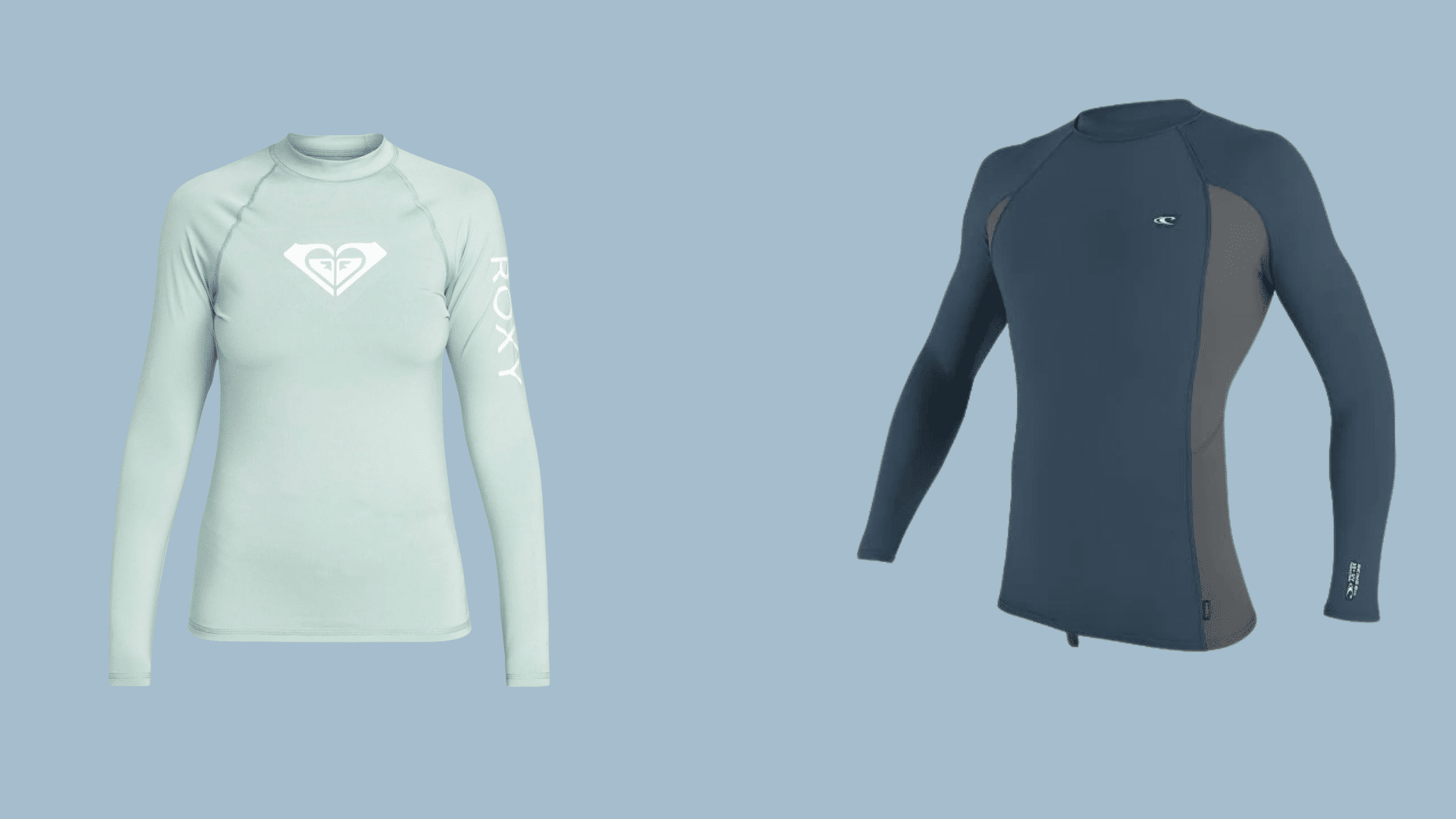
Rash guards protect your skin from the sun, wind, and friction. They’re lightweight, quick-drying, and incredibly versatile.
Wear one under your sailing clothes for extra UV protection or on its own on warmer days. If you’re spending long hours on the water, a rash guard is one of the smartest things you can pack.
- Recommended Products for Women: Roxy Whole Hearted, Carve Designs Cruz Guard
- Recommended Products for Men: O’Neill Premium Skins, Mustang Survival Adelphi
15. Sunscreen
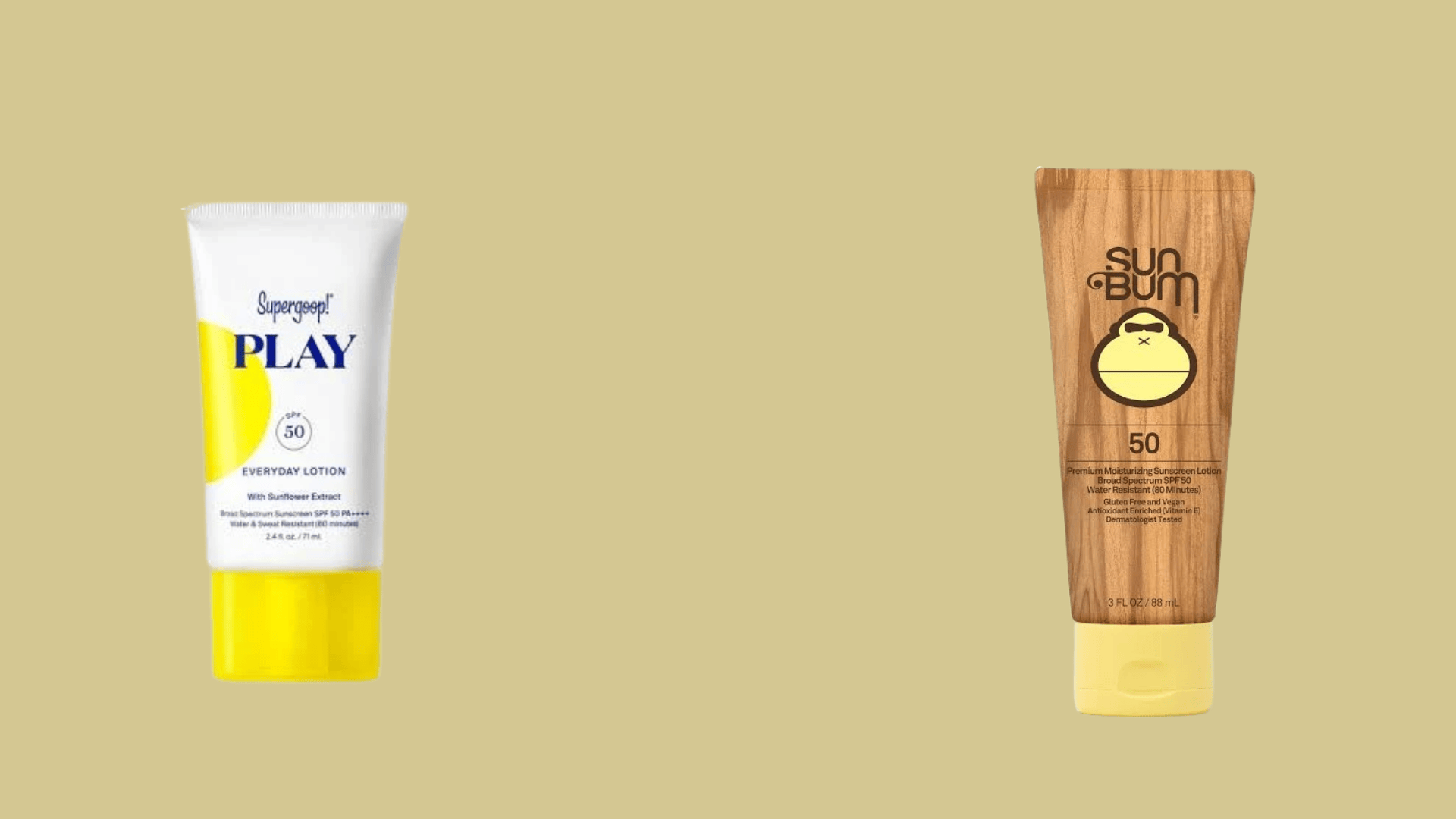
Sunscreen isn’t clothing, but it’s just as essential. The water reflects UV rays straight back at you, doubling your sun exposure. Use a high-SPF, water-resistant formula and reapply it throughout the day. Don’t skip your ears, the back of your neck, or the tops of your feet. Sun damage adds up fast out there.
- Recommended Products: Supergoop! Play SPF 50 (Waterproof), Sun Bum Original SPF 50
Every piece on this list serves a real purpose, and the right combination depends on where and how you sail.
Sailing Clothes by Condition
Not every sail is the same, and your sailing clothes shouldn’t be either. The gear you grab for a sunny afternoon cruise is very different from what you need on a cold, choppy offshore passage.
| Condition | What to Wear |
|---|---|
| Hot & Sunny | Rash guard, swimsuit, sun hat, fingerless gloves, deck shoes, sunscreen |
| Mild & Breezy | Base layer, inshore jacket, sailing trousers, hybrid gloves, deck shoes |
| Cold & Wet | Thermal base layer, fleece mid layer, offshore jacket, sailing bibs, sailing boots, full-finger gloves |
| Offshore & Rough | Full layering system, offshore jacket, bibs, sailing boots, full-finger gloves, sun hat |
| Dinghy Sailing | Wetsuit or rash guard, dinghy boots, fingerless gloves, sun hat |
Match your sailing clothes to the forecast, and you’ll always be one step ahead. Dress for the conditions you’re sailing in, not the ones you’re hoping for. Get that right, and every trip becomes a whole lot more enjoyable.
Key Features to Look for When Buying Sailing Clothes
Buying sailing clothes isn’t just about picking what looks good. The right features can genuinely make or break your time on the water. Here’s exactly what you should be checking before you buy.
- Waterproofing: Keep the rain and spray out. Look for taped seams and a solid waterproof rating.
- Breathability: You’ll sweat on the water. Good sailing clothes let moisture escape so you don’t feel clammy.
- UV Protection: The sun reflects off the water. UPF-rated fabrics protect your skin all day long.
- Freedom of Movement: Sailing is physical. Your clothes need to move with you, not against you.
- Quick-Drying Fabric: Getting wet happens. Fabrics that dry fast keep you comfortable and warm.
- Durability: Salt, sun, and wind are tough on gear. Choose well-made sailing clothes that are built to last.
Don’t rush this decision. The right sailing clothes are an investment in your comfort and safety out on the water. Buy smart, and they’ll serve you well for seasons to come.
Sailing Clothes for Men and Women
Sailing clothes aren’t just unisex gear anymore. Brands have come a long way in designing fits that actually work for both men and women on the water.
| Feature | Men’s Sailing Clothes | Women’s Sailing Clothes |
|---|---|---|
| Fit | Broader shoulders, straight cut | Narrower shoulders, contoured cut |
| Sizing | Chest and waist focused | Hip and bust proportions are considered |
| Layering | Roomier fit for bulkier layers | Tailored fit without compromising warmth |
| Colour Options | Mostly neutral and dark tones | Wider range including brighter colours |
| Specialist Pieces | Offshore suits, sailing bibs | Women-specific offshore jackets, bibs |
The core function is the same, but fit matters more than you think. Ill-fitting sailing clothes restrict your movement and make long days on deck uncomfortable. So always choose gear that’s made for your body and buy the best fit you can.
What NOT to Wear Sailing
Just as important as knowing what to wear is knowing what to leave behind. Some everyday clothing choices can actually put you at risk out on the water. Here’s what you should avoid when putting together your sailing clothes.
What to avoid
- Cotton t-shirts
- Denim jeans
- Flip flops
- Regular trainers
- Hoodies
- Loose, baggy jumpers
- Open-toed sandals
- Non-waterproof jackets
- Silk or satin fabrics
- Heavy wool coats
Avoid these, and your time on the water will be safer and far more comfortable. Good sailing clothes are built for a reason, so trust the gear and ditch the shortcuts.
Top Sailing Clothes Brands Compared
There are a lot of sailing clothes brands out there, and choosing between them can feel overwhelming. But some names consistently stand out for quality, performance, and value.
| Brand | Known For | Best For | Price Range |
|---|---|---|---|
| Henri Lloyd | Premium offshore gear | Serious offshore sailors | $150-$800 |
| Musto | High-performance sailing clothes | All-round sailors and racers | $120 – $750 |
| Gill | Great value and durability | Beginners and club sailors | $50 – $350 |
| Helly Hansen | Versatile and stylish designs | Casual and recreational sailors | $80 – $500 |
| Zhik | Lightweight technical gear | Dinghy and performance sailors | $90 – $550 |
| Slam | Italian design and quality | Style-conscious sailors | $100 – $600 |
Every brand on this list brings something different to the table. Your best pick depends on how and where you sail, and what you’re willing to spend. Try things on if possible, and invest in the pieces that match the type of sailing you do most.
Tips for Buying Sailing Clothes
Spending money on sailing clothes is easy. Spending it wisely is a different story. Before you head to the shop or start browsing online, keep these practical tips in mind.
- Know Your Sailing Style: Offshore sailing and dinghy sailing need very different gear. Buy what actually suits the type of sailing you do.
- Prioritise Fit Over Style: Good sailing clothes should move with you. Always try before you buy if you can.
- Buy Layers Separately: Building your layering system piece by piece gives you more flexibility and better value over time.
- Check the Seams: Taped and sealed seams make a real difference in wet conditions. Don’t overlook this small but important detail.
- Invest in Key Pieces First: Start with a good jacket and boots. Then build the rest of your sailing wardrobe around them.
Take your time and buy smart. The right sailing clothes will last you years and make every trip on the water more enjoyable. Rushing this decision is never worth it.
Building Your Sailing Clothes Wardrobe
Getting your sailing clothes right takes a little planning, but once you have the right setup, you stop thinking about gear and start focusing on the sail.
Every piece works together: the base layer keeps you dry, the mid layer keeps you warm, and the outer layer keeps everything else out.
Start with a good jacket and a pair of boots. Add a base layer and a fleece next. From there, fill in the gaps based on how and where you sail.
Cold-water sailors will want bibs and full-finger gloves early. Warm-weather sailors should grab rash guards and a solid sun hat first.
The best sailing clothes are the ones that match your conditions, fit your body, and hold up trip after trip. Take your time choosing, care for your gear between sails, and you’ll have a kit that works hard every time you step on deck.
Frequently Asked Questions
What Should I Wear Sailing for the First Time?
Wear a moisture-wicking base layer, a light fleece, and a waterproof jacket. Bring non-slip shoes, sunglasses, sunscreen, and a hat. Avoid cotton and denim. Layers are more useful than one thick jacket because conditions change fast on the water.
How Much Should I Spend on Sailing Clothes?
A solid starter kit (jacket, base layer, fleece, deck shoes) can cost between $250 and $500. A full offshore setup with bibs, boots, and gloves runs $800 to $1,500 or more, depending on the brand.
What is the Best Brand of Sailing Clothing?
Top sailing clothing brands include Musto, Helly Hansen, Zhik, and Gill Marine, each offering reliable gear suited to different preferences and needs.