
Your first parasailing trip should be exciting, not filled with outfit worries. No one wants to adjust slipping swimwear, chase a flying hat, or feel uncomfortable under the harness while floating above the water.
If you are wondering what to wear parasailing, focus on clothes that stay secure, dry quickly, and feel comfortable in the wind.
A snug swimsuit, lightweight top, and simple accessories can make a big difference during your flight. The weather, water conditions, and flight type can also affect what works best.
From warm beach days to cooler mornings, the right outfit choices help you enjoy every moment from takeoff to landing with ease.
What Is Parasailing?
Parasailing pairs a parachute-style sail with a rope towed by a boat. You sit in a harness, the boat picks up speed, and the sail lifts you into the air while the boat pulls you along the water.
Most flights last between 8 and 12 minutes, though the exact time depends on the operator and the wind that day.
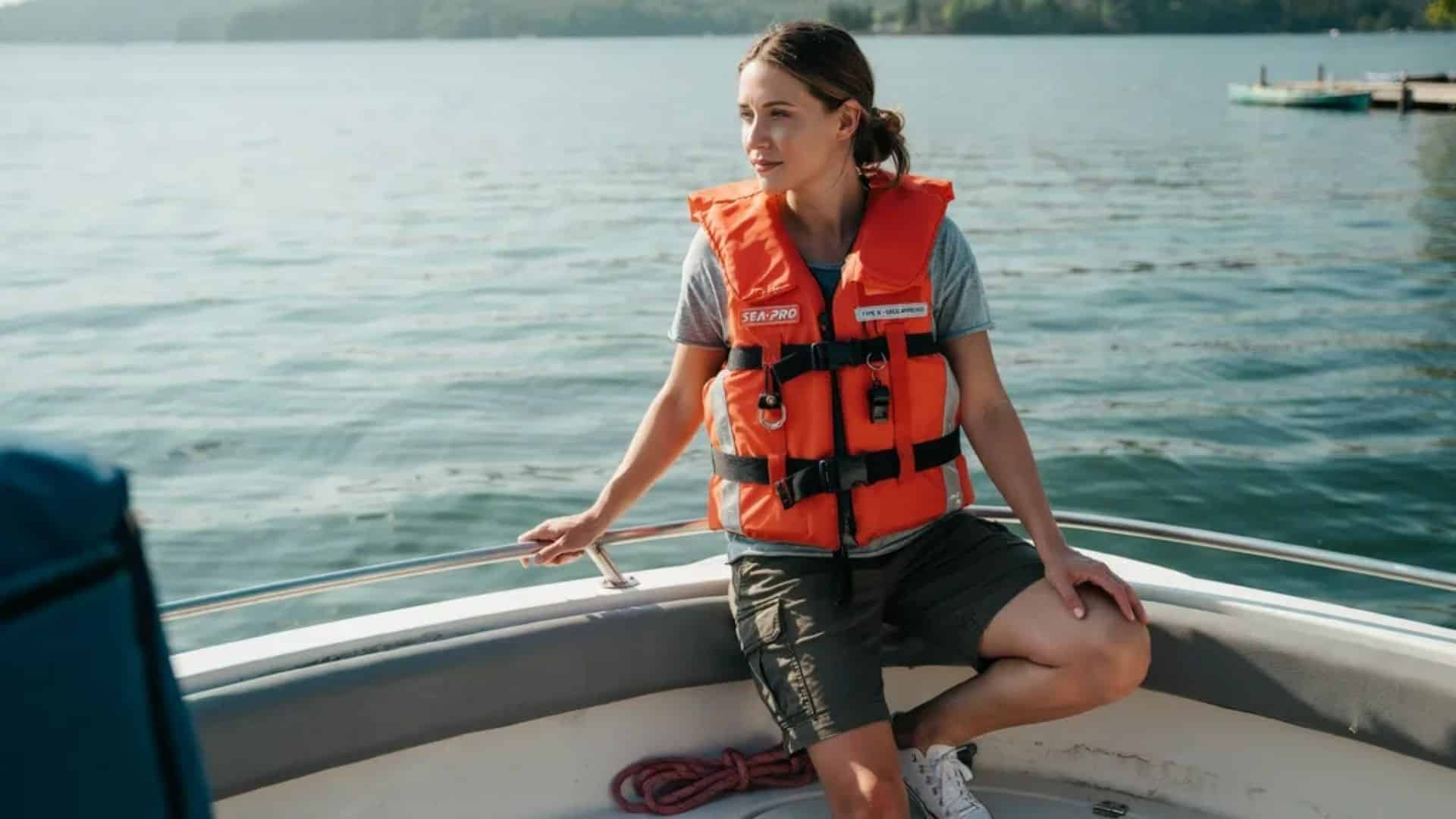
You do not need to know how to swim. A life jacket is required gear, and the crew checks your harness fit before you leave the dock.
Depending on the company, you can choose a dry flight or one that ends with a gentle dip in the water just before landing.
Takeoff usually happens right from the boat deck, so there is no running start or jump involved.
You get lifted slowly and reeled back in the same way. If you want a closer look at the full flight process, it breaks down the gear setup and boat mechanics in more detail.
What to Expect Before You Board
Before heading onto the water, most parasailing operators complete a quick check-in. You may need to sign a waiver, show ID, complete payment, and confirm your weight range for safe flight limits.
The crew will fit you with your life jacket and harness, then explain hand signals and safety steps. This briefing usually takes 5–10 minutes. Age requirements vary, but many operators allow young children with an adult.
Pro Tip: Check with the operator beforehand about weight limits and ID rules to avoid issues with waivers or walk-in restrictions.
Basics of What to Wear Parasailing
Comfort under a harness matters more than style. Aim for snug, lightweight pieces that move with you and dry fast if they get wet.
| Category | Wear This | Skip This |
|---|---|---|
| Top | Rash guard, fitted tank, plain t-shirt | Loose blouses, thin-strap tanks |
| Bottom | Board shorts, snug swimsuit bottoms | Wide-leg shorts, skirts, and dresses without shorts underneath |
| Footwear | Sandals for the dock, bare feet for the flight | Flip-flops, lace-up shoes, heels |
| Accessories | Strapped sunglasses, waterproof phone pouch | Loose jewelry, scarves, unsecured hats |
The right outfit keeps you comfortable and confident on the water. Choose secure, breathable pieces that move easily from boat to shore.
Best Base Layer for Parasailing
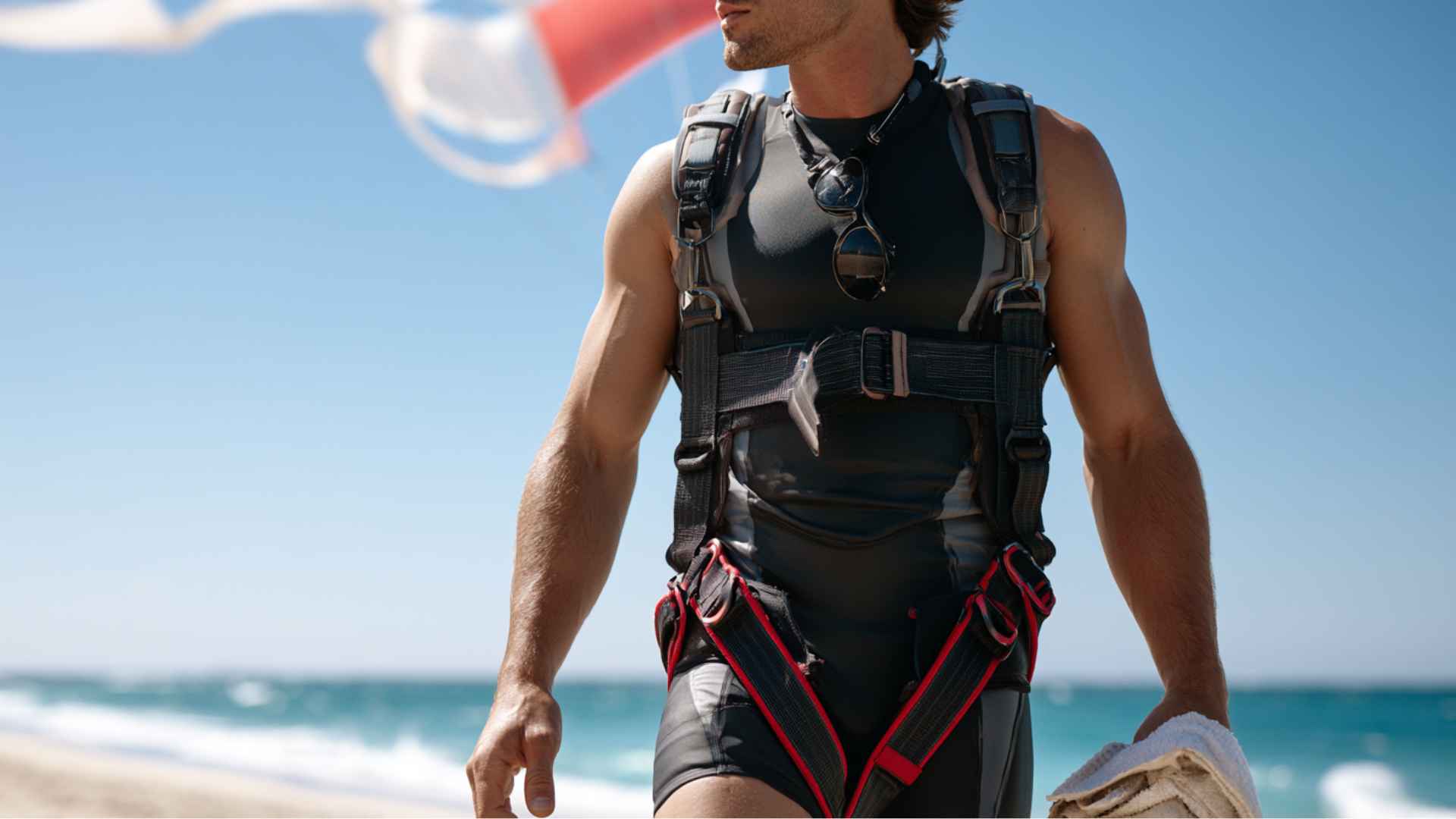
Start with a swimsuit or quick-dry underwear. The harness strap sits low, right under your thighs and glutes, so a well-fitted base layer keeps things comfortable through takeoff and landing.
Loose swim bottoms can shift once you are in the air, and that is not something you can fix mid-flight.
What to Wear on Top
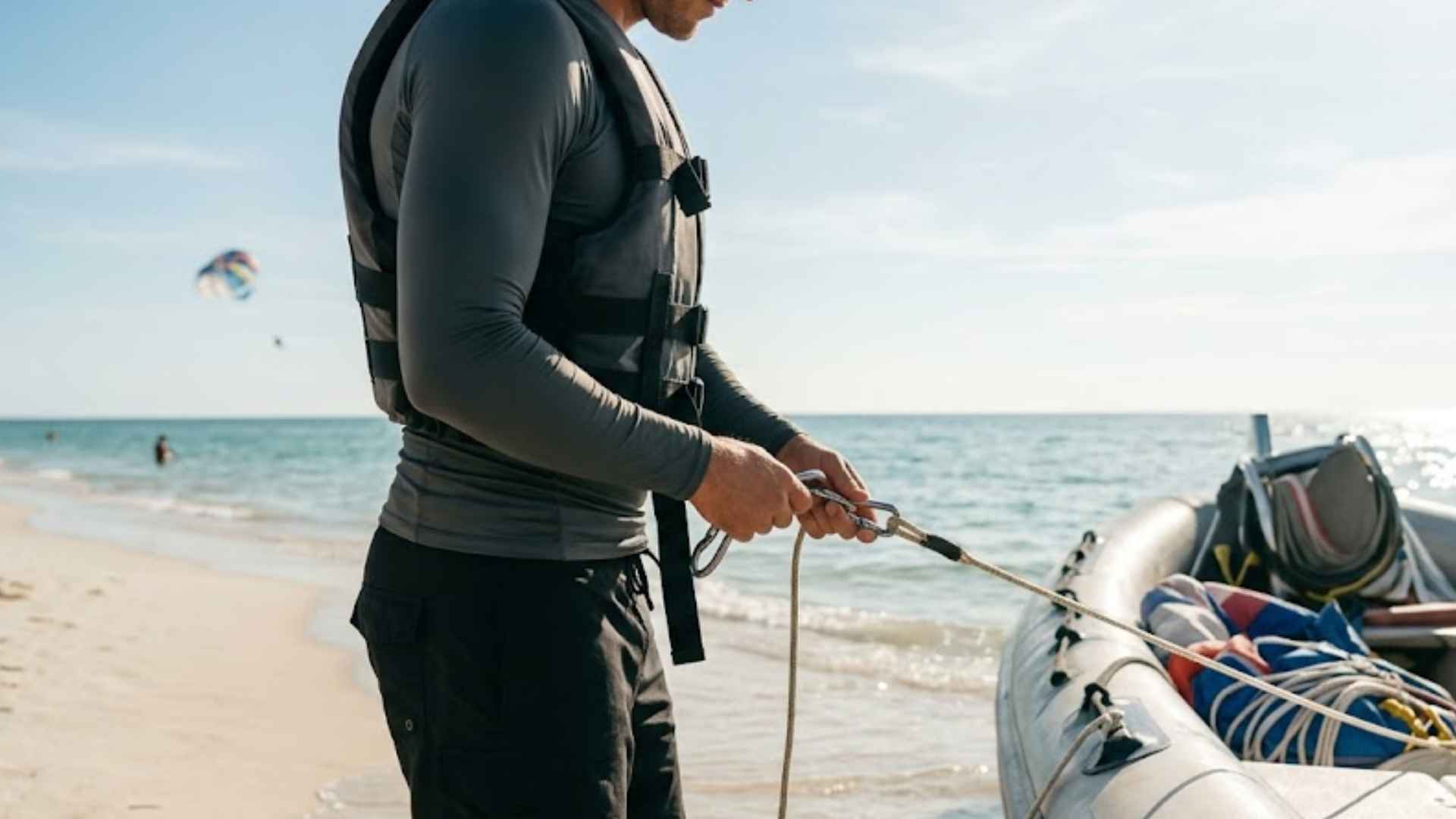
A fitted tank top, rash guard, or plain t-shirt works well. Skip anything baggy or held up by thin straps that can slip once the wind picks up.
Rash guards are a solid pick if you burn easily, since they add sun coverage without extra bulk.
Bottoms: Shorts, Board Shorts, or Swimsuit
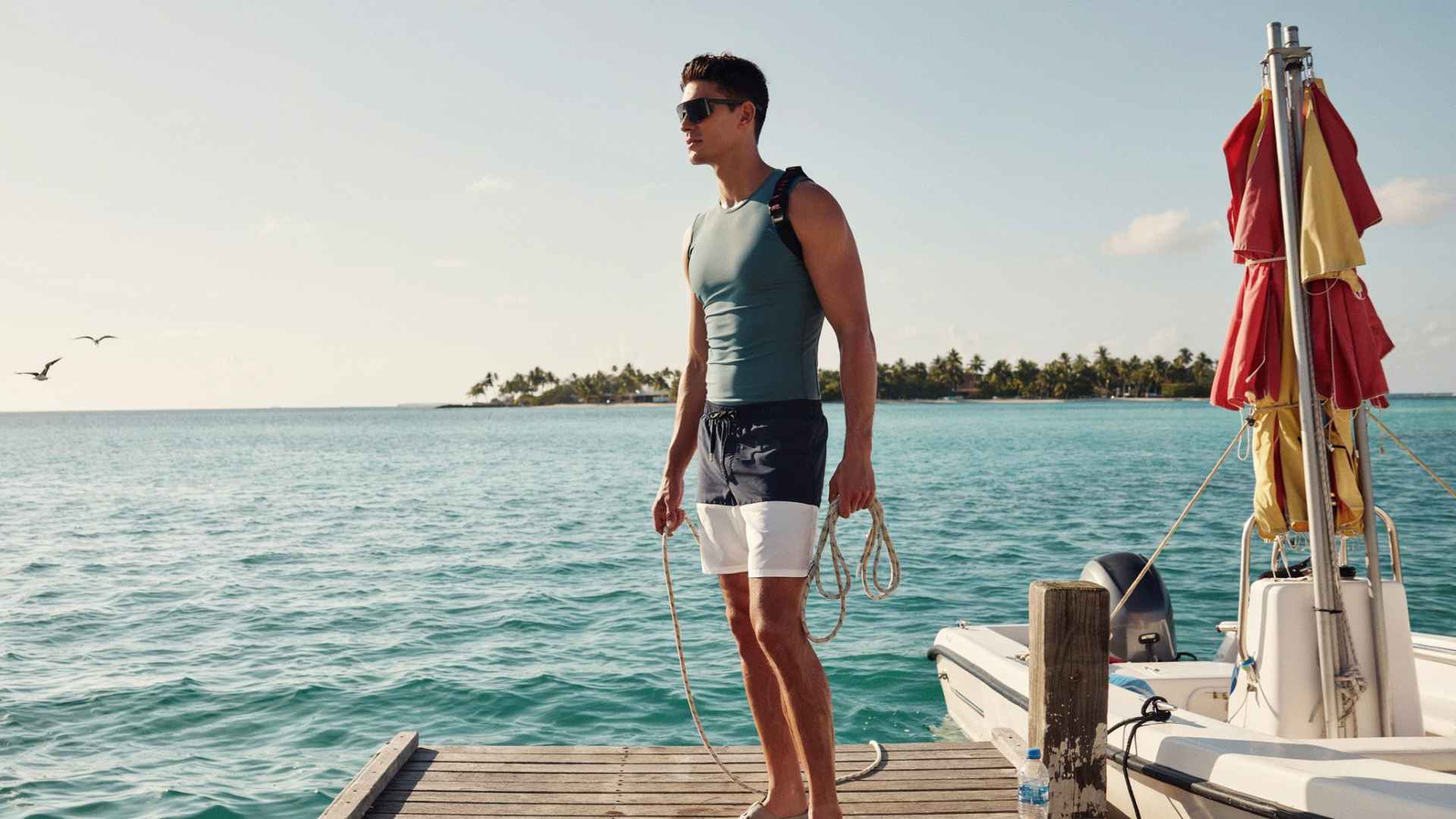
Board shorts or fitted swim trunks work for men. Women can wear a one-piece or a two-piece with a snug, higher-waisted bottom.
Fabric matters as much as fit. Quick-dry synthetics like polyester and nylon blends shed water fast and stay light once wet. Cotton and denim do the opposite.
The best parasailing outfit is simple: secure, quick-drying, and comfortable. Choose pieces that stay in place so you can enjoy the ride without distractions.
What to Wear Parasailing by Weather and Seasons
Weather changes what you should pack. Even on a warm day, the air gets noticeably cooler once you climb a few hundred feet, so plan for a temperature drop you will not feel standing on the beach.
| Season | What to Wear | Notes |
|---|---|---|
| Summer | Swimsuit, rash guard, hat with a chin strap | UV rays are stronger at altitude, so add sunscreen |
| Spring or Fall | Swimsuit under a windbreaker or light hoodie | Water may be too cold for a dip, so ask about dry flights |
| Cool Mornings | Long-sleeve rash guard or wetsuit top | Layers help since it warms up as the day goes on |
No matter the season, choose layers that keep you protected without restricting movement. The right clothing helps you stay comfortable from launch to landing.
Pro Tip: Pack a foldable windbreaker even in summer. Stash it in a dry bag, and you will only need it if the wind picks up at altitude.
What Not to Wear Parasailing
Some clothing choices can make parasailing less comfortable or create unnecessary problems during the ride. Avoid pieces that restrict movement, hold water, or are difficult to secure.
- Bulky jackets or hoodies with zippers that dig into the harness
- Loose skirts or wide-leg pants that shift once you are airborne
- Heavy fabrics like denim, which stay wet and weigh you down
- Flip-flops or sandals during the actual flight
- Anything you would hate to lose if it fell into the water
Choosing the right outfit helps you stay comfortable, safe, and focused on the experience.
Skip risky clothing choices and wear simple, secure layers that handle wind and water. For specifics on typical flight altitude, it helps to plan your layers ahead of time.
Footwear for Parasailing
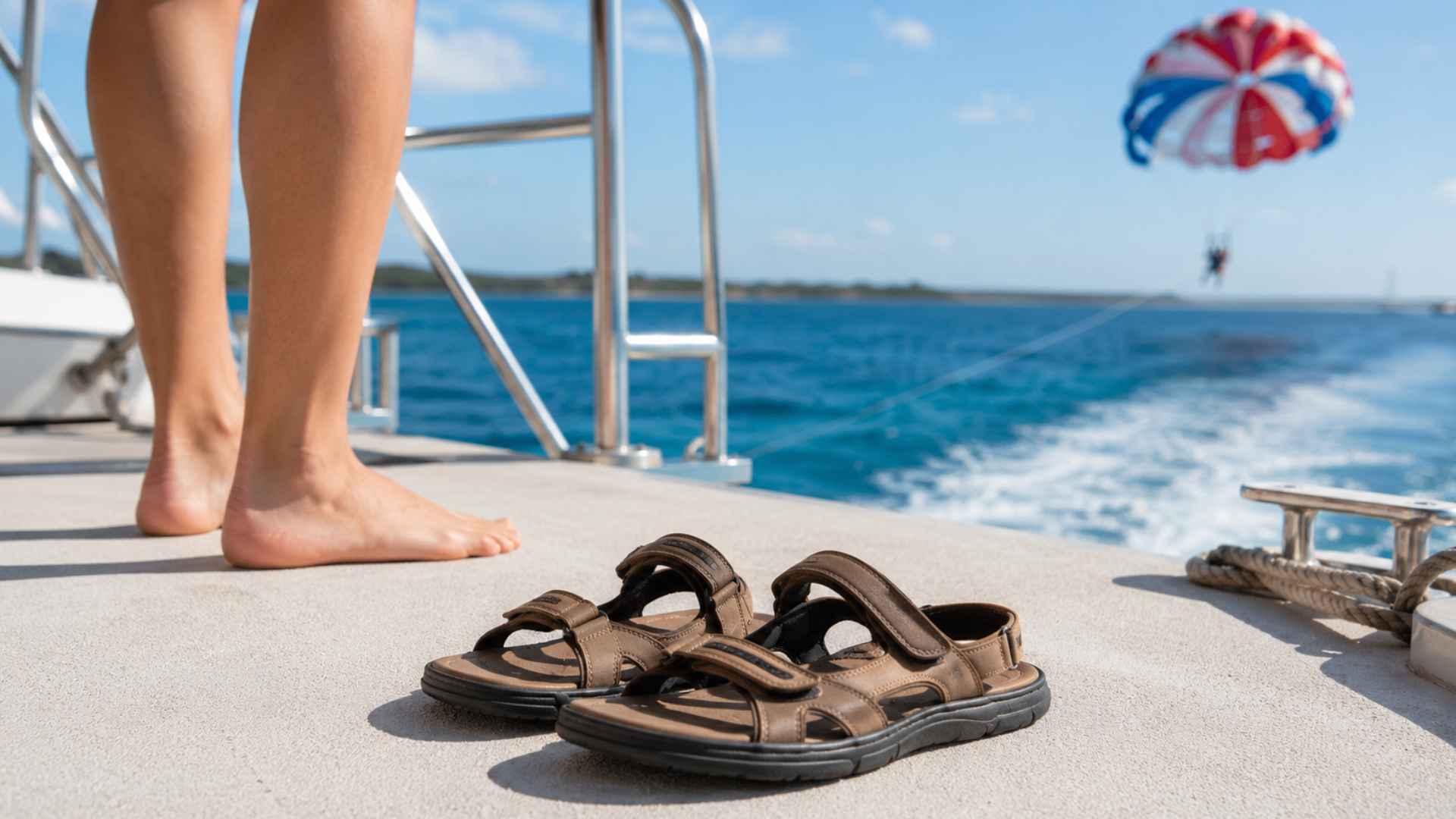
Most parasailing operators ask guests to remove their footwear before takeoff, so going barefoot during the flight is usually the best option.
For walking on the dock or boarding the boat, lightweight sandals are practical and easy to remove. Avoid loose flip-flops, heavy shoes, or sneakers that take time to untie, as they can become uncomfortable before launch.
Unsecured footwear may also fall off during the ride. Keep your shoes safely stored on the boat or dock, and focus on staying comfortable as you enjoy your time in the air.
Accessories
The right accessories can make your parasailing trip safer and more enjoyable. Choose items that stay secure in wind and water while leaving behind anything loose or difficult to replace.
What to Bring:
- Sunglasses with a strap to keep them secure during takeoff and landing.
- A hat with a chin strap for sun protection without the risk of losing it
- A waterproof phone pouch with a strap if you plan to carry your phone
- Water-resistant sunscreen applied before boarding the boat
- A hair tie to keep long hair controlled during the flight
What to Leave Behind:
- Loose jewelry that can slip off during the ride
- Long necklaces, scarves, or dangling accessories that may get caught or lost
- Unsecured hats that can blow away in strong winds
- Expensive valuables that are difficult to recover if dropped in the water
Smart accessory choices help keep distractions at bay during your flight. Pack only what you need, secure your essentials properly, and enjoy the views without worrying about lost items.
Parasailing for Kids and Families
Parasailing can be a fun family activity, but age minimums vary more than you’d expect. Some operators allow children as young as 4, most set the line at 5 or 6, and a few, including cruise line operators, require riders to be at least 8.
Kids should wear secure swimwear, avoid loose accessories, and use sunglasses with straps if needed. Apply sunscreen before boarding, and skip flip-flops during the flight.
For nervous children, tandem rides with a parent can make the experience more comfortable.
Pro Tip: Ask if the operator offers a shorter flight time or a lower-altitude option for young kids. Some do, and it’s an easy way to ease a nervous first-timer in.
Tips to Feel Comfortable on Your First Flight
|
Common First-Timer Mistakes
First-time parasailers often make simple mistakes that affect comfort and enjoyment. Knowing what to avoid helps create a smoother experience.
- Wearing Loose Swimwear: Loose bottoms can shift under the harness and become uncomfortable during flight.
- Skipping Sunscreen Reapplication: Sun exposure increases at altitude, making protection especially important.
- Carrying Unsecured Devices: Phones and cameras should stay in waterproof, strapped pouches.
- Ignoring the Dip Option: Ask beforehand to choose clothing suitable for water exposure.
- Choosing Poor Flight Times: Early mornings or late afternoons may offer steadier conditions.
- Leaving Hair Untied: Secure long hair to prevent discomfort during takeoff and landing.
Avoiding these mistakes only requires a little planning before arrival. Ask questions, prepare properly, and enjoy your first flight.
These small steps make the ride smoother, and pairing them with a few safety pointers can help even the most nervous first-timer relax faster.
Final Thought
Parasailing feels much easier when your outfit is ready for wind, water, and movement. Stick with secure swimwear, quick-drying layers, comfortable tops, and accessories that stay in place.
Avoid loose clothing, heavy fabrics, and anything valuable that could fall into the water. A little planning before you reach the dock helps you enjoy the flight without distractions.
Whether it is a sunny beach day or a cooler morning ride, the right clothes help you stay comfortable from takeoff to landing.
Now that you know what works best, what outfit will you wear for your next parasailing adventure?
Frequently Asked Questions
Can I Wear Regular Clothes for Parasailing?
Regular clothes work for dry flights, but they get heavy and cling if splashed. Quick-dry swimwear or athletic wear is the safer, more comfortable choice.
Do I Need a Wetsuit for Parasailing?
Usually not. A wetsuit only helps on cold mornings or during off-season flights. Most warm-weather trips only need a swimsuit or quick-dry shorts and a top.
Can I Wear Glasses or Contacts for Parasailing?
Yes, both are fine to wear. Use a strap to keep glasses secure, and contact lens wearers should simply close their eyes if splashed.
What Shoes Should I Wear for Parasailing?
Sandals or flip-flops work for walking to the dock. You’ll go barefoot during the actual flight, since loose shoes can slip off mid-air and drop.