Most people ruin their underwater photos before they even get in the water. They buy the wrong camera and only find out at the bottom of a reef.
The best underwater camera is not always the most expensive one. It is the one that matches how and where you actually shoot.
The wrong choice means blurry shots, washed-out colors, and gear that fails at depth. The right one means sharp images and footage you will actually want to share.
Here you will find top camera picks for 2026, a clear breakdown of camera types, must-have accessories, and simple tips to shoot better underwater from day one.
How to Choose the Best Underwater Camera
When picking an underwater camera, these factors should be kept in mind.
- Waterproof rating: Check how deep the camera can go without a housing
- Image quality: Look for megapixels, sensor size, and video resolution
- Stabilization: Helps keep videos smooth underwater
- Ease of use: Buttons and menus should be simple to operate while wet
- Accessories: Extra lenses, lights, and housings improve photos
Best Underwater Camera Picks for 2026
Here are the top underwater cameras of 2026, chosen for their image quality, video performance, and reliability underwater.
1. GoPro HERO13 Black
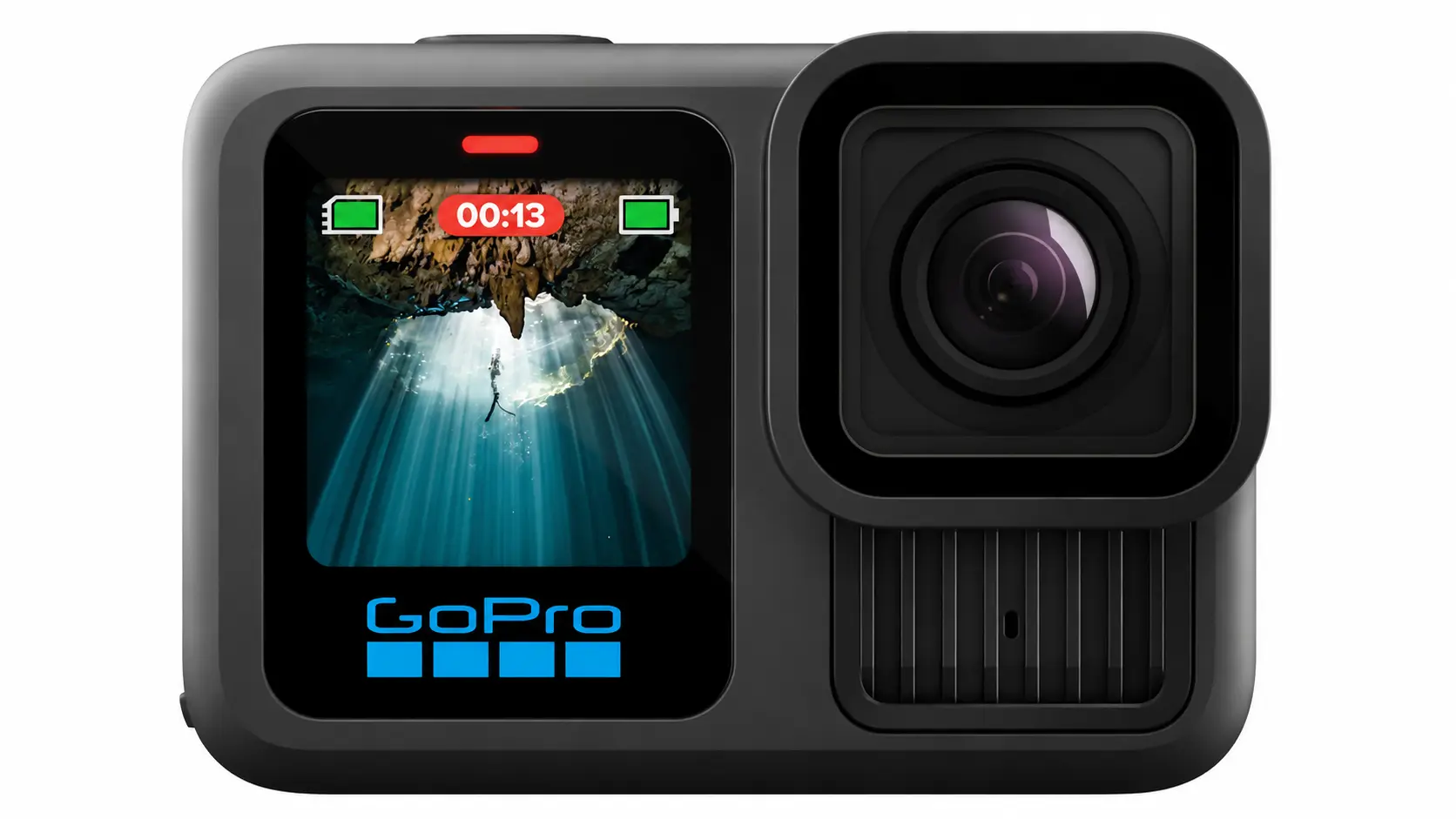
Best for underwater video and snorkeling. Features 5.3K 60p and 4K 120p video, Hypersmooth 6.0 stabilization, waterproof to 33ft/10m native, and works with a wide range of accessory lenses and color filters for sharp, vibrant footage.
| Pros | Cons |
|---|---|
| Smooth video stabilization | Still images less sharp |
| Durable and lightweight | Fixed wide lens limits zoom |
| Works straight out of the box | Can be expensive |
Shop here: GoPro HERO13 Black
2. iPhone 16 Pro with SeaLife SportDiver Housing
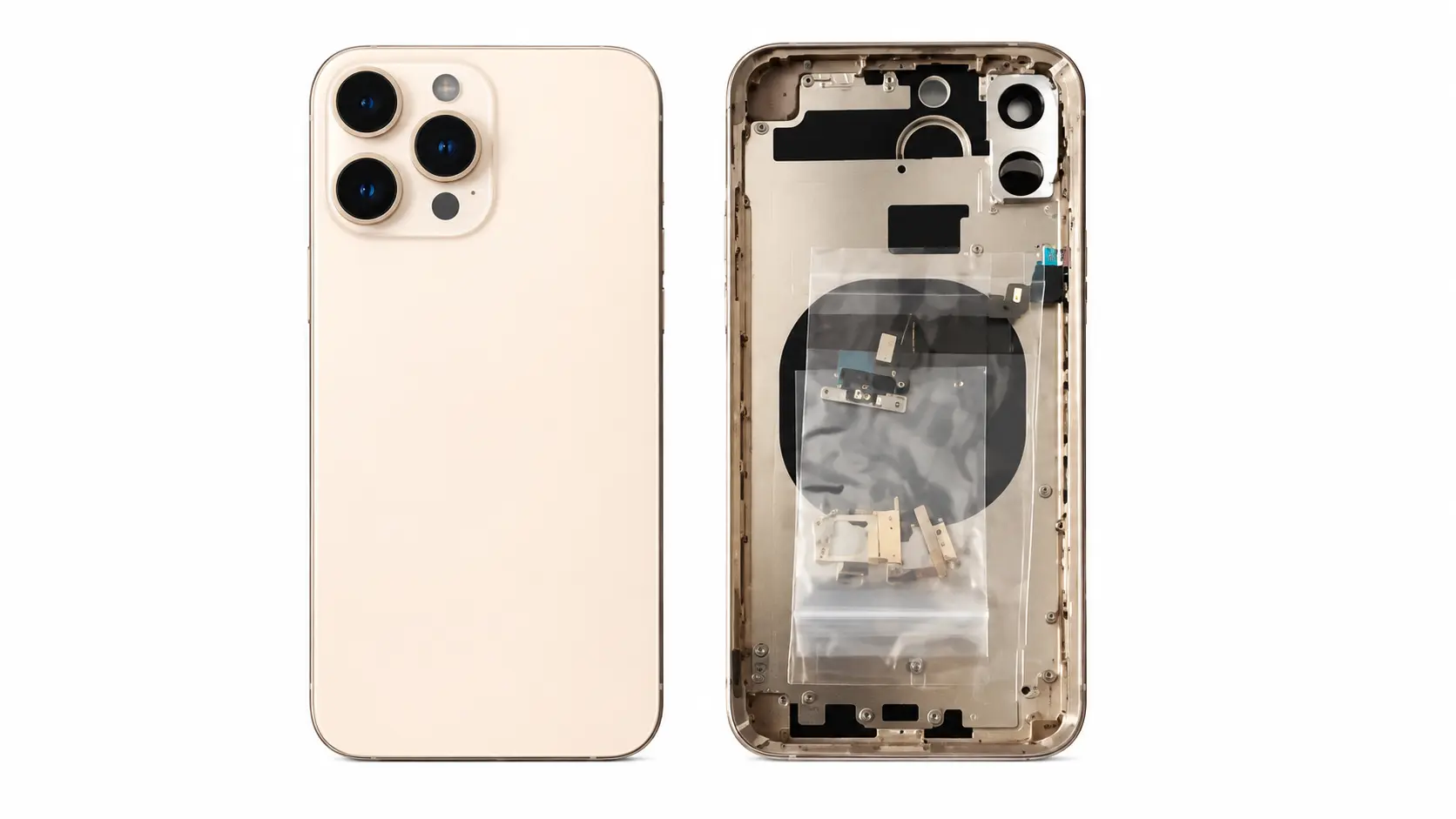
Good for compact video on the go. Shoots 12MP DNG RAW images and 4K 60p video, with underwater color-correction filters, dual leak alarms, and the SeaLife app for manual and auto controls.
| Pros | Cons |
|---|---|
| Easy to share images online | Cannot use strobes for photography |
| Quick setup with housing | Total cost includes the smartphone |
Shop here: iPhone 16 Pro Housing
3. OM System TG-7
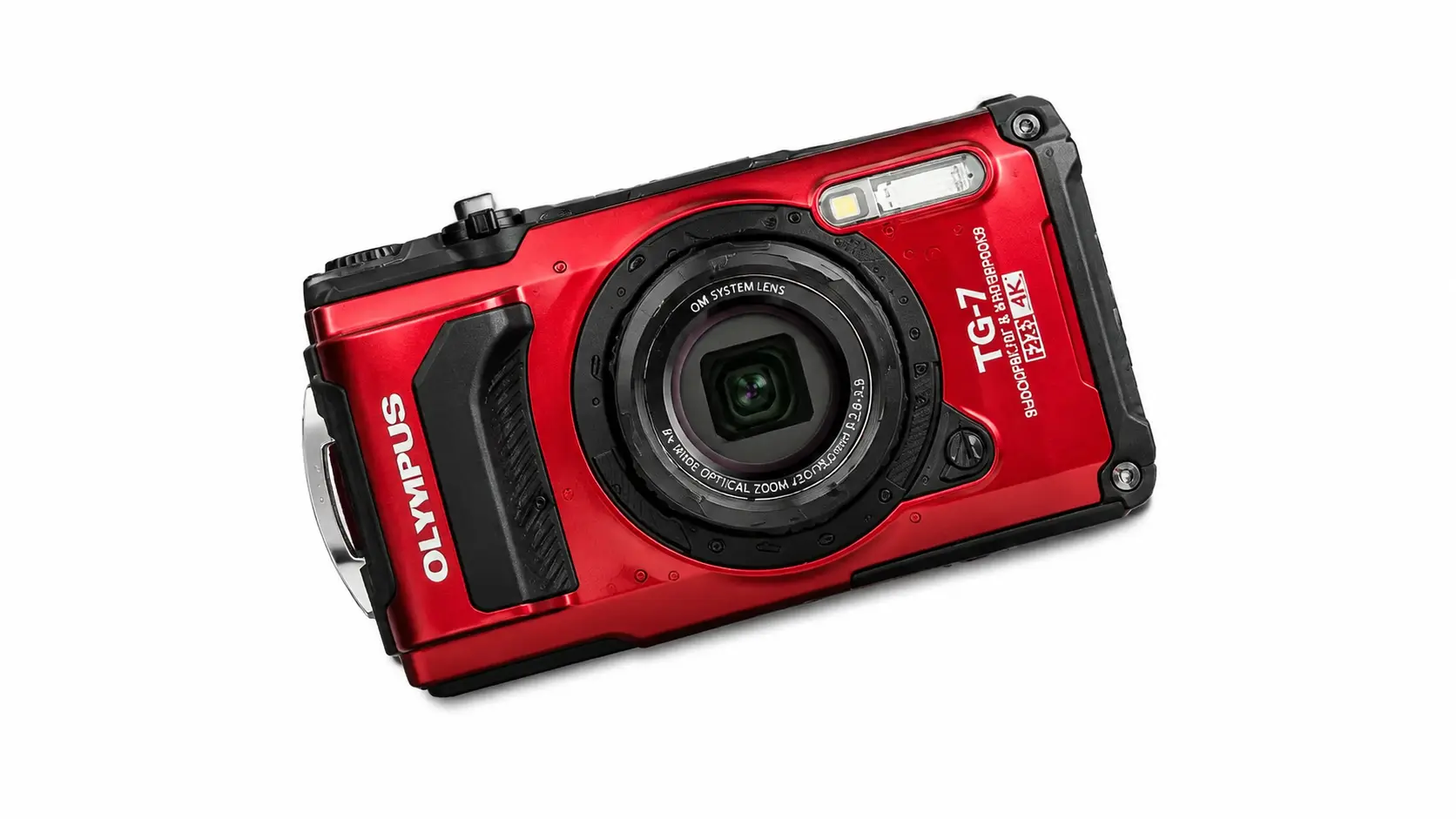
Ideal for macro underwater photography. Features a small 1/2.3” sensor, Super Macro 4K 30p video, and Super Macro still photography mode.
| Pros | Cons |
|---|---|
| Superb macro performance | No dedicated manual mode |
| Easy-to-use point-and-shoot | Minimal change from TG-6 |
Shop here: OM System TG-7
4. Olympus E-M10 IV
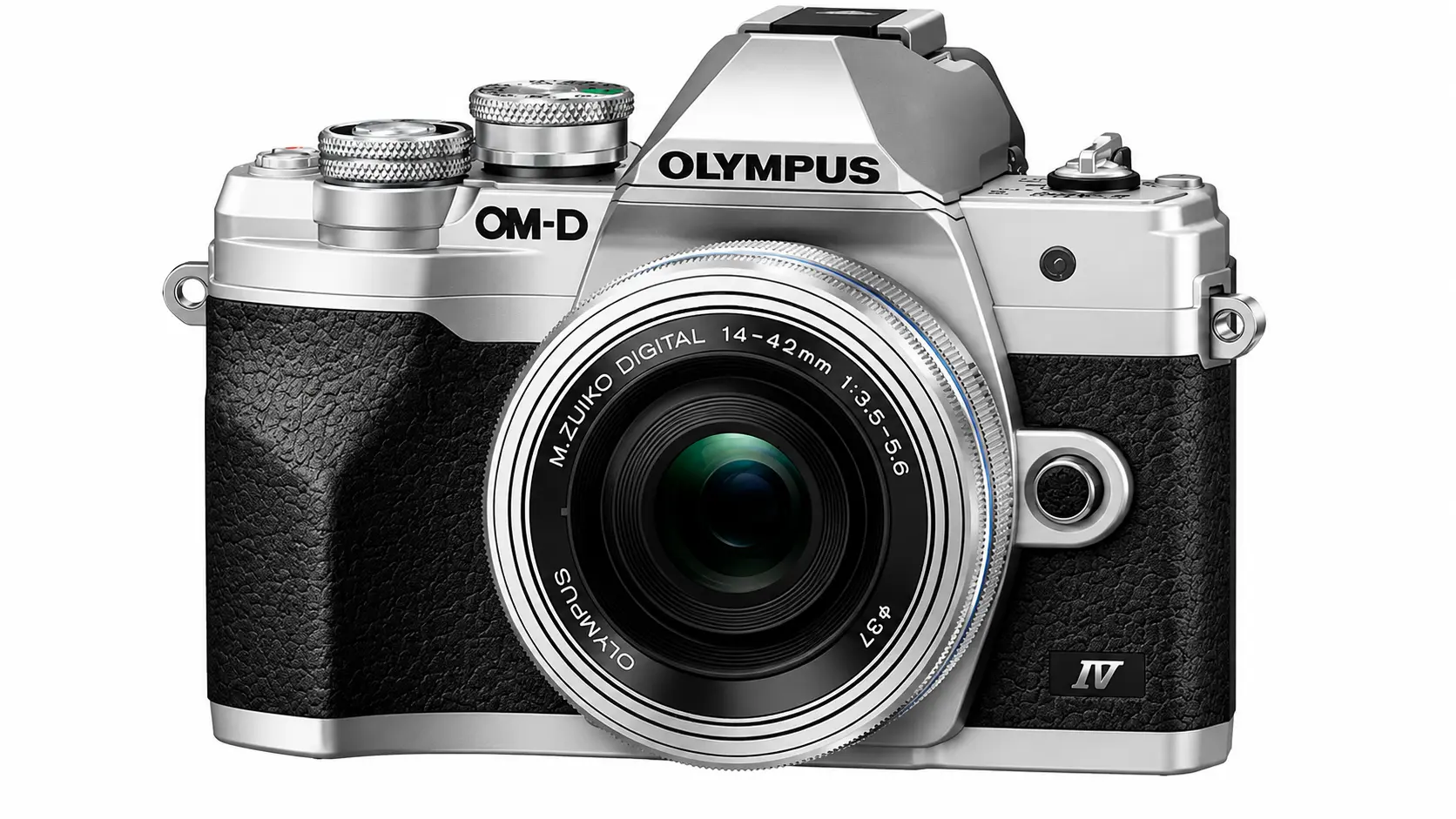
Best for advanced compact underwater photography. Uses a 20MP Micro Four Thirds sensor, supports interchangeable lenses including 8mm fisheye and 60mm macro, 4K 30p video, and automatic TTL flash control.
| Pros | Cons |
|---|---|
| High image quality | Custom white balance only in photo mode |
| Full manual exposure control | No dedicated viewfinder without an accessory |
Shop here: Olympus E-M10 IV
5. Sony a6700
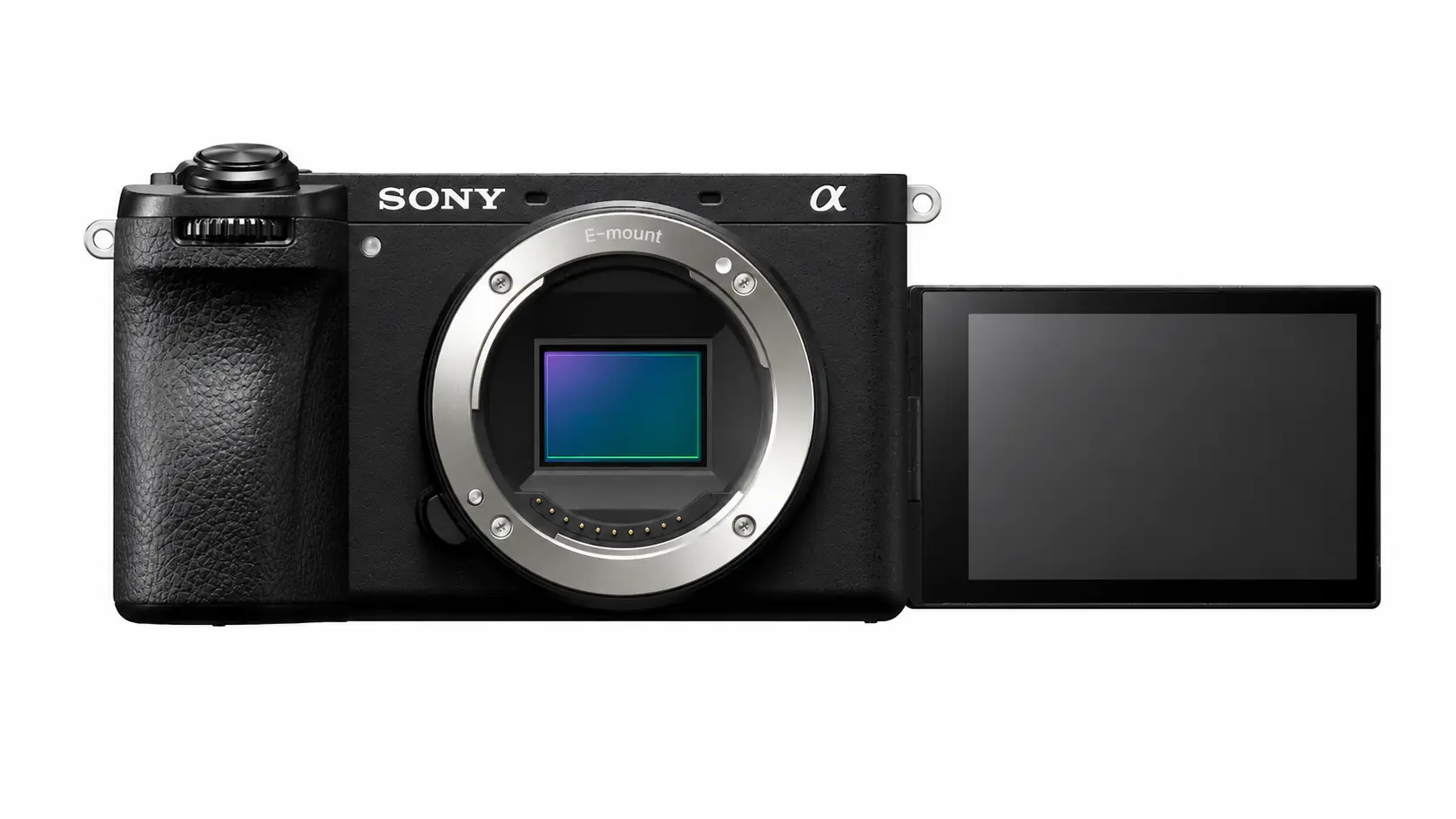
Good for high-resolution underwater photography. Features a 26MP APS-C sensor, 4K 60p video with minimal crop, fast autofocus, support for dedicated lenses and wet lenses, and compatibility with advanced TTL flash systems.
| Pros | Cons |
|---|---|
| High-resolution sensor | Most expensive on the list |
| Accurate underwater white balance | Macro ports and wet lens accessories add a high cost |
| Excellent 4K video | 1/160 flash sync limit |
Shop here: Sony a6700
6. Canon EOS R10
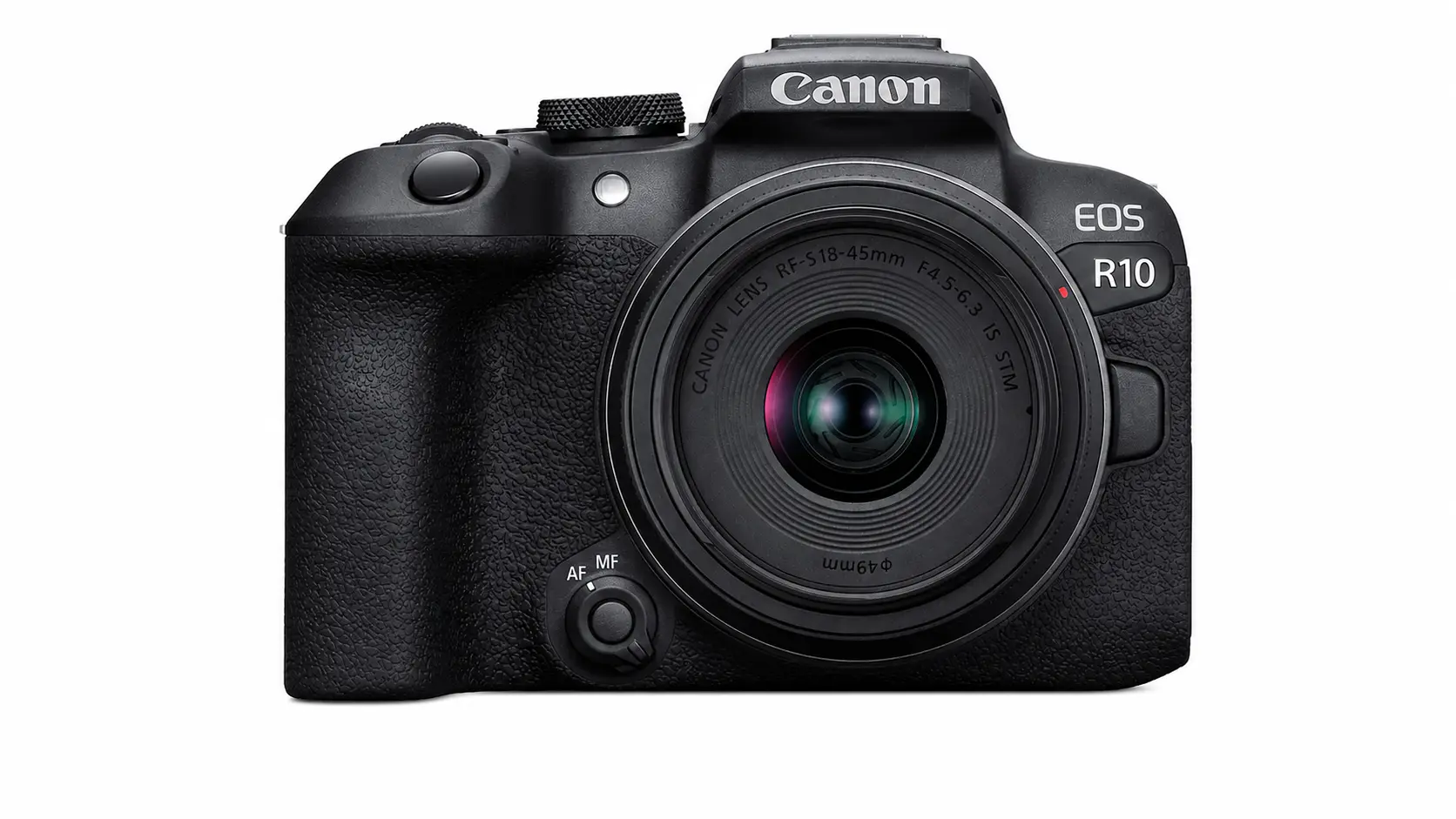
Best for entry-level underwater mirrorless photography. Has a 24.2MP APS-C sensor, 4K 30p oversampled from 6K (uncropped), 4K 60p available with crop, fast autofocus, supports mid-range zoom and macro lenses, and works with manual or hardwired TTL flash triggers.
| Pros | Cons |
|---|---|
| Accurate underwater colors | 4K 60p is cropped |
| Multiple flash options | No support for wet wide lenses |
Shop here: Canon EOS R10
7. Canon EOS R50
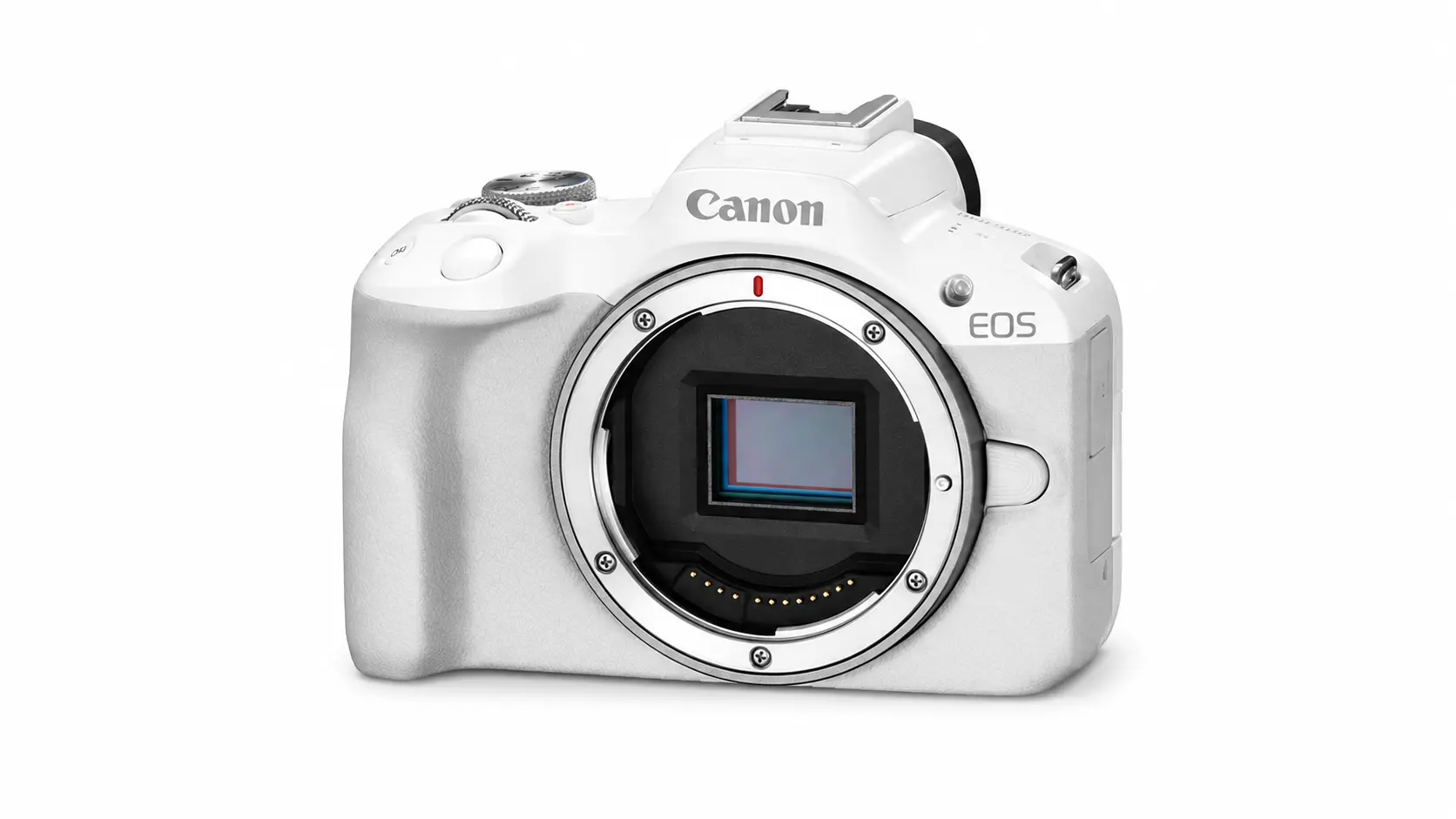
Ideal for compact mirrorless video rigs. Features a 24.2MP APS-C sensor, 4K 30p oversampled from 6K, supports Nauticam wet lenses, and has built-in flash triggering for manual and S-TTL modes.
| Pros | Cons |
|---|---|
| Excellent small-sized video rig | Must use wet lenses for macro and wide-angle |
| Uncropped 4K 30p | Limited dedicated controls |
| Accurate white balance | No 4k 60p |
Shop here: Canon EOS R50
8. Canon PowerShot G7 X III
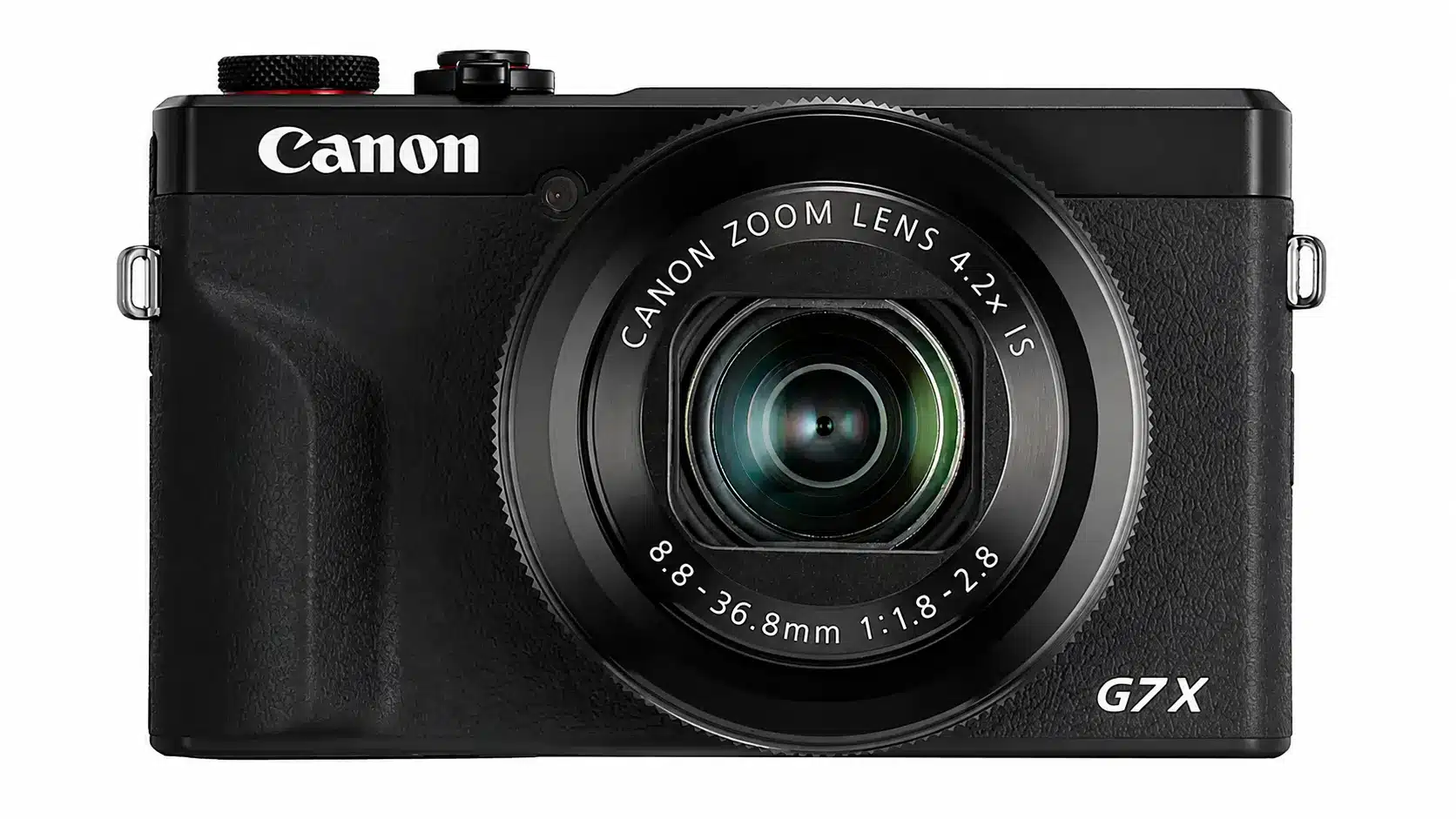
Best for manual white balance control. Has a 1” 20.1MP sensor, 4K 30p (cropped), 1080p 120p (uncropped), supports separate ports for macro and wide-angle lenses, and allows manual strobe triggering for rapid shots.
| Pros | Cons |
|---|---|
| Accurate underwater color | Complex multi-step white balance procedure |
| Good macro and wide-angle | Older camera |
| Manual flash option | No hardwired TTL |
Shop here: Canon G7 X III
9. Sony RX100 VII
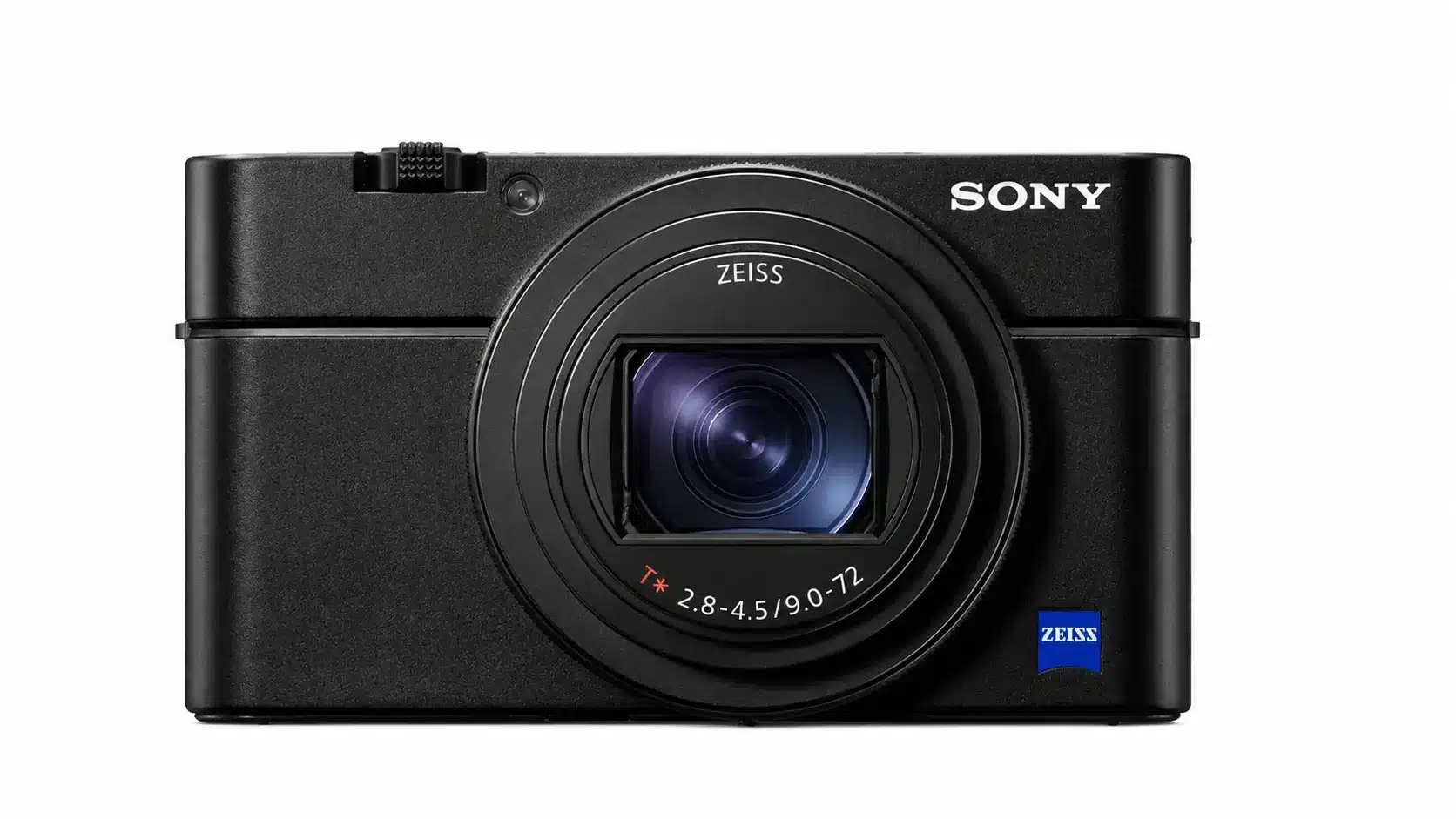
Good for compact underwater photography with long zoom topside. Features a 24-200mm equivalent lens, 4K 30p video, TTL fill-flash only, and short ports for wide-angle or diopter macro.
| Pros | Cons |
|---|---|
| Small with versatile zoom | Macro shooting is difficult |
| Solid wide-angle with wet lens | Manual white balance limited to 35ft |
| 4K 30 video quality | The price is high for the age |
Shop here: Sony RX100 VII
10. Micro 3.0 Underwater Camera
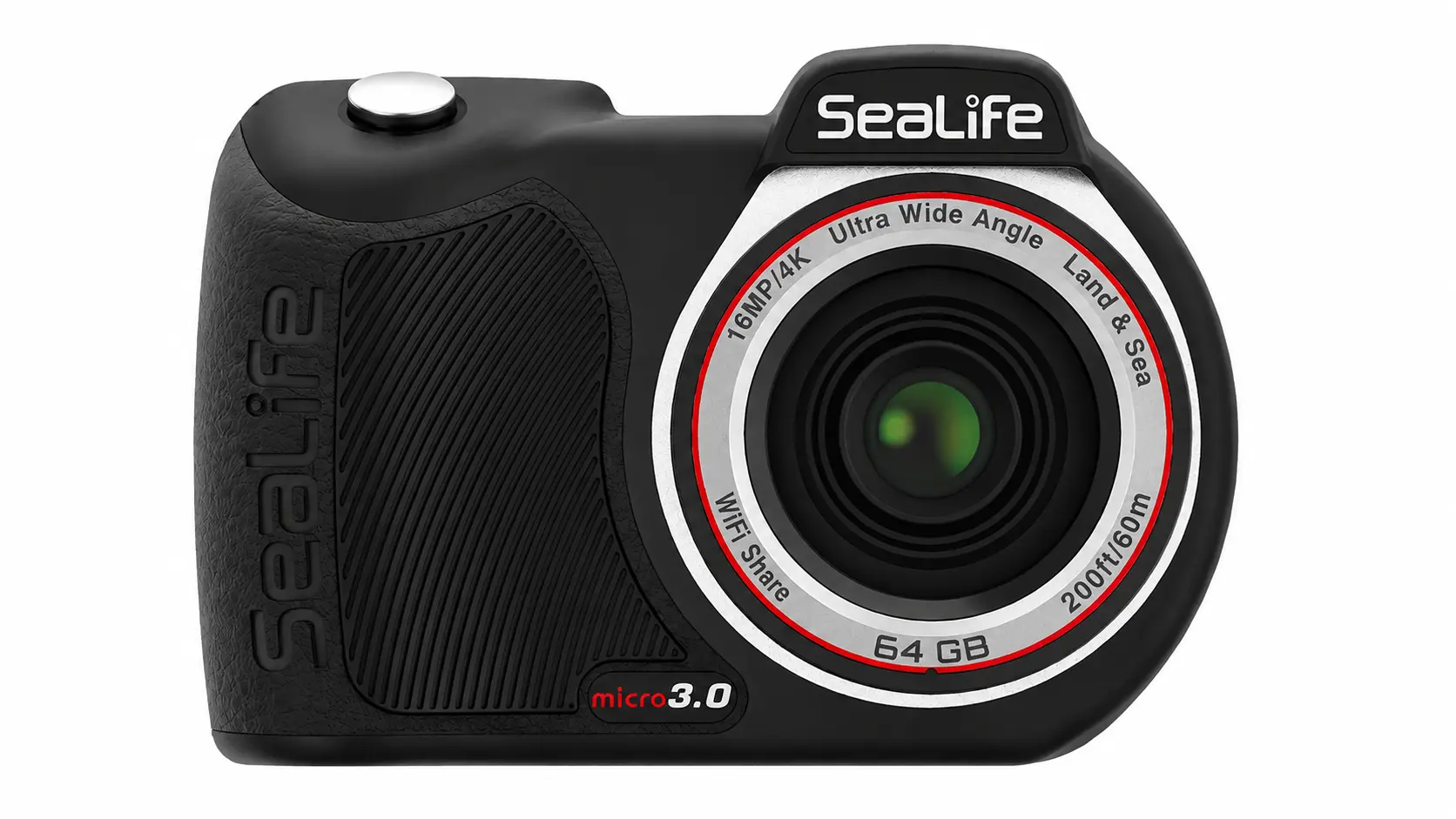
Designed for deep diving and clear underwater photos. Offers a wide-angle lens, a bright display for low light, and easy mode switching for different shooting conditions.
| Pros | Cons |
|---|---|
| Deeper waterproof depth | Bulkier than action cameras |
| Sharp images | Higher cost |
Shop here: Micro 3.0 Underwater Camera
11. AKASO Brave 8
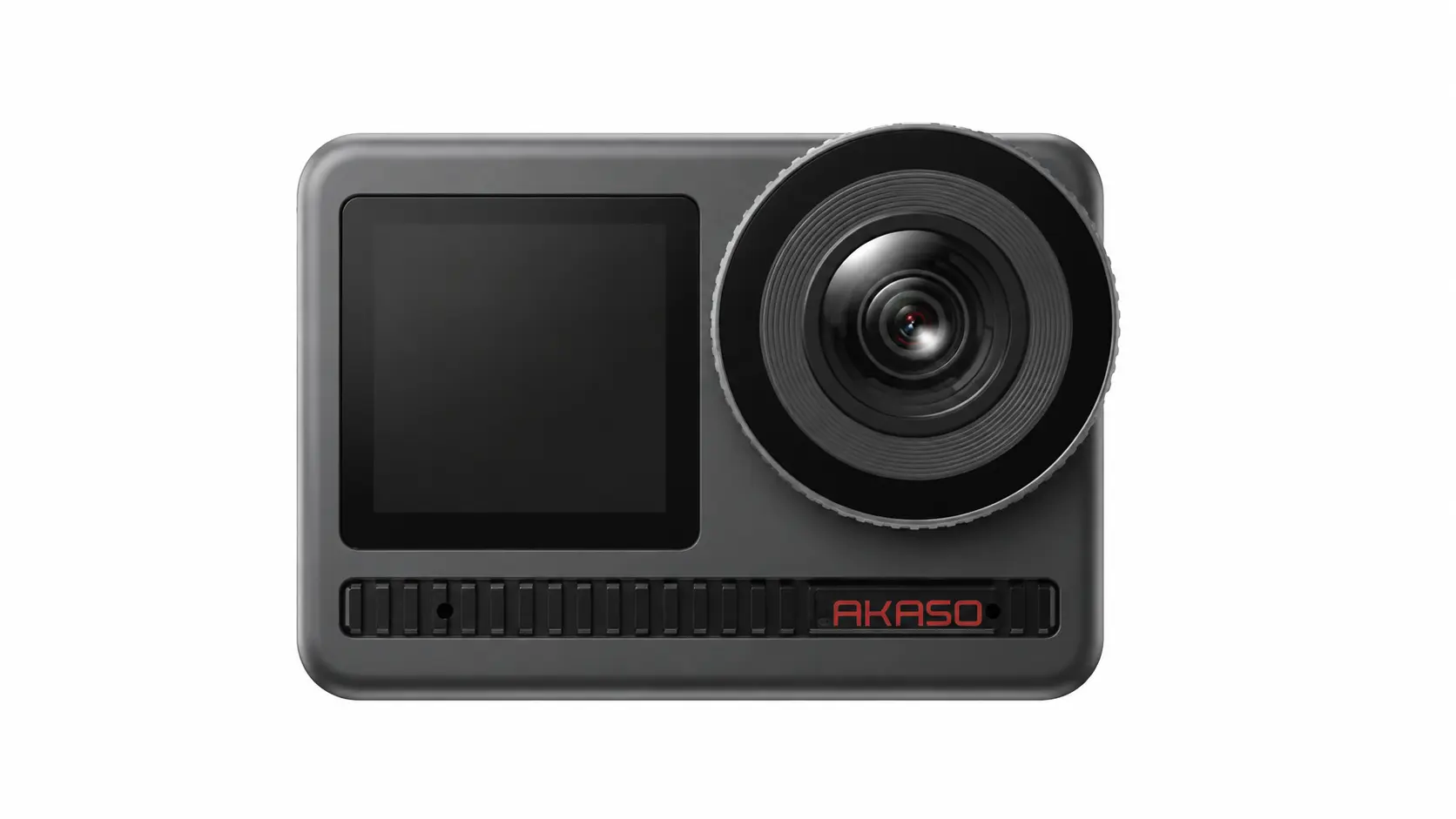
Best for beginner snorkelers. Features 4K video, 48MP photos, waterproof casing, and a wide-angle lens for casual underwater photography.
| Pros | Cons |
|---|---|
| Budget-friendly | Limited depth |
| Easy to operate | Weak colour and stabilisation |
Shop here: AKASO Brave 8
These cameras cover all underwater needs, from snorkeling to deep dives, delivering sharp photos and smooth video
Underwater Camera Comparisons
The right camera depends on where you dive and how deep you go.
Snorkeling vs Scuba Diving Cameras
These two activities put very different demands on a camera. Buying the wrong one is an expensive mistake.
| Feature | Snorkeling Camera | Scuba Diving Camera |
|---|---|---|
| Waterproof Depth | 10–33 ft (3–10m) | 100–200 ft (30–60m) |
| Controls | Simple, minimal buttons | Large, glove-friendly |
| Housing Required? | Usually no | Often yes |
| Price Range | $150–$500 | $500–$3,000+ |
| Best Shots | Reef life, surface animals | Wrecks, deep marine life |
Compact vs Action Camera vs Pro Setup
The best camera type depends on how serious you are about underwater photography.
Compact Waterproof Camera
Best for: Beginners, family trips, casual reef photography
- No housing needed
- Works well for still photos and basic video
- Limited manual control
- Budget: $200–$500
Action Camera
Best for: Video-first users, active water sports
- Wide-angle footage built for motion
- Clips to masks, BCD straps, poles
- Needs color filters at depth, or footage goes blue-green
- Budget: $300–$600
Mirrorless / DSLR in Housing
Best for: Serious photographers, technical divers
- Full manual exposure control
- Interchangeable lenses (macro, wide-angle dome)
- Housing + lights add high cost and weight
- Budget: $2,000–$8,000+
Bottom line: For the best underwater camera for snorkeling, a compact or mid-range action camera handles the job without the bulk or cost of a pro rig.
Underwater Camera Accessories That Matter
Housings protect mirrorless and DSLR bodies at depth. Match the depth rating to your dive, pick dome ports for wide-angle and flat ports for macro, and always test for leaks before a trip.
Lights, strobes, and filters restore the color that water strips away. A red clip-on filter works well in shallow conditions. A video light covers mid-range depth. For anything deeper, a strobe is the only reliable fix.
Mounts and grips keep shots steady. A tray and handle reduce blur, a float arm stops gear from sinking, and a pole lets you shoot tight spaces without disturbing anything around you.
Tips for Shooting Underwater Photos & Videos
Even the best underwater camera will deliver average results without the right technique.
- Set custom white balance at depth. Auto white balance almost always shoots too blue.
- Shoot between 10 am and 2 pm with the sun above and behind you for the strongest natural light.
- Control your breathing. A slow exhale holds your position steadier than any grip.
- Get as close to your subject as possible. Water kills contrast and sharpness quickly over distance.
- Shoot at eye level with fish, not from above. It makes a significant difference in the final shot.
- Rinse gear in fresh water immediately after every session and check O-rings before every dive.
A good underwater camera is only as reliable as the O-rings protecting it.
Master these basics, and your shots will improve from the very first dive.
Conclusion
Picking the best underwater camera comes down to three things. Where you shoot, how deep you go, and how much control you want over the final image.
Casual snorkelers and serious technical divers both have solid options at every budget.
The right camera paired with the right accessories and basic technique will produce results that genuinely surprise you. Browse our top picks above and order the one that fits how you dive.
Frequently Asked Questions
Can I Use My Underwater Camera in a Swimming Pool?
Yes, most waterproof cameras work in pools, but rinse them off with fresh water immediately afterward, since chlorine can damage seals over time.
Do Underwater Cameras Work Well in Low Visibility or Murky Water?
Visibility depends on water conditions, not the camera. A video light helps cut through murk and brings out more detail.
How Long Do Underwater Camera Batteries Typically Last on a Dive?
Most cameras last 60 to 90 minutes per charge, so always carry a spare battery for longer sessions.