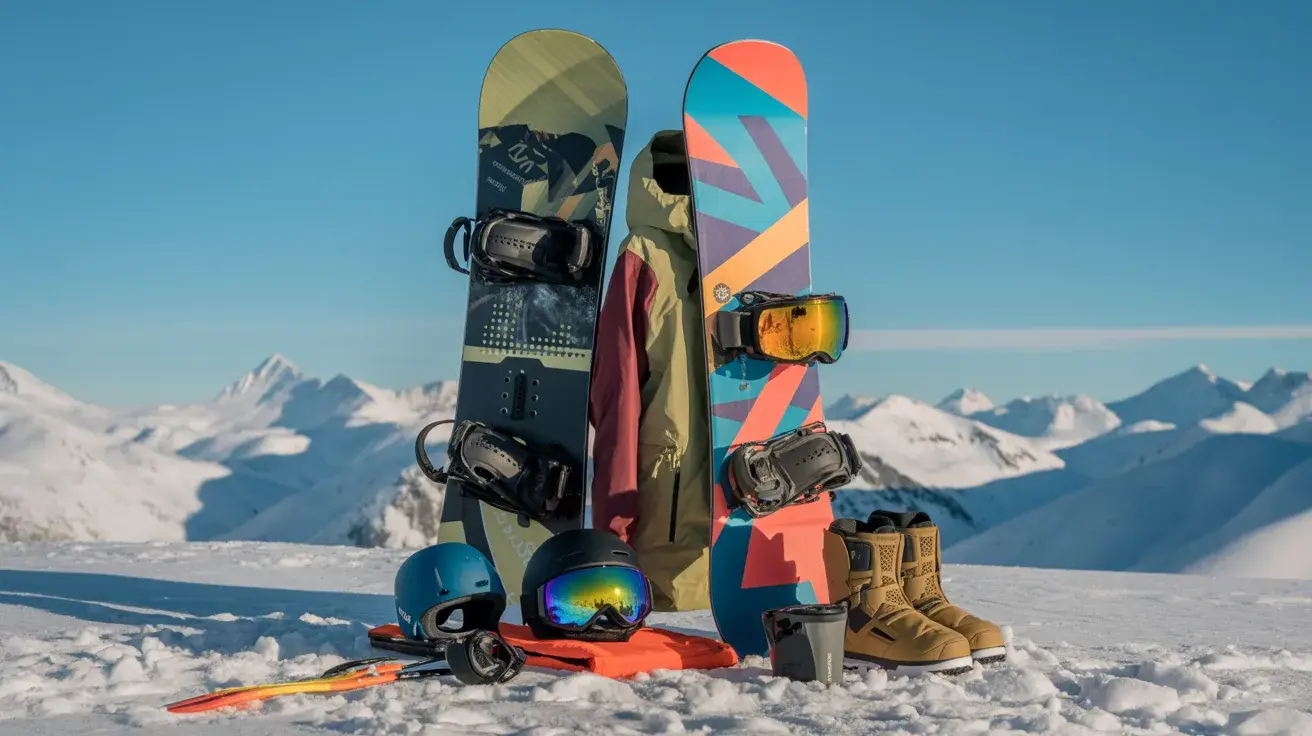
Cold hands make it hard to grip the board. Foggy goggles make it hard to see the trail. Bad gear does not just slow riders down; it ruins the whole day.
Snowboarding is as much about preparation as it is about skill. The right accessories keep riders warm, protected, and focused on the ride. The wrong ones become a distraction before the first run even starts.
This list covers the gear that actually holds up on the mountain. No matter if you are just starting out or already comfortable on steep terrain, these picks cover real needs at different skill levels and budgets.
Quick List: Top Snowboarding Accessories
|
Best Snowboarding Accessories and Gears
Every rider has a bad gear story. Cold fingers, foggy goggles, loose bindings mid-run. The right accessories fix all of that before it becomes a problem.
1. Snowboard Gloves: Best for All-Day Warmth and Grip
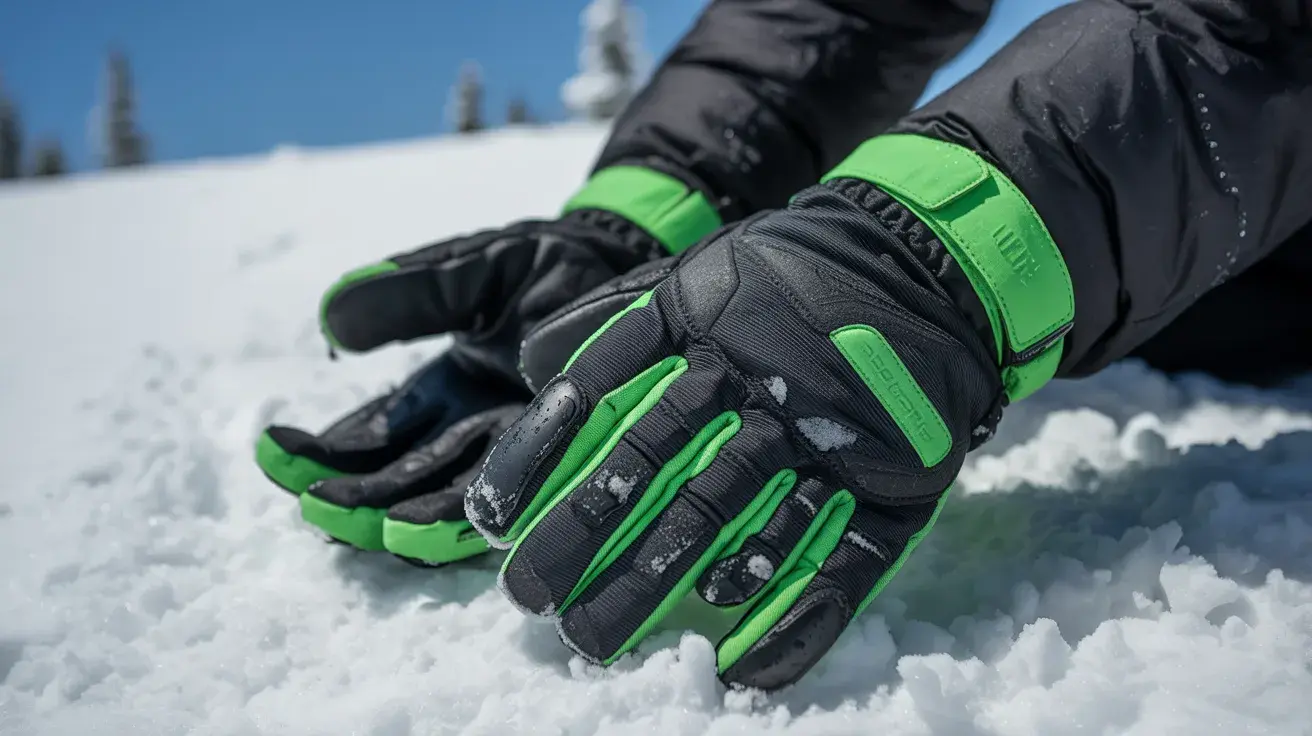
Snowboard gloves are one of the first things riders notice when they go cheap. Cold, stiff fingers affect every grab, turn, and buckle adjustment on the mountain. A good pair keeps hands warm without feeling bulky.
Check out: Burton Gore-Tex Snowboard Gloves
Key Features
- Waterproof outer shell with insulated lining
- Reinforced palm for grip and durability
- Wrist leash to prevent loss on the slopes
- Touchscreen-compatible fingertips
- Gauntlet-style cuff for secure fit over jacket sleeves
Pros
- Keeps hands dry even in heavy snow
- Gauntlet cuff blocks wind and cold air effectively
- Durable enough to last multiple seasons
Cons
- Bulkier gloves can reduce finger dexterity
- High-end pairs come at a premium price
Best For Riders who spend long hours on the mountain and need reliable warmth without sacrificing control.
2. Heated Socks: Best for Riders With Cold Feet
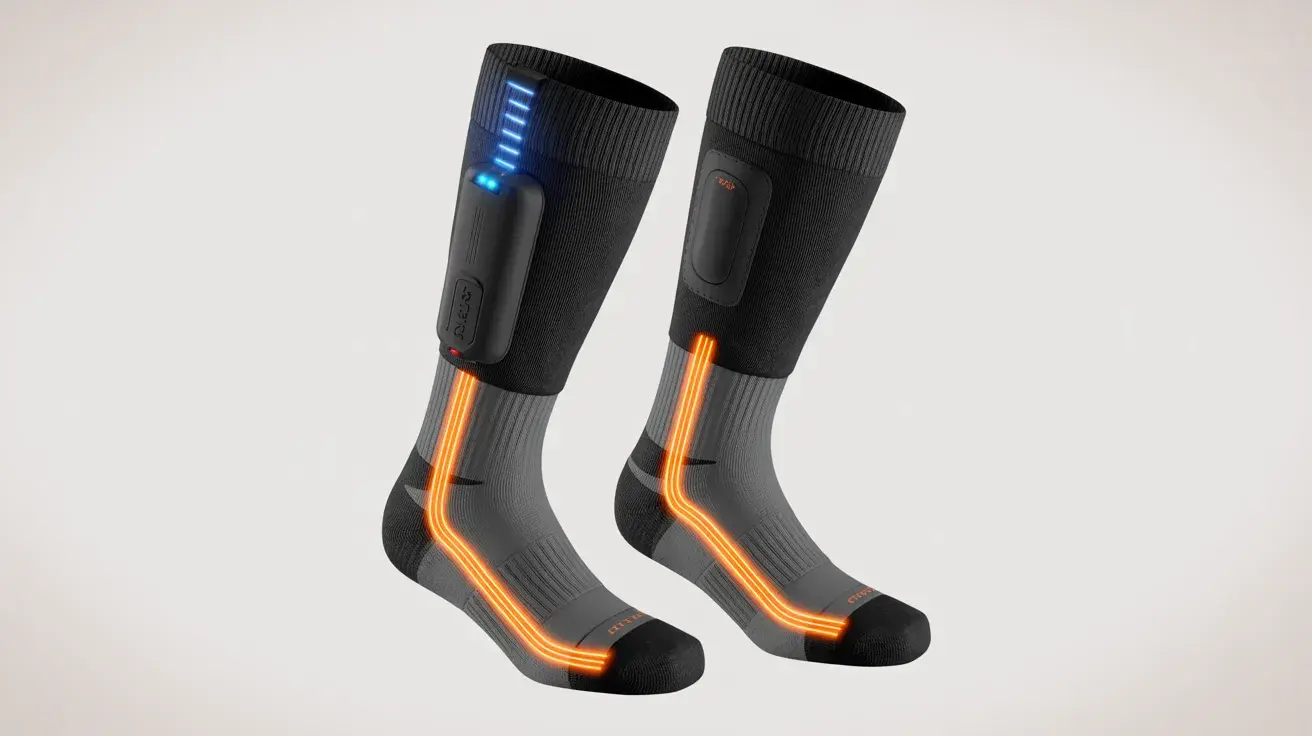
Regular socks just do not cut it in below-freezing temperatures. Heated socks use battery-powered heating to keep feet warm from the inside, making a noticeable difference on long days.
Check out: Lenz Heated Socks with Battery Pack
Key Features
- Battery pack with multiple heat settings
- Moisture-wicking inner fabric
- Reinforced heel and toe zones
- Low-profile design to fit inside snowboard boots
- USB charging capability
Pros
- Adjustable heat settings for different conditions
- Works well for riders with poor circulation
- Rechargeable batteries last a full day of riding
Cons
- Battery packs add slight bulk near the ankle
- Higher price point than standard wool socks
Best For Beginners and cold-weather riders who struggle to keep feet warm in standard snowboard boots.
3. Neck Gaiter / Balaclava: Best for Face and Neck Protection
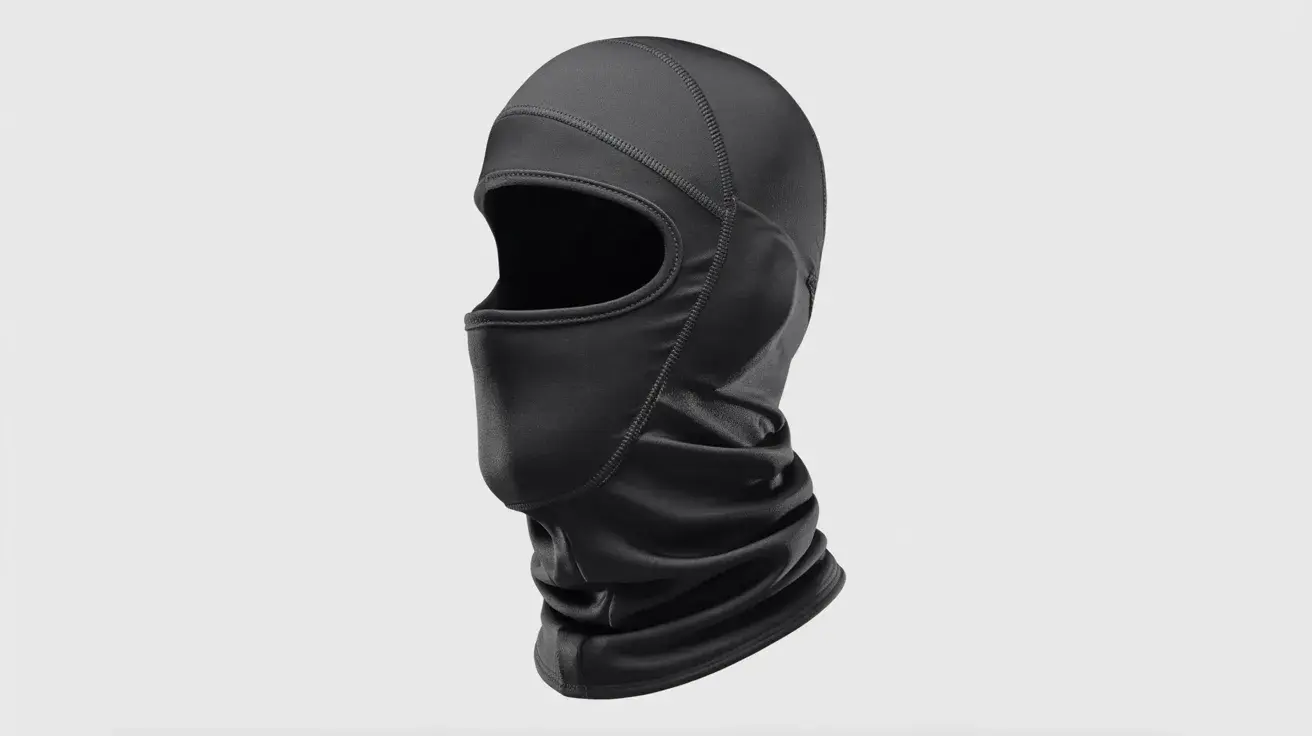
Wind chill on a fast descent is no joke. A neck gaiter or balaclava covers the lower face, neck, and ears, blocking the cold air that helmets and goggles leave exposed.
Check out: Turtle Fur Comfort Shell Neck Gaiter
Key Features
- Stretch fabric for a comfortable fit under helmets
- Moisture-wicking and quick-dry material
- Full face coverage option with balaclava styles
- Lightweight and easy to pack
- Available in fleece or thin tech fabric
Pros
- Inexpensive compared to most snowboard gear
- Easy to layer or remove mid-ride
- Protects against windburn and frostbite on exposed skin
Cons
- Thicker balaclavas can feel claustrophobic for some riders
- May fog goggles if pulled too high over the nose
Best For Any rider heading out in windy or extremely cold conditions, especially on exposed mountain terrain.
4. Snowboard Goggles: Best for Clear Vision in All Conditions
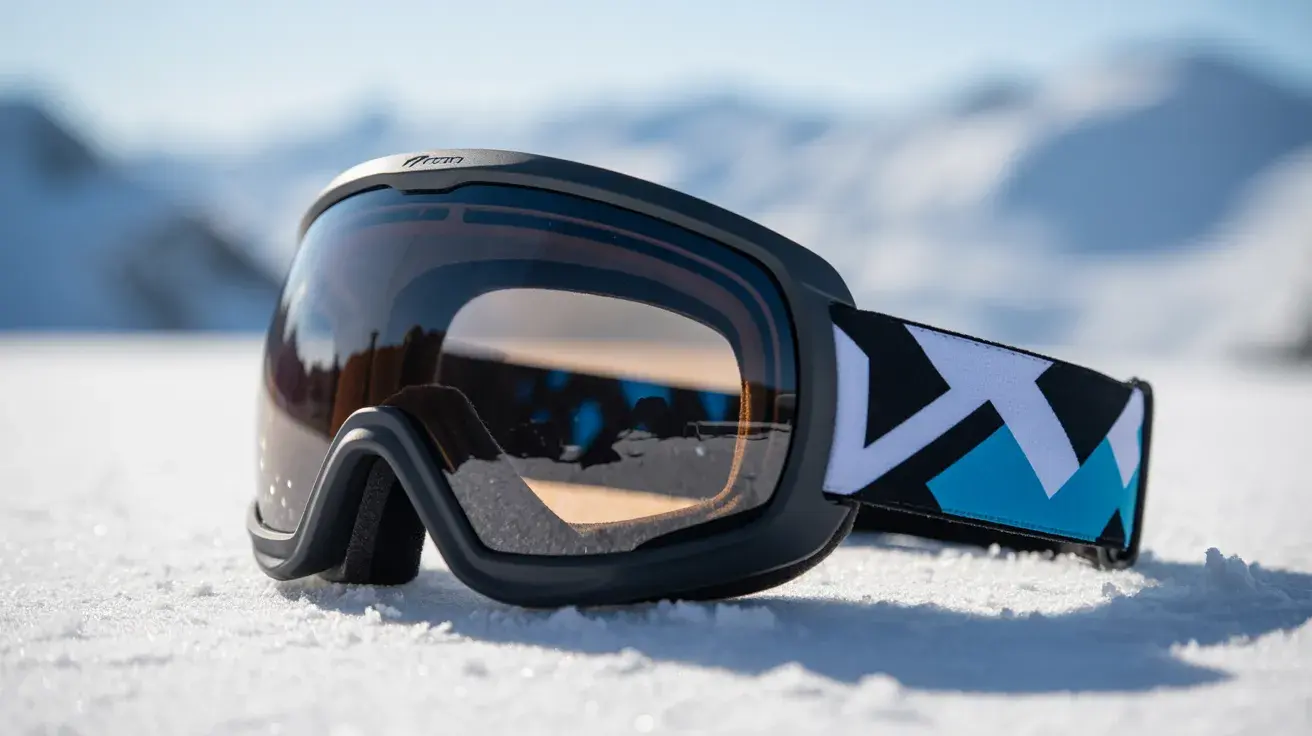
Squinting through flat light or a snowstorm is a fast way to lose confidence on the slopes. Good goggles keep vision sharp, protect eyes from UV rays, and make reading terrain much easier.
Check out: Oakley Flight Deck Snow Goggles
Key Features
- Interchangeable lens system for different light conditions
- Anti-fog coating on the inner lens
- UV400 protection
- Wide peripheral field of view
- Foam padding with moisture-wicking lining
Pros
- Interchangeable lenses add versatility across weather conditions
- A wide field of view improves awareness on busy slopes
- Fits securely over most helmets
Cons
- Budget models tend to fog more frequently
- Premium lens systems add to the overall cost
Best For All skill levels, but especially riders who go out in varying weather and need reliable visibility throughout the day.
5. Snowboard Helmet With Audio: Best for Music and Safety Combined
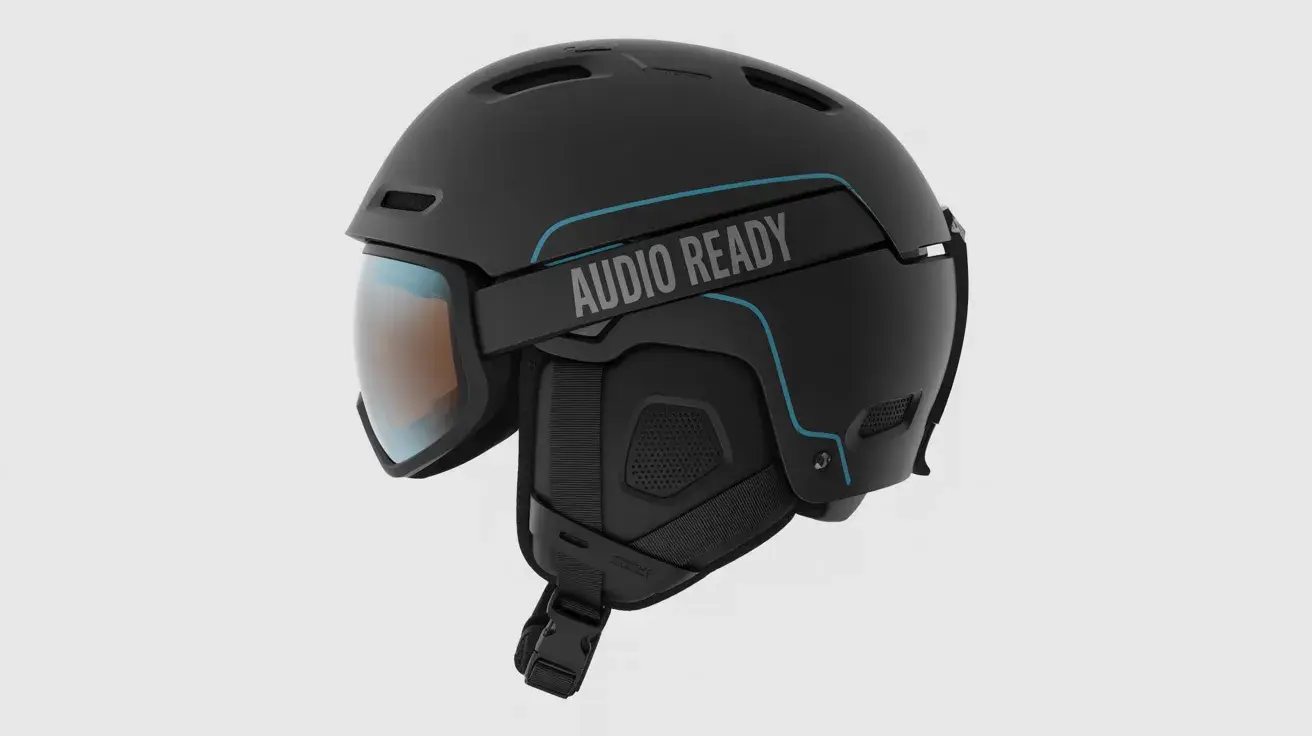
A standard helmet protects the head. A helmet with built-in audio does the same while letting riders listen to music or take calls without wearing earbuds under a hat.
Check out: Smith Vantage Helmet with Audio Compatibility
Key Features
- Bluetooth audio with built-in speakers
- MIPS or similar impact protection system
- Adjustable ventilation system
- Compatible with most snowboard goggles
- BOA fit system for micro-adjustable sizing
Pros
- No need for separate earbuds or headphones
- Safety ratings match standard helmets
- Bluetooth range works reliably across most devices
Cons
- Heavier than basic helmet options
- The battery needs to be charged between sessions
Best For Intermediate to advanced riders who want audio integration without compromising on head protection.
6. Snowboard Tuning Tools: Best for Edge Maintenance
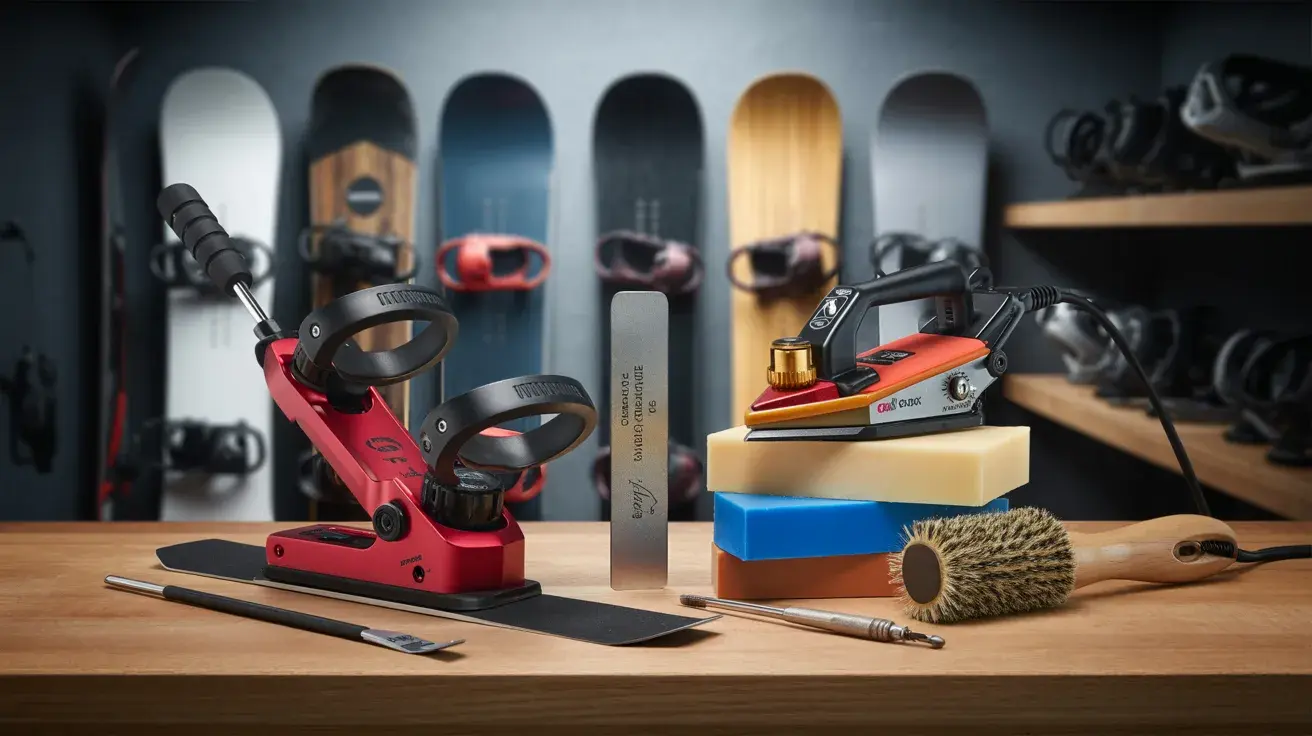
Sharp edges grip ice. Dull edges slide off it. A basic tuning tool set lets riders keep edges in good condition between professional tune-ups.
Check out: Dakine Deluxe Tuning Kit
Key Features
- Diamond file for edge sharpening
- Gummy stone for deburring
- Edge guide for consistent bevel angles
- Compact and portable design
- Works on all board types
Pros
- Keeps edges sharp between professional services
- Small enough to pack in a gear bag
- Pays for itself quickly versus shop fees
Cons
- Requires some technique to use correctly
- Full base repairs still need professional help
Best For Regular riders who want to maintain edge performance at home without relying on a shop for every tune.
7. Snowboard Multi-Tool: Best for On-Mountain Adjustments
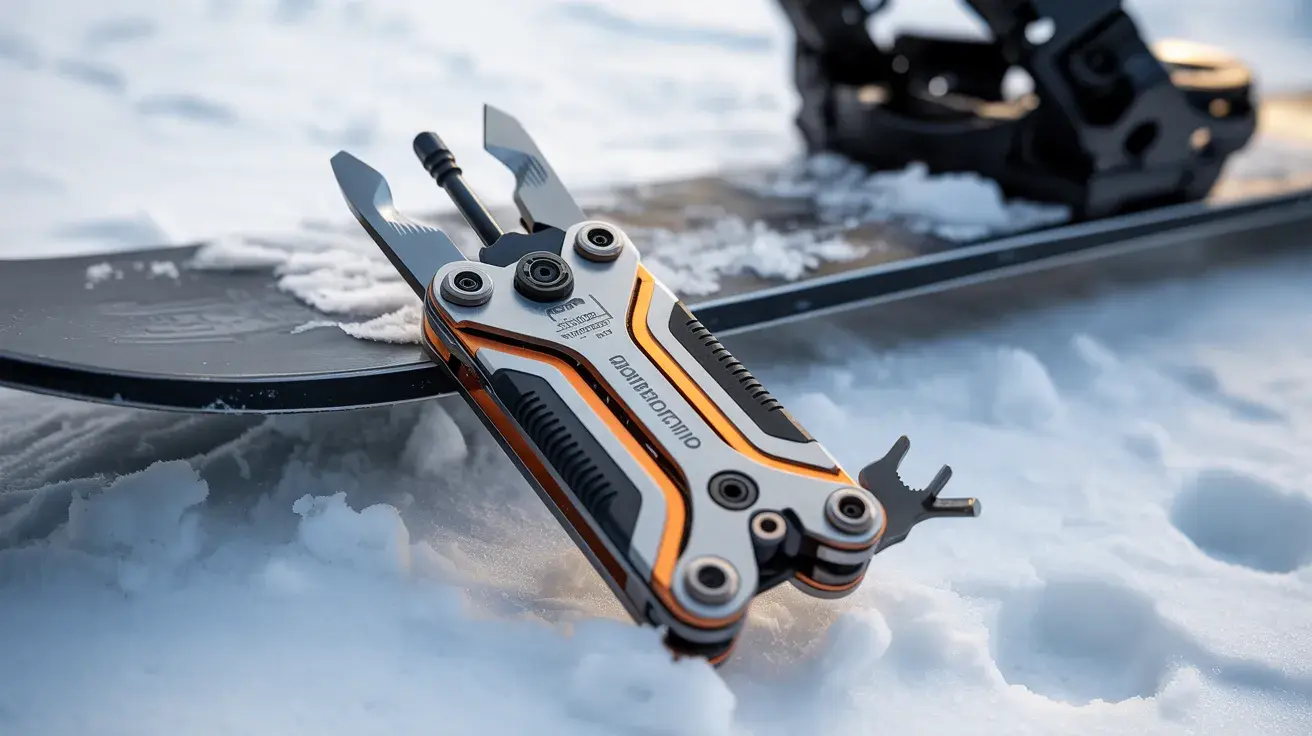
Bindings shift. Straps loosen. Having a multi-tool in a jacket pocket means not having to head back to the lodge for a small adjustment mid-session.
Check out: Torque Driver Snowboard Tool
Key Features
- Phillips and flat-head screwdriver bits
- Multiple hex key sizes
- Compact folding design
- Magnetic bit holder
- Compatible with major binding brands
Pros
- Fits easily in any jacket pocket
- Covers most on-mountain repair needs
- Inexpensive and durable
Cons
- Not a replacement for a full tool kit at home
- Some cheaper models strip screws over time
Best For Every rider regardless of skill level. A multi-tool is one of the most practical things to carry on the mountain.
8. Action Camera Mount: Best for Capturing Runs on Video
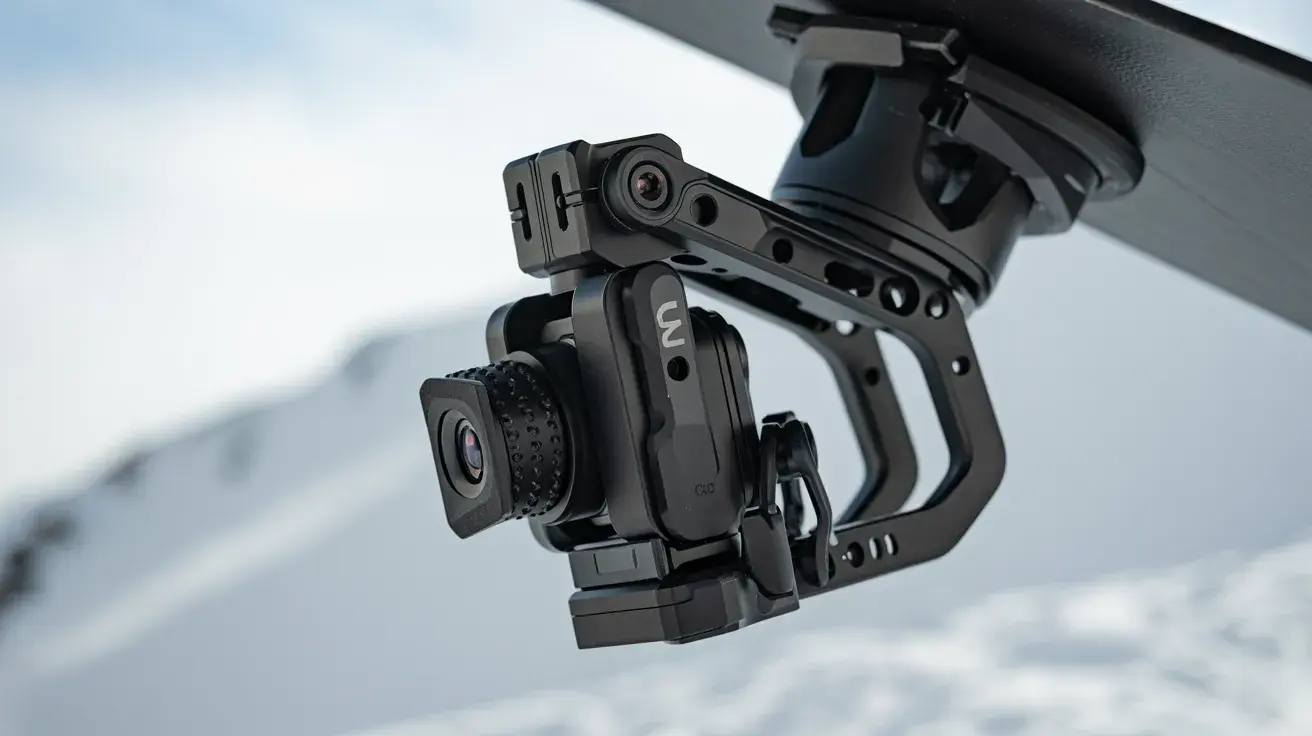
Helmet-mounted action cameras have become standard for riders who want to film their runs. A good mount keeps the camera stable and in the right position without affecting helmet safety.
Check out: GoPro Helmet Mount Kit
Key Features
- Compatible with GoPro and major action camera brands
- Adhesive and screw-based mounting options
- Low-profile design that does not interfere with goggles
- Adjustable angle for different shot types
- Vibration-dampening based on premium models
Pros
- Easy to install and remove between sessions
- Stable footage even at higher speeds
- Works with most modern helmets
Cons
- Adhesive mounts can weaken in cold temperatures
- Adds weight to the helmet over long sessions
Best For Riders who want to document progress, film for social media, or review their technique after runs.
9. Snowboard Backpack: Best for All-Day Mountain Trips
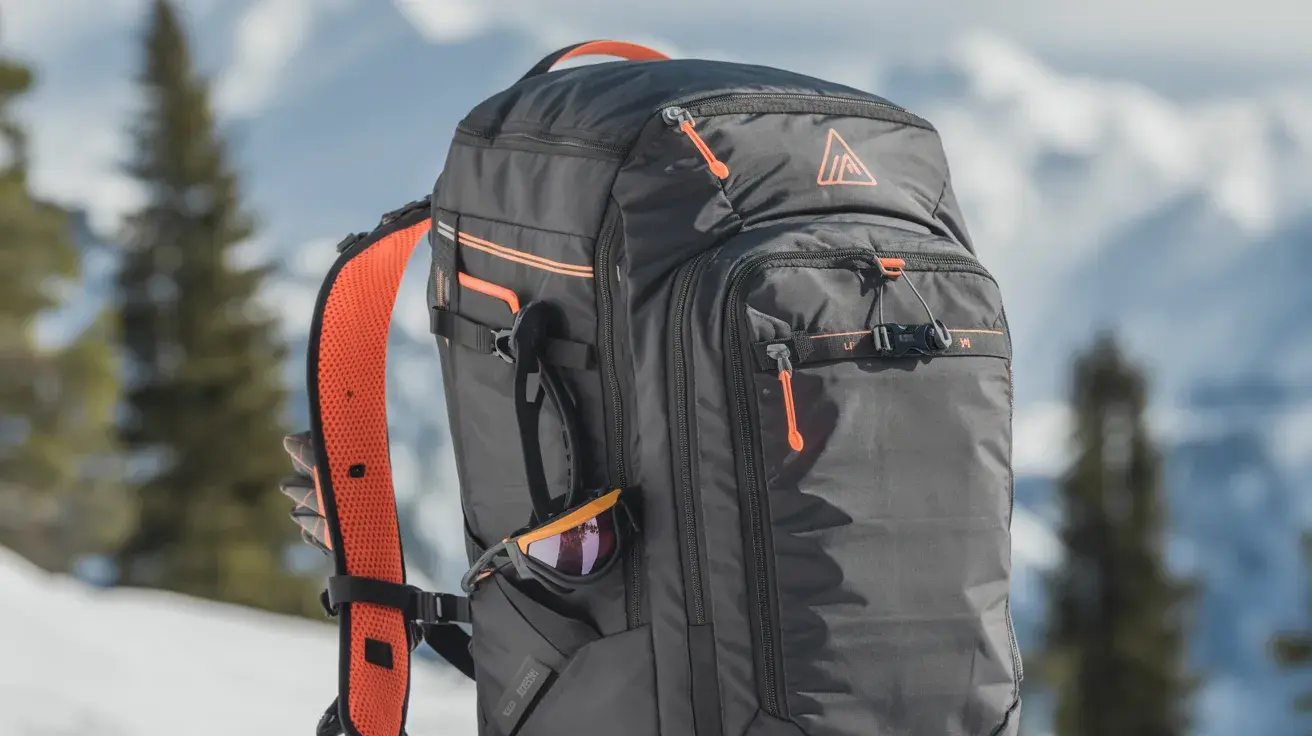
A backpack built for snowboarding carries water, snacks, an extra layer, and tools without getting in the way of riding. Regular backpacks shift around and can affect balance.
Check out: Dakine Heli Pro Snowboard Backpack
Key Features
- Hydration bladder sleeve with drinking tube port
- Chest and hip strap for stability
- Board carry straps for hiking sections
- Helmet attachment point
- Avalanche probe and shovel compartment on backcountry models
Pros
- Keeps essentials accessible throughout the day
- Board carry straps are useful for flat sections
- The hydration sleeve encourages staying hydrated on the mountain
Cons
- Adds bulk and weight compared to no pack
- Not ideal for park riding, where falls are frequent
Best For All-mountain and backcountry riders who spend full days out and need easy access to gear and hydration.
10. Hand Warmers: Best for Quick Heat on Demand
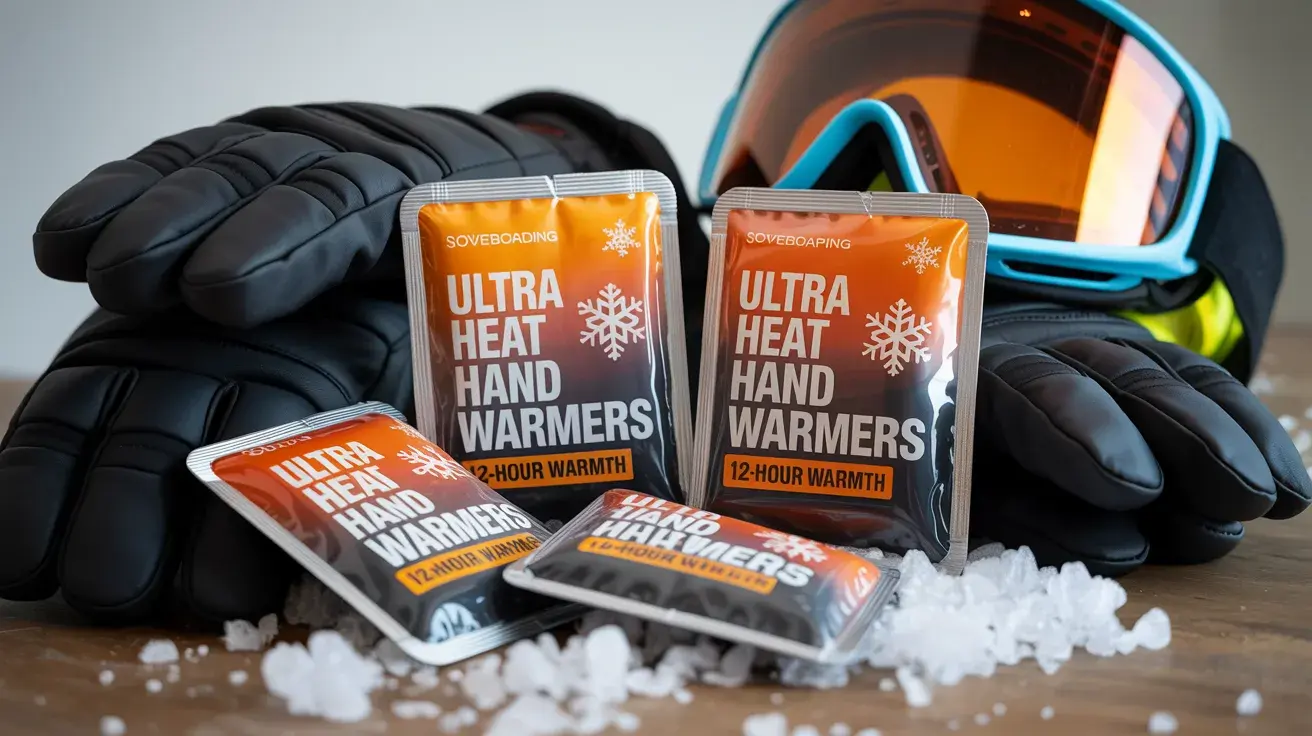
When gloves are not enough, hand warmers fill the gap. These small heat packs slip into glove pockets or jacket pockets and provide hours of warmth on the coldest days.
Check out: HotHands Hand Warmers
Key Features
- Air-activated heat lasts 8 to 10 hours on disposable models
- Reusable electric versions with USB charging
- Slim design fits inside glove pockets
- Safe for skin contact when used correctly
- Available in toe warmer versions too
Pros
- Extremely affordable, especially disposable packs
- Lightweight and easy to carry in any pocket
- Near-instant heat when needed most
Cons
- Disposable versions create waste over a full season
- Reusable electric models need overnight charging
Best For Any rider heading out in extreme cold, and a must-carry for beginners still getting used to full-day mountain conditions.
How to Choose the Right Snowboarding Accessories
Not every rider needs the same gear. The right snowboard and its accessories depend on where, how, and how often someone rides.
Focus on Conditions First
Cold, windy mountains need different gear than mild spring resorts. Riders heading into heavy powder need waterproof layers and solid goggles.
Park riders need protection gear more than insulation. Start by thinking about the typical conditions before spending anything.
Prioritize Comfort Over Extras
Gear that fits well always outperforms gear with extra features that do not. A glove with a poor fit will be cold no matter how many heat ratings it claims.
A helmet that sits wrong will be a distraction on every run. Focus on fit, weight, and materials first. Features come second.
Durability Matters More Than Price
Cheap gear tends to fail mid-season. Zippers break, padding compresses, and waterproofing wears off fast.
Spending a little more upfront on well-reviewed gear usually costs less over two or three seasons than replacing budget options every year.
Look for reinforced stress points, quality stitching, and reputable brands with clear warranty policies.
Beginner vs Experienced Riders
Beginners need the basics covered first: a helmet, goggles, gloves, impact shorts, and a good base layer. That covers safety and comfort without overcomplicating the gear list.
Wax kits, tuning tools, action camera mounts, and travel bags can wait until riding becomes a regular habit. Buy what gets used on every trip first.
Must-Have vs Nice-to-Have Snowboarding Accessories
Not everything on a gear list needs to be bought at once. Some accessories are non-negotiable from day one, while others are upgrades that can wait.
| Must-Have | Nice-to-Have |
|---|---|
| Helmet | Helmet with audio |
| Goggles | Google Lens replacement |
| Gloves | Heated socks |
| Base layer | Action camera mount |
| Impact shorts | Snowboard backpack |
| Neck gaiter | Hand warmers |
| Stomp pad | Snowboard wax kit |
| Snowboard boots | Tuning tools |
| Snowboard bindings | Boot bag |
| Snowboard socks | Board bag |
Start with the must-haves and build from there. Once the basics are solid, the nice-to-haves become worth the investment.
Final Thoughts
The difference between a good day and a frustrating one on the mountain often comes down to small things.
Warm hands, clear goggles, and a board that rides smoothly matter more than most riders expect until they experience the opposite.
No single list of snowboarding accessories works for everyone. The best approach is to start with what the conditions demand, cover the safety basics first, and add gear as the riding progresses.
Pick gear that fits real needs, take care of it, and it will hold up for seasons to come.
Frequently Asked Questions
What Should You Wear Under Snowboarding Gear?
A moisture-wicking base layer is best for keeping sweat away from your skin and regulating body temperature. Avoid cotton, as it traps moisture and can make you feel cold.
Can You Use Ski Accessories for Snowboarding?
Many ski accessories, like goggles, helmets, and gloves, work just fine for snowboarding. The main difference comes down to fit and personal comfort rather than strict design rules.
How do You Carry Small Items While Snowboarding?
Most riders use a small backpack or use the pockets of a jacket with secure zippers to keep essentials safe. It helps to carry only what you need to avoid extra weight while riding.
How do You Prevent Goggles from Fogging While Snowboarding?
Proper ventilation and anti-fog coatings help reduce moisture buildup inside the lens. Keeping vents clear and avoiding wiping the inside lens also makes a difference.