
Most parasailing rides carry you between 300 and 500 feet above the water, with 500 feet being the legal ceiling under FAA rules.
Where you land in that range depends on the operator, the length of towline let out that day, and the wind.
You still get some say in the experience. You can pick a gentle float close to the water or a higher flight with wider ocean views, and the boat pulls you up slowly and steadily no matter which one you choose.
Knowing how high do you go parasailing ahead of time helps you plan a ride that matches your comfort level, so you can relax and enjoy the view from the moment you take off.
How High Do You Go Parasailing on a Typical Ride
So, how high do you go on a typical parasailing ride? Most flights lift you between 300 and 500 feet above the water.
That top number isn’t arbitrary: it’s the legal maximum set by the FAA, and operators reach it by letting out roughly 800 feet of towline behind the boat.
Since parasailing moves slowly over open water, the height often feels calmer than expected. The exact altitude on any given ride depends on towline length, wind conditions, and the rules the parasailing company follows.
How High Do Parasailing Boats Fly Riders Above the Water
Height doesn’t change much by ride type. It changes more by operator, location, and conditions on the day. Here’s the general range you can expect:
| Parasailing Type | Typical Height |
|---|---|
| Standard ocean parasailing | 300 to 500 feet |
| Tandem parasailing | Similar height range |
| Private parasailing flights | Depends on the operator setup |
| Resort parasailing | Based on local limits |
Most commercial rides stay within a controlled height range. The boat does not lift riders straight up; the parasail rises naturally as the boat moves forward, creating lift, and operators choose the safest height for the conditions that day.
On the higher end, some rides reach around 500 feet, which is close to the maximum most operators allow.
A higher flight does not always mean a better experience, since comfort, weather, and conditions matter just as much as altitude.
How Does Parasailing Reach Such High Heights
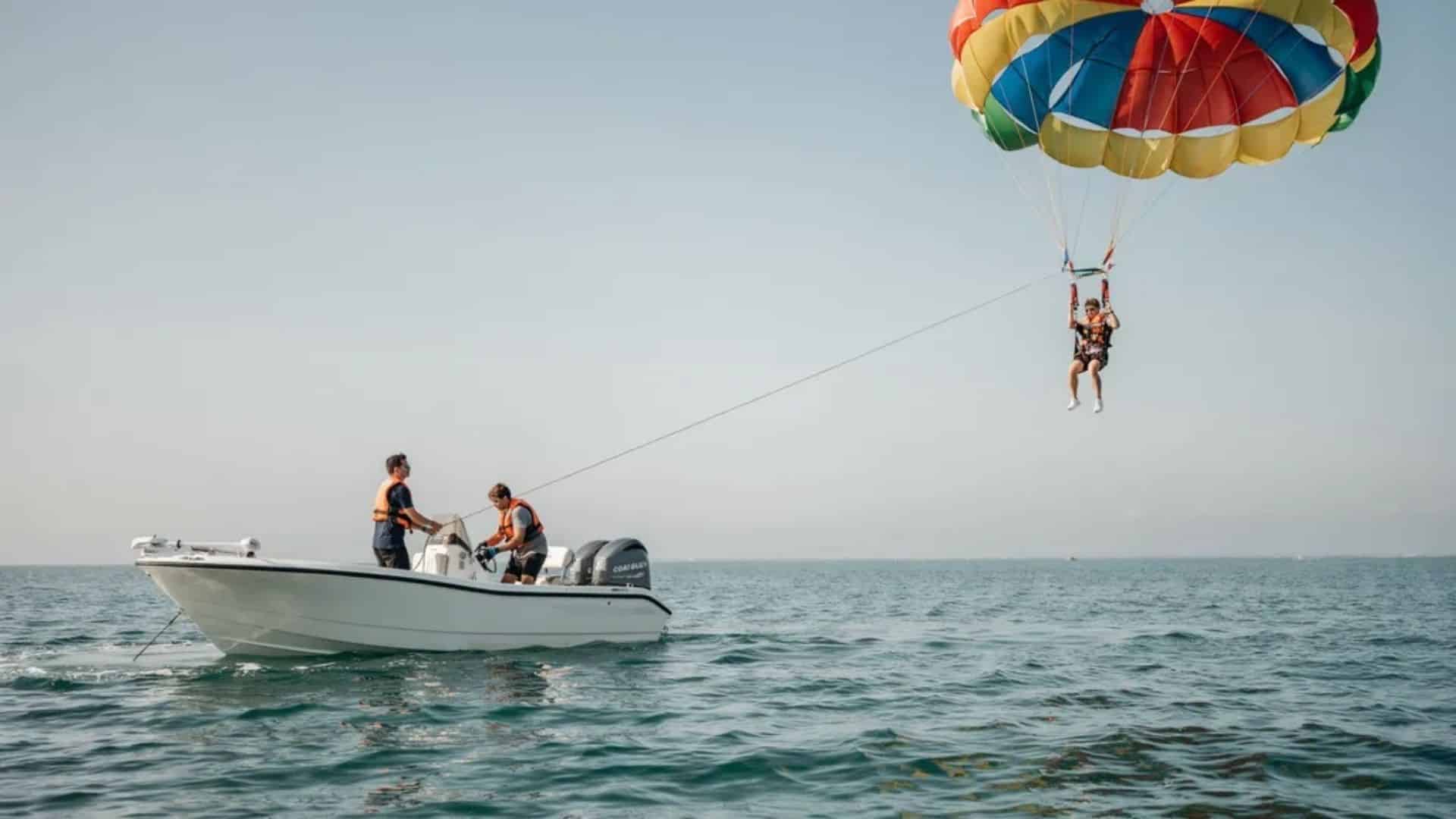
Parasailing height comes from a simple combination of boat movement, towline tension, and canopy lift working together. If you want a full breakdown of the activity, the boat pulls the parasail behind it using a strong towline as it moves forward.
Air fills the canopy, creating lift that carries riders upward gradually rather than in a sudden burst. Boat speed, wind conditions, and the design of the parasail all influence how smoothly and how high the flight goes.
The towline is what actually sets your ceiling. The more line the crew lets out, the higher you climb, up to whatever limit the operator has decided to fly that day.
Wind and boat speed affect how smooth the climb feels, but the line length is what determines how far you go.
What Determines How High You Fly While Parasailing
Several factors decide how high you fly while parasailing on any given day. Towline length, weather, water conditions, and local rules all play a role together.
Towline Length Controls Your Maximum Height
The length of the towline directly affects how far above the water you can rise during your ride.
Longer towlines usually allow higher flights, giving riders more altitude and a wider view of the coastline. Reaching the 500-foot legal maximum typically takes around 800 feet of towline.
Operators use approved equipment based on their location and safety requirements, so towline length is never left to chance. This keeps every flight within a controlled and predictable range.
Weather and Water Conditions Affect Flight Height
Wind speed plays a big role in how smoothly the parasail rises above the boat.
Rough water conditions may lead operators to reduce height for safety, keeping the ride steady and comfortable.
Calm weather usually allows a smoother, more relaxed experience since the parasail lifts evenly. Operators monitor conditions throughout the day and adjust the height as needed to keep riders safe and comfortable.
Local Rules and Operator Limits
Height restrictions vary depending on where you book your parasailing ride, since each location sets its own guidelines. In the United States, no operator can legally exceed 500 feet under FAA regulation 14 CFR 101.13, which treats parasails the same way it treats kites.
Operators decide the final flight height within that limit based on current conditions, available equipment, and local rules. This means the same ride can vary slightly in height from one destination to another.
Height Options for First-Time Riders
Many operators let riders share their comfort preferences before takeoff, making it easy to choose a height that feels right. Beginners often pick standard or lower options, while higher flights may appeal to those wanting wider views.
| Rider Preference | Common Height Choice |
|---|---|
| First-time riders | Lower or standard height |
| Families | Comfortable middle range |
| Riders looking for wider views | Higher available flight options |
Choosing the right height comes down to personal comfort. Most operators are happy to adjust the flight based on what feels best for you and your group, as long as everyone falls within the required passenger weight range.
| Can the Parasailing Height Be Adjusted During the Ride
Riders cannot control the height once they are up in the air, as the parasail is controlled entirely from the boat. The crew manages the towline and makes adjustments as needed. Any changes depend on the equipment being used, the current weather, and safety conditions throughout the ride. |
What Parasailing Feels Like at Higher Flight Heights
Many riders choose a mid-range height for their parasailing flight, which offers a wide view of the ocean and coastline below. The experience feels peaceful rather than intense, since movement stays slow and controlled throughout the ride.
| Height | Experience |
|---|---|
| 200 feet | Relaxed views and a comfortable ride |
| 300 feet | Wide ocean views and a popular choice |
| 500 feet | Larger views from a higher position |
No matter the height you choose, the slow, gliding motion is what makes parasailing feel calm rather than overwhelming, especially when you know what to pack for the ride ahead of time.
Is Flying High While Parasailing Safe
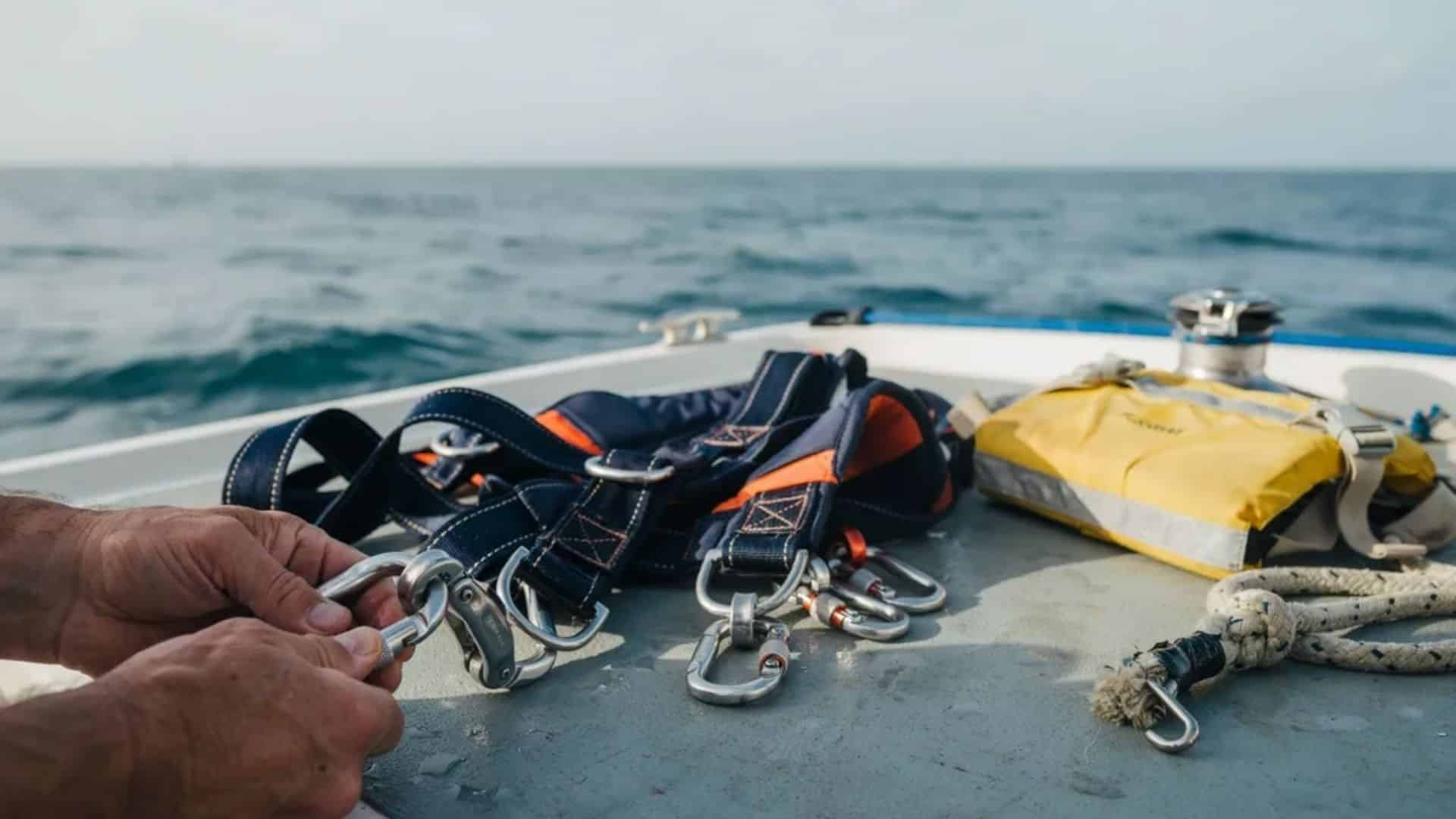
Flying high while parasailing is generally safe when proper equipment and trained crews are involved, since operators follow strict safety standards to protect riders throughout every flight.
Safety Equipment Used During High Flights
- Riders wear secure harness systems connected to the parasail
- Life jackets are required throughout the entire ride
- Equipment checks are completed carefully before every launch
How Parasailing Companies Control Height Risks
- Operators check weather conditions before allowing any flights
- Trained crews manage takeoff and landing at all times
- Rides may be adjusted based on changing weather conditions
With proper equipment, trained staff, and constant monitoring, parasailing remains a safe activity even at higher flight heights, and reviewing a few extra pointers beforehand can help first-time flyers feel even more prepared.
How Parasailing Height Limits Compare Around the World
Parasailing height rules are not the same everywhere, since each country sets its own safety standards based on local aviation and maritime guidelines.
The figures below are general ranges reported by operators in each region rather than a single universal law, so always confirm the limit with your specific outfitter.
| Region | Typical Height Limit |
|---|---|
| United States | Up to 500 feet (FAA maximum) |
| Europe | 300 to 500 feet |
| Asia | 300 to 450 feet |
| Mexico | Around 300 feet |
If you are parasailing abroad, it is worth checking the local height limit ahead of time, since the maximum allowed can vary quite a bit from what you might expect back home.
Conclusion
Parasailing height comes down to a few factors working together: towline length, wind, and the FAA’s 500-foot ceiling that every commercial operator in the United States has to follow.
Riders can stay around 300 feet or go closer to 500, and the ride stays calm and steady from start to finish either way.
If you are booking your first flight, talk to the crew about your comfort level before takeoff since crews regularly try to match the flight to what each rider is comfortable with.
The exact number matters less than the experience: floating above open water with a clear view in every direction, well within the safety limits that keep the sport what it is.
Frequently Asked Questions
How Long Does a Parasailing Ride Usually Last?
Most parasailing rides last between 8 and 15 minutes, depending on the operator and package chosen.
Can Beginners Choose a Lower Parasailing Height?
Many operators will fly you lower if you ask before takeoff, though the exact height often depends on the towline setup already in place for that day’s trips.
Do You Get Wet While Parasailing?
No, most parasailing rides keep you dry unless you request a water dip during the flight.
What Should You Wear for Parasailing?
Wear comfortable clothing such as a swimsuit, shorts, or a t-shirt, along with secure footwear or sandals.
What is the Maximum Legal Height for Parasailing in the United States?
The FAA caps parasailing at 500 feet above the water under 14 CFR 101.13, the same rule that governs kites and moored balloons.