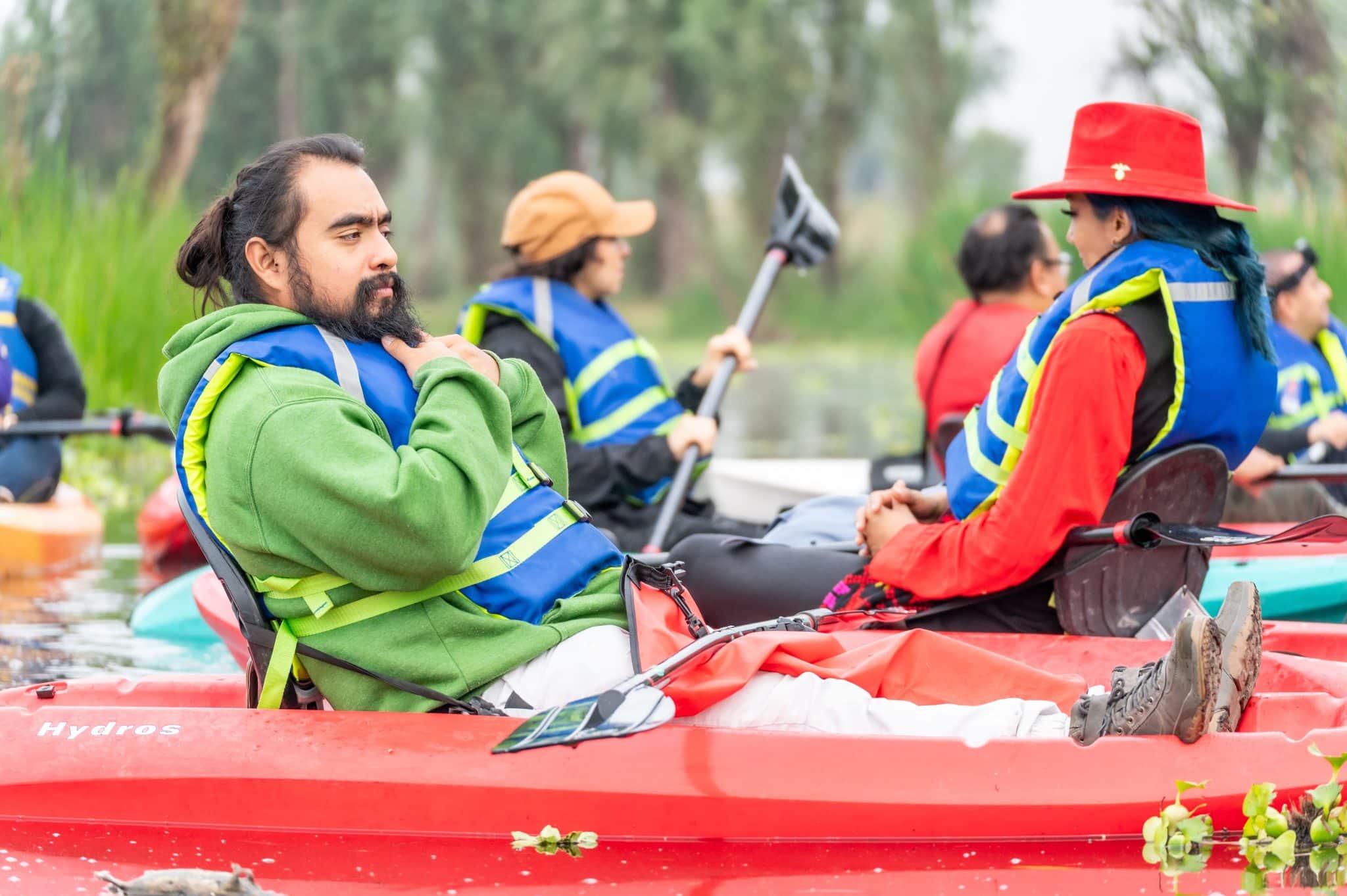
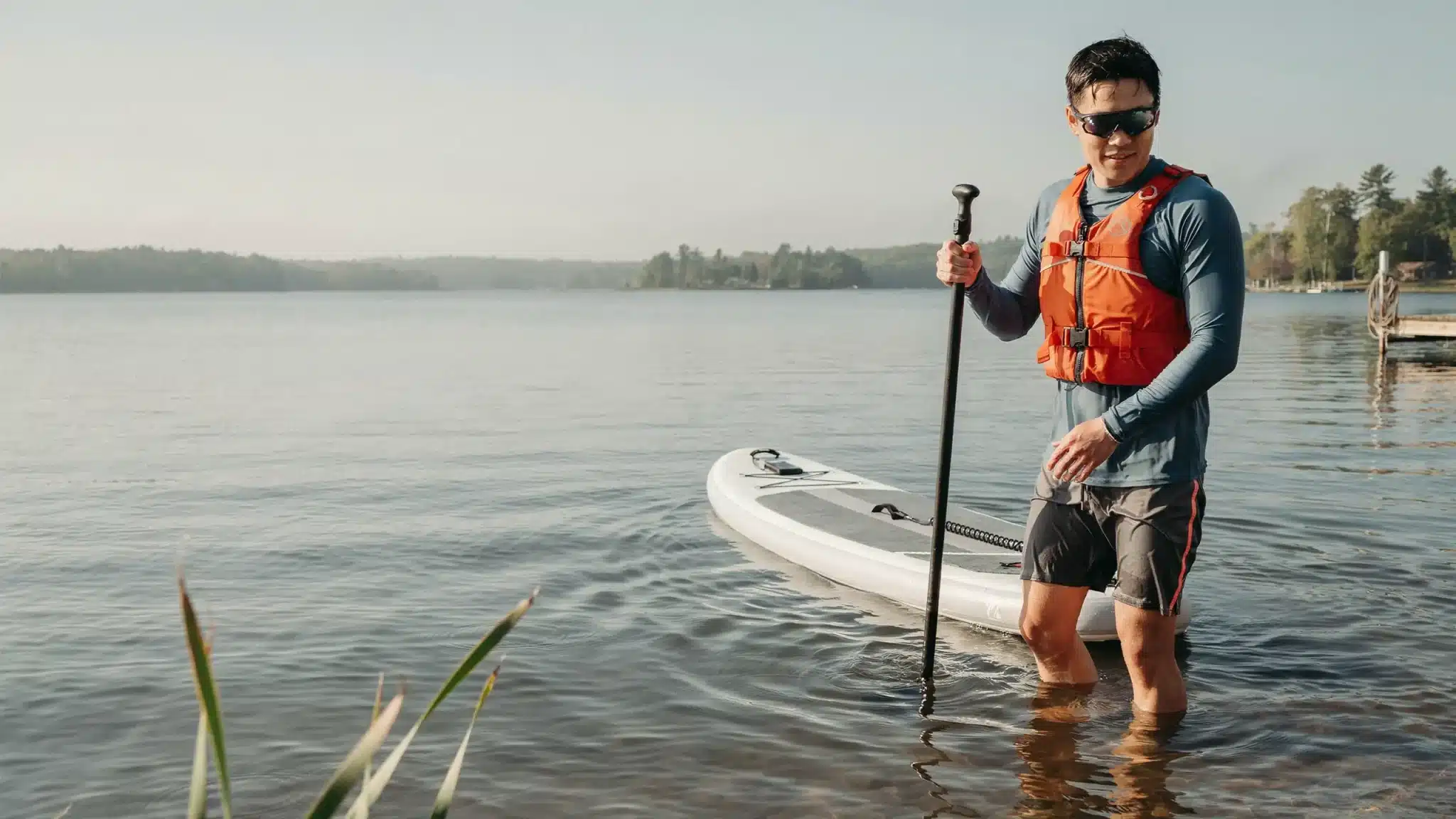
If you’re looking for what to wear while paddle boarding, the short answer is: dress for the water, not the weather.
Your outfit depends on a few key factors: water temperature, weather conditions, and how long you plan to stay out on the board.
Comfort matters more than style here. You will get wet, whether from splashes, waves, or an unexpected fall. You will also move constantly to keep your balance, and you will spend hours exposed to direct sun with little shade in sight.
I’ve paddled in everything from breezy summer gear to cold-weather layers, and below are practical outfit recommendations based on what real paddlers actually wear.
First Time Paddle Boarding? Start Here
If this is your first paddle boarding session, keep it simple. You will fall more often than an experienced paddler, so dress as if you are already wet before you even launch.
Skip anything loose, skip cotton, and skip jewelry. A snug rash guard, quick-dry shorts, and a well-fitted PFD cover most first-timer needs.
Do not overthink footwear on your first trip either. Bare feet are comfortable on smooth boards and calm launches, but water shoes provide more protection around rocks and rough surfaces.
If you are launching from rocks, a dock, or anything with debris, slip on a pair of water shoes and take them off once you are on the board.
In my experience, as a beginner, your job is to stay comfortable enough to focus on balance, not your outfit. If you are unsure about water temperature, dress for a swim, not just a paddle.
Beginner Paddle Boarding Outfit Checklist
|
Best Clothes to Wear for Paddle Boarding
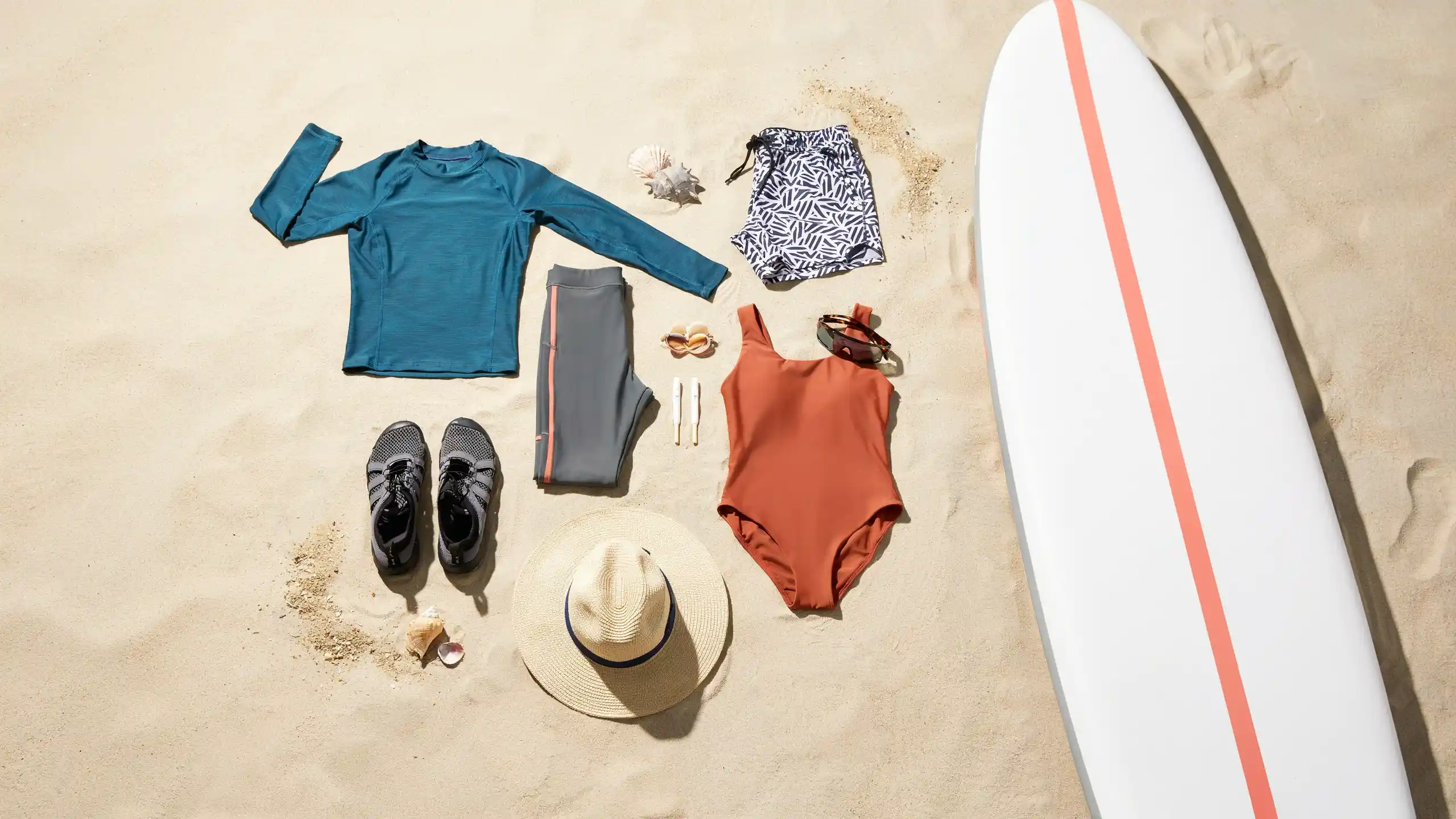
The right outfit keeps you comfortable, protected, and free to move on the water. Here’s what to wear and why.
1. Rash Guards and Quick Dry Shirts: Block the sun, resist irritation, dry fast, and move with you. Long sleeves add coverage; short sleeves stay cooler. Check for a UPF rating.
2. Board Shorts and Paddle Shorts: Comfortable for sitting, kneeling, or standing, and light even when wet. Choose stretch fabric with a secure waistband, and skip heavy swim trunks.
3. Paddle Pants and Leggings: Best for cooler weather or longer sessions. Quick-drying leggings and neoprene pants work well; skip cotton, it soaks up water.
4. Swimsuits for Paddle Boarding: Suited to warm, low-coverage sessions. One-piece styles stay in place and offer more support than loose designs.
Paddle Boarding Outfits by Season
Paddleboarding gear changes with the seasons, and choosing the right outfit keeps you comfortable and safe on the water. Here’s what to wear by weather condition, plus wetsuit guidance for colder days.
| Condition | What to Wear | Key Notes |
|---|---|---|
| Summer | Lightweight rash guard, board shorts, water shoes or barefoot, sunglasses, hat with strap | Add UPF clothing, waterproof sunscreen, and a hydration pack for sun safety. |
| Cold Weather | Neoprene wetsuit, thermal layers, waterproof jacket, gloves, booties | Air temperature isn’t the only factor; cold water changes clothing needs, so dress for water temperature, not just the forecast |
| Spring/Fall | Base quick-dry layer, insulating layer, windproof outer layer (e.g., long-sleeve rash guard, paddle pants, lightweight jacket) | Layering allows flexibility as conditions shift throughout the day |
| Wetsuit Guidance | Shorty wetsuit (mild conditions), full wetsuit (cold water), neoprene tops and pants (lighter alternative) | Not always needed in warm water, but useful when falling into cold water is a risk; check water temperature guidelines first. |
Note: A wetsuit is not always needed in warm water, but is essential when cold-water immersion is a risk. Check water temperature guidelines: shorty wetsuits suit mild conditions, full wetsuits suit cold water, and neoprene tops or pants work as lighter alternatives.
Gear You Need on a Paddle Board
Having the right clothes is only half the equation. The gear you bring keeps you safe, comfortable, and prepared for whatever the water throws at you.
| Category | Essentials | Purpose |
|---|---|---|
| Safety | Coast Guard-approved PFD, leash (match type to water conditions) | Keeps you safe and your board close after a fall |
| Storage | Waterproof dry bag | Protects phone, keys, and valuables from water |
| Footwear | Water shoes or neoprene boots | Grip and protection on rocky or uneven bottoms |
| Clothing | UPF rash guard and board shorts (warm water), wetsuit (cold water) | Matches your layers to water temperature |
| Sun Protection | Polarized sunglasses, wide-brim hat, reef-safe sunscreen | Blocks UV and glare without harming the water |
Choose Paddle Boarding Clothes Based on Your Trip
Your outfit should match the conditions, not just the weather forecast. Here’s what to check before you dress for a session.
- Water Temperature: Cold water can create a risk even when air temperatures feel comfortable. Below about 60°F, many paddlers consider wearing a wetsuit, depending on conditions and time spent in the water.
- Air Temperature: Layer for the air, but plan for wet layers. Light jacket for cool days, breathable UPF fabric for hot ones.
- Location Type: Calm lakes and rivers allow more flexible clothing. Ocean or choppy water calls for secure, quick-dry gear you can move in fast.
- Session Length: Short paddles near shore need less gear. Longer trips mean more sun exposure and wet clothes, so pack a dry bag with a spare layer.
- Skill Level: Beginners fall more, so prioritize function over style: stretchy, fast-drying fabric, water shoes for grip, and a properly fitted PFD.
- Chance of Falling In: New to the sport or paddling rough water? Dress like you’re already wet: no cotton, no jeans, no loose layers.
If you’re starting, it’s important to remember that comfort and safety come before looks every time. A snug rash guard, quick-dry shorts, and a properly worn PFD beat any coordinated outfit.
Paddle Boarding Outfit Ideas for Different Situations
- Casual Lake Paddling: Calm water and short sessions call for simple gear. A rash guard, board shorts or swimsuit, and bare feet or water shoes work fine. Skip the wetsuit unless the water runs cold.
- Ocean Paddling: Waves and current call for secure gear. A snug rash guard, board shorts with a tight waistband, and a surf-rated leash keep you covered. Water shoes help with rocky entries and exits.
- Long Distance Paddling: Longer sessions mean more sun exposure and more time in wet clothes. Pack a dry bag with a spare layer, extra water, and reapplicable sunscreen. Quick-dry leggings or paddle pants reduce chafing.
- Cold Water Paddling: Dress for the water temperature, not the air temperature. A wetsuit, neoprene boots, and a waterproof jacket keep you insulated if you fall in. Gloves and a hood add protection in near-freezing conditions.
Paddle Boarding Outfit Ideas for Men and Women
Paddle boarding outfits don’t need to be complicated. The best choices focus on comfort, movement, quick-drying fabrics, and sun protection. Men and women can wear similar performance gear, but fit preferences often differ.
Outfits for Men
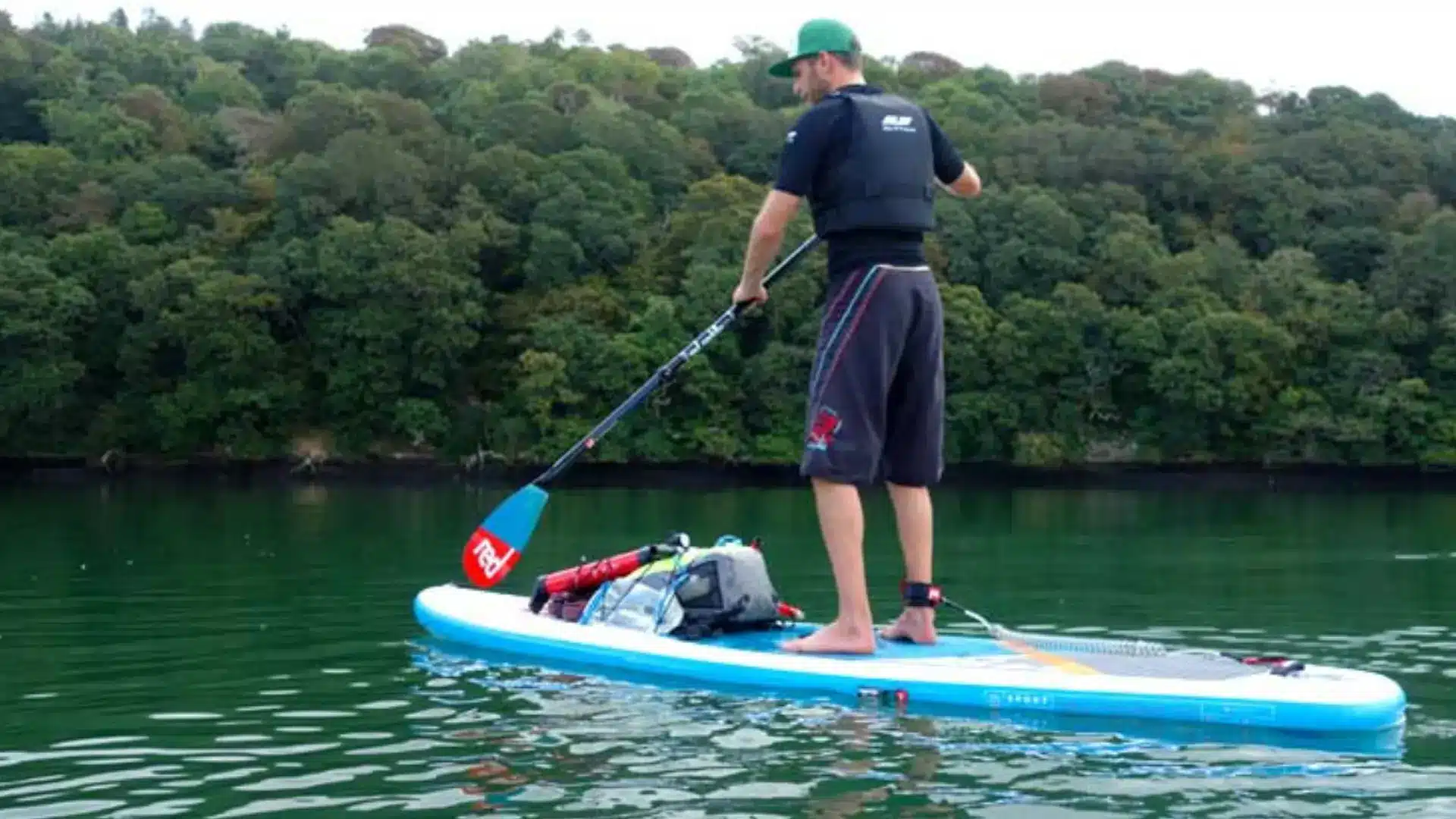
Choose shorts with a secure waistband and enough stretch for paddling. Avoid loose cotton shirts, since they get heavy when wet.
| Item | Warm Weather | Cooler Weather |
|---|---|---|
| Top | UPF rash guard or quick-dry T-shirt | Long-sleeve base layer |
| Bottom | Board shorts with stretch fabric | Paddle pants or neoprene bottoms |
| Wetsuit | Not needed | Wetsuit when water temperatures are low |
| Footwear | Water shoes or barefoot option | Neoprene boots |
| Outer Layer | Lightweight hat | Waterproof jacket |
| Eyewear | Polarized sunglasses with a strap | – |
Outfits for Women
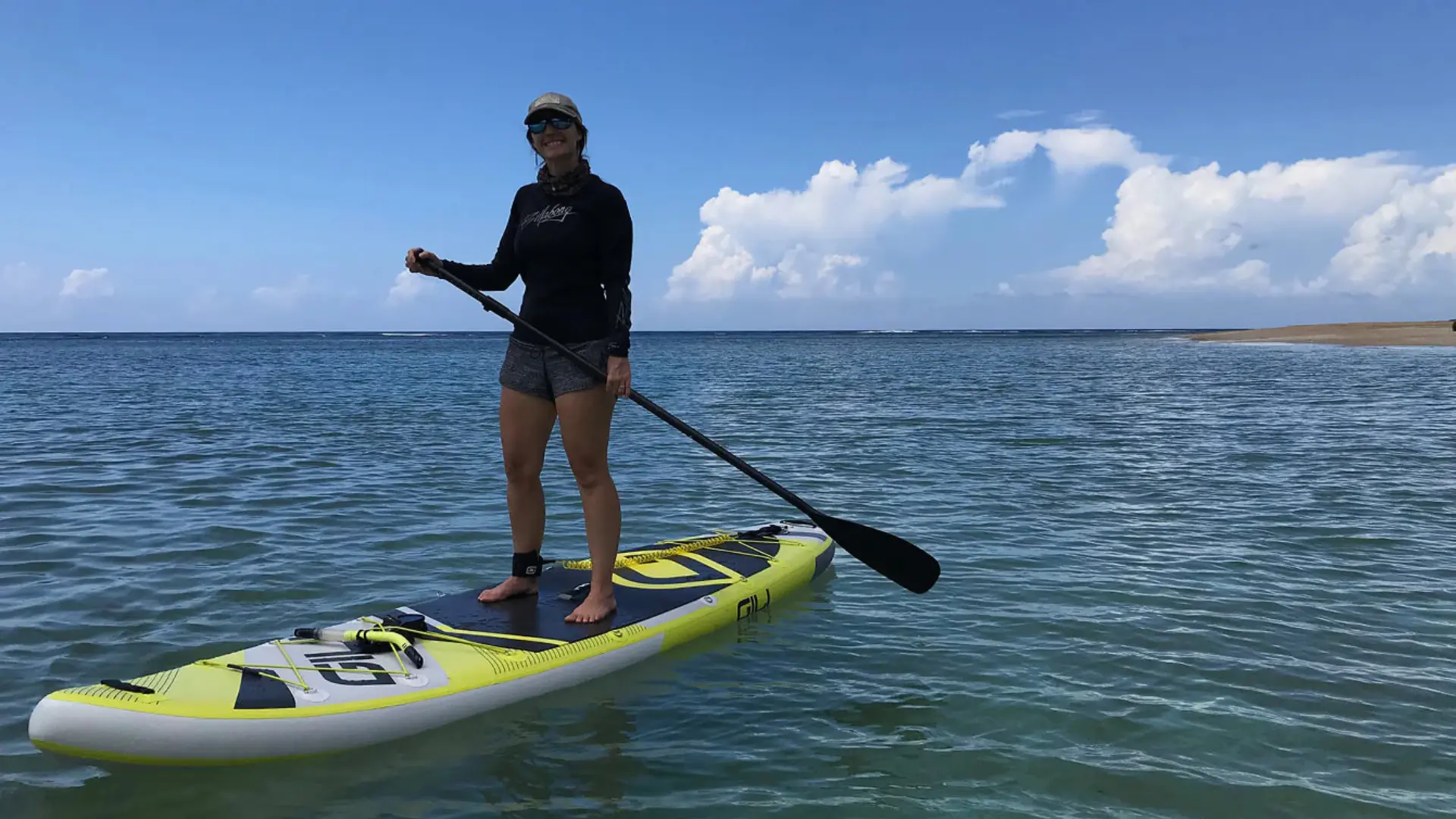
Many women prefer fitted layers that stay in place while paddling. Secure swimwear or athletic bottoms help avoid constant adjusting after falls.
| Item | Warm Weather | Cooler Weather |
|---|---|---|
| Top | Long-sleeve rash guard or fitted quick-dry top | Thermal base layer |
| Bottom | High-waisted paddle shorts or swim bottoms | Paddle leggings or neoprene pants |
| Wetsuit | Not needed | Wetsuit or wetsuit top |
| Footwear | Water shoes | Neoprene booties |
| Outer Layer | Sun hat | Windproof outer layer |
| Eyewear | Sunglasses with a strap | – |
What Not to Wear Paddle Boarding
Some clothing and accessory choices can turn a fun session into a frustrating one. Here’s what to leave at home.
- Cotton Clothing: It soaks up water, gets heavy fast, and takes forever to dry.
- Jeans or Heavy Fabrics: These restrict your movement and feel miserable once wet.
- Loose Accessories: Rings, necklaces, and hoop earrings, or anything unsecured, can fall into the water or snag while you paddle.
- Bulky Shoes: Thick or heavy shoes make it harder to move, balance, and feel the board under your feet.
- Flip-flops or Slides: They slip off easily in water and offer no grip on a wet board.
- Heavy Jackets: Bulky, non-quick-dry jackets weigh you down if you fall in and slow you down when swimming back to the board.
- Non-Secured Hats: A hat without a strap will blow off or float away the moment you hit any wind or waves.
- Baggy Clothing: Loose shirts or shorts can catch wind, drag in the water, and throw off your balance.
What Materials Are Best for Paddle Boarding Clothes?
The fabric you choose matters just as much as the fit. Here’s a quick breakdown of what works best on the water and why.
| Material | Best For | Why |
|---|---|---|
| Neoprene | Wetsuits, boots, gloves | Traps a thin layer of water against your skin for warmth in cold conditions |
| Polyester/nylon blends | Rash guards, board shorts | Dries fast, resists stretching out, holds up against sun and salt |
| Spandex/elastane blends | Leggings, fitted tops | Adds stretch so you can move freely while paddling and balancing |
| Merino wool | Base layers in cool weather | Lightweight, dries quickly, and resists odor on longer trips |
| Cotton | Avoid | Soaks up water, dries slowly, and gets heavy and cold once wet |
When in doubt, check the tag for “quick-dry,” “moisture-wicking,” or a UPF rating. Those three cues tell you a piece was made for water, not just for looks.
Final Thoughts
Paddleboarding is one of those sports where the right outfit can make or break your day.
Once you dress for the water instead of the weather, everything gets easier: balance, comfort, even how long you want to stay out there.
I would recommend starting simple: quick-dry fabrics, a snug PFD, and shoes or bare feet depending on your launch spot.
The more you paddle, the easier it will be to figure out what works for your body and your favorite spots.
For now, gear up with the basics above, grab your board, and get out on the water. The rest will be figured out one paddle at a time.
Frequently Asked Questions
Can I Wear Leggings While Paddle Boarding?
Yes, quick-dry or athletic leggings work well, especially in cooler weather. Avoid cotton leggings since they soak up water, get heavy, and take a long time to dry.
Can I Wear a Swimsuit While Paddle Boarding?
Yes, a swimsuit works well for paddle boarding, especially in warm water. Pair it with a rash guard for sun protection and board shorts for comfort.
Can I Wear Crocs While Paddle Boarding?
Crocs aren’t ideal. They can slip off in water, lack grip on wet decks, and their loose fit makes balancing harder. Water shoes or neoprene booties work better.
What Do Females Wear Under a Wetsuit?
A swimsuit, sports bra with bikini bottoms, or moisture-wicking base layer works well under a wetsuit. Skip cotton underwear since it stays wet and causes chafing.
How to Prepare a Dry Bag for Paddle Boarding?
Pack a phone, keys, sunscreen, snacks, and a spare layer. Roll the top down three times, buckle it tight, and test the seal before you launch.