
Imagine gliding across calm water with your best friend or partner right beside you. Both of you are paddling together, sharing laughs, and pointing out fish swimming below. This is what kayaking with someone feels like. But what is a tandem kayak exactly?
A tandem kayak is built for two people to paddle at the same time. It’s becoming more popular because it turns a solo activity into a shared experience.
Couples use them for romantic trips. Families use them to teach kids. Friends use them to spend time outdoors.
But tandem kayaks aren’t for everyone. They have pros and cons that every paddler should know before buying.
Below is everything you need to know. You’ll learn how tandem kayaks work, what makes them different from single kayaks, and whether they’re right for you.
What is a Tandem Kayak?
A tandem kayak is a kayak built for two paddlers. Unlike a regular kayak that fits just one person, a tandem kayak has two seats so you can share the paddling with a friend, family member, or partner.
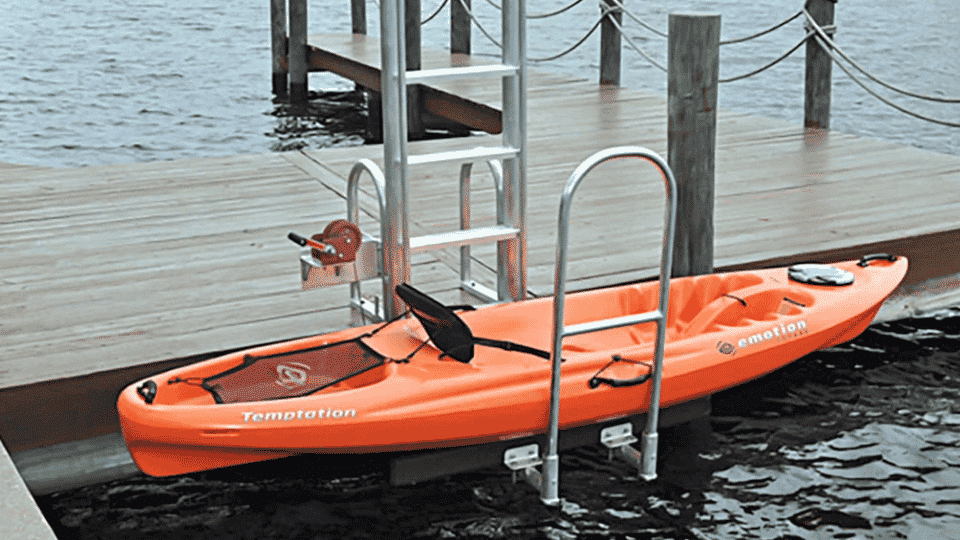
You’ll find two main types: sit-on-top tandem kayaks with open seats on the deck, and sit-inside tandem kayaks with closed cockpits.
Sit-on-tops are great for warm weather and beginners. Sit-ins keep you drier and work better in cooler weather or choppy water.
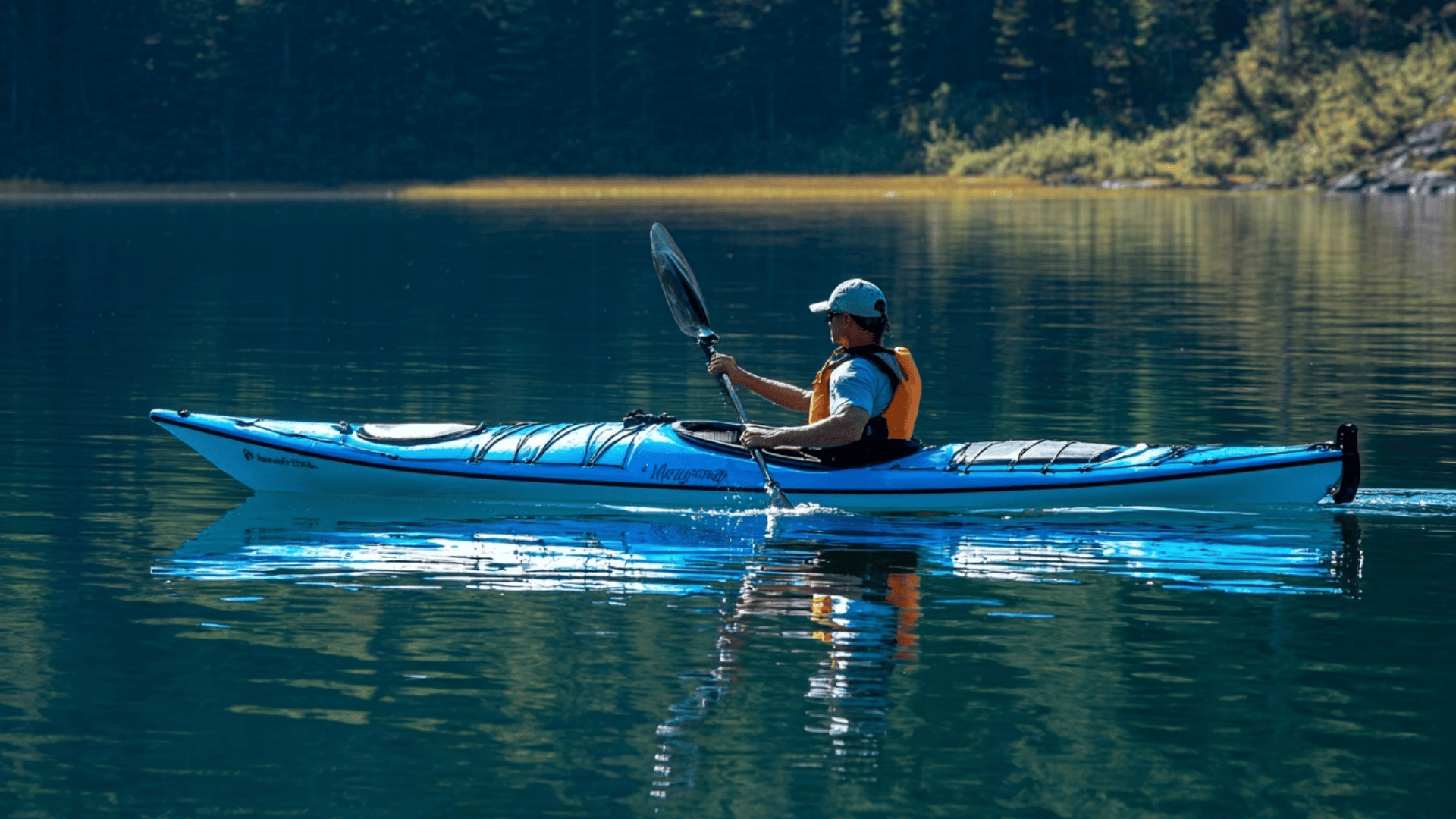
People use tandem kayaks for recreation on calm lakes and rivers, touring for longer distances, and water sports like fishing or racing.
Different models vary in size and tandem kayak capacity limits, so compare carefully before choosing.
Why Choose a Tandem Kayak?

Tandem kayaks offer several advantages that make them appealing to many paddlers. Here are the main benefits you need to know about.
- Increased Stability: Tandem kayaks are wider and longer, making them more stable on the water. The design distributes the weight between two people for better balance, making it safer for beginners.
- Shared Paddling Effort: Two people split the work, reducing fatigue on longer trips. If one person rests, the other keeps paddling.
- Ideal for Couples or Pairs: Perfect for friends, families, or couples sharing outdoor experiences together while talking and helping each other maneuver.
- Storage Capacity: More space for gear, supplies, and equipment makes them great for day trips or overnight adventures.
- Speed and Efficiency: With two strong, well-coordinated paddlers, a tandem kayak can be faster and cover more distance in less time.
Choosing the Right Tandem Kayak for You
Picking the right tandem kayak depends on where you’ll paddle, how much you want to spend, and what features matter most to you. Here’s what to consider when shopping for your tandem kayak.
| What to Consider | Your Options |
|---|---|
| Purpose | Choose recreational models for calm lakes, touring models for longer trips, or specialized kayaks for fishing and other sports, depending on where you’ll paddle. |
| Material | Plastic kayaks are the cheapest but heaviest. Composite kayaks (fiberglass, Kevlar, or carbon fiber) are lighter and faster but cost more. |
| Size and Fit | Recreational tandem kayaks are usually 12–14 feet long, while touring tandems can be 15–22 feet and feature adjustable seats. Sit in the kayak before buying to check comfort. Plan for a weight of 80–100 pounds and how you’ll transport it. |
| Budget | Tandem kayaks range from $400 to $3,000 or more. Focus your spending on features that match how you’ll actually use the kayak. |
The best tandem kayak for you fits your budget, matches where you’ll paddle, and feels comfortable when you sit in it. Visit a local kayak shop to try out different options before buying.
Potential Downsides of Tandem Kayaks

While tandem kayaks offer many benefits, they also pose challenges. Here are the main drawbacks you should consider before buying one.
- Requires Coordination: Both paddlers need to paddle in rhythm. If one person is out of sync, the kayak zigzags or slows down. Good communication is important.
- Limited Solo Use: Tandem kayaks are difficult to paddle alone. The extra weight and length make them hard to control, and the empty seat throws off the balance.
- Size and Weight: Tandem kayaks are heavier than single kayaks, making them harder to carry, load onto cars, and store. You often need two people to move them.
- Maneuverability: The longer length makes them harder to turn quickly. They don’t handle tight spaces well, and sharp turns take more effort.
What Real Paddlers Say About Tandem Kayaks
Real paddlers share both strong positives and clear drawbacks about tandem kayaks.
Many warn that tandems can feel like “divorce boats” if partners don’t match pace, but the original poster said tandems have worked well for rentals and liked the idea of a convertible tandem for slow Florida rivers and lakes.
In a discussion, owners praised inflatable tandems for durability, with one using theirs for seven years and another enjoying a Sea Eagle for four years, even on Class III rapids.
Users highlighted stability and performance, noting that some doubles are slower, harder to pack, or less seaworthy depending on design.
How Single and Tandem Kayaks Compare?
Single and tandem kayaks work differently on the water. This comparison shows you what sets them apart. Use it to figure out which type fits your paddling style and needs
| Feature | Single Kayak | Tandem Kayak |
|---|---|---|
| Size and Weight | Lighter (40-60 Pounds); Easier for One Person to Carry and Load onto A Car | Heavier (80-100 Pounds); Harder to Transport and Usually Needs Two People to Move |
| Stability | Less Stable; Narrower Design Makes Them Easier to Tip | More Stable; Wider and Longer Design Provides Better Balance |
| Speed | Faster when Paddled by An Experienced Solo Paddler | It Can Be Faster with Two Strong Paddlers Working Together |
| Ease of Maneuvering | Easy to Turn and Handle in Tight Spaces; Full Control with One Person | Harder to Turn Quickly; Requires Both Paddlers to Coordinate Movements |
| Solo Use | Perfect for Paddling Alone; Designed for One Person | Difficult to Paddle Solo; Unbalanced Weight and Too Long for One Person to Control Easily |
| Paddling Efficiency | One Person Controls All Movements and Pace | Two People Share the Work, Making Long Trips Less Tiring |
| Storage Space | Limited Space for Gear | More Room for Supplies, Camping Equipment, and Longer Trips |
| Best For | Independent Paddlers Who Want Full Control and Flexibility | Couples, Friends, or Families Who Want to Paddle Together |
Tips for Paddling a Tandem Kayak
Paddling with another person takes practice and teamwork. These simple tips will help you work together and make your kayaking trips more fun and less frustrating.
- Talk to your partner before you start paddling. Decide who sits in front and back, and agree on a steady rhythm so you don’t bump paddles or zigzag.
- The person in the back steers the kayak, while the person in the front sets the paddling speed. Work together and match your strokes to move smoothly through the water.
- Keep your weight balanced in the kayak. Sit up straight in the middle of your seat and avoid leaning too far to one side, or you’ll tip over.
- Switch which side you paddle on every few minutes. This gives your arms a break and helps keep the kayak moving in a straight line without much effort.
- Start with slow, easy strokes until you both get comfortable. Once you find a good rhythm together, you can paddle faster and cover more distance with less work.
Remember that good communication is key when you’re sharing a kayak. Take your time learning how to paddle as a team, and you’ll soon be gliding across the water like pros.
Final Thoughts
Now you know the answer to: What is a tandem kayak, and how it can change the way you explore the water with a partner. These kayaks offer great stability, shared paddling effort, and extra storage space for longer trips.
However, they also come with challenges like needing good coordination, being heavy to transport, and difficulty paddling solo.
Whether a tandem kayak is right for you depends on your paddling goals, who you’ll be kayaking with, and how much teamwork you’re willing to put in.
Before buying, consider where you’ll use it, which material fits your budget, and whether you have space to store and transport it.
Ready to take the plunge? Share your experiences in the comments or save this page for later!