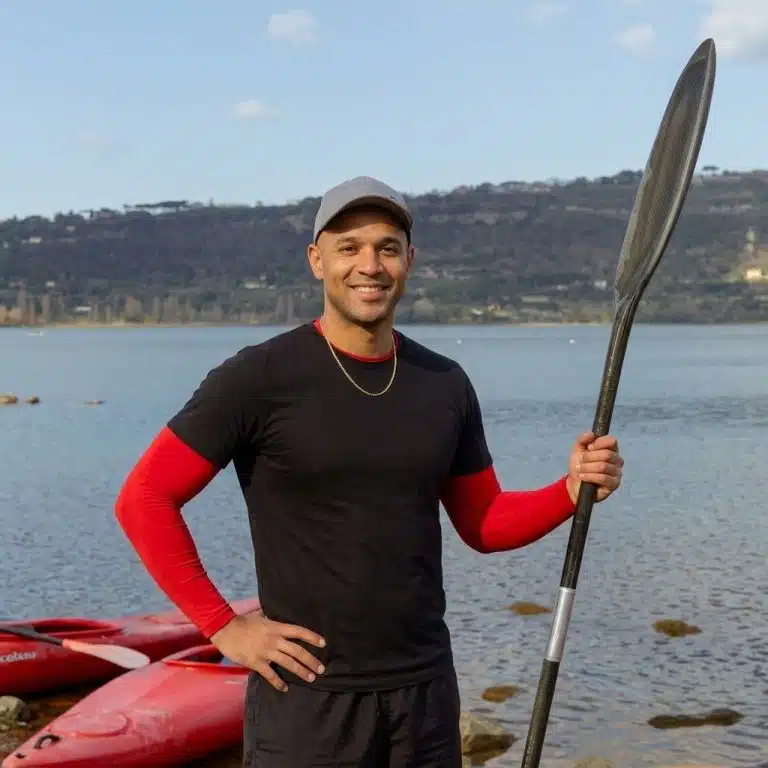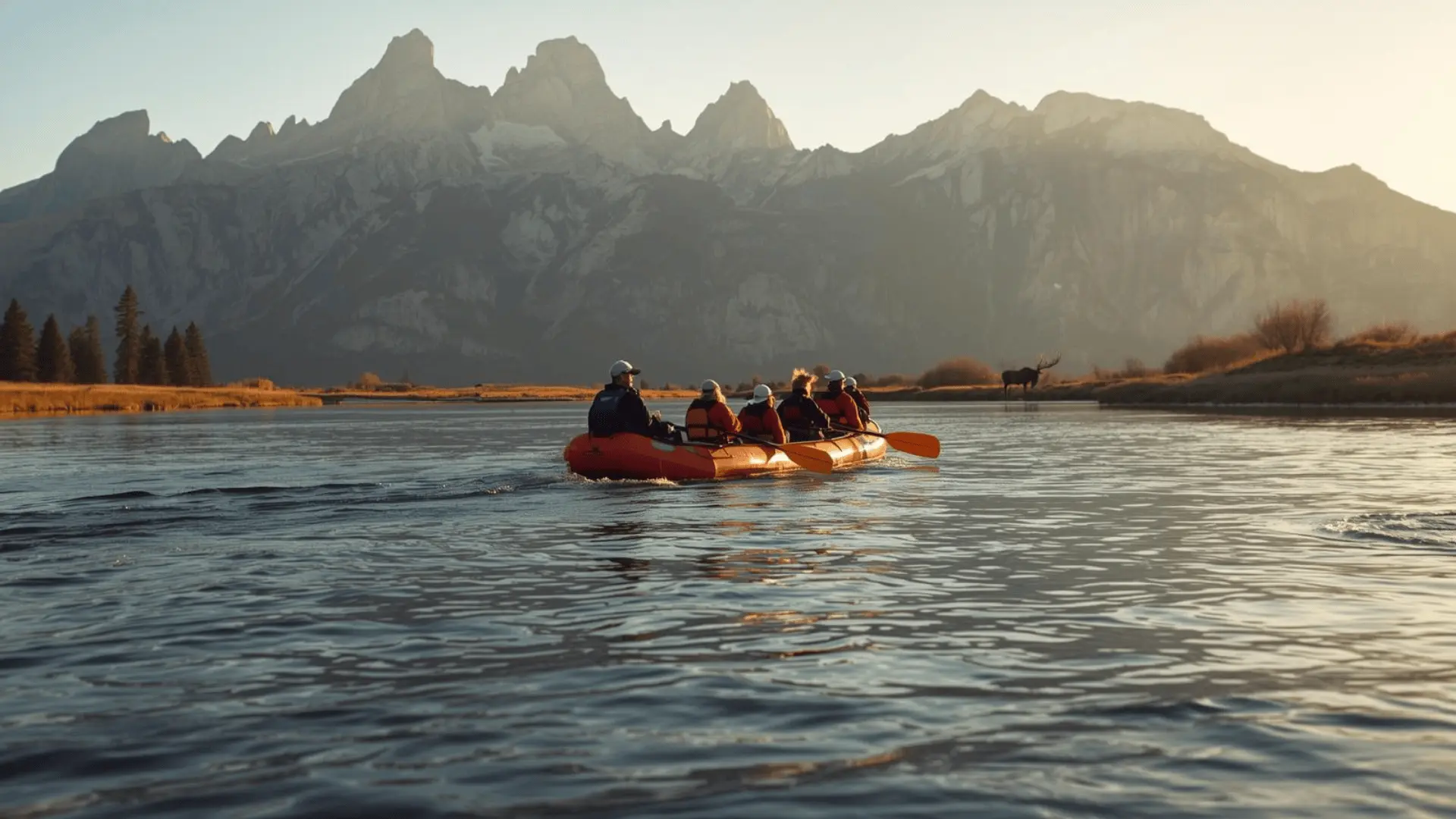

Turning a passion for the outdoors into a sustainable business is a dream for many watersports enthusiasts. With eco-tourism and outdoor recreation continuing to experience steady growth, opening a paddlesports outfit, whether specializing in kayak, canoe, or stand-up paddleboard (SUP) rentals, presents a compelling entrepreneurial opportunity.
However, running a successful rental or tour operation requires far more than a fleet of boats and a pristine launch point. To build an outfitter enterprise that thrives season after season, business owners must balance three core pillars: efficient daily operations, durable equipment selection, and a disciplined financial strategy.
1. Fleet & Gear Selection: Capital Expenditures vs. Durability
Your rental fleet represents your primary revenue-generating asset, making equipment selection one of your most critical early decisions. While high-performance touring kayaks or lightweight carbon-fiber SUPs are ideal for enthusiast paddlers, commercial outfitters require durability, stability, and ease of maintenance.
- Prioritize Commercial-Grade Materials: High-density polyethylene (rotomolded) kayaks and heavy-duty inflatable or thermoformed SUPs withstand heavy daily use, sun exposure, and rocky launch sites far better than lighter, fragile alternatives.
- Diversify Your Inventory: Offer a balanced mix of single sit-on-top kayaks, tandem models for couples and families, and wide, stable paddleboards to cater to beginner-heavy tourist demographics.
- Invest in Safety and Maintenance Hardware: Allocate sufficient budget for commercial-grade PFDs (Personal Flotation Devices), durable aluminum or fiberglass paddles, heavy-duty storage racks, and transport trailers.
Choosing low-maintenance, long-lasting gear maximizes your return on investment (ROI) by minimizing mid-season repair downtime and reducing recurring replacement costs.
2. Operational Infrastructure & Financial Setup
Before taking on paying guests or launching your fleet into the water, establishing a clean operational and legal foundation is essential for liability protection and long-term sustainability.
- Secure Permits and Coverage: Obtain all necessary local waterway commercial access permits, launch site leases, and robust commercial general liability insurance tailored to watersports operations.
- Establish Dedicated Financial Channels: Setting up a clean financial infrastructure is just as vital as securing your launch site permits and commercial liability insurance. Opening a dedicated small business checking account keeps customer rental receipts, staff payroll, and vendor payments strictly separated from personal finances. Pairing this dedicated checking account with an integrated merchant payment gateway ensures smooth online booking deposits while simplifying year-end accounting and tax filings.
- Streamline Customer Onboarding: Implement digital waiver management systems and automated reservation software. Allowing guests to sign liability waivers and pay on their mobile devices speeds up launch-day check-ins and reduces administrative overhead.
3. Managing Seasonal Cash Flow & Revenue Swings
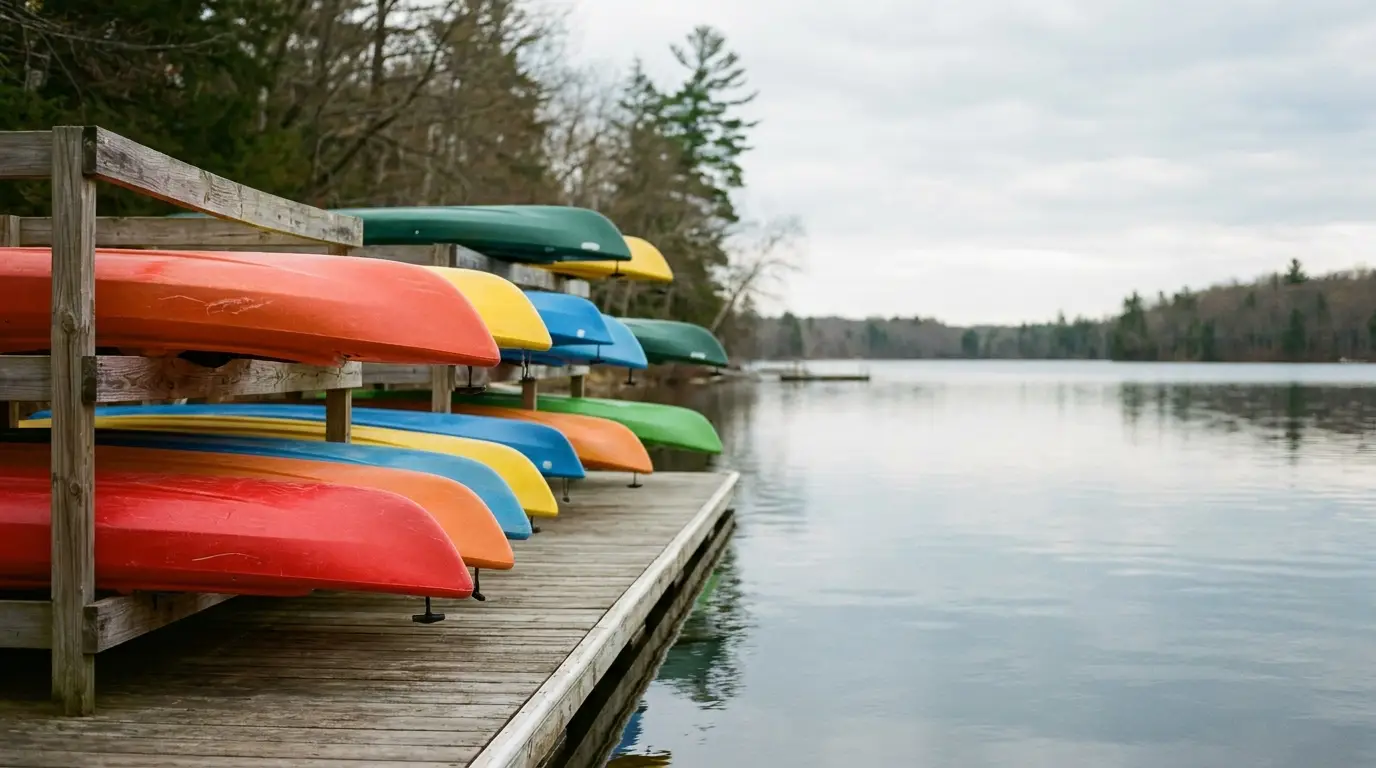
Most paddlesports outfitters operate on a highly seasonal model, generating the vast majority of their annual revenue during peak spring and summer months. Managing these drastic cash flow fluctuations requires proactive financial planning.
- Maintain Off-Season Operational Reserves: Allocate a fixed percentage of peak-season revenue into a business savings account to cover fixed overhead, such as insurance premiums, storage fees, and lease payments, during slow winter months.
- Leverage Flexible Financing for Pre-Season Prep: Fleet expansion and pre-season equipment maintenance often occur before summer revenue begins to flow. Establishing a business line of credit or utilizing vendor financing terms allows you to acquire inventory early without draining winter cash reserves.
- Track Unit-Level Expenses: Monitor maintenance and repair costs per watercraft. Tracking per-unit revenue against upkeep expenses helps you determine the exact point at which an aging kayak should be retired or sold off to the private market.
4. Safety Protocols, Risk Management & Marketing
Customer safety and brand reputation go hand-in-hand in the outdoor recreation industry. Clear safety protocols reduce liability while creating positive experiences that drive repeat bookings and word-of-mouth marketing.
- Implement Standardized Safety Briefings: Require every guest to undergo a brief orientation covering water safety, route navigation, weather awareness, and basic paddle strokes before launching.
- Monitor Local Conditions: Establish strict, non-negotiable protocols for weather delays, high-wind warnings, and water flow rates.
- Partner with Local Tourism Networks: Build relationships with local hotels, visitor bureaus, campgrounds, and eco-tour operators to drive steady booking referrals. Offering guided sunset tours or beginner group clinics can also boost high-margin revenue during weekday lulls.
Building a Thriving Paddlesports Business
Launching a paddlesports outfitter offers far more than a business venture, it creates a gateway for people to connect with nature, build confidence on the water, and create lifelong outdoor memories. While the journey from passion project to thriving enterprise requires careful navigation of equipment selection, operational risk, and seasonal cash flow, the rewards of building a community-anchored watersports brand are exceptional.
By grounding your business in durable gear, robust safety standards, and disciplined financial management, you establish a resilient foundation that can withstand industry shifts and seasonal tides. As you prepare to launch your fleet, remember that every successful excursion begins with a clear plan. With the right strategies in place, your outfitter enterprise will not only weather the changing seasons but flourish as a profitable, fulfilling adventure for years to come.