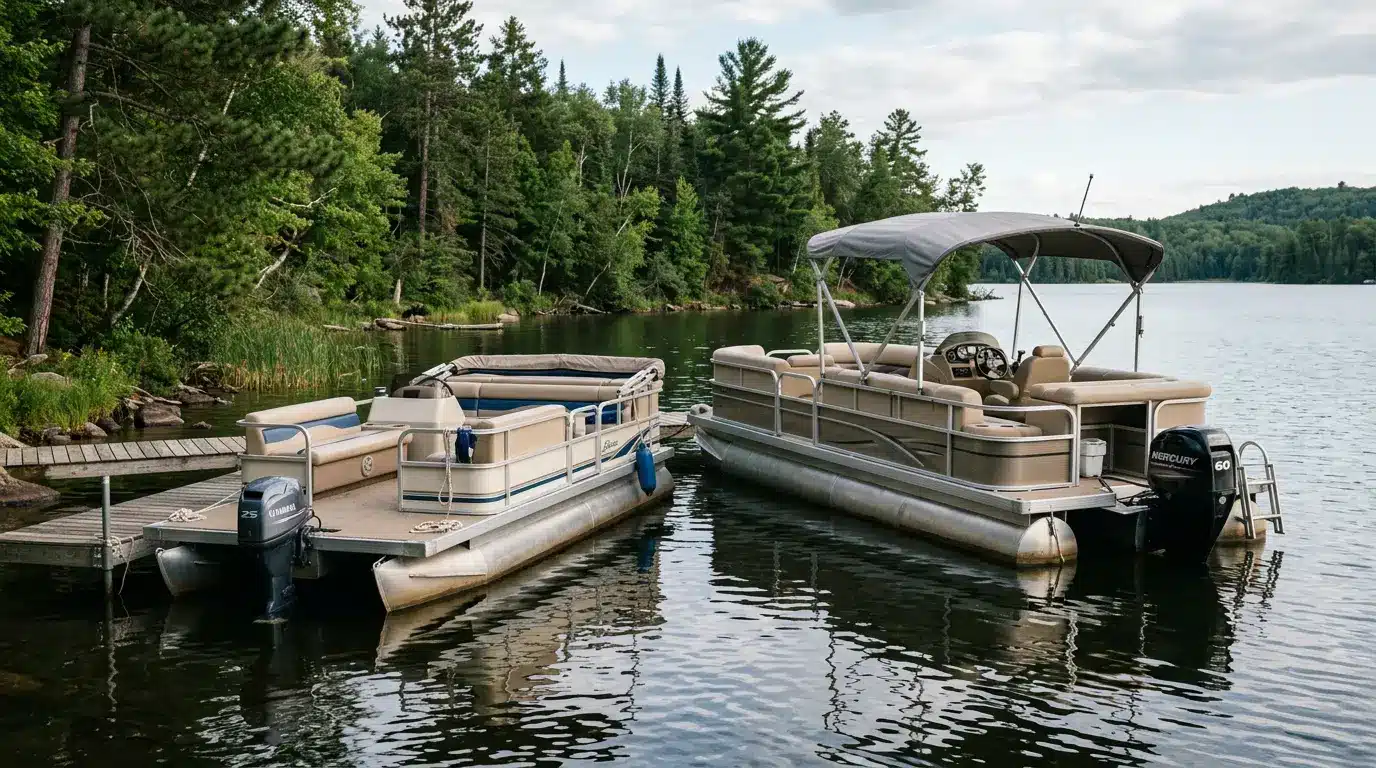

Water finds its way into a boat more often than most owners realize, whether from rain, waves, or a small leak near the hull.
A bilge pump handles that water before it turns into a bigger issue, and knowing how it works helps you trust the system when you need it most.
From the moment water collects in the lowest part of the boat to the point it exits through the discharge hose, each part of the pump plays a specific role.
Kayak owners running a bilge pump kayak motor setup deal with this same process on a smaller scale, since low sides let water in just as easily.
What is a Bilge Pump
A bilge pump is a small but essential device that removes unwanted water from the lowest part of a boat, helping keep the vessel stable and safe on the water.
Understanding what a bilge pump is starts with knowing why boats need one, since leaks, rain, waves, and spray can all send water into the hull over time.
Most boats, including smaller kayaks equipped with a bilge pump and kayak motor, rely on this system to prevent water from accumulating and disrupting balance.
The pump usually sits in the lowest section of the hull, right where water naturally settles, making it easy to clear before it affects performance.
How a Bilge Pump Works Step by Step to Remove Water
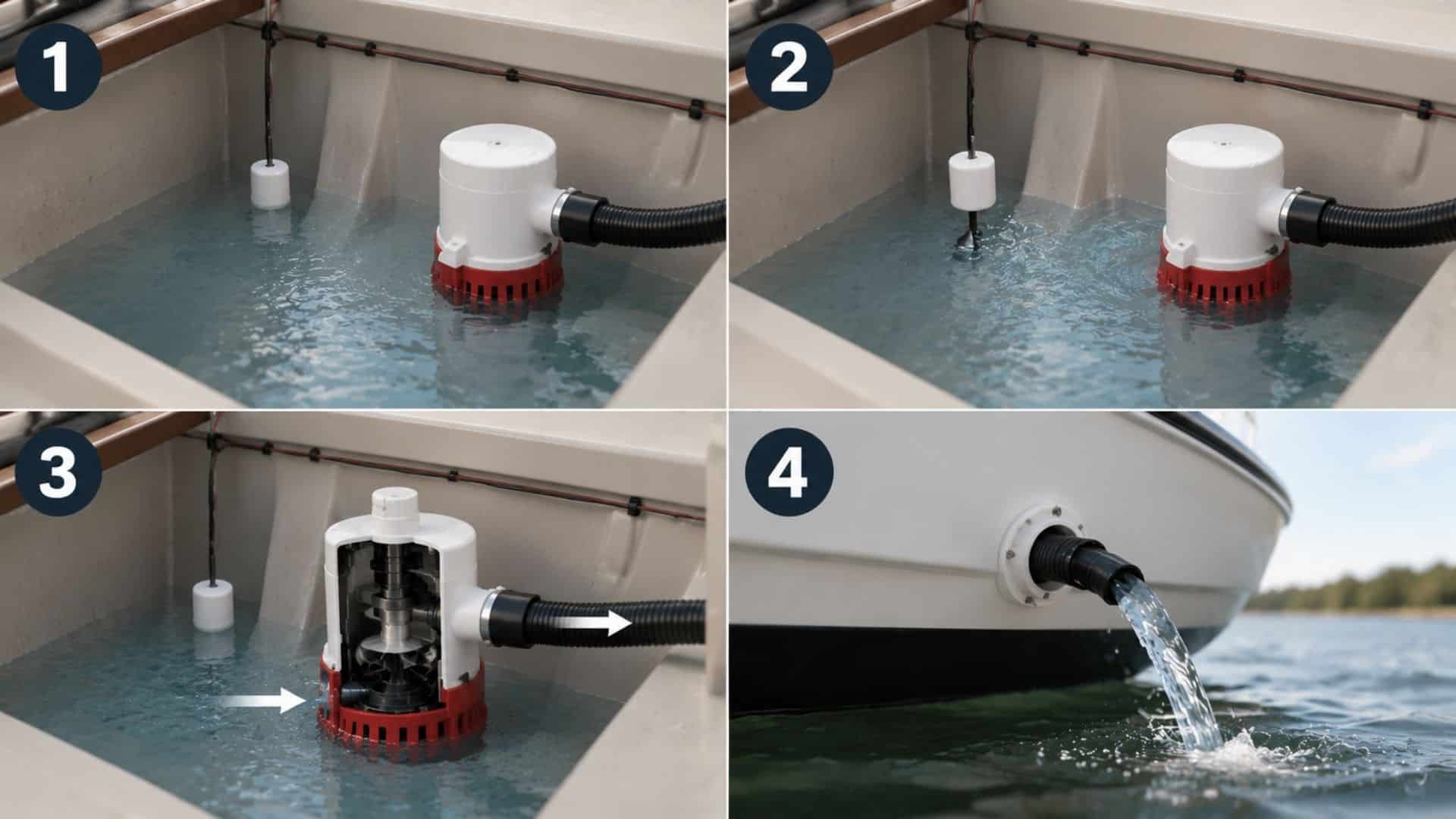
A bilge pump moves water out of a boat through a simple but reliable process. From the moment water collects to the point it exits the hull, each step keeps the boat balanced and safe on the water.
Step 1: Water Collects in the Bilge Area
Water finds its way into the lowest part of the boat through leaks, rain, waves, or spray splashing over the side during a ride. Since this area sits below the waterline, gravity naturally pulls stray water toward it.
Over time, this buildup can affect balance if left unchecked, which is why setups like a bilge pump for a kayak motor need a dependable, quick-responding system.
Step 2: Pump Activation Begins the Process
Once water rises to a certain level, the pump needs a trigger to start working. Many boats use a float switch that senses rising water and automatically turns the pump on.
Smaller boats or kayaks often rely on a manual switch instead, giving the operator direct control over activation. Either way, this step marks the shift from still water to water being cleared from the hull.
Step 3: Pump Mechanism Moves Water Through the System
In most electric pumps, an impeller sits at the center of the process, drawing water in and pushing it through an internal chamber. This spinning motion creates enough force to keep water flowing.
As the impeller operates, it prevents water from pooling in the bilge area, directing it toward the discharge point and keeping the entire system functioning smoothly.
Step 4: Water Is Discharged Out of the Boat
After moving through the pump chamber, water travels through a hose connected to an outlet above the waterline. This placement stops outside water from flowing back into the boat once the pump finishes its job.
Many setups also include a check valve or a vented loop near the discharge point to prevent water from siphoning back down the hose when the pump shuts off.
The discharge point releases water safely away from the hull, completing the cycle and keeping the boat dry inside.
Main Types of Bilge Pumps Used in Boats and Kayaks
Bilge pumps come in a few main styles, each suited to different boats, kayaks, and situations where water removal needs vary.
Manual Bilge Pumps for Emergency Use
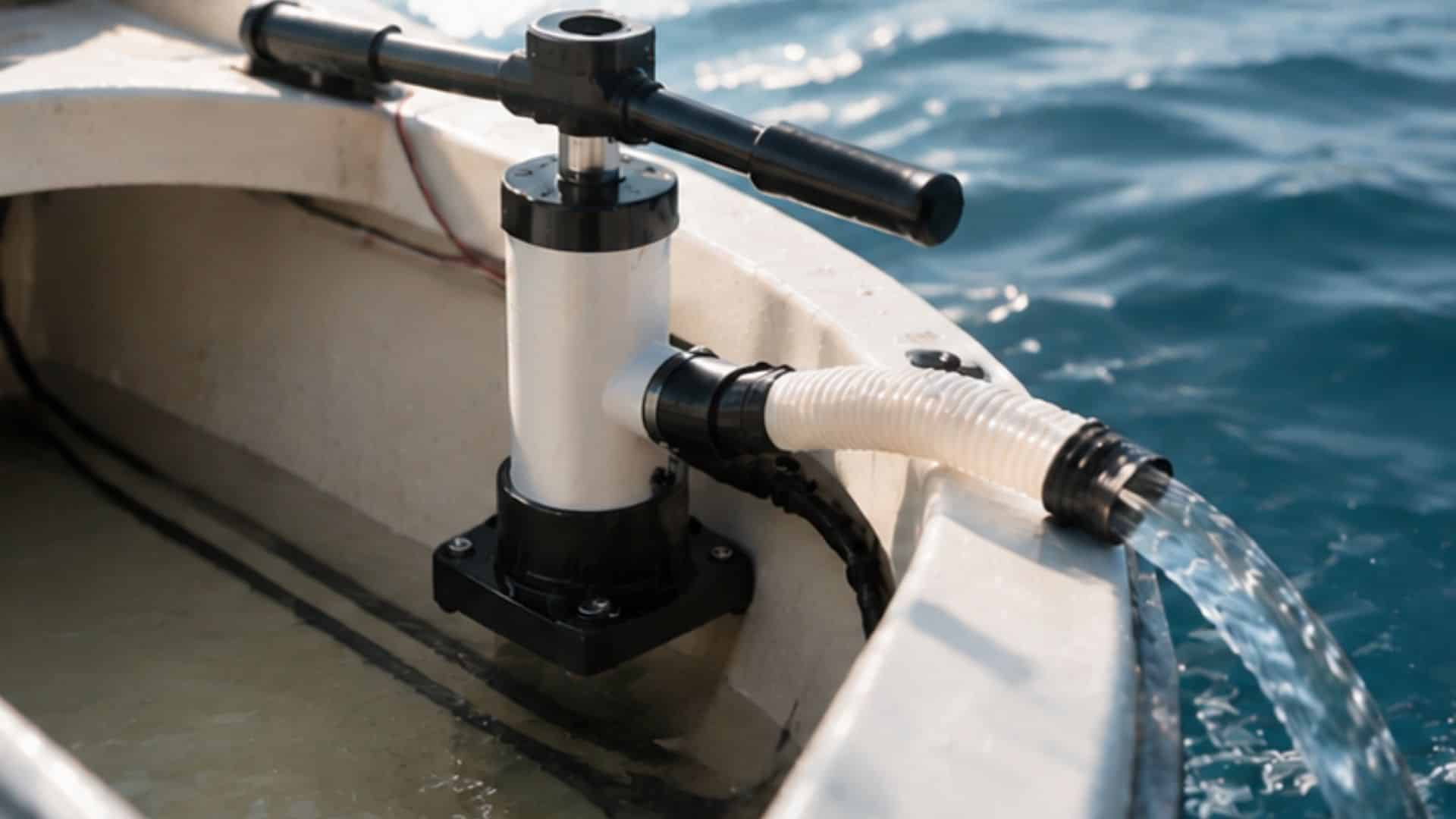
Manual bilge pumps are hand-operated and rely on physical effort rather than electricity to move water out of the hull. They work well as a backup when battery power fails or during emergencies where a quick, dependable option is needed.
Many boaters keep one on board alongside an electric setup, since a manual pump never depends on a charge or wiring to function properly.
Electric Automatic Bilge Pumps
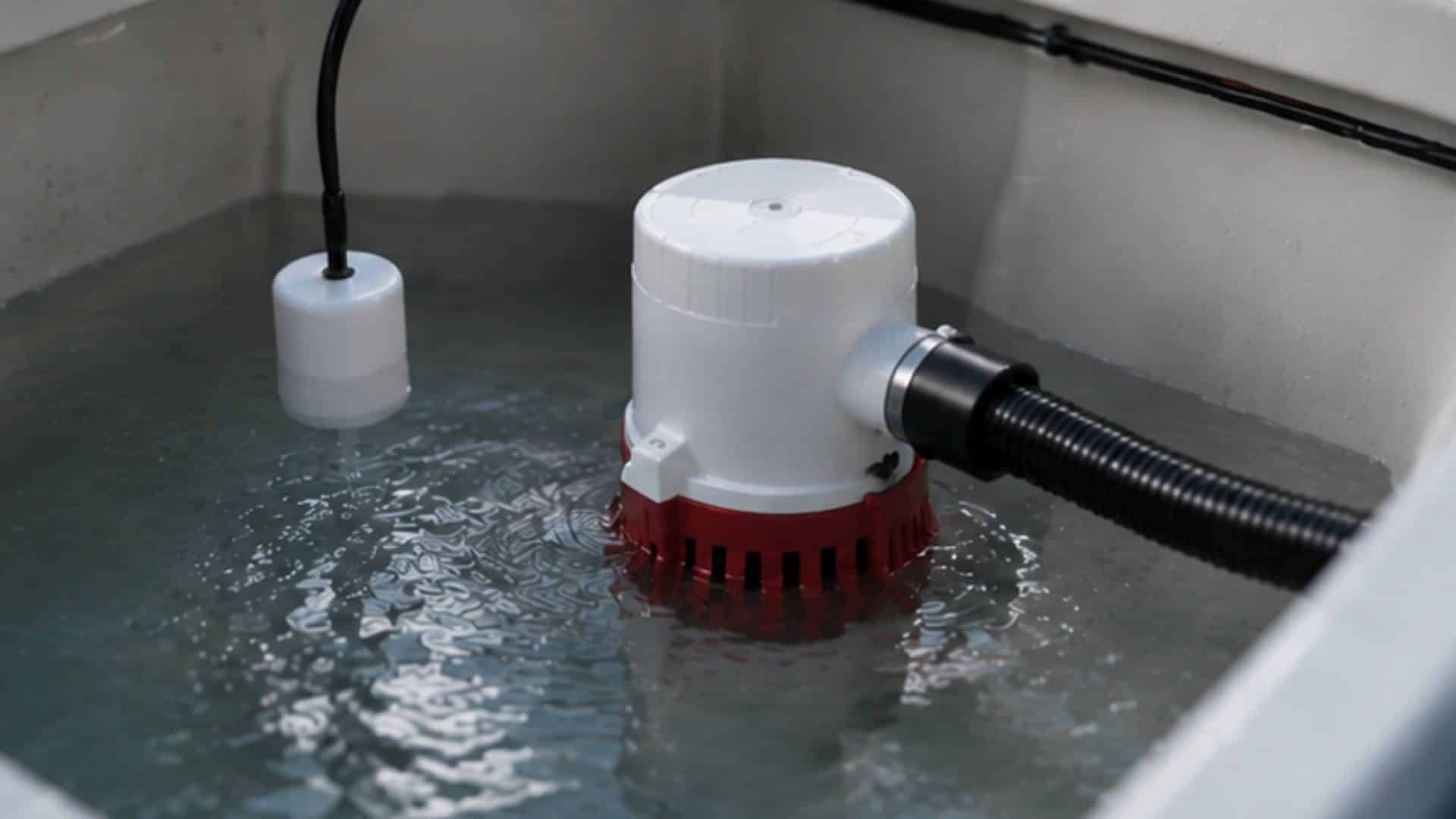
Electric bilge pumps run on battery power and activate automatically via a float switch that detects rising water levels inside the hull. This automation removes the need for constant monitoring during a trip.
Once water reaches a certain level, the switch instantly triggers the pump, making this type a popular choice for boats that spend extended periods on the water without close supervision.
Compact Pumps for Small Boats and Kayaks
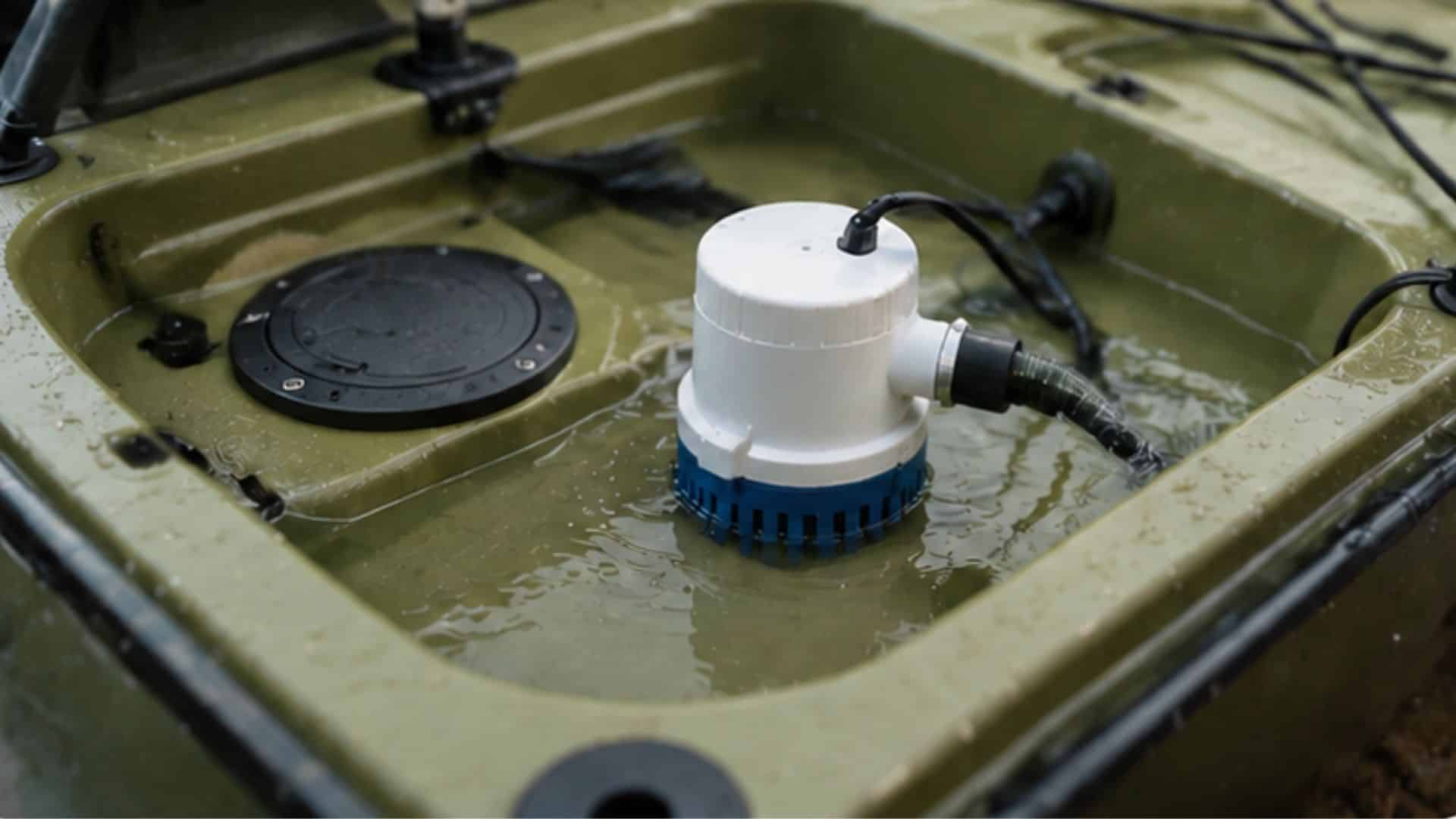
Compact bilge pumps are built for tight spaces, making them a practical fit for kayaks and smaller boats with limited space. Despite their smaller size, they still handle water removal effectively.
These lightweight systems pair well with a kayak trolling motor, and choosing the right trolling motor pairing keeps small vessels dry without adding unnecessary bulk or weight to the boat.
Diaphragm Bilge Pumps for Debris-Heavy Water
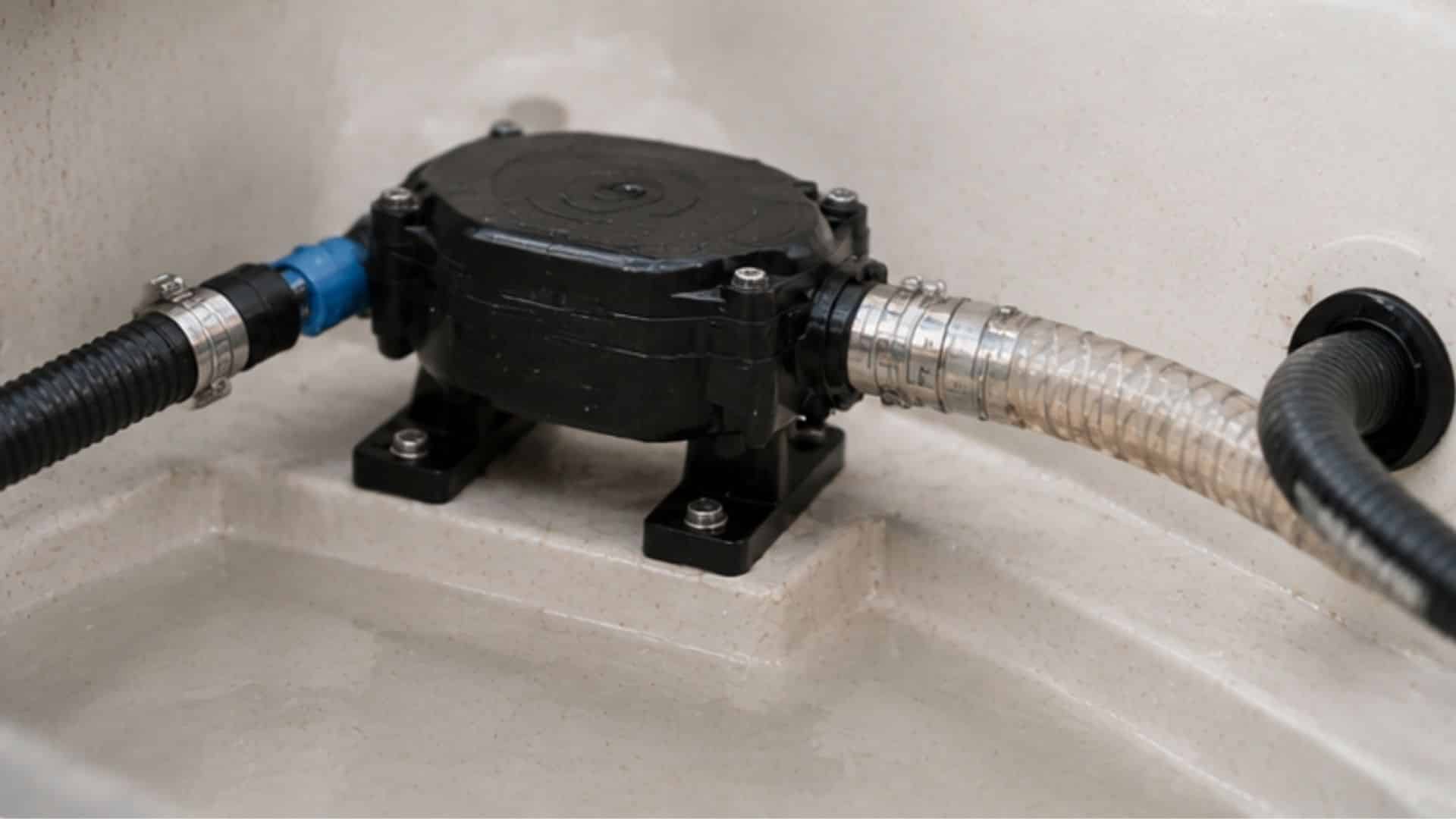
Diaphragm pumps use a flexible membrane instead of an impeller, which lets them handle small debris, such as sand or leaves, more easily without clogging. They can also run dry for short periods without damage, unlike centrifugal pumps.
These pumps typically mount above the bilge rather than sit submerged, making them a common choice for boats where the bilge water isn’t always clean.
Which Bilge Pump Type Works Best for Your Boat Size
Choosing the right bilge pump largely depends on how many gallons per hour, or GPH, it can move relative to your boat’s length. A pump rated too low struggles to keep up during heavy water intake, while an oversized pump adds unnecessary battery draw on smaller boats.
| Boat Length | Recommended GPH Rating | Typical Use |
|---|---|---|
| Under 16 feet (kayaks, inflatables) | 300 to 500 GPH | Light drainage from rain or splash |
| 16 to 26 feet (fishing boats, runabouts) | 750 to 1,100 GPH | Regular drainage during longer trips |
| Over 26 feet (cabin cruisers, larger boats) | 1,500 GPH or higher, often with a second backup pump | Continuous drainage plus redundancy |
Sit-inside sea kayaks that see rough water or frequent wet exits often run a pump closer to 500 to 1,100 GPH rather than the low end of this range, since a swamped cockpit holds more water than a light rain splash.
Bilge Pump Kayak Motor Setup and How It Works
Kayaks take in water easily because of their low sides and open design, and a kayak classified as a boat under most regulations still benefits from the same bilge pump support system anyone spending long hours on the water would rely on.
Without one, small amounts of water can quickly accumulate and compromise stability.
In a bilge pump kayak motor setup, the pump handles water removal while the motor keeps the kayak moving and balanced, letting both parts work together without competing for attention.
Powering this combination usually comes down to a lightweight battery system, since it needs to run both components efficiently without adding extra weight or draining the battery too quickly during a paddling or fishing trip.
Key Components That Make a Bilge Pump System Work
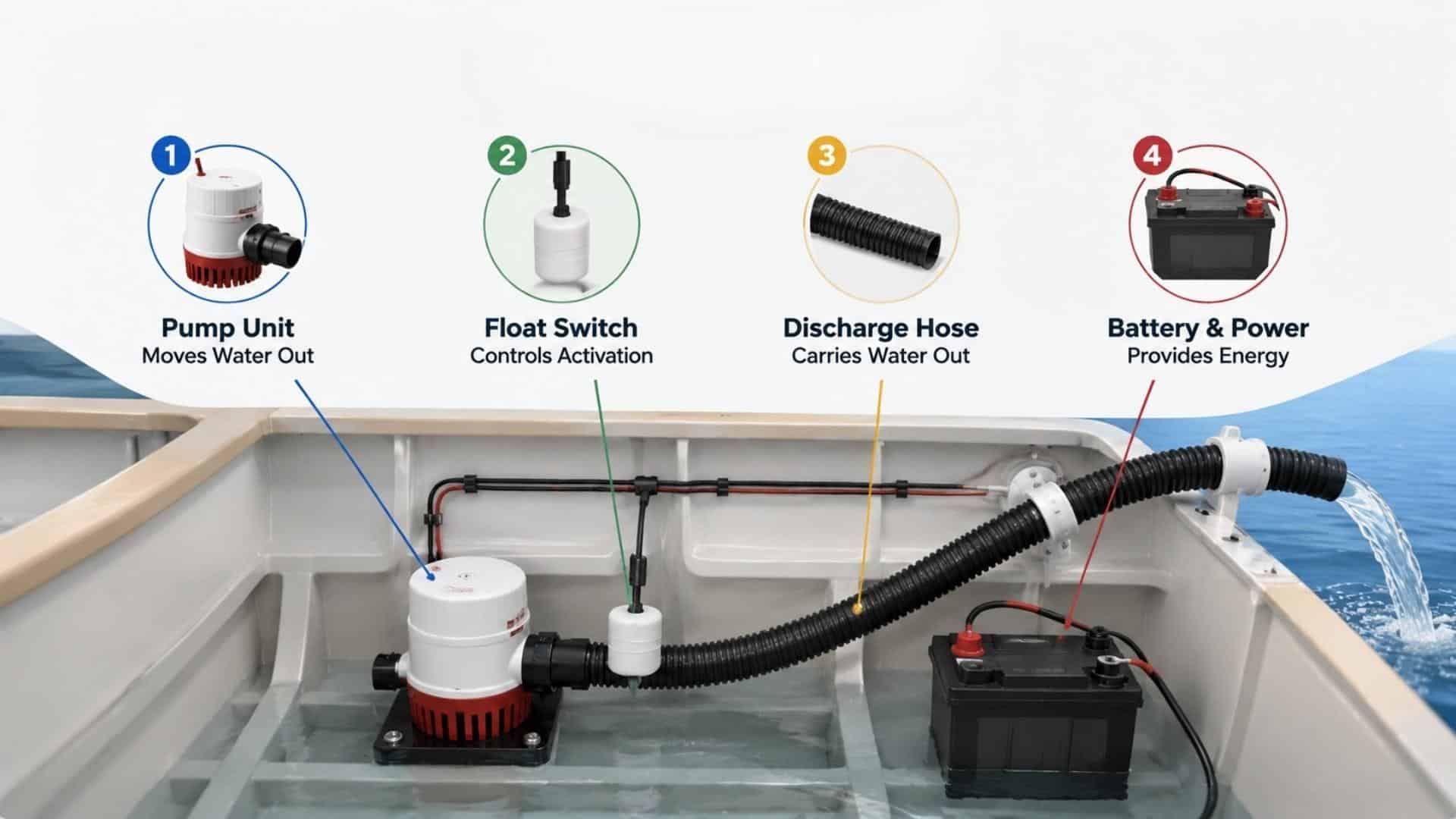
A bilge pump depends on a few key parts working together, and understanding each one makes it easier to keep the entire system running smoothly on any boat.
- Pump Unit That Moves Water Out: This is the main device responsible for drawing water from the bilge and efficiently pumping it out of the boat.
- Float Switch That Controls Activation: This part detects rising water levels and automatically triggers the pump, removing the need for constant manual monitoring during use.
- Discharge Hose That Carries Water Out: This hose channels water removed from the boat safely outside the boat, releasing it above the waterline so it cannot flow back in.
- Battery and Power Connection Setup: This setup provides the energy the electric pump needs to operate, keeping the system running reliably during longer trips.
Together, these components keep water moving out efficiently, helping the boat stay dry, stable, and safe on the water.
Installation Layout and Practical Setup Guide
A proper installation layout keeps a bilge pump working at its best by covering placement, hose routing, and wiring, ensuring the entire system functions safely and reliably over time.
| Component | Function Overview |
|---|---|
| Pump Placement | Positioned in the lowest hull area for maximum water collection efficiency |
| Hose Routing | Runs with minimal bends to prevent blockage and stop backflow into the boat |
| Wiring Setup | Includes fuse protection, switch control, and a secure battery connection for safe electric operation |
Getting the layout right from the start makes maintenance easier down the line and helps the bilge pump respond quickly whenever water begins collecting inside the hull.
Common Bilge Pump Problems and How They Affect Performance
Even a reliable bilge pump can run into issues over time, and knowing what causes these problems makes it easier to catch them early before they affect performance.
- Blocked Intake From Dirt or Debris: Dirt and debris can clog the intake area, reducing water flow efficiency and significantly slowing the entire pumping process.
- Weak Battery Power Supply: A weak or aging battery leads to slow pumping cycles or complete pump failure when power runs low unexpectedly.
- Incorrect Hose Routing Issues: Poor hose routing can reduce discharge efficiency or cause backflow, sending water back into the boat instead of out.
Spotting these issues early keeps the bilge pump running smoothly and avoids bigger problems later on.
Safety Risks When a Bilge Pump Fails
A failed bilge pump can quickly become a serious safety issue, especially when excess water builds up and affects the boat’s balance and control on the water.
Electrical failures in automatic systems, whether due to faulty wiring or power loss, can stop the pump from working exactly when it’s needed most, allowing water to collect unchecked.
These risks become even more serious during heavy weather, since storms and rough waves can send water into the boat faster than usual, turning a small malfunction into a critical safety concern within minutes.
Maintenance Steps for Reliable Long-Term Use
Keeping a bilge pump in good working order takes just a few regular checks, and staying consistent with these steps helps avoid bigger problems down the line.
- Regular cleaning prevents dirt and debris from clogging the intake area, keeping water flow steady and preventing buildup that slows pump performance over time.
- Routine testing confirms the float switch correctly triggers the automatic function, catching issues early before they lead to pump failure during actual use.
- Regular checks of the battery and wiring condition help prevent unexpected failures, keeping the electric pump ready whenever water starts to collect.
Staying on top of these steps keeps the bilge pump dependable for long-term, worry-free use.
|
Safety Practices for Using a Bilge Pump System Having a backup pump adds an extra layer of protection in case the main system fails unexpectedly while out on the water. Manual pumping works well as an emergency backup, ensuring drainage continues even during a power failure. Together, these safety practices help keep the boat stable and prepared for unexpected situations. |
Do You Need a Bilge Pump for Your Boat or Kayak
Small craft like kayaks and inflatables often take on water easily due to their low sides, and a bilge pump becomes part of good coastal paddling safety even for casual use on calm water.
This becomes even more important during longer trips, when small amounts of water can add up without anyone noticing right away.
Larger boats face similar concerns on a larger scale, which is why installed pump systems come standard on most models rather than being optional equipment.
A compact setup for a kayak or a full electric system for a larger boat both offer reliable drainage, helping keep the vessel steady throughout the trip.
Bilge Pump System Layout and Water Flow Inside a Boat
Understanding how water moves through a boat helps explain why placement and routing matter so much. From entry to exit, each stage plays a specific role in keeping the hull dry.
| Stage | Function |
|---|---|
| Water Entry and Collection Points | Water gathers in the lowest sections of the hull through leaks, rain, or spray |
| Pump Position and Flow Direction | The pump draws water from the bilge and directs it toward the discharge hose |
| Exit Path Outside the Boat | Water releases above the waterline, preventing it from flowing back inside |
This layout keeps water moving in one clear direction, helping the bilge pump handle drainage efficiently on any trip.
Conclusion
A bilge pump keeps working long after the excitement of a new boat wears off, quietly clearing water that would otherwise sit in the hull.
From the float switch to the discharge hose, each part has one job, and together they keep the boat dry trip after trip.
Matching pump type to boat size, staying on top of basic maintenance, and keeping a backup option ready all reduce the chance of trouble on the water.
A compact setup on a kayak or a full electric system on a larger boat both rely on the same core idea: move the water out before it becomes a problem.
Frequently Asked Questions
What Does a Bilge Pump Do on a Boat?
It removes water that collects in the lowest part of the hull, keeping the boat stable and afloat.
How Do I Know if My Bilge Pump Is Working?
Add water to the bilge and check that the pump activates and fully clears it.
Can a Small Boat or Kayak Use a Manual Pump?
Yes, manual pumps work well on kayaks and small boats without an onboard electrical system.
How Often Should a Bilge Pump Be Checked?
Check it before each trip and clean the intake area regularly.
Does Every Boat Legally Need a Bilge Pump?
Automatic bilge pumps are generally required on boats over 20 feet with sleeping areas, though most other boats include one for safety.