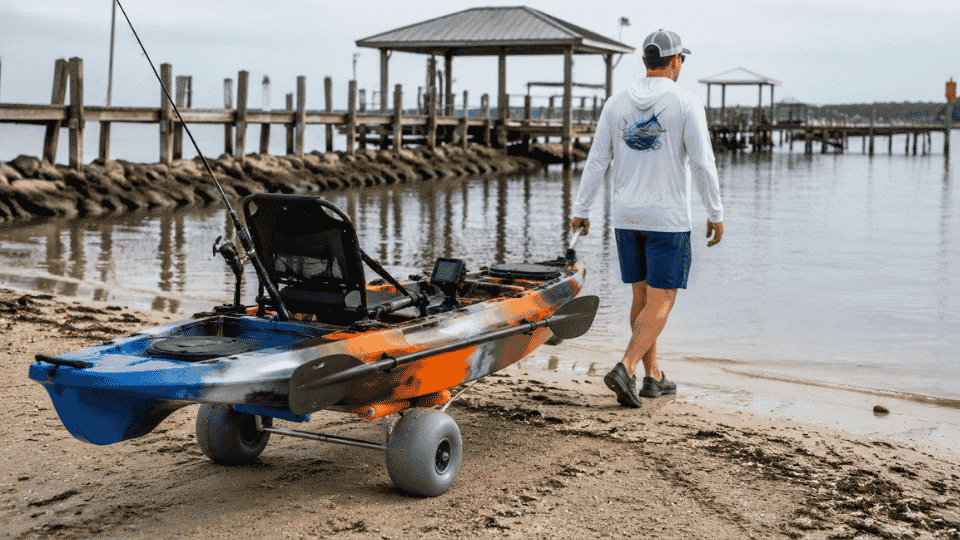
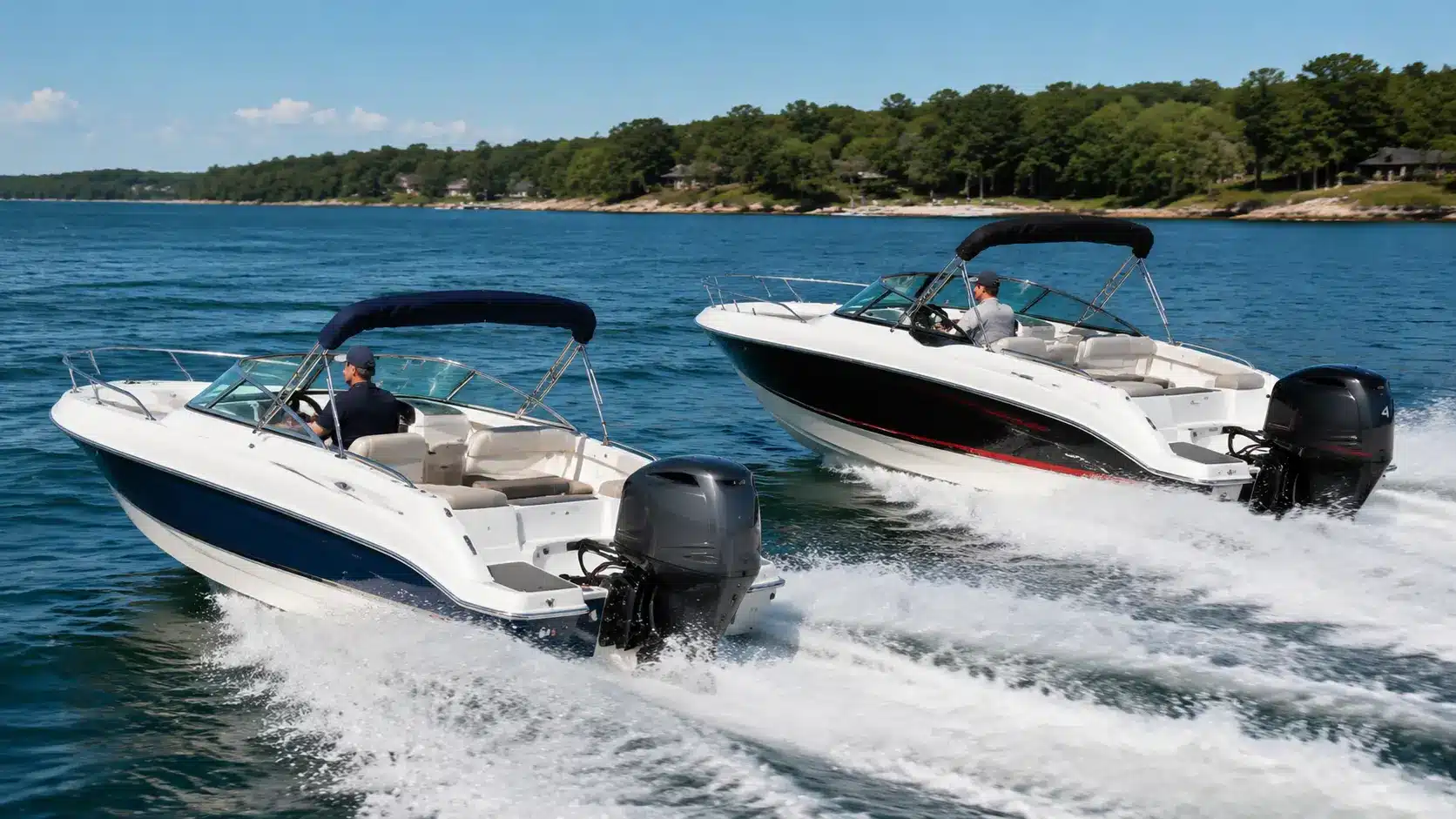
Choosing between engines often feels more confusing than it should.
When I compared 2-stroke vs. 4-stroke engines across outboards, dirt bikes, and motorcycles, one thing became clear: there is no universal winner.
Each engine has strengths that make it better for specific situations, whether you care most about weight, speed, fuel economy, maintenance, or long-term reliability.
In this guide, I break down how both engines actually work, where each one performs best, and how to match them to your specific riding or boating needs without the usual brand-driven bias.
How a 2-Stroke Engine Actually Fires
A 2-stroke engine completes its full combustion cycle in just one crankshaft revolution. I find it easiest to think of it as a continuous up-and-down exchange inside the cylinder.
As the piston rises, it compresses the air-fuel mixture above while drawing a fresh charge into the crankcase below. Near the top, the spark plug fires, pushing the piston back down with a power stroke.
That downward movement does two jobs at once: expelling exhaust gases through the exhaust port and drawing in a fresh fuel-air mixture for the next cycle.
Because it skips the separate intake and exhaust strokes, it fires every revolution rather than every two. This design gives 2-strokes a faster throttle response and a more aggressive feel, especially when quick acceleration matters.
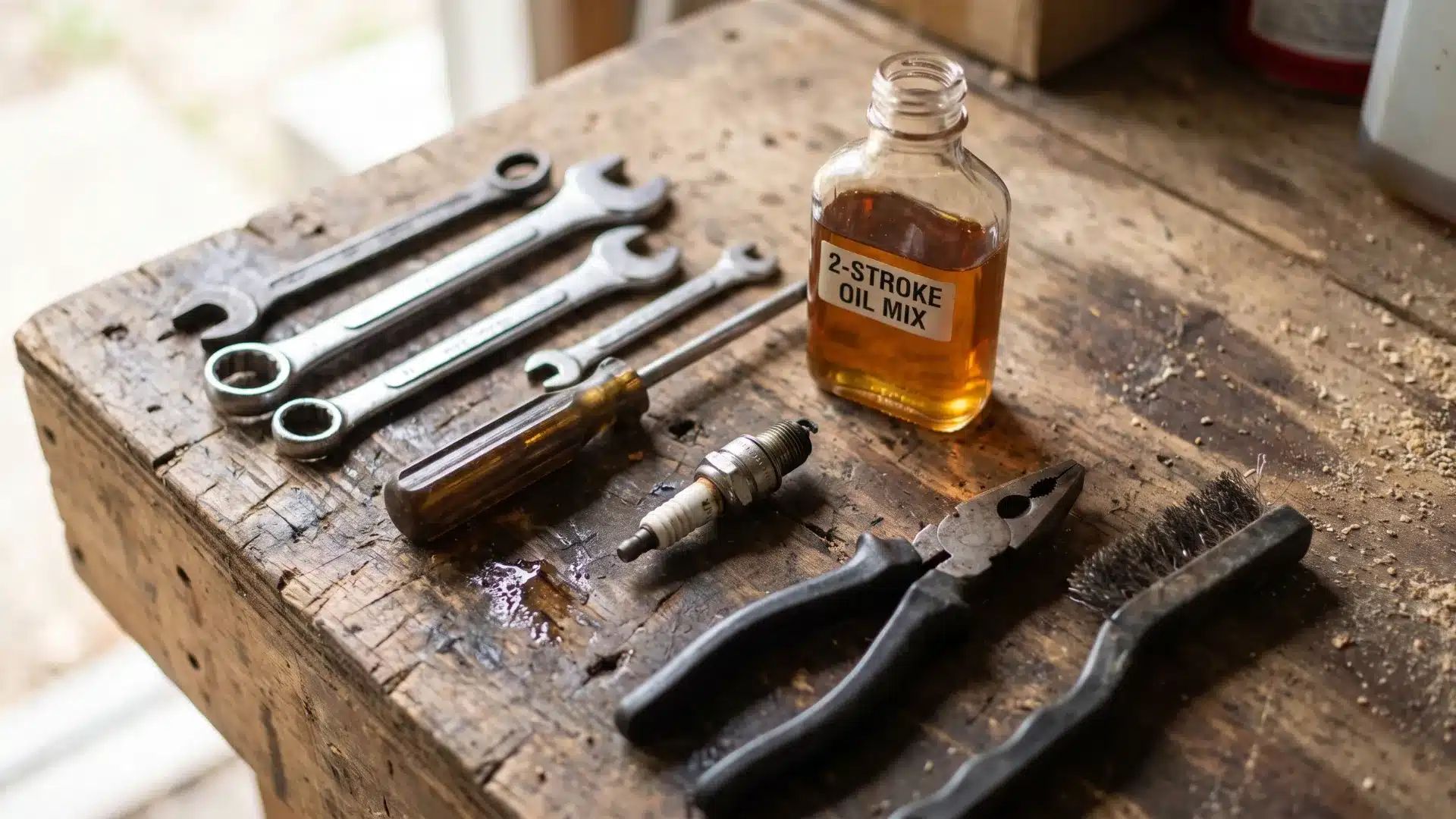
They also require oil to be mixed with fuel for lubrication, since there’s no separate oiling system, making correct fuel mixing essential for engine health.
How Does a 4-Stroke Engine Work?
A 4-stroke engine spreads combustion across four distinct piston movements over two crankshaft revolutions. I like to think of it as a controlled, step-by-step breathing cycle.
First, the piston moves down to draw in air and fuel through the intake valve. Next, it rises to compress that mixture tightly. At the top of the stroke, the spark plug fires, forcing the piston back down in the power stroke.
Finally, the piston rises again, pushing exhaust gases out through the exhaust valve. Because combustion occurs only every other revolution, the engine feels smoother, quieter, and more controlled at idle than a 2-stroke.
Another key difference is lubrication. Instead of mixing oil with fuel, a 4-stroke engine keeps oil in a separate crankcase. It circulates through the engine to reduce friction, then returns to the sump, thereby improving efficiency and reducing smoke.
Power and Performance Differences
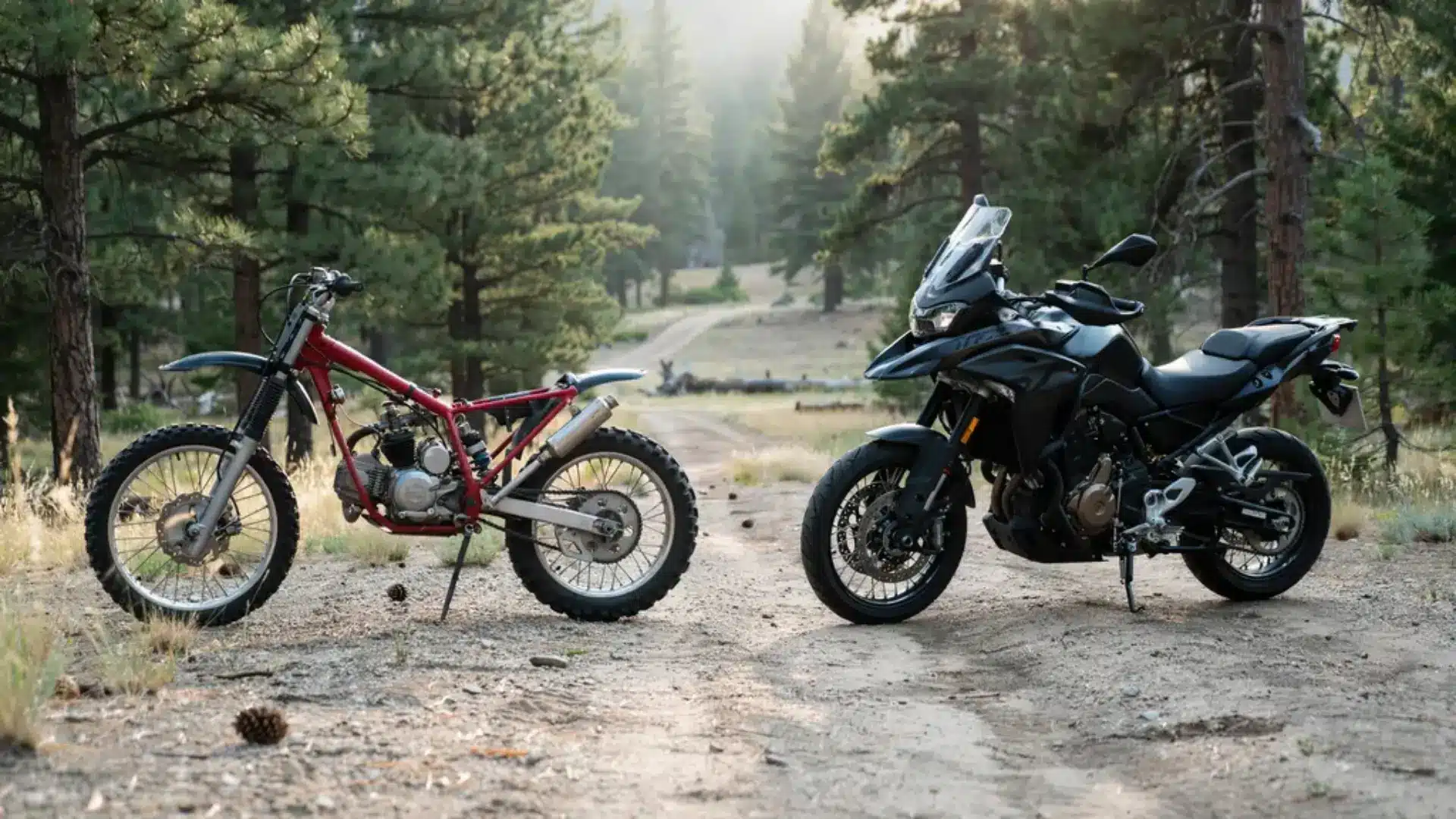
When raw power per pound matters, 2-stroke engines usually have the edge. Since they fire every crankshaft revolution, they deliver more frequent combustion events, which translates into a stronger power-to-weight ratio in compact builds.
This advantage shows up clearly in real-world use:
- Dirt Bikes: Lighter 2-stroke bikes accelerate faster and feel more responsive off the line, making them popular in motocross and enduro racing.
- Small Outboards: Portable engines under 15 horsepower often use 2-stroke designs so they can be carried and mounted by one person.
- Handheld Tools: Chainsaws and similar equipment rely on 2-stroke engines to deliver high output in a small, lightweight frame.
The trade-off is a narrower power band and faster wear on components like piston rings compared to 4-stroke engines. For riders who prioritize easy handling, quick acceleration, and low weight, that trade-off is often worth accepting.
Fuel Efficiency and Emissions Comparison
A 4-stroke engine is more fuel-efficient because it completes intake, compression, combustion, and exhaust in separate strokes. This allows more complete burning of fuel, improving mileage and reducing waste.
Emissions are also lower than those of older 2-stroke engines, which can lose part of the fuel-air mixture during the exhaust phase. This leads to higher hydrocarbon output and more environmental impact.
- Marine Rules: Strict EPA standards pushed cleaner 4-stroke and fuel-injected engines in outboard motors
- Off-Road Vehicles: Dirt bikes and ATVs follow emission limits that generally favor 4-stroke engines for compliance
- Modern 2-Strokes: Improved with fuel injection, but still slightly behind 4-strokes in efficiency and long-term emission control
Maintenance and Engine Lifespan Differences
Maintenance is where the difference between 2-stroke and 4-stroke engines becomes clear in everyday use. One is simpler to service but requires more frequent attention, while the other is more complex but built for longer intervals and greater durability.
| Factor | 2-Stroke Engine | 4-Stroke Engine |
|---|---|---|
| Oil setup | Mixed with fuel or injected separately | Stored in a dedicated crankcase reservoir |
| Moving parts | Fewer parts, simpler design | More components, including valves and a timing system |
| Service intervals | More frequent maintenance needed | Longer gaps between servicing |
| Common wear points | Piston rings, plug fouling | Valve train, timing chain, or belt |
| Lifespan | Shorter under heavy use | Longer with regular maintenance |
In practical terms, 2-stroke engines are easier and often cheaper to repair due to their simpler design, making them useful for DIY maintenance on dirt bikes or small outboards. However, they tend to wear faster under continuous load.
4-stroke engines cost more to repair, but they make up for it with longer service intervals and better long-term reliability.
Best Engine Choice for Different Uses
Choosing between a 2-stroke and 4-stroke engine depends on how you use it. 2-strokes are lighter and simpler, while 4-strokes focus on efficiency and durability. The right choice depends on the type of boating, riding style, and distance covered.
For smaller water adventures where motor power is not required, comparing options like kayaking vs canoeing can help you choose the right setup.
Outboard Motors and Personal Watercraft
Small 2-stroke outboards are still used because they are lightweight, easy to carry, and well-suited to short fishing trips or small boats.
If you are comparing personal watercraft options, learning how a jet ski works can help you understand how similar engine principles are adapted for water propulsion.
They are simple to operate but produce more noise and require more frequent maintenance. For longer trips, 4-strokes are usually preferred because they offer quieter operation and smoother cruising.
Dirt Bikes and Off-Road Riding
2-stroke dirt bikes are popular for their light weight and quick power, making them great for motocross and fast riding. They feel sharp but need more control.
4-stroke bikes deliver smoother, steady power that works better on long trails and rough terrain. They are easier for beginners and don’t need fuel mixing.
Motorcycles and Street Use
Most street motorcycles use 4-stroke engines because they are fuel-efficient, reliable, and compliant with emission regulations. They handle daily riding and long distances with ease.
2-stroke street bikes are rare today, mostly older or niche models. They are fun and fast but less practical for commuting, fuel economy, and modern regulations.
Noise, Smoke, and Daily Ownership Differences
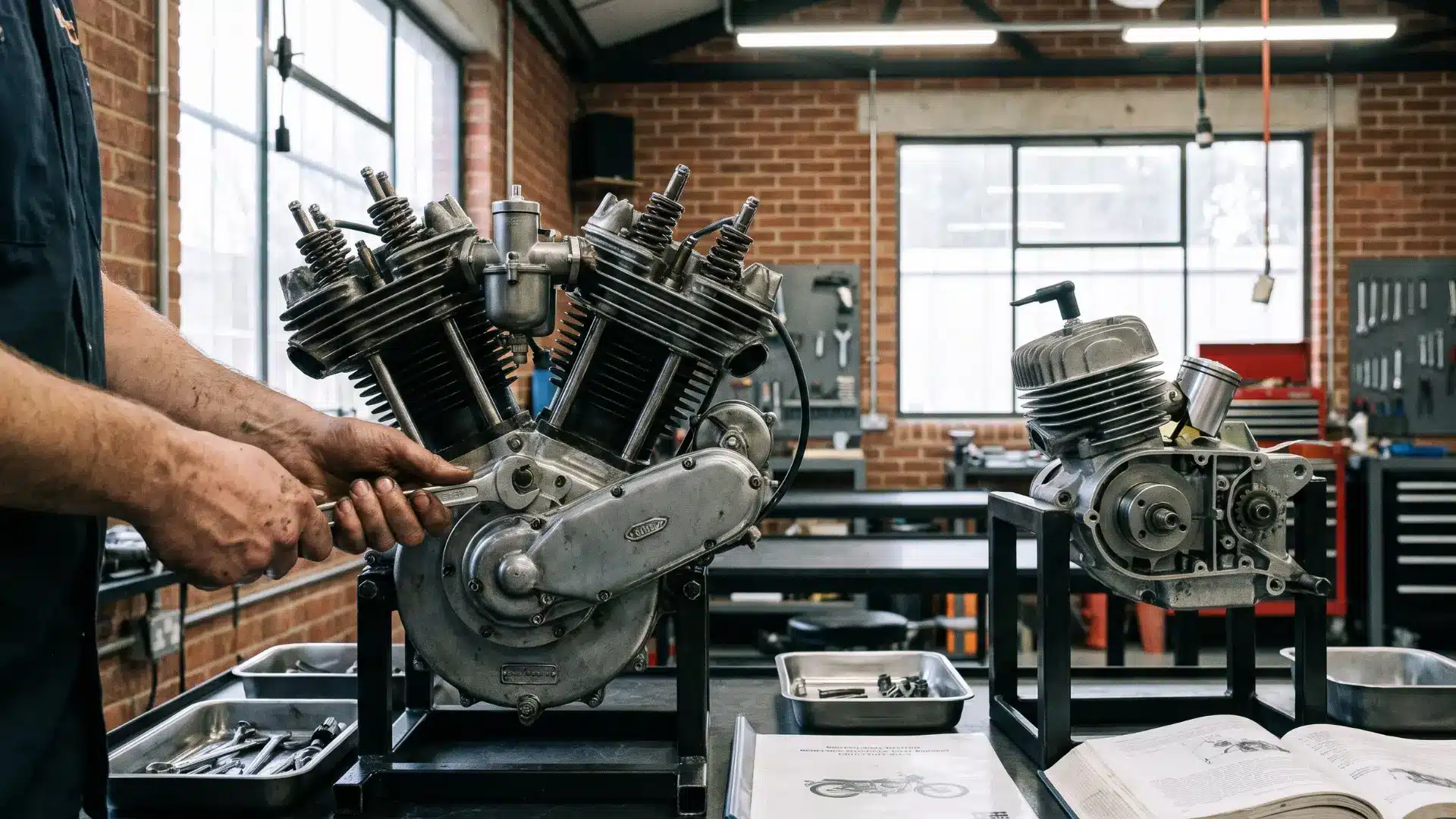
Beyond performance numbers, daily ownership reveals smaller differences. A 2-stroke delivers a louder, more traditional engine feel, while a 4-stroke feels calmer and more refined during everyday use.
A 4-stroke is cleaner and quieter, starts more reliably in cold weather, and idles smoothly at docks or traffic stops without the strong fuel-oil smell on your hands.
For anglers, noise matters even more when holding position or moving slowly. In that case, many compare gas outboards with mounting a trolling motor, since electric setups avoid the 2-stroke vs 4-stroke tradeoff completely.
Whatever you choose, local rules still matter. The U.S. Coast Guard’s Boating Safety Division provides guidance through boating safety resources, covering essential PWC and waterway regulations worth checking before making a purchase.
Conclusion
After comparing 2-stroke vs 4-stroke engines, the choice comes down to what matters most for your situation.
I still prefer a 2-stroke when weight, simplicity, and quick response are the priority, especially for portable equipment and small boats.
But for longer rides, daily use, and better efficiency, a 4-stroke is usually the smarter choice.
The best engine is not the one with the biggest advantage on paper. It is the one that matches how you actually ride, boat, maintain, and use your equipment.
Frequently Asked Questions
Is a 2-Stroke or 4-Stroke Better for a First-Time Rider or Boater?
A 4-stroke is usually the better starting point. Power delivery comes on more smoothly, there’s no fuel mixing to get wrong, and the engine forgives beginner mistakes more easily.
Are 2-Stroke Outboard Motors Still Available?
Yes, mostly in smaller sizes under 25 horsepower. Modern versions use direct fuel injection instead of carburetors, which significantly reduces emissions and fuel waste compared to older designs.
Can You Run 4-Stroke Oil in a 2-Stroke Engine?
No. A 2-stroke needs oil formulated to burn cleanly with fuel, while 4-stroke oil is designed to circulate without burning. Mixing them up causes fouling and long-term engine damage.
Which Engine Type Lasts Longer Overall?
A 4-stroke engine typically lasts longer under normal use, since combustion is more complete and wear is lower. A 2-stroke can still last for years with correct maintenance.