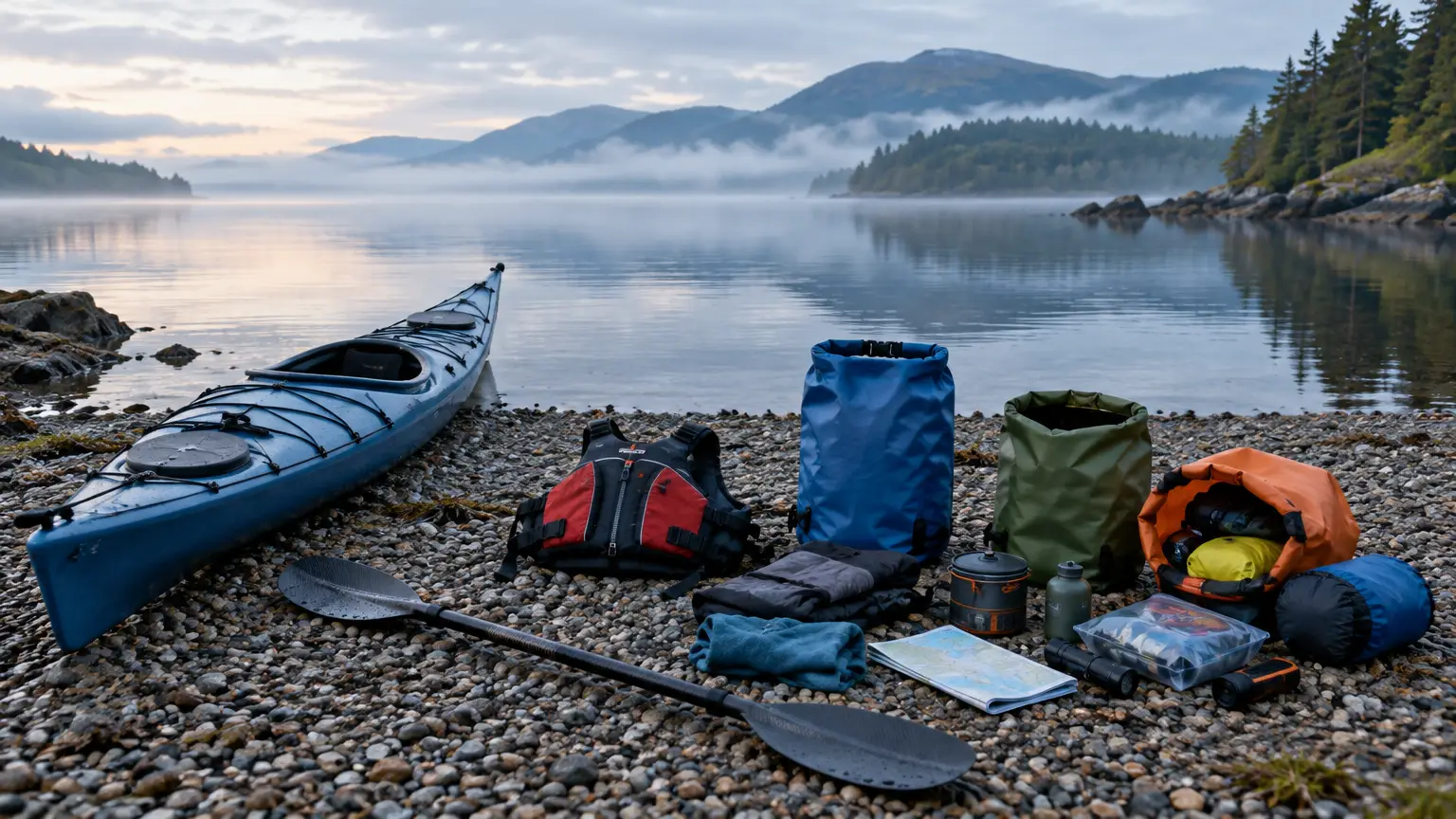
Kayaking in 2026 is more accessible than ever, with equipment becoming lighter, more comfortable and easier to transport. At the same time, the growing selection can make packing complicated. The best approach is to prioritise safety and suitability before considering specialist accessories or premium upgrades.
A Kayak Matched to the Trip
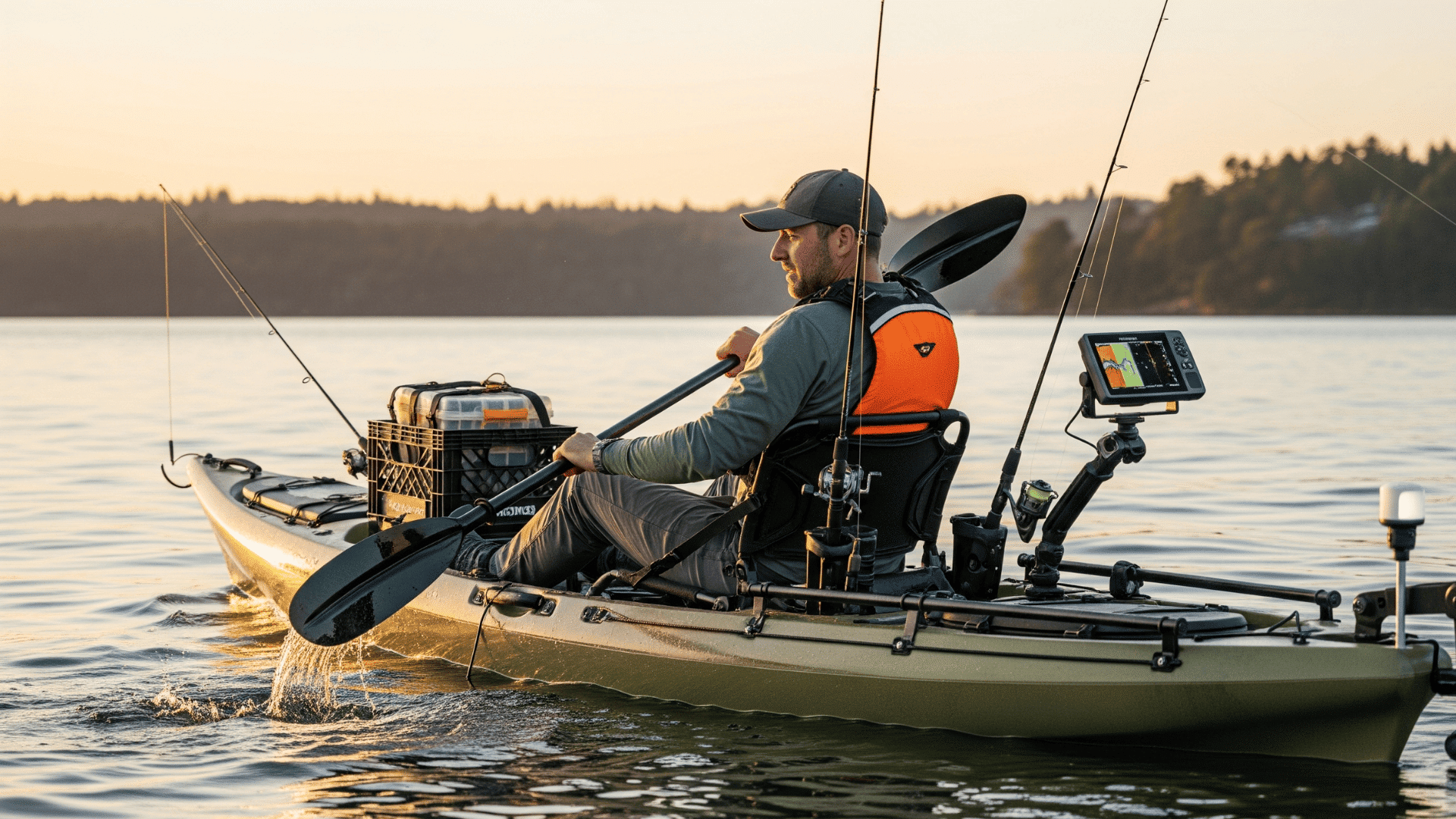
Your first requirement is a kayak designed for the water you intend to explore. Recreational kayaks work well on sheltered lakes and slow rivers, while touring and sea kayaks provide better tracking, storage and stability over longer distances. Fishing kayaks prioritise standing stability and accessory mounting, whereas modern inflatable models offer convenient storage for paddlers without roof racks or garages.
Among the more distinctive products gaining attention in 2026 is the Stellar Nomad LV, a performance sea kayak developed for smaller paddlers. The Mocean Ranger has also attracted interest by combining the accessibility of a recreational kayak with characteristics associated with sea kayaks.
Whatever design you choose, inspect the hull, drain plug, deck lines and storage hatches before departure. Inflatable owners should additionally carry the correct pump, pressure gauge and repair materials.
A Lightweight, Efficient Paddle
A paddle is your engine, so its weight and fit influence comfort throughout the day. Aluminium paddles remain affordable and durable, but fibreglass and carbon models reduce the effort involved in completing thousands of strokes.
The Werner Cyprus, Lendal Cadence and Aqua-Bound Sting Ray Carbon remain notable options for touring paddlers seeking lower weight and efficient blade shapes. One unusual 2026 introduction is the Gram Kajak split-carbon Greenland paddle, which uses replaceable tips to protect areas exposed to frequent wear.
Pack a spare paddle for exposed or remote journeys. Even an inexpensive two-piece model can prevent a broken or lost primary paddle from ending the trip.
A Properly Fitted Buoyancy Aid
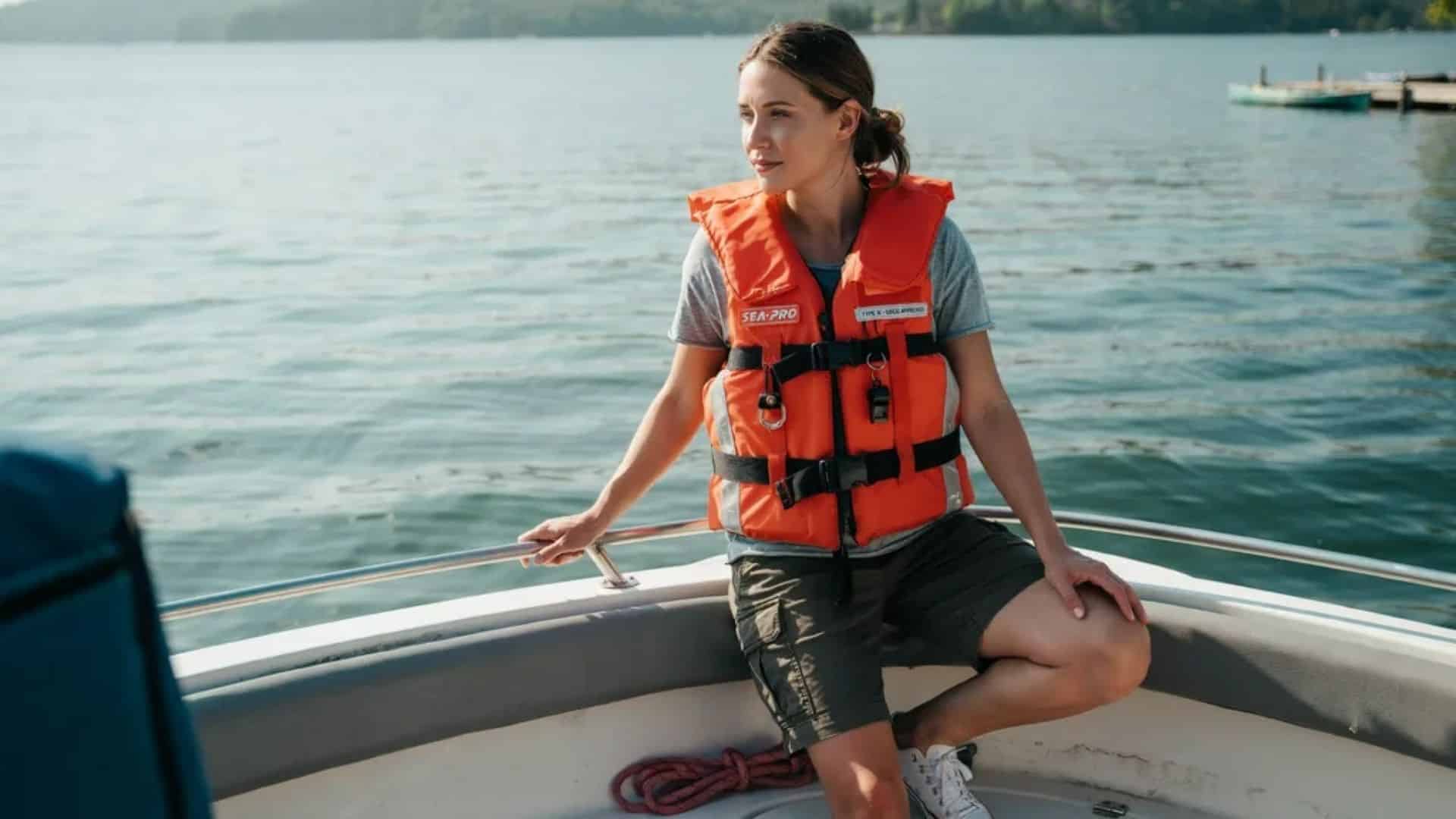
A paddling-specific personal flotation device or buoyancy aid should be worn whenever you are on the water. Choose one that provides unrestricted shoulder movement and does not interfere with the kayak seat. Adjustable straps, reflective details and accessible pockets are useful, but a secure and comfortable fit is more important than an extensive feature list.
The NRS Ninja and Astral V-Eight are among the prominent models in the 2026 market. A particularly interesting development is the expansion of NRS Orbit Fit across the brand’s PFD range. Its layered, pre-curved foam is intended to conform more naturally to the wearer’s body.
All this good equipment should help you take some time away from the screen. Whether your indoor downtime involves streaming programmes on Netflix, reading or playing blackjack games on DraftKings, kayaking provides an active contrast that depends on preparation rather than chance.
Clothing for the Water Temperature
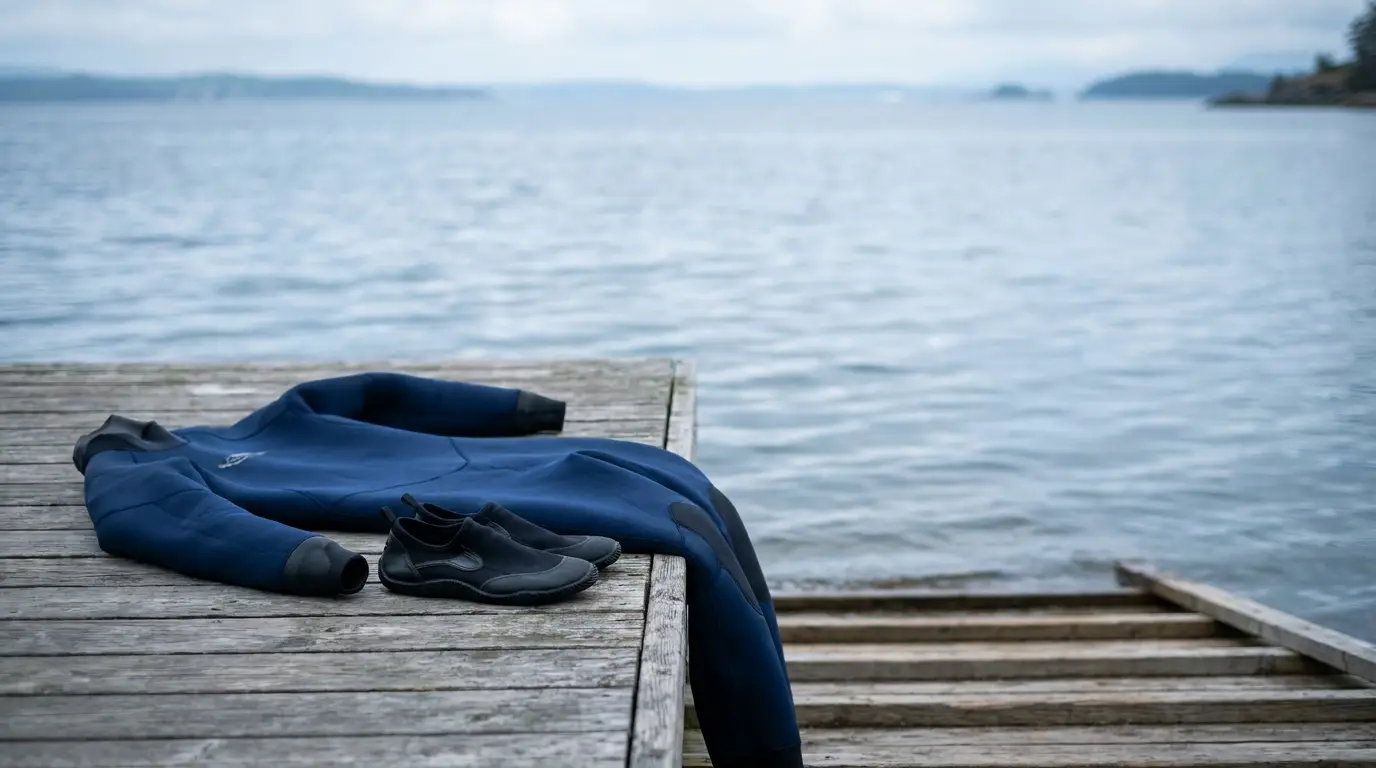
Dress for immersion, not simply for the temperature on shore. Quick-drying layers may be sufficient on warm, sheltered water, but cold-water and coastal trips can require neoprene clothing or a drysuit. Cotton is a poor choice because it retains water and loses insulation when wet.
The Kokatat Meridian remains a recognised premium drysuit, while newer comparisons also highlight the Gill Pro Drysuit and its PFAS-free three-layer fabric. Suitable footwear, gloves, a sun hat and thermal layers should be selected according to the season and conditions.
Waterproof Storage and Emergency Supplies
Use roll-top dry bags to separate spare clothing, food, electronics and emergency equipment. Smaller bags are generally easier to pack into a kayak than one oversized sack. A waterproof phone pouch is useful for frequent access, but critical items should still have additional protection.
Carry a compact first-aid kit, whistle, head torch, drinking water, high-energy food and sun protection. Coastal or whitewater paddlers may also require a tow line, rescue knife, throw bag, paddle float, bilge pump and spray deck. Knowledge matters as much as ownership, so practise using rescue equipment in controlled conditions.
Navigation and Communication Technology
A waterproof phone can support basic navigation, but it should not be your only option. Carry an appropriate map and compass, and study the route, tides, access points and forecast before launching.
Remote paddlers are increasingly turning to satellite communicators. The Garmin inReach Mini 2 combines tracking, satellite messaging and SOS functionality in a compact device, while the floating Garmin GPSMAP 79s is designed specifically for marine navigation. A handheld VHF radio can also be valuable on coastal journeys, although users should understand local licensing and communication procedures.
Transport and Comfort Accessories
Roof bars, straps, bow and stern lines, a cockpit cover and a kayak trolley can make transportation safer and easier. The Suspenz Tow & Go Bike Trailer is one of 2026’s more unusual products, providing a bicycle-based shuttle solution for many kayaks and canoes.
For overnight trips, add a compact tent, insulated sleeping system, stove and water-treatment method. Keep the load balanced and secure every item so that loose equipment cannot disappear during a capsize.
The strongest kayaking kit is not necessarily the newest or most expensive. It is equipment suited to the route, maintained properly and supported by sound judgement. Begin with the kayak, paddle, flotation, clothing and emergency essentials, then add innovative branded products only where they solve a genuine problem.