
“Is swimmer’s ear contagious?” is one of the most common concerns swimmers have after a day at the pool, and the direct answer is no.
Swimmer’s ear does not spread from person to person the way a cold or the flu does. It develops on its own inside a person’s ear canal after water stays trapped there.
It is not transmitted through casual contact the way a virus is, though sharing items that retain moisture, like towels or earbuds, carries a small indirect risk of transferring bacteria.
Many people assume it passed between swimmers when several people end up with sore ears on the same day, but shared water conditions explain that pattern far better than contagion ever could.
The bacteria behind it usually come from the water itself or from normal skin already on the body, not from another infected person.
What is Swimmer’s Ear?
Swimmer’s ear, also known as acute otitis externa, is an infection and inflammation of the outer ear canal, the tube leading from the outside of the ear to the eardrum.
It is usually a bacterial infection, though it can occasionally be fungal, and it remains limited to the outer ear canal and does not reach the eardrum or the structures behind it.
Anyone can develop swimmer’s ear, though it shows up most often in children and frequent swimmers.
The outer ear canal is the exact spot that gets affected, the narrow passage between the outside of the ear and the eardrum.
The eardrum and middle ear sit further inside and are usually not involved.
This is one reason swimmer’s ear behaves differently from infections that pass more easily between people.
Is Swimmer’s Ear Contagious?
This is the question at the center of swimmer’s ear, especially when several swimmers end up with sore ears after the same outing at the pool, lake, or ocean together.
- Not Passed Through Coughing or Touching: It does not spread through coughing, touching, or simply being near someone who already has the infection.
- Different From Viral Infections: Unlike viral illnesses such as a cold or the flu, swimmer’s ear develops inside the ear canal itself, not through contact with germs.
- Bacteria Come From Water or Skin: The bacteria involved usually come from exposure to water or from normal skin, rather than from one infected person to another.
- Shared Water Exposure Explains Group Cases: The same pool, lake, ocean, or humid environment exposes multiple swimmers to similar conditions, so each person can develop swimmer’s ear independently.
Group cases confuse people, but shared exposure explains the pattern, not person-to-person spread. Swimmer’s ear always starts inside each person’s ear canal, no matter how many are affected.
Why Do Multiple Swimmers Sometimes Get It at the Same Time?
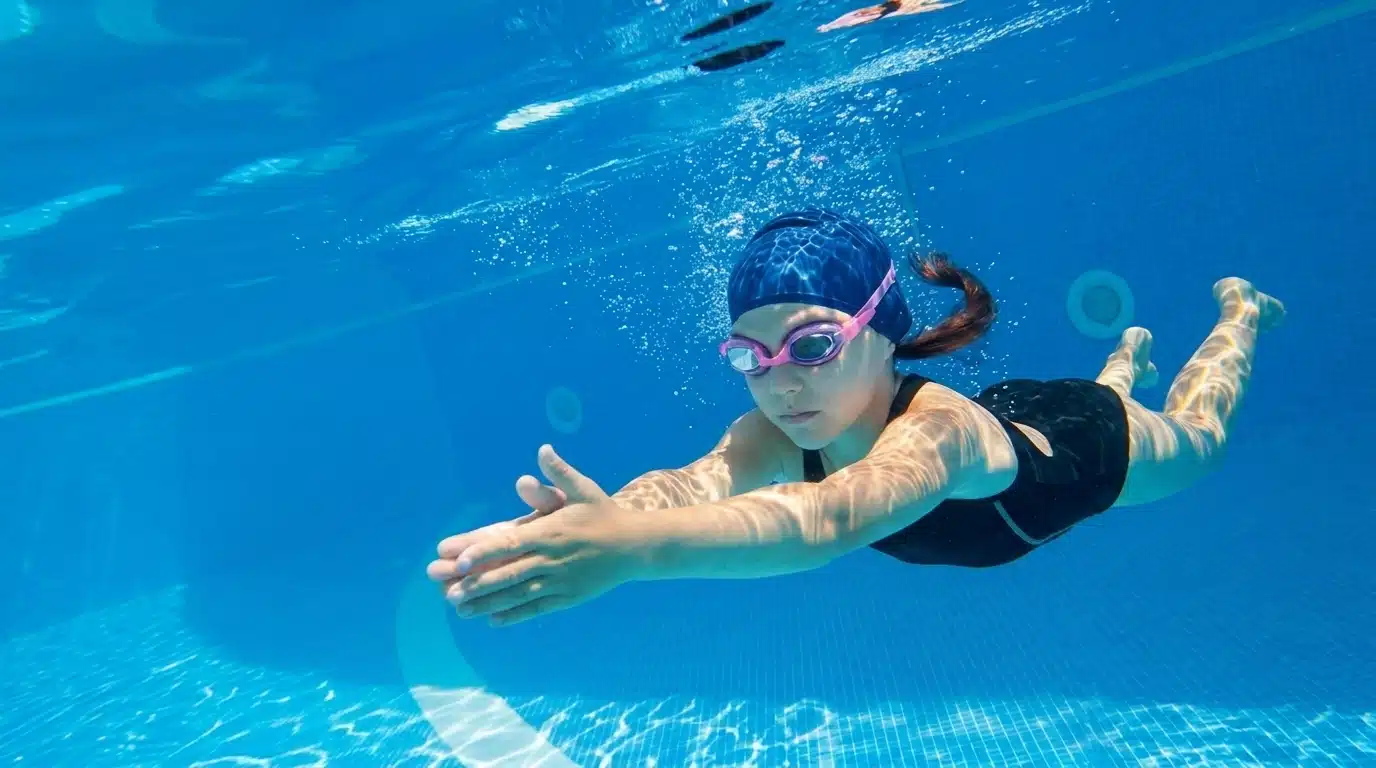
A shared pool, lake, ocean, or humid environment can expose several swimmers to the same conditions at once.
Under those conditions, each person can develop swimmer’s ear on their own, without catching it from anyone else.
Group cases confuse people, but shared exposure explains the pattern, not person-to-person spread.
Swimmer’s ear always starts inside one person’s own ear canal, no matter how many people are affected at once.
| The mechanism is simple: A shared pool, lake, or humid pool deck keeps everyone’s ears wet at roughly the same rate, and the same bacteria that live in that water get the same chance to grow in each swimmer’s ear canal. That’s a coincidence of exposure, not one infection jumping from person to person. |
Symptoms and Causes of Swimmer’s Ear
Swimmer’s ear follows a fairly consistent pattern of causes and symptoms. Knowing what to expect helps you catch a real infection early, rather than mistaking it for something else.
Causes:
- Water trapped inside the ear canal
- Damage to ear canal skin from swabs, scratching, or earbuds
- Exposure to contaminated pool, lake, or ocean water
Symptoms:
- Ear pain and tenderness
- Itching and irritation
- Drainage or fluid from the ear
- Redness, swelling, or temporary hearing changes
This combination usually points clearly to swimmer’s ear rather than a passing issue.
How is Swimmer’s Ear Treated?
Treatment for swimmer’s ear focuses on clearing the bacterial infection and letting the ear canal heal without extra moisture getting in the way, using a few standard steps.
| Step | What It Does |
|---|---|
| Prescription Ear Drops | Antibiotic drops target the bacteria |
| Keeping the Ear Dry | Prevents moisture from delaying healing |
| Pain Relief Options | OTC medication eases discomfort |
| Doctor-Cleaned Ear Canal | Clears debris so drops work better |
Finishing the full course of drops, even after you find relief from ear pain, reduces the risk of lingering or recurring infection during the same swim season, helping healing stay complete.
How Long Does Swimmer’s Ear Last?
Mild cases of swimmer’s ear typically start to feel better within a few days after treatment begins.
With proper care, most symptoms ease steadily over the following week, and many people feel back to normal well before then.
Moderate cases sometimes take a little longer, especially if treatment starts late or the ear stays exposed to more moisture during recovery.
Left untreated, swimmer’s ear tends to worsen rather than resolve on its own, with pain, swelling, and sometimes hearing changes that build over time.
Finishing the entire course of prescribed drops is important even after the pain disappears, since stopping early increases the risk of the infection returning.
How to Prevent Swimmer’s Ear?
Since swimmer’s ear starts with trapped moisture rather than contact with another person, prevention comes down to protecting your own ear canal every time you swim.
- Dry Your Ears After Swimming: Tilt your head to drain water, then finish with a towel or a low, warm setting on a hair dryer held nearby.
- Avoid Putting Objects Inside Your Ear: Cotton swabs and similar objects wear away the skin that normally keeps bacteria out.
- Use Ear Protection When Swimming: Swim caps and earplugs create a barrier that keeps pool, lake, or ocean water out of the canal.
- Leave Earwax Alone: Earwax naturally protects the ear canal, so avoid digging it out, as it can strip away this protective barrier.
The CDC recommends these same basic steps for anyone looking to avoid swimmer’s ear this season.
None of these habits takes much time, but doing them after every swim goes a long way toward keeping swimmer’s ear from starting in the first place.
Can You Swim With Swimmer’s Ear?
Doctors typically recommend staying out of the water until swimmer’s ear symptoms have fully cleared.
Continuing to swim while infected keeps the ear canal wet, which works against the drying and healing that treatment depends on.
Even a short swim can push more water against skin that is already irritated, adding to pain and swelling.
Showers deserve the same caution, since water can still reach the canal without a plug in place.
Most people are cleared to return to the water once pain, swelling, and drainage have fully resolved, usually within 1 to 2 weeks of starting treatment.
Checking with a healthcare provider first is worth doing if the infection took longer than expected to clear.
When to Contact a Doctor
Home care and a course of ear drops clear most cases of swimmer’s ear. A handful of signs mean it is time for a doctor to take a closer look.
- Severe Pain: Pain that feels intense or continues to worsen rather than easing with treatment.
- Fever: A fever alongside ear symptoms can indicate an infection that is beginning to spread.
- Increasing Swelling: Swelling that grows or extends beyond the outer ear itself needs a closer look.
- Hearing Changes: Any sudden or ongoing shift in hearing on the affected side deserves attention.
- Symptoms Not Improving: Pain, drainage, or swelling that has not eased within a few days of treatment.
Reaching out for care at the first sign of trouble keeps a routine infection from becoming harder to treat and gets you back in the water sooner.
Final Thoughts
Swimmer’s ear might feel like something you catch from another swimmer, especially when a whole group ends up with sore ears after the same day at the pool.
When people ask if swimmer’s ear is contagious, the answer stays clear: no, it comes from trapped water and bacteria growing inside your own ear canal.
Knowing the real cause makes it easier to treat quickly, protect your ears going forward, and stop worrying about catching it from someone else.
With the right ear drops, a dry ear canal, and a short break from swimming, most cases clear within one to two weeks.
If your ear starts hurting after a swim, do not wait it out. Book a doctor’s visit, start treatment early, and get back to enjoying the water with healthy, protected ears.
Frequently Asked Questions
Can You Catch Swimmer’s Ear From Sharing Earbuds Or Earplugs?
Sharing earbuds or earplugs can transfer bacteria between ears, so cleaning them or avoiding shared use lowers the small, indirect risk of infection.
Can Swimmer’s Ear Spread From One Ear To The Other?
Swimmer’s ear usually affects only one ear, though trapped water in both ears can lead to separate infections in each.
Does Swimming In The Same Pool As Someone With Swimmer’s Ear Increase Your Risk?
No, swimming in the same pool does not directly spread swimmer’s ear, since the infection comes from water exposure, not from another person’s presence.