
The wind hits hard. The water sprays everywhere. And the speed? It feels unreal.
There’s nothing quite like riding a jet ski for the first time. Even at moderate speeds, it feels way faster than it sounds on paper. That’s what makes jet skis so exciting and so addictive.
But how fast do jet skis go, exactly? The answer depends on the model, the engine, and the rider. Some jet skis top out at 40 mph. Others push past 70 mph right out of the dealership. And a few modified ones? They go even further.
Whether someone is planning to buy one, rent one, or is just plain curious, every question about jet ski speed gets answered here, in simple, easy-to-understand terms.
How Fast Does a Jet Ski Go?
Jet ski speed is not a one-size-fits-all answer; it largely depends on the type of model you’re riding. On average, most consumer jet skis fall somewhere between 40 and 70 mph, but the range is wider than most people expect.
Entry-level models, typically designed for beginners or family use, comfortably top out around 40–50 mph. Step up to a mid-range model, and you’re looking at speeds between 50–65 mph, plenty of punch for recreational riders.
High-performance jet skis, equipped with supercharged engines and race-tuned hulls, can push 65–75 mph right off the showroom floor. Beyond that, you’re entering modification territory.
To put it simply, the more horsepower under the hood and the sleeker the hull design, the faster it goes. But as you’ll see ahead, raw speed is only half the story on water.
Is 50 mph fast on A Jet Ski? (Speed on Water vs. Land)
Yes, 50 mph on a jet ski feels nothing like 50 mph in a car, and that’s not an exaggeration. When you’re behind the wheel of a car at 50 mph, you’re surrounded by a steel frame, a windshield, and a cushioned seat that absorbs most of the road.
On a jet ski, there’s none of that. You’re completely exposed, inches above the water surface, feeling every single wave hit the hull beneath you. The sensation is raw and immediate.
Wind resistance hits your full body, every chop in the water translates directly into vibration, and the unpredictability of the surface keeps your adrenaline spiked the entire time. Many first-time riders actually tap out around 35–40 mph because it simply feels too fast to handle comfortably.
So if someone tells you 50 mph on a jet ski is “just okay”, they’ve either ridden one a hundred times or they’re not being honest with you.
What Factors Affect Jet Ski Speed?
Not every jet ski is built the same, and not every ride plays out the same way. A handful of key factors determine your actual speed on the water.
- Engine Power and Horsepower: Engines range from 60 HP to 300+ HP. More horsepower means more speed, and supercharged four-stroke engines deliver the strongest, most consistent top-end performance.
- Hull Design and Rider Weight: Narrow, sleek hulls cut through water with minimal drag. Broader hulls trade speed for stability, and every extra pound of rider weight directly reduces your maximum mph.
- Water Conditions: Calm, flat water unlocks maximum speed. Choppy or rough water forces riders to throttle back for safety, often creating a 10–15 mph gap between comfortable riding speed and the speed at which they can throttle back.
- Rider Skill and Experience: Experienced riders hold stable lines at 60+ mph by managing body weight and throttle control. Beginners typically feel overwhelmed above 40 mph, especially in windy or wavy conditions.
- Speed Limiters and Factory Modifications: Most stock jet skis are electronically governed by the factory. Performance keys or aftermarket ECU kits can unlock higher speeds, but always verify local regulations before making any modifications. Beyond factory limits, the right upgrades can genuinely move the needle. These jet ski accessories for speed and racing control are a great place to start.
Now that you know what shapes jet ski speed, let’s look at which models actually deliver the most of it. Meet the fastest jet skis of 2025.
Fastest Jet Skis at a Glance
Before we break down each model, here’s a side-by-side look at the five fastest jet skis you can buy right now.
If you’re comparing raw speed, power output, or price point, this table gives you the full picture in one place.
| Rank | Model | Engine / HP | Top Speed | Starting Price |
|---|---|---|---|---|
| 1 | Sea-Doo RXP-X 325 RS | Rotax 1630 ACE / 325 HP | 74.6 mph | ~$20,299 |
| 2 | Kawasaki Ultra 310R | Supercharged / 310 HP | 68+ mph | ~$19,299 |
| 3 | Yamaha GP1800R SVHO | 1.8L SVHO / 250 HP | 67–68 mph | ~$17,499 |
| 4 | Kawasaki Ultra 310X | Supercharged / 310 HP | 67 mph | ~$19,999 |
| 5 | Kawasaki SX-R 160 | 4-stroke / 160 HP | 62–63 mph | ~$11,299 |
Quick note on pricing: Prices listed are approximate US MSRP and may vary by dealer, region, and model year. Always confirm with your local dealership before purchasing.
Top Fastest Jet Ski Models
If speed on the water is what you’re after, the model you choose makes all the difference. Here are the five fastest jet skis you can buy right now.
1. Sea-Doo RXP-X 325 RS
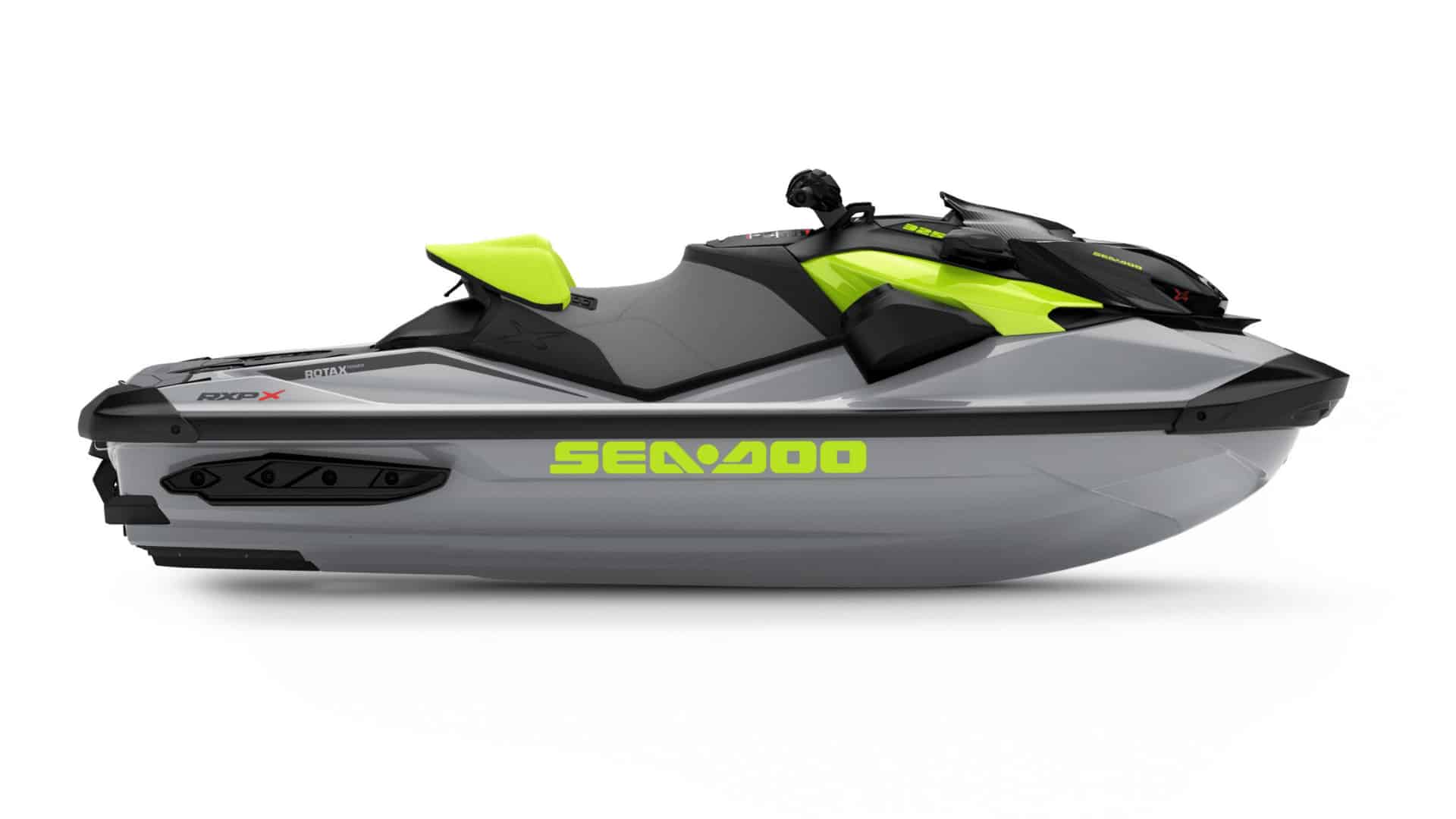
Powered by a 325 HP engine with the highest power-to-weight ratio in the industry, it delivers explosive acceleration and a race-tuned hull that cuts through water like nothing else.
If you’re a serious performance rider who wants the absolute best machine money can buy, this is the one to get.
Shop Here: Sea-Doo RXP-X 325 RS
Top Speed: 74 mph (unrestricted), but most stock models are limited to ~67–70 mph depending on region.”
2. Kawasaki Jet Ski Ultra 310R
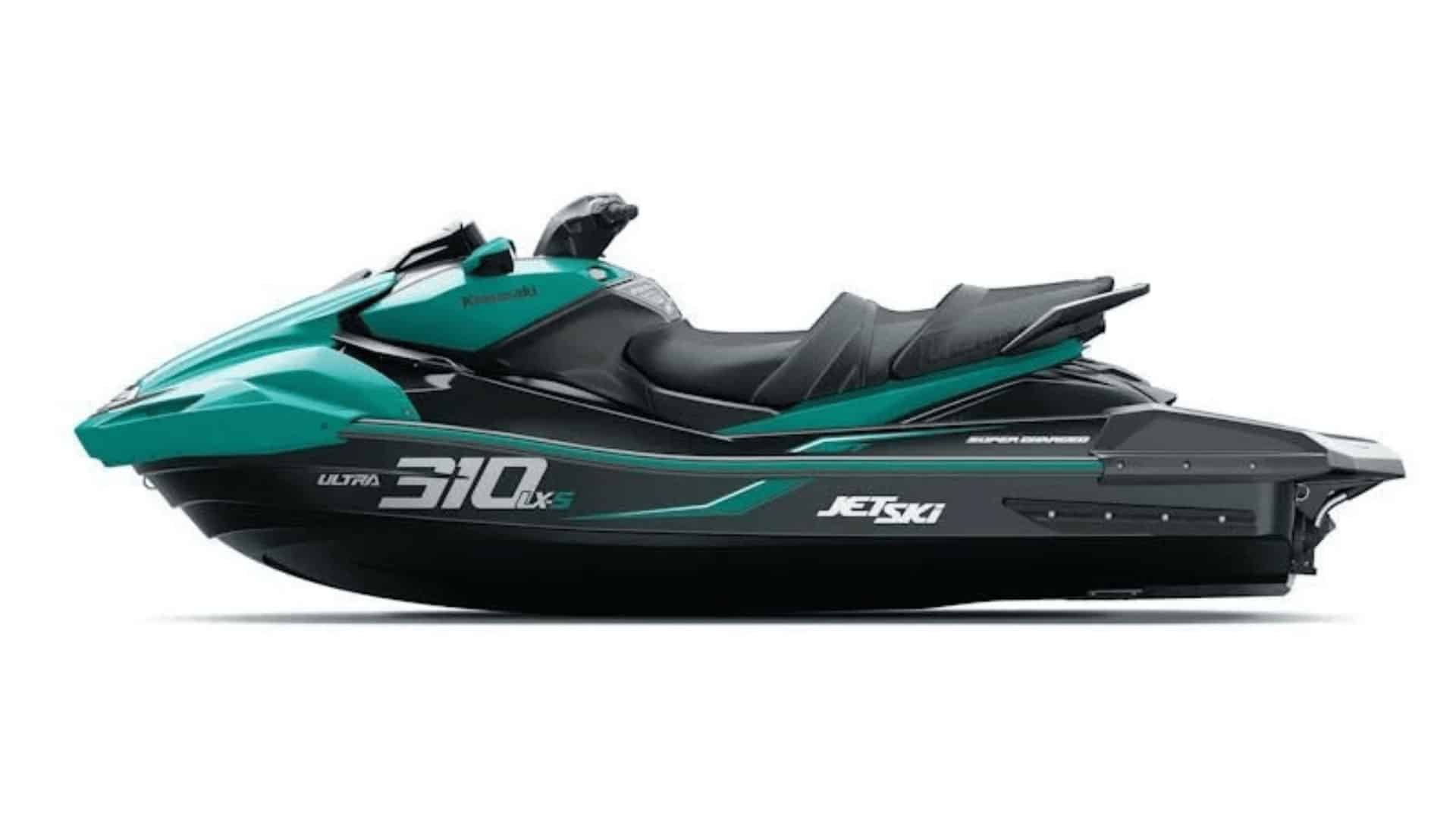
Built around a supercharged engine and a heavy-duty hull, the Ultra 310R is designed to dominate even in rough, choppy water where lighter skis struggle.
Its power delivery is smooth yet aggressive, keeping you stable and in control, a top pick for performance riders who demand speed and real-world durability.
Top Speed: 68+ mph
3. Yamaha WaveRunner GP1800R SVHO
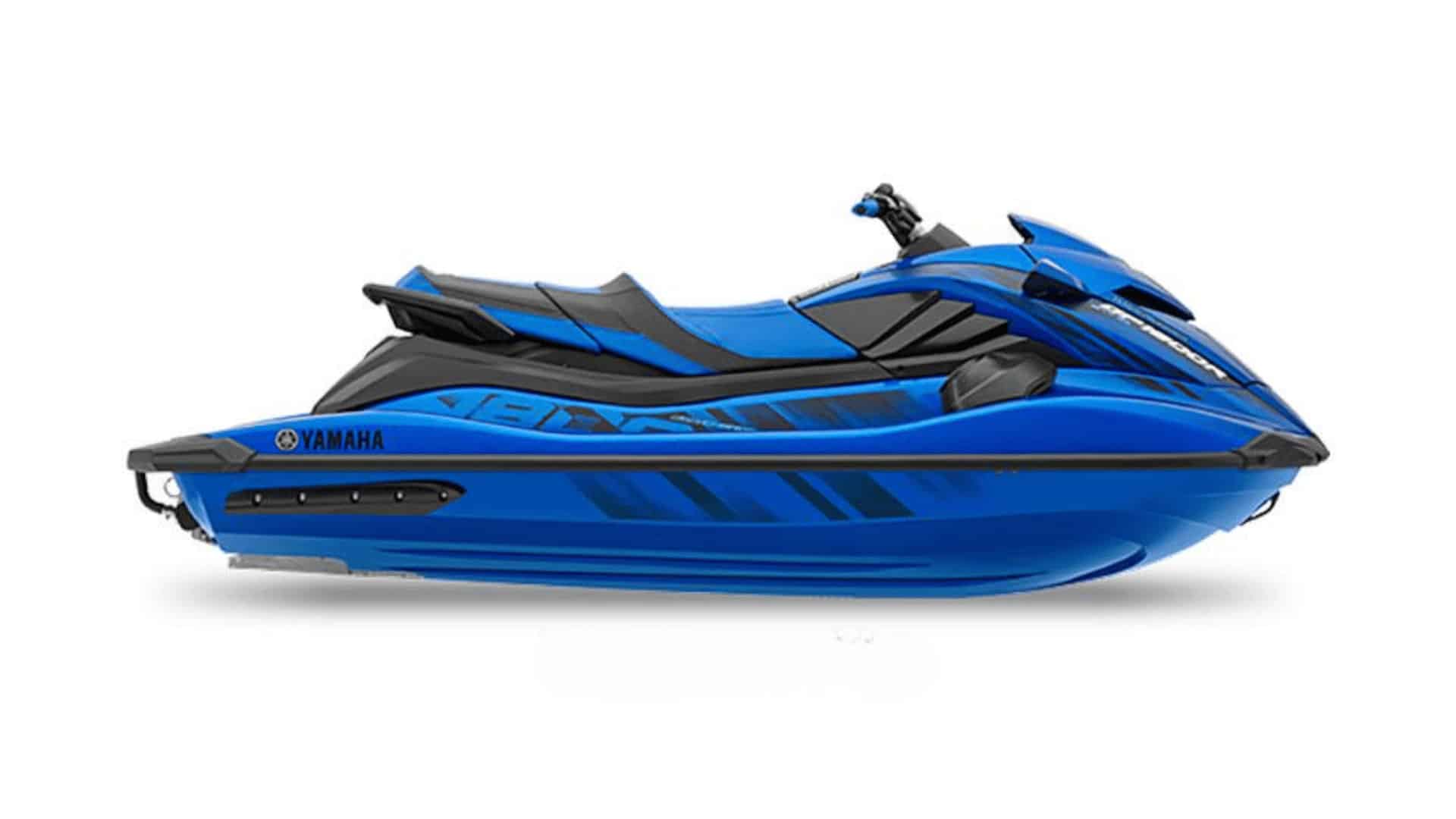
Lightweight, race-tuned, and powered by the 1.8L Super Vortex High Output engine, the GP1800R SVHO was designed for closed-course dominance.
It’s not just about straight-line performance; it’s about how confidently it handles at speed, making it a firm favourite among competitive and aggressive riders.
Top Speed: 67–68 mph
4. Kawasaki Jet Ski Ultra 310X
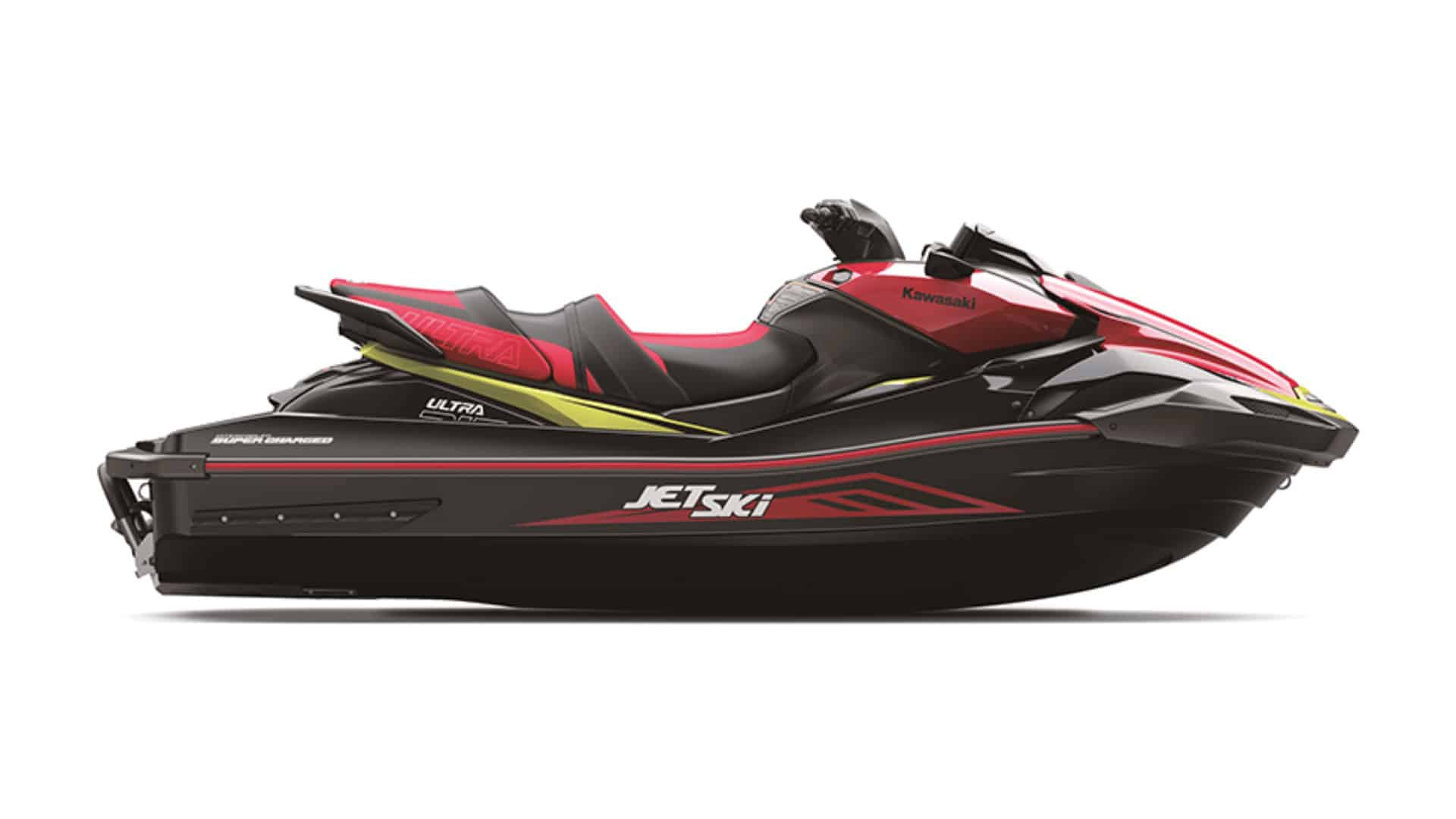
Sharing the same supercharged engine as the 310R but wrapped inside a premium touring package, the Ultra 310X adds plush seating, a large fuel tank, and advanced handlebar technology for long-distance comfort.
It’s the perfect choice for riders who want serious performance without arriving at the dock completely exhausted.
Top Speed: 67 mph
5. Kawasaki SX-R 1500
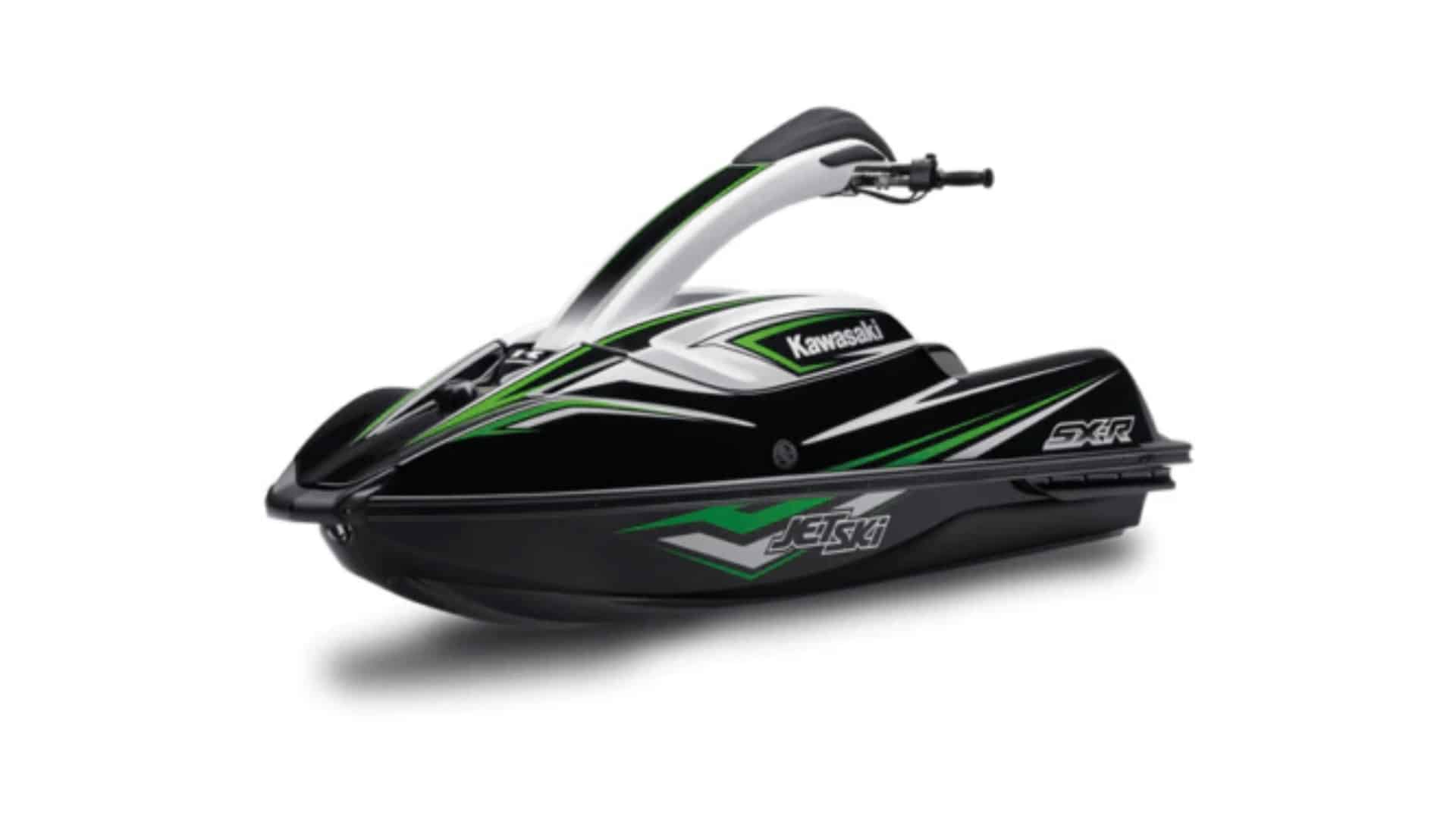
With no seat to anchor you, every ride on the SX-R 1500 demands real physical skill, balance, and full-body control.
Built for freestyle and performance stand-up enthusiasts, it delivers the purest, most unfiltered riding experience available on any personal watercraft, an absolute thrill for those who’ve mastered the basics.
Top Speed: 62–63 mph
Jet Ski Speed Safety Tips Every Rider Should Know
Speed on the water is thrilling — but only when handled responsibly. Before you hit the throttle, make sure you’ve checked all these safety essentials.
- Always Wear a Properly Fitted Life Vest: A life vest is non-negotiable at any speed. In a fall or collision at high speed, it could be the only thing that saves your life.
- Use the Kill Switch Lanyard Every Single Ride: Clip it to your wrist before you start. If you’re thrown off, the engine cuts immediately, preventing a riderless jet ski from causing serious harm.
- Never Ride at Max Speed in Congested Areas; High-speed riding belongs only in open, clear water. Crowded lakes, marinas, and no-wake zones require slow, controlled speeds at all times.
- Always Check Water Conditions Before Riding; Rough, choppy water at high speeds is dangerous and physically punishing. A quick check of the conditions before heading out can prevent a very bad day.
- Know Your Local Speed Regulations: Many waterways enforce strict speed limits, especially near shorelines and swimming areas. Ignoring them risks fines, accidents, and the loss of your riding privileges entirely.
- Inspect Your Jet Ski Before Every Ride: Check the impeller, hull, and engine before launching. Mechanical failures at high speed on open water can escalate into serious emergencies very quickly.
Speed is only enjoyable when you ride smart. Follow these safety basics every time, and you’ll be able to keep coming back for more rides for years ahead.
Safety Reminder: Know the Speed Laws Before You RideSpeeding on a jet ski is illegal in many US waterways and actively enforced by the Coast Guard and state authorities. Violations can lead to heavy fines, suspended riding privileges, or criminal charges in reckless cases. Exceeding speed limits can also void your insurance, leaving you fully liable. Always check local regulations before every ride. |
What Is a Good Speed for a Jet Ski?
“Good” speed on a jet ski isn’t a fixed number; it depends entirely on who’s riding and why. For beginners, a comfortable and enjoyable speed sits somewhere between 25 and 40 mph.
It’s fast enough to feel the thrill without being too physically demanding or difficult to control. Recreational riders with some experience tend to find their sweet spot around 45–55 mph, enough adrenaline to make every ride memorable without pushing into dangerous territory.
For seasoned performance riders, anything below 60 mph might feel like a warm-up. The honest answer is that a good speed is the fastest speed at which you feel fully in control of the machine.
Water conditions, your skill level, and the model you’re riding all shift that number. Start slower than you think you need to, build confidence gradually, and let your comfort level, not peer pressure, set the pace.
Wrapping Up
Jet ski speeds range from 40 mph for beginners to 74+ mph for high-performance machines, but as you’ve seen, the number on the speedometer is only part of the story.
If you’re a first-time rider figuring out your comfort zone or a seasoned enthusiast eyeing the fastest production PWC on the market, the right speed is always the one you can confidently control.
Engine power, hull design, water conditions, and rider skill all shape your real-world experience on the water. And at the end of the day, 50 mph on a jet ski will always feel faster than 50 mph anywhere else.
Now we’d love to hear from you. What’s the fastest you’ve ever gone on a jet ski? Drop it in the comments below!
Frequently Asked Questions
Can Jet Skis Go 100 Mph?
Not stock ones. Most production jet skis top out around 67–75 mph. Reaching 100 mph requires extensive engine modifications and is not road- or water-legal in most areas.
How Fast Can a Normal Jet Ski Go?
A normal, consumer-grade jet ski typically reaches between 40 and 65 mph, depending on the model, engine size, rider weight, and water conditions on the day.
Can a Jet Ski Go 200 Mph?
No production or modified jet ski has ever reached 200 mph. The current world record for a personal watercraft sits far below that mark, around 140 mph.