
The first time I saw someone go over the side of a boat, it happened in a second. He leaned for the cooler, lost his footing, and was in the water before anyone could say a word.
What I remember most is that the guy driving already had a ring buoy in his hands. He’d clearly done it before.
Most of us buy life jackets and never give a second thought to the one you’re supposed to throw instead of wear. So, what’s the main advantage of a Type IV PFD?
Let’s start with the answer, then look at how it works, when you’d use one, and what makes it different from the life jackets you’re used to seeing.
What Is a Type IV PFD?
PFD stands for personal flotation device. It’s the catch-all term for anything that keeps you floating, including life jackets and throwable devices.
The Type IV is the throwable kind. You don’t wear it. You keep it on the boat and chuck it to whoever ends up in the water.
For it to count, it has to be Coast Guard-approved. A Coast Guard-approved PFD is not simply tested for weight capacity.
Approval involves meeting specific performance, construction, buoyancy, labeling, and safety requirements.
That minimum buoyancy sits at 16.5 pounds, enough to keep an average adult’s head above water without any effort from the person holding it.
And here’s the part people miss: a Type IV is for someone who’s awake and can grab it. If a person’s unconscious, this isn’t the device that’s going to save them.
How Does a Type IV PFD Work?
Honestly, it’s about as simple as gear gets. Somebody falls in, you throw it, they hang on.
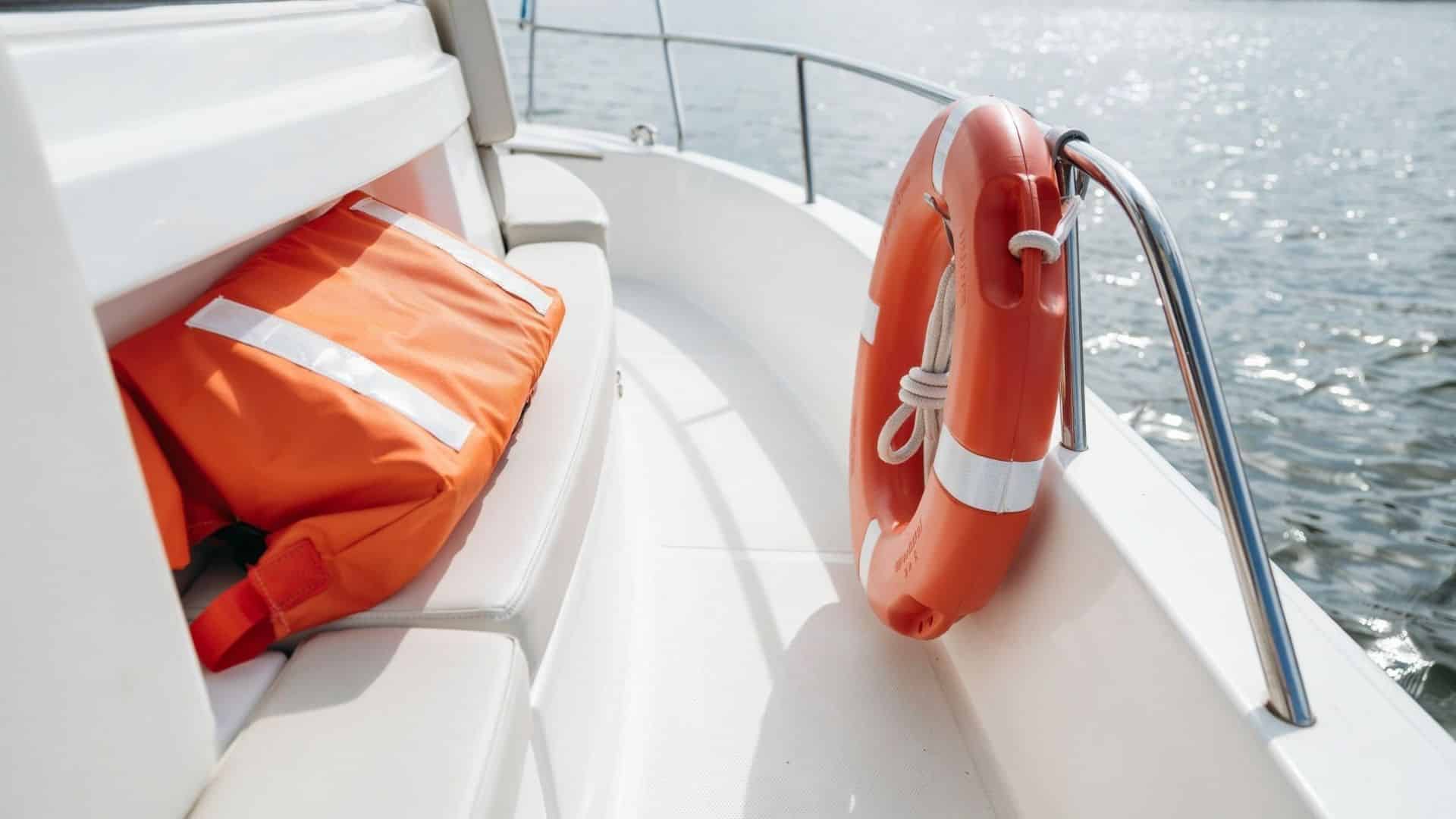
You’ve probably seen an orange ring buoy hanging off a boat rail or a square throwable cushion tucked under a seat. Those are the two most common types of Type IV PFDs, though a horseshoe buoy shows up on plenty of boats too, and it works the same way: an open ring shape you can slide an arm through instead of just gripping.
Throwable cushions are lightweight, easy to store, and common on smaller recreational boats. Ring buoys, sometimes called life rings, are easier to spot in the water and are often fitted with a grab line, making them a popular choice on larger boats, marinas, and docks.
All three styles float for the same reason. They’re built from closed-cell foam or similar buoyant material that doesn’t soak up water the way fabric does, so the flotation doesn’t fade the longer it sits in the water.
You toss the device close enough for the person to reach, and now they’ve got something solid to hold onto until you can get them back to the boat.
The whole point is time. Someone who’s tired or freaked out can grab it and catch their breath instead of thrashing around, and those first few seconds after a fall are the ones that matter.
What Is the Main Advantage of a Type IV PFD?
Alright, straight answer. The main advantage of a Type IV PFD is that it provides instant flotation, even if someone isn’t wearing a life jacket.
That’s the whole reason it earns its keep. Your life jacket only helps you, the person wearing it. A throwable can reach anybody who falls in, and falling in is usually the thing nobody plans for.
Although it does have its limits. A Type IV only works if the person is conscious, close enough to reach, and able to hold on.
It isn’t designed for rough offshore conditions or someone who’s unconscious, which is why it should always be carried alongside wearable life jackets, not instead of them.
It’s Fast, and Anyone Can Use ItThere’s nothing to buckle or adjust, so you don’t stand there fumbling. You grab it and throw it. A kid could do it, and it works in the handful of seconds that decide how a fall overboard plays out. Something else I didn’t expect until I watched it happen is that it calms people down. The second a person in the water gets their hands on something that floats, the panic drains right out of them. They quit flailing and start listening to you, which makes getting them back so much easier. |
Why It Matters When Things Go Wrong
Think about it. Almost nobody who drowns off a boat is meant to be swimming. They either tripped, a wave caught them, or they leaned too far reaching for something. A throwable is built for exactly that kind of ugly surprise.
It also keeps you out of the water. Jumping in after somebody sounds heroic, but now you’ve got two people in trouble instead of one. With a Type IV, you help from the deck, stay safe, and keep control of the boat.
Put it together, and the boat’s just a safer place to be. You’ve got a quick way to reach anyone who goes overboard without making a bad moment worse.
What Else Makes a Type IV PFD Worth Having
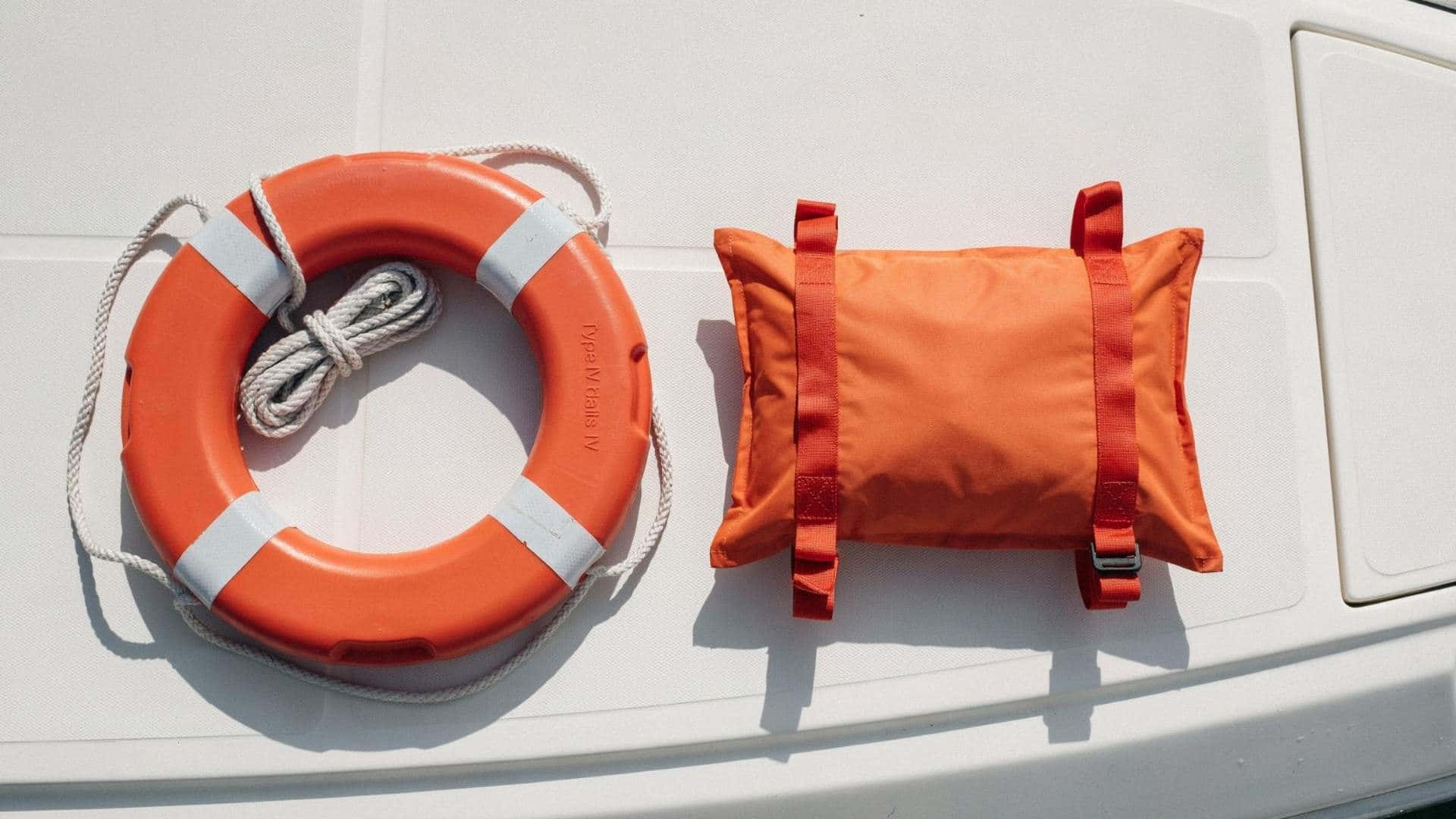
The instant flotation is the big one, but a Type IV pulls its weight in a few smaller ways too.
For starters, it’s easy to stash. A cushion tucks under a seat, a ring buoy hangs on the rail, and either way it stays out of your hair until you need it.
It also skips the fitting problem entirely. A wearable jacket has to match the wearer’s weight and chest size to actually work, but a cushion, ring buoy, or horseshoe buoy floats the same no matter who grabs it, adult, kid, or even a dog that ends up in the water.
The same one covers a bunch of different situations. A swimmer struggling near the dock, a buddy who cramped up off the back of the boat, somebody who got tossed in when the water turned rough.
It’s there to back up your wearable life jackets, giving you something to throw if someone ends up in the water unexpectedly.
And a lot of the time, it’s not even your call to skip it. On plenty of boats, it’s legally required gear, which I’ll get to in a minute.
When and How Should You Use a Type IV PFD?
The main time you’ll reach for one is a man overboard, plain and simple. Somebody’s in the water, they’re awake, and they’re close enough that you can actually reach them with a throw.
When you throw it, aim to drop it just past them and a little off to the side, not right at their face. A ring buoy coming in hot can hurt, so you want it landing within arm’s reach, not beaning them in the head.
Keep your eyes glued to the person the whole time. A head bobbing in the water vanishes way faster than you’d think, especially once the light starts going.
Once they’ve grabbed on, talk to them calmly and steadily and work them back toward the boat, either hauling the line in or easing the boat over with the motor cut.
A couple of mistakes I see over and over are that people bury the cushion in a locker where they can’t get to it fast. Or they throw it into the wind and watch it drift away from the person. Keep it handy, keep it in decent shape, and think about which way the wind’s blowing.
How Type IV Stacks Up Against the Rest
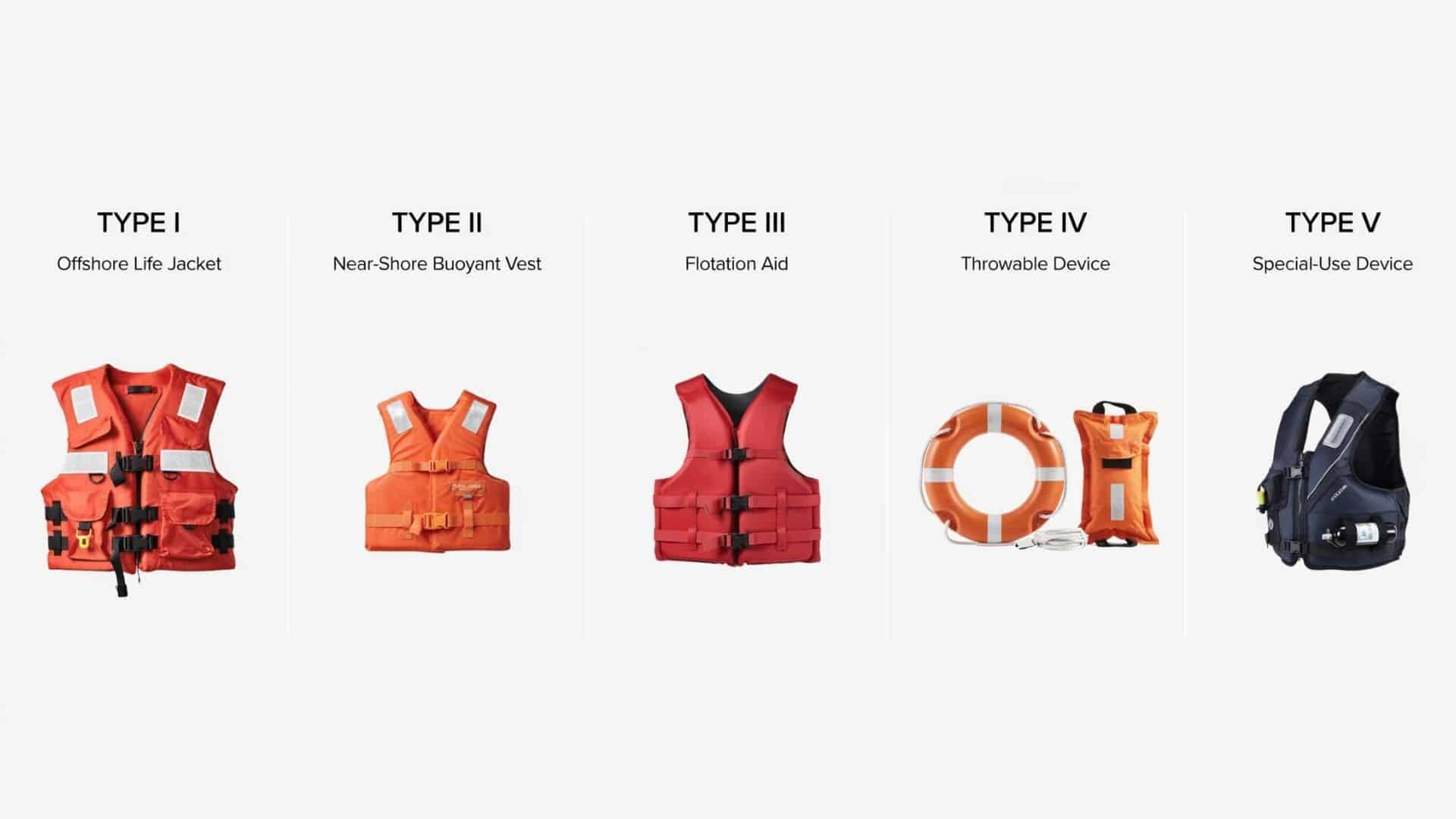
There are five types in total, and the Type IV is the odd one out. The other four all go on your body, and that’s really the most important difference. Here’s the quick rundown.
- Type I: Best for offshore boating and rough water. It offers the highest buoyancy and is designed to turn most unconscious wearers face-up.
- Type II: Made for calmer inland or nearshore waters. It provides basic flotation for general boating.
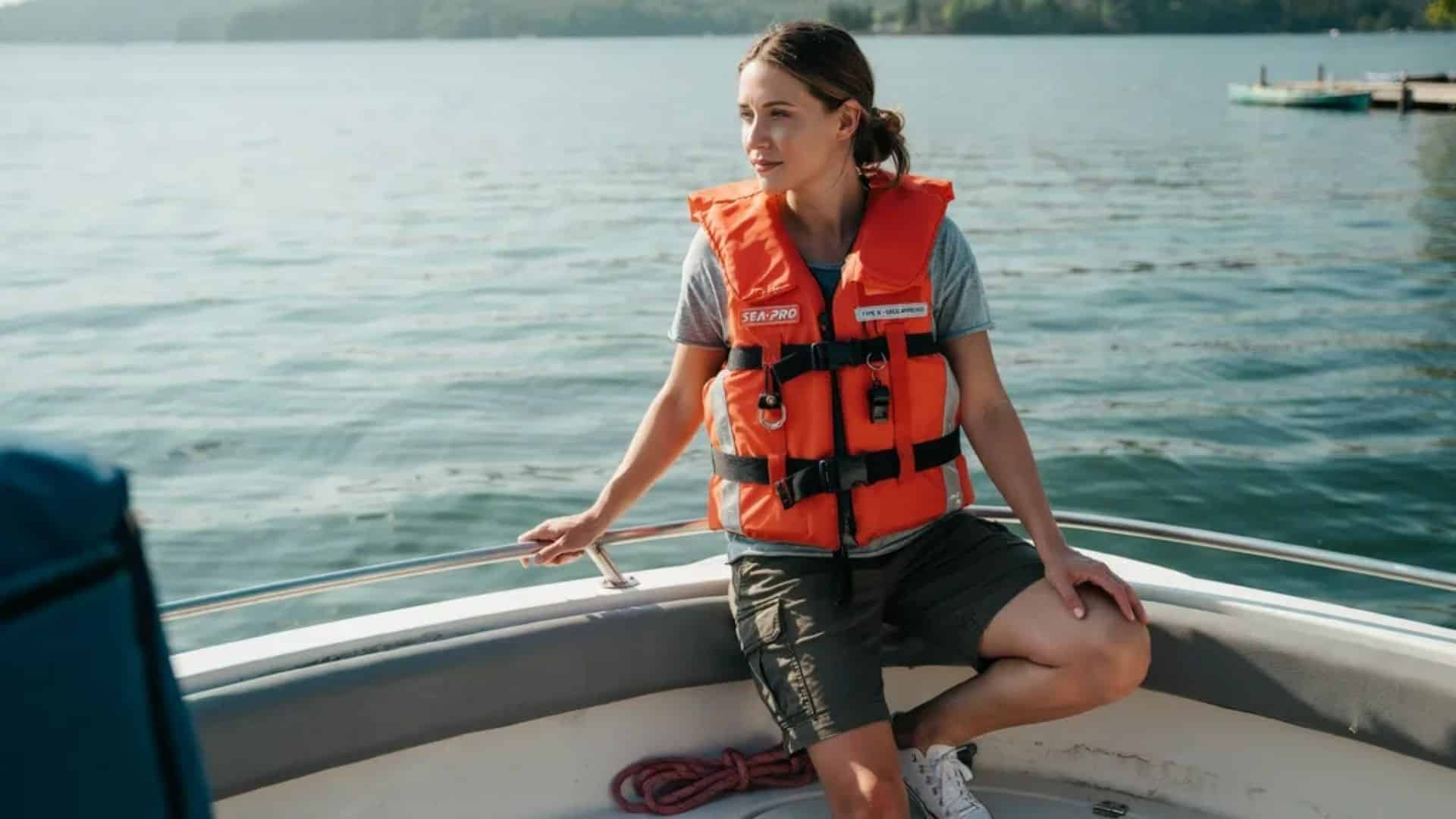
- Type III: Built for comfort and movement, making it a popular choice for activities like kayaking, paddleboarding, fishing, and other recreational boating.
- Type IV: A throwable flotation device, such as a ring buoy, horseshoe buoy, or cushion, that’s meant to be thrown to someone who’s fallen overboard.
- Type V: Designed for specific activities, such as kayaking, sailing, rescue work, or commercial operations. These only provide protection when worn as intended.
All have different jobs. But the Type IV stands apart because you never wear it. It’s there to help someone else in an emergency, not to replace the life jacket you’re supposed to wear.
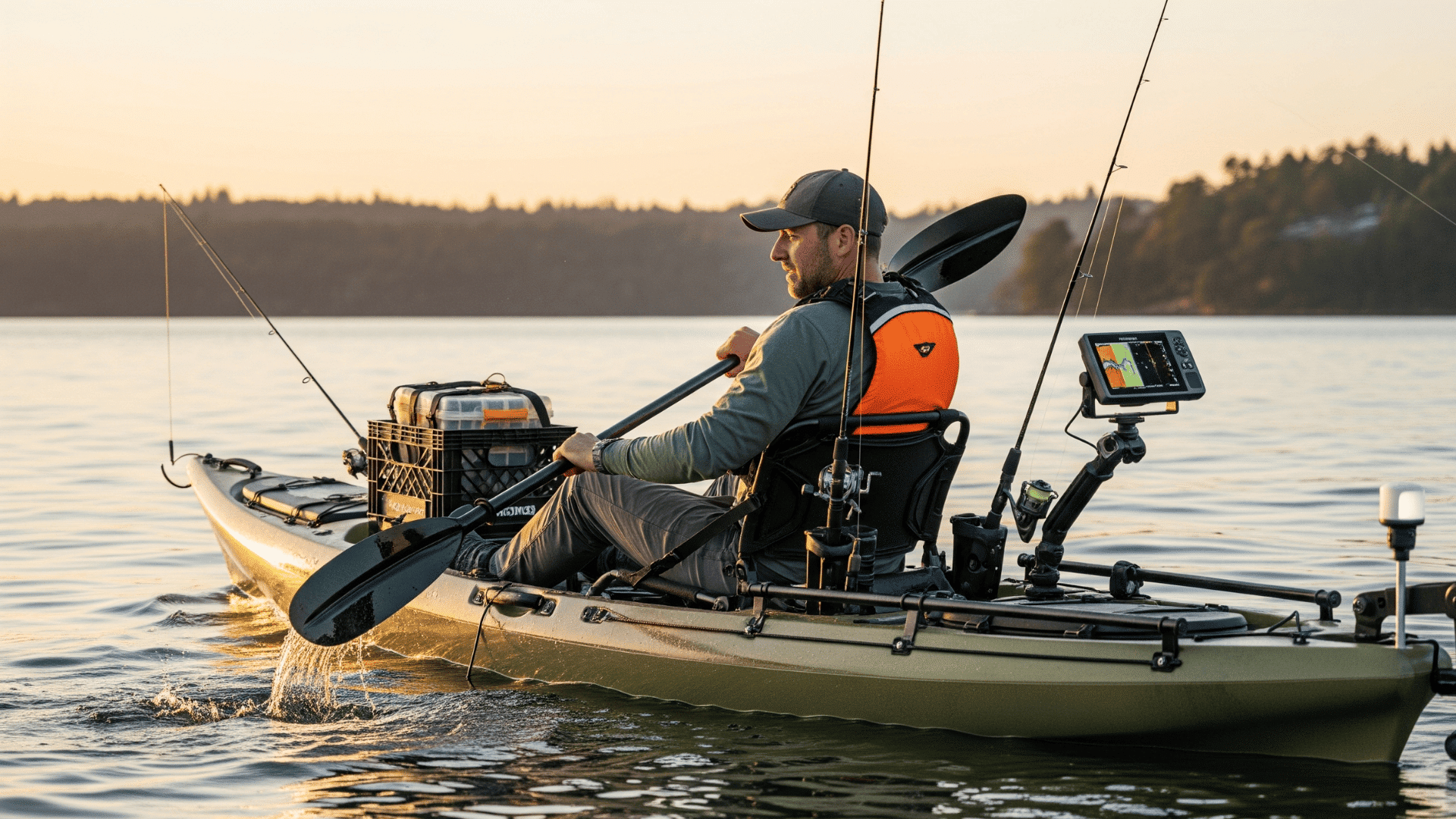
If you’re on a kayak or paddleboard instead of a boat with rails to hang a ring buoy from, a wearable Type III PFD life jacket is the better everyday call since you’re the one who needs to stay afloat and mobile at the same time.
A throwable does not take the place of a wearable life jacket. Never has. It’s the thing you throw to somebody, not the thing you trust to keep yourself up. Everyone on the boat still needs a jacket that fits them.
Keeping Your Type IV Ready to Go
A throwable’s only good if it’s ready and you know how to use it.
Give it a once-over before you head out. Look at the foam, the cover, the rope or grab line, and check for cracks, rot, or anything faded and crusty. If it looks rough, swap it out. A brittle old buoy is the last thing you want to find out about mid-rescue.
Keep it somewhere you can grab it in a heartbeat. On the deck, on the rail, right near the helm. If it’s buried under a pile of gear or zipped in a bag, it’s basically useless.
Practice throwing the thing before you ever need to.
And the big one: don’t ever treat a Type IV as your own flotation. Wear a jacket. The throwable’s there for the moment somebody goes in without one.
The Bottom Line
So, back to the question we started with. The main advantage of a Type IV PFD is that it gets flotation to someone in the water fast, whether they’ve got a jacket on or not.
That makes it one of the more useful things you can keep on a boat, but only as one piece of the puzzle. It works best right alongside your wearable jackets, paying attention out there, and keeping a level head when something goes sideways.
Keep one on board, keep it where you can reach it, and know how to throw it. If the day ever comes that you need it, you’ll be really glad it was sitting right there.
Frequently Asked Questions
What is the Main Advantage of a Type IV PFD?
It provides flotation to someone who’s already in the water, even if they never put on a life jacket. You can throw it in a second, and it reaches people your own jacket can’t reach.
Is a Type IV PFD Meant to be Worn?
Nope. You throw it, you don’t wear it. There aren’t even any straps to put it on with. It just sits on the boat until somebody goes in and needs something to grab.
Who Should Use a Type IV PFD?
Anybody on the boat can throw one, and it’s meant for reaching a person who’s overboard and still conscious. What it’s not for is someone who’s passed out, can’t swim, or a little kid. Those folks need a real wearable jacket instead.
Can a Type IV PFD Replace a Life Jacket?
No, and this trips people up. It’s an add-on, not a swap. The Coast Guard still wants a properly fitting jacket for every person on the boat, plus the throwable.
Are Type IV PFDs Required on all Boats?
Not every boat, but a lot of them. Federal rules say you need at least one Coast Guard-approved throwable on any recreational boat 16 feet or longer. Canoes and kayaks get a pass, though your state might have extra rules of its own, so it’s worth a quick check.