Millions of people are trying to lose weight, yet the journey can still feel lonely and, at times, impossible. Part of the problem is how weight loss gets sold to us: as a finish line you reach through strict calorie counting or punishing diets. In reality, healthy weight loss and long-term weight management come down to building habits you can keep for years, long after the scale stops moving.
And here’s something most paddlers already know: one of the easiest healthy habits to stick with is one that doesn’t feel like a workout at all. A few hours gliding across a calm lake or along a quiet coastline can do more for your health, and your motivation, than another dreaded session on the treadmill.
In this guide, we’ll look at why kayaking is such a good fit for sustainable weight loss, and how to pair your time on the water with the mindset, nutrition and goals that make results last.
Why Kayaking Is a Great Tool for Weight Management
Kayaking isn’t just a relaxing way to spend a Saturday. It’s a genuine workout that ticks a lot of boxes for anyone trying to get healthier.
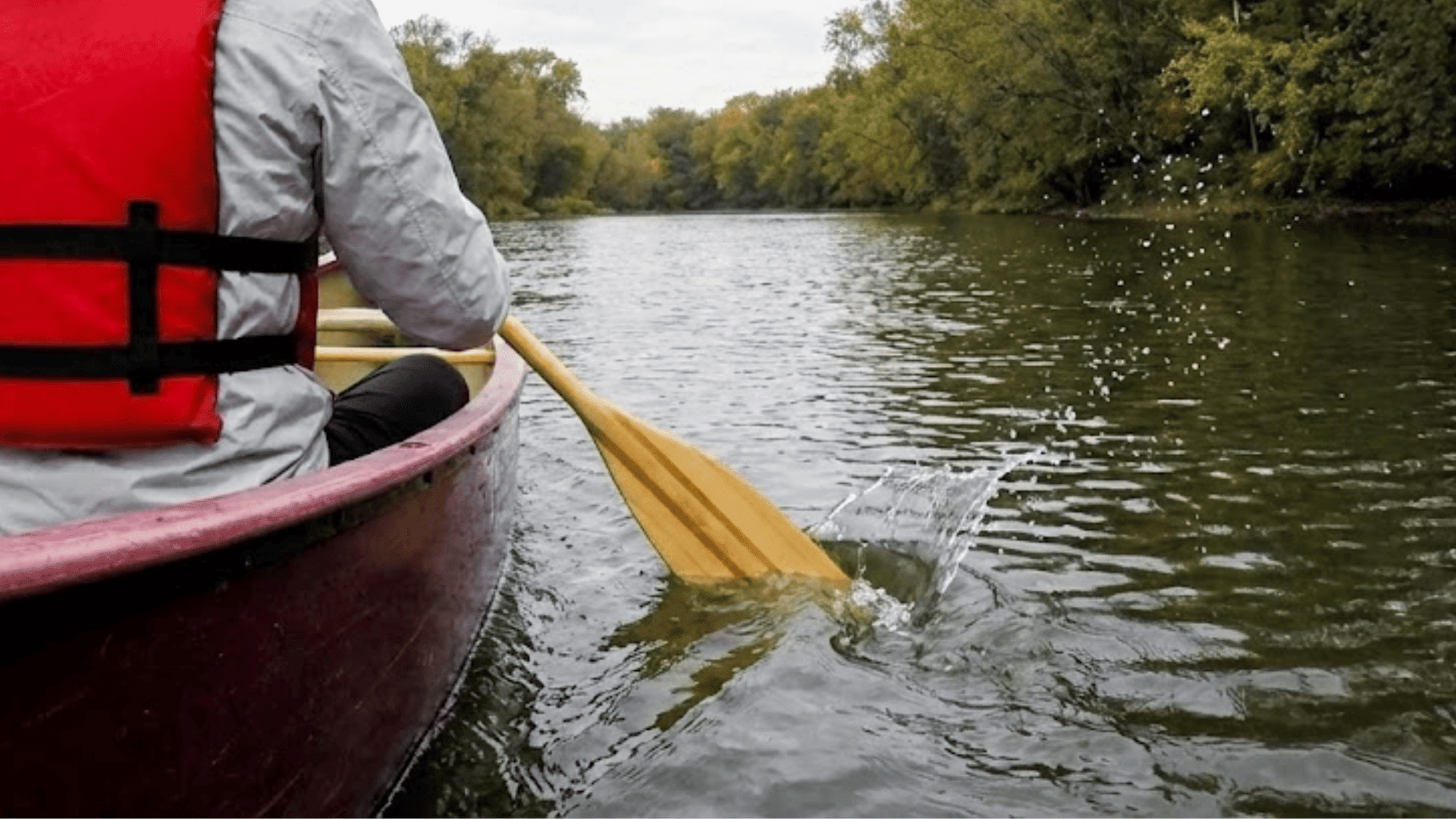
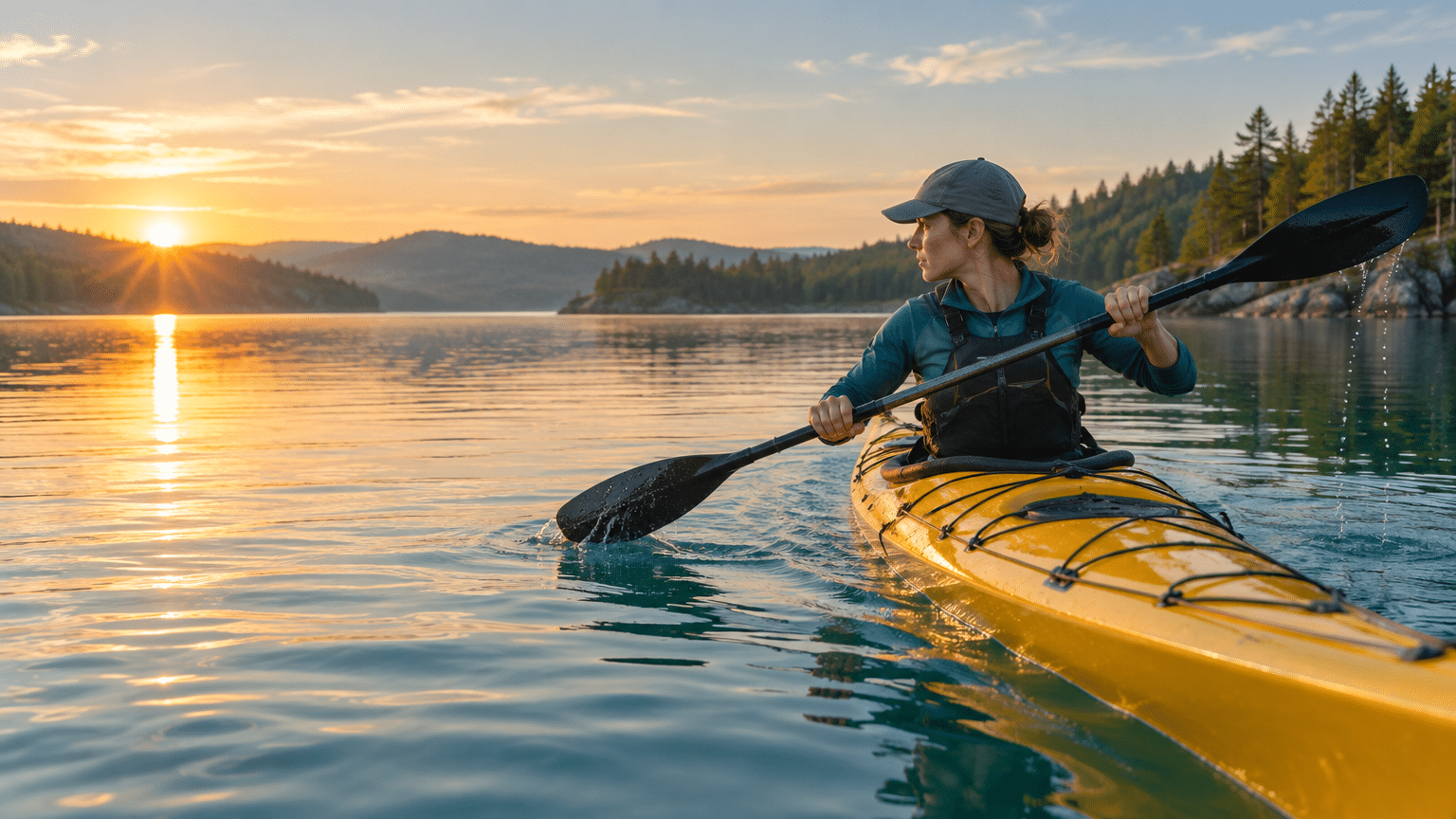
- It works your whole body. Every stroke engages your core, back, shoulders and arms, while your legs brace against the footpegs to transfer power. Good paddling technique is driven by torso rotation, not just your arms.
- It’s low-impact. Unlike running or jumping-based workouts, paddling puts very little stress on your knees, hips and ankles. That makes it an excellent option if you’re carrying extra weight, returning to exercise after a long break, or managing joint pain.
- It burns meaningful calories. Depending on your body weight, pace and conditions, recreational paddling at a moderate effort can burn roughly 300 to 400 calories an hour, and more when you’re pushing into wind or current.
- It’s genuinely fun. This is the big one. The best exercise for weight loss is the one you’ll actually keep doing, and it’s a lot easier to say yes to a morning paddle than to another hour on the elliptical.
- It’s good for your head, too. Time on the water, away from screens and noise, is a proven stress reliever. Since chronic stress and emotional eating often go hand in hand, that calm matters more than you might think.
How to Make Sure Your Weight Loss Is Sustainable
Wondering how to maintain weight loss once you’ve reached your goal? Start by accepting that the risk of regain is real and that beating it takes a new outlook plus people in your corner. The same applies if you’re taking GLP-1 medications. Your healthcare provider can help you plan your maintenance dosage so the weight stays off.
Change Your Outlook
Our culture’s love of quick fixes has fueled an endless stream of restrictive fad diets, and plenty of social media influencers promote the look of a thin body over actual health. When the main goal is to lose weight as fast as possible, it’s often driven by low self-esteem or a difficult relationship with body image rather than a desire to feel better. That approach might deliver short-term results, but it tends to set you up for frustration, or bigger problems, later on.
Paddlers have a useful way to reframe this. On the water, nobody cares what you look like. What matters is what your body can do: paddle a little farther, handle a bit of chop, carry your kayak to the launch without stopping. Focusing on strength, stamina and how you feel, rather than a number or a reflection, is one of the healthiest shifts you can make.
Prioritize Consistency Over Intensity
A common mistake is going all-in from day one, with extreme diet rules or brutal workouts. They may produce quick results, but they’re hard to sustain and are the main reason so many people quit soon after they start.
Instead, aim for small changes that add up. Gradually cut back on junk food, trim your portion sizes, and walk to the store instead of driving. On the water, the same principle applies: a relaxed 30-minute paddle every week beats one exhausting five-hour trip followed by a month on the couch. Small wins are more achievable, more rewarding and more motivating, and together they produce results that last.
Find a Support System
Changing your mindset and your habits is hard, which is why support matters so much. Lean on friends and family who encourage you without judgment. People who haven’t struggled with their weight may not always understand what you’re going through, so a support group can be invaluable.
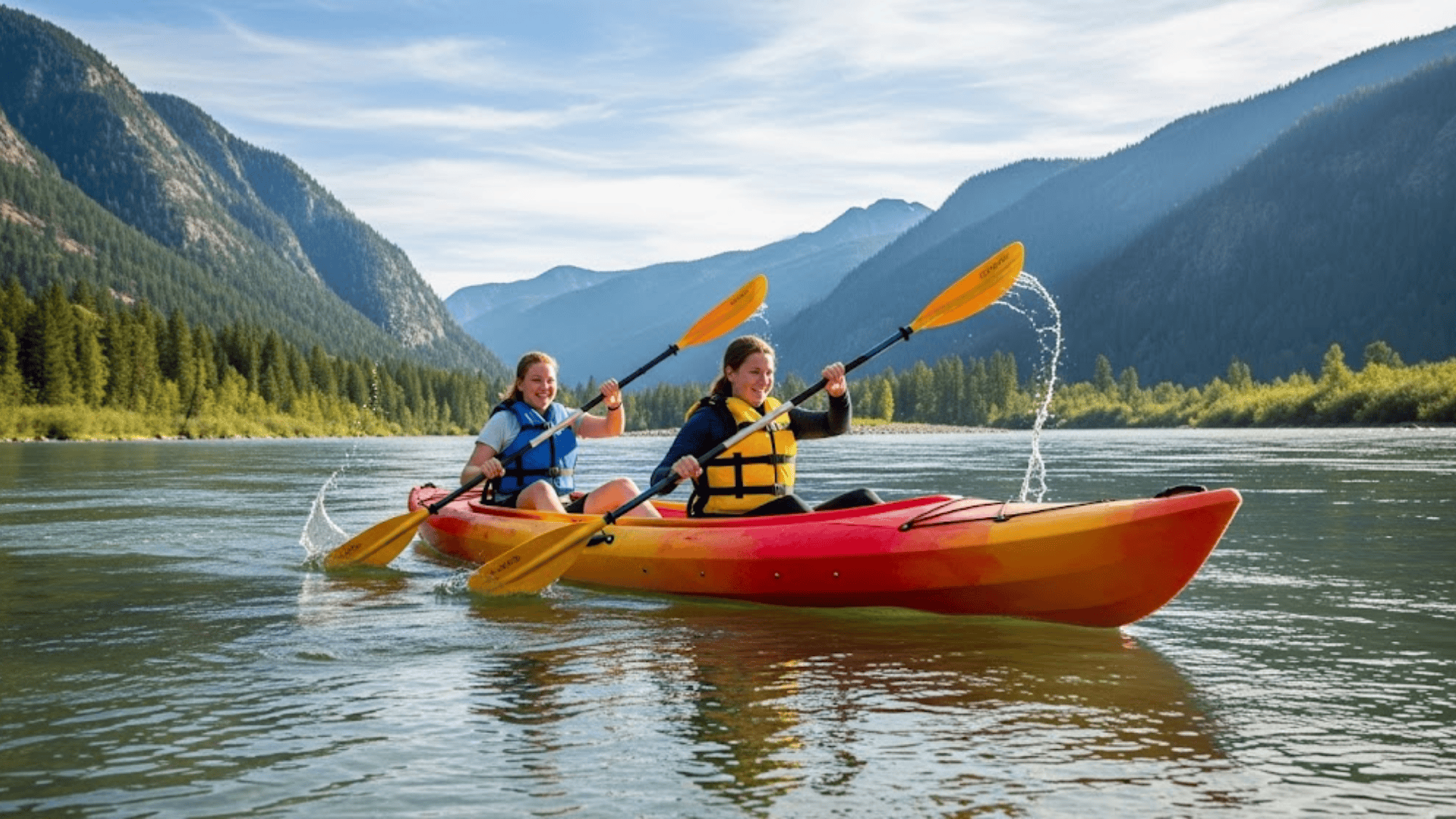
This is another area where kayaking shines. Local paddling clubs, guided group tours and meetups are full of welcoming people of all fitness levels, and having a paddling buddy waiting at the launch is one of the best motivators there is. Given the links between weight, depression, anxiety and chronic stress, it’s also worth considering regular sessions with a therapist. Behavioral therapists can teach you coping strategies that make the transition to a healthier lifestyle much easier.
The Essentials for Healthy Weight Loss
Changing your approach takes time, but once you understand the fundamentals, you can plan with confidence.
Fix Your Diet
At its core, weight loss is simple math: if you take in more calories than you burn, you gain weight, so losing it requires a calorie deficit. Start by spotting the high-calorie foods in your diet and finding healthier, lower-calorie swaps.
Whole foods, especially plant-based ones, are nutrient-dense, high in fiber and relatively low in calories, and they should make up the bulk of what you eat. Lean meats, poultry, eggs, dairy and legumes add protein, which your muscles need to recover and grow, especially after a long paddle. Protein and fiber both help keep hunger in check, which makes healthy eating easier to stick with.
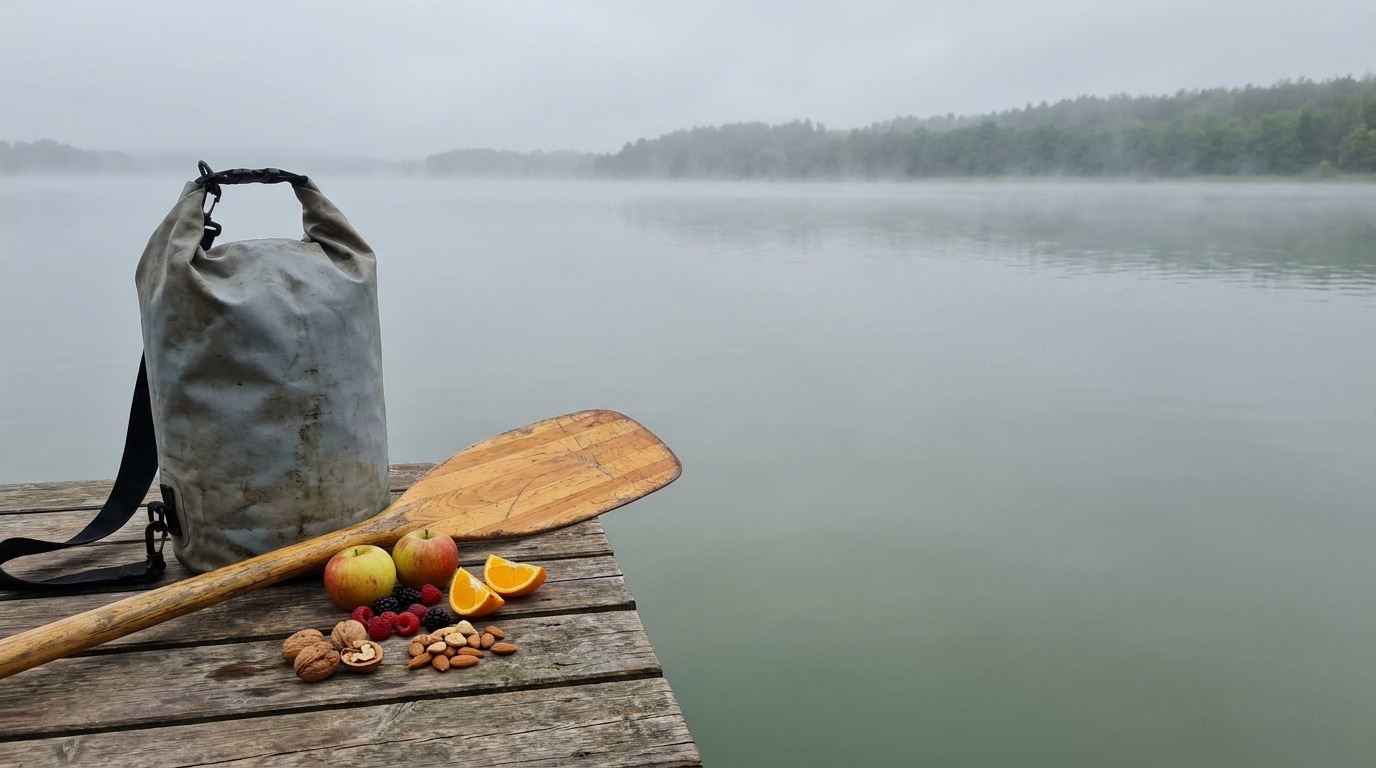
Paddle-day tip: Pack your own snacks in a dry bag before you head out. Water, fresh fruit, a handful of nuts and a lean protein wrap will fuel you far better than the chips and soda waiting at the gas station on the way home.
Increase Your Activity Levels
Physical activity plays a vital role in both losing weight and keeping it off. Health guidelines recommend at least 150 minutes of moderate-intensity aerobic activity per week, plus strength training at least twice a week. Exercise burns calories while you’re moving and, by building muscle, helps support your resting metabolism.
The good news is that steady paddling counts toward your aerobic minutes. Two or three outings a week can cover most of your target on their own. On days you can’t get to the water, brisk walks, swimming or cycling keep you moving, and simple strength work like rows, planks, push-ups and squats will make you a stronger, more efficient paddler.
If you’re moving from a sedentary lifestyle to an active one, don’t push too hard at first. Start with short, easy paddles and build up. Over time, as your body adjusts, you can take a more structured approach that balances aerobic exercise with strength training.
Set Realistic Goals
Unrealistic expectations are your biggest enemy. They pile on pressure and make weight loss feel unsustainable. Rather than trying to drop a lot of weight quickly, aim for 1 to 2 pounds per week, a pace widely considered safe and healthy.
Break that bigger goal into small, achievable steps. Instead of overhauling your whole diet, start by cutting back on ultra-processed foods. When you eat out, choose the lighter options on the menu. And when it comes to exercise, set paddling milestones you can actually hit: 30 minutes on calm water this month, a full hour next month, then a favorite five-mile loop by the end of the season. As those habits take hold, revisit your goals and aim a little higher.
Getting Started Safely on the Water
If you’re new to kayaking, or returning after a long break, a few basics will keep your first outings safe and enjoyable:
- Check with your doctor first if you have a health condition or haven’t exercised in a while.
- Always wear a properly fitted PFD (life jacket), no matter how strong a swimmer you are.
- Start on flatwater. Calm lakes, ponds and slow rivers let you build fitness and confidence without battling waves or currents.
- Choose a stable kayak. Sit-on-top and wide recreational or inflatable kayaks are forgiving for beginners and easy to get in and out of.
- Check the weather and tell someone your plan before you launch.
- Stay hydrated and protect yourself from the sun. You’ll sweat more than you realize on the water.
An inflatable kayak can also remove one of the most common excuses for skipping a workout. It packs into a car trunk, stores in a closet and inflates in minutes, so getting out on the water becomes as easy as getting to the gym.
Final Thoughts
Sustainable weight loss isn’t about willpower or a perfect diet. It’s about building a lifestyle you enjoy enough to keep. Kayaking fits that bill beautifully: it’s low-impact, full-body, social when you want it to be and peaceful when you need it to be. Pair regular paddling with a positive mindset, balanced nutrition and realistic goals, and you won’t just lose weight. You’ll build the kind of healthy habits that keep you on the water, and feeling great, for years to come.