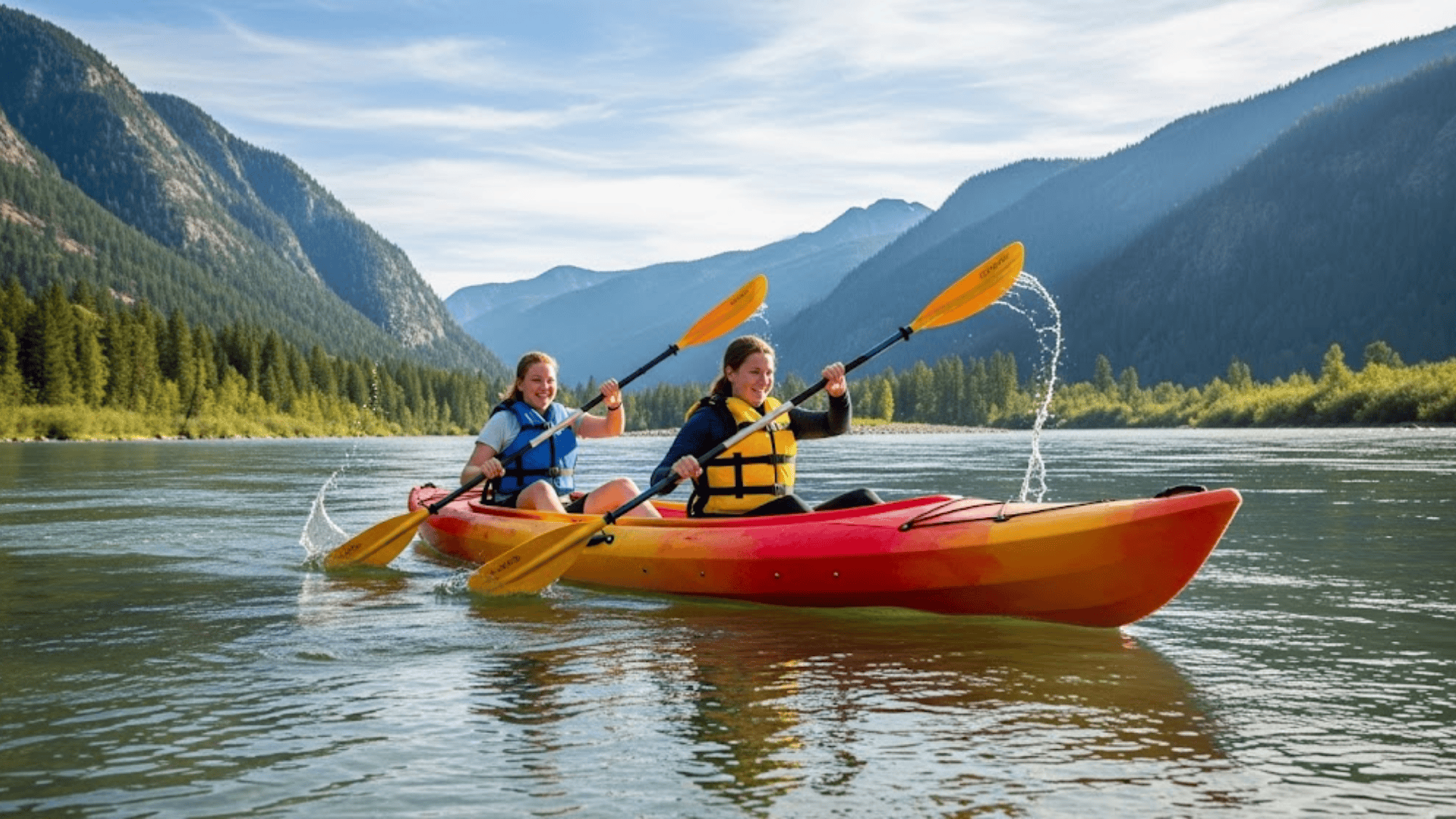

Kayaking is an exciting outdoor activity that combines adventure, coordination, strength, and control. Whether you are planning to paddle across a calm lake, navigate a river, or eventually take on more challenging waterways, having good balance can make the learning process much easier.
While kayaking itself helps improve stability over time, developing balance through other sports before getting into a kayak can give beginners a valuable advantage. Sports that require body control, coordination, core strength, quick reactions, and weight shifting can help prepare the body and mind for the unique demands of paddling.
Here are some of the best sports and activities to consider if you want to build balance before taking up kayaking.
Why Is Balance Important for Kayaking?
Balance is one of the fundamental skills required for kayaking. A kayak is less stable than standing on solid ground, which means your body constantly makes small adjustments to remain centered.
Good balance helps you:
- Maintain a stable position while paddling
- Adjust to waves and changes in water movement
- Shift your weight without losing control
- Coordinate your upper and lower body
- Respond quickly when the kayak tilts
- Feel more confident while learning new techniques
Balance is not simply about standing on one leg. It involves proprioception, core stability, coordination, flexibility, and the ability to react to changes in your surroundings.
Several sports naturally develop these abilities, making them excellent preparation for kayaking.
1. Skateboarding
Skateboarding is one of the most effective activities for developing dynamic balance. Riders need to maintain stability while standing on a moving board and constantly adjust their body position.
The similarity to kayaking is particularly useful because both activities require you to respond to movement rather than simply maintain a fixed position.
Beginners who learn to skate develop skills such as weight distribution, ankle control, posture, coordination, and quick balance corrections. Skateboarding also teaches you to stay relaxed when your base of support moves unexpectedly.
Although the environments are completely different, the underlying balance skills can transfer well to kayaking.
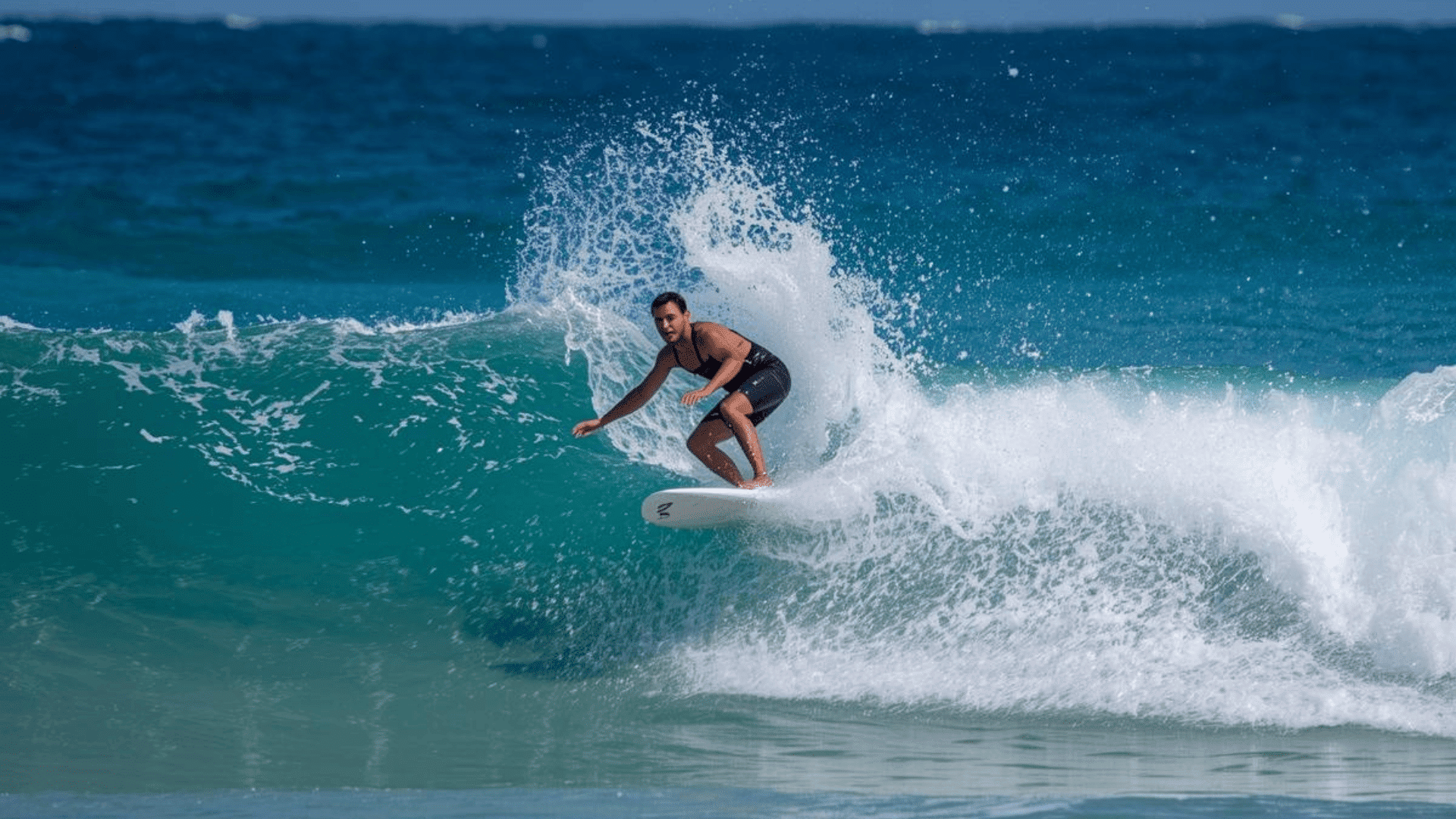
2. Surfing
Surfing is another excellent sport for anyone interested in developing water-based balance. A surfboard moves continuously beneath the rider, requiring constant adjustments in posture and weight distribution.
Surfing develops:
- Core stability
- Leg strength
- Dynamic balance
- Spatial awareness
- Reaction speed
- Water confidence
The water environment also makes surfing particularly relevant to kayaking. Surfers become accustomed to waves, changing water conditions, and the feeling of movement beneath them.
You do not need to become an advanced surfer before kayaking. Even beginner-level surfing can help you become more comfortable with maintaining balance while surrounded by moving water.
3. Stand-Up Paddleboarding
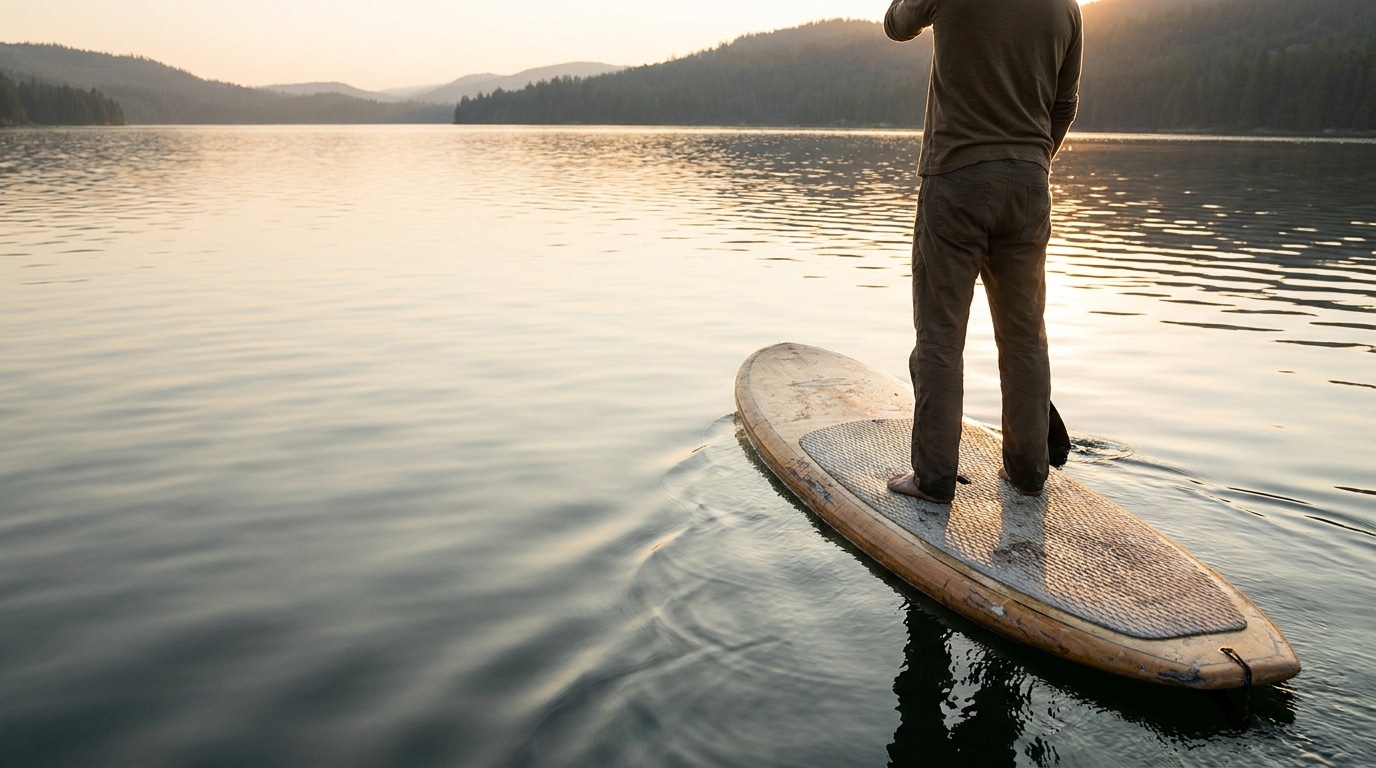
Stand-up paddleboarding, or SUP, is perhaps one of the most directly relevant activities for future kayakers.
Standing on a paddleboard requires you to maintain your center of gravity while the board moves beneath you. Paddling simultaneously introduces another challenge because your upper body is moving while your legs and core work to maintain stability.
SUP can help develop:
- Core engagement
- Balance on an unstable surface
- Paddle coordination
- Weight transfer
- Postural control
- Water awareness
Because both activities involve paddling and water movement, SUP can provide a useful introduction to the sensations of being on a small watercraft.
4. Gymnastics
Gymnastics provides a broad foundation for balance and body control. Athletes practice movements that require precision, flexibility, coordination, and awareness of body position.
Even recreational gymnastics can improve your ability to understand where your body is in relation to its surroundings.
Exercises such as balance beams, controlled landings, rolls, and hand-supported movements can strengthen stabilizing muscles and improve coordination.
For kayaking, these abilities can be useful when you need to make rapid adjustments to your position. Gymnastics also develops confidence in controlled movement, which can help beginners remain calm when their kayak starts to tilt.
5. Cycling
Cycling may seem less connected to kayaking, but it is a useful activity for developing balance and coordination.
A bicycle requires the rider to maintain stability while moving forward and make subtle steering adjustments. Cyclists also develop strong legs and learn to coordinate multiple movements simultaneously.
Mountain biking can provide an even greater balance challenge because uneven surfaces require constant adjustments.
Cycling may not directly prepare you for water movement, but it can strengthen several foundational skills that support athletic balance and coordination.
6. Martial Arts
Martial arts such as karate, judo, taekwondo, and Brazilian jiu-jitsu can develop exceptional body awareness and balance.
Many martial arts movements require athletes to shift their weight quickly, maintain a stable stance, rotate the torso, and recover their balance after movement.
These skills can be valuable for kayaking because paddling involves coordinated rotation between the torso, shoulders, arms, and hips.
Martial arts can also improve reaction time and mental discipline. Staying calm and responding appropriately to sudden changes is important when dealing with moving water.
7. Dancing
Dance is an underrated way to improve balance.
Different forms of dance require controlled movements, weight transfers, rhythm, flexibility, and coordination. Dancers constantly move their center of gravity while maintaining control over their posture.
Styles that involve turns, single-leg movements, and changes in direction can be particularly useful.
Dance can also improve proprioception, which is your body’s ability to understand its position without constantly looking at it. This is useful in kayaking because you need to make subtle body adjustments while focusing on paddling and your surroundings.
8. Archery
Archery does not involve movement in the same way as skateboarding or surfing, but it can contribute to several skills that complement kayaking.
A good archer needs controlled posture, stability, concentration, coordination, and consistent body positioning. Holding a bow steady requires engagement of the core and upper body while maintaining balance.
For beginners interested in developing concentration and controlled movement, local archery classes can provide a structured environment for practicing these skills.
Archery is particularly useful as a complementary activity rather than a direct kayaking preparation sport. It teaches patience, precision, and body control, all of which can support better technique when learning other activities.
9. Yoga
Yoga is an excellent option for people who want to improve balance while also developing flexibility and core strength.
Balance-focused poses require you to stabilize your body while maintaining controlled breathing and posture. Regular practice can strengthen muscles around the hips, legs, abdomen, and back.
Yoga can also help improve mobility. This matters for kayaking because paddlers need sufficient flexibility to rotate their torso comfortably and maintain an efficient paddling position.
Another advantage is mental focus. Staying relaxed can be important when learning to balance on moving water. Yoga’s emphasis on breathing and controlled movement can help beginners develop that awareness.
10. Rock Climbing
Rock climbing develops body awareness, coordination, grip strength, and controlled weight transfer.
Climbers constantly determine where to place their hands and feet while shifting their weight from one point to another. This requires both physical balance and careful decision-making.
Indoor climbing can be a particularly accessible way to develop these skills before moving into outdoor kayaking.
Although climbing and kayaking involve very different environments, both reward controlled movement rather than sudden, inefficient reactions.
How to Choose the Right Sport
You do not need to practice every sport on this list before learning to kayak. The best choice depends on your current abilities and what you enjoy.
If your main goal is dynamic balance, consider skateboarding, surfing, or stand-up paddleboarding.
If you want to improve core strength and body awareness, gymnastics, yoga, and martial arts are strong choices.
If you want to develop coordination and stability, cycling, dance, and climbing can be useful.
For concentration and controlled posture, archery and yoga can complement more physically demanding activities.
The most important factor is consistency. Practicing an activity regularly is generally more beneficial than trying several sports occasionally.
Other Ways to Improve Balance for Kayaking
Sports are not the only way to prepare. Simple exercises can also improve your stability before your first kayaking session.
Single-leg stands, squats, lunges, planks, and controlled torso rotations can help strengthen muscles involved in balance and paddling. Balance boards can also introduce instability in a controlled environment.
However, exercises should complement—not replace—proper kayaking instruction. A qualified instructor can teach you how to enter and exit the kayak safely, hold the paddle correctly, maintain proper posture, and respond to changes in water conditions.
Kayaking requires more than upper-body strength. Balance, coordination, core stability, body awareness, and quick reactions all contribute to becoming a confident paddler.
Sports such as skateboarding, surfing, stand-up paddleboarding, gymnastics, cycling, martial arts, dance, archery, yoga, and climbing can each develop different aspects of these abilities.
You do not have to be an expert in any of them before getting into a kayak. Instead, think of these activities as ways to build a stronger physical foundation. With better balance and body awareness, beginners may find it easier to adapt to the movement of a kayak and focus on enjoying their time on the water.