
Most moving checklists assume the garage holds a lawnmower, a few tools, and some holiday decorations, but for outdoor lovers, it usually holds much more than that.
There might be two kayaks hanging from the ceiling, a rack of bikes, skis and snowboards, tents, coolers, climbing gear, fishing rods and a camp stove that hasn’t been cleaned since the last trip. All of it is bulky, much of it is expensive, and almost none of it fits neatly in a box.
With a bit of extra planning, though, your gear can arrive at the new place in one piece and ready for the first weekend adventure.
Start With an Honest Gear Check
Outdoor gear has a way of piling up over the years, so the move is a good chance to look at what you use.
Pull everything out of the garage, the shed, and the closets, and sort it into what you use often, what you use now and then, and what hasn’t left the corner in years. Old tents with broken poles, outgrown kids’ bikes, and duplicate camping gear can be sold, donated, or passed on to a friend who’s only getting started.
Fewer items mean less to pack, less to move and often a lower moving bill, especially on a long-distance move where the price depends on weight.
Big Gear Needs a Real Plan
The largest pieces are usually the hardest to move, and they’re also the ones most likely to get damaged.
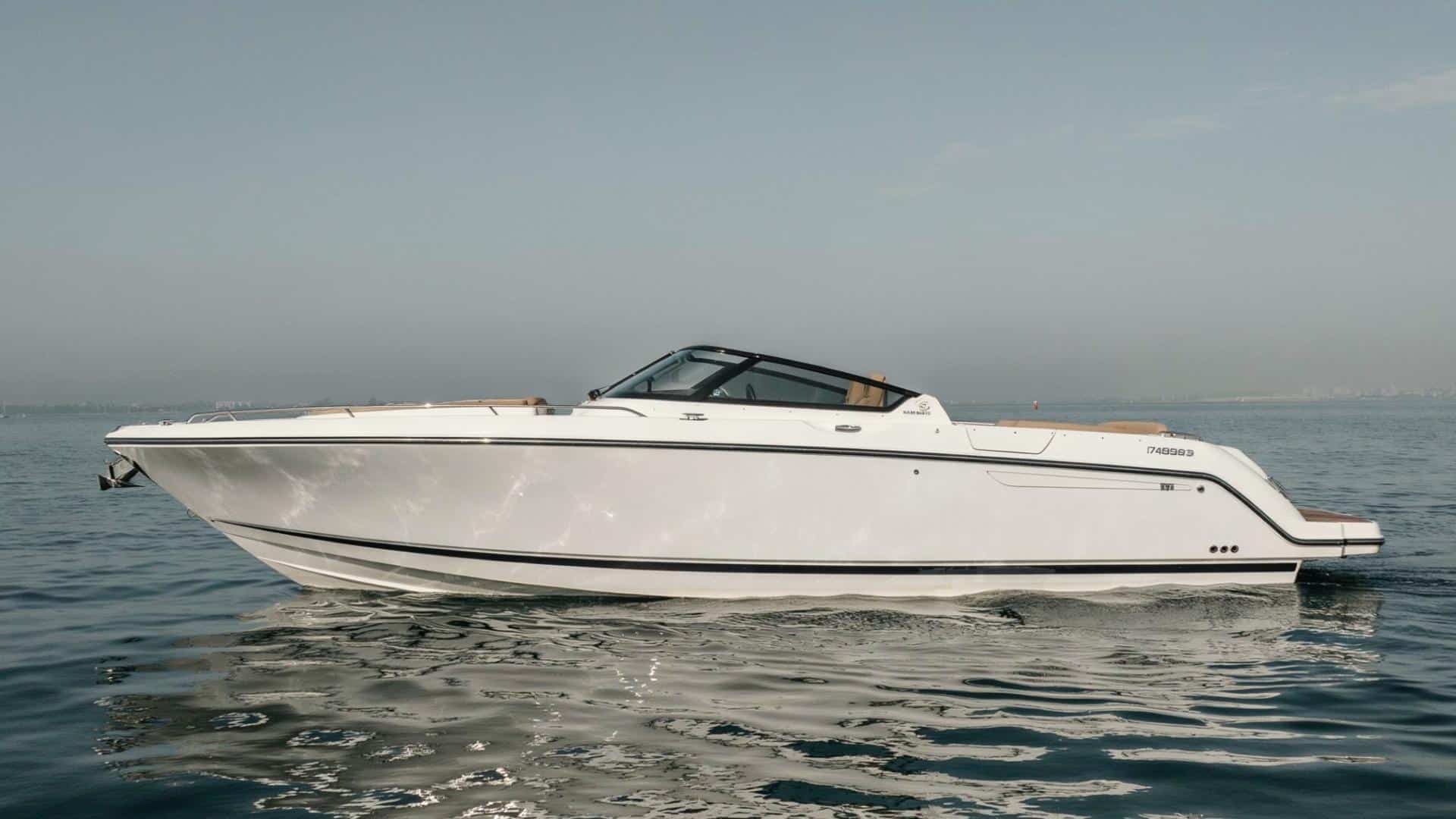
For households with oversized recreational equipment like kayaks, canoes, and custom bicycles, the moving company United Van Lines highlights that hiring a full-service mover can allow families to avoid the stress of these more complex moves.
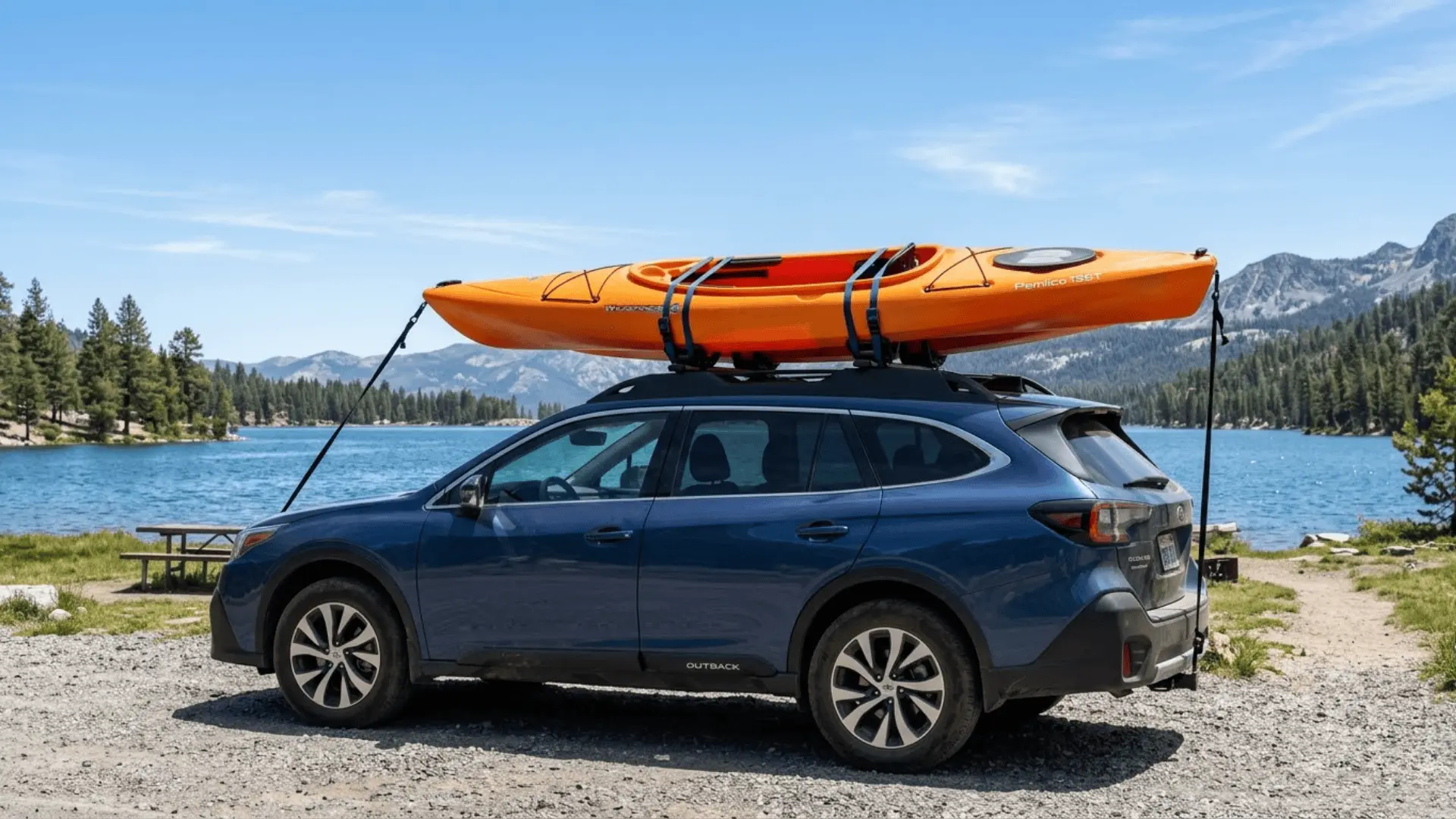
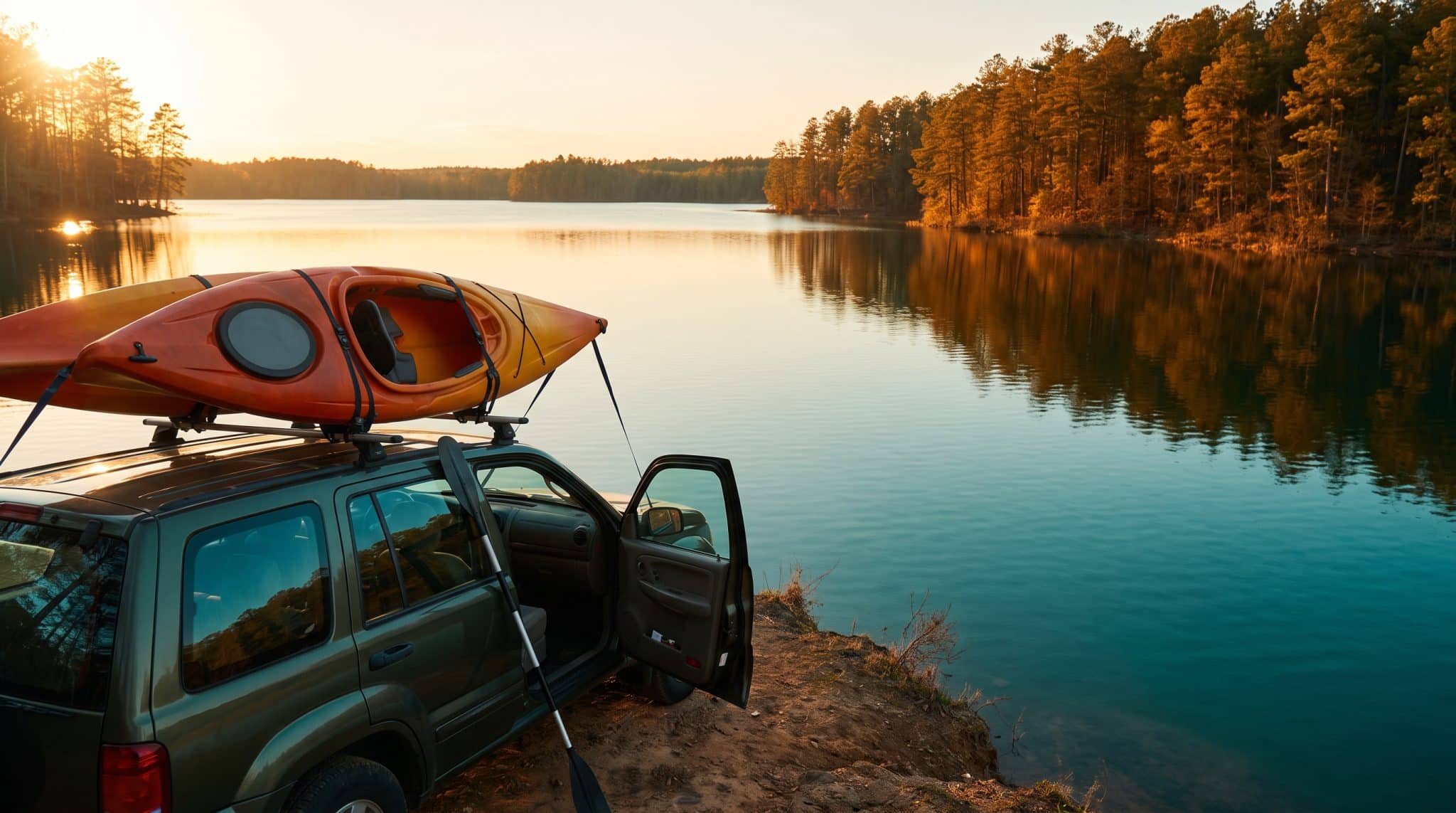
If you plan to move some gear yourself, a roof rack or a trailer can work well for boats and bikes, but check the straps and weight limits before you set off. Ask your mover ahead of time about anything unusual, whether that’s a large paddleboard or a bike with expensive components, so they can plan the space in the truck.
Packing Bikes, Boards and Skis
Each type of gear has its own little tricks for packing safely.
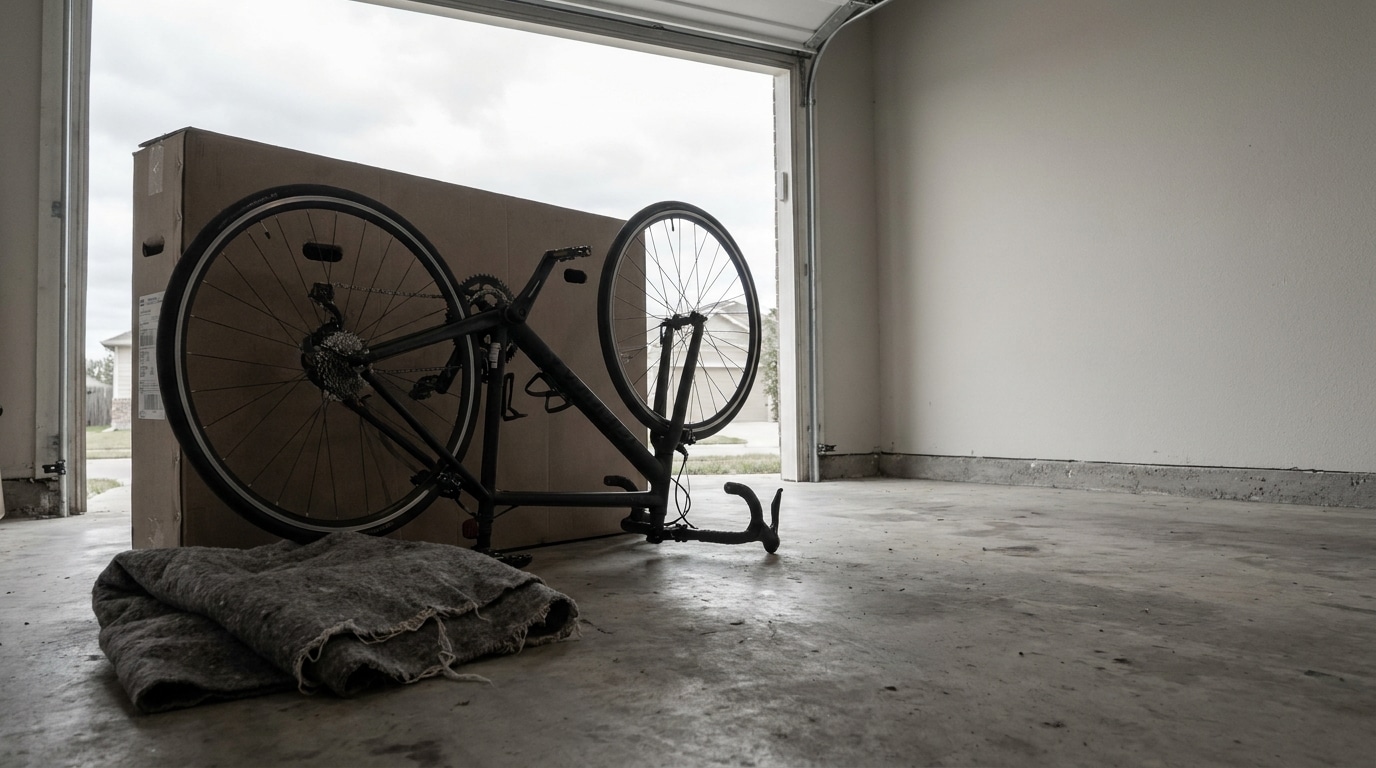
For bikes, remove the pedals, turn the handlebars sideways, and let a little air out of the tires. A bike box from a local bike store gives the best protection, but wrapping the frame in moving blankets and padding the derailleur works too, as long as you keep small parts in a labeled bag taped to the frame.
Skis and snowboards travel well in their own bags, with clothing or towels packed around them for padding. Clean, dry, and wrap kayaks and canoes in blankets or foam, especially around the ends where most damage happens.
What Can’t Go on the Truck
Many outdoor gear items are things moving companies won’t load.
Camp stove fuel, propane tanks, lighter fluid, bear spray, flares, and some batteries are usually on the list of things movers can’t carry. Use up what you can before the move, give away unopened canisters, and take the rest to a local hazardous waste drop-off rather than throwing it in the trash.
If you need any of these items soon after you arrive, it’s usually easier to buy fresh supplies near your new home.
Clean Everything Before It Goes
Muddy boots and damp tents don’t travel well, and a week in a hot truck can leave them smelling terrible or growing mold.
Wash and dry tents, sleeping bags, and clothing before packing them, and clean dirt off boots, bikes, and boats. If you’re moving a kayak, canoe, or paddleboard across state lines, check the rules where you’re heading, since some states inspect boats for invasive species and expect them to arrive clean, drained, and dry.
Keep a Grab-and-Go Adventure Bag
Nobody wants to spend their first free weekend in a new place digging through forty boxes for a headlamp.
Pack one bag or bin with the basics for a quick outing, from hiking shoes and a rain jacket to a water bottle, a daypack, sunscreen, and a first-aid kit. Keep it in your car rather than on the truck, so it’s ready the moment you want to explore.
Set Up Storage Before You Unpack
The garage or storage space at the new home might be bigger, smaller, or shaped completely differently from the old one.
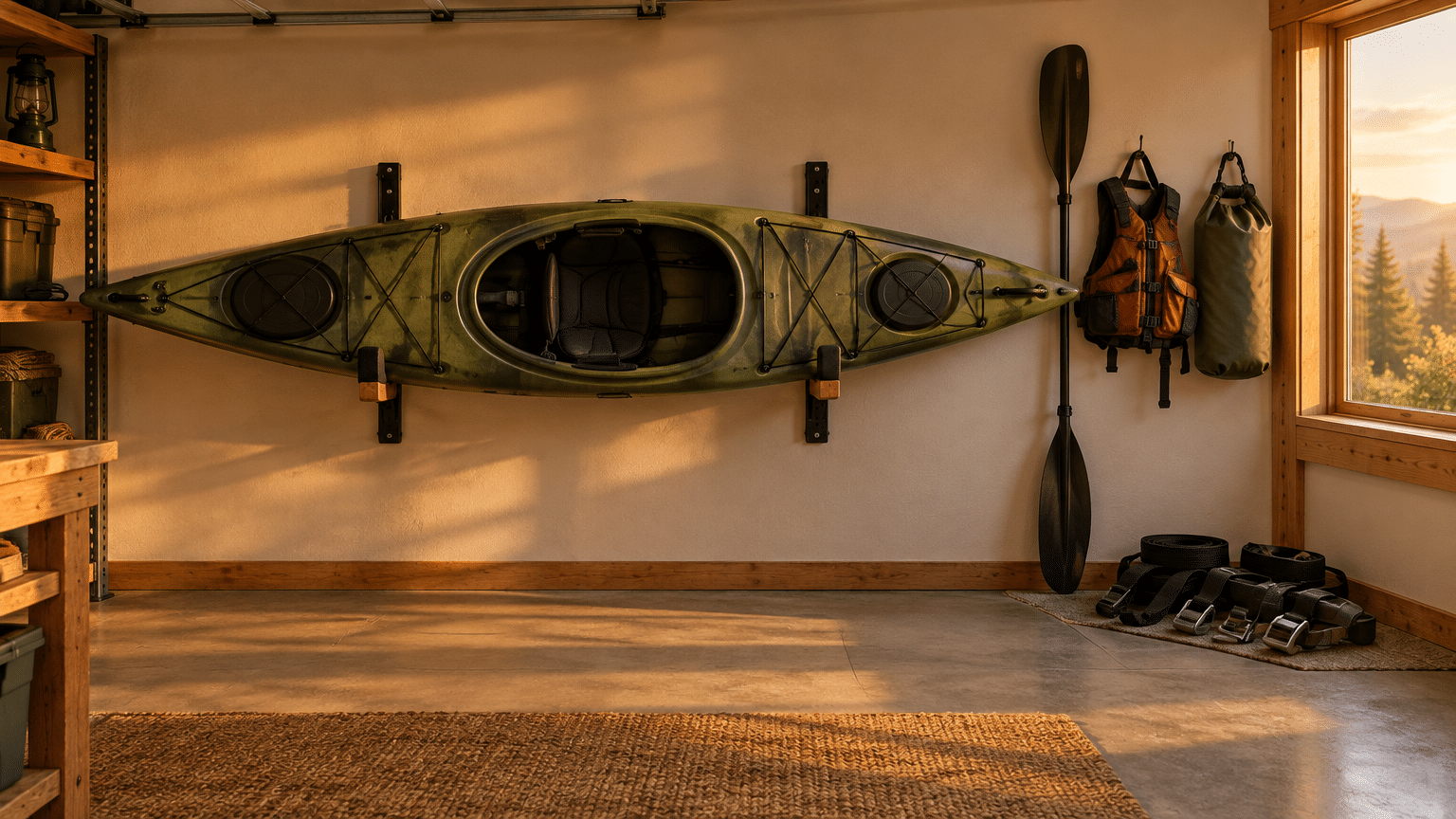
Before the gear goes back up, take a look at the space and plan where everything will live. Wall hooks, ceiling racks, and shelving can keep boats and bikes off the floor, and clear bins make it easy to find the right gear when a free afternoon comes along.
Once everything has a home, all that’s left is finding the nearest trailhead, lake, or bike path, which is often the best part of moving somewhere new.