Buying a kayak is an exciting step for anyone who enjoys spending time outdoors. Having your own boat means you can explore nearby lakes, paddle along quiet rivers or plan weekend trips without depending on rental availability. However, many first-time buyers discover that the purchase price is only part of what they’ll eventually spend.
Kayak ownership comes with additional expenses, from safety equipment and transportation to storage and occasional repairs. None of these costs should discourage someone from taking up the sport, but understanding them beforehand can make the experience considerably easier to manage.
Essential Equipment That May Not Be Included
A kayak doesn’t always come with everything needed for a safe day on the water. Depending on the model, paddlers may need to purchase a paddle, personal flotation device (PFD) and other essential accessories separately.
A properly fitted PFD should be a priority, regardless of swimming ability or paddling experience. Some trips also call for a dry bag, suitable footwear or protective clothing, particularly when water temperatures are low.
Inflatable kayak owners should check whether their purchase includes a pump, carrying bag and repair kit. These accessories are sometimes included, but that’s not guaranteed.
Before buying anything extra, review the manufacturer’s package details. It’s an easy way to avoid paying twice for equipment you already have.
Planning for Kayaking Expenses Without Overspending
The smaller purchases associated with kayaking can add up surprisingly quickly. A waterproof phone case might seem inexpensive, followed by a new dry bag, upgraded paddle or additional clothing. Before long, a beginner may have spent considerably more than expected.
Rather than purchasing every accessory immediately, it’s worth separating essential equipment from items that can wait. Safety gear comes first, while comfort upgrades can be added as paddling becomes a regular activity.
For people trying to make room for outdoor hobbies in their household budgets, finding practical ways to save money each month can help create a small fund for kayaking equipment, maintenance and occasional trips. Even modest amounts set aside regularly can make future purchases easier to manage.
This also gives beginners time to discover what they actually need instead of buying accessories based on recommendations that may not suit their paddling habits.
Transportation Can Become an Unexpected Expense
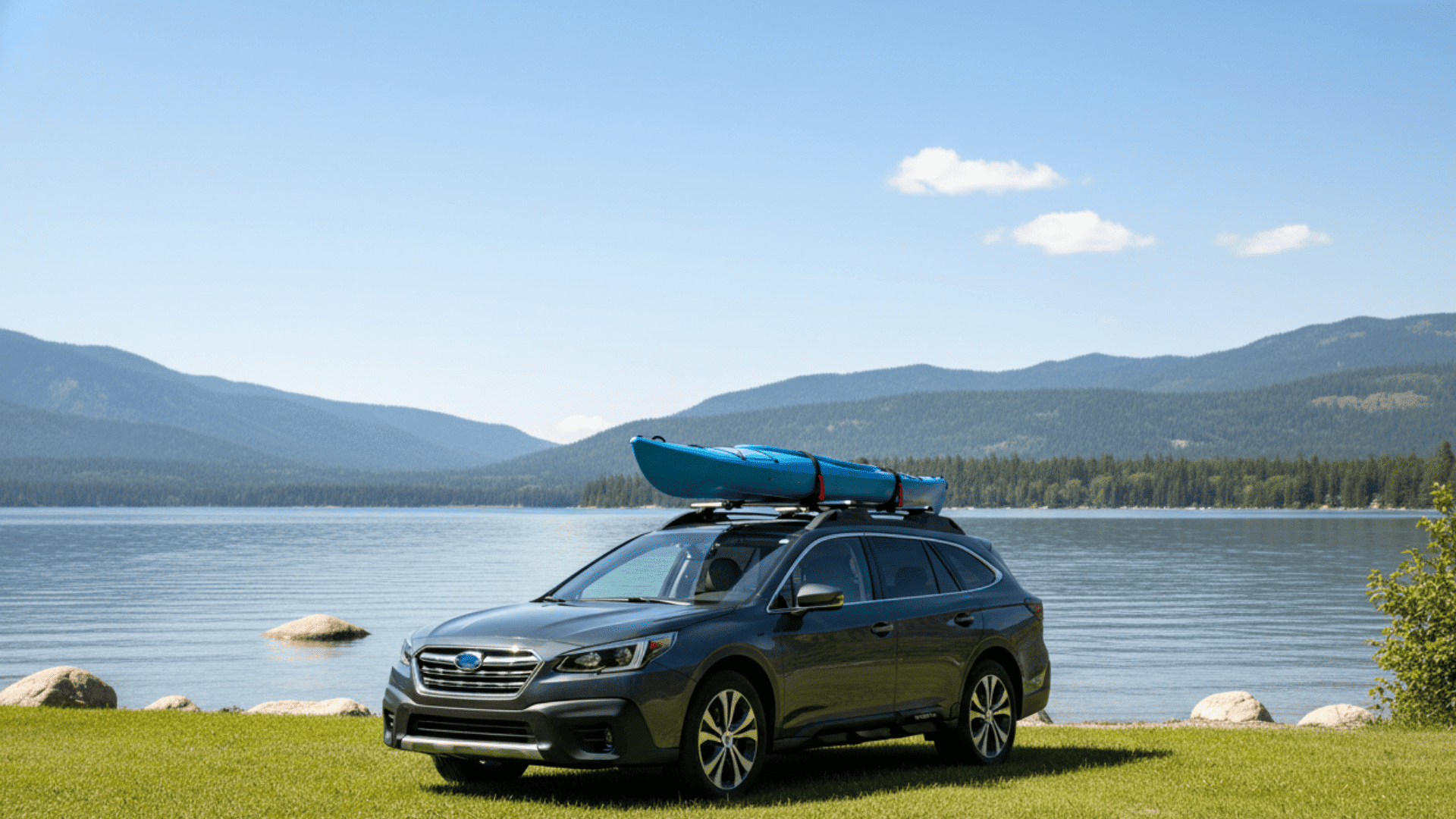
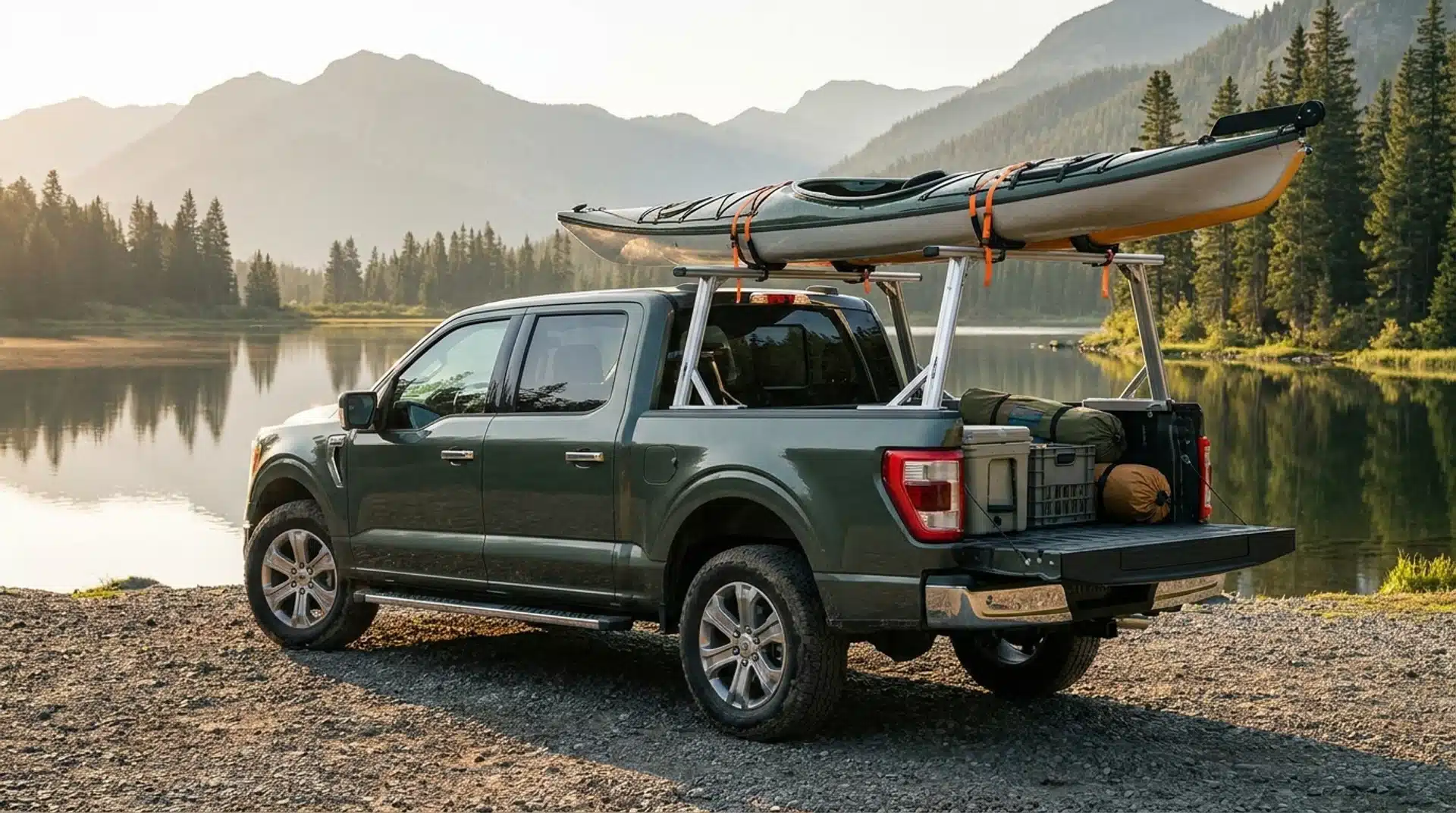
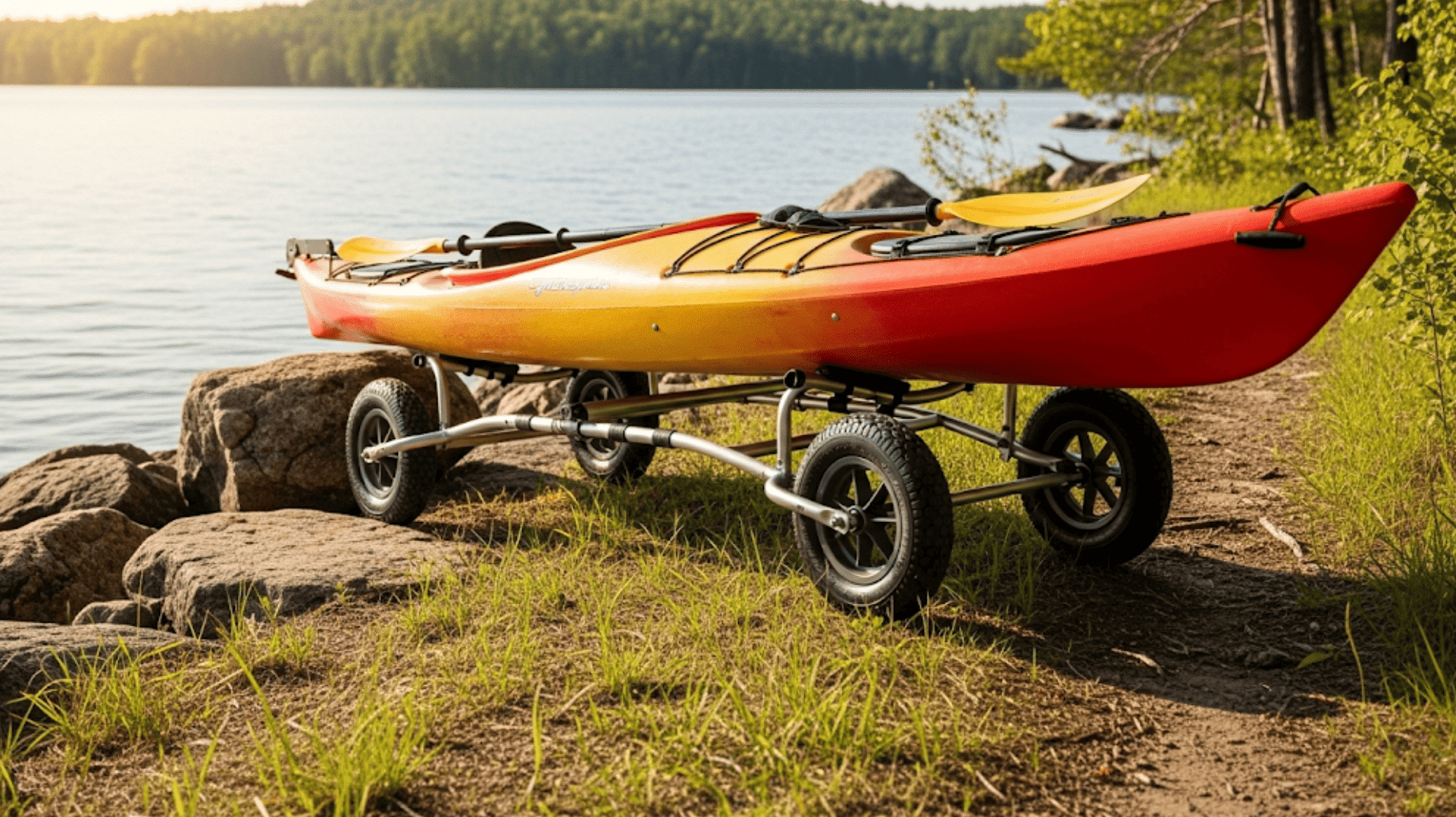
Getting a kayak to the water is something buyers should consider before choosing a model. Hard-shell kayaks often require roof racks, tie-down straps or a suitable trailer, depending on their dimensions and weight.
These transportation accessories introduce additional costs, particularly when a vehicle isn’t already equipped to carry a kayak safely.
Inflatable kayaks offer a different approach because many can be packed into a carrying bag and transported inside a vehicle. However, owners still need sufficient storage space, inflation equipment and time to prepare the kayak before launching.
Regular trips to distant waterways also involve fuel and parking expenses. Choosing a kayak that suits your transportation arrangements can make ownership much more convenient.
Finding a Suitable Place to Store Your Kayak
Storage is another consideration that can easily be overlooked, especially by people living in apartments or homes without garages.
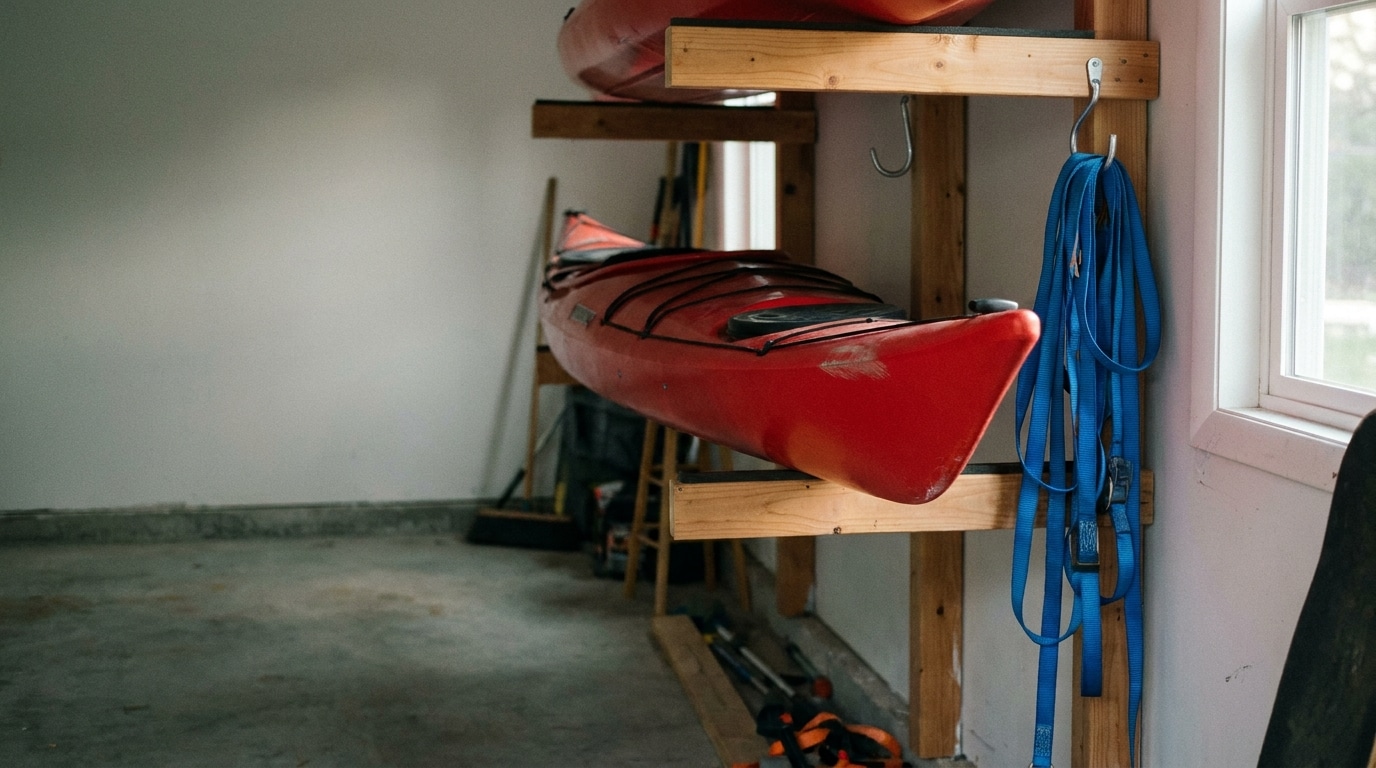
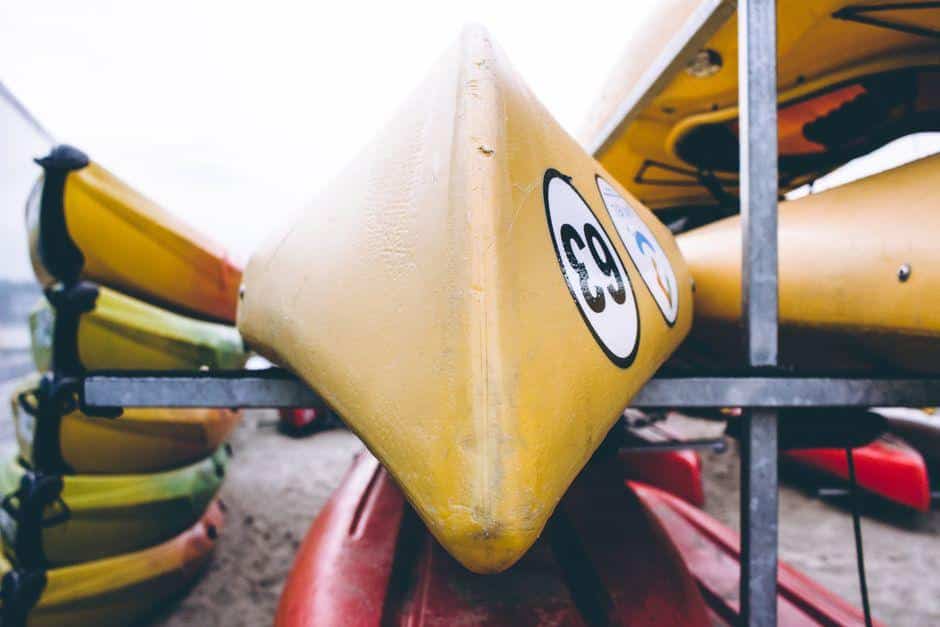
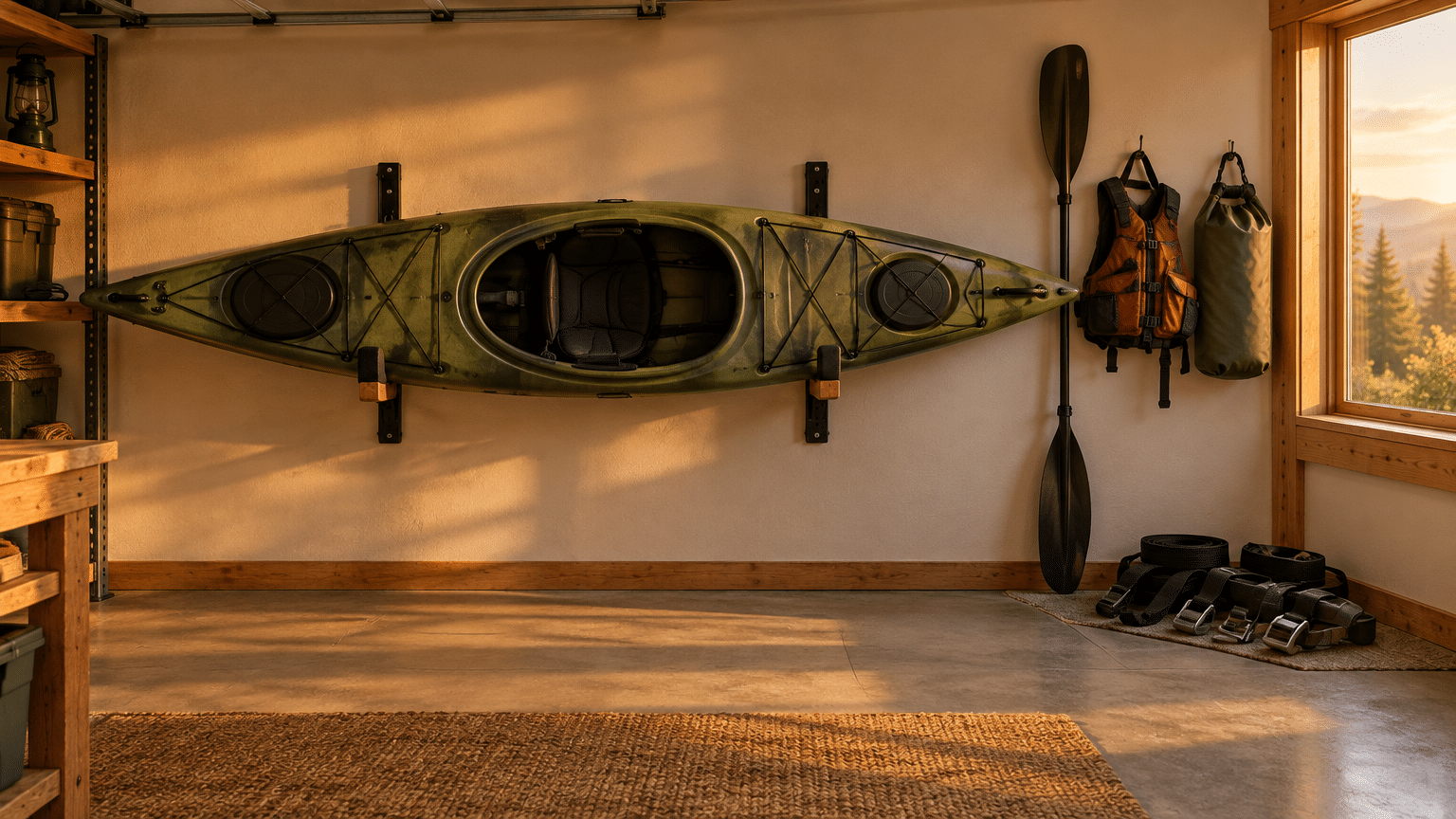
Hard-shell kayaks require enough space to accommodate their length, along with appropriate support to prevent unnecessary damage. Wall-mounted racks or storage stands may be useful, but they represent another purchase.
Inflatable kayaks generally take up less room when packed away, although they must be cleaned and thoroughly dried beforehand. Storing damp equipment can encourage mold, unpleasant odors and material deterioration.
Regardless of the kayak type, excessive heat, prolonged sunlight and unsuitable storage conditions can shorten its useful life. Following the manufacturer’s instructions can help prevent avoidable damage.
Maintenance and Repairs Are Part of Ownership
Kayaks don’t require the same level of maintenance as motorized boats, but they still need regular attention.
After paddling, particularly in saltwater, rinsing the kayak and its accessories helps remove salt, sand and dirt. Owners should also inspect the hull, fittings and other components for signs of wear.
Inflatable kayaks may occasionally require patching or valve maintenance, while hard-shell models can develop scratches or damage from contact with rocks and rough surfaces.
Small problems are generally easier to address before they become serious. Keeping an appropriate repair kit and following recommended maintenance procedures can reduce the likelihood of more expensive repairs later.
Exploring New Destinations Comes With Extra Costs
One of the biggest attractions of owning a kayak is the opportunity to discover unfamiliar waterways. Unfortunately, traveling to new paddling locations can introduce expenses that aren’t immediately obvious.
Some destinations charge parking or launch fees, while overnight adventures may involve campsite reservations and additional supplies. Certain waterways also have access restrictions or permit requirements that paddlers should investigate before arriving.
Planning trips in advance helps avoid unnecessary spending and unexpected complications. Checking weather conditions, local regulations and available facilities is equally important for safety.
There’s also plenty of value in returning to nearby paddling locations. Familiar waterways can provide enjoyable experiences without the transportation costs associated with longer trips.
When Renting Might Be the Better Choice
Owning a kayak isn’t automatically the most practical option for every outdoor enthusiast. Someone who paddles only once or twice a year may find that renting makes more sense than purchasing and maintaining equipment.
Rental providers often supply paddles and flotation devices, although included equipment varies between businesses. Renting can also eliminate personal storage and transportation concerns.
For beginners, trying different kayak styles before buying can be especially useful. It provides firsthand experience with stability, seating comfort and handling without requiring an immediate commitment.
People who paddle regularly may eventually prefer ownership for its flexibility. The decision should reflect actual usage rather than the excitement of purchasing new equipment.
Enjoying Kayaking Without Financial Surprises
Kayaking can be an accessible and rewarding outdoor activity, but the initial purchase price rarely tells the whole story. Equipment, transportation, storage and maintenance all influence the long-term cost of ownership.
Thinking through these expenses before buying helps paddlers choose equipment that fits their lifestyle and avoid purchases they don’t really need.
With realistic expectations and a little preparation, kayak owners can spend less time worrying about unexpected costs and more time enjoying the places their boats allow them to explore.