
There’s a point in most people’s relationship with the water where the rental counter stops feeling like a convenience and starts feeling like a toll booth. You show up, you sign the same waiver, you pay the same rate, and you hand the boat back at a time someone else picked. For a while that trade is fair. Renting removes storage headaches, maintenance chores, and the awkward question of where a hull lives during the off-season. But the arrangement has a shelf life. Somewhere between the occasional novelty outing and a genuine habit, ownership shifts from indulgence to the more sensible option — and most people cross that line months or years before they notice it. Figuring out where the line sits takes a little arithmetic and a lot of honesty about how you actually spend your free time.
The Real Cost of Borrowing Someone Else’s Boat
Rental pricing is designed to feel small. A half-day rate looks trivial next to the price of a boat, which is exactly why the comparison rarely gets made properly.
Day Rates Add Up Faster Than They Feel
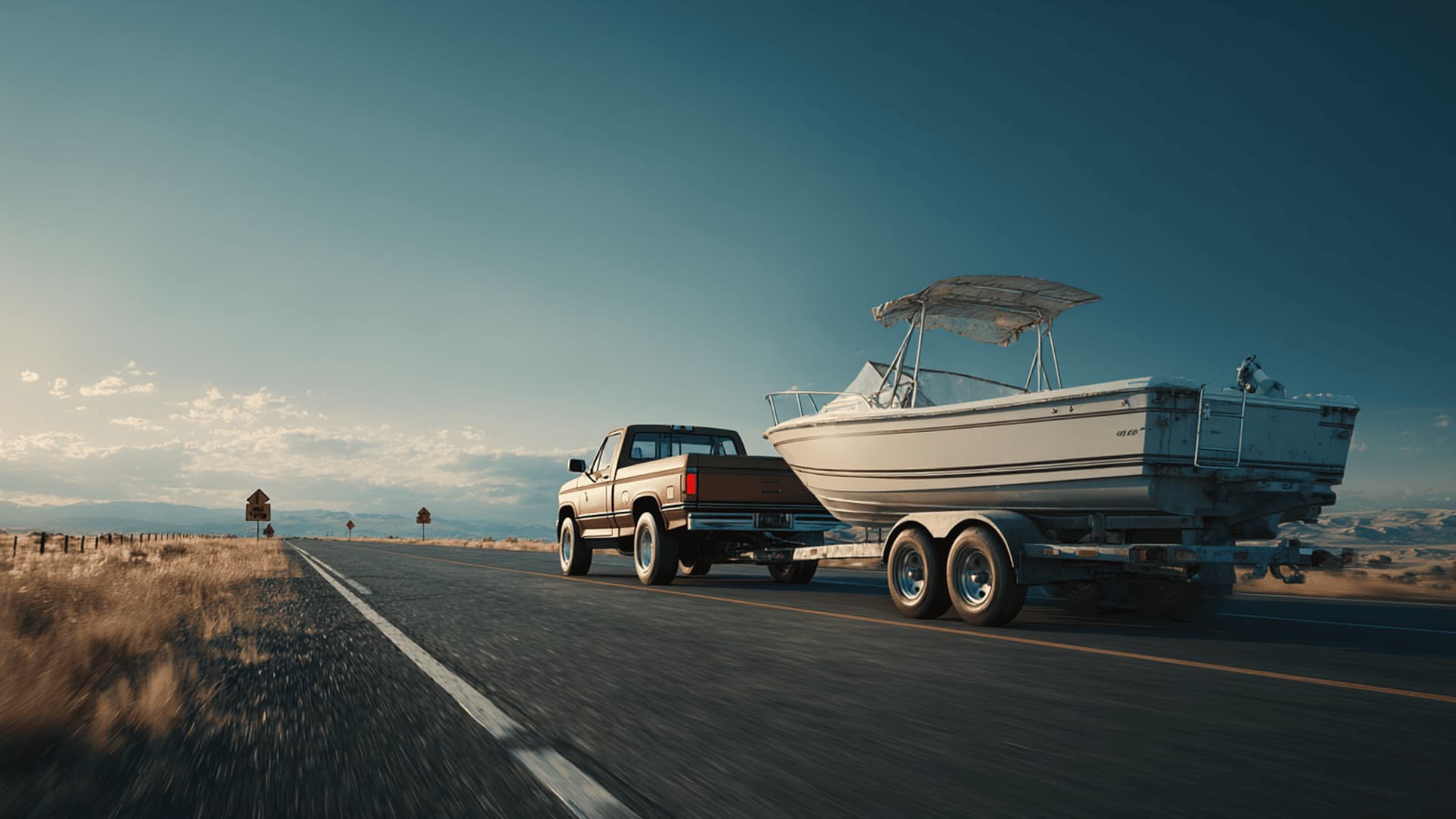
Paddlecraft rentals typically run somewhere between $25 and $80 for a few hours, depending on the water and the season. Add a second boat for a partner or a kid and you’ve doubled it. Now multiply by the number of outings you managed last year, then add the ones you’d have taken if the logistics were easier. Most casual paddlers are surprised by the total. A decent recreational kayak sits in the same range as eight or ten rental days. Touring boats and fishing kayaks push that to twenty or thirty. Trailered powerboats are a different conversation entirely, but the underlying math works the same way — you’re comparing a repeating charge against a one-time one.
Time Is Part of the Price
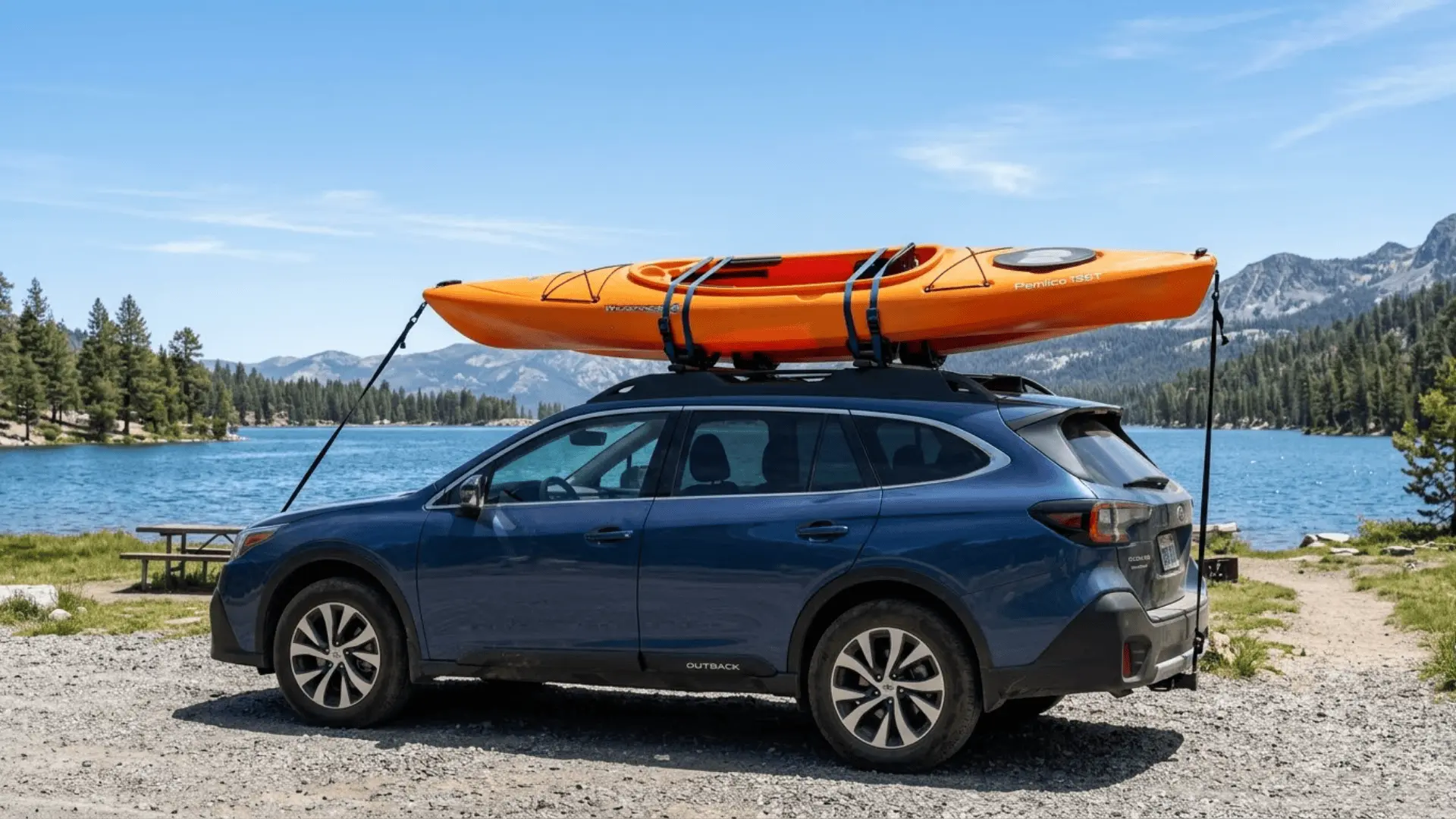
Money is the obvious half. The other half is the friction. Renting means driving to a specific place, arriving during specific hours, and often waiting behind other people doing the same thing. Weekend slots book out. Weather cancellations become someone else’s policy rather than your judgment call. Owning collapses all of that into one decision: throw the boat on the rack and go. That flexibility is hard to price, but it’s usually what tips the scale for people who already know they love being out there.
Signals That You’re Ready to Own
Cost tells you whether ownership can make sense. Behavior tells you whether it will.
Count Your Days, Not Your Intentions
The most reliable indicator is a plain tally of how many times you got on the water in the past twelve months. Not how many times you meant to. Four or five outings a year rarely justifies a purchase. Ten or more, spread across the season rather than clustered in one vacation week, usually does. Look at the pattern, too. Steady monthly use points toward ownership; one enthusiastic burst followed by nine quiet months points the other way.
Notice the Trips You Skip
There’s a quieter signal that people miss. If you’ve passed on a calm evening on the lake because the rental shop closed at five, or skipped a river you wanted to try because nobody rents there, the constraint has already started shaping your life. Owners paddle more — not because they’re more committed, but because the barrier to entry drops to roughly zero. The American Canoe Association offers instruction and trip resources that tend to be far more useful once you have a boat available on your own schedule.
Planning the Purchase Like a Real Expense
Deciding to buy is the easy part. Deciding how to pay for it without wrecking anything else takes more thought.
The Costs That Show Up After the Sale
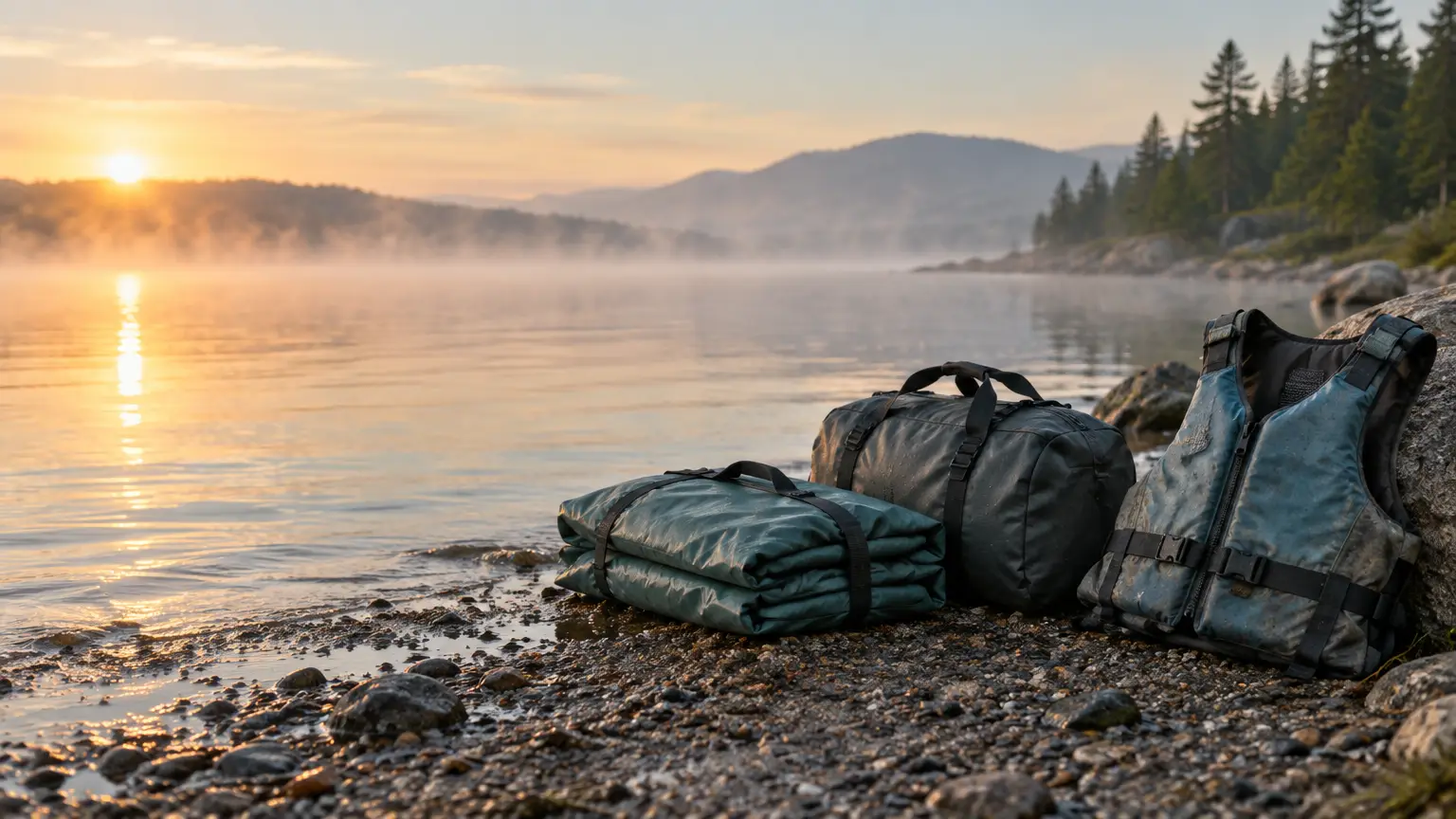
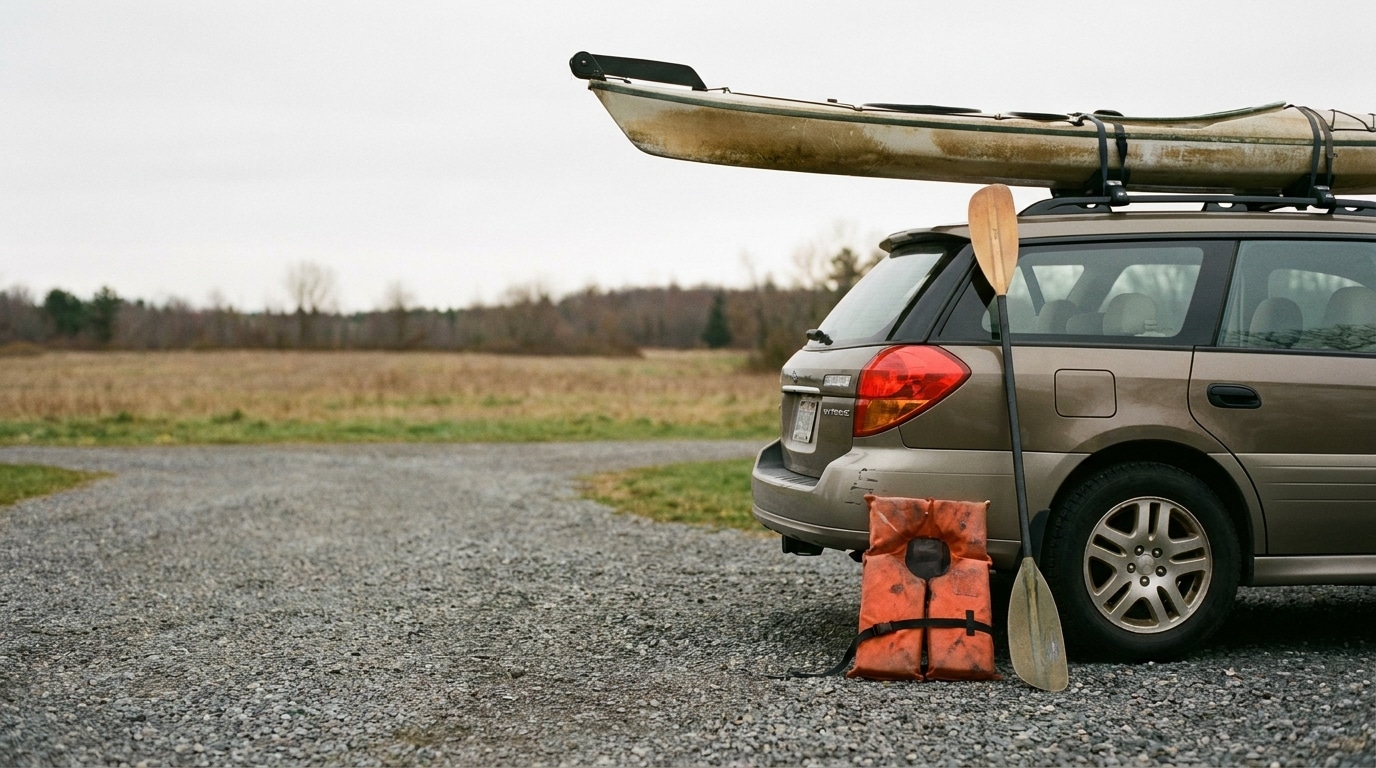
A boat’s price tag is the beginning of the number, not the end of it. Budget for a roof rack or trailer, a properly fitted life jacket for every person aboard, a paddle worth using, and safe storage that keeps UV and freeze-thaw cycles off the hull. Registration requirements vary by state and by boat type. Powerboats bring insurance, fuel, winterizing, and slip or dry-storage fees. Even a simple kayak needs cleaning, occasional hardware replacement, and somewhere to live that isn’t your living room. Safety gear deserves special attention here — the U.S. Coast Guard’s recreational boating program publishes accident data every year, and the pattern is consistent enough that skimping on equipment is a poor place to save money.
Fitting a Boat Into the Bigger Picture
Treat the purchase the way you’d treat any planned expense of that size. That means knowing what it does to your monthly cash flow, whether it delays anything you care about more, and how you’d handle a repair bill in year three. Some people work this out on a spreadsheet in an afternoon. Others use AI-driven financial planning tools that fold a purchase like this into savings goals and debt timelines, so the tradeoffs are visible before the money moves rather than after. Either approach beats the common alternative, which is buying on a good Saturday and reconciling the numbers later. Recreation spending isn’t frivolous. It just needs to sit inside a plan instead of on top of one.
Choosing a Boat You’ll Actually Use
A well-planned purchase still fails if you buy the wrong hull. Matching the boat to your real conditions matters more than any spec sheet.
Match the Hull to the Water
Flatwater lakes, coastal chop, and moving rivers all reward different designs. A wide, stable recreational kayak feels great on a pond and miserable on a windy bay. A long touring hull tracks beautifully in open water and handles like a barge in tight creeks. Think about the water within an hour of home, because that’s where the majority of your trips will happen regardless of what you imagine. Weight matters too. A boat you can’t lift onto your car alone becomes a boat you rarely use.
Let Someone Else Take the First Depreciation Hit
Used boats are abundant and the market is forgiving. Hulls last decades with basic care, and a two-year-old boat often sells for well under half its original price. Inspect for deep gouges, soft spots, and repaired cracks, then check that hardware and hatches are intact. Buying used also lowers the stakes if your first choice turns out to be wrong — resale is straightforward, and you’ll know far more about what you want the second time around. Organizations like the BoatUS Foundation publish practical guidance on inspection and safe operation that’s worth reading before you hand over cash.
When Staying at the Rental Counter Is the Smarter Move
Ownership isn’t the automatic upgrade. If you paddle twice a year on vacation, renting wins on every measure. Renting also wins when you have nowhere secure to store a boat, when you move frequently, or when you’re still figuring out which discipline you enjoy. Trying six different hull types over a season costs less at a rental shop than buying one and discovering it doesn’t suit you. There’s no prize for owning gear you use twice.
The Bottom Line
The shift from renting to owning isn’t a milestone anyone hands you. It’s a threshold you cross quietly, marked by repetition, by the trips you keep wanting to take, and by the growing sense that the schedule should be yours. Run the numbers against your actual habits rather than your aspirations. Account for the costs that arrive after the purchase, not just the one on the tag. Fit the whole thing into a budget that can absorb it comfortably. Do that honestly, and the answer usually announces itself — either the rental counter is still serving you well, or the roof rack has been waiting a while.