
If you have been curious about foil surfing (also called hydrofoil surfing), you are definitely not the only one.
Maybe you have seen someone gliding above the water and wondered how it even works, or maybe that unusual board with a long mast and wing underneath caught your attention right away.
Either way, foil surfing is one of those sports that instantly makes you want to know more.
What makes it so exciting is the completely different feel it offers compared to traditional surfing. Instead of riding directly on the water, you get a smoother, lighter experience that feels almost unreal.
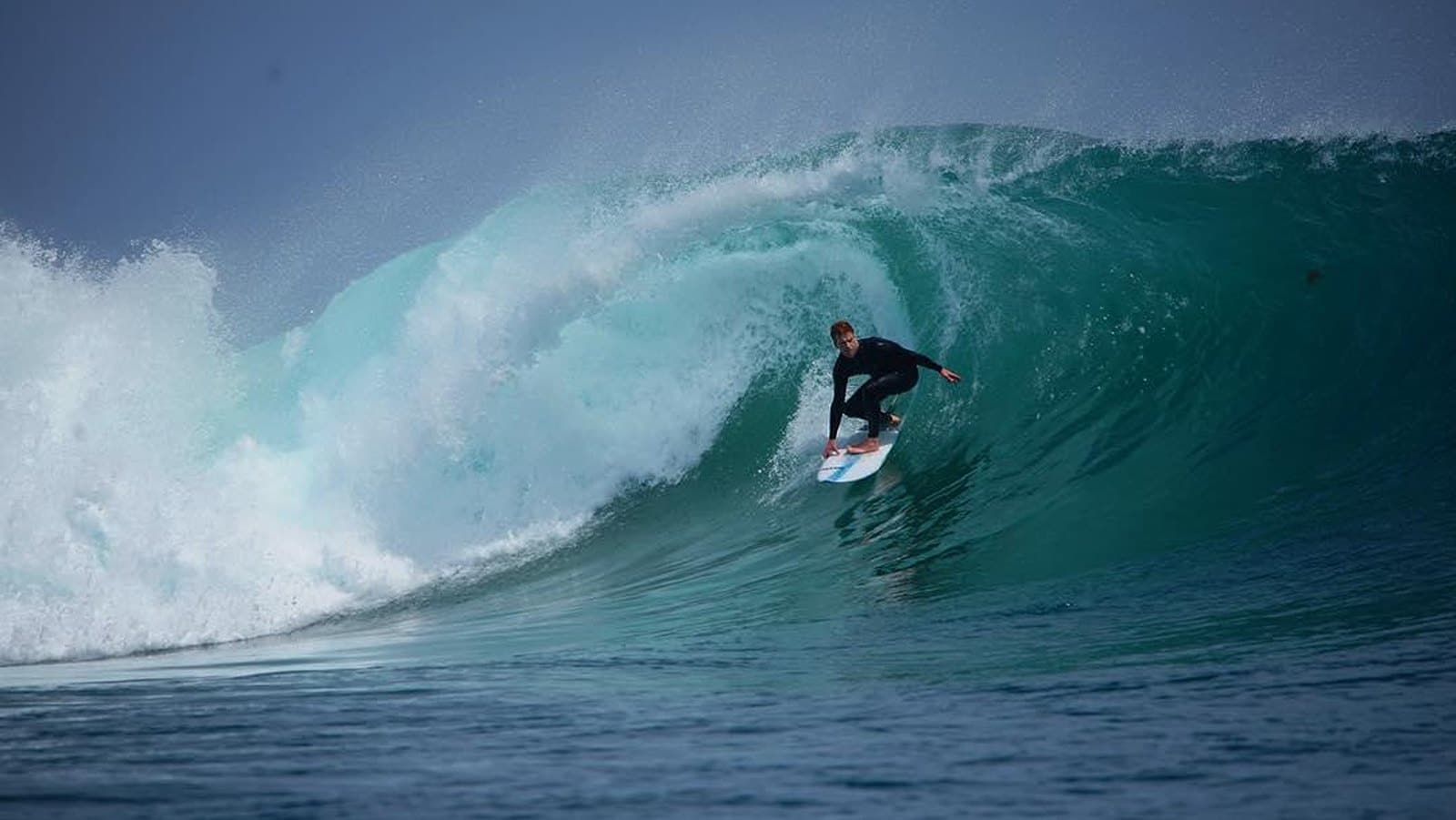
In recent years, foil surfing has been adopted by professional surfers and water sports athletes worldwide, especially in areas known for the best surfing spots in the world.
What is Foil Board Surfing
Foil surfing is a unique water sport in which a hydrofoil is attached to a board, allowing it to lift out of the water once enough speed is reached.
This creates a smooth, effortless glide above the surface, unlike traditional surfing.
The growing popularity of foil surfing stems from the distinct riding experience it offers. Riders enjoy quieter, longer rides with less drag and more flow.
Additionally, foil surfing can be done in smaller, weaker waves where traditional boards struggle, making it an exciting option for both beginners and seasoned surfers looking for a new challenge.
Understanding the Hydrofoil Setup
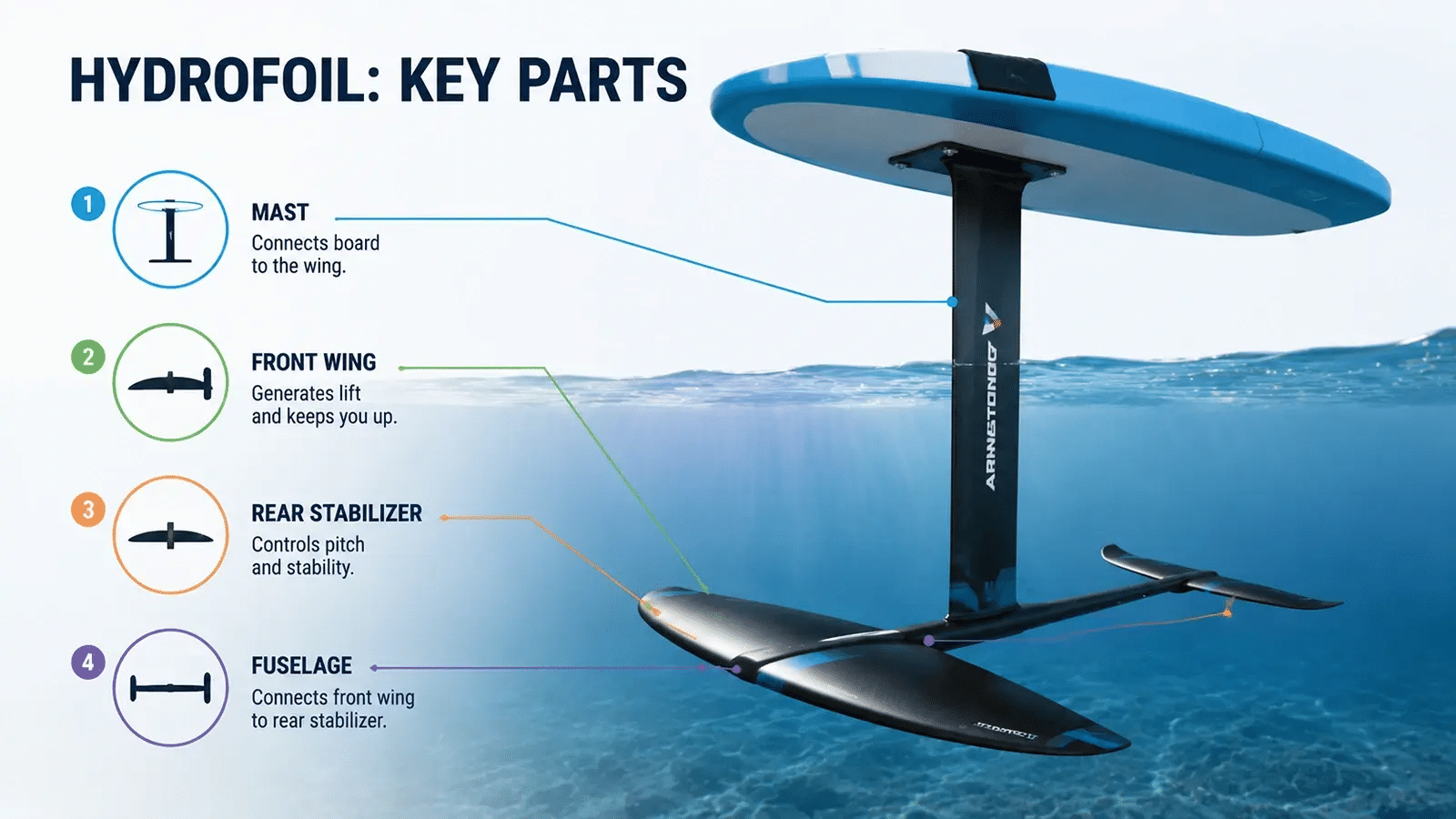
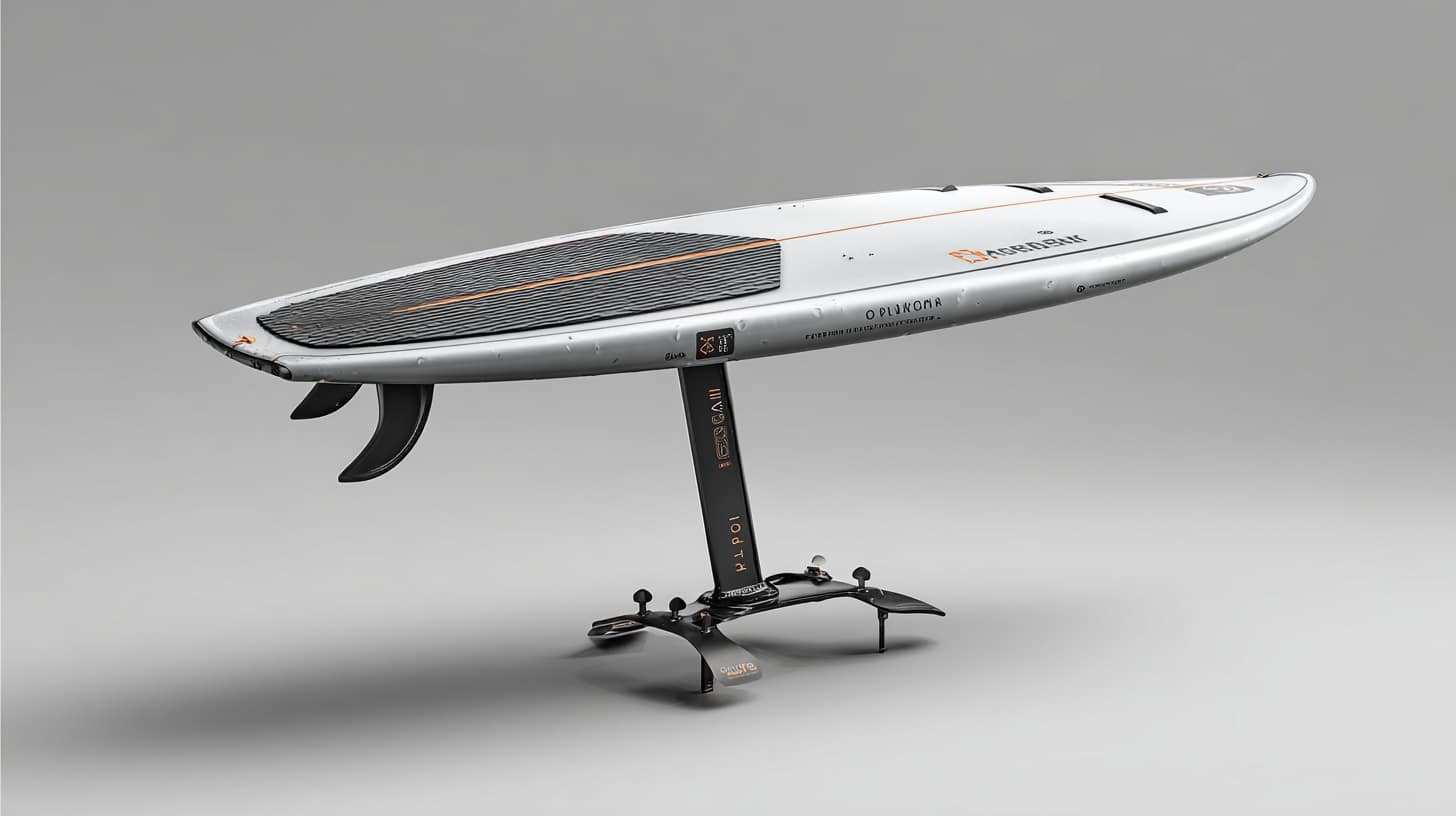
A hydrofoil system consists of four key components: the mast (connects the board to the wing, with shorter masts for beginners), the front wing (larger wings offer lift at lower speeds, ideal for beginners).
The rear stabilizer (controls pitch), and the fuselage (links the wings and affects stability). Foil surfing lifts you above the water as the hydrofoil generates lift, reducing drag and providing a smoother glide.
Unlike traditional surfing, foil surfing offers more stability, even in choppy waters, allowing for longer rides and the ability to surf smaller, weaker waves.
With the right setup, foil surfing becomes an exciting and approachable experience for beginners.
Safety Note: Foil surfing carries unique risks, so always wear essential safety gear: a helmet, impact vest, leash, and booties. These protect against falls and impacts, ensuring a safer experience.
Types of Foil Boards for Different Riding Styles
Choosing the right foil board setup based on your skill level is crucial. Slingshot offers options for both beginners and advanced riders, tailored to disciplines such as surfing, winging, and towing.
1. Wing Foil Boards
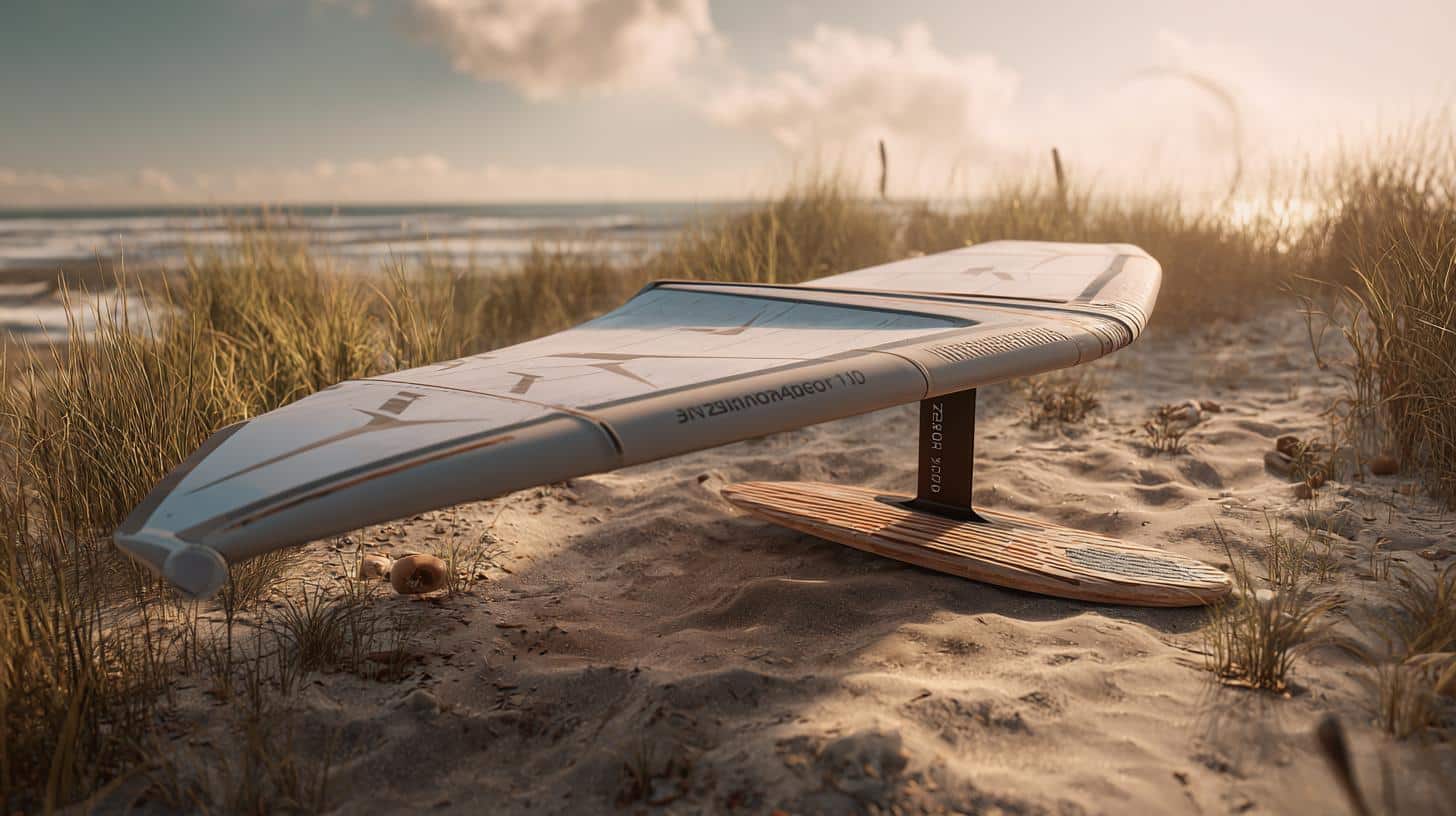
A wing foil board is one of the best choices for beginners because it uses a handheld wing to generate power, making takeoff easier even without waves.
It is used with a handheld wing, which makes learning balance, control, and basic foil riding feel more manageable.
2. Surf Foil Boards
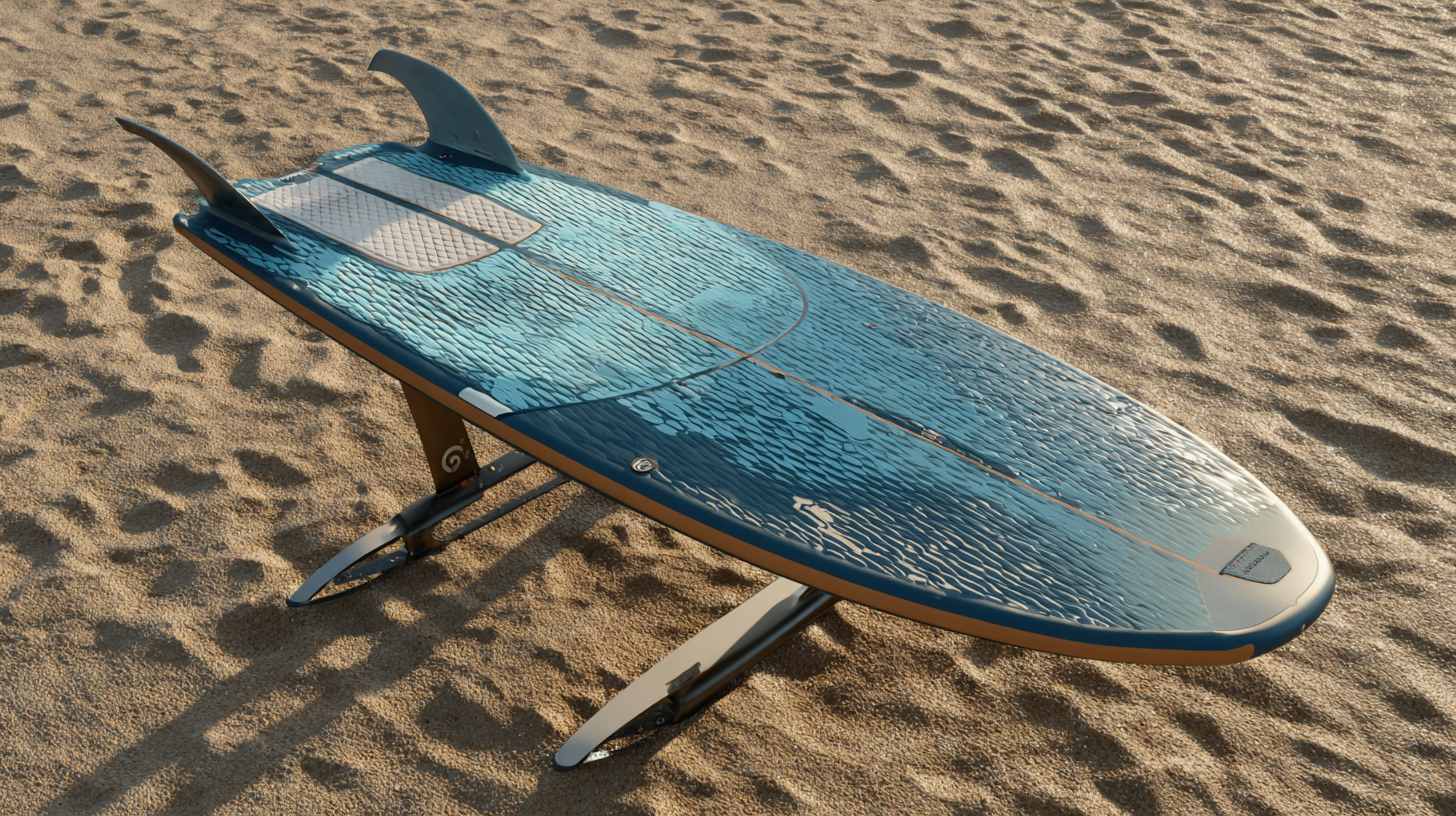
A surf foil board is designed specifically for riding waves and typically requires wave energy (or towing) to get started.
These boards are usually smaller and more responsive, making them a great option for riders who want tighter turns, better wave connection, and a more performance-driven feel.
3. Wake Foil Boards
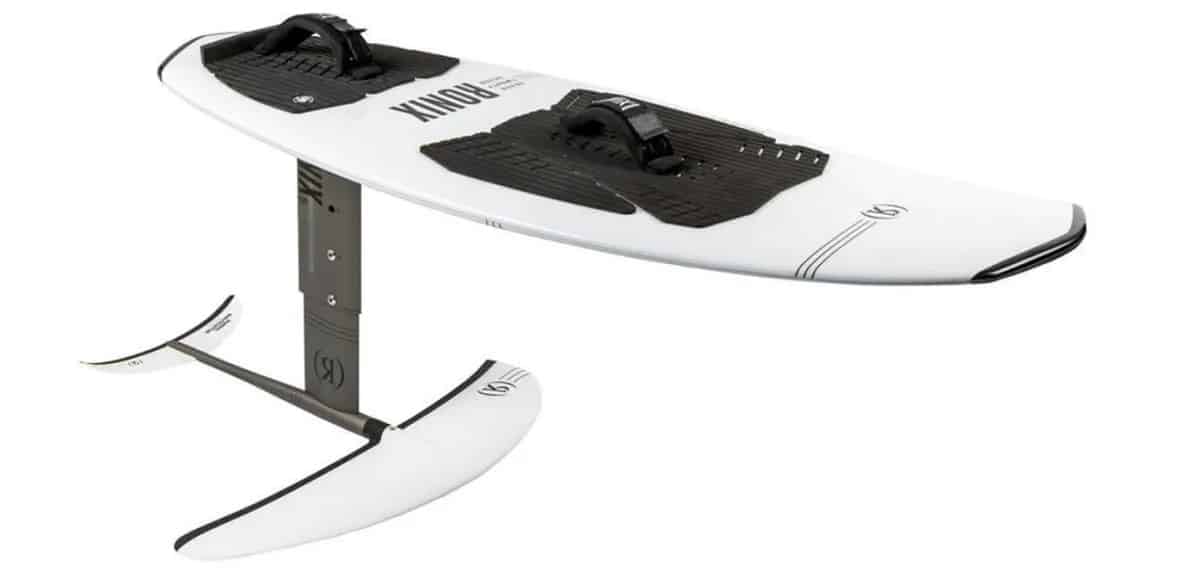
A wake foil board is designed for use behind a boat, where steady towing helps riders learn the basics.
It is often compact, stable, and easier to handle, making it a practical choice for practicing lift, balance, and first-time foil skills.
4. Downwind Foil Boards
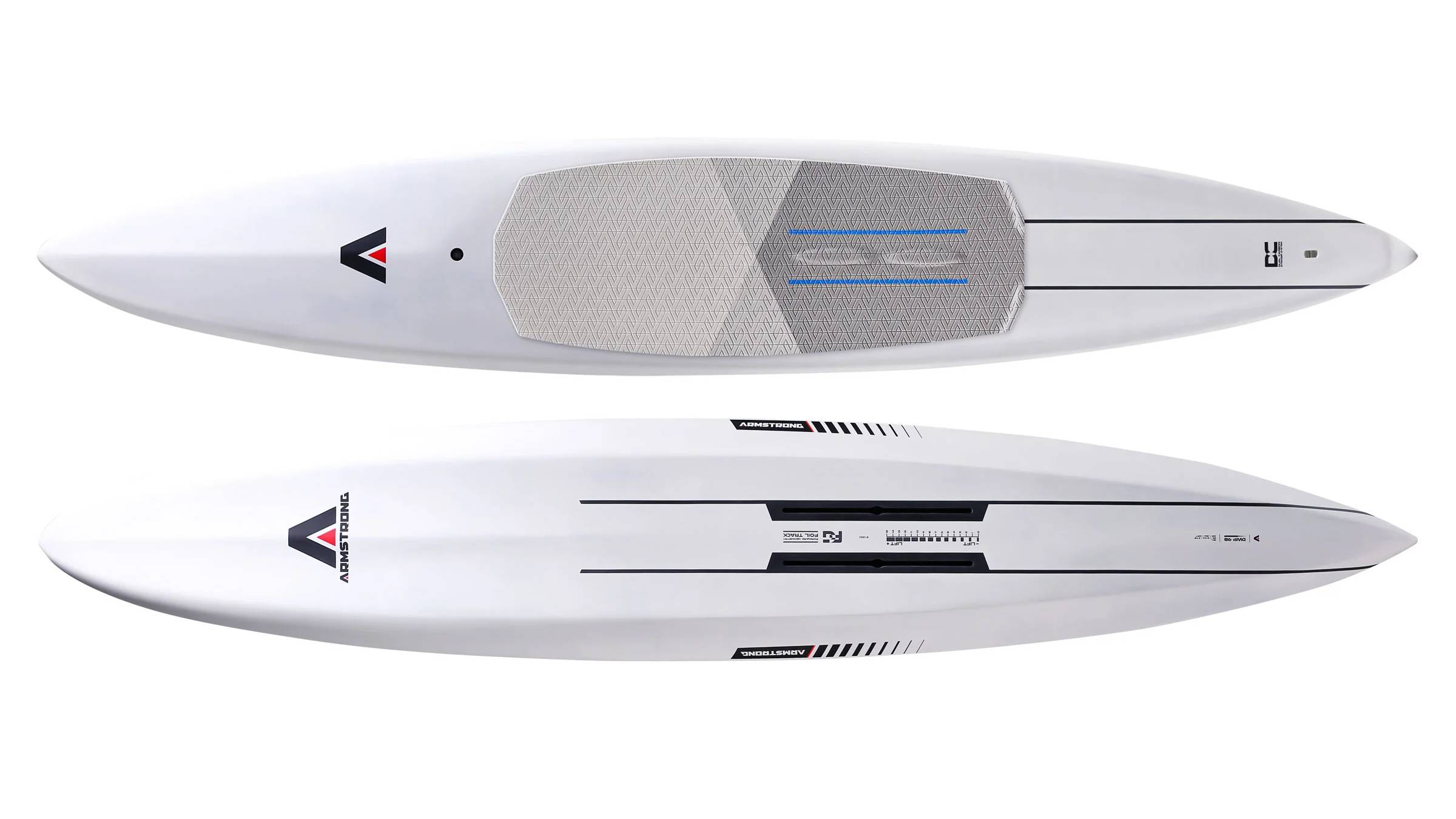
A downwind foil board is built for long-distance gliding and efficiency across open water.
These boards are usually longer and narrower, which helps riders gain speed easily and maintain momentum, making them ideal for covering distance and riding over bumps smoothly.
5. SUP Foil Boards
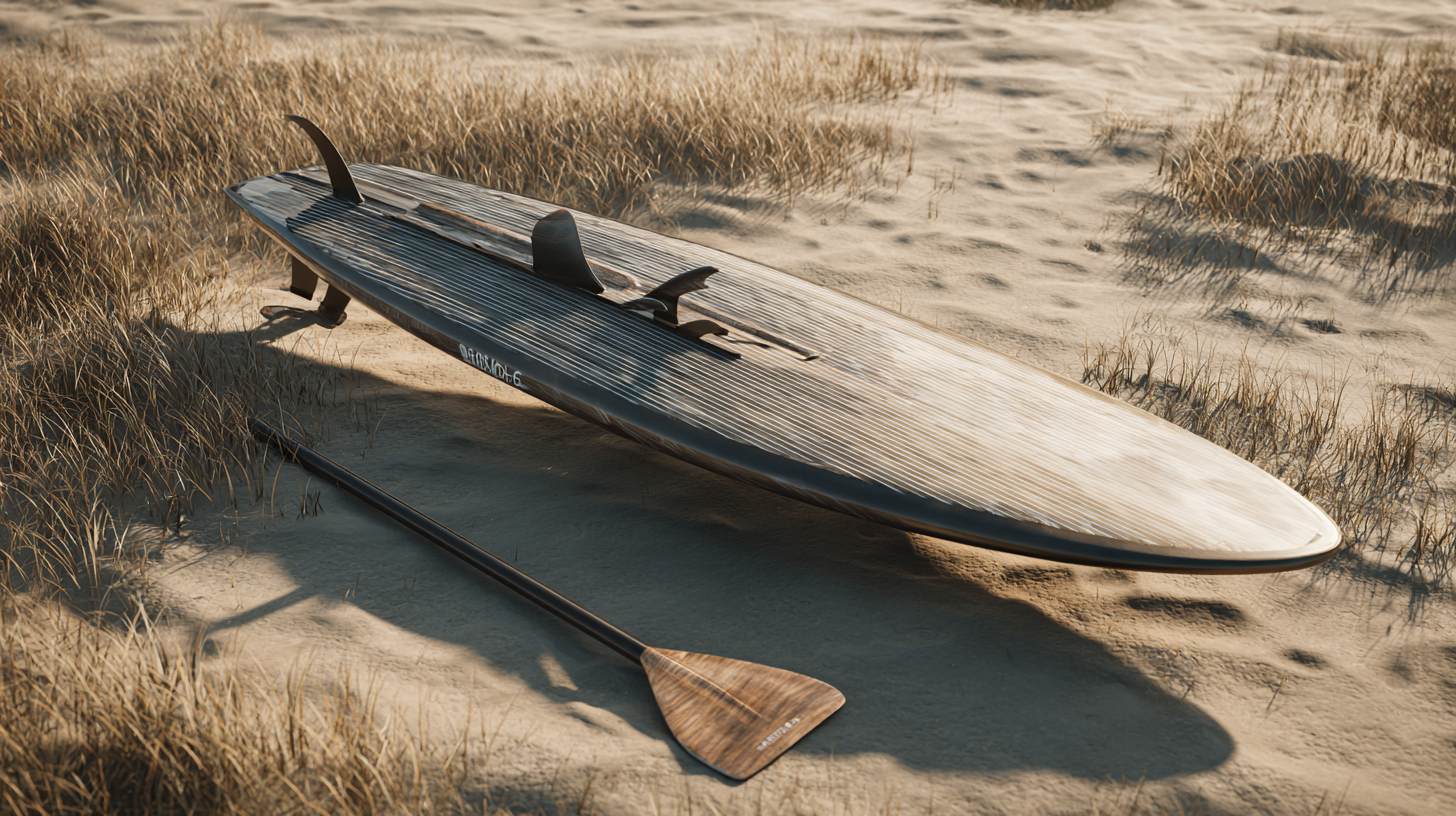
A SUP foil board is designed for stand-up paddling with a foil under the board.
These boards are generally larger and more stable, making them a good option for riders who want extra balance and a more comfortable learning platform across a variety of water conditions.
6. Kite Foil Boards
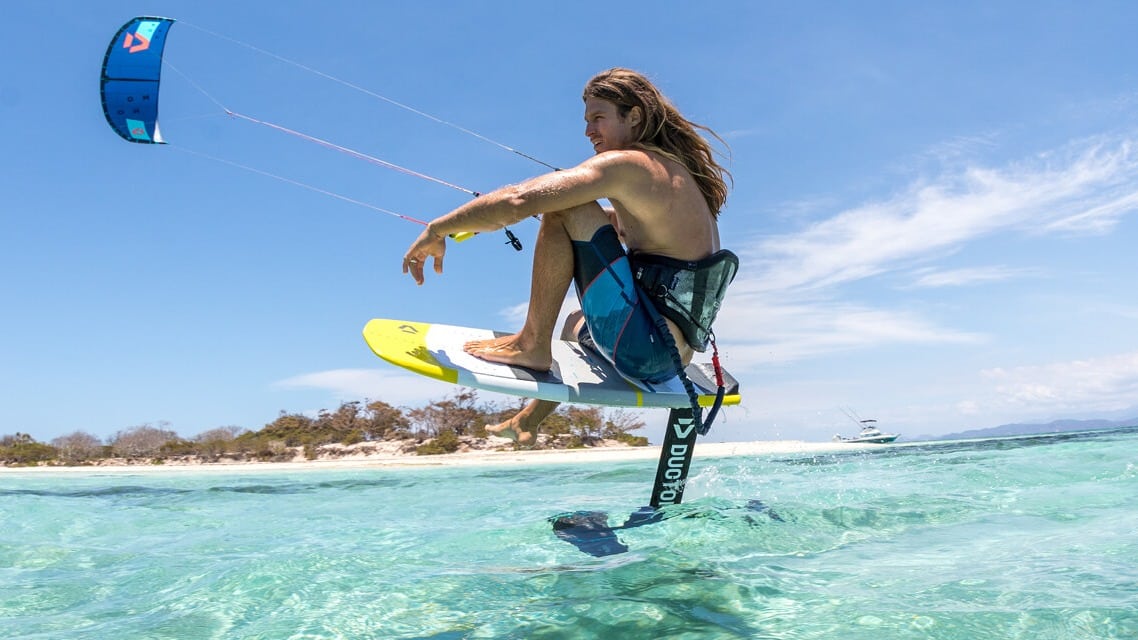
A kite foil board is used with a kite and is built for speed, efficiency, and strong upwind performance.
These boards are often smaller and lighter, making them better suited for riders with kiteboarding experience who want a faster, more advanced setup.
Knowing the different types of foil boards can make your buying decision much easier.
If you want a beginner-friendly board for learning or a specialized setup for speed, waves, or distance, choosing the right foil board is the first step toward a better ride.
Essential Foil Surfing Tips for Beginners
Starting your foil surfing journey can be both thrilling and challenging.
With these expert tips, you’ll build the necessary balance, control, and confidence to ride smoothly on the water, making your learning experience more enjoyable and less intimidating.
- Start in calm water to focus on balance and foot placement.
- Keep a soft-kneed stance, feet shoulder-width apart for stability.
- Maintain centered weight, avoid stiff posture as the foil lifts.
- Look ahead, not down, to anticipate water movement.
- Practice in flat water before tackling waves.
- Use a larger, stable board and a short mast for easier control.
- Break learning into steps: stance, controlled starts, short runs.
- Stay relaxed with small, subtle corrections.
- Learn foil mechanics gradually as timing takes practice.
- Consider lessons to speed up learning and improve safety.
By practicing these beginner-friendly tips, you’ll not only develop better control over your foil surfing skills but also upgrade your early challenges into smoother, more enjoyable rides.
Stay patient, practice consistently, and soon you’ll be gliding with ease and confidence on the water.
How to Choose the Right Foil Board
Choosing the right foil board can make a big difference in how quickly you learn, especially since board construction and its impact work differently from what you may know about surfboards.
The easiest way to decide is to focus on a few key factors that align with your skill level, riding style, and budget.
| Factor | What to Look For | Why It Matters |
|---|---|---|
| Skill Level | High-volume boards (20–40L above body weight) | Easier balance and takeoff |
| Board Size | Larger for beginners | More float and stability |
| Foil Setup | Large wing + short mast | Earlier lift, better control |
| Budget | Mid-range setup | Avoid overspending early |
When you understand these factors, choosing the right foil board becomes much simpler. A well-matched setup not only improves your learning experience but also helps you progress with confidence.
How Long Does It Take to Learn Foil Surfing?
Every rider progresses at a different pace, but many beginners follow a similar timeline:
- 1–3 sessions: Learning balance, stance, and control
- 4–7 sessions: Getting short lifts and improving stability
- 8–10+ sessions: Riding small, unbroken waves with more confidence
These timelines assume sessions of 1.5 to 2 hours in suitable conditions. Riding in rough water, using the wrong board size, or skipping fundamentals will all add sessions to your progression.
Taking lessons can help you progress faster by improving technique early, reducing common mistakes, and making the learning process safer.
How to Fall Safely Off a Foil Board
Learning to fall properly is crucial for beginners. When you feel a wipeout coming, fall sideways or backward, away from the board, to avoid the mast and wings.
Always protect your head with your arms, as the board can bounce back toward you.
Wait a moment before surfacing so the board settles, and never reach out to grab the foil.
Practicing fall drills on land can help prevent injuries and improve safety. This aligns with expert safety advice on falling away from the foil to reduce injury risk.
Foil Surfing Steps and Mistakes
Learning how to foil surf becomes much easier when you understand what to do and what to avoid at each stage.
This simple breakdown helps you build the right habits from the start and progress with more confidence.
| What To Do | What To Avoid |
|---|---|
| Keep your feet correctly placed and your body relaxed to stay balanced from the beginning. | Too much weight on the back foot can cause sudden lift and loss of control. |
| Stay centered and let the board gain smooth momentum for better lift. | Large movements can make the board unstable; small adjustments work better. |
| Stay calm and controlled as the board rises above the surface. | Leaning back too much can make the ride unpredictable and harder to manage. |
| Keep your knees slightly bent and make small corrections to stay steady. | Using an advanced board too early can slow your learning. |
Once you focus on doing the right things and avoiding common mistakes, foil surfing becomes much easier to learn.
With consistent practice, your control improves, and the ride starts to feel much more natural.
Basic Foil Maintenance for Beginners
Proper care of your foil equipment ensures long-lasting performance. Here’s a quick checklist to keep it in top shape:
- Rinse with fresh water after every saltwater session to prevent corrosion.
- Check and re-torque bolts on mast-to-board and mast-to-fuselage connections.
- Inspect the leading edge of the front wing for nicks or chips. Repair minor chips with marine epoxy.
- Store disassembled to prevent accidental damage and for easier transport.
By following these easy steps, you’ll enjoy a smoother, longer-lasting foil experience with minimal maintenance effort.
Start Strong with the Right Foil Board
Foil surfing offers a completely new way to experience the water, combining smooth glides, longer rides, and the ability to surf even in smaller waves.
From understanding how it works to choosing the right board and learning the basics, getting started becomes much easier with the right approach.
Whether you are a complete beginner or someone looking to try something new, foil surfing brings a unique sense of freedom and control. If you are ready to take the next step, this is the perfect time to begin.
See beginner-friendly foil boards with the right volume, foil size, and stability to match your skill level and help you progress faster.
Frequently Asked Questions
Is Foil Surfing Hard for Beginners?
Foil surfing can feel challenging at first because it requires balance and control, but it is not impossible to learn. With the right equipment and calm conditions, most beginners can start improving within a few sessions.
What Size Foil Board Should I Get?
The ideal size depends on your skill level and body weight. Beginners usually benefit from larger boards with more volume, as they provide better stability and make it easier to learn balance and takeoff.
Can You Foil Surf Without Waves?
Foil surfing can work in very small waves, but flat-water riding usually requires an additional power source, such as a wing, kite, boat tow, or electric foil.
How Much Does a Foil Board Cost?
Foil boards typically range from about $500 to $2,500+ for the board alone, while complete foil setups (board + foil) can cost $1,200 to $4,000+, depending on quality and brand.