
Most people, even passionate travelers, see Norway and the icy northern reaches of Europe through a tour bus window or from behind the wheel of a car. Yet everyone knows that the real scenery, and true unity and harmony with nature, only begins six inches above the waterline. Right where human architecture and civilization stop, and cold water and ice take over the leading role.
When you drop down into a fjord in a small boat or aboard a larger cruise vessel, the Arctic’s sheer scale feels extraordinary. It is especially fascinating when you spot frozen waterfalls the size of a freight train, standing powerfully untouched in their own quiet. Because of the specific conditions and sheer variety of options up here, the classic debate of kayaking vs. canoeing or another water activity entirely takes on an even greater significance. In this article, you will find out more about the many opportunities that icy Northern Europe has to offer.
Using Expedition Vessels as a Basecamp
The mere thought of grabbing a folding kayak, a dry suit, and camping gear to set off on an expedition across the Arctic Circle becomes logistically off-putting right from the start. A solo trip often turns into nothing more than a daydream once you actually think about how much gear you would need to pack into airline luggage just to protect yourself from North Atlantic storms that roll in out of nowhere and from every direction.
However, another mode of transport, like ice-strengthened expedition ships, becomes significantly more appealing. Smaller vessels slip into narrow, uncharted fjords, drop anchor close to the shore, and lower boats right where the wilderness begins.
Sea Kayaking Through Silent Fjords
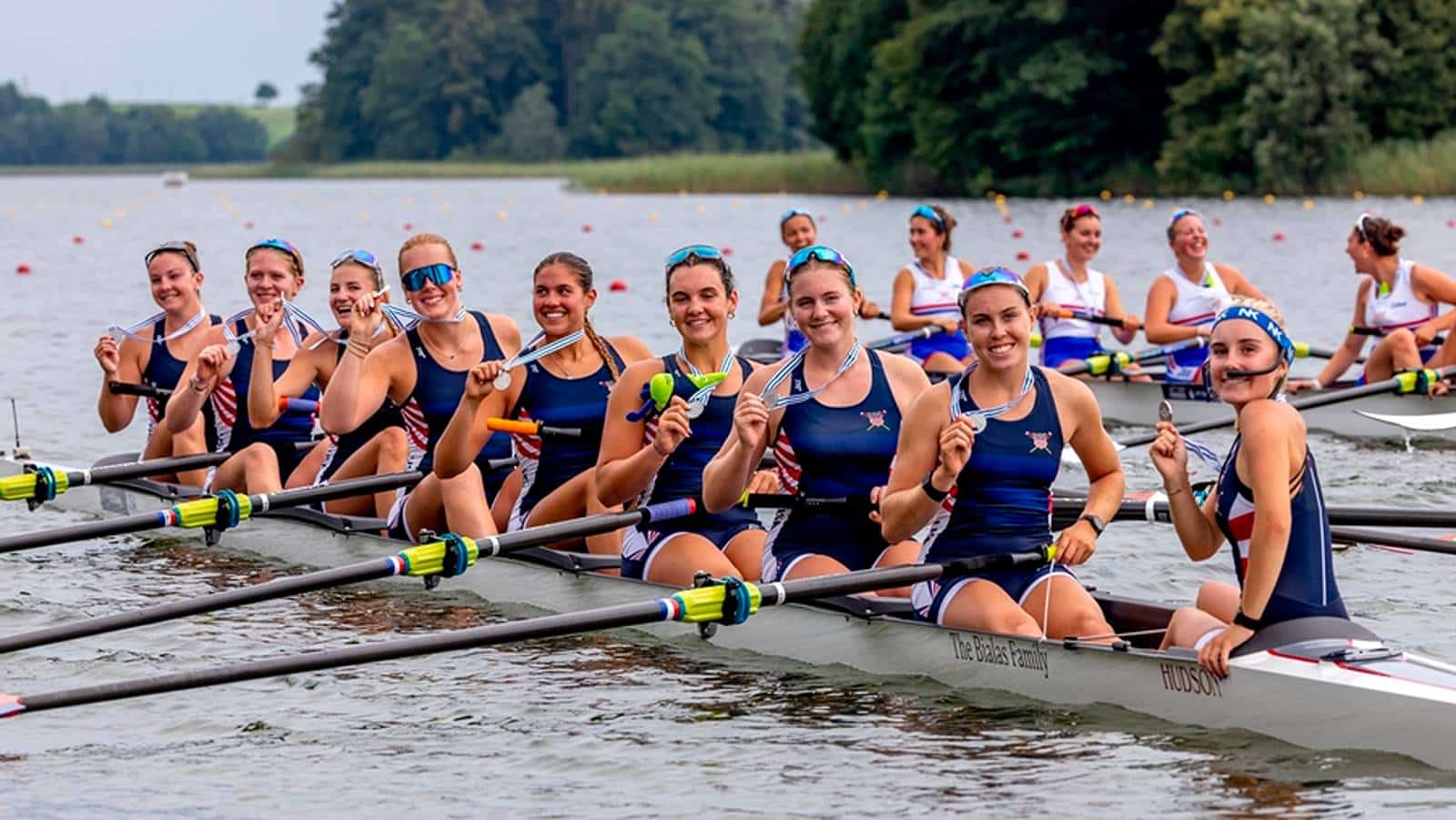
Spots like Lofoten or Hjørundfjord, along with other morning tours across western Norway, can be a very interesting choice for anyone leaning toward more extreme activities and sports. These tours usually take place on calm water that visually resembles glass. After that, the afternoon and late-day wind picks up and the action gets even more challenging. That is when you lower yourself from the stern platform into a sea kayak, pull a neoprene spray skirt tight over the cockpit, and paddle away from the hull.
The view is surreal! Granite walls flank the sides, rising straight out of the sea for hundreds of meters. And those walls surround you from every angle. The main fascination of this landscape is how completely you lose your sense of depth and distance. On the other hand, that can also be tricky, so you should never let yourself get too relaxed out there. Depth is hard to judge, and distance becomes clear fast when rocky points that look very close, like you could reach them in ten minutes, turn out to be miles further away. One big advantage and relief of kayaking here is that you don’t have to haul heavy waterproof bags over slippery kelp, while a rescue boat stays nearby in case the weather shifts suddenly and it is decided that the session needs to be called off.
Paddling Along Arctic Pack Ice
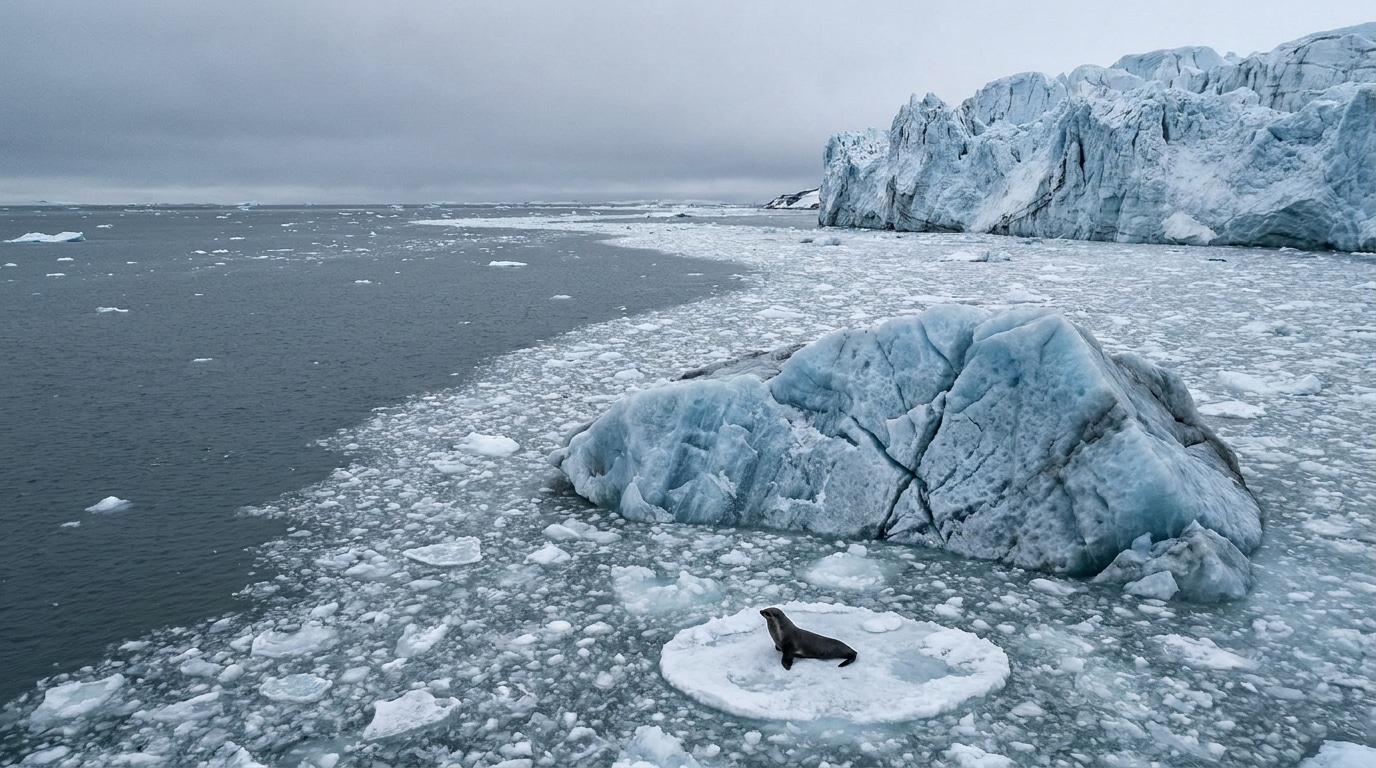
Once you drop down into a sea kayak in these polar bays, the whole environment feels completely different from a Norwegian fjord. Instead of long, straight walls of rock, you are weaving through maze-like channels of broken brash ice and steering clear of grounded bergs that shift with the tide.
Sitting inside a kayak a hundred yards from a tidewater glacier while trapped air bubbles crackle and pop inside ancient ice beats any viewpoint you could ever find on land. You move slowly, keep your paddle strokes quiet so you do not disturb resting seals on the floes, and let the current carry you past shapes of blue ice that look like they were carved by hand.
The Raw Scale of Svalbard and Its Surrounding Landscapes
Heading even further north toward Svalbard, the scenery shifts into something that barely feels like Europe anymore. Wide open ocean swells disappear, replaced by floating pack ice, massive blue icebergs, and towering snow-covered peaks dropping straight into shallow glacial lagoons.
To take in these remote archipelagos without fighting the elements on your own, many travelers choose to cruise Arctic waters aboard a small, ice-strengthened expedition vessel. Standing out on an open deck as the ship glides quietly past active tidewater glaciers and rugged coastlines gives you an unobstructed, panoramic view of the wild north, while polar bears, walruses, and seabirds move along the ice edge below.
Canoeing Northern Rivers and Estuaries
Not every cold-water trip calls for rough-water bracing skills or heavy-duty sea kayaks. Across Swedish Lapland and northern Finland, taking an open-deck canoe down slow coastal rivers and across forest-lined lakes brings a much calmer, unhurried pace.
During June and July, the sun never truly drops below the horizon. You can push off from the bank after dinner, paddle quietly past reindeer grazing along mossy shorelines at midnight, and never once reach for a headlamp. Open canoes also give you plenty of spare room for a waterproof Pelican case if you happen to carry heavy camera lenses.
Zodiac Runs Through Narrow Channels
Some days the wind blows at twenty-five knots and launching kayaks is simply off the table. That is when rigid inflatable boats, better known as Zodiacs, really earn their keep.
Sitting right on the rubber tubes just inches off the cold spray, small groups can motor quietly past towering sea-bird cliffs, trace active glacier fronts from a safe distance, or slip into shallow gravel bays where walruses pile up on the beach. Sure, it is not human-powered, but a Zodiac gets you into tight coastal pockets that no deep-draft vessel would ever risk touching.
Stand-Up Paddleboarding in Polar Coves
Standing up on a paddleboard in 35-degree water sounds pretty crazy until you actually do it on a dead-calm afternoon. On a wide touring board, standing upright cuts straight through the surface glare.
Look down through clear sub-arctic water and you can spot entire forests of kelp, sea urchins, and smooth boulders twenty feet below your fins. Wearing a front-zip dry suit and thick 7mm neoprene booties turns falling in into just a brief shock, though most people find their balance pretty quickly once they feel how cold that water really is.
Dry-Suit Snorkeling and the Sauna Plunge
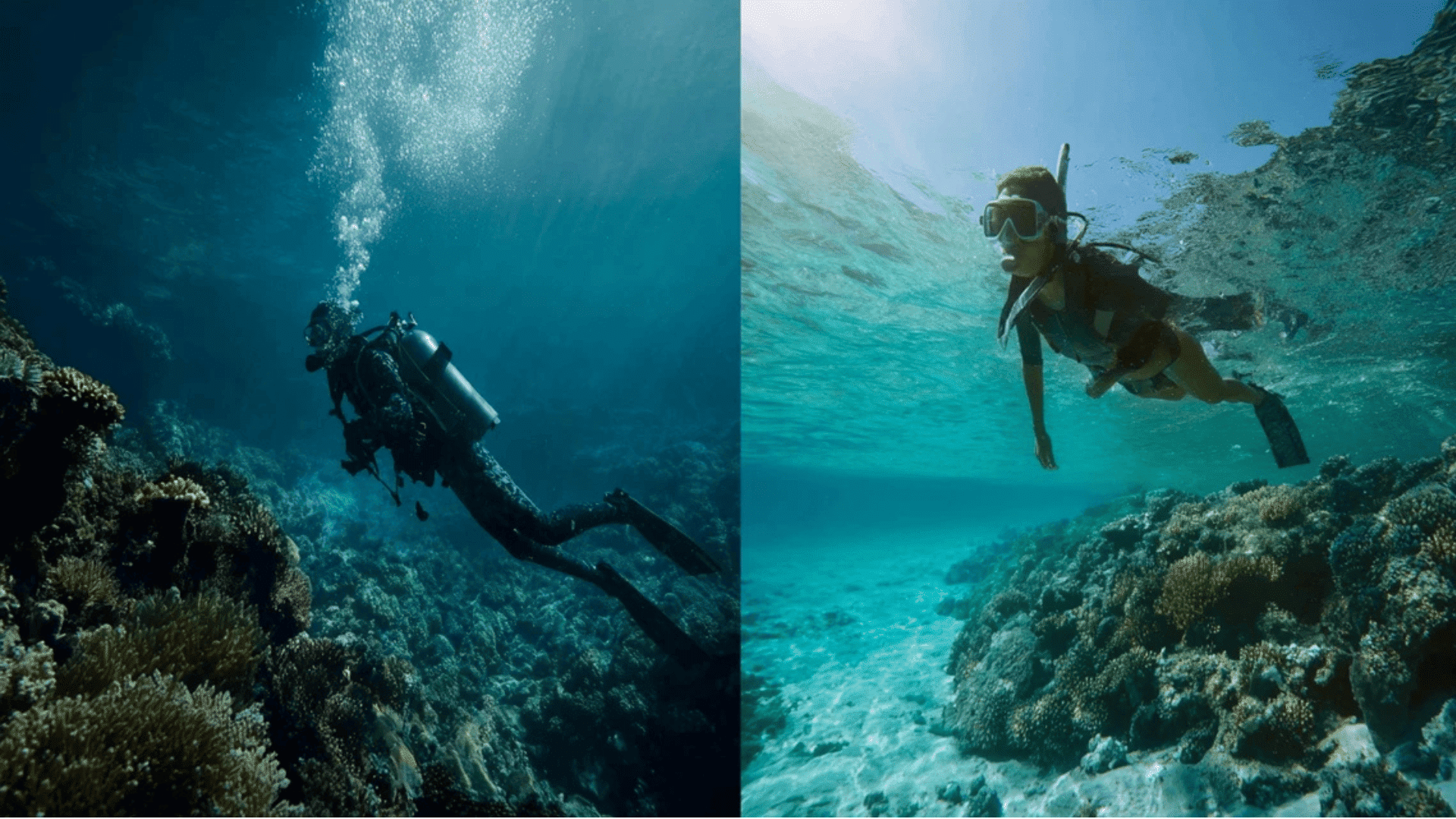
If you actually want to get all the way into the water, cold-water snorkeling has quietly taken off across northern Norway and Svalbard. Once you pull on a thermal dry suit, thick gloves, and a neoprene hood, you float like a cork on the surface with underwater visibility that easily rivals the Caribbean.
Don’t feel like floating in icy salt water for forty minutes? Do what the locals do instead. Sit inside a cedar ship sauna until you are sweating buckets, then jump straight off the back platform into a polar bay for ten seconds before running straight back into the steam.
Conclusion
You do not need to be a hardcore polar explorer to enjoy cold-water travel across Northern Europe. Skip the crowded bus tours, get yourself down to water level in a kayak or Zodiac, and let a small expedition ship handle the heavy lifting between bays.