

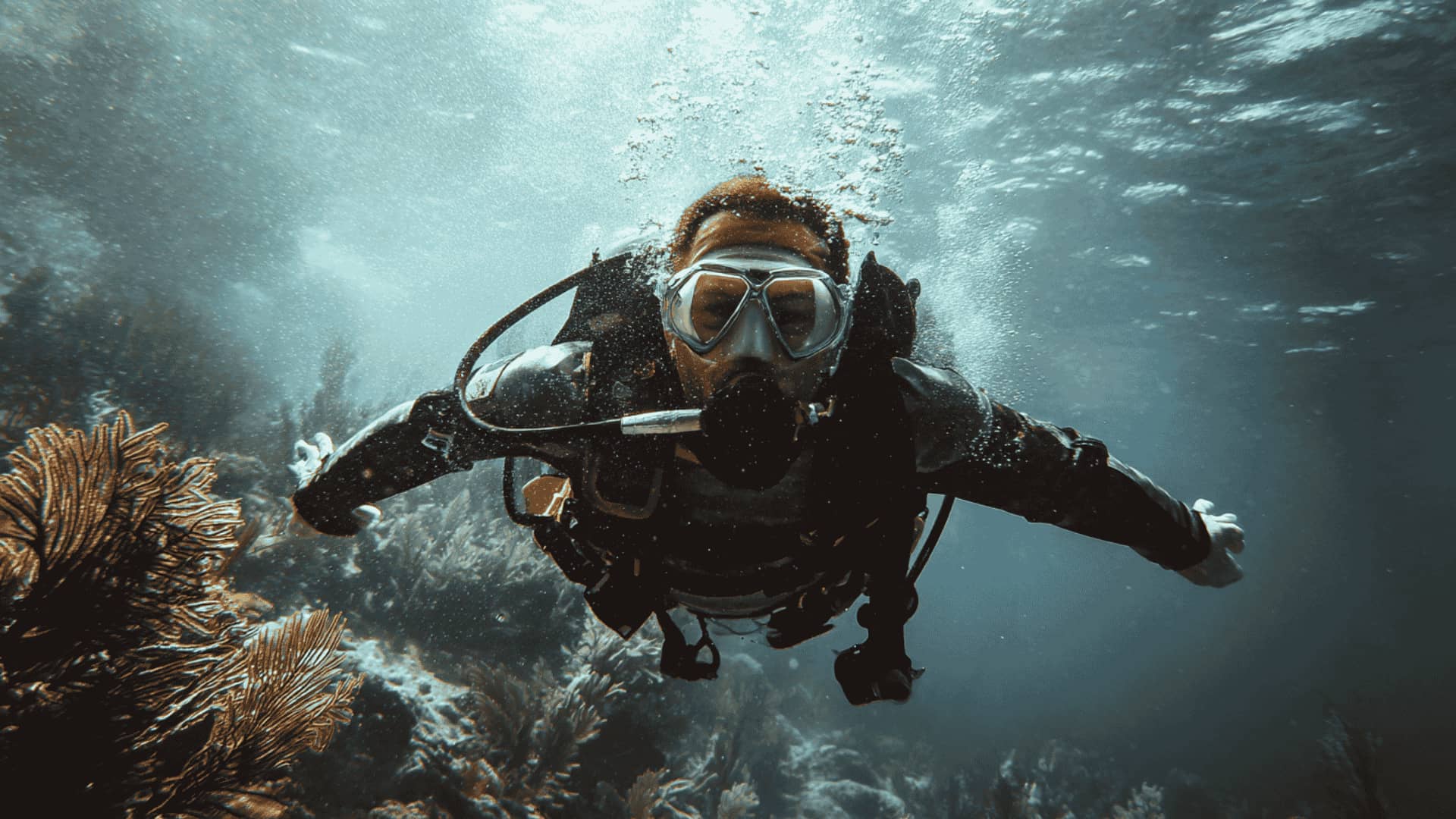
The ocean covers more than 70% of the planet. Yet most people never get to see what is underneath it. That is about to change.
Learning how to scuba dive is one of the best decisions a person can make.
It opens up a whole new world, one full of color, silence, and wonder. And the best part? It is not as hard as it sounds.
No prior experience is needed. You do not need to be an athletic swimmer.
You need to be comfortable in water, able to swim 200 meters unassisted, and willing to follow your instructor’s guidance.
Everything a beginner needs to know is covered right here. From the right certification course to the basic gear and safety rules, every step is clearly laid out.
By the end, taking that first dive will feel a lot less scary and a lot more exciting.
What is Scuba Diving?
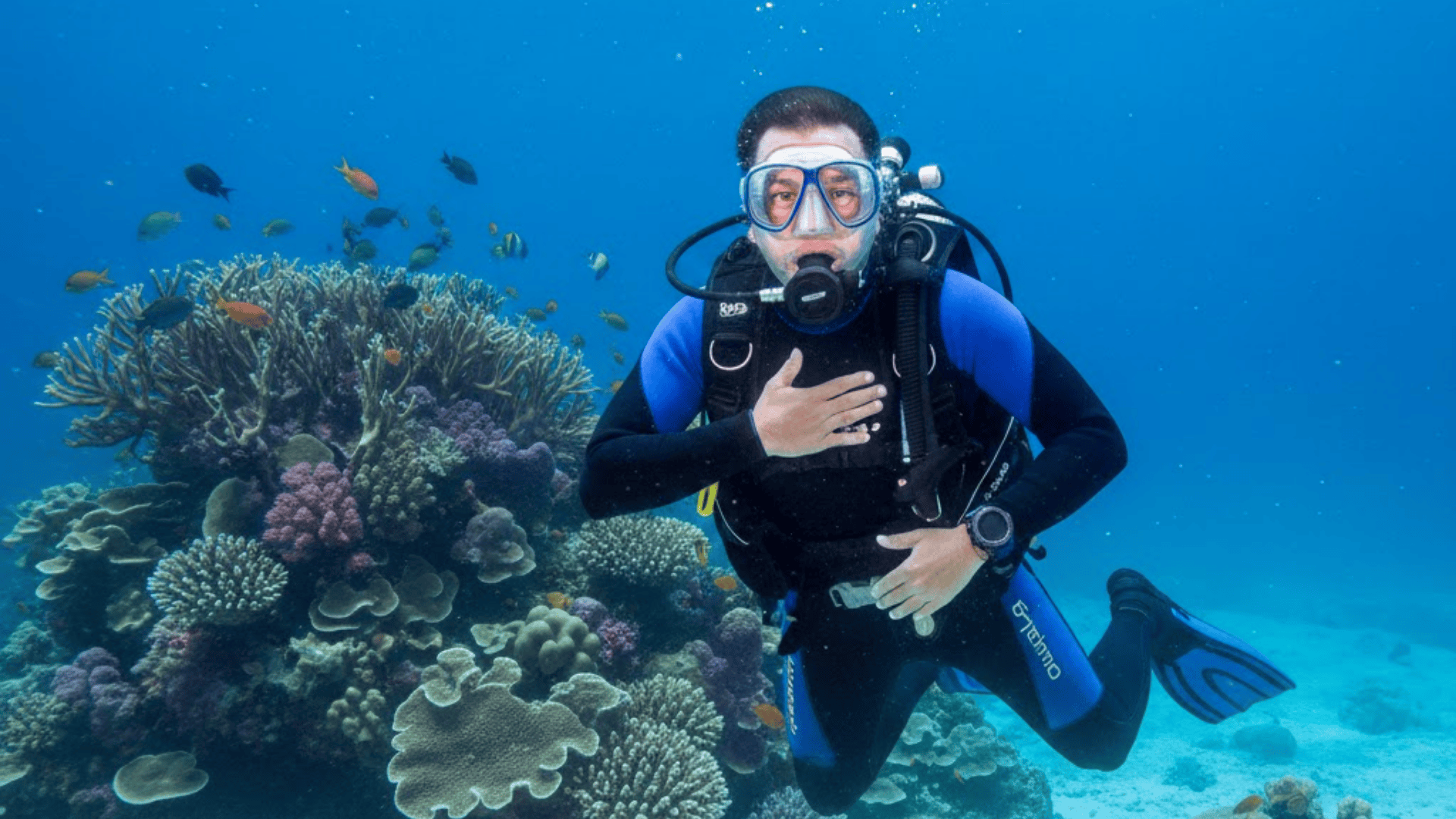
Scuba diving is an underwater activity that allows you to explore oceans, lakes, and other bodies of water using specialized breathing equipment.
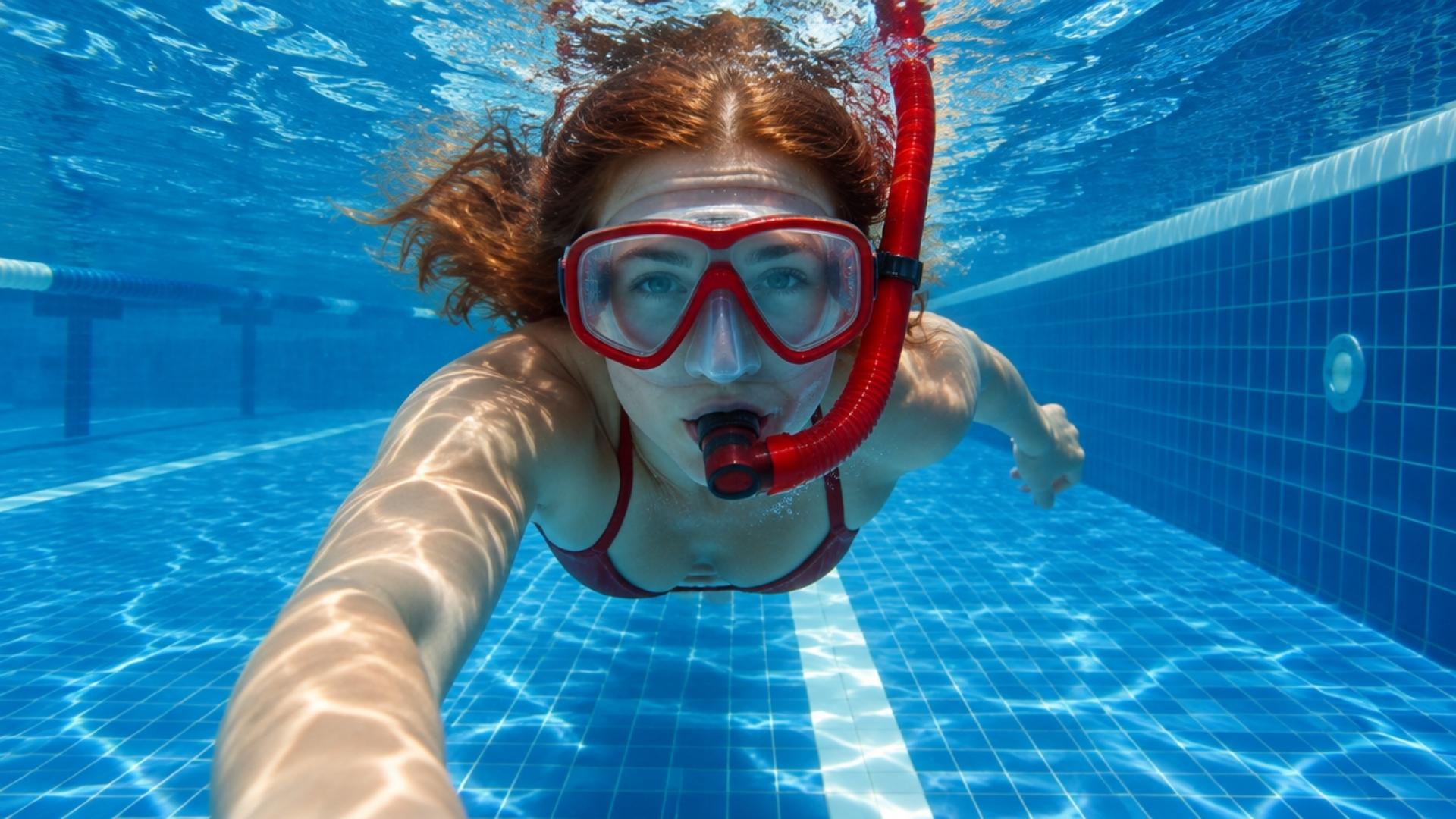
Unlike snorkeling, which keeps you at the surface, scuba diving takes you fully underwater with your own air supply, giving you access to a whole different side of the ocean.
The word “scuba” stands for Self-Contained Underwater Breathing Apparatus, which means divers carry their own air supply in a tank. This lets you stay underwater for longer periods without needing to surface for air.
With proper training and guidance, anyone can learn the basics and safely enjoy this activity.
Most beginner courses focus on teaching you how to breathe correctly, use equipment, and stay comfortable underwater.
Scuba diving is widely accessible today, with certified courses available worldwide, making it easier than ever for beginners to get started and explore the underwater world confidently.
Scuba Diving Equipment Needed to Start
Starting scuba diving becomes much easier when you understand which gear is essential for your first dive. Knowing the purpose of each piece of equipment helps beginners feel more confident and prepared before entering the water.
| Scuba Diving Accessory | Why You Need It |
|---|---|
| Mask | Helps you see clearly underwater by creating an air space in front of your eyes |
| Snorkel | Allows you to breathe at the surface without using tank air |
| Fins | Help you move efficiently through water with less effort |
| Wetsuit | Keeps your body warm and protects your skin underwater |
| BCD (Buoyancy Control Device) | Helps you control your position, float, and maintain balance underwater |
| Regulator | Delivers air from the tank so you can breathe safely underwater |
| Scuba Tank | Holds the compressed air used during your dive |
As a beginner, you do not need to worry about owning all this equipment right away.
Most dive centers provide complete gear for training and practice, allowing you to focus on learning and gaining confidence before making any purchases.
How to Scuba Dive Step by Step
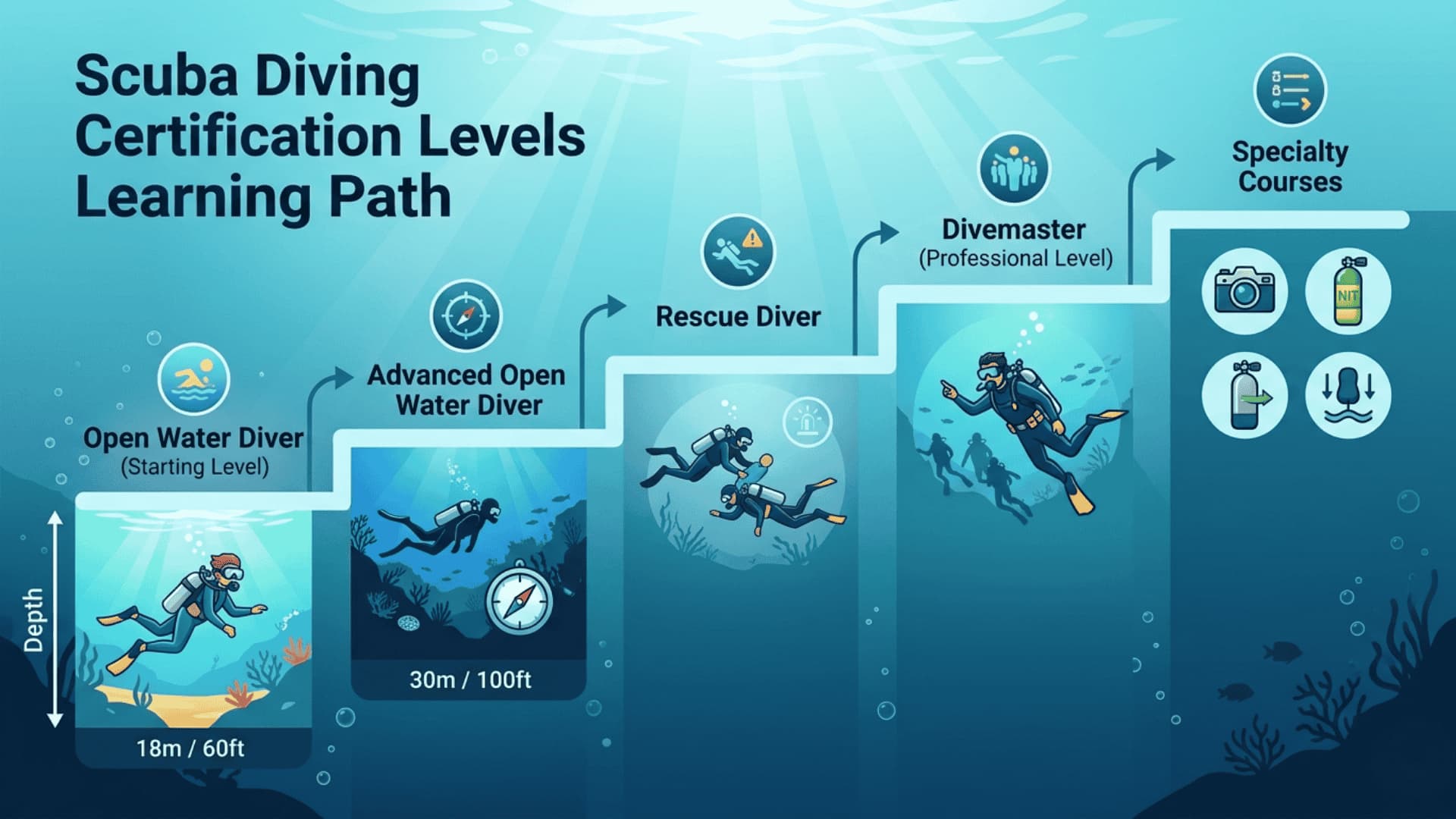
Learning how to scuba dive becomes much easier when you follow a structured path. Each step helps beginners build skills, confidence, and safety awareness before diving independently.
- Meet the Basic Requirements: Be comfortable in water, have basic swimming ability, and complete any required medical questionnaire before starting your training.
- Try a Beginner Scuba Experience: Join an introductory program to practice breathing underwater and using gear under direct instructor supervision.
- Enroll in a Certification Course: Choose a recognized beginner course from agencies like PADI or SSI to learn diving fundamentals safely.
- Learn Theory and Confined-Water Skills: Study diving basics, safety rules, and practice essential skills in a pool or shallow calm water.
- Practice Ear Equalization Before and During Descent: Learn the Valsalva maneuver (pinch your nose and gently blow) so you can equalize ear pressure as you go deeper. Ear pain on descent is one of the most common beginner issues and is entirely preventable with proper technique.
- Complete Open Water Training Dives: Apply your skills in real conditions under supervision to gain confidence and practical diving experience.
- Get Certified and Start Diving: Earn your certification, rent gear, join guided dives, and continue improving through advanced or specialty courses.
Following these steps gives you a clear and beginner-friendly path into scuba diving. With proper training and guidance, you can start safely and enjoy the underwater world with confidence.
Scuba Diving Courses at a Glance
Choosing the right scuba diving course can feel confusing at first, especially with several recognized certification agencies available. This quick comparison makes it easier for beginners to understand the main options and pick the right starting point.
| Course Name | Best For | Duration | Certification Level |
|---|---|---|---|
| PADI Open Water Diver | Beginners looking for the most widely recognized certification | 3 to 7 days | Entry level |
| SSI Open Water Diver | Learners who prefer flexible digital study | 3 to 7 days | Entry level |
| NAUI Scuba Diver Course | Beginners who want a strong theory and safety foundation | 4 to 7 days | Entry level |
| BSAC Ocean Diver | Divers who want club-based training and gradual progression | Varies by club and schedule | Entry level |
All four courses can help you start scuba diving safely and confidently. The best choice depends on your location, learning style, budget, and the dive center or instructor available to you.
Best Courses for Beginners
There are several beginner scuba certifications available, but most new divers can choose from just a few trusted options. These courses teach the same core diving skills while offering slightly different learning styles and training approaches.
1. PADI Open Water Diver
The PADI Open Water Diver course is the most popular beginner scuba certification in the world. It is accepted by dive centers globally and is often the first choice for new divers.
The course includes theory lessons, confined-water practice, and open-water dives. It is ideal for beginners who want a simple, structured learning path with strong international recognition for future travel and diving opportunities.
PADI certifies roughly 1 million new divers each year, meaning their cards are recognized at virtually every dive center on the planet. For anyone planning to travel and dive internationally, this recognition matters.
Average cost: $400–$800
Learn More:PADI Open Water Diver
2. SSI Open Water Diver
The SSI Open Water Diver course is another excellent option for beginners and is known for its flexible digital learning system.
Students can study theory through the SSI app before completing pool and open water training. This course is great for people who prefer learning at their own pace. SSI certification is also widely recognized, making it a practical and beginner-friendly choice for first-time divers.
Average cost: $350–$700
Learn More:SSI Open Water Diver
3. NAUI Scuba Diver Course
The NAUI Scuba Diver course is well respected and emphasizes dive education and safety. It often includes more detailed theory compared to some other beginner programs, which can appeal to learners who want a deeper understanding of scuba diving principles.
This course is suitable for beginners who value strong academic instruction along with practical training in real diving conditions.
Average cost: $350–$700
Learn More:NAUI Scuba Diver Course
Note: Course prices vary by location, dive center, and whether gear, eLearning, and certification fees are included.
How Long Does It Take to Learn?
Getting your Open Water certification typically takes 3 to 4 days from start to finish.
The training is broken into three phases: roughly 1 day of theory, 1 day of pool (confined-water) practice, and 2 days of open-water dives.
If you complete the eLearning portion online before arriving at your dive center, you can cut your on-site time down to just 2 days, making it a realistic option even during a short vacation.
That said, being certified and being comfortable underwater are two different things. Most new divers start feeling genuinely confident after 10 to 20 logged dives post-certification.
The first few dives are about managing your gear and nerves; by dive ten, buoyancy starts feeling natural, and the real fun begins.
So while the certification itself is quick, give yourself time in the water because the learning never really stops.
Safety Rules Every Beginner Must Know
Scuba diving is safe when you follow the right rules from the beginning. In fact, most diving risks are far more preventable than people think.
These essential safety practices help beginners avoid common risks and build confidence underwater.
- Never hold your breath underwater: Always breathe continuously while diving to avoid serious lung injuries caused by expanding air pressure.
- Ascend slowly: Rise no faster than 9 meters or 30 feet per minute to reduce the risk of decompression-related problems.
- Follow dive tables and computer limits: Stay within depth and time limits to avoid decompression sickness and other pressure-related issues.
- Dive within your certification limits only: Never exceed the depth or conditions allowed by your training level, especially as a beginner.
- Always perform a pre-dive equipment check: Inspect your gear carefully before every dive to ensure everything works properly and safely.
Following these scuba diving safety rules helps you stay calm, prepared, and protected underwater. Good habits learned early make every future dive safer, smoother, and far more enjoyable.
Ready to Plan Your First Dive Trip?Getting certified is just the beginning. Once you have your card, the real adventure starts. Check out where to dive next and find the perfect destination to put your new certification to use. |
Wrap Up
Learning how to scuba dive is more accessible than most people think.
With the right certification course, a few days of structured training, and a basic understanding of safety rules and gear, you can go from complete beginner to certified diver faster than you imagined.
The underwater world is patient. It will be there when you are ready, and every dive after your certification will make you a more confident, more capable diver.
So, what is stopping you from booking your first lesson today? Drop a comment below and tell us where in the world you want to take your first dive. We would love to know
Frequently Asked Questions
How to Do Scuba Diving for Beginners?
Start by enrolling in a certified course like PADI or SSI, complete pool training, then complete the open-water dives.
Can You Scuba Dive with Vasovagal Syncope?
It depends on severity. Always consult a dive medical doctor before diving, as fainting underwater can be life-threatening.
Can You Dive into SSRIs?
Many divers dive on SSRIs safely. However, a dive medical professional should evaluate your specific situation before certifying.


One Response