
Not every beach holiday gives you the kind of snorkeling people remember long after the trip ends.
The real magic starts when you can walk straight from the sand into clear water and find coral, reef fish, turtles, or rays within minutes.
That is what makes the best snorkeling in the world so appealing. It is not only about famous destinations.
It is about easy access, calm entry, and the kind of underwater life that does not require a boat booking to enjoy.
From tropical lagoons in French Polynesia to reef-lined beaches in the Caribbean and the Indian Ocean, some of the best snorkeling spots make the experience feel effortless.
Why Shore Snorkeling is so Popular
Shore snorkeling is popular because it is simple, affordable, and easy to fit into any trip.
Beginners and families like it because there is no boat ride, fixed departure, or rough crossing before getting in the water.
You can arrive, put on your gear, and enter at your own pace. It also saves money since you do not need to book daily reef tours. The flexibility makes a big difference, too.
You can snorkel early in the morning, head back later, or do a quick session anytime. Many of the best snorkeling spots offer easy shore access and abundant marine life.
In places like Barbados, calm west-coast beaches like Carlisle Bay let you snorkel directly from shore without booking a tour.
What Makes a Spot One of the Best Places for Snorkeling
The best snorkeling spots are not just pretty beaches. They offer clear water, easy reef access, safe entry, healthy coral, rich marine life, and conditions that work for most travelers.
- Clear water and good visibility: You need clean, calm water to actually enjoy what is below the surface.
- Reef close to shore: The best spots let you reach coral and fish without a long swim.
- Calm entry and safer conditions: Gentle entry points and lighter currents make snorkeling easier and safer.
- Healthy coral and marine life: Living coral and active fish make the experience worth it.
- Access for non-divers: Great shore spots should work for regular swimmers with basic gear.
- Good snorkeling in more than one season: Reliable conditions make trip planning much easier.
These factors help distinguish average beaches from truly great snorkeling spots, making the destination list more useful.
Best Snorkeling in Hawaii and The Pacific
These Pacific locations stand out for calm water, clear visibility, and reef access that begins close enough to shore for easy sessions.
1. Hanauma Bay, Oahu, Hawaii
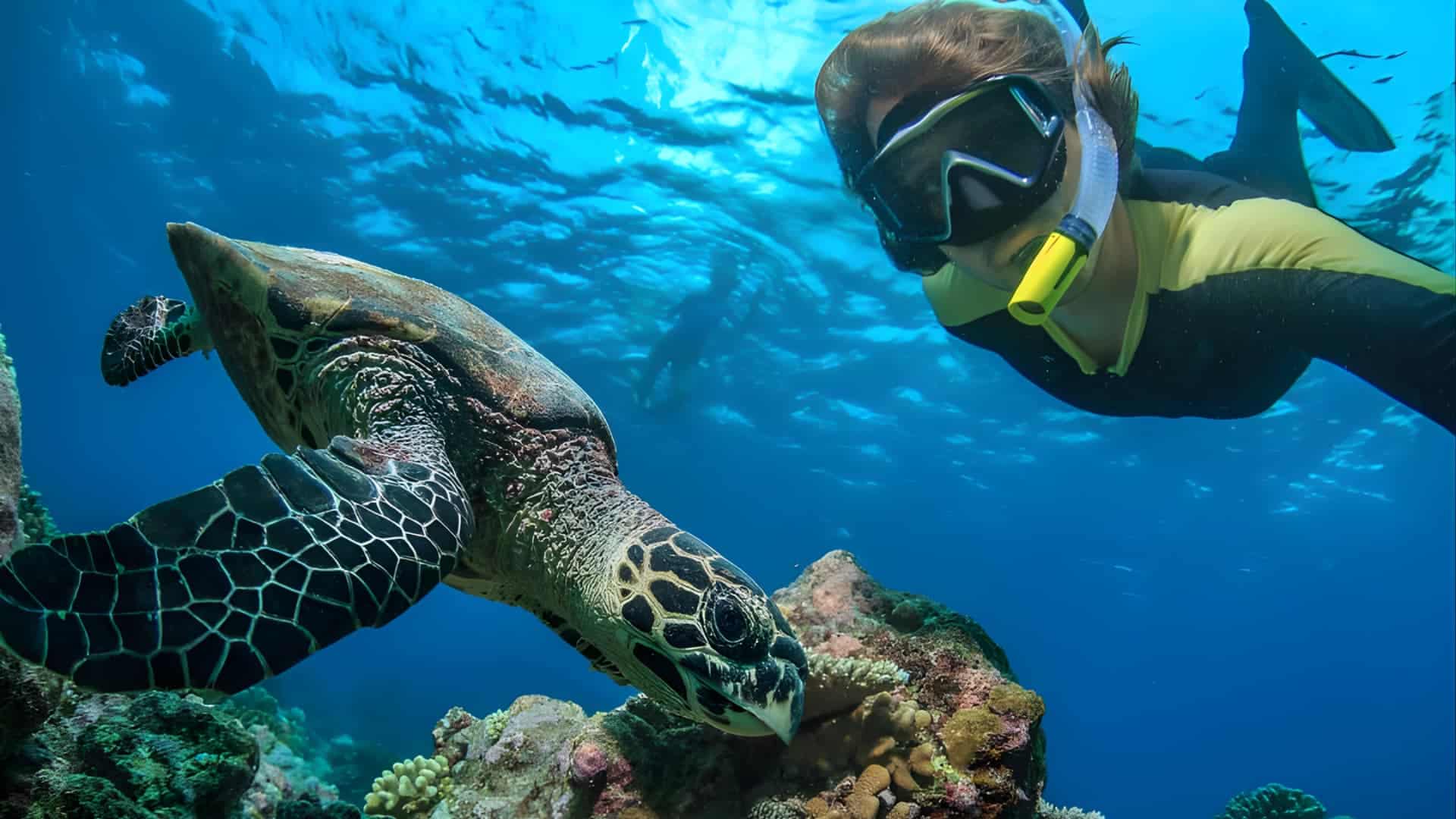
Hanauma Bay belongs on any serious list because it combines protected water, easy beach entry, and reef fish close to shore inside a volcanic bay.
It is heavily managed, with advanced planning and visitor controls designed to protect the preserve, which helps explain why it remains one of the most reliable beginner-friendly shore snorkeling spots in the world.
2. Kapalua Bay, Maui, Hawaii
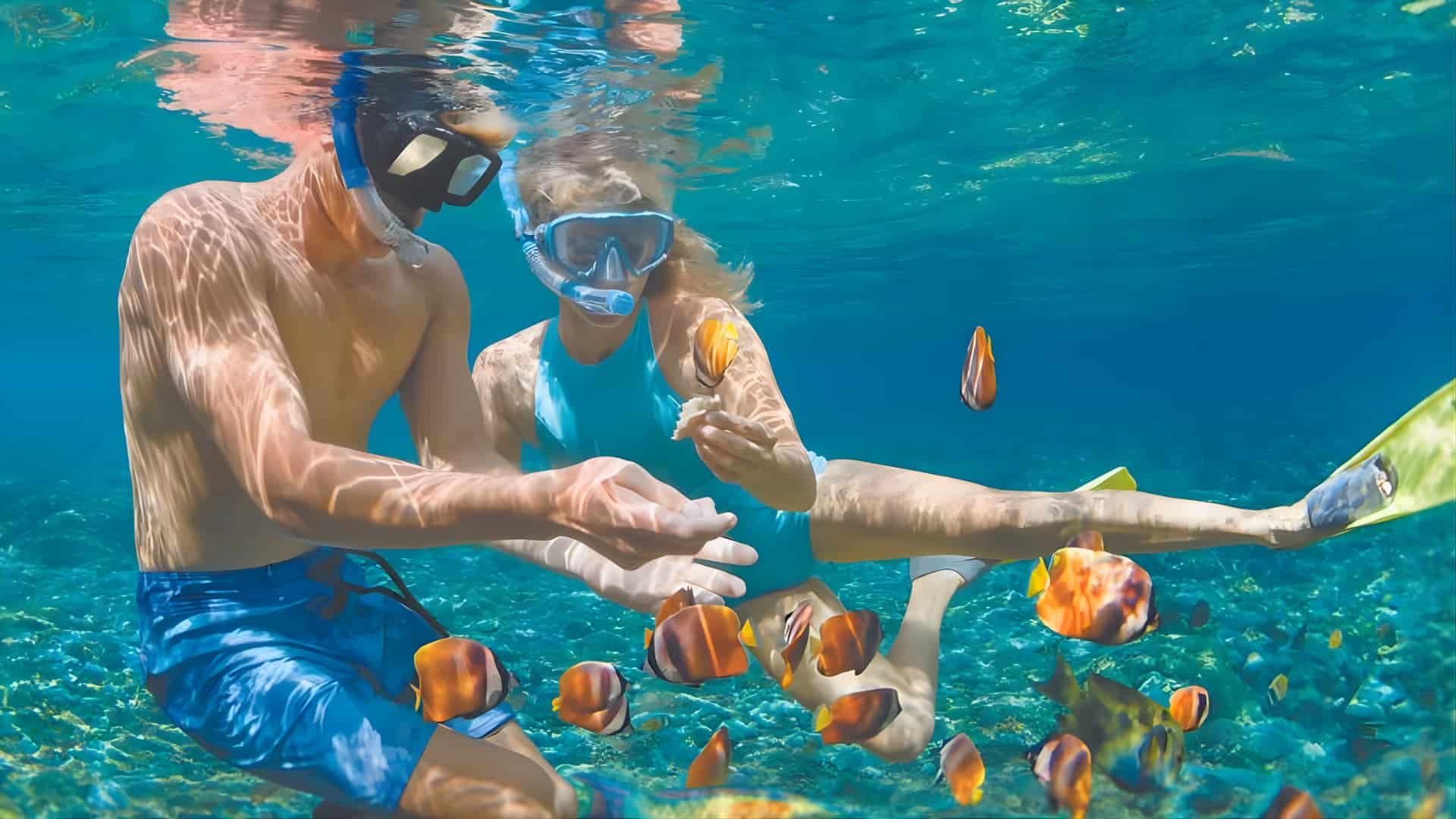
Kapalua Bay is a better shore-first Hawaii pick than some more famous marine sites because the cove is naturally sheltered and easy to enter from the sand.
Its crescent shape and protective reefs help keep the water calmer on good days, making it especially appealing to beginners, families, and travelers who want a quick snorkel without complicated logistics.
3. Bora Bora, French Polynesia
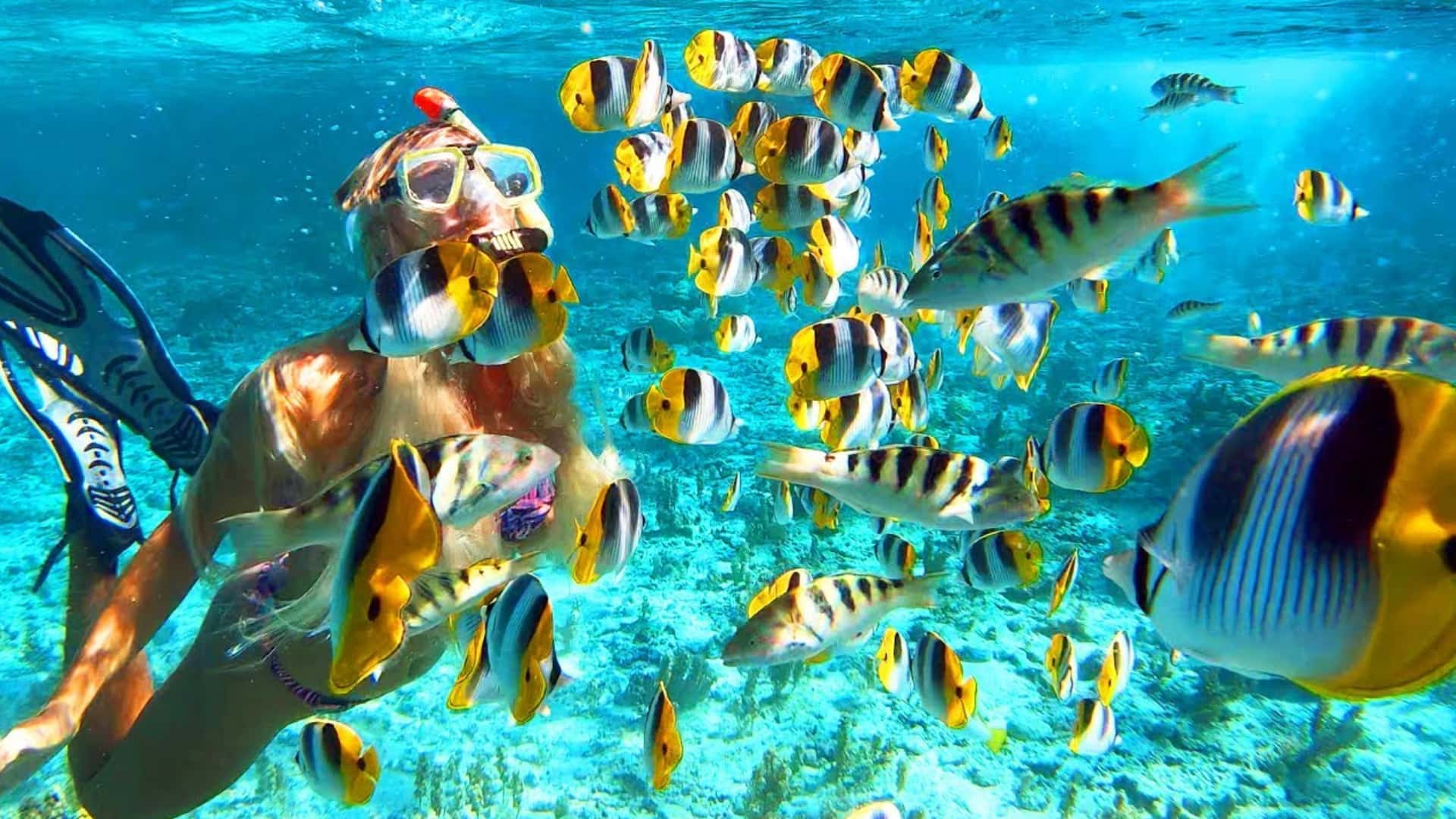
Bora Bora earns its place because its lagoon is warm, shallow, and visually stunning, with some calm areas offering easy snorkeling access.
However, many of the best snorkeling spots are reached by short boat trips, so it works best for travelers who want luxury lagoon snorkeling rather than only walk-in beach access.
4. Moorea, French Polynesia
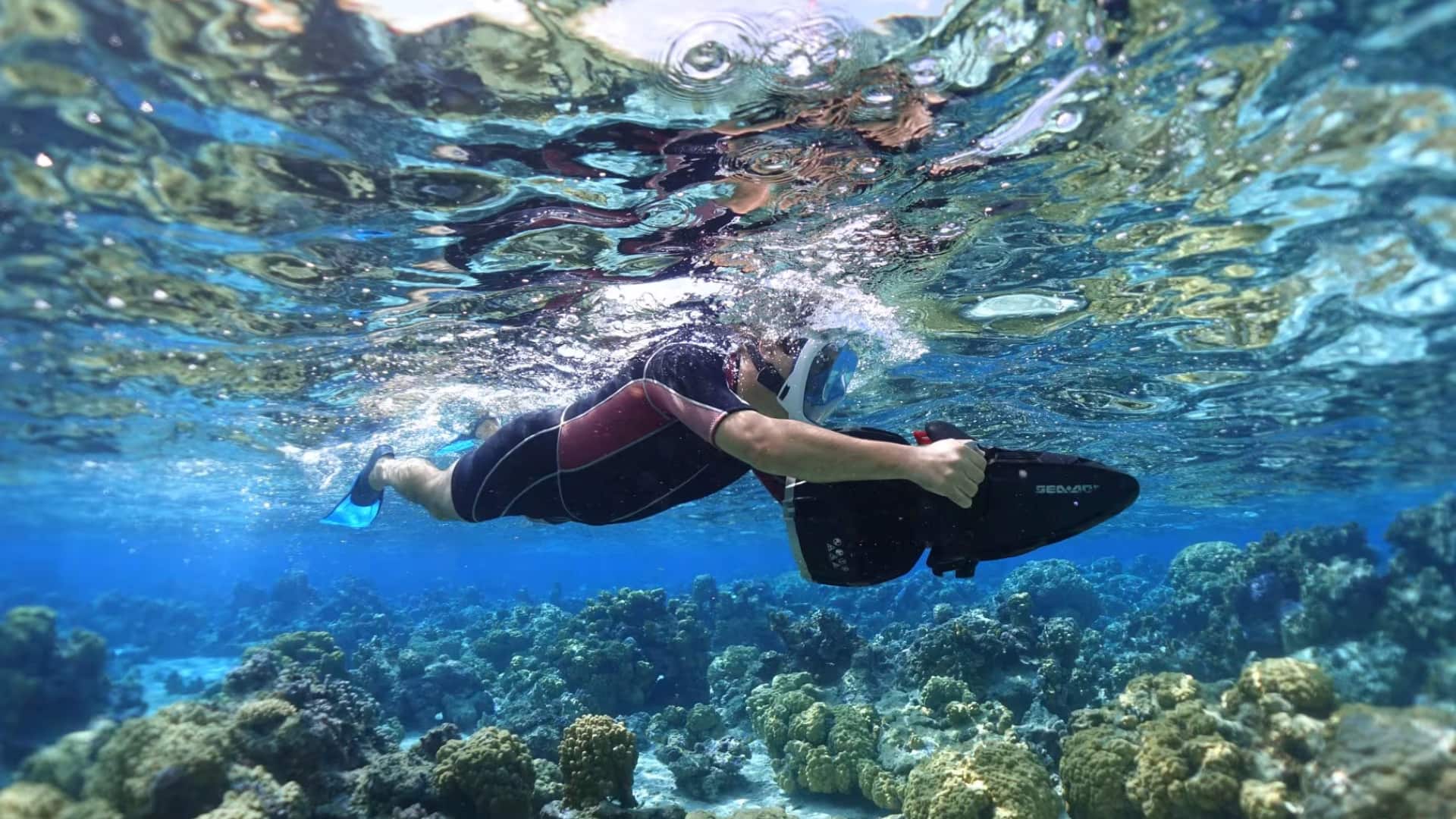
Moorea is well-suited for snorkelers because its reef-protected lagoon offers calmer water and beautiful underwater scenery.
Some beaches offer easy entry, but many of the most popular snorkeling spots are reached by short boat trips or guided excursions, so it should be framed as accessible lagoon snorkeling rather than purely shore-based snorkeling.
5. Natadola Beach, Fiji
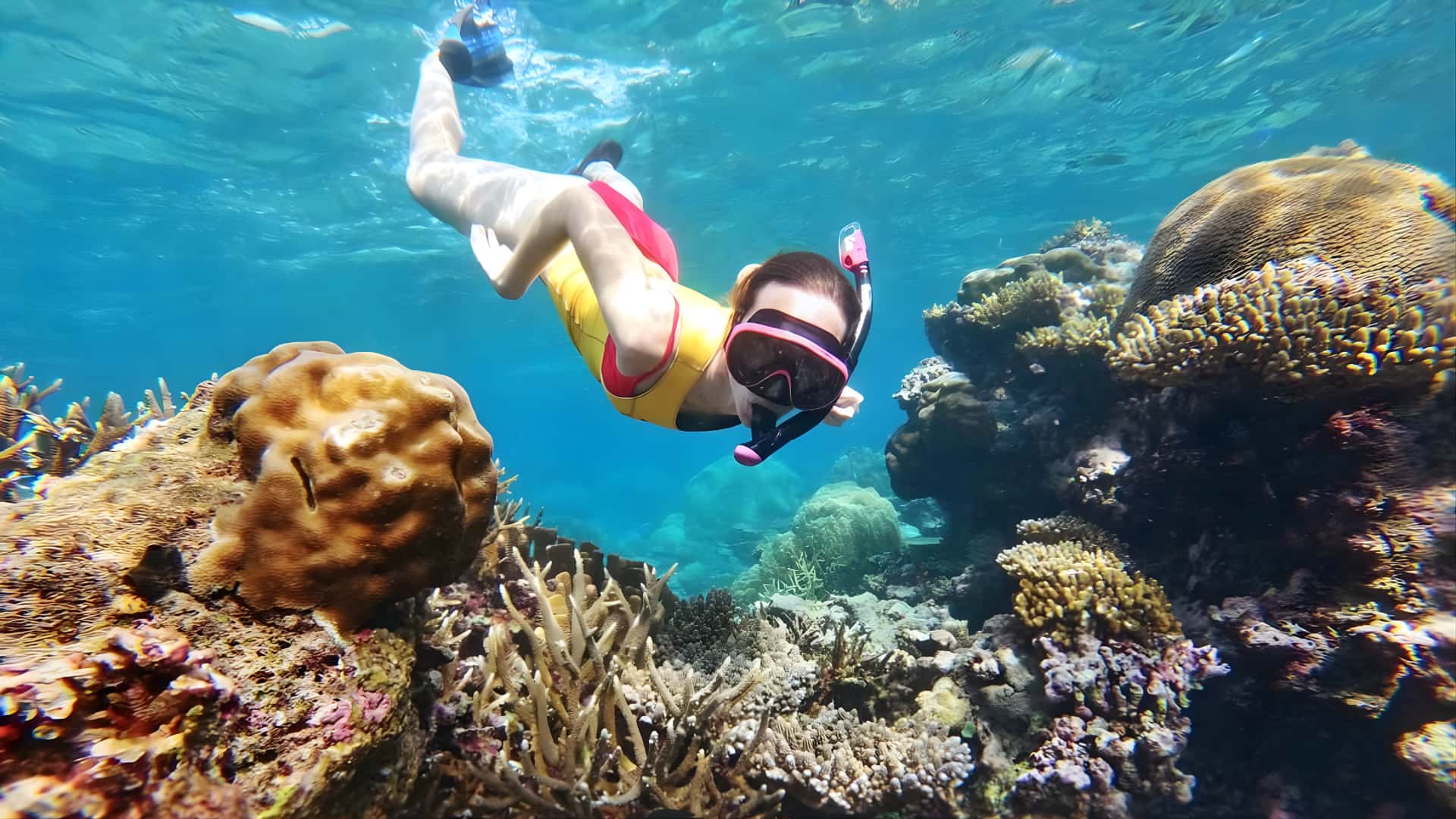
Natadola is one of the strongest shore-access picks on Fiji’s main island because you can snorkel from a public beach instead of depending on transfers to outer islands.
Fiji’s official tourism site promotes snorkeling off the reef here, and specialist snorkeling guides consistently single it out as one of Viti Levu’s best free shore-entry options.
6. Kealakekua Bay, Big Island, Hawaii
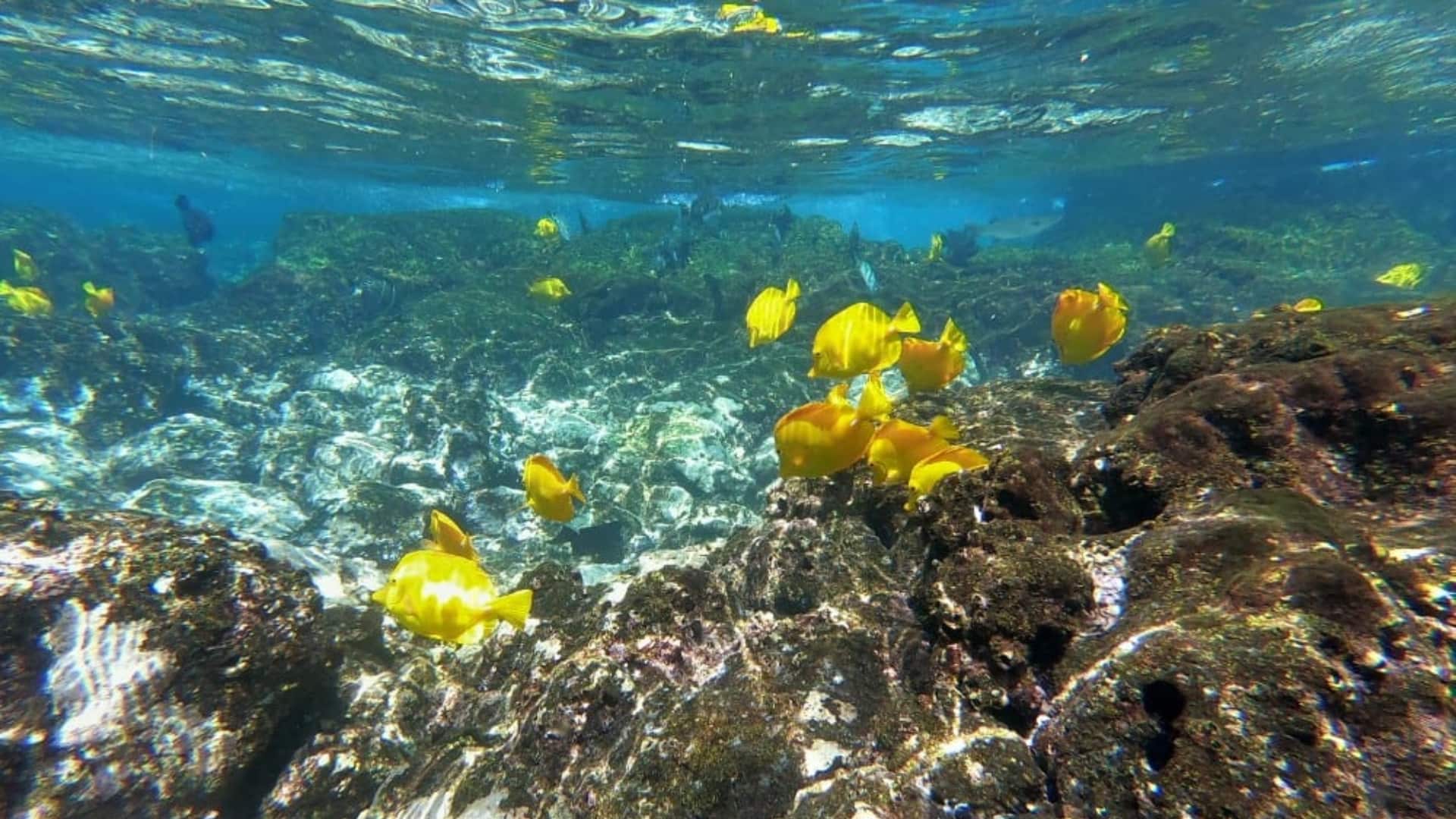
Kealakekua Bay deserves a place for its clear water, strong marine life, and healthier reef areas, but it is not a simple shore-entry spot for most travelers.
Many visitors reach the best snorkeling areas by kayak, boat tour, or a longer hike, so it should be viewed as a high-quality snorkeling destination rather than an easy walk-in beach.
Best Snorkeling in Australia and Southeast Asia
These spots combine tropical water, strong reef access, and enough shore convenience to fit the kind of trip most snorkel travelers want.
7. Ningaloo Reef, Western Australia
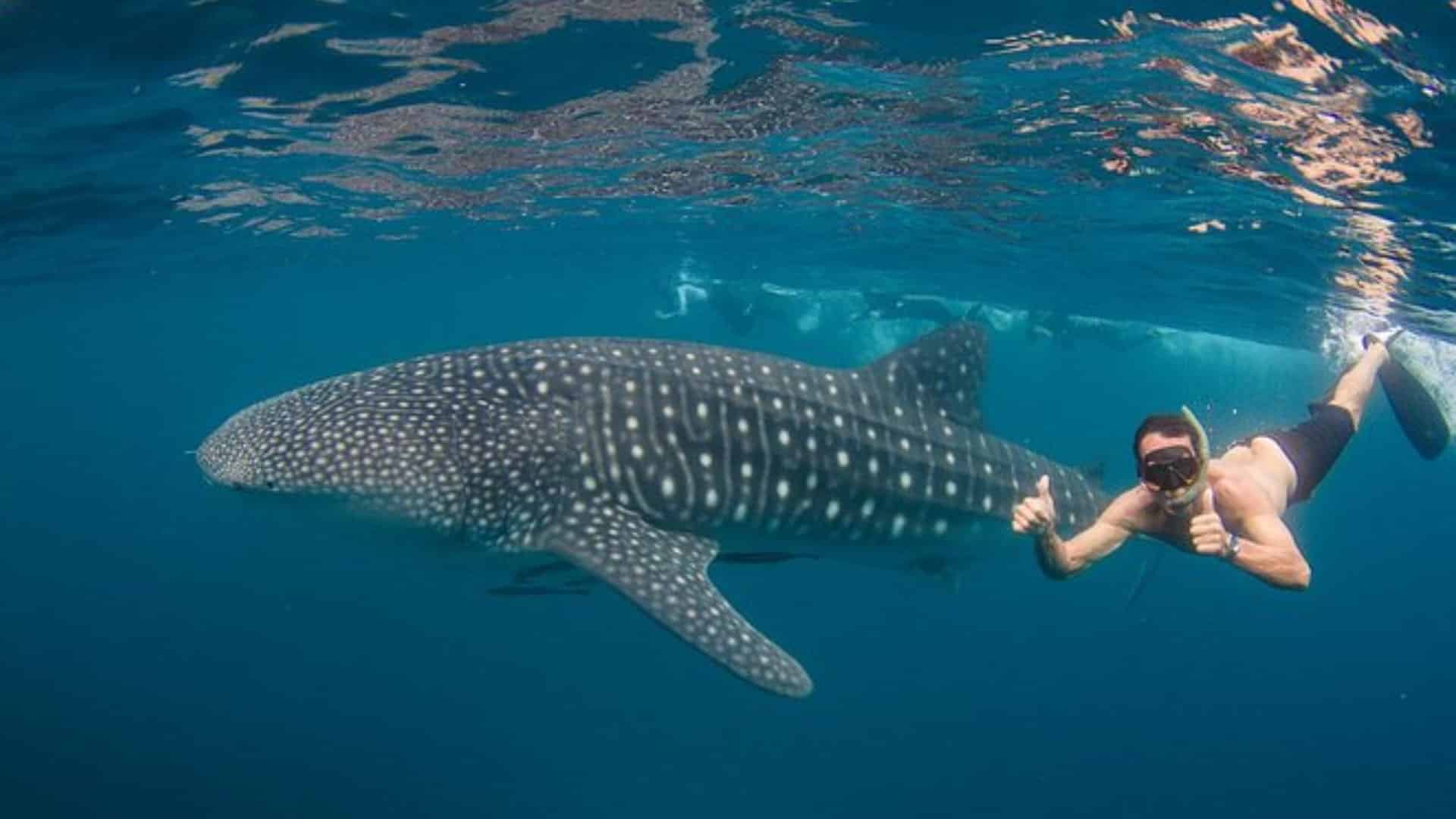
Ningaloo is one of the world’s standout shore-snorkeling destinations because it is a fringing reef, meaning productive reef areas sit very close to land.
Tourism Western Australia and park sources both highlight that snorkeling can be as easy as a short paddle or swim from shore.
A current caveat is coral bleaching stress, so it is still world-class, but reef conditions may vary by exact area.
8. Heron Island, Great Barrier Reef, Australia
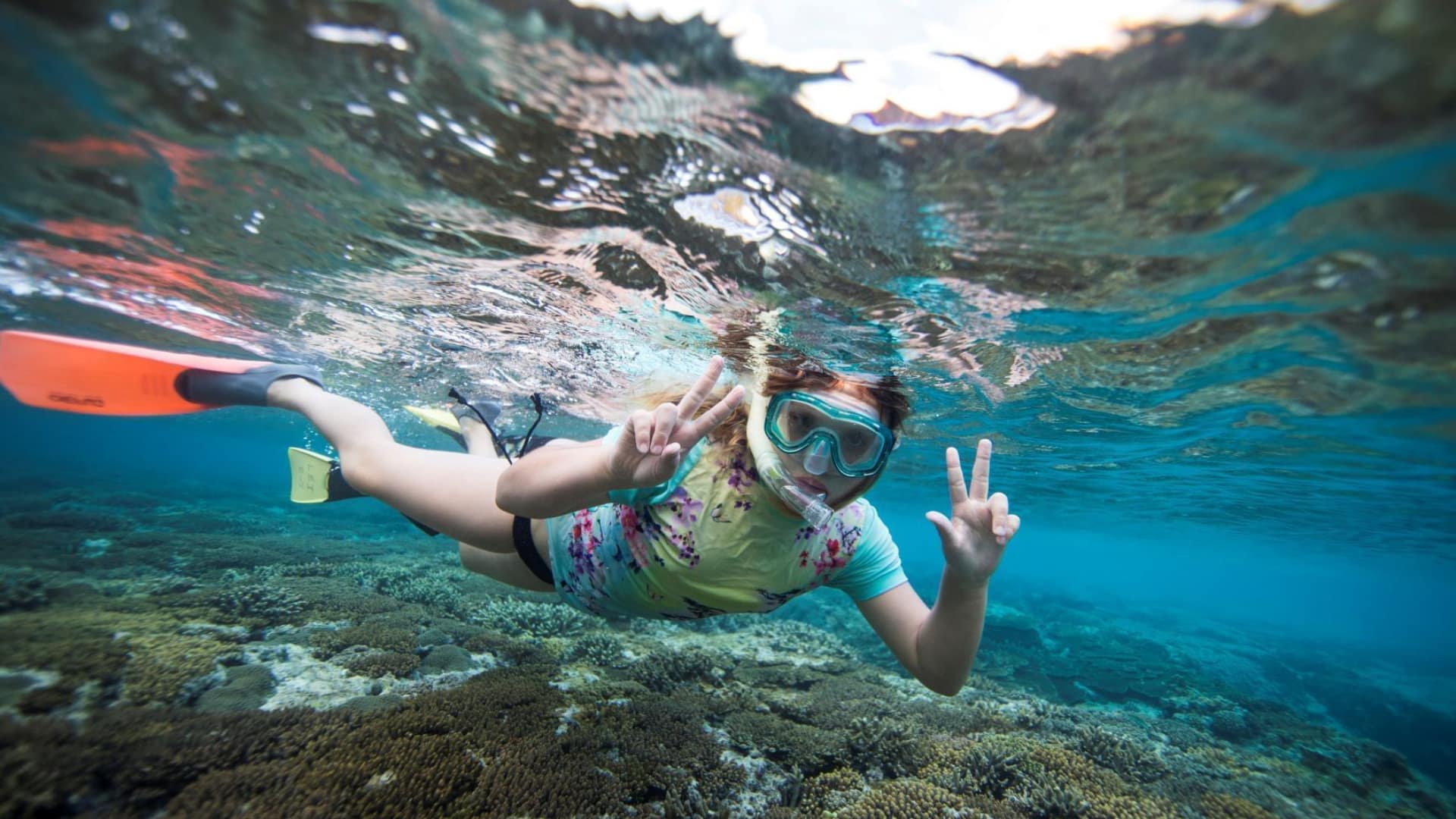
Heron Island is one of the best Great Barrier Reef choices for shore snorkelers because the reef is accessible directly from the beach at the right tide.
Both the resort and Queensland tourism describe snorkeling straight off shore, often with turtles and reef life appearing quickly.
That makes Heron a much better fit for your topic than generic mainland Great Barrier day trips.
9. Lady Elliot Island, Great Barrier Reef, Australia
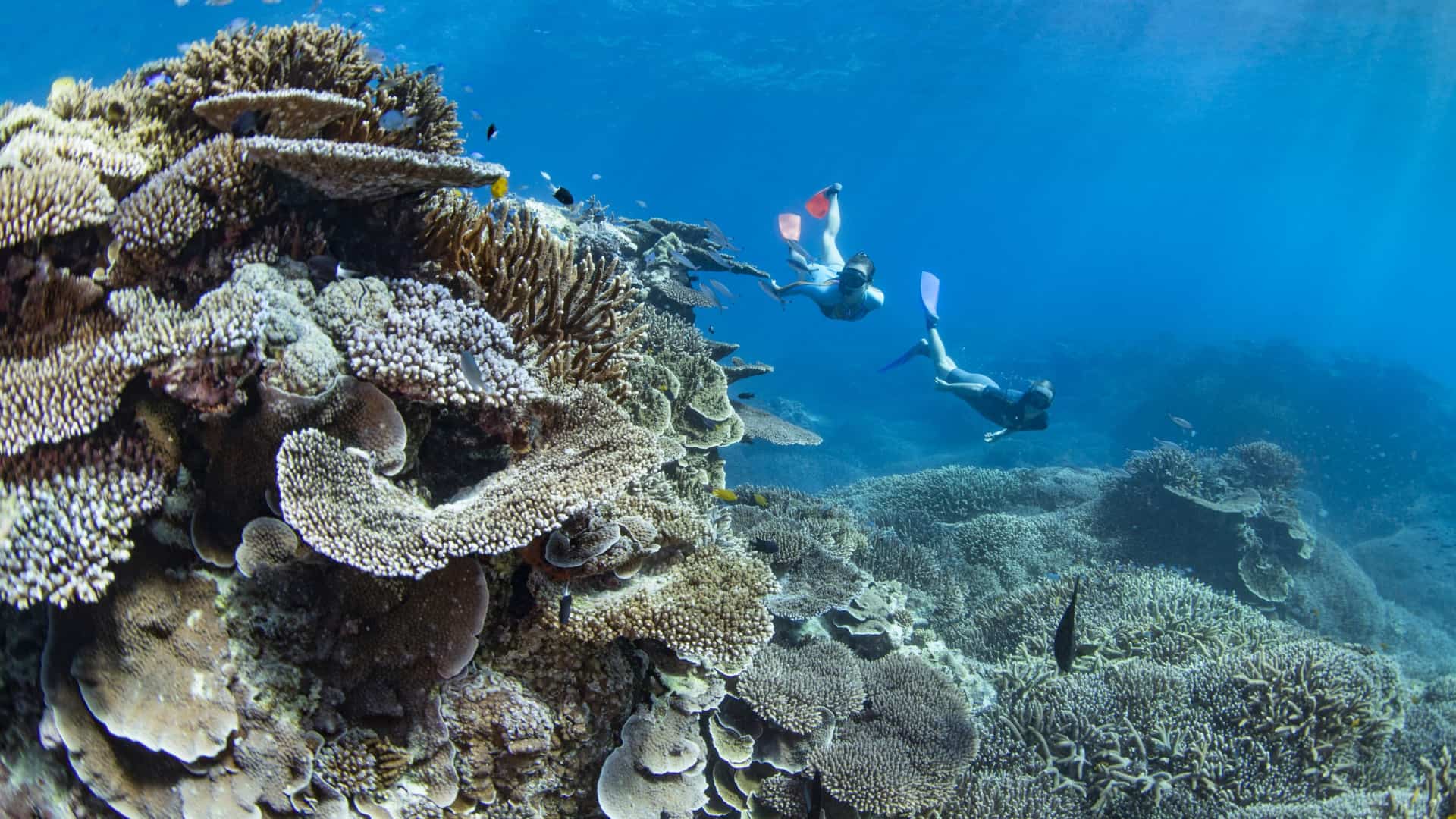
Lady Elliot Island is another excellent shore-first Great Barrier Reef option because snorkeling is available straight off the beaches and in the lagoon at suitable tides.
The island’s official snorkeling page highlights beach access, which is exactly what users searching for convenience want.
It is especially appealing for marine life, clear water, and strong beginner-to-intermediate options.
10. Amed, Bali, Indonesia
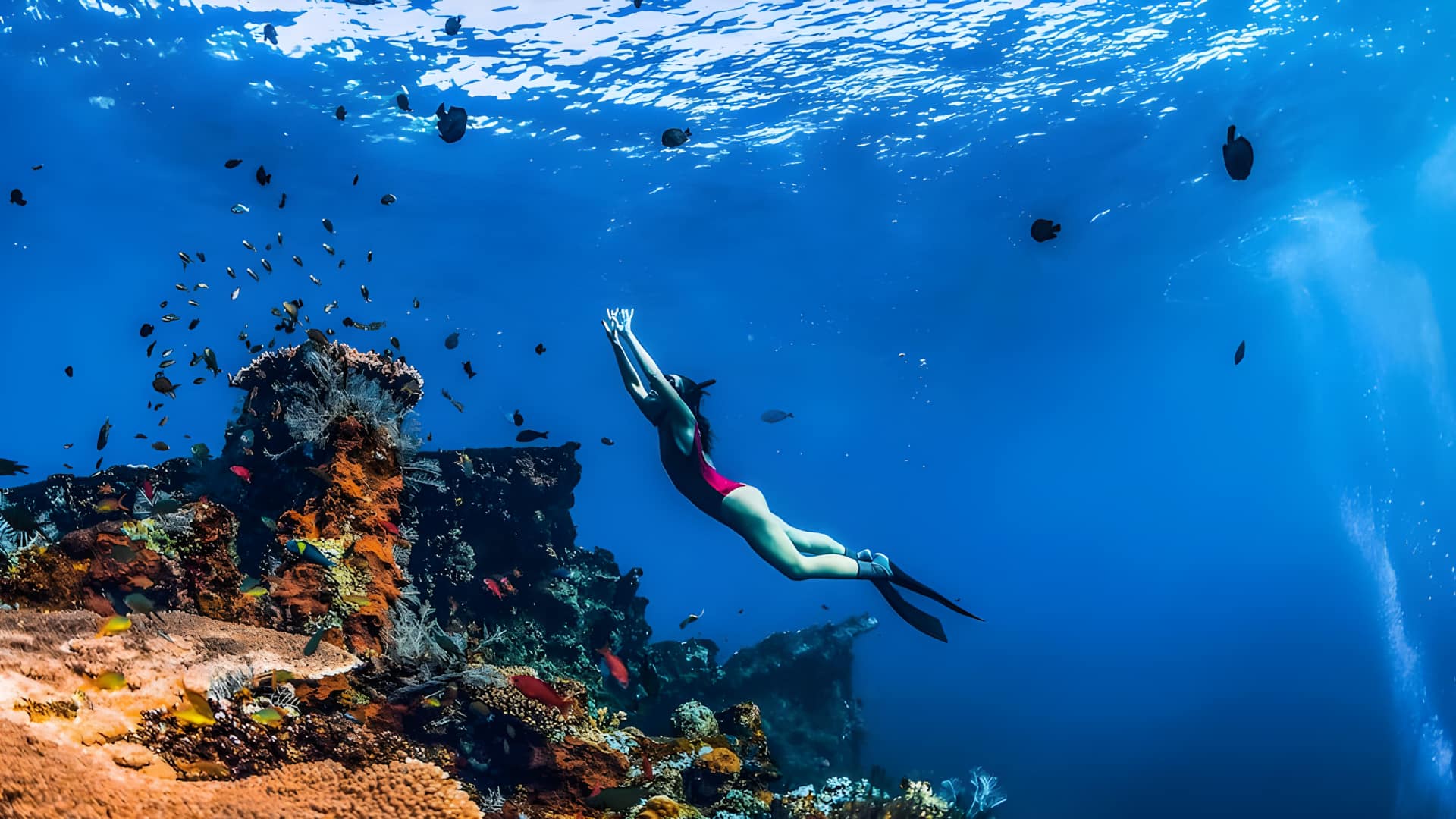
Amed deserves a place because many of its best snorkeling spots are genuinely beach-accessible, especially around bays such as Jemeluk and Lipah.
Specialist snorkeling guides consistently describe easy shore entry and productive reefs close to land.
That makes Amed one of the better Bali-area answers for travelers who want independent snorkeling without booking a boat trip every day.
11. Wakatobi Resort House Reef, Indonesia
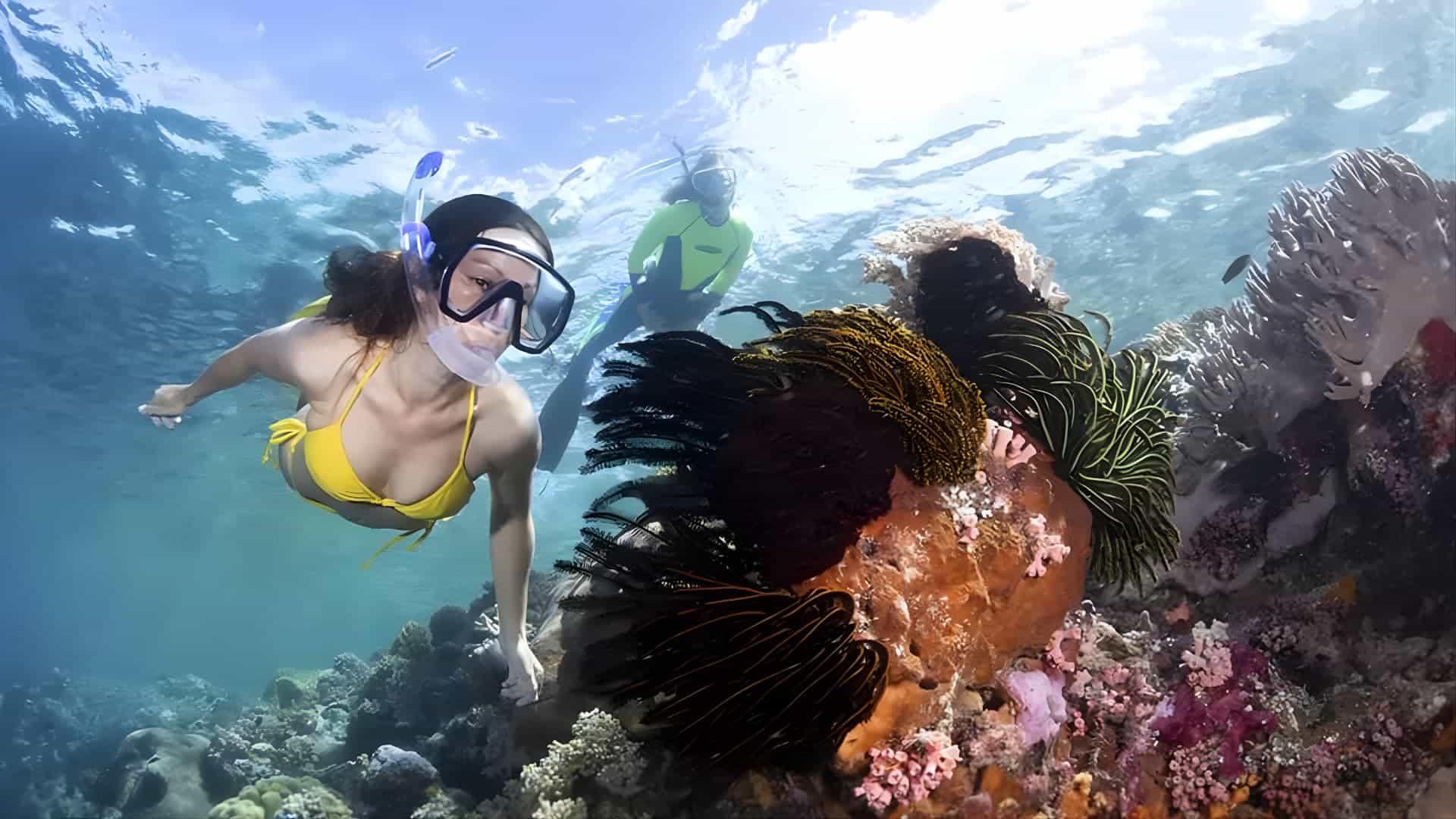
Wakatobi is worth keeping only when phrased precisely. The best shore-snorkeling draw here is the house reef at Wakatobi Resort, not the whole region in a casual, walk-up sense.
The resort itself highlights shallow reefs and house-reef access, and independent snorkeling coverage supports that this is a true shore-friendly high-end reef experience for guests staying there.
12. Balicasag Island, Philippines
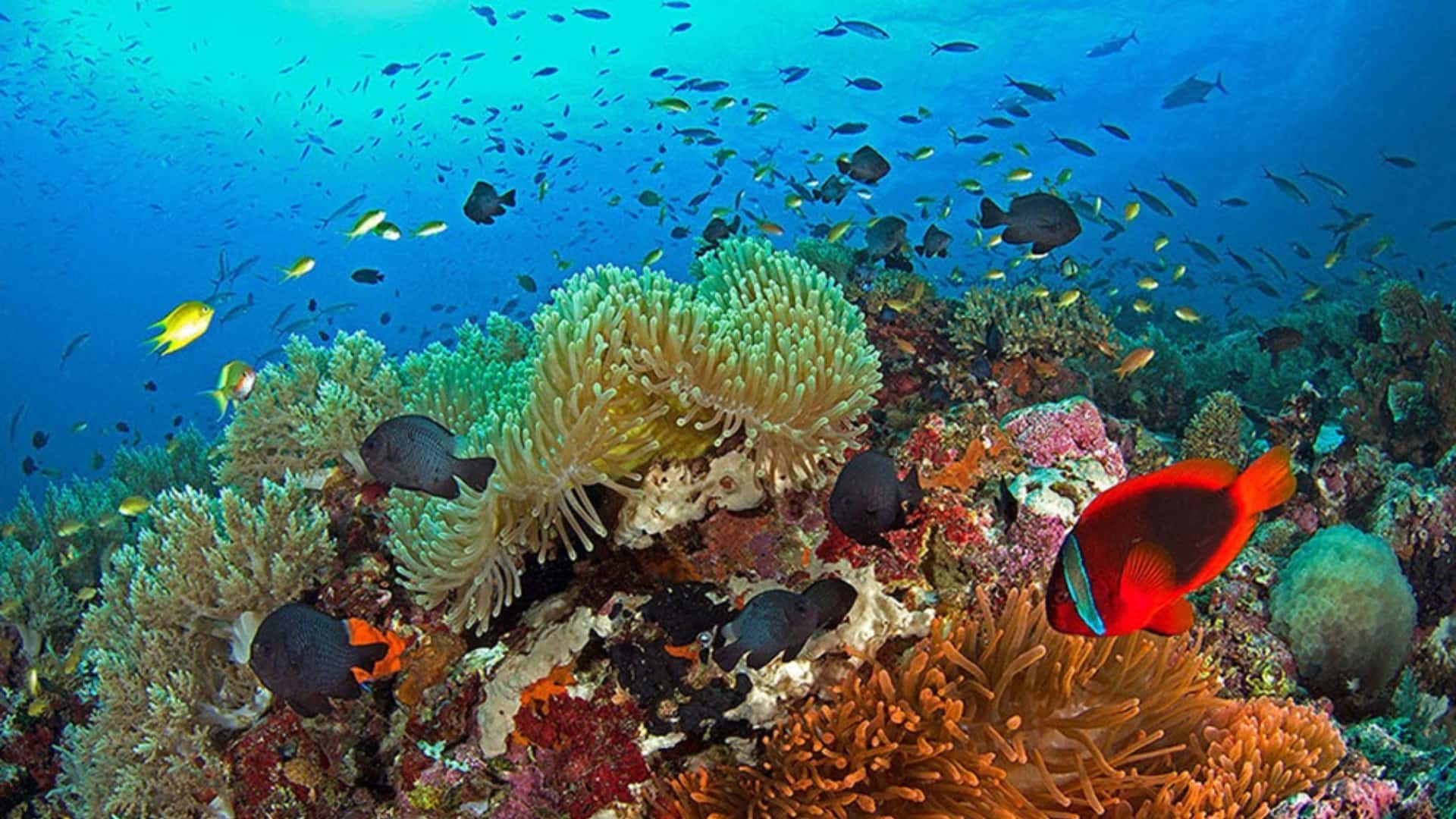
Balicasag Island is known for excellent snorkeling, clear water, and active marine life, but most visitors reach it by boat from nearby islands such as Panglao.
It deserves a place as one of the region’s best snorkeling spots, though it is not a true shore-entry destination.
Best Places for Snorkeling in The Indian Ocean
The Indian Ocean is packed with warm-water reef systems, but these picks stand out because shore or house-reef access is realistic.
13. Maldives House Reefs
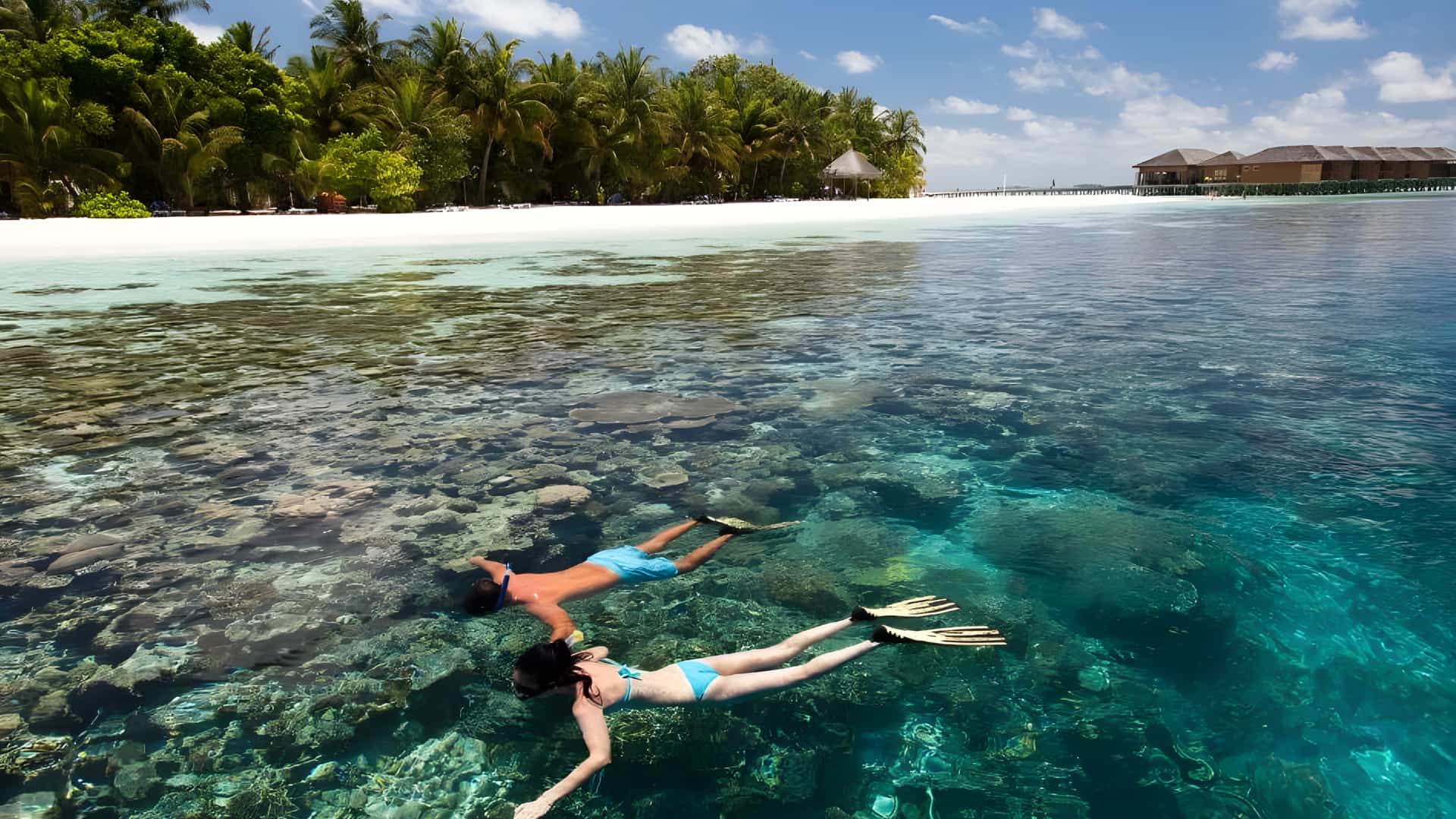
The Maldives can offer some of the easiest and most beautiful shore snorkeling in the world, but the experience depends heavily on choosing the right island or resort.
Some resorts have strong house reefs accessible from the beach or jetty, while others have limited reef access, so it is worth checking house-reef quality before booking.
14. Anse Lazio, Praslin, Seychelles
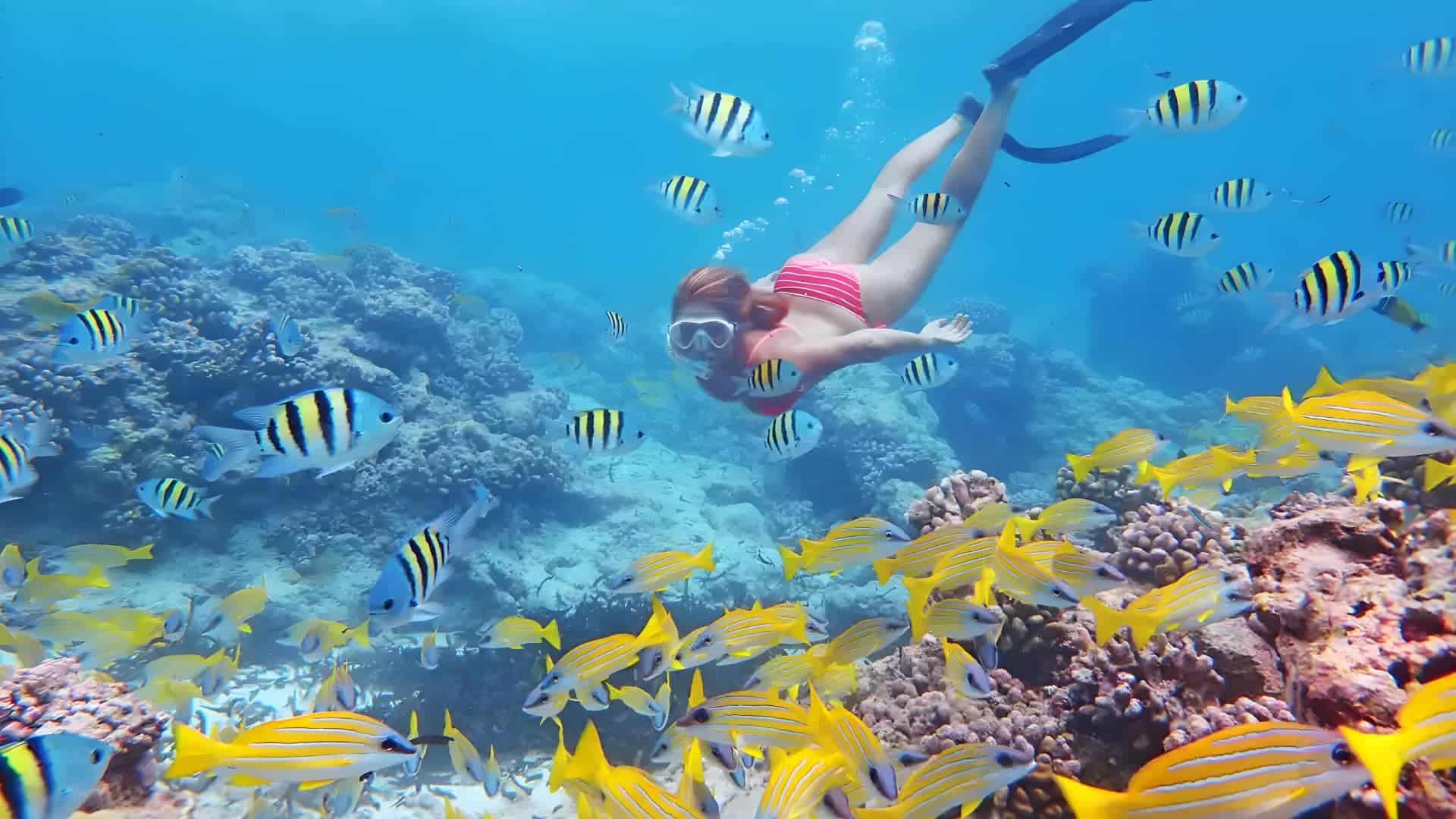
Anse Lazio is one of Seychelles’ clearest shore-snorkeling names because the best snorkeling is found from the beach itself, especially around the granite-framed ends of the bay.
Specialist snorkeling coverage makes that point clearly, and the beach’s calm, scenic setting gives it wide appeal for travelers who want to mix beach time with short, easy snorkeling sessions.
15. Mauritius Lagoon Reefs
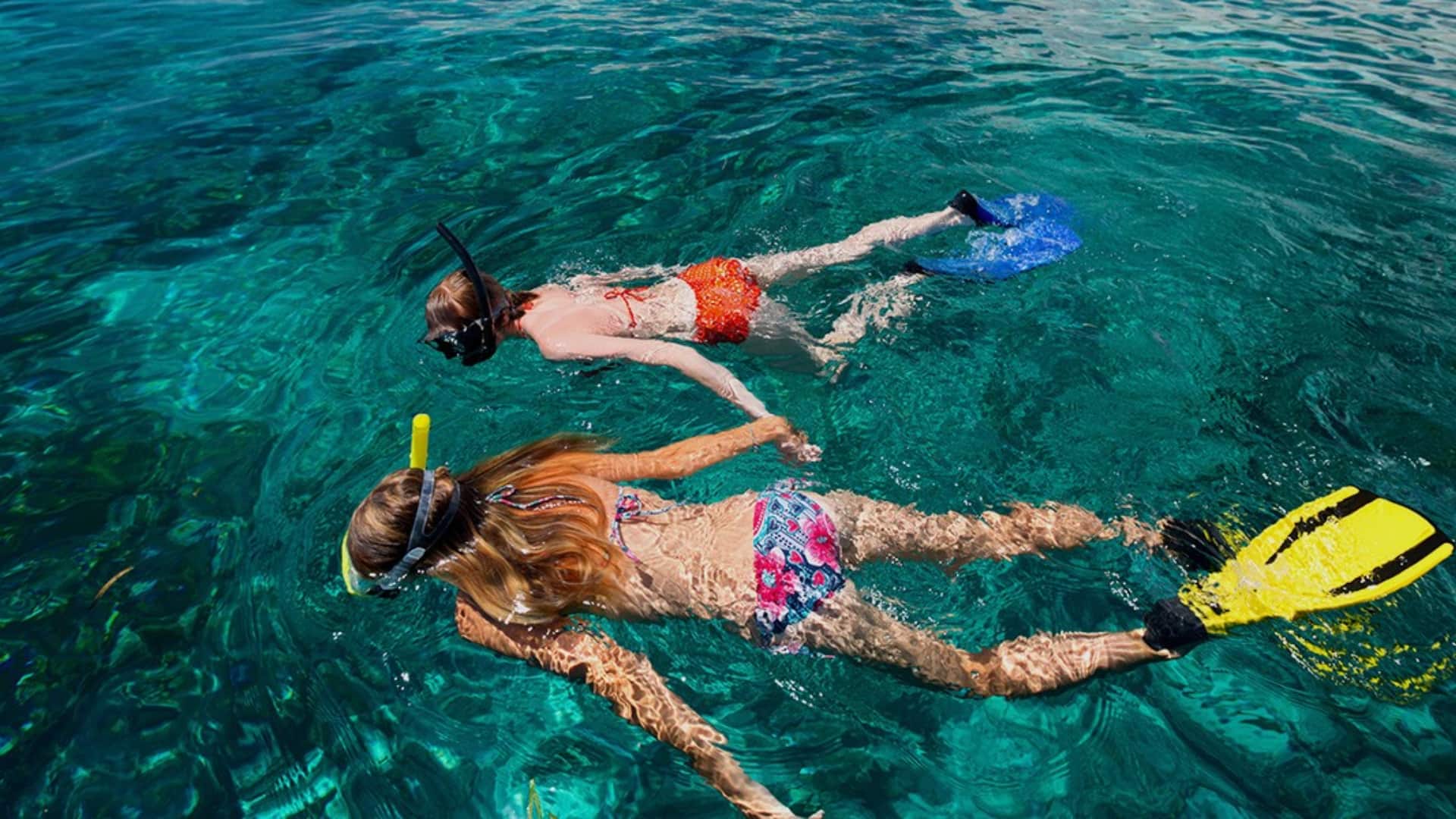
Mauritius is a sensible shore-snorkeling destination because much of the island’s reef structure helps create calmer lagoons, especially in favored coastal areas.
Current snorkeling guides list many good sites in these lagoons, suitable for travelers who want warm water and easy access.
Reef quality is not equally strong everywhere, so it works best when you base yourself near proven snorkel beaches.
Best Snorkeling in The Caribbean
The Caribbean has many beautiful beaches, but these are the picks that most clearly match true shore snorkeling convenience.
16. West Bay, Roatán, Honduras
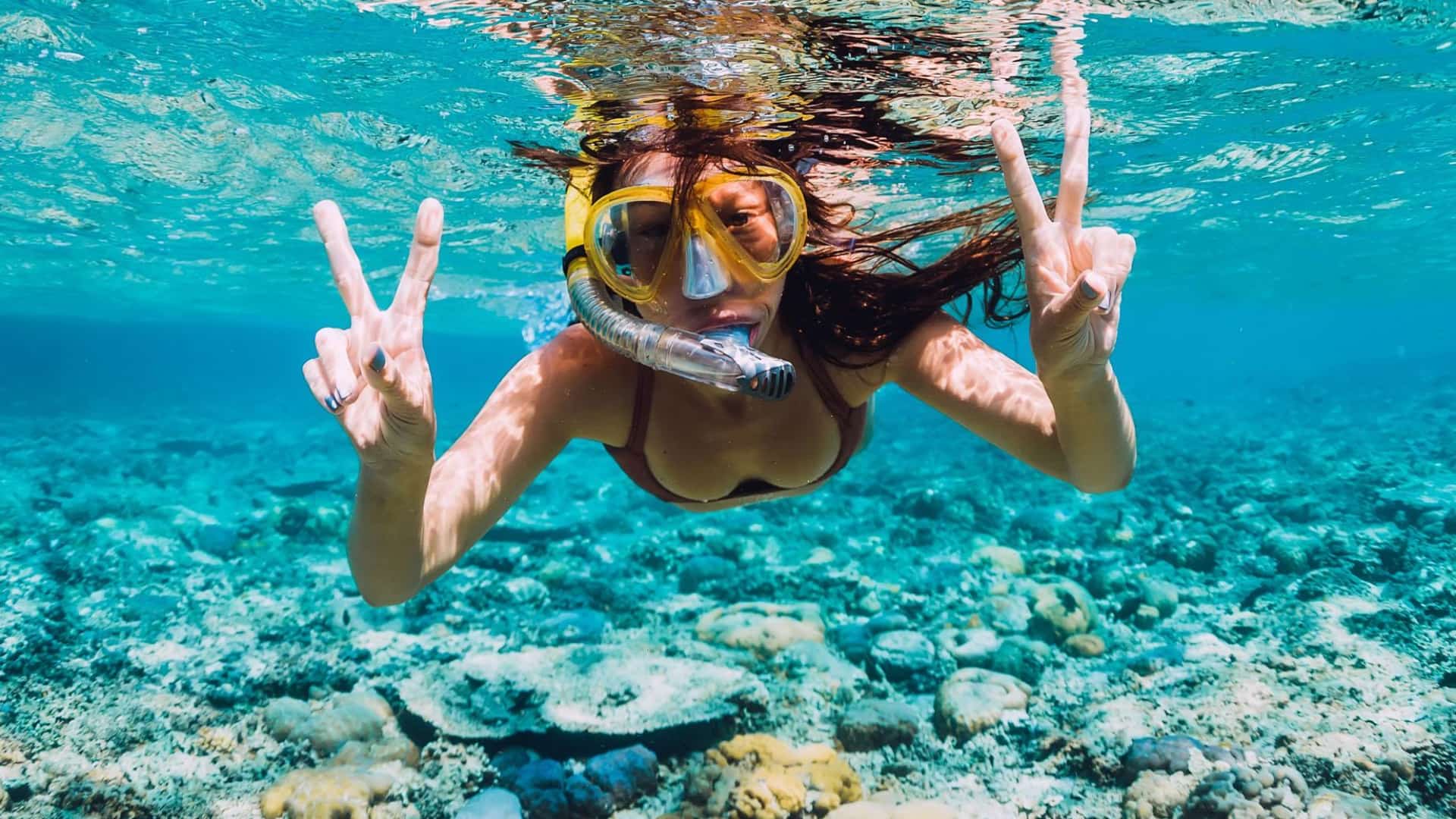
West Bay is one of the Caribbean’s strongest shore-access snorkeling picks because the reef is reachable directly from the beach.
Current specialist coverage describes the snorkeling area as beach-accessible, and travelers consistently highlight how easy it is to start snorkeling here with minimal setup.
That combination of reef quality and convenience is exactly what makes West Bay rank so highly.
17. Trunk Bay, St. John, U.S. Virgin Islands
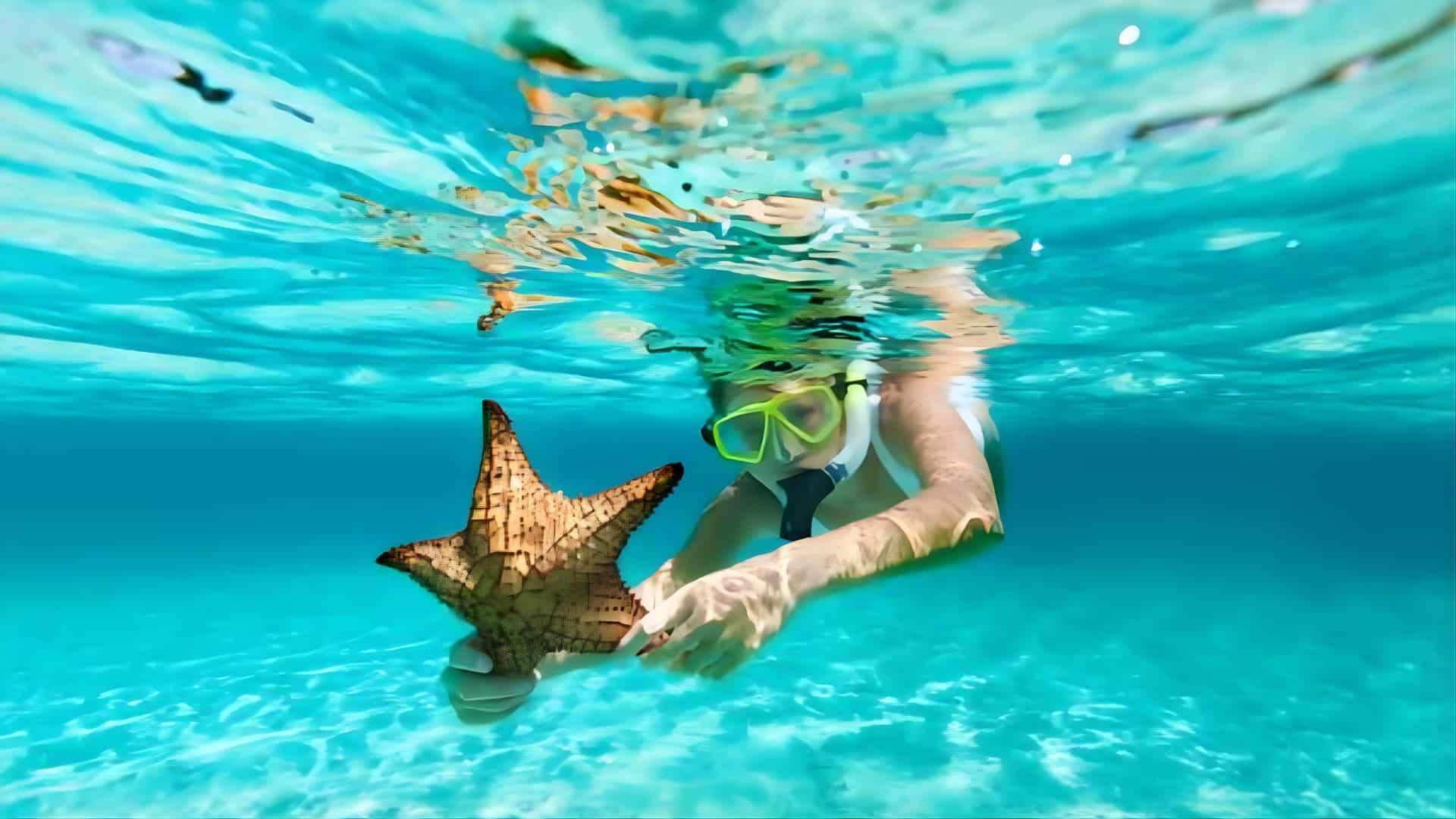
Trunk Bay is an easy inclusion because it offers one of the most famous underwater snorkeling trails in the Caribbean.
The National Park Service confirms the marked trail, and the bay’s calm, clear water keeps it beginner-friendly.
It is not the wildest reef on this list, but it is one of the best-known and easiest shore-snorkeling beaches for a broad range of travelers.
18. Bonaire
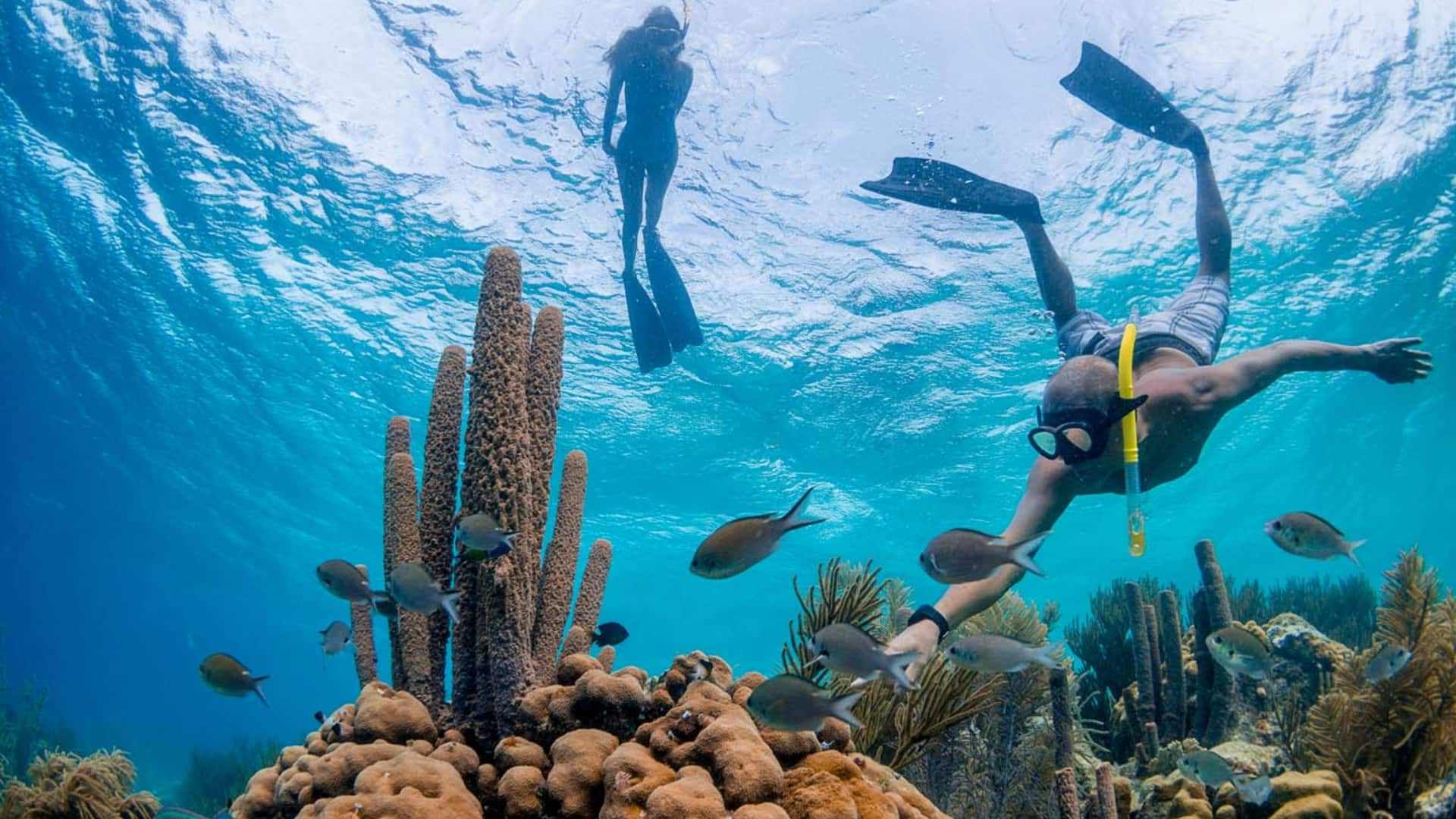
Bonaire is almost tailor-made for this article because the island is world famous for shore access.
Bonaire’s marine park sources describe fringing reefs that begin very near shore and note dozens of accessible sites.
That makes Bonaire one of the clearest answers for independent snorkelers who want flexibility, repeat sessions, and reef access without tours or boat schedules.
19. Curaçao
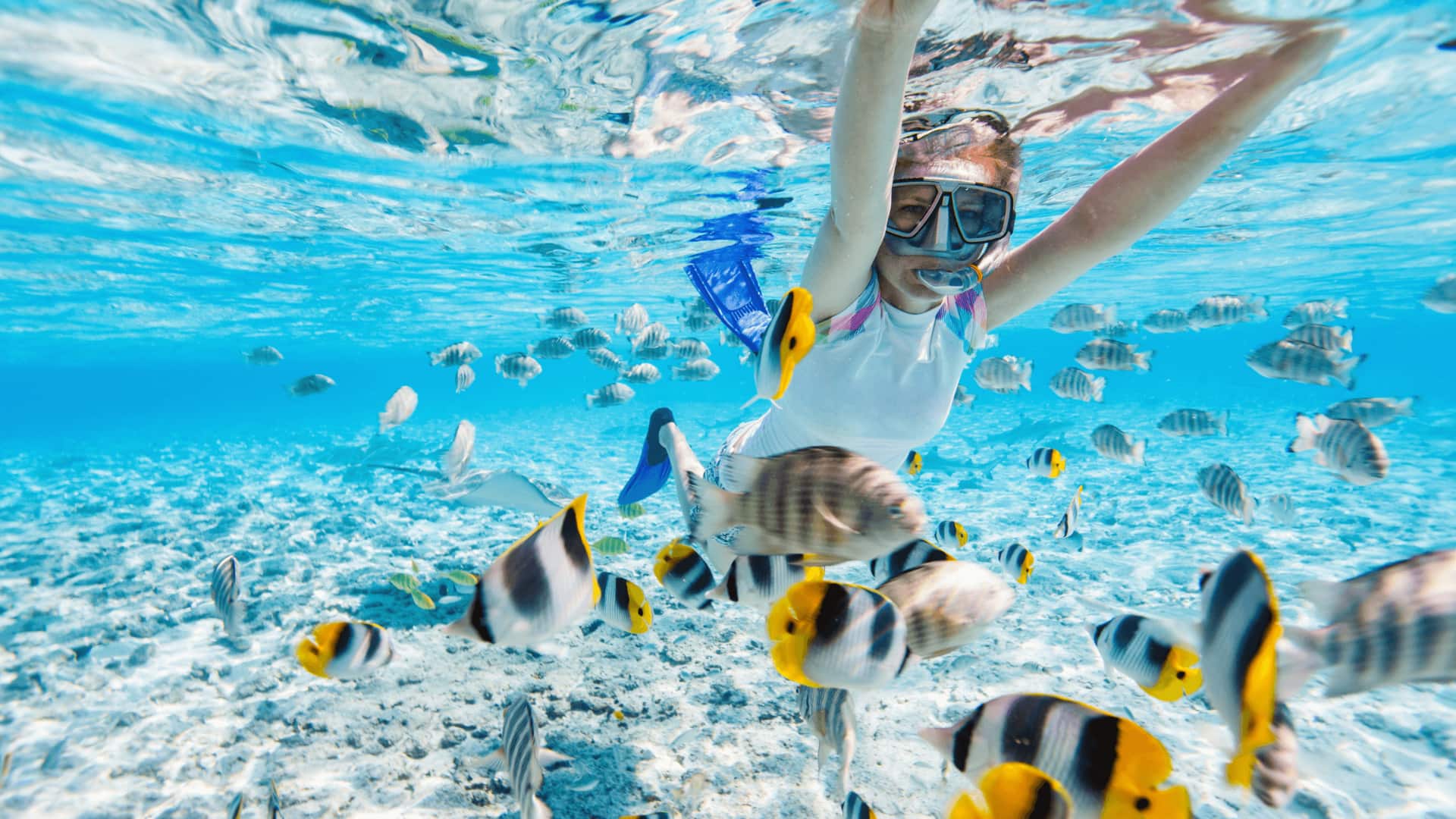
Curaçao fits well because it offers many distinct beach-entry snorkeling sites across the island, especially in calm coves and on the more sheltered coasts.
Current snorkeling guides map dozens of accessible locations rather than just one showcase beach.
That variety makes Curaçao especially useful for travelers who want a self-drive snorkeling trip with several easy options over multiple days.
Best Places for Snorkeling in The Americas, Red Sea, and Beyond
These final picks round out the list with turtle-rich bays, famous Red Sea reefs, and one unforgettable cold-water experience.
20. Akumal Bay, Mexico
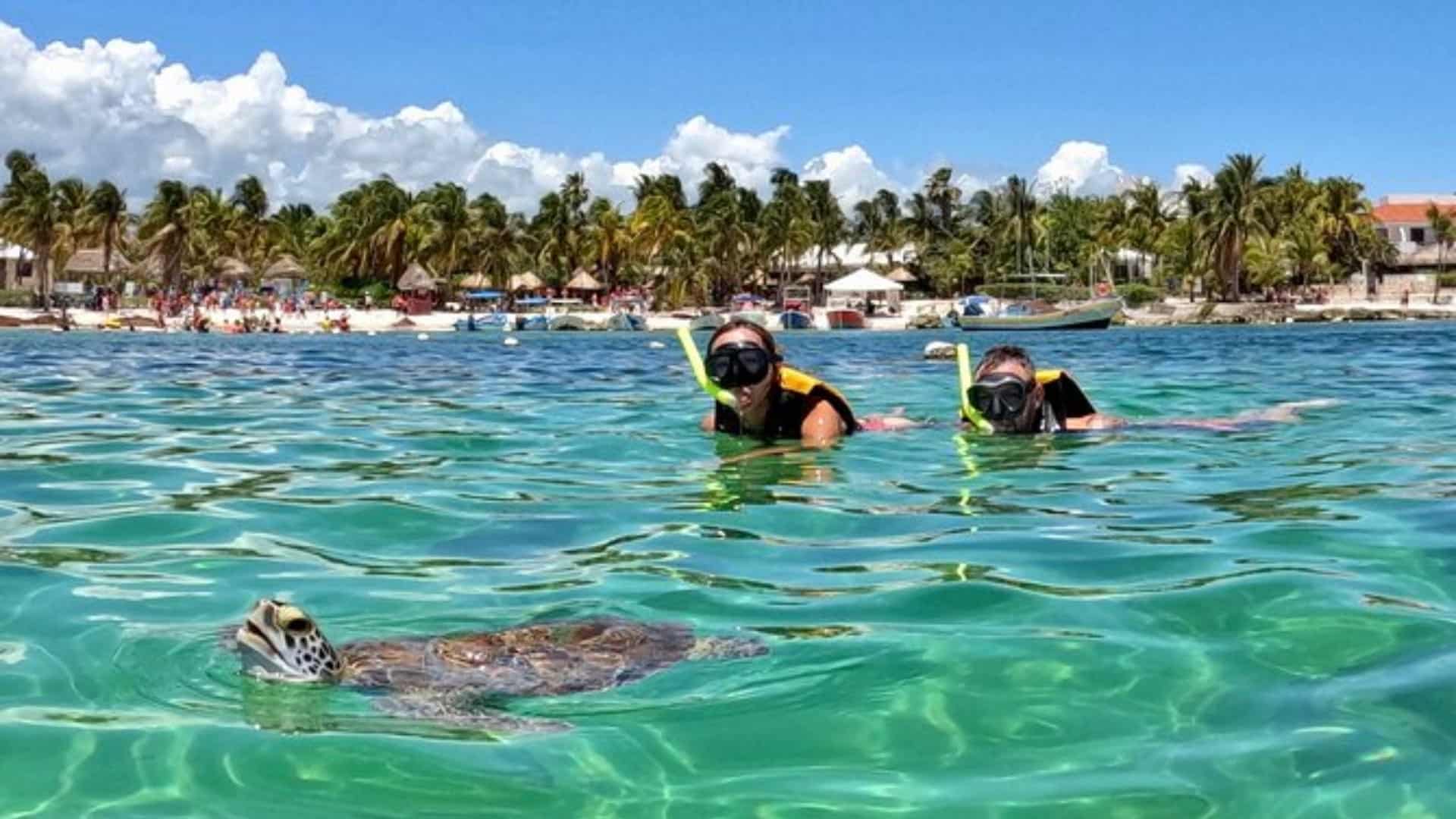
Akumal Bay is a strong shore-snorkeling choice because its protected, shallow bay and visible seagrass beds bring marine life close to shore, especially turtles.
Current specialist guides note that the bay remains popular for turtle encounters and can still be done from shore, though rules and visitor management matter.
It is best framed as easy, famous, and wildlife-led rather than coral-first.
21. Galápagos Islands, Ecuador
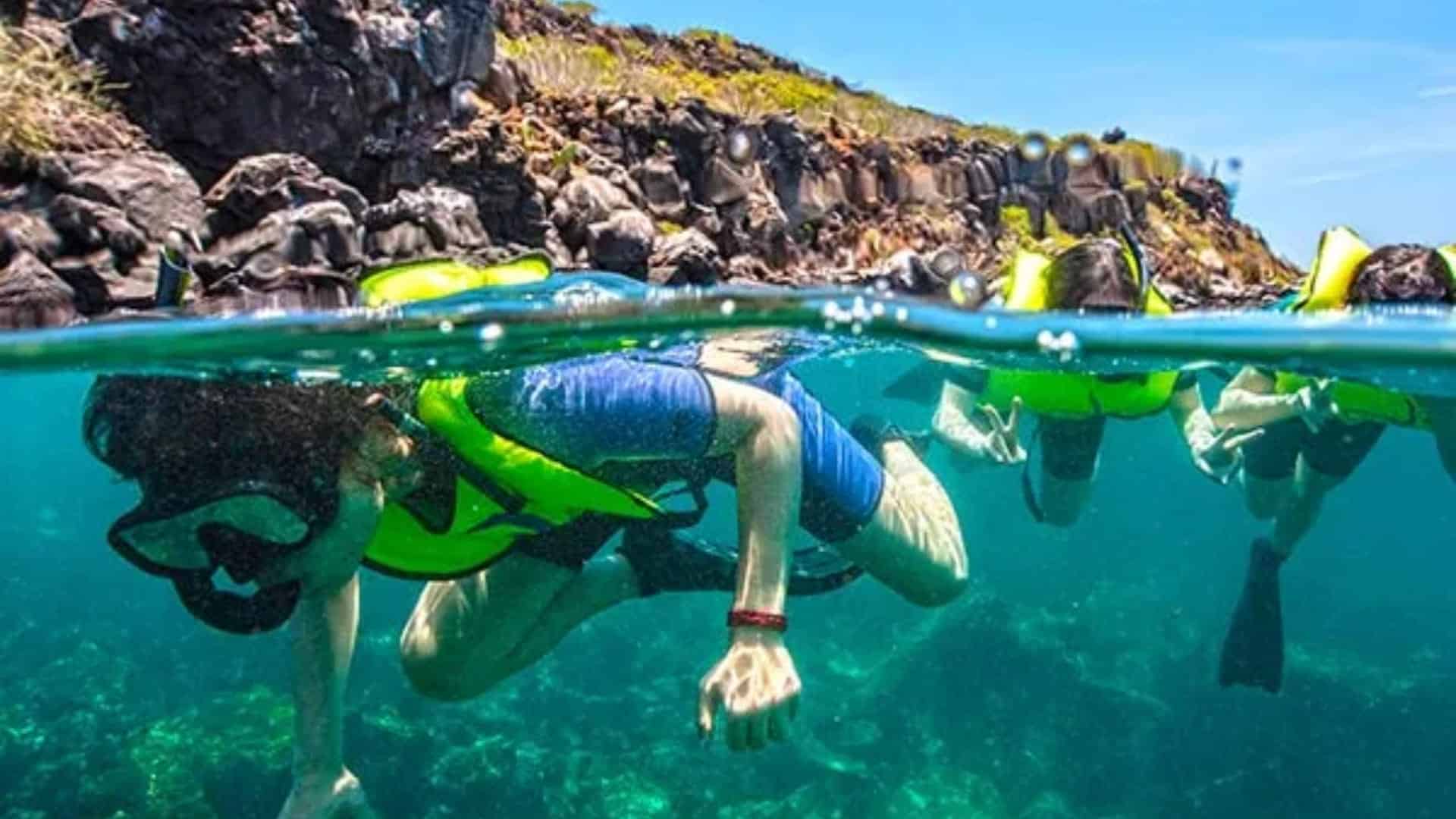
The Galápagos Islands offer one of the world’s most memorable wildlife snorkeling experiences, with chances to see sea lions, turtles, rays, reef fish, and other marine life.
This is less about easy shore snorkeling and more about guided wildlife encounters, often reached by boat. Cooler water and changing currents make it better suited to confident swimmers.
22. Belize Barrier Reef, Belize
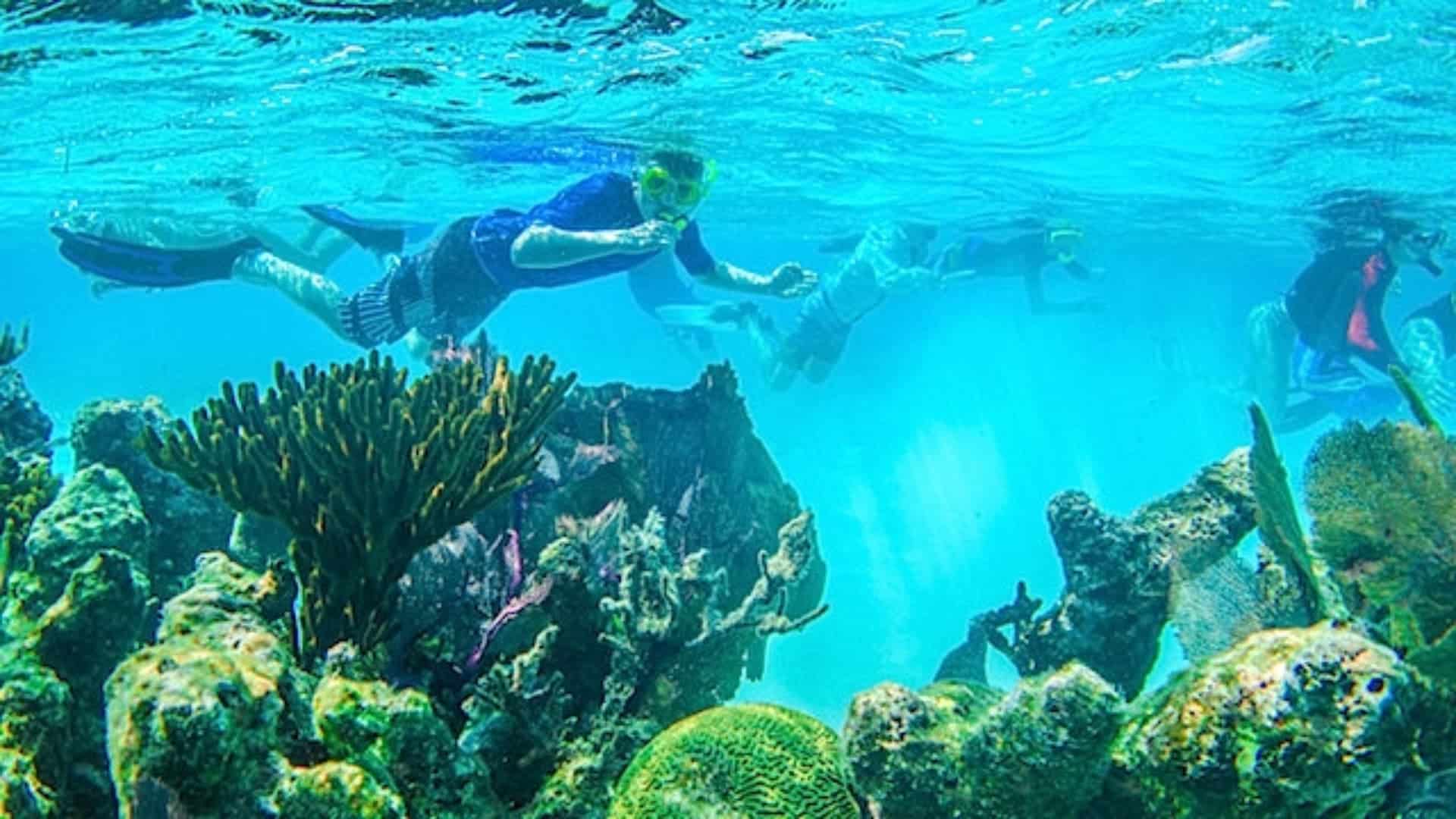
The Belize Barrier Reef is one of the world’s most important reef systems, but most of its best snorkeling areas are reached by boat.
Limited shore snorkeling is possible in some cays and local access points, but this destination is best included as a top reef destination rather than a true shore-snorkeling pick.
23. Abu Dabbab Bay, Marsa Alam, Egypt
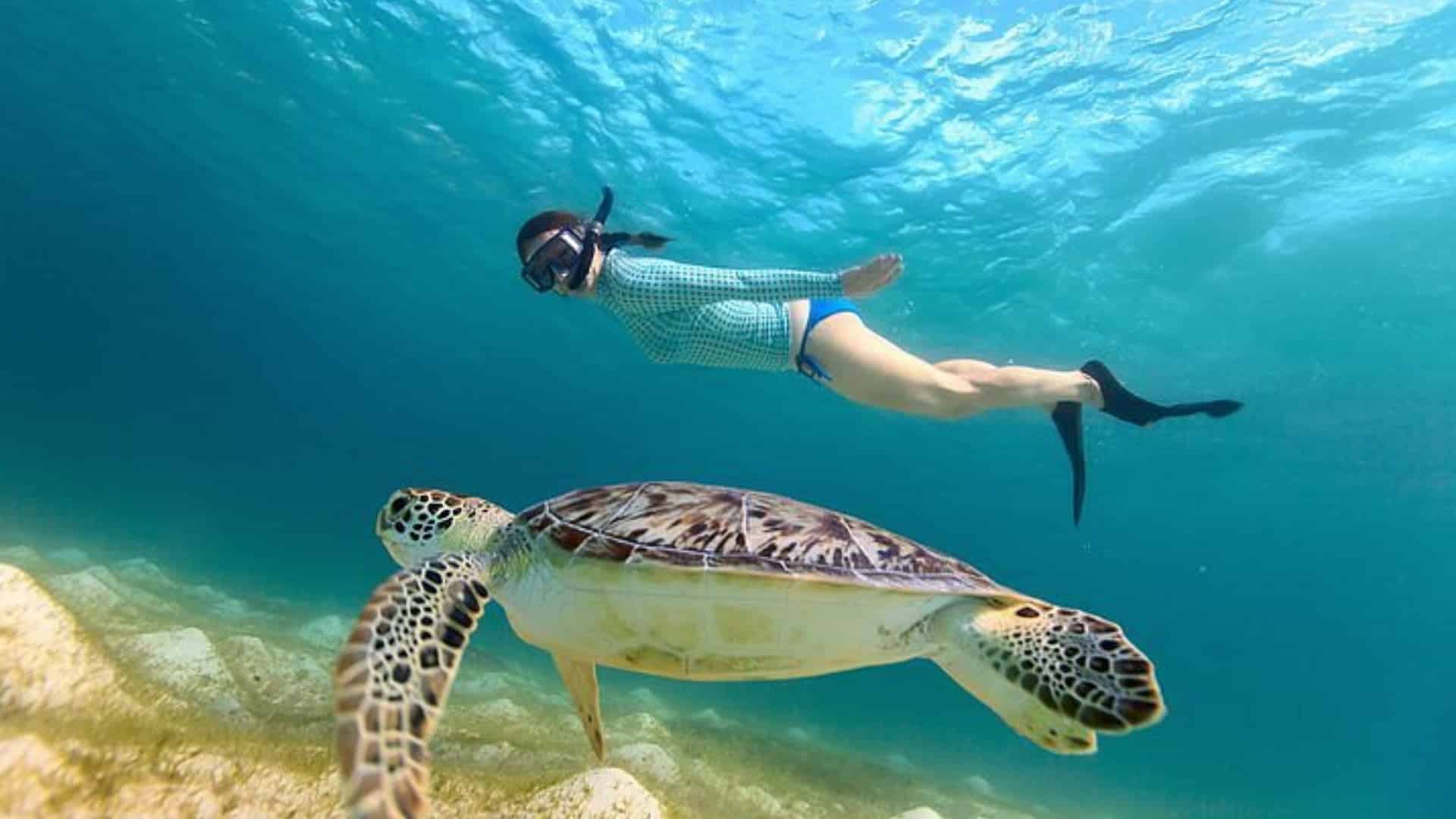
Abu Dabbab is one of the Red Sea’s best shore-access snorkeling bays because it combines soft-sand entry, easy access, and reliable marine-life appeal.
The official beach site specifically promotes easy shore access to the reef, and specialist snorkeling coverage highlights turtles, rays, and occasional dugong sightings.
For users who want simple entry plus strong wildlife potential, this is a standout choice.
24. Sharm El Sheik House Reefs, Egypt
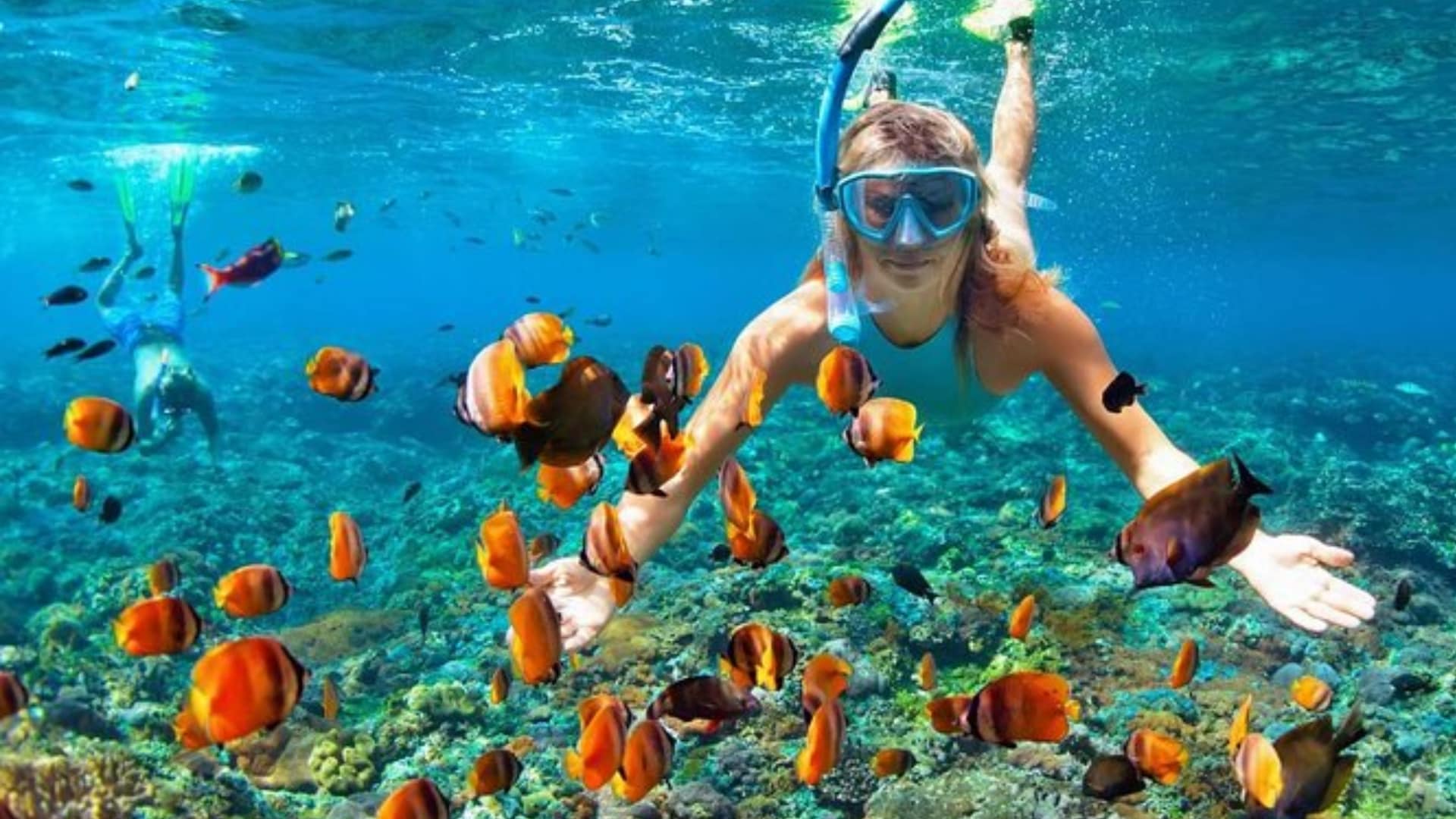
Sharm El Sheik works well for this list when you focus on house reefs and shore-access sites, not just boat excursions to Ras Mohammed.
Current snorkeling guides describe a coastline with many shallow reef plateaus and shore-access options, especially around hotels with strong house reefs.
That gives travelers a realistic way to snorkel repeatedly without having to book a separate outing each time.
25. Silfra, Iceland
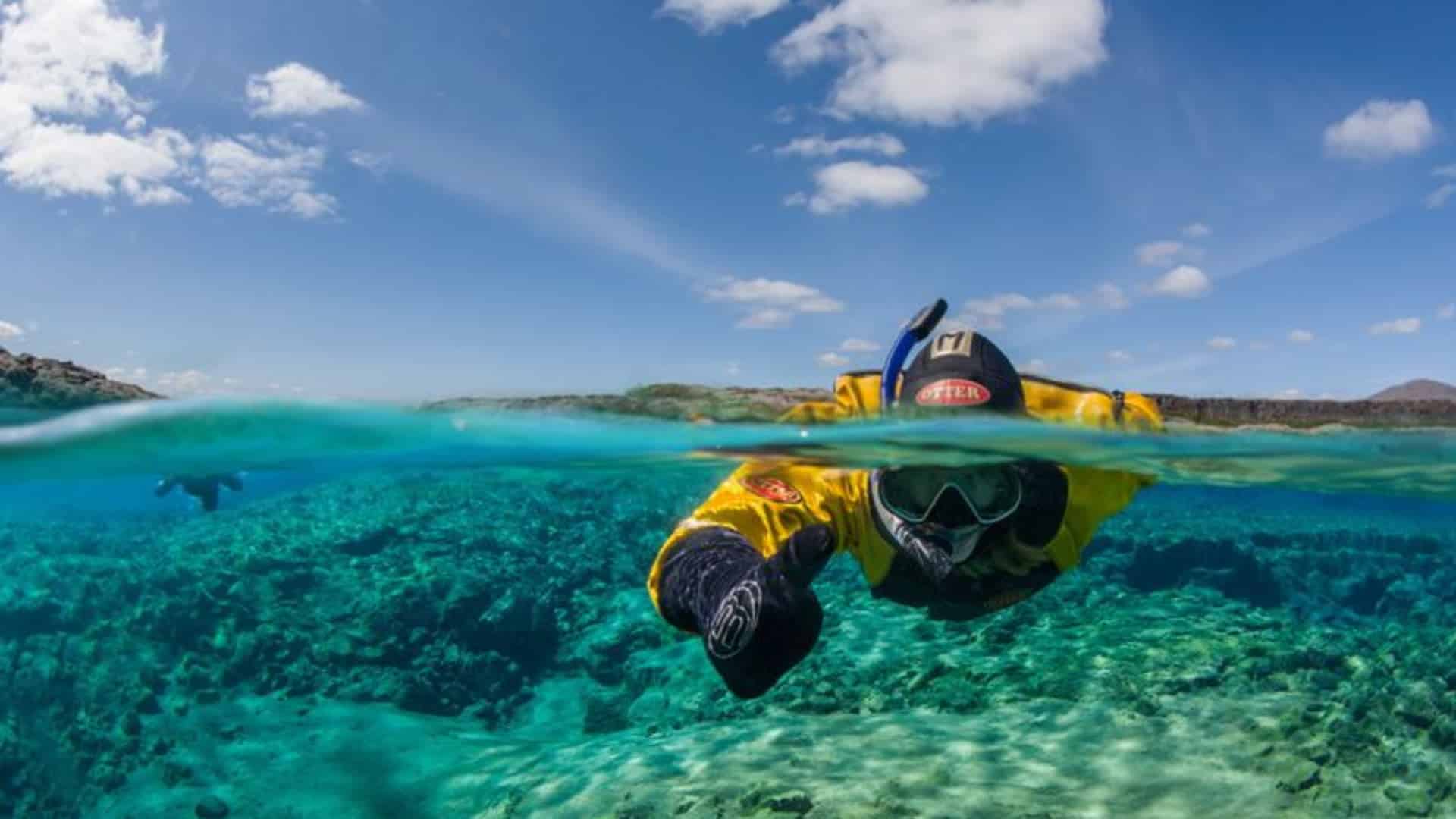
Silfra is the outlier on this list, but it earns inclusion because it offers one of the most unusual snorkeling experiences anywhere.
Thingvellir National Park is known for its exceptional visibility in cold mineral water, and reputable Iceland travel material notes visibility of around 100 meters.
This is not tropical reef snorkeling, but for uniqueness and clarity, it is hard to beat.
Best Places for Snorkeling by Travel Style
This quick table helps match different travel styles with snorkeling destinations that offer the right mix of access, comfort, and experience.
| Travel Style | Best Places |
|---|---|
| Best For Beginners | Hanauma Bay (Hawaii), Trunk Bay (St. John), Kapalua Bay (Maui), Natadola Beach (Fiji) |
| Best For Families | Bora Bora, Curaçao, West Bay (Roatán), Praslin Beaches (Seychelles) |
| Best For Marine Life | Ningaloo Reef (Australia), Galápagos Islands (Ecuador), Maldives House Reefs, West Bay (Roatán) |
| Best For Coral Reefs | Bonaire, Wakatobi Resort House Reef (Indonesia), Maldives House Reefs, Ningaloo Reef |
| Best For Unique Snorkeling | Silfra (Iceland), Galápagos Islands |
Use this table as a shortcut before looking at practical planning tips, since timing, weather, and access can shape each trip.
What to Know Before Choosing a Shore Snorkeling Spot
A little planning makes a big difference, especially when shore access, safety, weather, and reef conditions can vary by destination.
- Reef Quality Changes By Season: Wind, rain, swell, and water temperature can affect visibility and reef health. Check the best snorkeling months before booking.
- Beach Entry Matters As Much As Marine Life: Great marine life means less if entry is rough, rocky, or exposed. Always check how easy it is to enter the spot.
- Some Famous Destinations Are Better By Boat: Not every famous reef is ideal to reach by shore. In places like Belize and parts of the Great Barrier Reef, base choice matters.
- Gear Makes a Difference: A good mask, snorkel, and fins improve comfort fast. Rash guards and reef-safe sun protection also help in longer sessions.
- Check Currents and Local Guidelines: Calm water can still have a current. Follow local advice, respect marine-life rules, and check protected-area guidelines before entering.
These basics help travelers avoid common mistakes and make better choices, which naturally lead to the best time to visit each spot.
Best Time to Visit the Best Snorkeling in the World
The best time to visit depends on the destination, but a few patterns usually hold true.
Dry season often brings clearer water because less rain and runoff mean better visibility, while early mornings are usually calmer before the wind builds later in the day.
Shoulder season can also be a smart choice, with fewer crowds and still-solid conditions at many popular spots.
Wildlife timing matters too. Ningaloo’s whale shark season generally runs from March to July, Hanifaru Bay’s manta season is usually May to November, and Galápagos snorkeling changes by season, with warmer, clearer water often noted from January to May
Safety and Conditions
Safe shore snorkeling depends on reading the water well, checking conditions carefully, and knowing when a beautiful beach is not safe.
- Wind, tide, swell, visibility, and current can change fast, even when the beach looks calm and inviting from shore.
- A peaceful shoreline can still hide surge, slippery rocks, uneven entry points, or reef sections that are harder to cross.
- Checking local conditions before entering helps you avoid unsafe water, poor visibility, or stronger movement than you expected.
- Holding breath under the water also plays an important role while snorkeling.
- Early morning is often a better time because the water is usually calmer, clearer, and less affected by wind.
- If the entry looks rough, the current feels stronger than expected, or warning signs are posted, skip that session.
- A safer and easier exit matters too, since getting out comfortably is just as important as getting in smoothly.
Good snorkeling is not only about marine life. It is also about choosing conditions that let you enter and exit safely.
Not Every Snorkeling Reef Looks the Same Today
Some reefs still feel full of color and marine life, while others show visible stress from warming seas, storms, pollution, overuse, or changing local conditions.
That is an important part of planning a snorkeling trip now, because an old reputation does not always match the current experience.
A destination can still be worth visiting, but reef health may vary a lot from one bay, island, or season to another.
That is why it helps to check recent local updates, current photos, and on-the-ground guidance before booking around one specific beach or reef.
This also makes responsible snorkeling more important. Keeping distance from coral, avoiding contact with wildlife, and choosing operators or stays that support reef protection can help reduce pressure on places people travel far to enjoy.
Conclusion
The best snorkeling in the world is not always found on the most expensive tour or the farthest reef offshore.
Often, the best places for snorkeling are the ones where you can step into the water without much planning and still see something incredible almost right away.
That is what makes shore snorkeling so rewarding for beginners, families, and serious travelers alike.
A calm bay, healthy reef, and easy entry can shape the whole trip more than any boat excursion ever could.
Whether your goal is bright coral, rare wildlife, or simply a peaceful swim above clear water, the right destination makes all the difference.
Choose well, time it right, and even a simple beach entry can lead to your most memorable snorkeling experience.
Frequently Asked Questions
Do I Need to Be a Strong Swimmer to Enjoy Shore Snorkeling?
Not always. Many shore snorkeling spots have shallow, calm water that is suitable for beginners. A flotation vest can also make the experience feel safer and more comfortable.
Can I Rent Snorkeling Gear at Most Popular Snorkeling Destinations?
Yes, many well-known snorkeling beaches and resort areas offer mask, snorkel, and fin rentals nearby. Still, bringing your own mask can give you a better fit.
Is Shore Snorkeling Better in the Morning or the Afternoon?
Morning is usually better because the water is often calmer, clearer, and less affected by wind. That can make it easier to spot fish, coral, and other marine life.