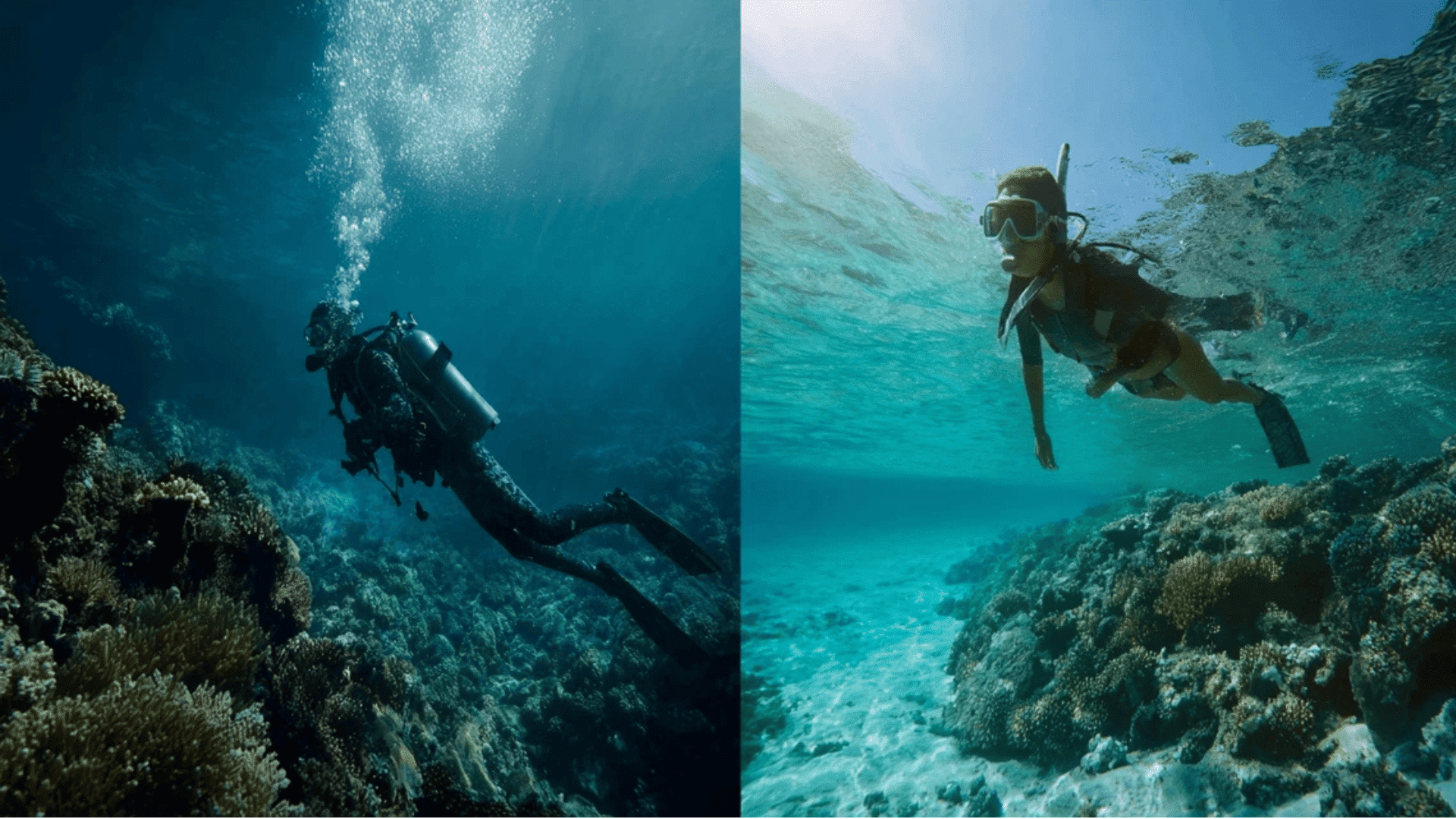

Seeing colorful fish and coral underwater sounds like something out of a dream. But here is the thing. It is very much real, and kids can do it too.
If you’re curious about where scuba diving can take you, there are incredible spots around the world that beginners and experienced divers travel to.
So, how old do you have to be to scuba dive? Some beginner programs accept children as young as 8. Many junior certification programs start at age 10.
The exact age depends on the training agency, the type of program, and whether the child is ready both physically and mentally.
There is no single answer that fits everyone. Scuba diving is more within reach for young people than most families expect
How Old Do You Have to Be to Scuba Dive?
There is no single universal minimum age for scuba diving. Most beginner pool experiences accept children from age 8, while junior certification programs generally start at age 10.
Full open water certifications are usually available from the age of 15. The type of diving activity plays a big role in the required age.
A supervised pool session has fewer rules than a full certification course. Open-water diving in the ocean comes with stricter requirements than diving in a controlled indoor setting.
The program type, training agency, and location all affect the age a young person needs to be before starting.
Can Kids and Teens Start Scuba Diving?
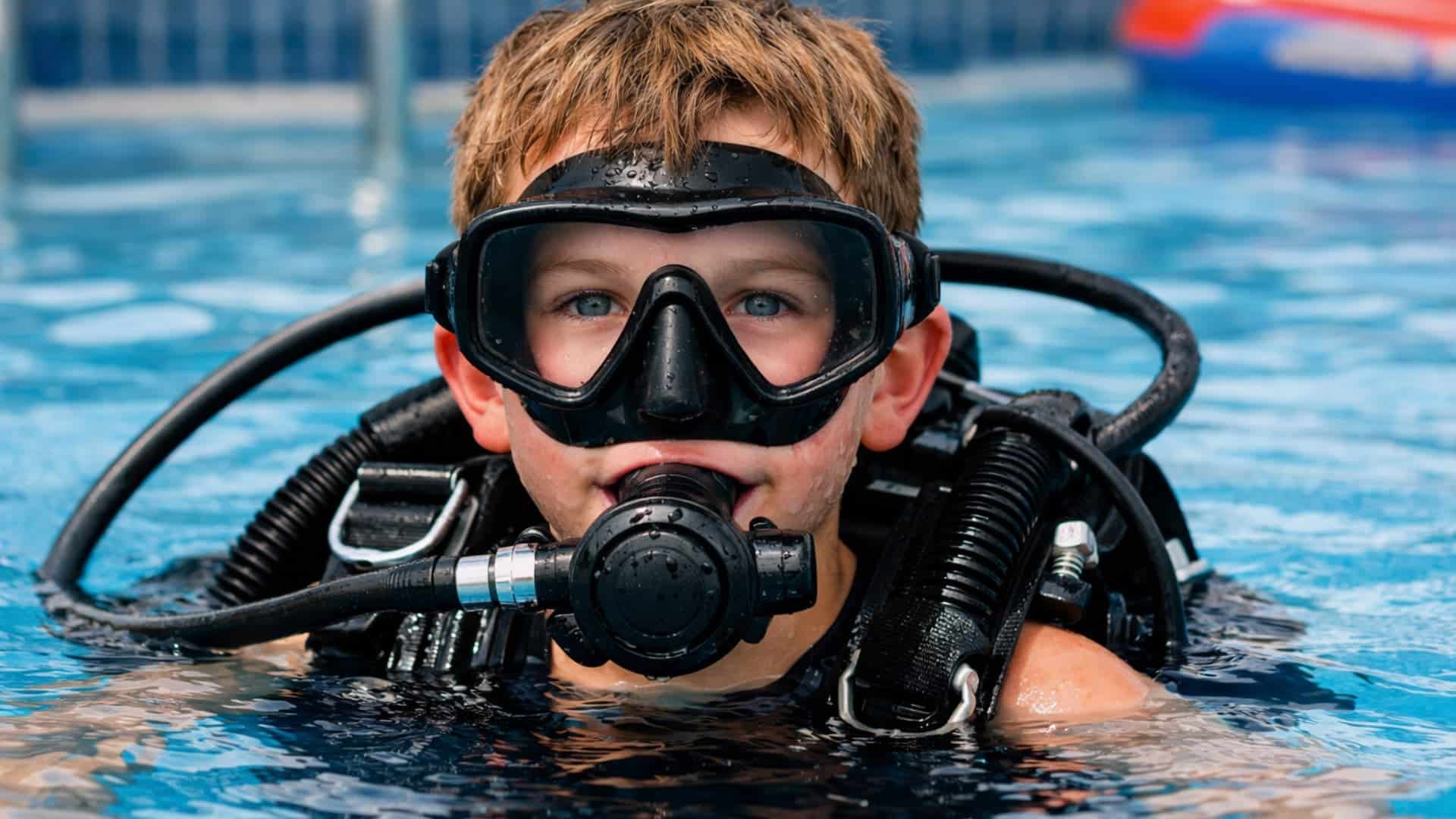
Kids can absolutely start scuba diving at a young age. The key is matching the right program to the right age. Here is a look at what is typically available as children grow.
Ages 8 To 9
Children aged 8 and 9 can take part in beginner pool-based programs, such as PADI’s Bubblemaker. These are short, shallow, and fully supervised sessions designed to feel fun rather than technical.
There is no certification involved. Everything happens in a controlled pool setting with an instructor close by at all times.
Age 10 And Up
At age 10, kids become eligible for junior scuba certification programs, such as the PADI Junior Open Water Diver. These courses teach real diving skills in a structured way.
Certified junior divers can explore open water, though they must always dive with a certified adult and usually stay within the agency’s depth limits.
When a Child May Be Ready or Not Ready
Age alone does not determine readiness. A child should be comfortable in water, able to follow instructions calmly, and confident enough to handle new situations without panicking.
Kids who struggle with listening, get easily anxious, or are not strong swimmers may need more time before starting any scuba program.
Starting young can build a lifelong love for the ocean. But pushing a child before they are ready can do more harm than good.
Letting them set the pace makes the experience safer and far more enjoyable for everyone involved.
Age Requirements From the Top Scuba Certifying Bodies
Different scuba training organizations set their own age rules. Knowing what each one requires makes it easier to pick the right program for a child or teen. Here is a quick look at what the three biggest agencies say.
| Organization | Program | Minimum Age | Key Rules |
|---|---|---|---|
| PADI | Bubblemaker | 8 years | Pool only, no certification, fully supervised |
| PADI | Junior Open Water Diver | 10 years | Must dive with a certified adult; depth limits apply |
| SSI | Try Scuba | 8 years | Pool only, no prior experience needed, fully supervised |
| SSI | Junior Open Water Diver | 10 years | Depth and buddy restrictions until full certification age |
| NAUI | Junior Scuba Diver | 10 years | Junior restrictions lifted at age 15 upon meeting course requirements |
Each organization has its own structure, but the age ranges are fairly similar across the board.
Checking directly with the training provider is always a smart step, since local instructors may have additional rules based on location or conditions.
What Parents and Divers Say About the Right Age to Start?
Families do not all land on the same age when it comes to starting scuba. Some parents felt comfortable signing up an 8-year-old after thinking through swimming ability, attention span, and trust in the instructor.
Others said they would wait until at least 14, feeling scuba requires too much responsibility for younger children.
Across parent opinions and instructor advice, the same idea keeps coming up: comfort in water and maturity matter more than age alone.
Many families start with a beginner try-dive before committing to full certification, which tends to work well for most young divers.
Junior Scuba Certifications Explained
A junior certification is a real scuba certification with additional rules. Junior divers must dive with a certified adult and stay within shallower depth limits than fully certified divers.
These restrictions keep younger divers safe while they build experience. As they grow older and log more dives, they can progress to full certification.
Most agencies allow this upgrade at age 15, provided the diver meets all skill and experience standards set by their training organization.
Things to Have Ready Before Starting Scuba Training
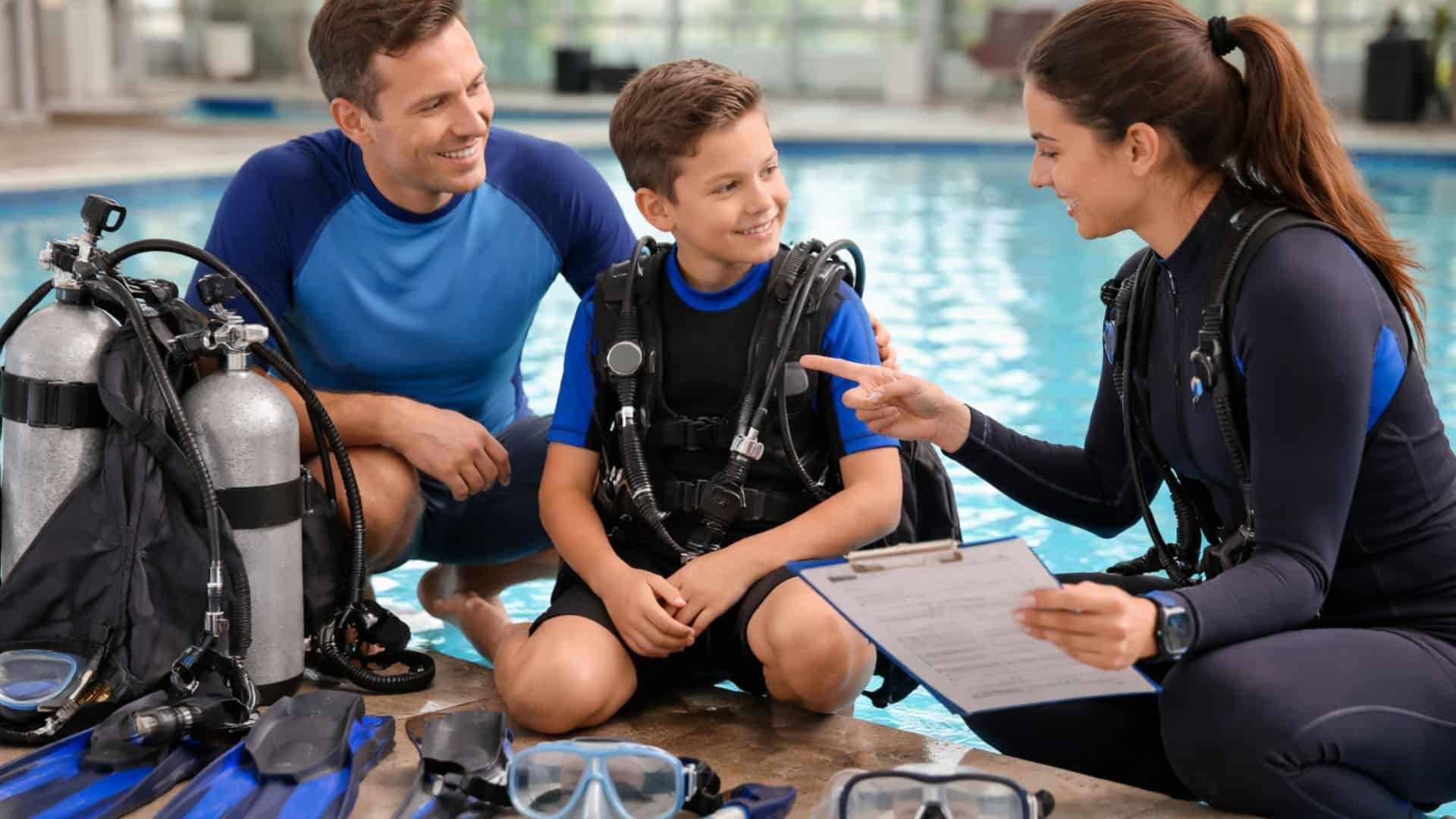
Meeting the minimum age is just the starting point. There are a few other things that need to be in place before anyone, young or old, can safely get in the water with scuba gear.
- Swimming Skills: Most programs require a basic swim test and the ability to tread water. Strong swimming ability makes the whole training process much easier.
- Medical Forms: All students must complete a medical questionnaire before starting. Certain health conditions may require a doctor’s approval before a student is cleared to dive.
- Comfort in Water: Being able to swim is not the same as feeling relaxed in deep water. Students who feel anxious may need more time before starting any scuba program.
- Choosing a Good Dive Center: Look for certified instructors, safe equipment, and small class sizes. A good dive center checks that each student is genuinely ready before moving forward.
These factors matter just as much as age when it comes to scuba readiness. Scuba diving is generally safe when done correctly, but understanding the basics of safety can make a big difference before starting.
Questions Parents Should Ask Before Signing a Child Up
Before booking a course, parents should ask three key questions. First, is the child genuinely comfortable in deep water, not just able to swim but actually relaxed and confident?
Second, does the program fit the child’s age group, since junior programs are structured very differently from adult courses?
Third, how experienced is the instructor, specifically with young divers? Teaching children requires patience and a different approach than teaching adults.
Getting clear answers to these three questions before signing up can make a big difference in how safe and positive the first experience turns out to be.
Common Scuba Mistakes to Avoid As a Beginner
Starting scuba diving is exciting, but a few common mistakes can make the experience harder than it needs to be. Knowing what to avoid beforehand saves a lot of trouble down the line.
- Many beginners focus only on meeting the minimum age requirement and skip everything else. Age is just one part of the picture, not the whole thing.
- Ignoring readiness is a common oversight. A child who is nervous around water or struggles to follow instructions is simply not ready yet, regardless of age.
- Picking the cheapest program without checking safety standards is a risk not worth taking. Low cost does not always mean good training or qualified instructors.
- Skipping the medical form or assuming it does not apply are other mistakes. Health checks exist for a reason and should never be treated as optional paperwork.
Taking a little extra time to research programs, ask the right questions, and be honest about readiness goes a long way. The goal is to start right, not just start fast.
Conclusion
So, how old do you have to be to scuba dive? The answer depends on more than just a number. It comes down to the program, the agency, the location, and most importantly, the individual.
Some kids are ready at 8. Others need more time, and that is perfectly fine. What matters most is starting when the conditions are right, not just when the age box is checked.
Scuba diving is a skill that lasts a lifetime, so there is no rush. If you found this helpful, share it with a parent or young diver who is trying to figure out where to start.
Frequently Asked Questions
Do Kids Need Parental Consent to Scuba Dive?
Yes. Most scuba programs require a parent or guardian to sign a consent form before a minor can take part in any training or water session.
Can You Try Scuba Diving Before Getting Certified?
Yes. Programs like PADI Bubblemaker and SSI Try Scuba let beginners try scuba in a pool without any prior certification or experience required.
How Long Does it Take to Get Scuba Certified?
Most open-water certification courses take 3 to 4 days. This includes classroom instruction, pool practice, and open-water dives with a certified instructor.