


Crew continues to hold a real place in college athletics, but the answer is not as simple as yes or no.
At some schools, rowing is a varsity sport with strong institutional backing; at others, it is a club program with less support from the athletic department.
To answer the question properly, it is better to have a proper understanding of what crew means and how this sport is organized on modern campuses.
Crew, or rowing, has a long collegiate tradition. Today, there are over 150 varsity women’s rowing programs across colleges, along with many competitive club teams, showing that the sport still has a strong presence on campus.
Is Crew Still a College Sport?
Yes, crew is still a college sport, and in many cases, rowing is also a varsity sport depending on the college. Teams remain active across invitationals, conferences, and championship events.
The main distinction is that not every college treats rowing the same way. Some schools sponsor it as a varsity program, while others offer it as a club sport.
In both cases, students train, race, and represent their schools, making rowing an established part of college athletics.
This is also where public perception can create confusion, because rowing is often associated with tradition, exclusivity, and old-campus culture; some people focus more on the image than the reality.
That is why context matters, especially if you have come across stereotypes around crew and how they do not reflect the full picture of common perceptions around crew.
What Varsity Rowing Means

Varsity rowing is the official athletic department version of the sport and is recognized as part of a college’s formal athletics program.
These teams typically offer professional coaching, dedicated facilities, school-funded travel, strength and conditioning support, and a set race schedule.
Athletes usually follow demanding routines that include early practices, team lifts, and seasonal competition goals.
For students seeking high-level competition, stronger recruiting opportunities, and possible scholarships in women’s rowing, varsity crew is often the best fit.
Top programs at schools like Harvard, Stanford, and the University of Washington compete at an elite level.
How Club Crew Works in College
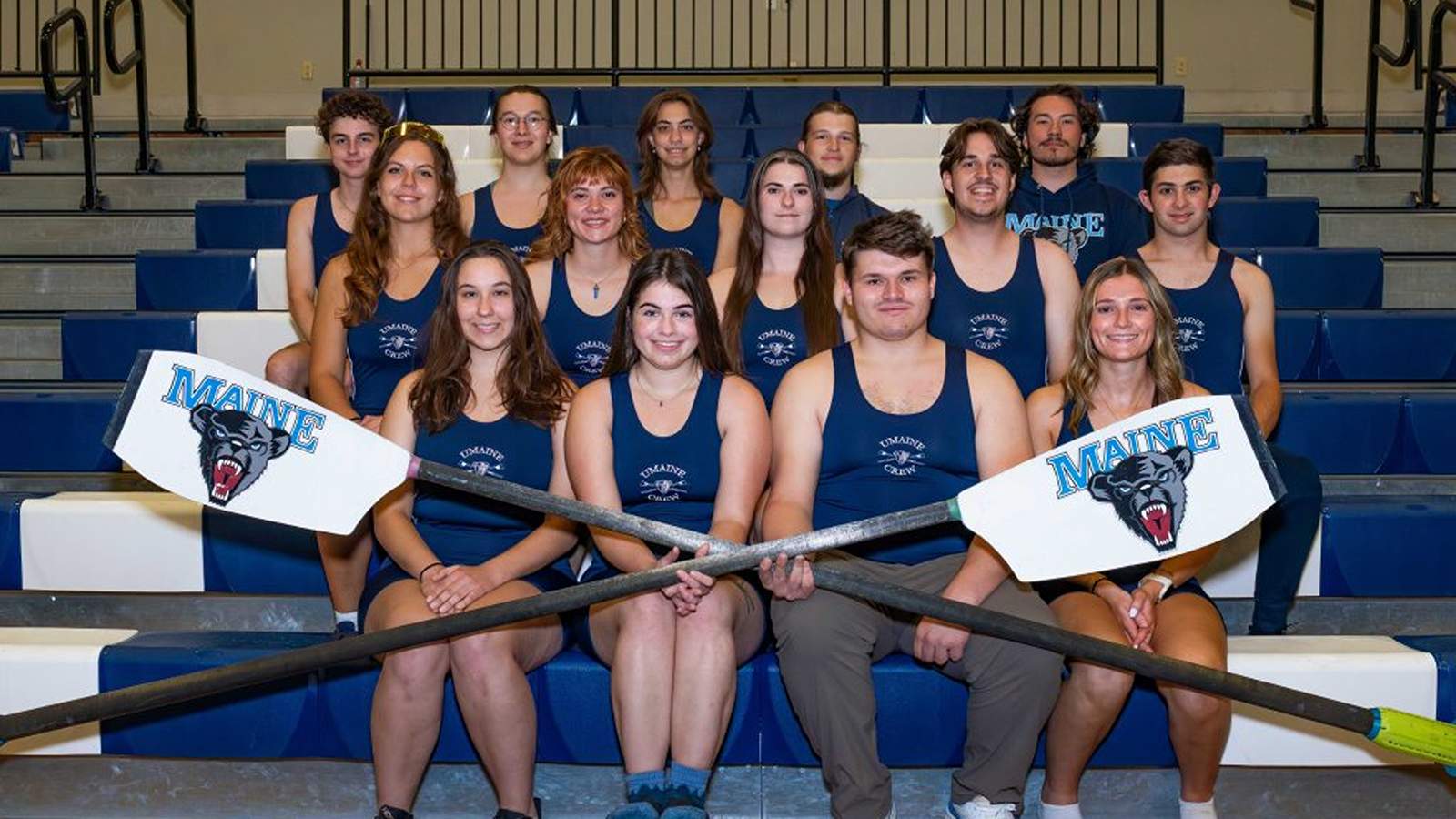
Club crew can be highly organized, but it typically receives less support from the athletic department than varsity programs.
These teams are often student-led or only partly funded by the school. One of club rowing’s biggest strengths is accessibility.
Teams often include both experienced rowers and complete beginners, giving more students a chance to compete without formal recruitment.
Club crews may have part-time coaches, shared facilities, smaller travel budgets, and some fundraising duties. It is worth noting that these factors also play into the overall cost of participating in crew, which can vary quite a bit depending on whether you join a varsity or club program.
Even so, many train seriously and race regularly against other colleges. For students who want competition with more flexibility around academics, internships, and campus life, club rowing can be a strong option.
Varsity vs. Club Crew: The Main Differences
Both options offer competition, teamwork, and skill development, but the day-to-day experience can look very different.
Varsity programs are usually more formal and demanding, while club teams tend to be more flexible and accessible.
| Aspect | Varsity Crew | Club Crew |
|---|---|---|
| Funding | Stronger school funding | Limited funding |
| Coaching | Full-time or dedicated staff | Part-time or shared coaching |
| Commitment | Higher training demands | More flexible schedule |
| Recruiting | Formal recruiting process | Often open to walk-ons |
| Scholarships | More likely available | Rarely offered |
| Competition | Higher performance expectations | Competitive but broader entry |
Neither path is better for everyone. Varsity suits athletes seeking intensive competition, while club crew works well for students who want a more balanced college experience.
NCAA Status and Why It Matters
Rowing does not always follow the same college sports structure as football or basketball, which is one reason people question its status.
- Women’s rowing has a strong presence in NCAA competition, with over 150 programs, and is recognized as a championship sport.
- Men’s rowing often competes through associations outside the NCAA.
- This difference can make the crew seem less visible to people unfamiliar with the sport.
- NCAA status also affects recruiting and scholarship opportunities, especially in women’s varsity rowing.
- Men’s rowing opportunities often vary more by school and program structure.
Even with these differences, rowing remains active and well-respected across higher education.
Which Option Is Right for Students?
The right choice depends on what a student wants from the college experience. Varsity rowing suits athletes who want a highly structured training environment and are ready for a major athletic commitment.
Club rowing is often the better fit for students who want to compete while maintaining more flexibility.
Both paths offer clear benefits. Rowing teaches discipline, resilience, teamwork, and time management.
It also creates a strong sense of community, which is one reason students continue to join crews year after year.
Final Thoughts
Rowing remains a meaningful part of college athletics, though the student experience can vary widely from one campus to another.
Varsity rowing offers stronger institutional support, structured training, and clearer recruiting pathways, while club rowing provides greater accessibility, flexibility, and competitive opportunities for more students.
Neither route is inherently better. The right fit depends on a student’s goals, schedule, and level of commitment.
What matters most is understanding how each program operates. Once that distinction is clear, it becomes easier to choose the right path and understand why the crew remains a valuable part of college athletics.









2 Responses