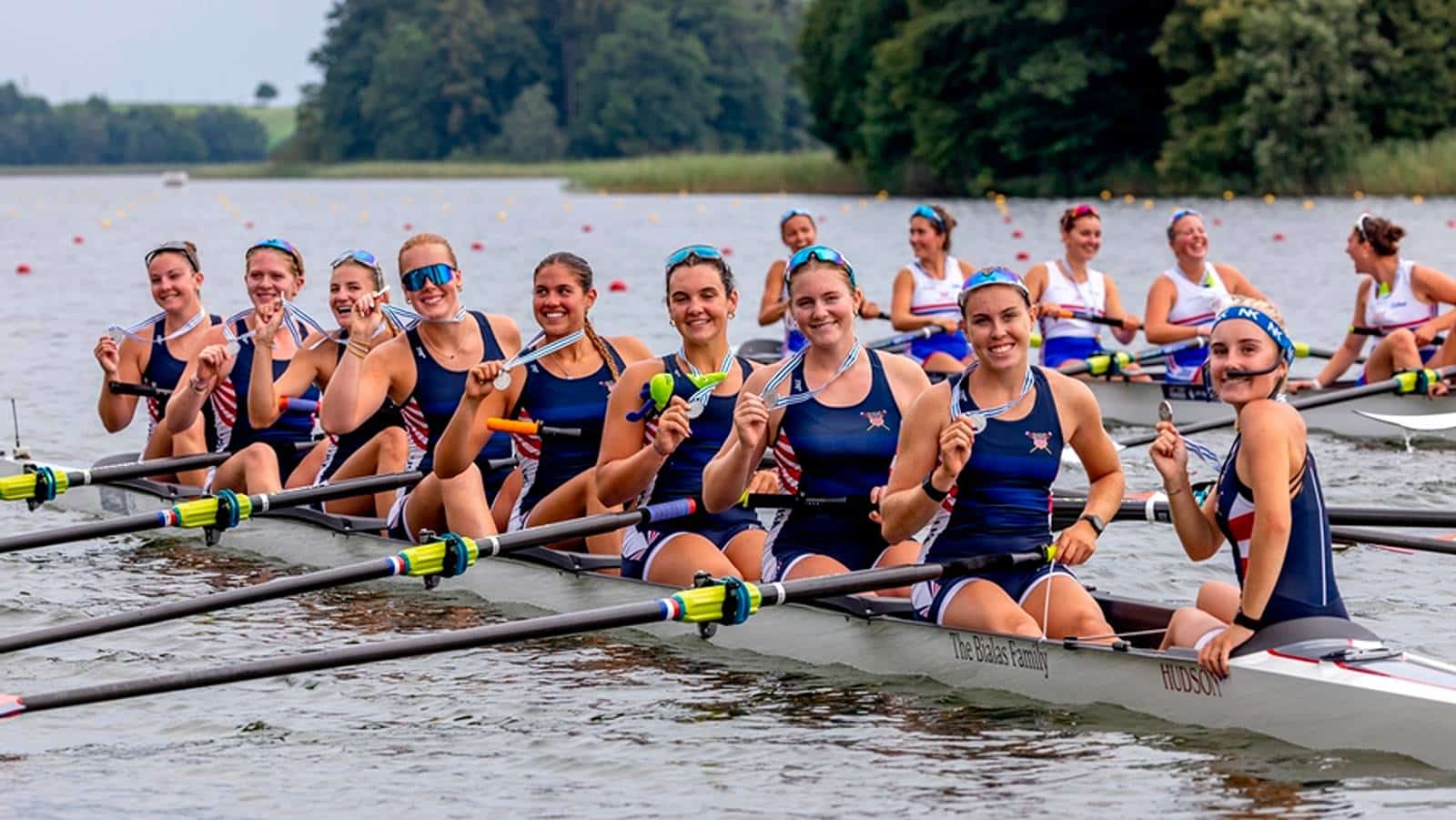

When people ask, is crew a preppy sport, they’re usually picturing a very specific scene—polished boathouses, elite campuses, and athletes in matching uniforms along quiet rivers.
That image didn’t appear randomly. It comes from a long history tied to private schools and top universities.
But the full picture is more layered. Crew, also known as rowing, has evolved far beyond its early reputation.
To understand whether it truly fits the “preppy” label, it helps to look at where the sport came from, who has traditionally played it, and how its culture looks today.
What Is Crew and Who Plays It?
Crew is the team version of rowing, where athletes race boats powered by synchronized strokes. For those new to crew, understanding how the sport works makes its culture easier to follow.
Unlike many sports, crew depends heavily on timing, endurance, and teamwork. There are no timeouts or substitutions during a race. Every rower must stay in rhythm from start to finish, often over long distances.
Because of this, the sport attracts a mix of athletes from different pathways—some come from traditional school programs, while others join through local clubs or college teams.
That variety already challenges the idea that only one type of person participates.
The Historical Roots of Crew’s Preppy Image
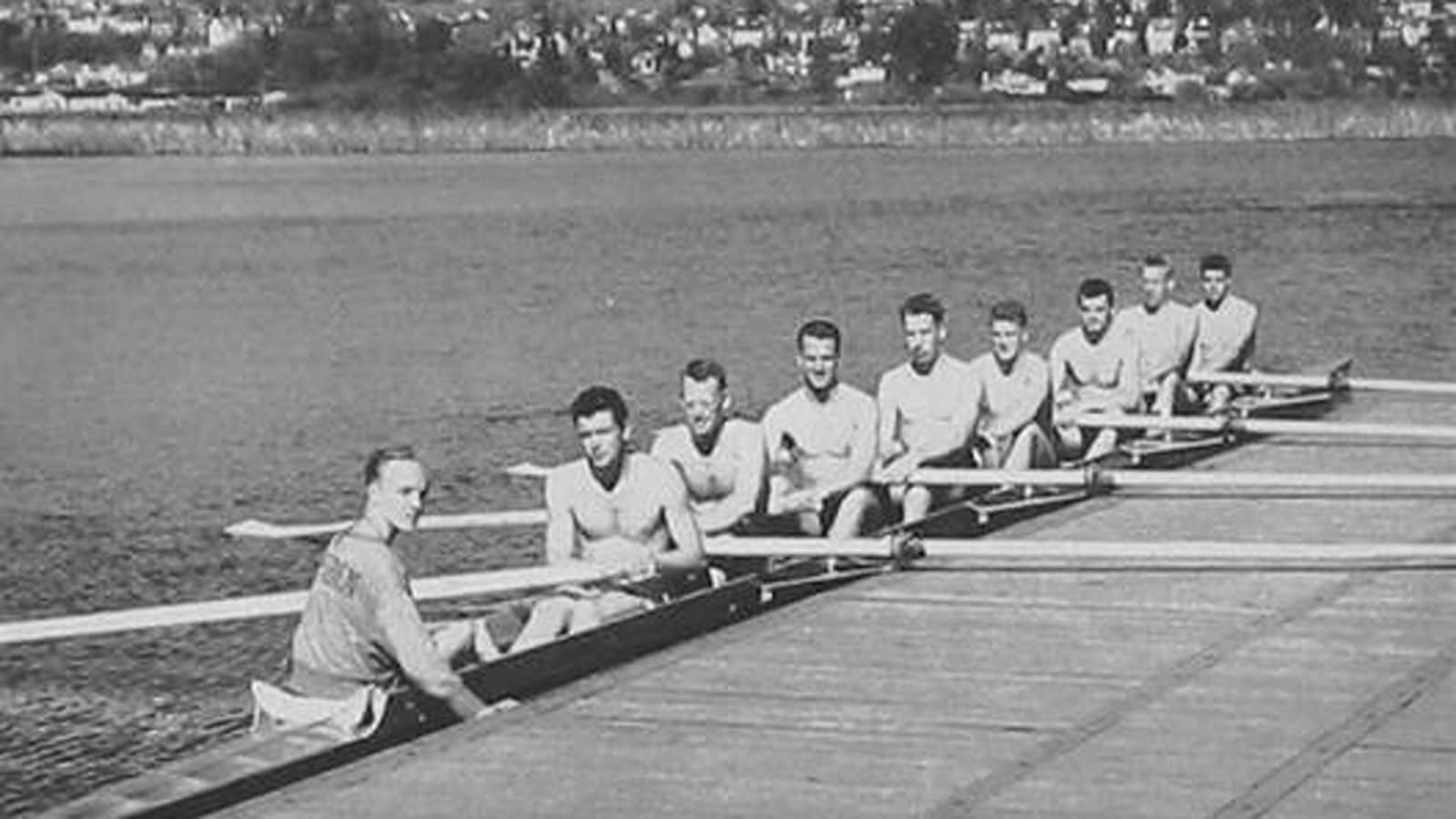
The link between rowing and preppy culture has deep historical roots, shaped by the institutions that first popularized the sport.
- British beginnings: Modern competitive rowing grew in Britain, where Oxford and Cambridge turned boat races into major events.
- Elite associations: Because those universities were closely tied to wealth and status, rowing picked up the same social image.
- American expansion: In the United States, early crew programs took hold in prep schools and Ivy League colleges with the resources to support them.
- Tradition and image: Uniforms, rituals, and formal competition styles helped strengthen that reputation.
That history explains why the crew still carries a preppy label, even though the sport now reaches far beyond those roots.
Why Crew Carries an Elite Image
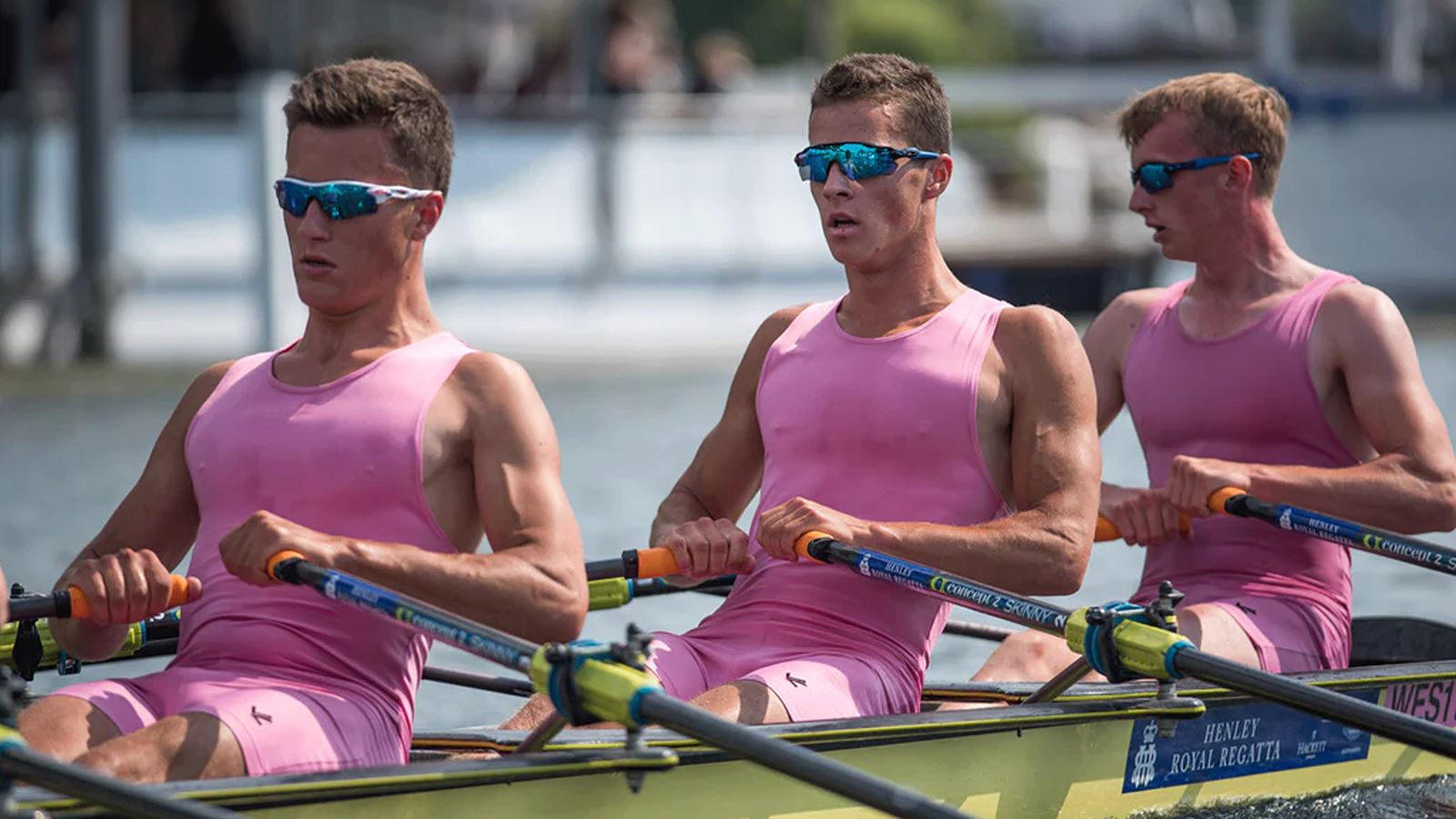
Rowing is often associated with wealth for practical reasons. Boats, oars, maintenance, coaching, and water access make the sport expensive to support.
As a result, programs were historically more common in private schools and well-funded colleges. Media portrayals strengthened the image by placing crew in elite academic settings.
That reputation still shapes how people see the sport today, even though many modern rowing programs exist outside those traditional spaces and reflect a much wider range of athletes and communities.
The Demands and Reach of Crew
Crew is far more demanding than its image suggests. Rowing requires intense endurance, early training sessions, and precise coordination.
Access to the sport has also grown, with public schools, city clubs, and youth programs opening it to a wider range of athletes. Access is still uneven in many areas, but the sport is gradually reaching more communities.
At the college level, crew continues to hold a steady and visible place in college sports. That broader shift becomes clearer when you look at its ongoing role in college sports.
These changes show that crew is no longer limited to a narrow group. The culture now includes athletes from different backgrounds, skill levels, and regions.
How Environment Shapes Crew Culture
Crew culture does not look the same everywhere. The setting plays a big role in shaping how the sport feels, who joins, and what traditions matter most.
- Prep schools: Rowing in prep schools often carries a more formal feel, with a strong focus on tradition, legacy, and long-standing team culture.
- College programs: College teams usually blend that history with a more intense athletic environment, where training, results, and competition carry just as much weight as reputation.
- Community clubs: Community rowing clubs often feel more open and flexible, welcoming beginners, recreational rowers, and people from a wider range of backgrounds.
- Local influence: In many cases, the culture of a rowing program reflects the area around it more than the stereotype attached to the sport itself.
That range is part of why the question is not always easy to answer. Whether crew feels preppy often depends less on the sport alone and more on the environment in which someone experiences it.
So, Is Crew a Preppy Sport?
Crew has clear ties to preppy culture through its history and early institutions. That connection is well established.
The sport’s association with elite schools and structured traditions shaped how people see it today.
At the same time, reducing crew to a single label doesn’t hold up. Modern rowing includes competitive college teams, public school programs, and community clubs that look nothing like the classic stereotype.
A more accurate way to view it is this: crew has preppy origins, but its current culture is broader and more inclusive. The sport continues to shift as access expands and new participants enter the scene.
Final Thoughts
The reputation of crew comes from real historical patterns, not just assumptions. Still, the sport has changed significantly over time.
What once felt exclusive now reaches a wider range of athletes and communities. So when someone asks, is crew a preppy sport?
The answer isn’t a simple yes or no. It’s a mix of history, perception, and present-day reality—one that continues to shift as the sport reaches new groups of athletes.